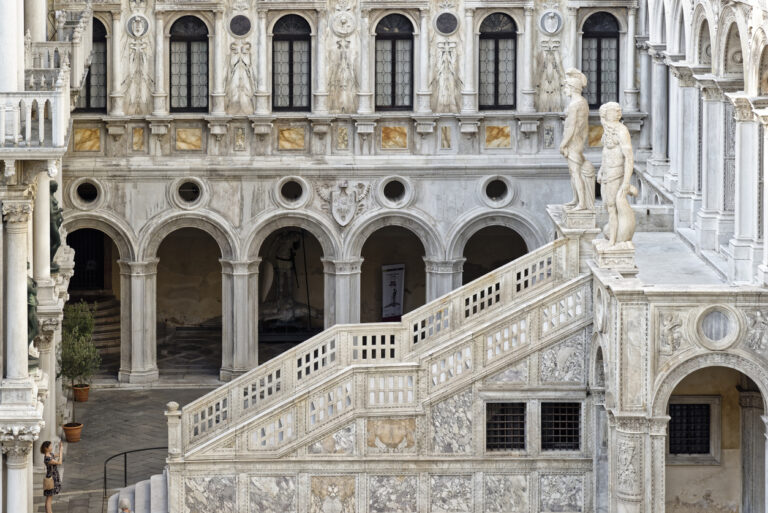
Rome Cruise Port Guide: Top Things to Do for Cruise Travelers
Rome is one of the most exciting cities you can visit on a Mediterranean cruise. When your ship docks in Civitavecchia, you gain access to a city filled with ancient history, world‑class art, and unforgettable food. This Rome Cruise Port Guide gives you twenty amazing things to do after arriving by cruise ship. Each activity includes how to get there, what to expect, why it’s special, and how to prepare for a smooth day ashore.
Rome sits about 50 miles from the cruise port, so planning matters. This guide helps you make the most of your time, whether you want to explore iconic landmarks, enjoy local food, or wander through charming neighborhoods.
1. Visit the Colosseum
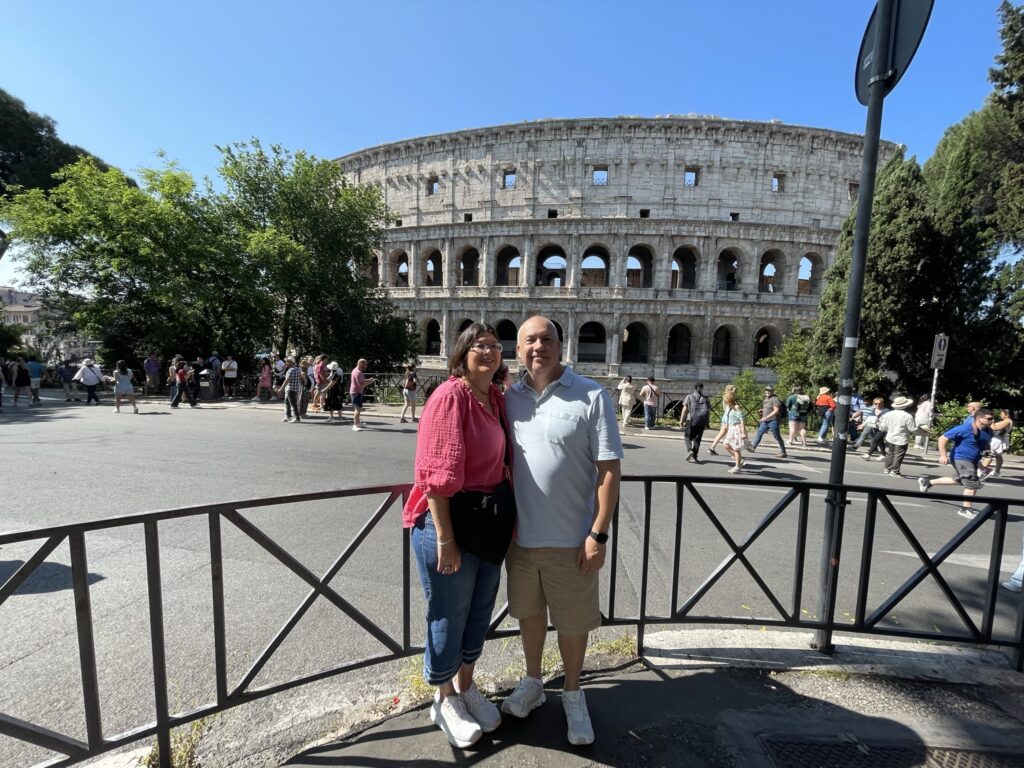
Getting There: Take the Civitavecchia Express train to Roma Ostiense (about 45–55 minutes). Transfer to Metro Line B and ride two stops to Colosseo. Total travel time is about 75–90 minutes.
What to Do: Walk through the arena floor, explore the underground chambers, and climb to the upper levels for sweeping views. The Colosseum brings ancient Rome to life with its massive arches and dramatic history.
Why It’s Special: Few landmarks match the power of the Colosseum. You stand where gladiators once fought and crowds roared. It’s one of the most iconic structures in the world.
Preparation: Buy skip‑the‑line tickets in advance. Wear comfortable shoes and bring water.
Tips: Arrive early to avoid crowds. Combine your ticket with the Roman Forum and Palatine Hill.
Cost: €18–€24 depending on ticket type.
Common Complaints: Crowds can feel overwhelming. Lines move slowly without advance tickets.
Get my full Rome Colosseum guide here.
2. Explore the Roman Forum
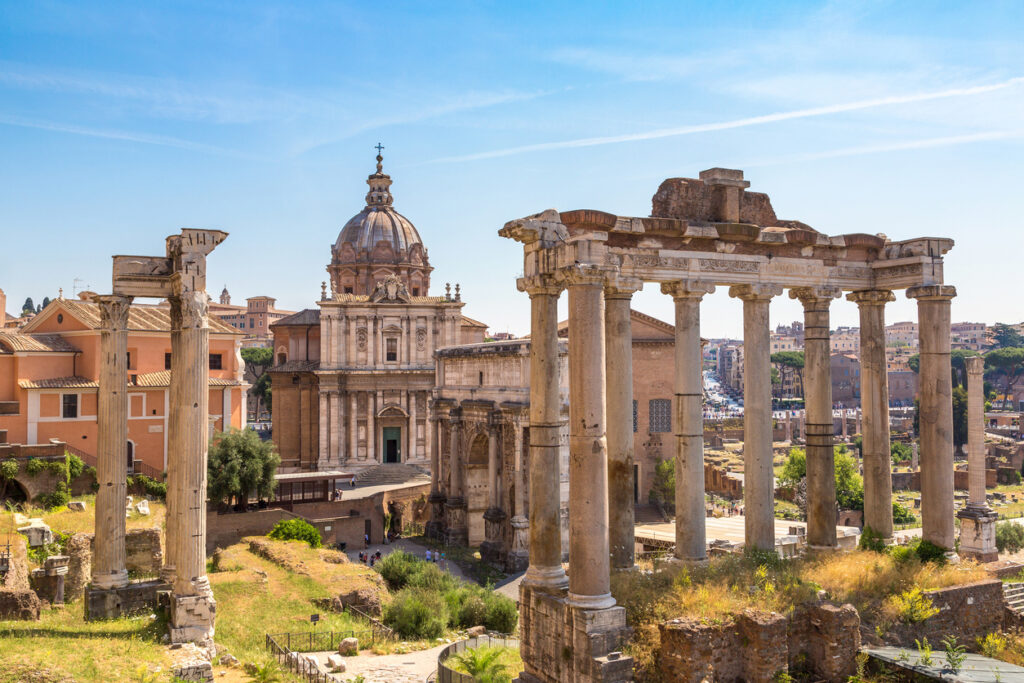
Getting There: From the Colosseum, walk five minutes to the Forum entrance.
What to Do: Stroll through ancient temples, basilicas, and government buildings. Highlights include the Temple of Saturn, the Arch of Titus, and the House of the Vestal Virgins.
Why It’s Special: The Forum was the heart of ancient Rome. You walk through the center of political, religious, and social life.
Preparation: Bring a hat and sunscreen. Shade is limited.
Tips: Follow a self‑guided map to understand the ruins.
Cost: Included with Colosseum ticket.
Common Complaints: Uneven ground can be tough on tired legs.
For more information about the Roman Forum, see my full Roman forum guide here.
3. Climb Palatine Hill
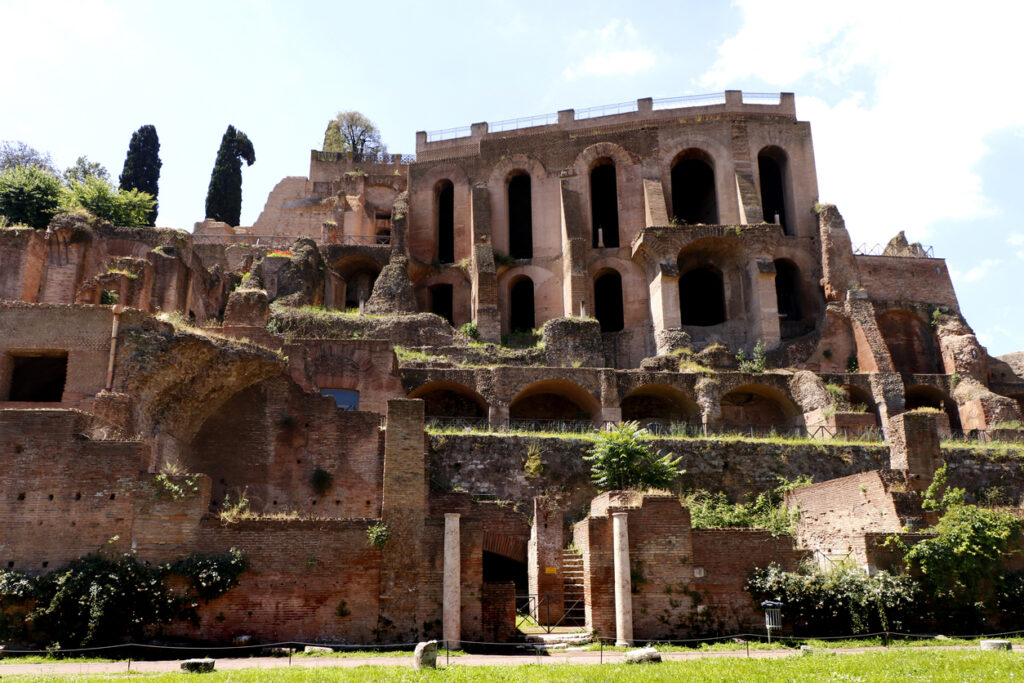
Getting There: Enter from the Forum or the dedicated Palatine entrance.
What to Do: Visit the ruins of imperial palaces and enjoy panoramic views of the city.
Why It’s Special: Palatine Hill offers some of the best views in Rome. It also gives you a quiet break from the busy streets below.
Preparation: Wear sturdy shoes. The climb is gentle but steady.
Tips: Visit after the Forum for a natural flow.
Cost: Included with Colosseum ticket.
Common Complaints: Some areas feel confusing without a map.
To help you plan your visit, I’ve put together a full Palatine Hill guide with what to see, how to get there, and tips for making the most of your time. You can read the complete guide here.
4. Visit the Vatican Museums
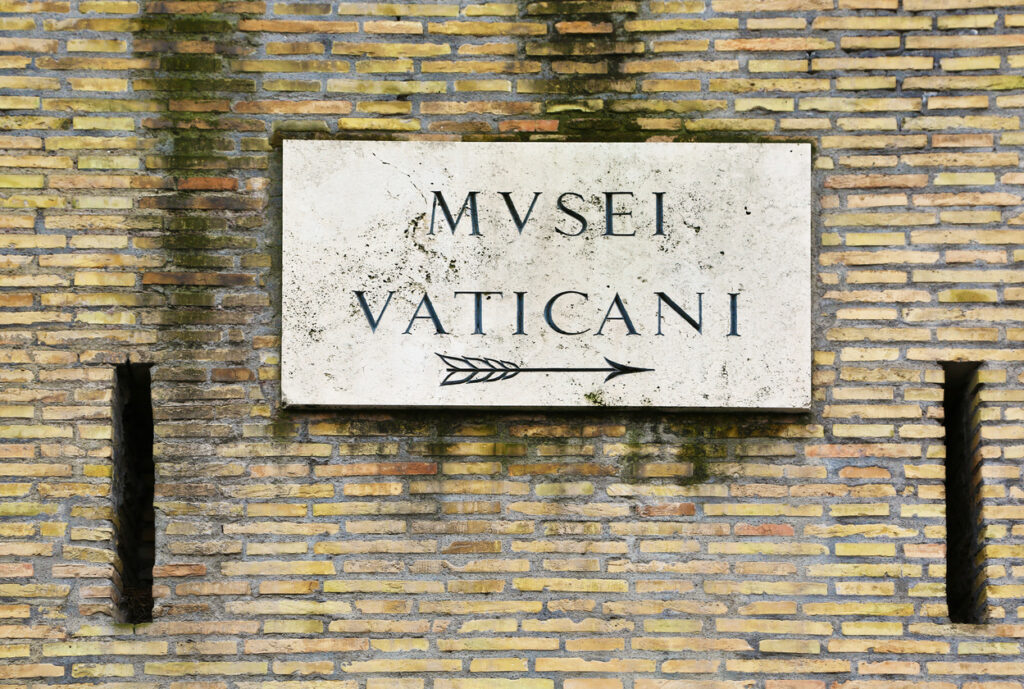
Getting There: Take the train to Roma San Pietro (about 60 minutes). Walk 15 minutes to the Vatican entrance.
What to Do: Explore galleries filled with sculptures, tapestries, and Renaissance art. The highlight is the Sistine Chapel.
Why It’s Special: The Vatican Museums hold one of the world’s greatest art collections. Every room feels like a masterpiece.
Preparation: Book timed tickets. Dress modestly.
Tips: Move at your own pace. The museum is huge.
Cost: €20–€30 depending on ticket type.
Common Complaints: Crowds can feel intense, especially near the Sistine Chapel.
For all the details on planning your visit, check out my complete Vatican Museums Rome guide here.
5. St. Peter’s Basilica
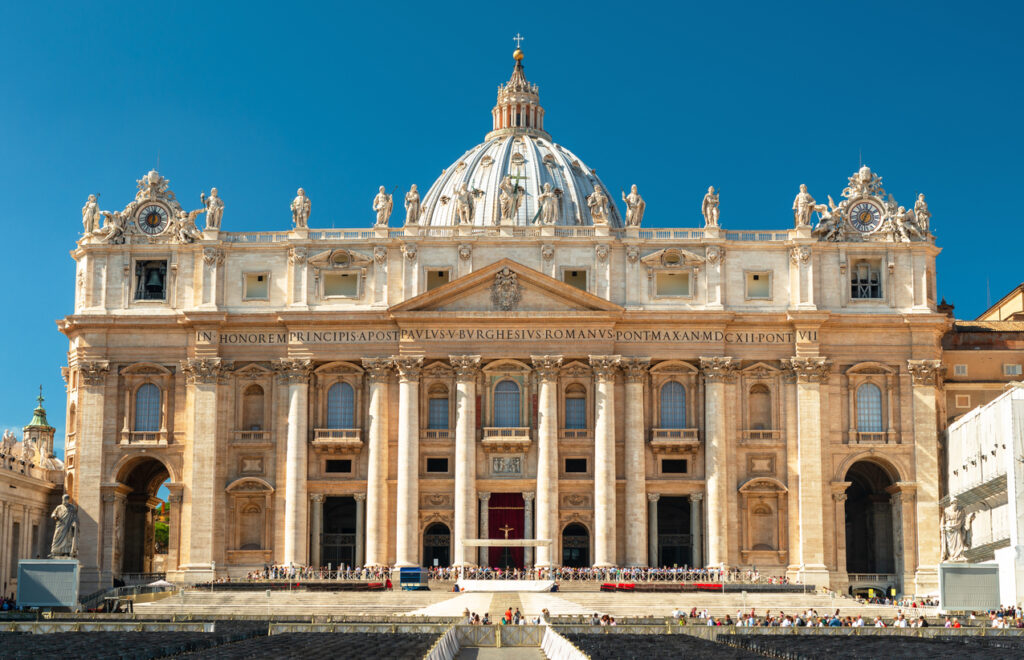
Getting There: Walk from the Vatican Museums or Roma San Pietro station.
What to Do: Admire the dome, Michelangelo’s Pietà, and the ornate interior. Climb to the top for a stunning view.
Why It’s Special: St. Peter’s is one of the most impressive churches in the world. The scale and beauty leave a lasting impression.
Preparation: Dress modestly. Shoulders and knees must be covered.
Tips: The dome climb offers the best views in Vatican City.
Cost: Free; dome climb €8–€10.
Common Complaints: Security lines move slowly during peak hours.
For a deeper look at this iconic landmark, you can read my full St. Peter’s Basilica guide here.
6. Trevi Fountain
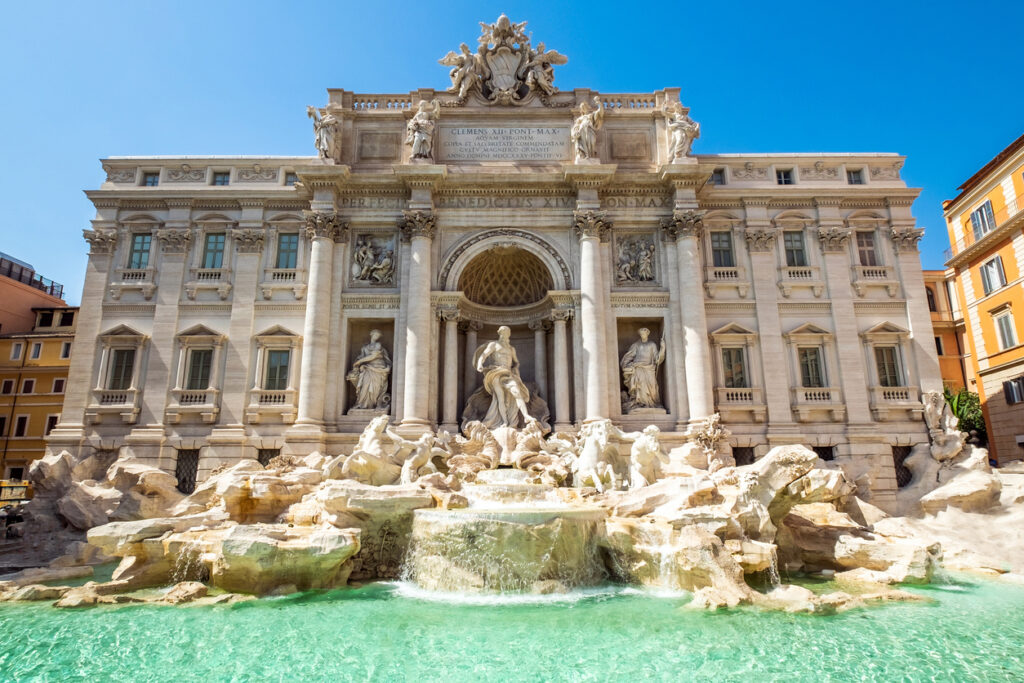
Getting There: Take Metro Line A to Barberini and walk 10 minutes.
What to Do: Throw a coin into the fountain, take photos, and enjoy the lively atmosphere.
Why It’s Special: The Trevi Fountain is one of Rome’s most famous landmarks. The sculptures and water create a magical scene.
Preparation: Keep valuables secure. The area gets crowded.
Tips: Visit early morning or late evening for fewer people.
Cost: Free.
Common Complaints: Crowds make it hard to take photos.
If you want all the details — from how to get there to the meaning behind the famous coin toss — I’ve put together a full Trevi Fountain guide you can check out here.
7. Spanish Steps
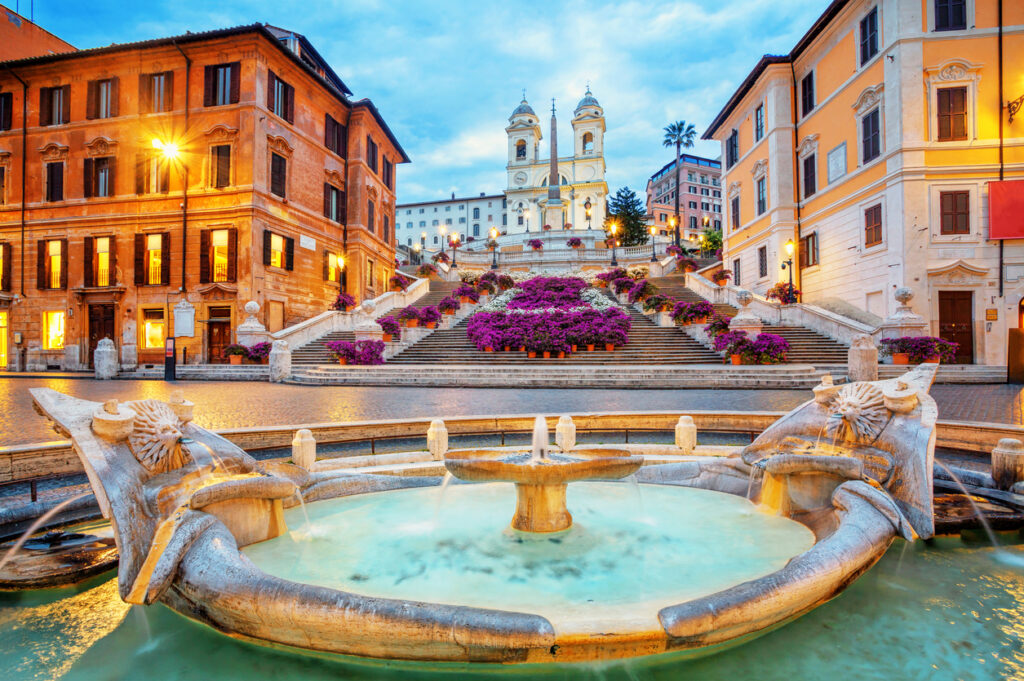
Getting There: Walk from Trevi Fountain or take Metro Line A to Spagna.
What to Do: Climb the steps, enjoy the view, and explore the surrounding shops.
Why It’s Special: The Spanish Steps offer a classic Rome moment. The area feels lively and elegant.
Preparation: Wear comfortable shoes. The steps are steep.
Tips: Sitting on the steps is no longer allowed.
Cost: Free.
Common Complaints: Street vendors can feel persistent.
See my full Spanish steps guide here,
8. Pantheon
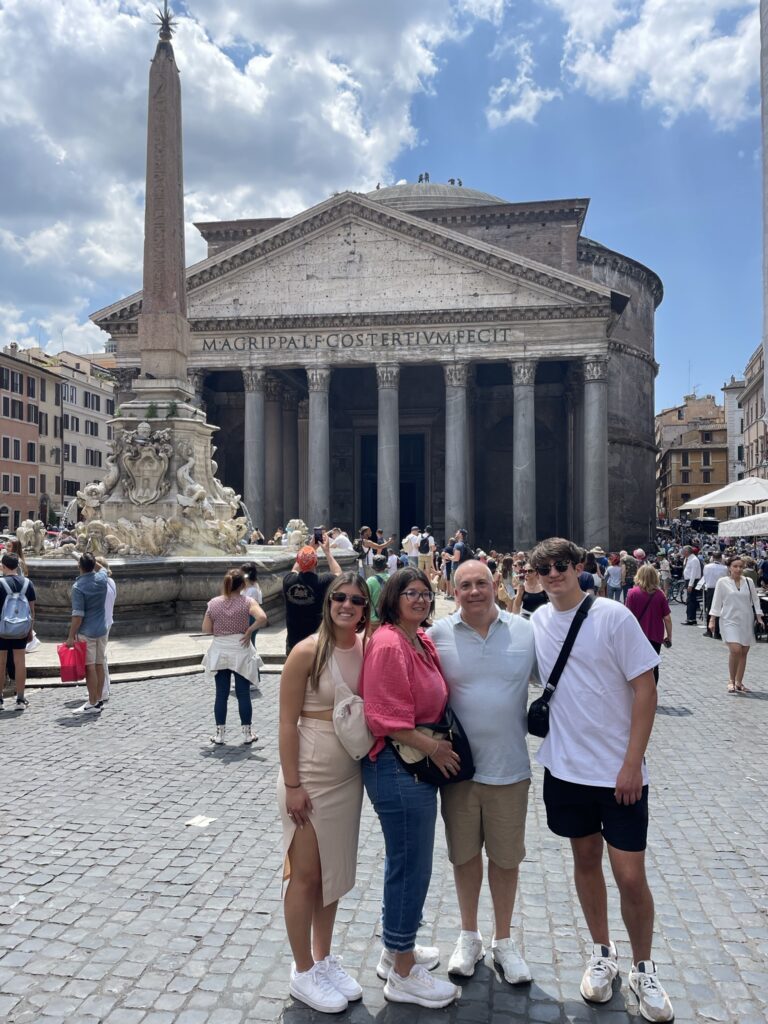
Getting There: Walk from Trevi Fountain or take a taxi from the Vatican.
What to Do: Admire the massive dome and oculus. Explore the ancient interior and marble floors.
Why It’s Special: The Pantheon is one of the best‑preserved ancient buildings in the world. The dome still inspires architects today.
Preparation: Check hours. The Pantheon now requires a ticket.
Tips: Visit early to avoid lines.
Cost: €5.
Common Complaints: Crowds gather quickly.
For more information about the Pantheon, see my full Pantheon Rome guide here.
9. Piazza Navona
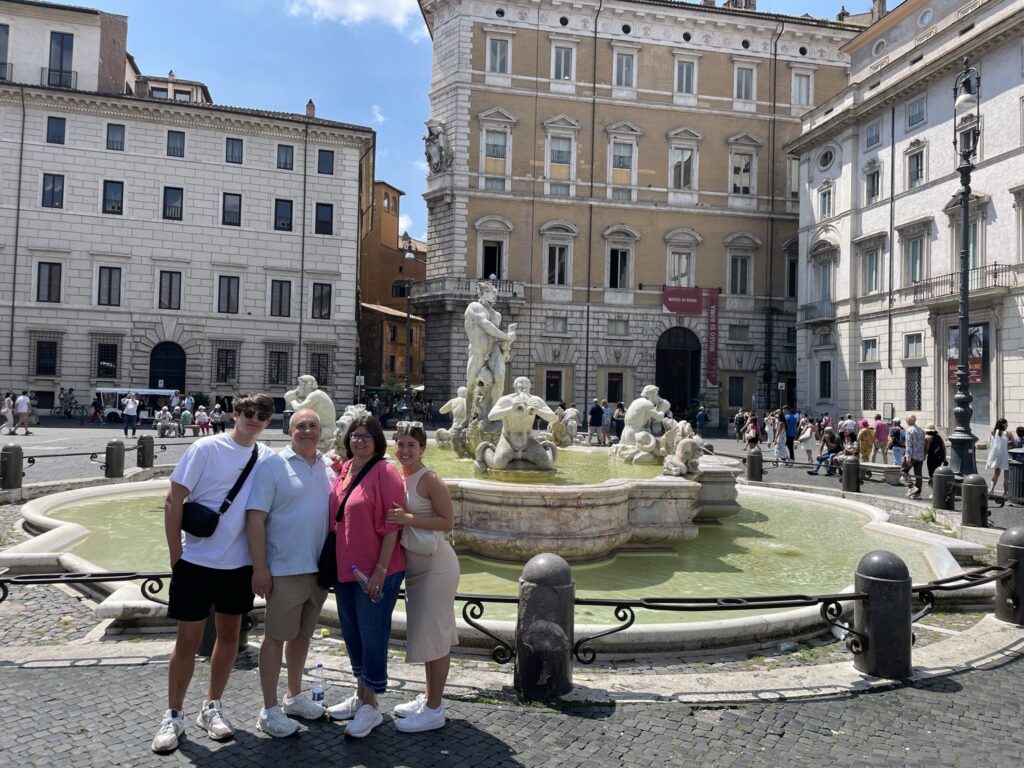
Getting There: Walk from the Pantheon.
What to Do: Enjoy the fountains, street artists, and cafés. The square feels lively and charming.
Why It’s Special: Piazza Navona blends beauty and energy. The fountains and architecture create a perfect Rome scene.
Preparation: Bring cash for small purchases.
Tips: Avoid eating in the square if you want lower prices.
Cost: Free.
Common Complaints: Restaurant prices run high.
If you’d like a deeper look at this beautiful square, you can read my full Piazza Navona Rome guide here.
10. Campo de’ Fiori Market
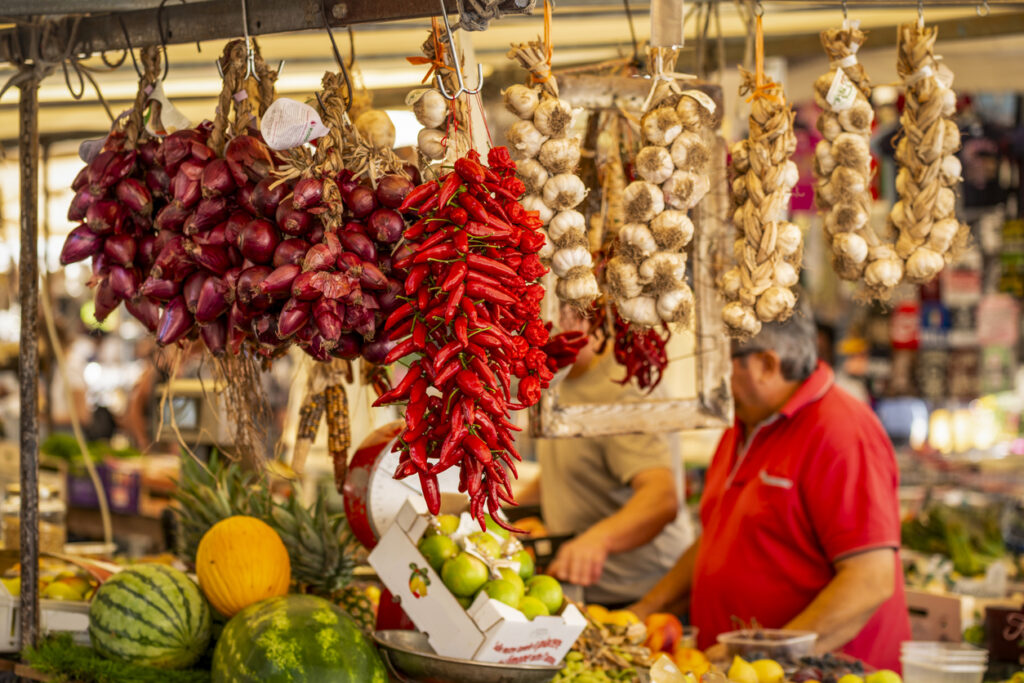
Famous for his daily market and the statue of Giordano Bruno.
Getting There: Walk from Piazza Navona.
What to Do: Browse stalls selling produce, spices, pasta, and souvenirs.
Why It’s Special: The market gives you a taste of local life. It’s colorful, lively, and full of flavor.
Preparation: Bring a reusable bag.
Tips: Visit in the morning for the best selection.
Cost: Free to browse.
Common Complaints: Some stalls cater to tourists.
If you want a closer look at this lively outdoor market, you can read my full Campo de’ Fiori Market Rome guide here.
11. Trastevere Neighborhood
Getting There: Take Tram 8 from Piazza Venezia.
What to Do: Wander cobblestone streets, visit small churches, and enjoy local restaurants.
Why It’s Special: Trastevere feels like old Rome. The narrow streets and warm atmosphere make it a favorite for visitors.
Preparation: Wear comfortable shoes.
Tips: Visit in the late afternoon for the best vibe.
Cost: Free to explore.
Common Complaints: Streets can feel crowded at night.
12. Piazza Venezia & Vittoriano
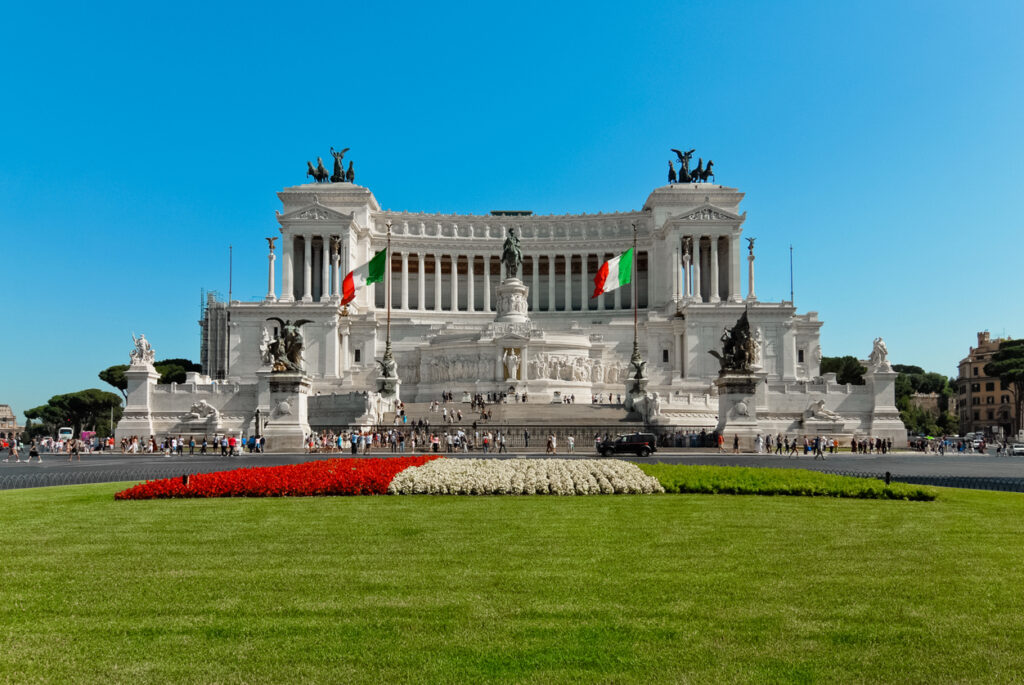
Getting There: Walk from the Forum or take a bus to Piazza Venezia.
What to Do: Climb the monument for panoramic views. Explore the museum inside.
Why It’s Special: The Vittoriano offers one of the best views in Rome. The white marble structure stands out against the skyline.
Preparation: Bring water. The climb can feel warm.
Tips: Take the elevator to the top for the best view.
Cost: €10 for the terrace.
Common Complaints: Some visitors find the monument too modern.
If you’d like a deeper look at this iconic square and monument, you can read my full Piazza Venezia & Vittoriano Rome guide here.
13. Capitoline Hill & Museums
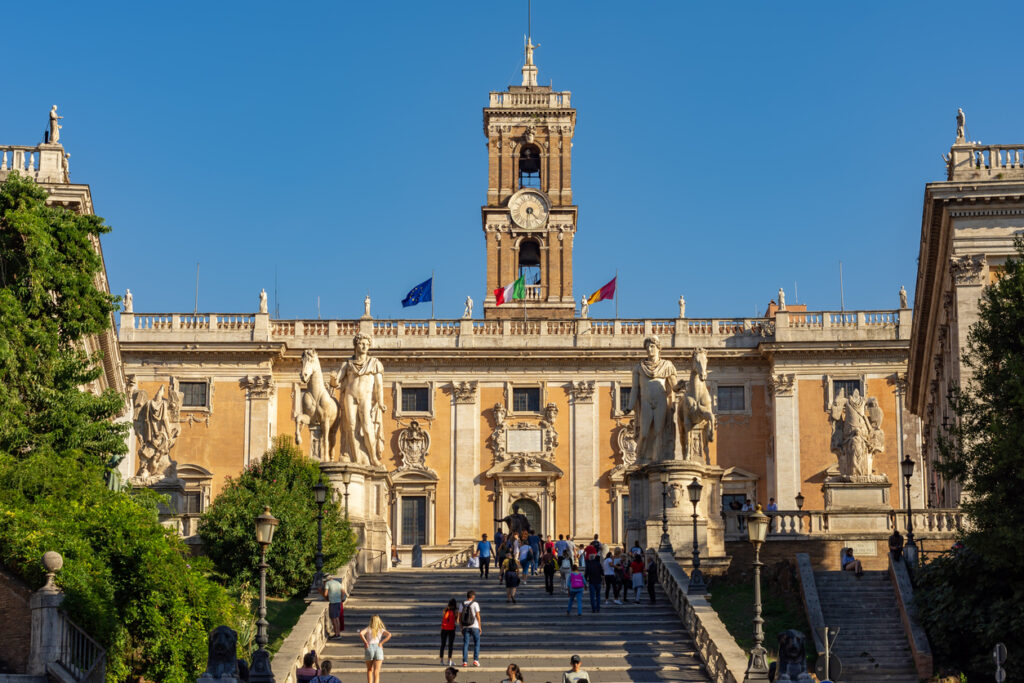
Getting There: Walk from Piazza Venezia.
What to Do: Explore ancient statues, Renaissance art, and historic rooms.
Why It’s Special: The Capitoline Museums are the oldest public museums in the world. They offer a deep look at Roman history.
Preparation: Buy tickets in advance.
Tips: Visit the terrace for a great Forum view.
Cost: €13–€15.
Common Complaints: The museum layout feels confusing.
If you’d like a deeper look at this historic hill and its famous museums, you can read my full Capitoline Hill & Museums Rome guide here.
14. Castel Sant’Angelo
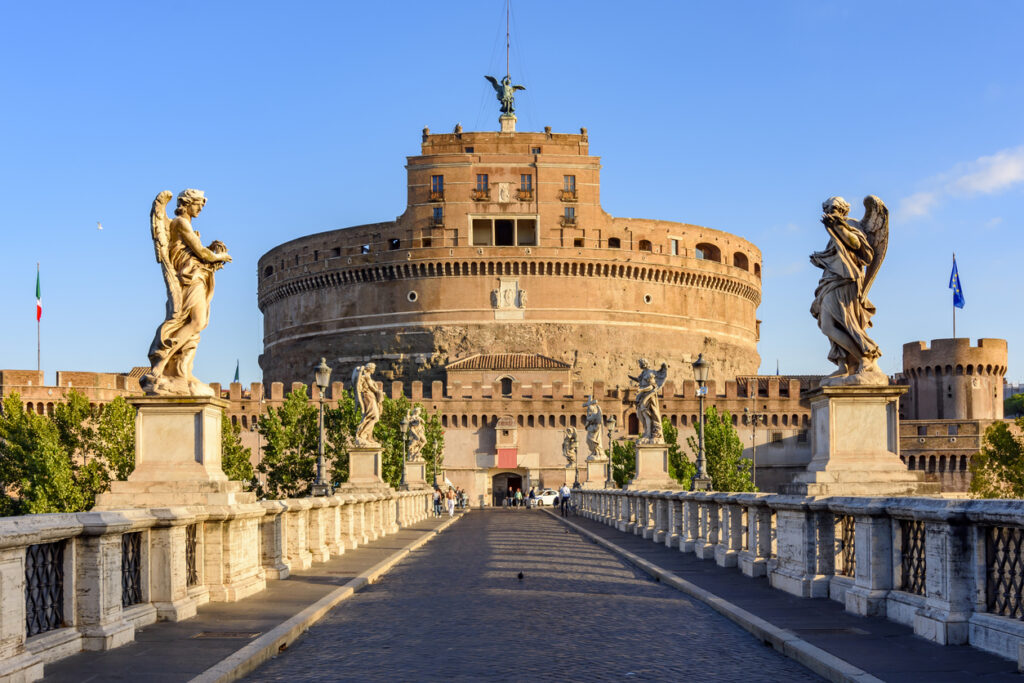
Getting There: Walk from the Vatican or take a bus to Piazza Pia.
What to Do: Explore the castle, climb the ramparts, and enjoy river views.
Why It’s Special: Castel Sant’Angelo blends history and beauty. The rooftop terrace offers one of Rome’s best views.
Preparation: Wear comfortable shoes.
Tips: Visit near sunset for great photos.
Cost: €12–€15.
Common Complaints: Some rooms feel empty.
For details on what to see and how to visit, check out my complete Castel Sant’Angelo Rome guide here.
15. Villa Borghese Gardens
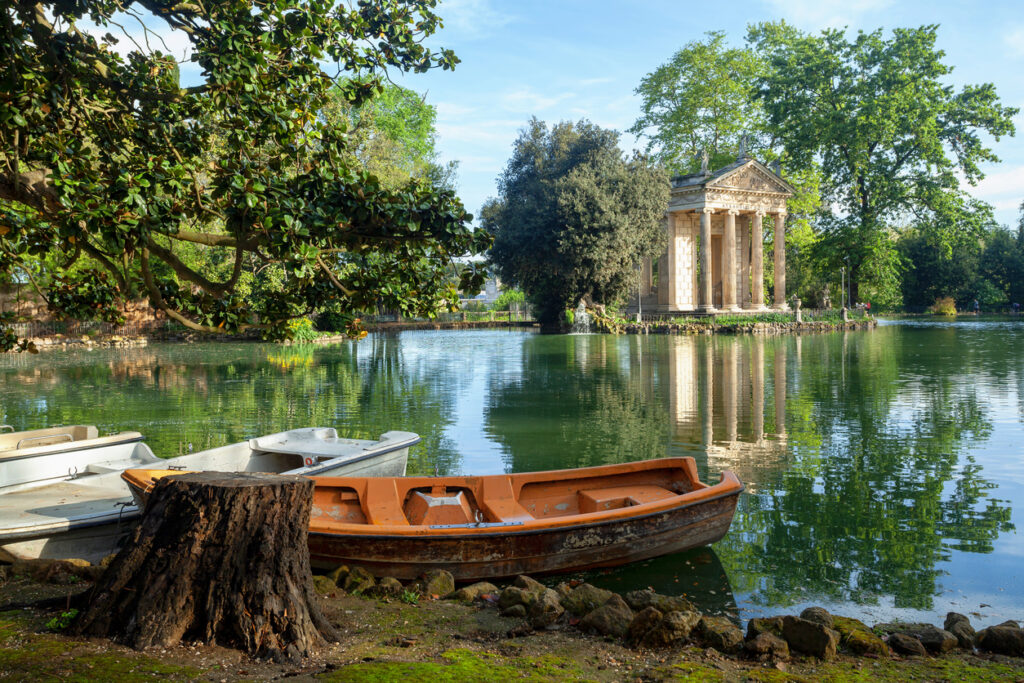
Getting There: Take Metro Line A to Spagna and walk uphill.
What to Do: Rent bikes, visit the lake, or relax in the shade.
Why It’s Special: Villa Borghese offers a peaceful break from the city. The park feels spacious and green.
Preparation: Bring snacks and water.
Tips: Rent a bike to explore more of the park.
Cost: Free; bike rentals €10–€15.
Common Complaints: The park feels large and easy to get lost in.
If you’d like a closer look at this peaceful green escape, you can read my full Villa Borghese Gardens Rome guide here.
16. Galleria Borghese
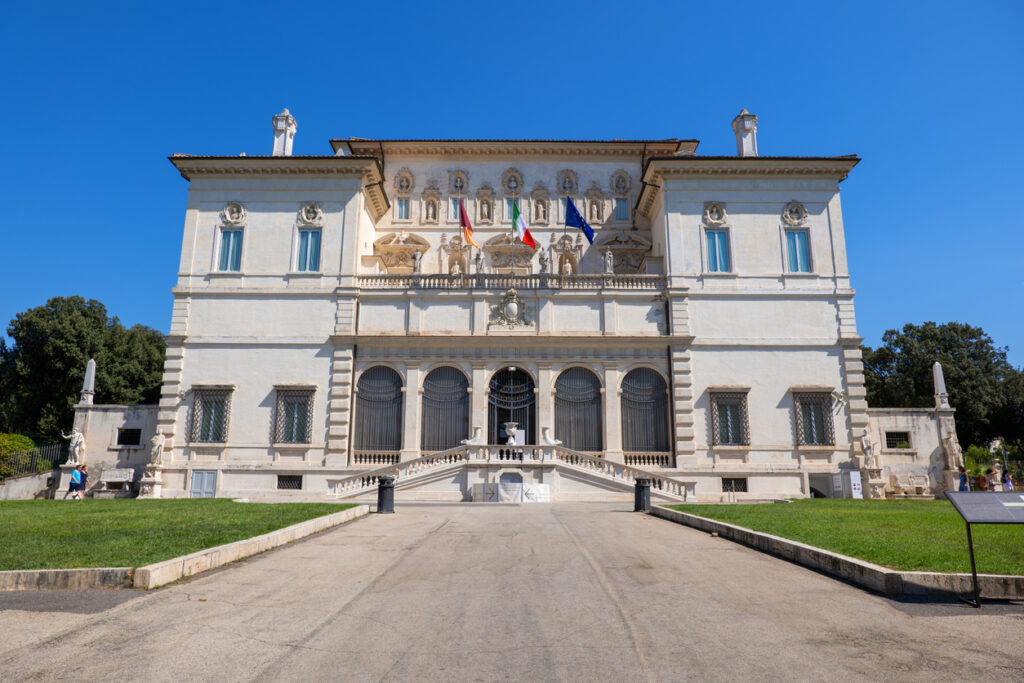
Getting There: Located inside Villa Borghese.
What to Do: View masterpieces by Bernini, Caravaggio, and Raphael.
Why It’s Special: The gallery holds some of Rome’s most stunning art. The sculptures alone make the visit worth it.
Preparation: Tickets must be booked in advance.
Tips: Arrive 30 minutes before your time slot.
Cost: €15–€20.
Common Complaints: Strict two‑hour time limit.
For details on what to see and how to visit, check out my complete Galleria Borghese Rome guide here.
17. Testaccio Market

Getting There: Take Metro Line B to Piramide.
What to Do: Try local street food, browse produce stalls, and enjoy fresh pastries.
Why It’s Special: Testaccio feels authentic and local. It’s a great place to try Roman food.
Preparation: Bring cash.
Tips: Try the famous trapizzino.
Cost: Food €3–€10.
Common Complaints: Some stalls close early.
If you’d like a closer look at this local food market, you can read my full Testaccio Market Rome guide here.
18. Aventine Hill & the Keyhole
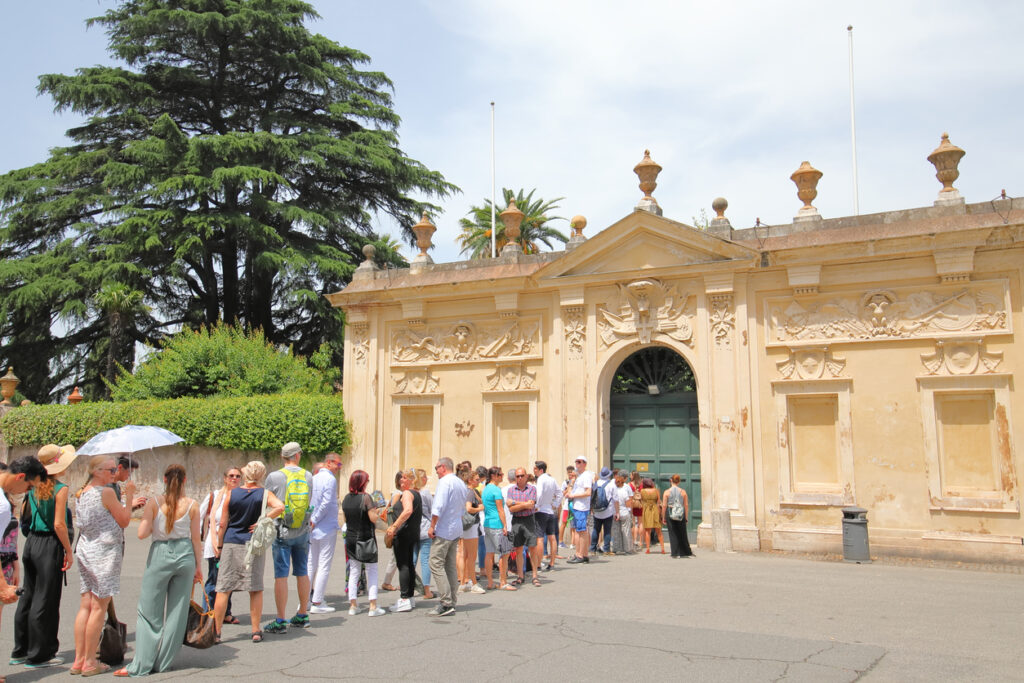
Getting There: Walk from Circus Maximus.
What to Do: Visit the Orange Garden and peek through the famous keyhole.
Why It’s Special: The keyhole view lines up perfectly with St. Peter’s dome. It’s a fun and unique Rome moment.
Preparation: Wear comfortable shoes.
Tips: Visit early to avoid lines.
Cost: Free.
Common Complaints: The keyhole line moves slowly.
If you’d like a closer look at this peaceful hill and its famous keyhole view, you can read my full Aventine Hill & Keyhole Rome guide here.
19. Circus Maximus
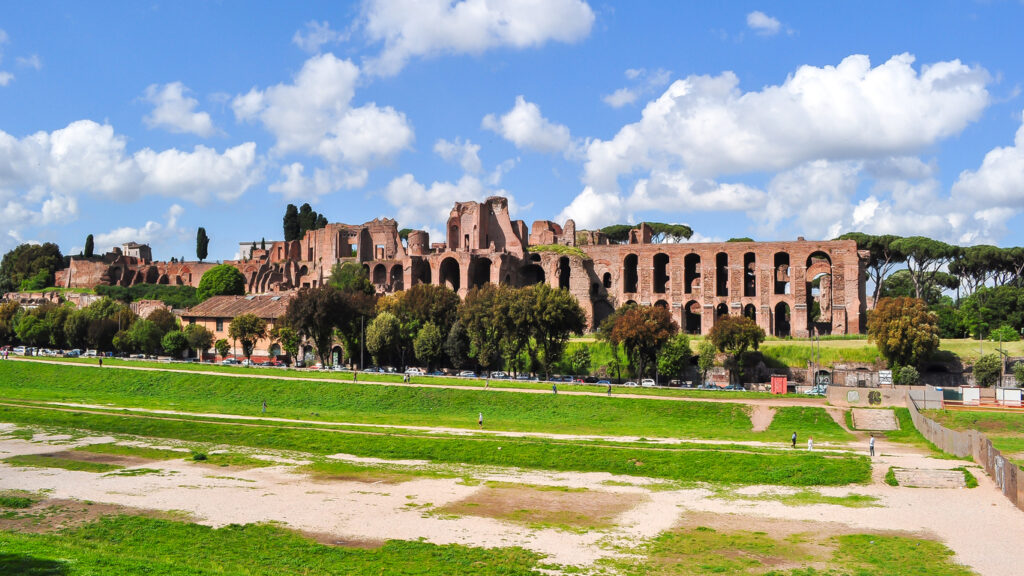
Getting There: Walk from the Forum or take Metro Line B.
What to Do: Explore the ancient chariot racing grounds and enjoy the open space.
Why It’s Special: Circus Maximus gives you a sense of Rome’s massive scale. It’s peaceful and historic.
Preparation: Bring water. Shade is limited.
Tips: Combine with a visit to Aventine Hill.
Cost: Free.
Common Complaints: Some visitors expect more ruins.
For details on what to see and how to visit, check out my complete Circus Maximus Rome guide here.
20. Eat Gelato
Getting There: It’s everywhere!
What to Do: Choose from dozens of gelato flavors and enjoy a sweet break.
Preparation: Bring cash.
Tips: Order at the register before choosing your flavor.
Cost: €4–€7.
Final Thoughts: Your Rome Cruise Guide in Action
This Rome Cruise Guide gives you twenty amazing things to do after arriving by cruise ship. Rome offers history, food, art, and unforgettable views. With smart planning, you can enjoy a full day in one of the world’s most iconic cities.
MORE HELPFUL EUROPEAN CRUISE PORT GUIDES
- Barcelona, Spain Cruise Port Guide – Top Things to Do
- Cartagena, Spain Cruise Port Guide – Top Things to Do
- Palma De Mallorca, Spain Cruise Port Guide – Top Things to Do
- Ephesus, Turkey Cruise Port Guide – Top Things to Do
- Mykonos, Greece Cruise Port Guide – Top Things to Do
- Santorini, Greece Cruise Port Guide – Top Things to Do
- Naples, Italy Cruise Port Guide – Top Things to Do
- Rome, Italy Cruise Port Guide – Top Things to Do
- Venice, Italy Cruise Port Guide – Top Things to Do
- Milan, Italy (Pre/Post Cruise) Guide – Top Things to Do
- Florence, Italy (Pre/Post Cruise) Guide – Top Things to Do