Category: Health & Travel Insurance

Cruise with confidence by understanding your health and insurance needs. This category covers onboard medical services, travel insurance options, and what to do if an emergency occurs at sea. Learn about coverage for cancellations, lost luggage, and unexpected health concerns.

  • Cruising with Health Conditions: Essential Tips for Travelers with Medical Needs

    Cruising with Health Conditions: Essential Tips for Travelers with Medical Needs

    Hand holding a small pill organizer above an open travel bag, representing the preparation involved in cruising with health conditions.
    A simple pill organizer packed alongside travel essentials is a great reminder that cruising with health conditions starts with thoughtful preparation.

    Cruising with health conditions doesn’t have to feel overwhelming. With a little preparation, the right accommodations, and a clear understanding of what cruise lines offer, you can enjoy a smooth, stress‑free vacation at sea. Many travelers sail with medications, mobility needs, chronic conditions, or accessibility requirements, and cruise lines are well‑equipped to support them. Planning ahead gives you confidence and helps you focus on the fun of your trip.

    Understanding Cruise Line Medical Accommodations

    Most cruise lines offer a wide range of medical accommodations, but the specifics vary by company and ship. Reaching out before your sailing ensures everything is ready when you arrive.

    Cruise lines can provide medical‑grade refrigerators for medications that require strict temperature control. These units are different from standard stateroom fridges, which often don’t stay cold enough for sensitive prescriptions. Requesting one in advance ensures your medication is stored safely from the moment you board. Some travelers also bring a small thermometer to double‑check the temperature for peace of mind.

    Accessibility accommodations are also widely available. Many ships offer wheelchair‑accessible cabins with wider doorways, roll‑in showers, and additional grab bars. Elevators and ramps make it easier to navigate public areas, and mobility aids such as wheelchairs and scooters can be rented through approved vendors. Reserving early is essential, especially on popular itineraries.

    Packing Medical Supplies and Important Documents

    Packing thoughtfully is one of the most important steps when cruising with health conditions. Bringing the right supplies ensures you’re prepared for unexpected delays or changes in your itinerary.

    Prescription medications should always be packed in original containers and carried in your personal bag—not checked luggage. Bringing extra doses protects you in case of travel delays. A small first‑aid kit with bandages, pain relievers, and motion‑sickness remedies is helpful for day‑to‑day needs.

    Documentation is equally important. A doctor’s letter outlining your medical conditions, required medications, and any necessary accommodations can make interactions with crew and medical staff smoother. Keep copies of your health insurance, travel insurance, and emergency contact information in an easily accessible place. If you’ve arranged a medical refrigerator, bring the confirmation with you so crew members can verify your request quickly.

    What to Expect from Onboard Medical Facilities

    Cruise ships are equipped to handle a wide range of medical needs, though services vary by ship size and cruise line. Most ships offer basic medical care for minor illnesses and injuries, along with emergency stabilization if more serious issues arise. Some ships have X‑ray machines, lab testing capabilities, and a limited supply of common prescription medications.

    Medical centers are staffed by licensed doctors and nurses who are trained to handle urgent situations at sea. Larger or more modern ships may also offer telemedicine consultations, giving you access to additional medical support when needed. While specialists are rarely onboard, the medical team can coordinate care at the next port if necessary.

    Understanding what the medical center can and cannot do helps you prepare realistically and avoid surprises.

    Choosing Travel Insurance That Covers Medical Needs

    Travel insurance is especially important for cruisers with health conditions. Policies vary widely, so reviewing coverage carefully ensures you’re protected throughout your trip.

    Look for a policy that includes coverage for pre‑existing conditions, emergency medical treatment, and medical evacuation. Evacuation benefits are crucial, as transport from a ship to a hospital can be extremely expensive without insurance. Trip‑cancellation protection is also valuable if illness prevents you from traveling. Some policies even cover the replacement of lost or delayed prescription medications.

    Comparing providers, reviewing coverage limits, and reading the fine print helps you choose a policy that fits your needs and gives you peace of mind.

    Staying Healthy and Comfortable During Your Cruise

    Once onboard, simple habits help you maintain your health and enjoy your vacation. Staying hydrated, eating well, and pacing yourself during excursions can make a big difference. Practicing good hygiene—especially frequent handwashing—helps prevent common illnesses.

    If you begin to feel unwell, visit the medical center promptly. Early treatment can prevent minor issues from becoming major ones. Crew members are trained to assist guests with medical needs, so notifying them ensures you receive the support and accommodations you need.

    5 must-ask questions before

    Cruising With Health Conditions

    Does the cruise line offer medical-grade refrigeration for medications? Request a dedicated unit in advance and ask whether standard stateroom fridges maintain a safe temperature for your prescriptions.

    What medical accommodations can be arranged ahead of time? Inquire about wheelchair-accessible cabins, shower bars, or priority boarding if mobility or accessibility is a concern.

    What medical facilities and staff are available onboard? Ask if there’s a full-time physician, whether common prescriptions are stocked, and if telemedicine services are offered on your ship.

    Does my travel insurance cover pre-existing conditions and emergency evacuation? Confirm that your policy includes coverage for chronic or recurring health issues, plus airlift or port-to-hospital transfers if needed.

    Do I need documentation from my doctor for medication or equipment? Some cruise lines request a letter outlining medical needs, especially for injectable meds, oxygen, or mobility aids.

    Hand holding a small pill organizer above an open travel bag, representing the preparation involved in cruising with health conditions.

    Final Thoughts

    Cruising with health conditions is absolutely possible with the right preparation. When you understand the accommodations available, pack essential supplies, secure appropriate travel insurance, and communicate your needs early, you set yourself up for a safe and enjoyable vacation. With thoughtful planning, you can relax, explore, and make the most of your time at sea with confidence.

  • Getting Sick on a Cruise: Costs, Treatment Options & Recovery Tips

    Getting Sick on a Cruise: Costs, Treatment Options & Recovery Tips

    Person wrapped in a blanket and holding a tissue to their nose, illustrating the discomfort of getting sick on a cruise.
    Feeling under the weather can happen at sea, and this image captures the reality of getting sick on a cruise and how to handle it with confidence.

    Feeling unwell on a cruise can be stressful, especially when you’re far from home and unsure what medical care looks like at sea. Cruise ships are equipped to handle a wide range of health concerns, from minor illnesses to urgent emergencies, but the process works differently than on land. Understanding what services are available, how much they cost, and what to expect during treatment helps you stay calm and make informed decisions if you or a family member gets sick during your vacation.

    What Medical Care Looks Like at Sea

    Every cruise ship has a medical center staffed by licensed doctors and nurses trained to treat common illnesses and respond to emergencies. While capabilities vary by ship, most offer far more than travelers expect.

    Medical centers can treat routine issues like colds, stomach bugs, minor injuries, and dehydration. Many ships also provide X‑rays, basic lab tests, and a limited supply of prescription medications. Some cruise lines offer telemedicine consultations, giving passengers access to additional medical support when needed. In more serious situations, the medical team can stabilize a patient until they reach a hospital on land.

    Knowing these services exist helps you understand what kind of care is available without assuming the worst.

    Who Provides Care Onboard

    Cruise ship medical teams include licensed physicians, registered nurses, and trained emergency responders. These professionals handle everything from seasickness to cardiac events and are prepared to coordinate care with local hospitals when necessary. While specialists are rarely onboard, the medical team can consult with specialists on land or arrange transfer to a hospital if your condition requires more advanced treatment.

    Understanding the Costs of Cruise Ship Medical Care

    Medical care at sea is not included in your cruise fare, and costs can add up quickly. Doctor visits often range from $100–$200, and additional charges apply for medications, diagnostic tests, and emergency treatment. X‑rays and lab work can cost anywhere from $50 to several hundred dollars. The most expensive scenario is medical evacuation, which can exceed $30,000 depending on your location and the type of transport required.

    Because most U.S. health insurance plans do not cover medical treatment on cruise ships or in foreign ports, travel insurance becomes an essential layer of protection. Some cruise lines offer optional medical protection plans, but coverage varies, so reviewing the details before sailing is important.

    What Happens in a Medical Emergency

    If a serious medical issue occurs, the onboard team follows a clear protocol. They assess the situation, provide immediate treatment, and determine whether you can continue care onboard or need to be transferred to a hospital ashore. Evacuations may involve a ship‑to‑shore transfer at the next port or, in rare cases, a helicopter evacuation.

    Passengers with contagious illnesses may be quarantined in their stateroom to prevent spreading illness to others. While this can be disappointing, it’s an important safety measure and ensures you receive proper care while protecting fellow travelers.

    How to Get Help When You’re Sick

    If you begin feeling unwell, you can contact the medical center directly, call Guest Services, or notify any crew member. Emergency phones are located throughout the ship, and medical staff is available 24/7. Seeking help early often prevents minor issues from becoming more serious.

    Filing Travel Insurance Claims After Treatment

    If you receive medical care onboard, you’ll need to submit documentation to your travel insurance provider for reimbursement. Keeping all receipts, medical records, and treatment notes is essential. Contact your insurance company as soon as possible, as some policies have strict deadlines for filing claims.

    If you don’t have travel insurance, you’ll be responsible for all medical expenses out of pocket. Many foreign hospitals require upfront payment before treatment, so being prepared financially is important.

    Recovering and Returning to Cruise Activities

    After receiving treatment, give yourself time to rest. Staying hydrated, following the doctor’s instructions, and avoiding crowded areas helps you recover more quickly. If your symptoms worsen or you develop new concerns, return to the medical center for follow‑up care. Some conditions may require additional evaluation or treatment once you reach the next port.

    Final Thoughts

    Getting sick on a cruise is never ideal, but understanding how onboard medical care works helps you navigate the situation with confidence. When you know what services are available, what they cost, and how to access them, you can focus on getting the care you need and returning to your vacation safely. Preparing ahead with travel insurance, essential medications, and basic health supplies gives you peace of mind and ensures you’re ready for the unexpected while at sea.

  • How to Choose the Best Travel Insurance for Your Cruise: Policy Options, Providers & Coverage Levels

    How to Choose the Best Travel Insurance for Your Cruise: Policy Options, Providers & Coverage Levels

    Cruising is an exciting way to explore the world, but unexpected events can disrupt even the best-planned vacations, making finding the best travel insurance important. From medical emergencies to trip cancellations, knowing how to choose the best travel insurance for your cruise ensures you make an informed decision about protecting your trip.

    This guide covers policy options, providers, and coverage levels, helping travelers compare plans and select the best cruise insurance for their needs.

    Understanding Cruise Travel Insurance Coverage

    Cruise travel insurance provides financial protection against unexpected disruptions, but coverage varies by provider.

    Common Coverage Areas

    • Trip Cancellation & Interruption – Reimburses non-refundable costs if you cancel due to illness, injury, or emergencies.
    • Medical Coverage – Covers doctor visits, hospital stays, and emergency treatments.
    • Emergency Evacuation – Pays for medical transport to the nearest hospital.
    • Lost or Delayed Luggage – Provides compensation for lost, stolen, or delayed bags.
    • Missed Connections & Travel Delays – Covers expenses if flights or transfers cause delays.

    What’s NOT Covered?

    • Pre-Existing Conditions (Unless Specified) – Some policies exclude pre-existing medical issues.
    • Risky Activities – Adventure excursions like scuba diving or zip-lining may require additional coverage.
    • Alcohol-Related Incidents – Some policies won’t cover injuries caused by excessive drinking.

    By following cruise insurance coverage options strategies, travelers can understand what their policy includes.

    Comparing Providers

    Not all travel insurance providers offer the same level of coverage, so it’s important to compare options.

    Top-Rated Cruise Travel Insurance Providers (with pros & cons)

    ProviderWhy It Stands OutProsCons
    AllianzTrusted global brand with strong evacuation coverage and SmartBenefits for delaysHigh evacuation limits ($500K+), concierge services, kids under 17 often covered freeLower medical coverage caps on some plans (e.g., $50K), slightly below-average satisfaction
    WorldTripsGreat value with low premiums and digital nomad-friendly optionsPre-existing condition coverage, low-cost plans, flexible tiersNo mobile app, CFAR coverage can be pricey
    NationwideCruise-specific plans with strong itinerary protection and flat-rate annual options$1M evacuation, generous baggage/delay benefits, affordable for older travelersMax trip length is 31 days, mixed customer service reviews
    Travel Guard (AIG)Customizable plans with high emergency evacuation coverage and CFAR options$1M evacuation, strong trip interruption benefits, available through major booking platformsMixed reviews on claims processing, some plans offer lower medical limits compared to others
    TravelSafeLong trip coverage and primary medical on all plansCovers trips up to 150 days, pre-existing condition waiver on all plans, primary coverageHigher premiums, medical coverage maxes at $100K
    Seven CornersCruise-specific benefits and short delay wait times$500K evacuation, 6-hour delay coverage, CFAR & IFAR upgrades availableNo “hospital of choice,” hurricane coverage requires 48-hour delay

    ⚠️ Note: Travel insurance policies and pricing can change, so it’s always a good idea to compare plans directly with the provider. This overview offers a helpful starting point, but for the most accurate and up-to-date coverage details, check each company’s official site before booking.

      How to Compare Providers

      • Look at Coverage Limits – Ensure medical and evacuation coverage meets your needs.
      • Check Customer Reviews – See how providers handle claims and customer service.
      • Compare Pricing & Policy Perks – Some plans offer extra benefits like “cancel for any reason”.

      By following comparing cruise travel insurance providers strategies, travelers can select a reliable insurance provider.

      Choosing the Right Cruise Insurance Policy

      Selecting the right policy depends on your travel needs and budget.

      Types of Cruise Travel Insurance Policies

      • Basic Coverage – Covers trip cancellations and medical emergencies.
      • Comprehensive Coverage – Includes trip interruption, lost luggage, and emergency evacuation.
      • Cancel for Any Reason (CFAR) Policies – Allows flexibility to cancel for personal reasons.
      • Adventure Travel Insurance – Covers high-risk activities like scuba diving.

      How to Choose the Best Policy for Your Cruise

      • Assess Your Risk Level – If your trip is expensive and non-refundable, comprehensive coverage is best.
      • Consider Your Health Needs – If you have pre-existing conditions, look for policies that cover them.
      • Check for Additional Perks – Some plans offer extra benefits like missed connection coverage.

      By following selecting the right cruise insurance strategies, travelers can find a policy that fits their needs.

      How Much Does Cruise Travel Insurance Cost?

      The cost of cruise travel insurance depends on trip length, coverage level, and traveler age.

      Average insurance Price Ranges

      • Basic Coverage: $50-$150 per person.
      • Comprehensive Coverage: $200-$500 per person.
      • CFAR Add-on: Additional 30-50% of base premium

      Premiums vary by provider, traveler age, trip cost, and timing of purchase. Always compare plans directly with the insurer for current pricing and coverage limits.

      What do cruise ship medical services actually cost?

      Travel insurance helps protect you from unexpected medical bills—but what do those bills look like if you’re uninsured? Here’s a breakdown of common costs:

      ServiceEstimated Cost (Uninsured)
      Doctor Visit (onboard)$100–$200 per visit
      X-rays, Lab Work, or Treatment$50–$500 depending on services
      Prescription Medication$10–$100+, depends on drug and dosage
      Medical Evacuation (e.g., helicopter or plane) $30,000–$100,000+

      These are rough estimates and vary by cruise line, location, and severity of the issue. Without insurance, travelers are responsible for paying these fees out-of-pocket.

      Factors That Affect Pricing

      • Age of Traveler – Older travelers pay higher premiums.
      • Trip Length & Cost – Longer, expensive cruises increase insurance rates.
      • Coverage Type – Comprehensive plans cost more than basic policies.

      By following best cruise insurance plans strategies, travelers can determine if the cost fits their budget.

      When Should You Buy Cruise Travel Insurance?

      Timing matters when purchasing cruise travel insurance.

      Best Time to Buy Travel Insurance

      • Immediately After Booking – Ensures coverage for cancellations.
      • Before Final Payment – Some policies require purchase before final payment.
      • Before Departure – Last-minute policies may have limited coverage.

      When You Might NOT Need Cruise Insurance

      • If your credit card offers similar protections.
      • If your cruise line provides cancellation coverage.
      • If you’re taking a short, inexpensive cruise.

      By following cruise trip protection guide strategies, travelers can make an informed decision.

      Final Thoughts

      Knowing how to choose the best travel insurance for your cruise ensures travelers compare policy options, providers, and coverage levels to make the best decision. By reviewing coverage details, pricing, and provider reputation, cruisers can select a plan that fits their needs and budget.

      Before your next cruise, compare policies, assess your risk level, and choose the right coverage, ensuring a smooth and worry-free vacation at sea!

    • Do You Really Need Travel Insurance for a Cruise? Pros, Cons & Cost Breakdown

      Do You Really Need Travel Insurance for a Cruise? Pros, Cons & Cost Breakdown

      Cruising is an exciting way to explore the world, but even the best‑planned vacations can be disrupted by unexpected events. Illness, injuries, weather delays, missed flights, and lost luggage can all derail a trip — and the financial impact can be significant. Understanding whether you really need travel insurance for a cruise helps you protect your investment and avoid stressful surprises. Cruise insurance isn’t one‑size‑fits‑all, but knowing what it covers, what it doesn’t, and how much it costs makes the decision much easier.

      What Cruise Travel Insurance Actually Covers

      Cruise travel insurance provides financial protection when something goes wrong before or during your trip. Coverage varies by provider, but most policies include several core protections.

      Trip cancellation and interruption coverage reimburses non‑refundable costs if you need to cancel due to illness, injury, or emergencies. This can include cruise fare, flights, hotels, and prepaid excursions. Medical coverage helps pay for doctor visits, hospital care, and emergency treatment — an important benefit since onboard medical care is expensive and not covered by most U.S. health insurance plans. Emergency evacuation coverage pays for medical transport to the nearest hospital, which can cost tens of thousands of dollars without insurance.

      Policies also cover lost, stolen, or delayed luggage, helping you replace essentials if your bags don’t arrive on time. Missed connections and travel delays are another common benefit, reimbursing expenses when flights or transfers cause you to arrive late or require an overnight stay.

      These protections work together to reduce financial risk and give you peace of mind throughout your trip.

      What Cruise Insurance Doesn’t Cover

      Not every situation is covered, and understanding the limitations helps you avoid surprises. Many policies exclude pre‑existing medical conditions unless you purchase a waiver or choose a plan that specifically includes them. Risky activities such as scuba diving or zip‑lining may require additional coverage. Alcohol‑related incidents are often excluded as well.

      These gaps don’t mean insurance isn’t valuable — they simply highlight the importance of reading the fine print and choosing a policy that matches your needs.

      Pros of Buying Cruise Travel Insurance

      Cruise insurance offers several meaningful advantages, especially for travelers who want financial protection and peace of mind.

      Financial protection is one of the biggest benefits. If you need to cancel due to illness or a family emergency, insurance can reimburse non‑refundable costs. Medical coverage at sea is another major advantage. Cruise ship medical care is expensive, and emergency evacuations can exceed $30,000. Insurance helps cover these costs and prevents unexpected bills from turning into financial stress.

      Insurance also helps with lost luggage and travel delays. If your bags don’t arrive or a flight is delayed, policies can cover replacement items, hotel stays, and meals. These benefits make disruptions easier to manage and keep your trip on track.

      Cons of Buying Cruise Travel Insurance

      Insurance isn’t always necessary, and there are situations where the added cost may not be worth it.

      Premiums can be expensive, especially for long cruises or older travelers. Some credit cards offer similar protections, so it’s worth checking your card benefits before purchasing a separate policy. Coverage limitations are another drawback. Pre‑existing conditions may not be covered unless you meet specific requirements, and adventure excursions often require additional insurance.

      Some cruise lines offer basic trip protection plans, and certain refund policies may cover cancellations without needing a full insurance policy. These alternatives can be helpful for travelers who want some protection without paying for a comprehensive plan.

      How Much Cruise Travel Insurance Costs

      The cost of cruise travel insurance depends on your age, trip length, total trip cost, and the type of coverage you choose. Basic plans typically range from $50 to $150 per person, while comprehensive plans can cost $200 to $500 per person. Older travelers and longer itineraries usually increase the price. Understanding these ranges helps you budget realistically and compare policies with confidence.

      How to Decide Whether Cruise Insurance Is Worth It

      The decision comes down to your personal risk tolerance and the details of your trip. Insurance is especially valuable if your cruise is expensive and non‑refundable, if you have pre‑existing health conditions, or if you’re traveling internationally where medical costs are high. On the other hand, you may not need insurance if your credit card already provides strong protections, if your cruise line offers cancellation coverage, or if you’re taking a short, inexpensive trip.

      Final Thoughts

      Deciding whether you really need travel insurance for a cruise depends on your budget, health, and comfort with risk. By understanding what policies cover, what they exclude, and how much they cost, you can make a confident, informed decision. Reviewing your options before you sail ensures you’re protected and ready for a smooth, worry‑free vacation at sea.

    • How to Handle Medical Emergencies on a Cruise Ship: Onboard Facilities, Costs & Procedures

      How to Handle Medical Emergencies on a Cruise Ship: Onboard Facilities, Costs & Procedures

      Cruising is a fantastic way to travel, but medical emergencies can happen anywhere — even in the middle of the ocean. Whether it’s a minor illness or a serious health concern, knowing how onboard medical care works helps you stay calm and prepared. Cruise ships are equipped with medical centers, trained staff, and clear emergency procedures, but the experience is different from visiting a clinic on land. Understanding what services are available, how much they cost, and what happens during an emergency gives you confidence before you ever set sail.

      What Medical Facilities Are Like Onboard

      Every cruise ship has a medical center, though capabilities vary by ship and cruise line. Most offer far more than travelers expect. You’ll find treatment for minor illnesses and injuries, access to a limited supply of prescription medications, and basic diagnostic tools such as X‑rays and lab tests. Some cruise lines even provide telemedicine consultations, giving passengers access to virtual doctor visits when needed.

      These facilities are designed to stabilize patients and manage common health issues at sea. For more serious conditions, the medical team can coordinate care at the next port or arrange evacuation.

      Who Provides Care at Sea

      Cruise ship medical centers are staffed by licensed doctors and nurses trained to handle both routine and urgent situations. They can treat everything from seasickness to cardiac events and are supported by emergency response teams trained for rapid intervention. Specialists are rarely onboard, though some luxury lines may have them. When needed, the medical team can consult with specialists on land or arrange transfer to a hospital ashore.

      What Medical Care Costs on a Cruise Ship

      Medical care at sea is not included in your cruise fare, and costs can add up quickly. Doctor consultations typically range from $100–$200 per visit, and additional charges apply for medications, diagnostic tests, and emergency treatment. X‑rays and lab work can cost anywhere from $50 to $500. The most expensive scenario is medical evacuation, which can exceed $30,000 depending on your location and the type of transport required.

      Most U.S. health insurance plans do not cover medical treatment on cruise ships or in foreign ports, which is why many travelers rely on travel insurance or cruise line medical protection plans for reimbursement.

      What Happens During a Medical Emergency

      Cruise ships follow strict protocols when a medical emergency occurs. The medical team begins with an immediate assessment, checking vitals and evaluating symptoms. They provide treatment and stabilization onboard, using available diagnostic tools when necessary. If the condition requires more advanced care, the team arranges a medical evacuation — either by helicopter or by disembarking at the next port.

      For contagious illnesses, passengers may be quarantined in their stateroom to prevent spreading illness to others. While not ideal, this step protects fellow travelers and ensures proper monitoring.

      How to Get Help If You’re Sick

      Help is available 24/7. You can call the medical center directly, contact Guest Services, use emergency phones located throughout the ship, or notify any crew member. Early treatment often prevents minor issues from becoming more serious, so it’s always better to seek help sooner rather than later.

      A Real‑Life Example of What Care Looks Like

      Your tab includes a helpful scenario that shows how a medical emergency might unfold at sea. You wake up at 2 a.m. with severe stomach pain and dizziness. A nurse checks your vitals and relays information to the doctor. You receive fluids, pain relief, and basic diagnostics if needed. If your condition stabilizes, you may recover onboard. If it worsens or requires surgery, the doctor arranges evacuation. You sign paperwork for treatment, pay upfront, and follow up with travel insurance later. If disembarked, you coordinate transportation and lodging until you can return home.

      This walk‑through helps travelers visualize the process and understand what to expect.

      Common Medical Issues on Cruises

      Cruise ship medical teams frequently treat respiratory infections, gastrointestinal illnesses, slip‑and‑fall injuries, cardiac events, allergic reactions, heat exhaustion, and dehydration. These issues are common in close‑quarters environments and active itineraries.

      Common Cruise Medical Emergencies

      • Respiratory infections: Colds, flu, and bronchitis spread easily in close quarters-especially in air-conditioned cabins and crowded areas.
      • Gastrointestinal illness: Norovirus outbreaks are still a concern, even with improved sanitation. Symptoms include vomiting, diarrhea, and dehydration.
      • Slip-and-fall injuries on deck: Slippery decks, pool areas, and staircases can lead to sprains, fractures, or head injuries
      • Cardiac events: Heart attacks and stroke-like symptoms are often the cause of onboard medical evacuations.
      • Allergic Reactions: New foods, insect bites, or environmental triggers can cause mild to severe reactions – sometimes requiring emergency care.
      • Heat Exhaustion & Dehydration: Especially common on tropical itineraries when guests forget to hydrate or overexert themselves on excursions

      Preparing for Medical Emergencies Before You Sail

      A little preparation goes a long way. Packing a small first‑aid kit, bringing extra prescription medication, carrying medical records, and securing travel insurance all help you stay ready for unexpected health concerns. Knowing where the medical center is located and practicing good hygiene onboard also reduces your risk of illness.

      Final Thoughts

      Understanding how medical emergencies are handled at sea helps you travel with confidence. When you know what facilities are available, what care costs, and how to get help, you’re better prepared to navigate unexpected situations. Packing essential health items, reviewing your insurance coverage, and familiarizing yourself with onboard procedures ensures a smoother, safer, and more worry‑free cruise experience.

    • What to Pack in Your Cruise First Aid Kit: Must-Have Medications & Supplies

      What to Pack in Your Cruise First Aid Kit: Must-Have Medications & Supplies

      Cruising is an exciting way to explore new destinations while enjoying the comfort of a floating resort, but being prepared for minor health issues ensures a stress-free vacation. Whether it’s motion sickness, minor injuries, colds, or allergies, knowing what to pack in your cruise first aid kit ensures you have everything you need for a safe and enjoyable trip.

      This guide covers essential health items for minor injuries, colds, allergies, motion sickness remedies, hygiene tips, and staying energized, helping travelers prepare for any unexpected health concerns while cruising.

      Medication Organizer

      I’m a big fan of this medication organizer set (shown below)! It comes with three separate organizers—perfect for sorting your medications by type, person, or travel day. What makes it even better? It includes over 400 customizable stickers, so you can label exactly what you need—no more digging through random pouches or full-size bottles. Everything stays neat, compact, and cruise-ready.

      I’ve also linked a simple pre-made first aid kit below if you prefer to grab one that’s ready to go.

      And if you want a complete checklist of recommended medications and first aid items, be sure to grab my Free Printable Cruise Packing List—it’s one of my most popular resources for pre-cruise prep!

      Essential Medications for Your Cruise First Aid Kit

      Packing the right medications ensures you’re prepared for common health issues that may arise during your cruise.

      Motion Sickness Remedies

      If motion sickness is a concern, there are a variety of options—from over-the-counter medications to natural remedies.

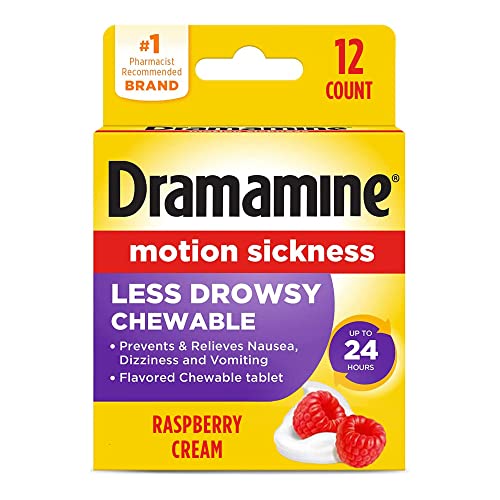
      • Dramamine or Bonine – Over-the-counter motion sickness relief.
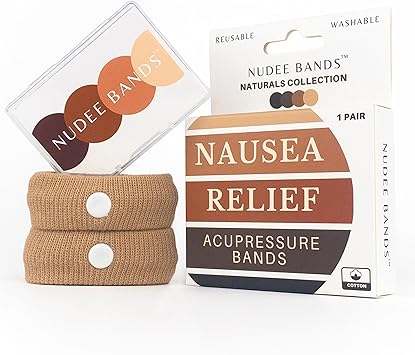
      • Sea-Bands – Acupressure wristbands for natural nausea prevention.
      • Ginger Chews or Capsules – A natural remedy for seasickness.
      • Scopolamine Patches – Prescription patches for severe motion sickness.

      Want more tips for avoiding seasickness on board? Check out my full post on How to Prevent Motion Sickness on a Cruise for remedies that actually work.

      Pain Relievers & Fever Reducers

      • Ibuprofen or Acetaminophen – Helps with headaches, muscle pain, and fever.
      • Aspirin – Useful for general pain relief and heart health.

      Cold & Allergy Medications

      • Antihistamines (Benadryl, Claritin, Zyrtec) – Helps with allergies and mild cold symptoms.
      • Decongestants (Sudafed) – Clears nasal congestion.
      • Cough Drops & Throat Lozenges – Soothes sore throats.
      • Vitamin C & Zinc – Supports immune health.

      Digestive Health & Stomach Relief

      • Antacids (Tums, Pepto-Bismol) – Helps with heartburn and indigestion.
      • Anti-Diarrheal (Imodium) – Prevents stomach issues.
      • Laxatives or Fiber Supplements – Helps with digestion.

      By following cruise medical essentials strategies, travelers can ensure they have the right medications for a smooth sailing experience.

      First Aid Supplies for Minor Injuries

      Accidents can happen, so having basic first aid supplies ensures you’re prepared for cuts, scrapes, and minor wounds.

      Wound Care Essentials

      • Band-Aids (Various Sizes) – For cuts, blisters, and scrapes.
      • Antibiotic Ointment (Neosporin) – Prevents infection.
      • Hydrocortisone Cream – Helps with itching and bug bites.
      • Alcohol Wipes & Antiseptic Spray – Cleans wounds effectively.

      Blister & Sunburn Relief

      • Blister Bandages – Protects feet from friction.
      • Aloe Vera Gel – Soothes sunburns.
      • Cooling Spray – Provides relief for overheated skin.

      By following first aid kit for cruise travel strategies, travelers can handle minor injuries without needing onboard medical services.

      If you’re wondering what happens when a cruise medical issue goes beyond basic first aid, check out my guide to handling medical emergencies on a cruise for key information and a real scenario.

      Hygiene & Sanitation Essentials

      Cruise ships bring thousands of passengers together, making hygiene a top priority to stay healthy on a cruise.

      Hand & Surface Sanitization

      • Hand Sanitizer – Essential for quick sanitation. (This is my FAVORITE on Amazon!)
      • Disinfecting Wipes – Cleans surfaces in your cabin.
      • Travel Soap & Shampoo – Keeps you fresh and clean.

      Oral & Personal Hygiene

      • Toothbrush & Toothpaste – Travel-sized for convenience.
      • Floss & Mouthwash – Helps maintain oral health.
      • Deodorant & Body Wipes – Keeps you feeling fresh.

      By following cruise wellness and safety tips strategies, travelers can maintain hygiene and prevent illness while cruising.

      Staying Energized & Avoiding Fatigue

      Cruising is exciting, but long days of exploring, dining, and entertainment can lead to fatigue.

      Energy-Boosting Essentials

      • Electrolyte Packets – Helps with hydration. These are my favorite (on Amazon).
      • Protein Bars & Healthy Snacks – Provides sustained energy. (Pick some up here on Amazon.)
      • Multivitamins – Supports overall health.

      Managing Jet Lag & Time Zone Changes

      • Melatonin or Sleep Aids – Helps regulate sleep. (available here from Amazon)
      • Eye Mask & Earplugs – Improves sleep quality. (I love this weighted one from Amazon.)
      • Sunlight Exposure – Helps adjust to new time zones.

      By following packing a cruise emergency kit strategies, travelers can stay energized and enjoy every moment of their cruise.

      Final Thoughts: What to Pack in Your Cruise First Aid Kit

      Knowing what to pack in your cruise first aid kit ensures travelers are prepared for minor injuries, colds, allergies, motion sickness, hygiene, and staying energized. By packing essential medications and supplies, cruisers can avoid unexpected health issues and enjoy a stress-free vacation.

      Before your next cruise, prepare a well-stocked first aid kit, stay mindful of hygiene, and prioritize wellness, ensuring a smooth and enjoyable journey at sea!

    • How to Stay Healthy on a Cruise: Avoiding Seasickness, Germs & Fatigue

      How to Stay Healthy on a Cruise: Avoiding Seasickness, Germs & Fatigue

      how to stay healthy on a cruise

      Cruising is an incredible way to relax, explore, and enjoy the open sea, but staying healthy onboard makes the experience even better. Seasickness, germs, and fatigue can affect any traveler, especially with busy schedules, new environments, and thousands of people sharing the same spaces. With a few simple habits and smart preparation, you can feel your best from embarkation to disembarkation and enjoy every moment of your vacation.

      Preventing Seasickness on a Cruise

      Motion sickness is one of the most common concerns for cruisers, especially first‑timers. Seasickness happens when your inner ear senses movement that your eyes don’t see, creating a disconnect that leads to dizziness, nausea, and discomfort. Some travelers are more sensitive than others, but the right strategies make a big difference.

      Choosing the right cabin location helps reduce motion. Midship cabins on lower decks experience the least movement, making them ideal for travelers prone to seasickness. Over‑the‑counter medications like Dramamine or Bonine can ease symptoms, and many cruisers rely on natural remedies such as ginger, peppermint, or acupressure wristbands. Looking at the horizon helps your body recalibrate, and eating light meals keeps your stomach settled. Staying hydrated also supports your balance and reduces nausea.

      These simple habits help you stay comfortable so you can enjoy the ship without worrying about motion.

      Maintaining Hygiene & Avoiding Germs

      Cruise ships bring thousands of passengers together, which makes hygiene an essential part of staying healthy. Frequent handwashing is your strongest defense against germs, especially before meals and after touching high‑contact surfaces like railings, elevator buttons, and buffet utensils. Carrying a small bottle of hand sanitizer gives you quick protection when sinks aren’t nearby.

      A quick cabin wipe‑down at the start of your cruise helps reduce exposure to lingering germs. Disinfecting door handles, remote controls, and bathroom surfaces takes only a few minutes and adds an extra layer of protection. Staying hydrated also supports your immune system and helps your body flush out toxins.

      Food safety matters too. Choosing freshly prepared items, being cautious with raw foods, and drinking bottled or filtered water in certain destinations helps prevent stomach issues. These small choices keep you feeling your best throughout the trip.

      Staying Energized & Avoiding Fatigue

      Cruises are exciting, but the combination of long days, late nights, and nonstop activities can lead to fatigue if you’re not careful. Getting enough sleep is essential, especially on port‑intensive itineraries. Building in downtime between activities helps you avoid burnout and enjoy each day more fully.

      Staying active keeps your energy levels steady. Walking on deck, visiting the gym, or joining a fitness class helps counterbalance indulgent meals and long periods of relaxation. Eating balanced meals with protein, healthy fats, and complex carbs supports sustained energy, while limiting alcohol and sugary drinks prevents dehydration and sluggishness.

      If your cruise crosses time zones, adjusting your sleep schedule before departure can make the transition easier. Exposure to natural light helps reset your internal clock, and avoiding caffeine before bed supports better rest. These habits help you stay energized so you can enjoy everything your cruise has to offer.

      Final Thoughts

      Staying healthy on a cruise is all about preparation, awareness, and balance. When you understand how to prevent seasickness, practice good hygiene, and manage your energy, you set yourself up for a smooth, enjoyable vacation. With a few simple habits, you can explore, relax, and make the most of your time at sea while feeling your best from start to finish.

    error: Content is protected !!