Category: Accommodations & Staterooms

Reviews, tips, and guides on choosing the best cabins, suite perks, and stateroom hacks.

  • Connecting Rooms and Family Cabin Setups: What to Know Before You Book

    Connecting Rooms and Family Cabin Setups: What to Know Before You Book

    Row of cruise‑ship balcony staterooms with glass railings and outdoor seating arranged across multiple decks.
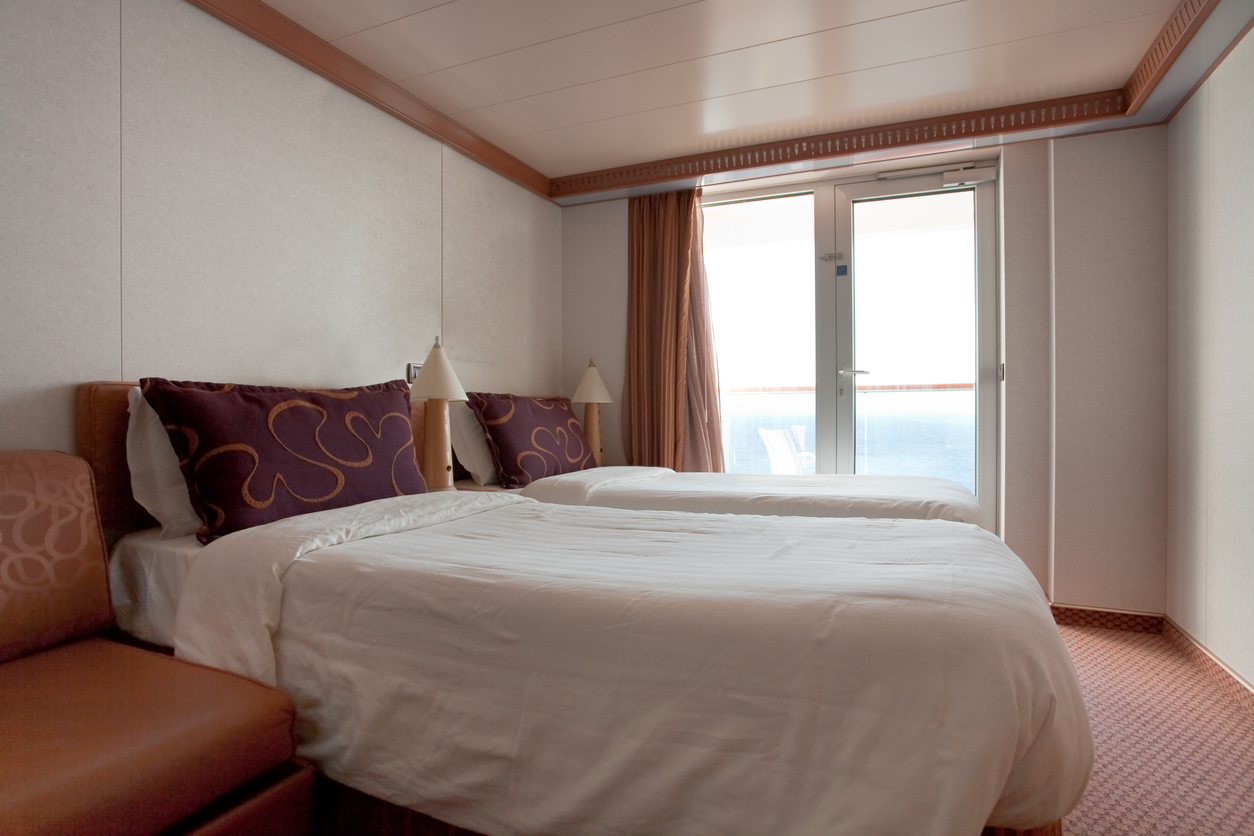
    Balcony staterooms line the ship’s exterior, giving you a clear look at how different cabin layouts offer fresh air, views, and extra space during your cruise.

    Families cruise differently than couples or solo travelers, and the right cabin setup can completely change the way your vacation feels. Understanding connecting rooms and family cabin setups before you book helps you choose a layout that supports sleep, storage, privacy, and day‑to‑day flow. Cruise ships offer several family‑friendly stateroom configurations, and choosing the right one can make your cabin feel like a functional home base—not a cramped space you’re trying to escape.

    Why Connecting Rooms Matter

    Connecting rooms are two separate cabins joined by an interior door, and they’re one of the most flexible, family‑friendly options at sea. You get the privacy of two rooms with the convenience of shared space whenever you want it. Parents can unwind in one room while kids sleep in the other, teens get independence without being too far away, and multigenerational families can stay close without crowding into a single cabin. This setup also gives you double the square footage, which dramatically improves comfort on longer sailings.

    In our own family, connecting rooms have become our go‑to setup when we cruise with our two young adult kids. We keep the doors closed at night, but during the day it’s the perfect way to stay connected while everyone gets ready for dinner or a port day. We’re always passing things back and forth—sunscreen, medicine, chargers—and sometimes the kids wander in just to sit on our couch and chat. Those little moments are some of my favorites.

    The Advantage of Two Bathrooms

    One of the biggest perks of connecting rooms is having two full bathrooms. Morning and evening routines become smoother—no waiting for showers, no juggling toiletries, and no squeezing everyone into one small space. On port‑intensive itineraries, this can be the difference between a calm start to the day and a chaotic one. For families with teens or multiple adults, two bathrooms often feel essential rather than luxurious.

    Privacy and Sleep Quality

    Sleep quality can make or break a family cruise. Connecting rooms allow adults to stay up later, enjoy room‑service snacks, or watch a movie without disturbing sleeping kids. Teens can sleep in while parents get ready early, and everyone has space to decompress after busy days. This separation also helps with different bedtime routines, nap schedules, or early‑morning excursions. Families often say connecting rooms feel like a suite at a fraction of the price.

    Storage and Organization

    Cruise cabins are compact, and families bring more gear—clothes, shoes, sunscreen, beach bags, strollers, toys, and electronics. Connecting rooms double your storage space, giving you two closets, two vanities, and more drawers. This extra room makes it easier to stay organized and prevents the “everyone’s living on top of each other” feeling that can happen in a single cabin. It also gives you more floor space for strollers or travel cribs.

    Family Suites and Larger Layouts

    Some ships offer dedicated family suites with bunk beds, curtain dividers, or alcoves designed specifically for kids. These rooms often include extra storage, larger bathrooms, or split layouts that give families more breathing room. They’re ideal for families who want to stay in one space but still need separation between sleeping areas. Some suites even include living rooms or extended balconies, which can make sea days more relaxing.

    Pullman Beds, Sofa Beds, and Bunk Configurations

    If you prefer a single cabin, many staterooms include pullman beds that fold down from the ceiling or wall, as well as sofa beds that convert at night. These setups work well for younger kids but can feel tight for teens or larger families. It’s important to check the maximum occupancy and bed configuration before booking so you know exactly how the room will function at night. Some cabins sleep four comfortably; others feel crowded once the beds are down.

    Balcony Sharing for Families

    Connecting balcony cabins are especially popular because the divider between balconies can often be opened by the crew. This creates a shared outdoor space where families can relax together while still enjoying the privacy of separate rooms. It’s perfect for morning coffee, sail‑away views, or quiet time during naps.

    Noise and Location Considerations

    Families benefit from choosing cabins in quieter zones away from late‑night venues. Midship locations offer the smoothest ride, which is helpful for kids prone to motion sensitivity. Being near elevators can be convenient for strollers, but being too close may increase hallway noise. Many connecting rooms are grouped in family‑friendly areas, which can make the environment calmer and more predictable.

    When to Choose Connecting Rooms vs. One Larger Cabin

    Connecting rooms are usually the best choice when you want:

    • Two bathrooms
    • More total space
    • Privacy between adults and kids
    • Better sleep quality
    • Flexibility for different routines

    A single larger cabin works well when you want:

    • Everyone together in one space
    • A suite‑style layout with upgraded amenities

    Final Thoughts

    Choosing the right stateroom layout becomes much easier when you understand how connecting rooms and family cabin setups support the way your family actually travels. The right configuration improves sleep, privacy, storage, and overall comfort, turning your cabin into a relaxing retreat instead of a tight squeeze. When you match your cabin choice to your family’s routines and needs, the entire cruise feels smoother from morning to night.

  • Muster Station Considerations: What to Know Before Choosing Your Stateroom

    Muster Station Considerations: What to Know Before Choosing Your Stateroom

    Cruise ship muster station area with signage showing where guests complete their safety check‑in.
    Your muster station is a key part of choosing the right stateroom and planning a smooth embarkation day.

    Understanding your muster station is one of those small but meaningful details that can make your cruise feel more organized and less stressful. Every stateroom is assigned a specific muster station—the location where you complete your mandatory safety check‑in before the ship leaves port. You’ll see this assignment printed on your keycard and displayed on the map on the back of your cabin door. While it’s easy to overlook, knowing how your muster station works can help you choose a stateroom that fits your comfort and convenience needs.

    What a Muster Station Is

    A muster station is your designated safety location on the ship. Instead of the old‑style group drills, today’s process is simple: you watch the safety video in the app or on your cabin TV, then walk to your assigned muster station to check in with the crew. It only takes a few minutes, but the location of your station can influence how easy or comfortable that check‑in feels—especially on embarkation day when everyone is exploring the ship.

    Indoor vs. Outdoor Stations

    Muster stations are located all over the ship, and depending on your cabin, you may be assigned to one that’s indoors or outdoors. Some stations are inside lounges, theaters, or dining venues, while others are out on the open deck near the lifeboats. There’s no “better” or “worse” option anymore since the drill itself is so quick, but some cruisers do prefer one type over the other.

    If you like the idea of being in an air‑conditioned space, an indoor station might feel more comfortable. If you prefer open air or want to avoid crowds gathering in enclosed areas, an outdoor station may be more your style. Since you can usually see the muster letter on deck plans before booking, it’s easy to choose a stateroom that lines up with the type of station you prefer.

    How Your Cabin Location Affects Your Muster Station

    Your muster station is assigned based on your cabin’s location. Cabins in the same zone of the ship typically report to the same station. This means:

    • Some cabins are just steps away from their muster station
    • Others require a longer walk or a few flights of stairs
    • Forward cabins usually report to forward stations
    • Aft cabins typically report to aft stations
    • Midship cabins often have the most direct routes

    If you’re traveling with young kids, have mobility considerations, or simply prefer convenience, choosing a cabin closer to your muster station can make embarkation day easier.

    Why It Matters for Families

    Even though today’s muster drill takes less than a minute, your assigned muster station can still matter for families. If you’re traveling with kids, older adults, or anyone who prefers easy access, it can be helpful to know whether your station is indoors or outdoors and how far it is from your stateroom. Families booking multiple cabins may also appreciate choosing rooms that share the same muster letter so everyone reports to the same place in an emergency. It’s a small detail, but for some families, it adds peace of mind and keeps things simple.

    How to Use This When Choosing a Cabin

    • Look at the deck plan and note the muster station letters near your preferred cabin area
    • Choose midship if you want the most direct routes to multiple muster zones
    • Pick cabins near indoor stations if comfort is a priority
    • Avoid cabins that require long stair climbs if mobility is a concern
    • Consider proximity if you’re traveling with kids or older adults

    Final Thoughts

    Choosing a stateroom is full of little details, and your muster station is just one of them. While today’s drill is quick and easy, knowing where your station is located—and whether it’s indoors or outdoors—can give you extra peace of mind, especially if you’re traveling with kids or multiple cabins. A few seconds of checking the deck plans can help you pick a room that feels convenient and comfortable for your family.

  • How to Choose the Best Stateroom for Your Cruise

    How to Choose the Best Stateroom for Your Cruise

    Cruise ship hallway lined with stateroom doors, showing how to choose your stateroom based on location and layout.
    A quiet cruise hallway gives you a clear sense of how to choose your stateroom for comfort and convenience.

    Choosing the right stateroom can make your entire cruise feel smoother, quieter, and more comfortable. If you’re wondering how to choose your stateroom, the decision really comes down to a few simple factors: movement, noise, convenience, and what kind of experience you want during your sailing.

    Deck Level

    The level of the deck you choose can make a big difference in how your cruise feels. Each deck has its own mix of staterooms, venues, and foot traffic, so it’s worth thinking about what kind of environment you want around your cabin. A little awareness of what’s above and below you can go a long way toward picking a room that feels comfortable and convenient.

    Mid‑Level Decks

    These decks offer the most balanced experience on the ship. You’ll feel noticeably less movement here because mid‑level decks sit closer to the ship’s center of gravity. They’re also ideal for convenience—close enough to dining, entertainment, and lounges without being directly under high‑traffic areas. For most travelers, this is the “safe choice” that delivers comfort without compromise.

    Higher Decks

    Higher decks put you closer to the pool, sun decks, buffet, and outdoor spaces, which is perfect if you love sea days or want quick access to the action. The trade‑off is increased motion, especially in rough seas or windy conditions. These decks also tend to be busier and louder, particularly early in the morning and late at night when people are moving between venues.

    Lower Decks

    Lower decks offer the most stability and the quietest environment. Because they sit deeper in the ship, you’ll feel the least movement—ideal for anyone prone to seasickness. These decks are also close to the gangway on port days, making them convenient for early excursions. The only downside is more stair or elevator time to reach outdoor areas and upper‑deck activities.

    Forward, Midship, or Aft

    The location of your stateroom on each deck can also shape your experience. Even on the same level, cabins feel different depending on whether they’re in the forward (front), midship (middle), or aft (back) sections of the ship. Each area has its own advantages, so it’s worth thinking about which one fits the way you like to cruise.

    Midship

    This is the sweet spot for the smoothest ride. If you’re sensitive to motion or want the most stable experience, midship is the way to go.

    Forward

    You’ll feel more movement here, especially when the ship is sailing into waves. Forward cabins are great for early‑morning port arrivals and dramatic views, but they’re not ideal for motion‑sensitive travelers.

    Aft

    Aft cabins offer beautiful wake views and a peaceful atmosphere. You may feel some vibration from the engines, especially on older ships, but many cruisers love the relaxing sound and scenery.

    Noise Considerations

    Noise is another factor that can shape your stateroom experience, and it varies more than people expect. Depending on what’s above, below, or around your cabin, you may hear foot traffic, music, or general ship activity. It’s worth taking a moment to think about what kind of noise level you’re comfortable with before choosing your room.

    Avoid High‑Traffic Decks

    Cabins directly under the pool deck are some of the noisiest on the ship. You may hear early‑morning chair setup, scraping loungers, running kids, and deck‑washing equipment long before you’re ready to wake up. Cabins above or below theaters, nightclubs, sports courts, or dining rooms can pick up music, bass vibrations, late‑night shows, or kitchen prep. If you’re a light sleeper, these areas are worth avoiding.

    Look for “Stateroom Sandwiches”

    These are cabins with other staterooms above, below, and beside you. They’re consistently the quietest spots on the ship because you’re insulated from public‑area noise. If peace and quiet are a priority, this is the safest choice.

    Hallway Traffic

    Cabins near elevators and stairwells are convenient, but they come with steady foot traffic—families heading to breakfast, crowds returning from shows, and people chatting while they wait for the elevator. If you prefer a quieter environment, choose a cabin farther down the hallway. The walk is longer, but the noise drops dramatically.

    Ship‑Specific Sounds

    Every ship has its own quirks. Aft cabins may feel engine vibration, forward cabins may hear anchor operations on port mornings, and some midship areas pick up noise from crew corridors. These sounds aren’t constant, but they’re worth keeping in mind if you’re sensitive to unexpected noises.

    Convenience and Proximity

    Convenience is one of the biggest factors that can shape how easy your cruise feels day to day. Even on the same deck, some cabins are simply better positioned for quick access to the places you use most. Whether you prefer being steps from the elevators, close to the stairs, near the port‑day exit, or right by your favorite venues, a little thought about proximity can make your stateroom feel perfectly placed.

    Near Elevators

    Being close to the elevators is one of the most convenient locations on the ship. You’ll reach dining rooms, lounges, and entertainment venues quickly, and it’s especially helpful if you have mobility needs or prefer minimal walking. The trade‑off is steady foot traffic—families heading to breakfast, crowds returning from shows, and people chatting while they wait for the elevator.

    Near Stairs

    Stair‑adjacent cabins are ideal for active cruisers who want fast access without relying on elevators. You can move between decks quickly, especially during busy times when elevators fill up. Noise is generally lower than elevator areas, but you may still hear occasional bursts of traffic during peak dining and show times.

    Near the Port/Excursion Exit

    Lower decks and midship areas are closest to the gangway, making them perfect if you have early excursions, want to be among the first off the ship, or prefer a smooth, quick exit on port days. You’ll avoid long elevator waits and crowded stairwells. The only downside is that these decks can feel busier on mornings when the ship is cleared for disembarkation.

    Near Key Venues

    Some cruisers prefer to stay close to the spaces they use most—like the spa, gym, kids’ club, casino, or buffet. This can save time and steps throughout the week. Just keep in mind that proximity often means more noise and more hallway traffic, especially near popular venues.

    Seasickness Considerations

    • Midship + lower deck = least movement
    • Forward + high deck = most movement
    • A balcony can help some travelers feel better because of fresh air and a visible horizon
    • Avoid forward cabins if you’re sensitive to motion

    Special Room Types to Consider

    Connecting Rooms

    These are ideal for families, multigenerational groups, or anyone who wants shared space without crowding into a single cabin. You get two bathrooms, double the storage, and the ability to open the interior door for a suite‑like feel.

    Accessible Rooms

    These cabins are designed for guests with mobility needs and often offer some of the most spacious layouts on the ship. Wider doorways, roll‑in showers, open floor plans, and strategically placed grab bars make moving around easier.

    Obstructed View Cabins

    These rooms give you natural light at a lower price point. The view may be partially blocked by lifeboats or equipment, but you still get daylight and a sense of openness.

    Unique or Oversized Layouts

    Some ships have hidden gems—corner balconies, angled rooms, extra‑deep interiors, or cabins with unusually large verandas. These aren’t always labeled differently on the deck plan, but they can offer significantly more space for the same price.

    Aft‑Facing and Forward‑Facing Rooms

    Aft‑facing balconies offer sweeping wake views and a peaceful, private feel. Forward‑facing rooms often have dramatic ocean views and a sense of adventure, especially during sail‑ins. Both come with trade‑offs, but they deliver some of the most memorable views onboard.

    Final Thoughts

    Understanding how to choose your stateroom makes your cruise feel more comfortable from the moment you board. Once you know whether movement, noise, convenience, or views matter most, you’ll feel confident selecting the perfect cabin. With a little planning and a clear sense of how to choose your stateroom, you’ll enjoy a smoother, quieter, and more relaxing vacation. And as you compare options across the ship, keeping how to choose your stateroom in mind helps you narrow down the location that fits your travel style best.

  • Cruise Room Cleaning: What to Expect From Your Stateroom Attendant

    Cruise Room Cleaning: What to Expect From Your Stateroom Attendant

    Cruise stateroom with neatly made bed and balcony light, showing a clean and organized room after housekeeping service.
    Your stateroom attendant keeps your room fresh and comfortable throughout your cruise.

    Cruise ship staterooms stay surprisingly tidy throughout your sailing, thanks to the incredible work of your stateroom attendant. They’re the quiet heroes of your cruise—refreshing your room, keeping things organized, and making sure you always return to a clean, comfortable space. If you’ve never cruised before, the cruise room cleaning schedule can feel a little different from a hotel, so knowing what to expect helps you settle in quickly.

    How Often Your Room Is Cleaned

    Most cruise lines clean your room once or twice a day, depending on the ship and your preferences. Understanding the basics of cruise room cleaning helps you choose the routine that fits your day.

    • Daily Service: Every stateroom receives at least one full cleaning per day.
    • Twice‑Daily Service (where offered): Morning cleaning plus an evening turndown with fresh towels and trash removal.

    A helpful example is Royal Caribbean, which currently provides once‑per‑day cleaning for standard staterooms. Your attendant will stop by each day to refresh the room, replace towels, empty trash, and tidy the bathroom. Suites may receive additional service depending on the ship and category.

    Things to Consider When Choosing Your Cleaning Time

    Your attendant will ask whether you prefer morning, afternoon, or flexible service. A few small considerations can help you pick the time that fits your routine:

    • Morning service works best if you’re an early riser and plan to leave the room for breakfast, excursions, or pool time. You’ll come back to a fully refreshed space before lunch.
    • Afternoon service is ideal if you like slow mornings, enjoy coffee on the balcony, or need extra time to get ready. Your room will be cleaned while you’re out exploring the ship.
    • Excursion days may shift your preference. If you have early port mornings, afternoon cleaning keeps things simple.
    • Families often prefer afternoon service so little ones can nap or take their time getting ready without interruptions.
    • Suite guests with expanded service may want to coordinate cleaning around concierge lounge hours, dining times, or show schedules.
    • Remote workers or mid‑day resters should choose a time when they know they’ll be out of the room for at least 30 minutes.

    Choosing a time that matches your daily rhythm makes the whole cruise feel smoother—and it helps your attendant plan their day efficiently.

    Changing Your Cleaning Time Mid‑Cruise

    If your routine shifts during the sailing, you can adjust your cleaning time at any point. Just let your stateroom attendant know, and they’ll update their schedule for the rest of the cruise. This is especially helpful if your excursion times change, you start sleeping in later, or you find yourself out of the room at different times than you expected.

    What Your Stateroom Attendant Does During Service

    A typical cleaning includes:

    • Making the beds
    • Replacing towels
    • Emptying trash and recycling
    • Wiping counters and bathroom surfaces
    • Restocking toiletries
    • Tidying the bathroom
    • Refreshing ice (if you request it)
    • Straightening items left on counters
    • Delivering daily schedules or notices

    Evening turndown (if offered) may include:

    • Pulling down the bed
    • Closing curtains
    • Soft lighting
    • Fresh towels
    • A quick tidy of the bathroom
    • Removing room‑service dishes if placed outside

    What They Don’t Do

    Cruise housekeeping is thorough, but there are a few things they don’t handle:

    • Washing personal laundry (you can request paid laundry service)
    • Organizing inside drawers or closets
    • Handling valuables
    • Moving large amounts of clutter
    • Cleaning up spills involving food or drinks left for long periods

    They’ll respect your personal space and won’t open closed bags, drawers, or suitcases.

    How You Can Make Cleaning Easier (and Faster)

    You don’t need to deep‑clean your room—your attendant handles that. But a few small habits make their job smoother and help them clean more efficiently.

    • Pick items up off the floor so they can vacuum quickly
    • Keep counters loosely organized so they can wipe surfaces
    • Hang wet swimsuits instead of leaving them on furniture
    • Place trash in bins rather than leaving it scattered
    • Use the “Room Ready” sign when you’re heading out
    • Step out during service so they can clean without working around you

    These small things go a long way, especially since attendants care for many rooms each day.

    How to Communicate Preferences

    Your stateroom attendant wants your cruise to feel comfortable, so don’t hesitate to ask for what you need. Common requests include:

    • Extra towels
    • Extra pillows
    • Ice daily
    • Blanket instead of a duvet
    • No evening turndown
    • Specific cleaning times
    • Removal of the coffee table or sofa bed setup
    • Robe (these are often available upon request)
    • Mattress topper

    They’re incredibly accommodating—just let them know early in the sailing.

    Tipping Your Stateroom Attendant

    Most cruise lines automatically add daily gratuities to your onboard account, and a portion of that goes directly to your stateroom attendant. Some guests choose to leave an additional cash tip, and the timing varies based on personal preference.

    • Tipping at the beginning sets a warm tone and shows appreciation right away.
    • Tipping at the end is the most common approach and often reflects the service received.
    • Not tipping extra is also normal since automatic gratuities are already included.

    A simple envelope with a short thank‑you note is always appreciated.

    Final Thoughts

    Your stateroom attendant plays a huge role in making your cruise feel relaxing and effortless. Understanding the cruise room cleaning schedule, knowing what’s included, and keeping communication open ensures your room stays fresh, comfortable, and ready for every part of your vacation. With a little courtesy and awareness of how cruise room cleaning works behind the scenes, you’ll enjoy a smoother, more enjoyable stay onboard.

  • Royal Caribbean Suite Lounge: What to Expect

    Royal Caribbean Suite Lounge: What to Expect

    Hand ringing a polished service bell on a wooden counter, symbolizing concierge service and VIP attention Caption
    Concierge service adds a personalized touch to the Royal Caribbean experience, helping guests with reservations, questions, and priority assistance throughout their cruise.

    The Royal Caribbean Suite Lounge (formally called the Concierge Lounge) is one of Royal Caribbean’s most relaxing VIP spaces, offering a quiet place to unwind, enjoy light bites, and get personalized help throughout your cruise. If you’re staying in a Sky or Star Class suite—or you’ve reached the right loyalty tier—you’ll have access to this exclusive lounge. This guide walks you through what the space is like, what’s offered, and how to make the most of it.

    Who Can Access the Suite/Concierge Lounge

    Access varies by ship, but generally includes:

    • Sky Class suite guests
    • Star Class suite guests
    • Diamond Plus and Pinnacle Club members (on select ships) often get access, which may be limited.
    • Note: Sea Class guests (Junior suites) do not get Suite Lounge access.

    Your SeaPass card will show your access level, and the lounge team will welcome you in during open hours.

    What the Lounge Looks Like

    The Concierge Lounge is designed to feel calm and comfortable, with:

    • cushioned seating
    • ocean views
    • quiet corners for reading or relaxing
    • a small bar area
    • tables for enjoying snacks or catching up on emails

    It’s a peaceful retreat away from the busier public spaces, especially during peak times on sea days.

    Food and Drinks

    The offerings aren’t meant to replace full meals, but they’re a nice perk throughout the day.

    You can expect:

    • Continental breakfast with pastries, fruit, yogurt, and coffee
    • Light snacks in the afternoon
    • Evening hors d’oeuvres
    • Complimentary drinks during select evening hours

    It’s a great place to grab a quiet breakfast or enjoy a pre‑dinner drink without the crowds.

    Concierge Services

    The concierge team is one of the biggest advantages of having lounge access. They’re knowledgeable, efficient, and able to handle many requests that would normally require a trip to Guest Services. They can help with:

    • Securing show and entertainment reservations, including hard‑to‑get seats for popular performances.
    • Adjusting dining plans, from specialty restaurant bookings to timing changes for your existing reservations.
    • Assisting with shore excursion questions, availability checks, and last‑minute adjustments.
    • Handling billing or account concerns quickly, without waiting in long lines at Guest Services.
    • Providing priority tender tickets when your ship uses tenders to reach port.
    • Coordinating special requests, such as celebrations, dietary notes, or onboard surprises.
    • Offering personalized recommendations for dining, activities, and shipboard experiences based on your preferences.
    • Helping with disembarkation planning, including arranging priority departure times.

    This team is often the reason guests fall in love with the lounge — they make everything smoother, easier, and more personalized.

    Why People Love the Lounge

    The Concierge Lounge isn’t flashy—it’s comfortable, calm, and convenient. Guests love it because:

    • It feels like a calm retreat when the ship gets busy, especially on sea days or right before dinner.
    • It’s an easy place to meet other suite guests, which many travelers enjoy because the atmosphere is relaxed and friendly.
    • The evening snacks and drinks create a nice pre‑dinner ritual, especially for couples or parents who want a quiet moment before heading to the main evening activities.
    • It’s a reliable spot for strong Wi‑Fi and quiet work time, which is helpful for guests who need to check in at home or handle a few emails.
    • The concierge team often goes above and beyond, helping with little details that make the cruise feel smoother and more personalized.

    For many suite guests, the lounge becomes part of their daily rhythm onboard.

    Tips for Making the Most of It

    A few simple habits can elevate your experience:

    • Visit early in the morning for the quietest breakfast.
    • Stop by the concierge desk on Day 1 to confirm show reservations.
    • Enjoy the evening drink hours—they’re a popular perk.
    • Use the lounge as a calm workspace if you need to check in at home.

    It’s a small perk that adds a big dose of convenience and comfort to your cruise.

    Final Thoughts

    The Royal Caribbean Suite Lounge is one of Royal Caribbean’s most appreciated VIP spaces. Whether you’re enjoying a quiet breakfast, getting help from the concierge team, or relaxing with a drink before dinner, the lounge adds a touch of ease and exclusivity to your sailing. If you have access, it’s absolutely worth using throughout your cruise. See the official Royal Caribbean suite lounge page here.

  • Royal Caribbean Suite Perks Explained: What You Really Get

    Royal Caribbean Suite Perks Explained: What You Really Get

    Elegant wooden table and chairs on a cruise ship balcony with a single flower and serene ocean and mountain views
    A touch of elegance on the balcony — a quiet, elevated space that captures the relaxed luxury many suite guests enjoy at sea.

    Royal Caribbean’s suite program is one of the most generous at sea, but the details can feel confusing if you’re new to the different suite classes. Whether you’re considering a splurge or simply want to understand what’s included, this guide breaks down the perks, amenities, and real‑world benefits of staying in a suite on Royal Caribbean.

    Understanding the Suite Classes

    Royal Caribbean divides its suite offerings into three tiers. Each tier comes with its own level of perks, access, and service.

    Sea Class

    Sea Class includes Junior Suites and select entry‑level suites. These rooms offer more space and upgraded bathrooms, but the perks are limited compared to the higher tiers.

    What you get:

    • Priority boarding
    • Dinner access to Coastal Kitchen (availability varies by ship)
    • Larger balcony and more storage
    • Upgraded bathroom with a tub

    Sea Class is ideal for families who want extra space without the full suite price tag.

    Sky Class

    Sky Class includes mid‑tier suites such as the Grand Suite, Owner’s Suite, and Crown Loft Suite. This is where the perks start to feel truly elevated.

    What you get:

    • Priority boarding and departure
    • Access to the Suite Lounge
    • Concierge service
    • Full access to Coastal Kitchen (on ships that have it) for breakfast, lunch, and dinner
    • On smaller ships, there is often an exclusive suite breakfast at Chops Grille or another similar alternative.
    • Reserved seating at shows
    • Priority tendering
    • Upgraded in‑room amenities

    Sky Class is the sweet spot for travelers who want a VIP experience without the Star Class price.

    Star Class

    Star Class is the top tier and includes the most luxurious suites onboard, such as the Royal Loft Suite and Ultimate Family Suite.

    What you get:

    • Everything in Sky Class
    • Royal Genie service (your personal concierge/butler hybrid)
    • Complimentary specialty dining
    • Complimentary beverage package
    • Complimentary Wi‑Fi
    • Priority access everywhere
    • Private suite sun deck (on Oasis Class)
    • In‑suite dining experiences

    Star Class is designed for travelers who want a fully curated, all‑inclusive experience.

    Suite Lounge Access

    Sky and Star Class guests enjoy access to the Suite Lounge, a private space with:

    • Evening hors d’oeuvres
    • Complimentary drinks during select hours
    • Concierge assistance
    • Comfortable seating with ocean views

    It’s a quiet, elevated retreat away from the busier public spaces.

    Coastal Kitchen

    Coastal Kitchen is the dedicated suite restaurant on select Royal Caribbean ships. It blends Mediterranean flavors with California‑style cuisine and offers a more relaxed, upscale dining experience.

    Access varies:

    • Sea Class: dinner only (ship‑dependent)
    • Sky Class: breakfast, lunch, and dinner
    • Star Class: full access

    Many suite guests consider Coastal Kitchen one of the biggest perks.

    Priority Access and Convenience

    Suite guests enjoy several time‑saving benefits:

    • Priority boarding
    • Priority departure
    • Priority tendering
    • Reserved seating at shows
    • Dedicated lines at Guest Services

    These perks make the cruise feel smoother and more relaxed from start to finish.

    Enhanced In‑Room Amenities

    Depending on your suite class, you may receive:

    • Plush bathrobes
    • Upgraded toiletries
    • Lavazza espresso machine
    • Welcome snacks or sparkling wine
    • Larger balconies with loungers

    Star Class takes this further with in‑suite dining and personalized touches from the Royal Genie.

    Why Suite Perks Matter

    Suites aren’t just about the room — they’re about the experience. The extra space, exclusive access, and time‑saving perks can transform your cruise into a more relaxed, luxurious vacation. For families, the added room and priority access can make a big difference. For couples, the private spaces and elevated dining add a special touch.

    Final Thoughts

    Royal Caribbean’s suite program offers a wide range of perks depending on your suite class. Whether you choose Sea, Sky, or Star Class, you’ll enjoy a more comfortable, elevated cruise experience. Understanding what each tier includes helps you decide whether the upgrade is worth it for your travel style.

  • Cruise Cabin Organization Hacks: How to Maximize Space & Stay Organized

    Cruise Cabin Organization Hacks: How to Maximize Space & Stay Organized

    cruise cabin organization hacks

    Cruise cabins are compact, but the right organization hacks can make them feel open, calm, and easy to live in. A few smart tools and simple habits help you keep clutter under control, find what you need quickly, and enjoy a more relaxing vacation. These tips work for solo travelers, couples, families, and anyone sharing a small space at sea.

    Why Cruise Cabin Organization Matters

    Cruise cabins offer less storage than hotel rooms, so planning ahead makes a big difference. Staying organized helps you move around comfortably, keep surfaces clear, and avoid the stress that comes with clutter. It also makes unpacking and repacking faster, which is helpful on embarkation and disembarkation days.

    Common Cruise Cabin Challenges

    • Limited closet and drawer space
    • Clutter building up quickly
    • Multiple travelers sharing one cabin

    Benefits of Staying Organized

    • Maximizes every inch of space
    • Reduces visual clutter and stress
    • Speeds up unpacking and repacking

    Packing Cubes: The Ultimate Cruise Organization Tool

    Packing cubes are one of the easiest ways to keep your cabin tidy. They group clothing, compress bulky items, and make unpacking simple. Instead of emptying your suitcase piece by piece, you can place cubes directly into drawers or shelves.

    How packing cubes help

    • Keep clothing grouped by category
    • Save space by compressing clothes
    • Make unpacking fast and tidy

    Best ways to use them

    • Use separate cubes for shirts, pants, swimwear, and accessories
    • Roll clothes to prevent wrinkles and save space
    • Label cubes so everyone knows what’s inside

    Packing cubes also help keep your cabin organized throughout the trip. When everything has a home, clutter never has a chance to build up.

    Magnetic Hooks: Instant Extra Storage

    Cruise cabin walls are metal, which makes magnetic hooks a simple way to add vertical storage. They free up counters, keep essentials visible, and create space where none existed.

    How magnetic hooks help

    • Add hanging space for hats, jackets, and bags
    • Keep lanyards, sunglasses, and keys within reach
    • Prevent clutter on desks and nightstands

    Smart ways to use them

    • Hang beach bags and wet towels
    • Keep daily essentials organized and easy to grab
    • Use clip magnets for papers, tickets, and documents

    Magnetic hooks are small, lightweight, and incredibly useful. A few well‑placed hooks can transform the flow of your cabin.

    Smart Storage Solutions

    A few simple tools help you use every corner of your cabin without feeling cramped. Hidden spaces and compact organizers make it easier to keep everything tidy.

    Space‑saving hacks

    • Store luggage under the bed to free up floor space
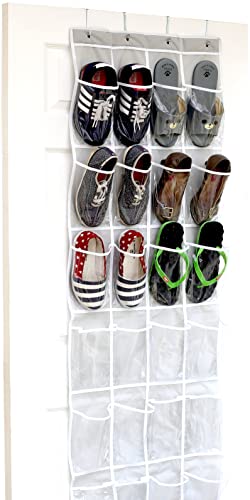
    • Use hanging organizers for toiletries, shoes, and accessories
    • Pack foldable bins for small items like chargers, snacks, and sunscreen

    Keeping the cabin tidy

    • Unpack right away so clutter doesn’t pile up
    • Use zip bags for medicine, chargers, and small essentials
    • Give each traveler a designated storage spot

    These habits keep your cabin functional from day one and make it easier to stay organized throughout your cruise.

    Final Thoughts

    Cruise cabin organization doesn’t require complicated systems. With packing cubes, magnetic hooks, and a few smart storage habits, you can keep your space tidy and comfortable for your entire trip. These simple hacks help you maximize space, reduce stress, and enjoy a smoother, more relaxing vacation at sea.

  • Best Rooms for a Transatlantic Cruise

    Best Rooms for a Transatlantic Cruise

    cruise cabin with porthole

    A transatlantic cruise offers a unique experience, blending long sea days with breathtaking ocean views. Since these voyages often include six to eight consecutive days at sea, selecting the best rooms for a transatlantic cruise is crucial for comfort and relaxation. Whether you prioritize space, location, or amenities, this guide will help you choose the perfect stateroom for your crossing.

    Understanding Stateroom Categories

    Cruise ships offer a variety of stateroom types, each catering to different preferences and budgets. Knowing the differences helps you make an informed decision when choosing a cruise cabin.

    Interior Staterooms

    Pros: Budget‑friendly, quiet, and ideal for travelers who spend most of their time outside the room.

    Cons: No natural light, smaller space, and can feel enclosed during long sea days.

    Oceanview Staterooms

    Pros: Natural light and ocean views that help break up long stretches at sea.

    Cons: Windows don’t open, and some rooms may have obstructed views.

    Balcony Staterooms

    Pros: Private outdoor space, fresh air, and stunning views — a favorite for ocean crossings.

    Cons: Higher cost and less enjoyable in rough seas.

    Suites

    Pros: Spacious layouts, premium amenities, and exclusive perks.

    Cons: Higher price point and sometimes located in busier areas.

    Best Room Locations for a Transatlantic Cruise

    The location of your stateroom affects noise, motion, and convenience — all important on long sea days.

    Midship Rooms

    Best for: Stability and reduced motion.

    Why: Midship cabins experience less movement, ideal for motion‑sensitive travelers.

    Aft Rooms

    Best for: Wake views and quieter surroundings.

    Why: Aft balconies offer stunning scenery but may feel more motion.

    Forward Rooms

    Best for: Budget‑friendly pricing.

    Why: More movement, but often more affordable.

    Higher Decks vs. Lower Decks

    Higher decks: Better views, more motion.

    Lower decks: More stability, potential for engine noise.

    Considerations for Long Sea Days

    Since transatlantic cruises feature extended sea days, comfort becomes even more important.

    Natural Light and Views

    Windows or balconies help prevent cabin fatigue during long stretches at sea.

    Noise Levels

    Avoid rooms near elevators, theaters, or nightclubs.

    Space and Storage

    Longer cruises mean more luggage — suites or larger staterooms offer better storage.

    Special Room Features to Consider

    Some staterooms offer unique perks that enhance the transatlantic experience.

    Connecting Rooms

    Ideal for families or couples needing separate spaces.

    Spa Cabins

    Located near wellness areas with upgraded amenities.

    Obstructed View Cabins

    Budget‑friendly option with partial ocean views.

    Booking Tips for the Best Stateroom

    Book Early

    Prime rooms sell out quickly.

    Check for Upgrades

    Cruise lines sometimes offer discounted suite upgrades.

    Consider Time Zone Changes

    Quiet rooms help with sleep adjustments during gradual time changes.

    Final Thoughts

    Selecting the best rooms for a transatlantic cruise ensures a comfortable and enjoyable journey. With so many sea days, the right stateroom becomes your home base — a place to relax, recharge, and enjoy endless ocean views. This guide simplifies cruise ship room selection so you can choose a space that fits your travel style and makes your Atlantic crossing unforgettable.

  • Why You Should Decorate Your Cruise Cabin Door: Fun & Practical Benefits

    Why You Should Decorate Your Cruise Cabin Door: Fun & Practical Benefits

    Decorated cruise cabin door with colorful magnets and celebratory designs, showcasing a personalized touch that highlights the fun and practical appeal of a cruise cabin door.
    A festive cruise cabin door adds personality, helps you spot your room instantly, and brings extra joy to your sailing.

    Cruise ships are filled with long, identical hallways, and it’s surprisingly easy to lose track of your stateroom—especially after a long day in port or a late night of entertainment. Decorating your cruise cabin door adds personality, helps you find your room faster, and brings a little extra joy to your sailing. Whether you’re celebrating something special or simply want to make your space feel more “you,” door décor is one of the easiest ways to elevate your cruise experience.

    Easily Spot Your Cabin in a Sea of Doors

    Cruise hallways can feel like a maze, and every door looks nearly identical. A decorated door becomes an instant visual cue, helping you and your travel companions find your cabin quickly—no more wandering back and forth or counting door numbers. It’s especially helpful late at night, when you’re tired, or when kids are navigating the ship independently.

    Celebrate Special Occasions in a Memorable Way

    If you’re cruising for a birthday, anniversary, honeymoon, graduation, or family reunion, decorating your door is a fun way to mark the moment. Fellow cruisers and crew often stop to offer congratulations, and you may even receive a few extra smiles or surprises along the way. It turns your hallway into part of the celebration and makes your stateroom feel festive from the moment you arrive.

    Show Off Your Personality

    Door décor is a chance to express yourself—whether you love nautical themes, funny cruise sayings, elegant monograms, sports teams, or DIY creations. It adds warmth and personality to an otherwise plain hallway and makes your cabin feel more like home. Many cruisers even create custom magnets or themed sets for each sailing.

    Spark Conversations and Connect With Fellow Cruisers

    Decorated doors naturally draw attention and often lead to friendly interactions. Someone might recognize a shared interest, compliment your creativity, or stop to chat about your theme. It’s a simple way to meet new people and feel more connected to the cruise community.

    Help Kids (and Teens) Find Their Room

    For families, door décor is more than fun—it’s practical. Kids can easily identify their cabin without memorizing numbers, reducing frustration and helping them feel more confident navigating the ship. Teens love it too, especially when the décor reflects their interests.

    Join in Cruise Traditions and Contests

    Some cruise lines host door‑decorating contests, giving you a chance to show off your creativity and maybe even win a small prize. Even if your ship doesn’t run an official contest, participating in the tradition adds to the shared fun and excitement onboard.

    Tips for Decorating Your Cruise Door

    • Use magnetic decorations—most doors are metal
    • Avoid tape or adhesives that could damage the surface
    • Keep dĂ©cor appropriate for all ages
    • Review your cruise line’s policies to ensure compliance

    These simple guidelines keep your decorations safe, secure, and ship‑friendly.

    Cruise Line Door Decoration Rules

    Policies vary by cruise line, and some have specific guidelines about materials, adhesives, and placement. Checking your line’s rules ahead of time helps you avoid surprises and ensures your décor meets safety standards. Many restrictions relate to fire safety, accessibility, or preventing damage to the doors.

    Final Thoughts

    Decorating your cruise cabin door is a small effort with big impact. It makes your stateroom easier to find, adds personality to your hallway, sparks conversations, and brings extra joy to your sailing. Whether you’re celebrating a milestone or simply want to brighten your space, a decorated door is a fun, festive way to enhance your cruise experience.

  • What Your Room Steward Can Bring You

    What Your Room Steward Can Bring You

    Close‑up of a cruise stateroom ice bucket filled with fresh ice, illustrating one of the helpful amenities included in what your room steward can bring you during your cruise.
    A chilled convenience at your fingertips—fresh ice is just one example of what your room steward can bring you to make your cruise more comfortable.

    Your room steward plays a huge role in making your cruise feel comfortable, relaxing, and personalized. Beyond keeping your stateroom clean, they can provide a surprising number of helpful extras that make your cabin feel more like home. Knowing what you can request helps you settle in quickly, stay organized, and enjoy a smoother, more comfortable cruise experience.

    Quick‑Glance

    • Extra towels, blankets, and linens for added comfort
    • Soft, firm, or additional pillows to improve sleep
    • Ice bucket with daily ice refills
    • Robes and slippers on select ships or cabin categories
    • Extra hangers to maximize closet space
    • Mattress toppers to soften a firm bed
    • Additional housekeeping or nightly turndown service
    • Celebration touches for birthdays and anniversaries
    • Coffee maker or kettle when available
    • Extra shampoo, conditioner, and shower amenities
    • Laundry bags for onboard laundry or dry‑cleaning services

    Extra Towels and Blankets

    Your steward can bring additional towels and blankets anytime. This is especially helpful for families, chilly cabins, or anyone who likes to wrap up in something cozy after a long day onboard.

    Pillows (Soft or Firm)

    Cruise cabins come with standard pillows, but comfort is personal. If you prefer soft, firm, or simply want extras, your steward can bring more—and some ships even offer memory‑foam options upon request. This small adjustment can make a big difference in how well you sleep at sea.

    Ice Bucket and Fresh Ice

    Whether you’re chilling wine, keeping drinks cold, or just like having ice on hand, your steward can deliver an ice bucket and refresh it daily. It’s a simple convenience that makes your stateroom feel more like a hotel suite.

    Robes and Slippers

    Depending on your cruise line and cabin category, you may be able to request plush robes and slippers. These are especially common in suites or VIP staterooms and add a touch of luxury to your mornings and evenings onboard.

    Extra Hangers

    If you like to unpack fully or brought multiple outfits for dinners and theme nights, your steward can bring extra hangers to keep everything organized. This small request makes a big difference in maximizing limited closet space.

    Mattress Topper for Comfort

    If your bed feels firmer than you prefer, some cruise lines offer mattress toppers to soften things up. Asking early in your sailing ensures you sleep comfortably from night one.

    Fresh Fruit or Snacks

    Many cruise lines offer complimentary fruit bowls that can be replenished throughout your sailing. It’s a convenient way to keep healthy snacks in your room without relying on room service or the buffet.

    Daily Turndown Service and Extra Housekeeping

    While regular housekeeping is standard, you can request additional cleaning or nightly turndown service with chocolates on your pillow. This adds a relaxing, hotel‑like touch to your evenings and keeps your space fresh throughout the cruise.

    Celebration Requests

    If you’re celebrating a birthday, anniversary, or special occasion, your steward may be able to help decorate your cabin or coordinate a small surprise. These thoughtful touches make milestone moments feel even more memorable.

    Coffee Maker or Kettle (On Select Ships)

    While most cruise cabins don’t include coffee makers, some ships allow guests—especially those in suites—to request one. If you love starting your morning with coffee in your room, it’s worth asking.

    Extra Shower Amenities

    If you run out of shampoo, conditioner, or lotion, your steward can restock them anytime. This is especially helpful on longer sailings or if you prefer to travel light.

    Laundry Bags and Dry Cleaning Service

    Cruise ships offer laundry and dry‑cleaning services for an additional fee, and your steward can provide laundry bags whenever you need them. This is a great option for longer cruises or when you want to pack lighter.

    How to Request Items

    You can ask your room steward directly when you see them in the hallway, leave a polite note in your cabin, or call Guest Services if you need something urgently. Crew members genuinely want to make your stay comfortable, and thoughtful requests are always welcomed.

    Final Thoughts

    Your room steward is one of the most helpful resources onboard, and knowing what you can request makes your cruise feel smoother, more comfortable, and more personalized. These small conveniences add up to a more relaxing vacation—one where your cabin truly feels like your home at sea.

    Looking for room organization hacks? Check out my blog post: Cruise Cabin Organization Hacks: How to Maximize Space & Stay Organized.

  • Cruise Tipping Etiquette: How to Show Appreciation on Board

    Cruise Tipping Etiquette: How to Show Appreciation on Board

    Stacks of U.S. bills on a wooden surface, representing the costs and considerations involved in cruise tipping etiquette.
    Cash tips are still common on many cruise lines, and this image highlights the role they play in understanding cruise tipping etiquette.

    Tipping on a cruise can feel confusing, especially for first‑time cruisers. Unlike land‑based vacations where tipping is straightforward, cruise lines use a combination of automatic gratuities and optional personal tips to ensure the hardworking crew—many of whom guests never meet—are fairly compensated. Understanding how cruise tipping works helps you show appreciation while avoiding surprises on your final bill. This guide breaks down automatic gratuities, who receives them, when to tip extra, and why keeping standard gratuities in place matters for the entire crew.

    Understanding Automatic Gratuities

    Most major cruise lines add daily gratuities to your onboard account, typically $14–$20 per person, per day. These charges are pooled and distributed among key crew members who keep your cruise running smoothly.

    Automatic gratuities support:

    • Room stewards, who clean and maintain your cabin
    • Dining room and buffet staff, who serve meals and assist guests
    • Behind‑the‑scenes crew, including kitchen teams, laundry staff, and other essential workers you may never see

    This system ensures that every crew member who contributes to your experience receives a fair share—not just the ones you interact with directly. It also removes the guesswork, making tipping simpler and more consistent across the ship.

    Why Automatic Gratuities Matter

    Cruise ships operate like floating resorts, and it takes hundreds of employees to keep everything running seamlessly. Automatic gratuities help support:

    • Crew members working long hours behind the scenes
    • Staff who rotate through multiple roles and may not receive direct tips
    • Fair distribution of appreciation across departments

    Keeping these gratuities in place ensures the entire team is recognized for their work, not just the front‑facing staff. It’s one of the most meaningful ways to support the people who make your vacation comfortable and memorable.

    Tipping Your Room Steward and Dining Staff Directly

    While automatic gratuities cover standard service, many cruisers choose to tip extra when someone goes above and beyond. Personal tipping is never required, but it’s always appreciated.

    Common guidelines include:

    • Room Steward: $10–$20 for exceptional service during your cruise. Some guests tip at the beginning and end of the sailing.
    • Main Dining Room Servers: $10–$15 per person for outstanding service, especially if you dine at the same table each night.
    • Bartenders & Specialty Restaurant Servers: If gratuities aren’t already included, $2–$5 per drink or meal is a thoughtful gesture.

    These small personal tips can make a big difference to crew members who work tirelessly to create a welcoming, enjoyable experience.

    Can You Remove Standard Gratuities?

    Most cruise lines allow guests to visit Guest Services and request removal of automatic gratuities—but doing so is strongly discouraged. When you remove standard gratuities, only the staff you personally tip receive compensation, leaving behind the many crew members who work behind the scenes.

    This includes:

    • Galley and kitchen staff
    • Laundry teams
    • Maintenance and sanitation crews
    • Support staff who keep operations running

    These employees contribute just as much to your cruise experience, even if you never meet them.

    Why You Should Keep Automatic Gratuities

    Leaving automatic gratuities in place ensures that every crew member who contributes to your vacation receives fair recognition. It supports the people who prepare your meals, clean shared spaces, maintain the ship, and handle countless tasks that make your cruise smooth and enjoyable.

    Personal tipping is a wonderful way to show extra appreciation, but standard gratuities help sustain the entire service ecosystem onboard.

    Final Thoughts

    Tipping on a cruise is more than a transaction—it’s a way to acknowledge the dedication of the crew members who work around the clock to make your voyage unforgettable. Automatic gratuities ensure fair distribution across the ship, while personal tips allow you to recognize exceptional service. Understanding cruise tipping etiquette helps you show appreciation in a meaningful, informed way and ensures the hardworking crew behind your vacation feels valued.

  • Cruise Cabin Checklist: What to Do Before You Unpack

    Cruise Cabin Checklist: What to Do Before You Unpack

    Hand wiping down a wooden surface with a disinfecting cloth, illustrating a key step in a cruise cabin checklist to sanitize high‑touch areas when you first arrive.
    A quick wipe‑down of high‑touch surfaces is an easy first step on your cruise cabin checklist.

    Walking into your cruise cabin for the first time is exciting—you’ve officially arrived, the vacation has begun, and the ocean is right outside your door. Before you start unpacking, a few quick steps can make your entire week smoother, more organized, and more comfortable. This cruise cabin checklist walks you through everything to do in the first 10–15 minutes so you can settle in with confidence and avoid surprises later.

    1. Inspect Your Cabin for Any Issues

    A quick walkthrough helps you catch anything that needs attention early. Test the basics so you know everything is working properly:

    • Lights, switches, and lamps
    • Air conditioning and thermostat
    • Power outlets and USB ports
    • TV, remote, and phone
    • Shower temperature and water pressure
    • Towels, toiletries, and linens

    If something is missing or not functioning, report it right away. Fixes are fastest on embarkation day, and it’s easier to address issues before you unpack.

    2. Locate and Organize Important Items

    Before your suitcase explodes across the room, find the essentials that matter most:

    • Life jackets: Usually in the closet—confirm you have the correct number for your party.
    • Safe: Test it to make sure it locks and unlocks properly.
    • Mini fridge: Check whether it’s cooling and whether it contains beverages.
    • Bathroom storage: Identify shelves, hooks, and counter space so you know where toiletries will go.

    Knowing where everything is makes unpacking faster and keeps your cabin from feeling cluttered.

    3. Sanitize High‑Touch Surfaces

    Cruise cabins are cleaned thoroughly, but wiping down a few high‑touch areas adds peace of mind:

    • Remote controls
    • Light switches
    • Door handles
    • Phone
    • Bathroom fixtures

    A small pack of disinfecting wipes is all you need to freshen up the space.

    4. Check Your Luggage Delivery Status

    If you checked your bags at the terminal, they may take a few hours to arrive. While you wait, pull essentials from your carry‑on:

    • Swimsuit
    • Sunscreen
    • Medications
    • Phone chargers
    • A change of clothes

    This lets you enjoy the ship—pool, lunch, or exploring—without waiting on your luggage.

    5. Set Up and Personalize Your Space

    A little organization goes a long way in a compact cabin. Small adjustments make the room feel more functional:

    • Use packing cubes to sort items into drawers
    • Hang formalwear to prevent wrinkles
    • Place shoes in a designated spot to avoid clutter
    • Arrange toiletries so your morning routine is easy
    • Use shelves and vertical space to keep counters clear

    These small steps make your cabin feel like home for the week.

    6. Review the Daily Schedule

    Your cabin may have a printed newsletter, and the cruise line’s app will list everything happening onboard. Check for:

    • Showtimes
    • Dining hours
    • Sail‑away events
    • Activity schedules
    • Any reservation‑required experiences

    Planning your first afternoon helps you settle into the rhythm of the ship.

    7. Secure Your Keycard and Travel Documents

    Your keycard is your room key, onboard ID, and payment method. Keep it accessible by using:

    • A lanyard
    • A wristband holder
    • A small wallet or card sleeve

    Store passports, cash, and other valuables in the safe so they’re protected for the rest of the cruise.

    8. Connect to Wi‑Fi (If Needed)

    If you purchased Wi‑Fi or your ship offers free messaging, log in and test the signal in your cabin. This is also a good time to:

    • Download the ship’s app updates
    • Check your dining reservations
    • Message your travel party

    Getting connected early prevents frustration later.

    9. Meet Your Cabin Steward

    Your cabin steward will take care of your room all week—fresh towels, trash removal, turn‑down service, and special requests. A quick hello helps establish a friendly connection. If you need:

    • Extra pillows
    • Ice delivery
    • Additional hangers
    • A mattress topper
    • A different cleaning schedule

    They’re the person who can make it happen.

    10. Relax and Enjoy the Start of Your Cruise

    Once everything is checked and organized, step onto your balcony or look out your window and take in the view. You’re officially on vacation. Whether you head to the pool, grab a drink, or explore the ship, you’ve set yourself up for a smooth, stress‑free start.

    Final Thoughts

    A few minutes of preparation before unpacking makes your entire cruise more comfortable and organized. From checking your cabin to setting up your essentials, these simple steps help you settle in quickly so you can focus on what really matters—relaxing, exploring, and enjoying your time at sea.

    Want to make sure you have everything you need for a smooth, stress-free voyage? Check out my blog post: Top 20 Cruise Essentials to Pack Before Your Next Voyage—it covers all the must-have items to keep your trip comfortable, organized, and unforgettable

error: Content is protected !!