Get ready for your cruise with expert tips on packing, planning, and must-have essentials! From choosing the perfect luggage to organizing important documents, this section covers everything you need before setting sail. Whether you’re a first-time cruiser or a seasoned traveler, find helpful guides to ensure a smooth and stress-free trip.
The cruise carry‑on checklist is more important than most people realize. When you board the ship, your checked luggage is taken by port staff and delivered to your cabin later in the afternoon — sometimes not until early evening. That means everything you’ll want for the first several hours onboard needs to be with you. A well‑packed carry‑on lets you explore the ship, enjoy the pool, grab lunch, and settle in without feeling like you’re waiting around for your bags. It’s one of the simplest ways to start your vacation relaxed instead of stressed.
Documents You Should Always Keep With You
Your travel documents are the most essential part of your cruise carry‑on checklist. These items should never be placed in checked luggage because you’ll need them multiple times before you even step foot on the ship. Keep them together in a zipper pouch or travel wallet so you can access them quickly during check‑in. This includes the following:
Passport or birth certificate + ID
Boarding passes
Cruise line check‑in documents
Wallet with cash + cards
Travel insurance details
Having everything organized in one spot makes the entire embarkation process smoother and faster.
2. Medications + Personal Essentials
Anything you rely on daily belongs in your carry‑on. Cruise lines recommend keeping medications with you at all times, and it’s smart to pack a small pouch with the items you might reach for during the first few hours onboard. This can include:
Daily medications
Motion sickness remedies
Glasses or contacts
Lip balm, hand sanitizer, wipes
Small first‑aid items (bandages, pain reliever)
Even if you don’t end up needing them, having them handy gives you peace of mind.
3. Embarkation Day Clothing + Swim Gear
Your luggage may not arrive until late afternoon, so pack what you need to enjoy the ship right away.
Swimsuit
Cover‑up
Flip‑flops
Sunglasses
Lightweight change of clothes
If you plan to hit the pool or hot tub immediately, this is a must.
4. Tech + Chargers
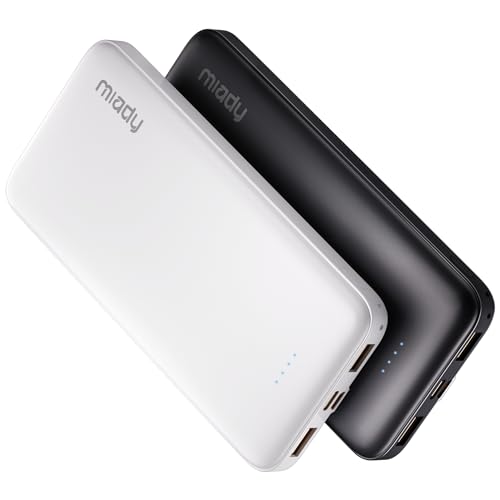
Your carry‑on is the safest place for your electronics and valuables. Pack your phone charger, portable battery, AirPods, camera gear, and any cords you’ll need throughout the day. Outlets in cruise cabins can be limited, so having your essentials charged and ready helps you stay connected and capture those first‑day moments. If you’re filming or taking photos, a small tripod or grip is helpful without adding bulk. And of course, anything valuable — jewelry, cash, or electronics — should always stay with you.
5. Comfort Items for the First Few Hours
A few small comfort items can make embarkation day feel effortless. A refillable water bottle is helpful since you’ll be walking around the ship, and having snacks on hand is great if you’re traveling with kids or just want something quick before lunch. Travel wipes, tissues, and a mini deodorant are simple additions that make you feel refreshed after a long morning of travel. These little touches go a long way toward keeping you comfortable until your cabin is ready.
6. A Small “Quick Access” Pouch
One of the easiest ways to stay organized is to keep a small pouch in your carry‑on with the items you reach for constantly. This might include lip balm, hand sanitizer, sunglasses, tissues, and eventually your room key. Instead of digging through your bag every time you need something, you’ll have everything in one easy spot. It’s a tiny habit that makes a big difference throughout the day.
7. Anything You Can’t Risk Losing
If it would ruin your trip to lose it, it goes in your carry‑on.
Jewelry
Cash
Electronics
Important paperwork
Sentimental items
Why Your Cruise Carry‑On Matters
Your cruise carry-on checklist sets the tone for your entire first day onboard. With the right essentials in your bag, you can swim, explore, eat, relax, and enjoy the ship long before your luggage arrives. A little preparation makes embarkation day smoother, easier, and far more enjoyable — and it ensures you start your cruise exactly the way you want to.
A passport is the most reliable document for cruise travel, especially if your itinerary requires international flights or unexpected changes.
One of the most common questions new cruisers ask is whether you can cruise without a passport. The short answer is yes — sometimes. The long answer depends on your itinerary, your departure port, and how comfortable you are with the risks of traveling without one. While U.S. citizens can sail certain itineraries using a birth certificate and government‑issued ID, there are important exceptions and limitations to understand before you book.
This guide breaks down when you can cruise without a passport, when you shouldn’t, and why having a passport is still the safest choice for most travelers.
What Is a Closed‑Loop Cruise?
A closed‑loop cruise is a sailing that starts and ends at the same U.S. port. Examples:
Miami → Caribbean → Miami
Galveston → Mexico → Galveston
Seattle → Alaska → Seattle
For U.S. citizens, closed‑loop cruises allow more flexibility with travel documents.
When You Can Cruise Without a Passport
U.S. citizens can cruise without a passport on most closed‑loop itineraries if they have:
an original or certified copy of their birth certificate, and
a government‑issued photo ID (like a driver’s license)
This applies to many:
Caribbean cruises
Bahamas cruises
Mexico cruises
Bermuda cruises
Alaska cruises that start and end in the U.S.
Cruise lines accept these documents at check‑in, and U.S. Customs accepts them when you return.
When You Cannot Cruise Without a Passport
You must have a passport if:
your cruise starts or ends in a foreign country
your itinerary includes international flights
you are sailing to destinations that require passports for entry
you are taking a one‑way Alaska cruise (Vancouver → Alaska or reverse)
you are sailing from San Juan, Puerto Rico and flying internationally to get there
If your cruise begins or ends outside the U.S., a passport is non‑negotiable.
The Big Risk: Emergencies and Missed Ports
Even if your cruise allows birth certificates, traveling without a passport comes with real risks.
If you:
miss the ship
need medical evacuation
need to fly home from a foreign port
need to disembark early for an emergency
…you cannot fly internationally without a passport.
In these situations, you may be delayed for days while obtaining emergency documents from the nearest U.S. embassy or consulate.
This is the #1 reason many cruisers choose to bring a passport even when it’s not required.
What About Kids?
Children under 16 can cruise on closed‑loop itineraries using:
an original or certified birth certificate
no photo ID required
Teens 16–17 need:
a birth certificate
a government‑issued photo ID
Passport rules for minors are the same as adults when flying internationally.
Passport Book vs. Passport Card
If you want a lower‑cost option, the passport card works for:
closed‑loop cruises
land border crossings
domestic flights (TSA‑approved ID)
But it does not work for international flights.
The passport book is the safest, most flexible option for all cruise travel.
Should You Cruise Without a Passport?
You can — but whether you should depends on your comfort level.
Cruising without a passport may be fine if:
you’re on a simple closed‑loop Caribbean itinerary
you live within driving distance of the port
you’re comfortable with the limitations
A passport is strongly recommended if:
you’re flying to your port
your itinerary includes multiple countries
you want maximum flexibility in an emergency
you’re traveling with kids and want a smoother process
Final Thoughts
Yes, you can cruise without a passport on many closed‑loop itineraries — but it’s not always the best choice. While a birth certificate and photo ID are acceptable for certain sailings, a passport gives you the freedom to fly home in an emergency, handle unexpected itinerary changes, and travel with confidence. If you cruise often or want the most flexibility, a passport is the safest and most reliable travel document to have.
Understanding REAL ID for cruising helps travelers know when this type of ID is required for flights and when a passport is the better choice.
REAL ID has caused plenty of confusion for travelers, especially as deadlines shift and states roll out compliant IDs at different speeds. If you’re planning a cruise, understanding REAL ID for cruising can help you avoid surprises when flying to your departure port or checking in at the terminal. The good news is that the rules are simpler than they seem once you break them down.
This guide explains what REAL ID is, when you need it for cruising, and how it fits into your overall travel documents checklist.
What Is REAL ID?
REAL ID is a federal security standard for state‑issued driver’s licenses and identification cards. A REAL ID‑compliant license has a star in the upper corner and meets enhanced verification requirements.
It’s designed to make identity documents more secure — but it doesn’t replace a passport, birth certificate, or any other cruise‑specific travel document.
Do You Need a REAL ID to Board a Cruise Ship?
No — you do not need a REAL ID to board a cruise ship.
Cruise lines do not require REAL ID for:
closed‑loop cruises (departing and returning to the same U.S. port)
domestic sailings that do not involve air travel
presenting your passport or birth certificate at check‑in
Your cruise documents depend on your itinerary, not your driver’s license.
When REAL ID Does Matter for Cruising
REAL ID becomes important when flying to or from your cruise port.
Once the REAL ID enforcement date takes effect, you will need a REAL ID‑compliant license or another TSA‑approved document to fly within the United States.
So while REAL ID isn’t required for the cruise itself, it is required for the flight that gets you there.
If You Have a Passport, You’re Already Covered
If you’re cruising with a passport — which is always the safest choice — you don’t need a REAL ID for your flight. Your passport works as your TSA‑approved ID for domestic and international travel.
This is especially helpful for:
Alaska cruises
Caribbean cruises requiring a passport
international embarkation ports
travelers who prefer one universal document
REAL ID vs. Passport: What’s the Difference?
Document
Purpose
Works for Cruises?
Works for Flights?
REAL ID
Domestic identification
No
Yes (domestic flights)
Passport Book
International travel
Yes
Yes
Passport Card
Land/sea border crossings
Yes (closed‑loop cruises)
Yes (domestic flights)
Standard Driver’s License
Basic ID
Yes (cruise check‑in)
No (after REAL ID enforcement)
REAL ID is not a replacement for a passport — it’s simply a more secure version of your driver’s license.
Do Kids Need REAL ID for Cruising?
No. Children under 18 do not need a REAL ID to fly with an adult. They also do not need a REAL ID for cruise check‑in.
Their required documents depend on:
the cruise line
the itinerary
whether both parents are traveling
But REAL ID is not part of the requirements for minors.
How to Tell If Your License Is REAL ID‑Compliant
Look for a star in the upper corner of your driver’s license. The star may be:
gold
black
white
outlined
If your license has no star, it is not REAL ID‑compliant.
Should You Get a REAL ID for Cruising?
If you already have a passport, REAL ID is optional. If you don’t have a passport and plan to fly to your cruise port, REAL ID is helpful — but only for the flight.
For most cruisers, the simplest approach is:
Use a passport for the cruise
Use the passport for the flight
Get REAL ID later if you want it for everyday use
Final Thoughts
REAL ID has caused plenty of confusion for travelers, especially as deadlines shift and states roll out compliant IDs at different speeds. If you’re planning a cruise, understanding REAL ID for cruising can help you avoid surprises when flying to your departure port or checking in at the terminal. The good news is that the rules are simpler than they seem once you break them down.
This guide explains what REAL ID is, when you need it for cruising, and how it fits into your overall travel documents checklist.
This cozy planning moment reflects how many travelers research the best time to book a cruise to lock in the lowest prices.
Booking a cruise at the right time can make a huge difference in what you pay — and in the perks you get. Cruise fares don’t move in a straight line; they rise and fall based on demand, inventory, seasonality, and how quickly a ship is filling. The good news is that there are predictable windows when prices drop, promotions stack, and you can lock in real value without sacrificing itinerary or cabin choice.
Understanding these booking patterns is the key to getting the lowest fares. Whether you’re planning a family vacation, eyeing a balcony on a new ship, or trying to stretch your travel budget further, timing your booking can save hundreds of dollars and unlock extras like onboard credit, upgrades, or reduced deposits.
This guide breaks down the best times of year to book — including Wave Season, Shoulder Season, and last‑minute opportunities — so you can book with confidence and get the strongest deal for your next cruise.
Wave Season: January–March
Wave Season is the cruise industry’s biggest annual sale period — essentially the “Black Friday” of cruising, but stretched across the first three months of the year. This is when cruise lines roll out their most aggressive promotions to jump‑start bookings for the year ahead. Because every major line participates, the competition creates some of the lowest fares and richest perks you’ll see all year.
During Wave Season, you’ll often find:
lower fares on popular itineraries
reduced deposits
onboard credit offers
free cabin upgrades
kids‑sail‑free promotions
bundled perks like Wi‑Fi or drink packages
These deals are especially strong for:
Caribbean cruises
Alaska sailings
Europe summer itineraries
newer or recently refurbished ships
If you’re planning a big family trip, want a balcony on a high‑demand sailing, or prefer sailing on the newest ships, Wave Season is one of the safest and most strategic times to book. You get early access to inventory and the benefit of the year’s most competitive pricing.
Book Early for the Best Cabin Selection
If you care about:
cabin location
connecting rooms
aft balconies
suites
accessible cabins
…booking early is essential.
Cruise lines release their lowest prices when itineraries first open — often 18–24 months in advance. Prices tend to rise as the ship fills, especially for premium cabin categories.
Early booking is ideal for:
Alaska
Europe
holiday sailings
new ship launches
If you want a specific cabin type, early beats cheap last‑minute deals every time.
Shoulder Season = Lower Prices
Shoulder Season is the sweet spot between peak travel months and slower off‑season sailings — and it’s one of the most reliable times to score lower cruise fares without sacrificing weather or itinerary options. These months sit just outside the busiest periods, so ships are still sailing full schedules, but demand is softer and pricing becomes far more flexible.
During Shoulder Season, you’ll often see:
noticeably lower fares on popular routes
better availability for balconies and suites
fewer crowds onboard and in port
more room to choose ideal cabin locations
occasional perks or add‑ons as cruise lines work to fill remaining inventory
Shoulder Season is especially strong for:
Caribbean cruises in late April–May and September–early November
Alaska in early May and late September
Mediterranean itineraries in April, May, September, and October
For travelers who want great weather, lower prices, and a more relaxed onboard experience, Shoulder Season is one of the smartest times to book. It’s ideal for couples, flexible families, and anyone who wants value without giving up the best parts of the itinerary.
Last‑Minute Deals (Great for Flexible Travelers)
Last‑minute deals can offer some of the lowest cruise fares of the entire year, especially when a ship still has unsold cabins close to departure. Cruise lines would rather sail full — even at a discount — which creates opportunities for flexible travelers who don’t need a specific ship, itinerary, or cabin type.
These deals typically appear 30–60 days before the cruise, once final payments are due and the cruise line knows exactly how many cabins remain. Prices can drop fast, and you’ll often see:
deeply discounted inside and oceanview cabins
occasional balcony markdowns on less‑popular sailings
lower solo‑traveler supplements
short‑notice promotions on older ships or shoulder‑season itineraries
Last‑minute deals work best for travelers who:
live near a cruise port or can book airfare quickly
don’t need a specific cabin location
are open to a range of destinations
can travel with only a few weeks’ notice
The trade‑off is limited choice — the best cabins and most popular itineraries are usually long gone. But if you’re flexible, last‑minute deals can be one of the most budget‑friendly ways to cruise.
Holiday and School‑Break Sailings: Book Early
Sailings that fall during major holidays and school breaks almost never get cheaper. These are the highest‑demand weeks of the entire year, and cruise lines know families plan far in advance — which means cabins fill quickly and prices rise steadily as availability disappears.
Peak‑demand sailings include:
Spring Break
Thanksgiving week
Christmas & New Year’s
Summer peak (June–August)
Because these dates align with school calendars, sports schedules, and family vacation windows, ships often sell out months — sometimes years — ahead of time. Instead of dropping prices, cruise lines typically increase fares as the ship fills, and the most desirable cabins (balconies, connecting rooms, suites) are the first to go.
If you’re traveling during any of these windows, the smartest strategy is to book as soon as itineraries open. Early booking gives you the best selection, the lowest starting price, and the chance to reprice later if your cruise line allows adjustments before final payment.
Repositioning Cruises: The Best Value at Any Time
Repositioning cruises are one‑way sailings that happen when a ship moves from one region to another for a new season. Because these routes are less about port‑intensive sightseeing and more about the journey itself, they often deliver some of the best per‑night pricing in the entire cruise industry.
These sailings are typically:
longer and more relaxed
significantly cheaper per night
less crowded than peak itineraries
packed with sea days, onboard activities, and time to unwind
Common repositioning routes include:
Transatlantic crossings
Panama Canal transitions
Pacific crossings between Asia, Alaska, and the West Coast
Repositioning cruises are ideal for travelers who love sea days, want a quieter ship, or are looking for a budget‑friendly way to experience a new region. The trade‑off is fewer ports and a one‑way itinerary, but the value — especially for balcony cabins — is often unbeatable.
Watch for Price Drops After You Book
Many cruise lines let you adjust your fare if the price drops before final payment, and this is one of the easiest ways to save money after you’ve already booked. The key is staying aware of fare changes so you can act quickly.
Price alerts, deal‑tracking tools, and cruise‑line apps help you monitor your sailing in real time. If you spot a lower fare, reach out to the cruise line or your travel agent right away — they can reprice your booking or apply the new promotion as long as you’re still before the final‑payment deadline. This simple habit can save you hundreds without changing anything about your trip.
When Cruise Lines Run Their Best Sales
Cruise lines anchor their strongest promotions to major retail holidays and key booking periods. These events don’t always guarantee the absolute lowest fare, but they do offer some of the richest incentives, making them great times to lock in added value.
You’ll see the most competitive promotions during:
Black Friday & Cyber Monday
Memorial Day
Labor Day
Wave Season (January–March)
Late‑summer “Back‑to‑Cruise” sales
During these windows, cruise lines often stack perks like reduced deposits, onboard credit, free upgrades, kids‑sail‑free offers, or bundled add‑ons such as Wi‑Fi and drink packages. Even if the base fare isn’t at its lowest, the overall value can be significantly higher thanks to these extras.
These sales are especially useful for travelers who want flexibility — you can book early, secure perks, and still monitor pricing for drops before final payment.
Final Thoughts
Timing your cruise booking is one of the most powerful ways to stretch your travel budget without sacrificing the ship, itinerary, or cabin you want. Cruise prices move in predictable patterns, and once you understand those rhythms — Wave Season for big promotions, Shoulder Season for value and flexibility, last‑minute deals for the spontaneous, and early booking for holidays and school breaks — you can plan with confidence.
There’s no single “best” time that works for every traveler, but there is a best strategy for your situation. Whether you’re chasing the lowest fare, hoping for added perks, or trying to secure a peak‑season sailing before prices climb, knowing when to book puts you in control. With a little planning and the right timing, you can lock in a great deal and look forward to an incredible cruise at a price that feels just as good as the vacation itself.
Royal Caribbean priority boarding helps you start your vacation sooner, giving you early access and a calmer, more relaxed embarkation experience.
Royal Caribbean priority boarding helps you start your vacation sooner, giving you early access and a calmer, more relaxed embarkation experience. It’s one of those small perks that immediately sets the tone for your cruise, making the very beginning of your trip feel smooth and stress‑free. Whether you’re staying in a suite, purchased The Key, or reached a higher Crown & Anchor tier, you may qualify for early access to the ship.
Who Gets Priority Boarding
Royal Caribbean offers priority boarding to several groups. Depending on your sailing and terminal, you may qualify if you are:
Sky Class or Star Class suite guests
The Key program holders
Diamond, Diamond Plus, or Pinnacle Club members
Guests needing accessibility accommodations
Your SeaPass card and terminal signage will guide you to the correct check‑in line.
How Priority Boarding Works
The process is simple and designed to move you through the terminal quickly.
1. Arrive at Your Assigned Check‑In Time
Even with priority boarding, Royal Caribbean still uses assigned arrival times to manage crowds. Choose an earlier time in the app if you want to board sooner.
2. Use the Priority Line at Security
Suite guests, The Key holders, and eligible loyalty members will see a clearly marked priority entrance. This line is typically shorter and moves faster.
3. Priority Check‑In Desk
A dedicated agent will verify your documents, take your photo if needed, and finalize your boarding.
4. Early Access to the Ship
Once boarding begins, priority guests are among the first invited onboard. This means:
quieter hallways
easier access to elevators
less crowded public spaces
more time to explore before the ship fills up
It’s a small perk that makes a big difference in your first hour onboard.
What Priority Boarding Includes
Depending on your status, you may receive additional perks once onboard:
Suite guests: direct access to the Suite Lounge team, Coastal Kitchen check‑in, and early access to your stateroom area
The Key: a dedicated welcome lunch in the Main Dining Room with select menu items from Chops Grille
Loyalty members: early access to public spaces and a smoother start to the day
These perks vary slightly by ship and sailing, but the overall experience is consistently smoother than standard boarding.
Why Priority Boarding Matters
Priority boarding isn’t just about skipping lines — it sets the tone for a smoother, more relaxed start to your vacation. Guests love it because it:
Reduces wait times at security and check‑in, helping you avoid the busiest parts of the terminal.
Creates a calmer, more organized embarkation, especially helpful for families juggling bags and excited kids.
Gives you first access to the ship, so you can explore before the crowds arrive.
Makes lunch easier, with quieter dining rooms and more seating available.
Lets dining package holders make reservations early, giving you the best chance at ideal times and popular restaurants before they fill up.
Helps you settle in sooner, whether that means dropping off bags, grabbing a drink, or heading straight to a favorite spot onboard.
It’s a small perk that delivers a noticeably more relaxed, VIP‑feeling start to your cruise.
Tips for Making the Most of Priority Boarding
A few simple strategies can elevate your experience:
Complete all check‑in steps in the app early to unlock the best arrival times.
Arrive 10–15 minutes before your assigned time for the smoothest flow.
Keep documents handy so you move quickly through security.
Head straight to lunch or a quiet lounge once onboard to enjoy the calm before the crowds.
If you’re in a suite, stop by the Suite Lounge or Coastal Kitchen to confirm reservations.
Priority boarding sets the tone for a relaxed, organized start to your cruise.
Final Thoughts
Priority boarding on Royal Caribbean is a simple perk that makes a noticeable difference. Whether you earn it through your suite, loyalty status, or The Key, the smoother check‑in process and early access to the ship help you start your vacation with ease.
Carnival Horizon leaving the Port of Miami on embarkation day, marking the official start of the cruise.
These Carnival embarkation day tips will help you start your cruise with confidence. Embarkation day can feel busy, but Carnival makes the process smooth when you know what to expect. With a little planning, you can board early, avoid stress, and enjoy your first afternoon on the ship.
Arrive Early and Choose the Right Arrival Time
Carnival assigns arrival appointments during online check‑in. Choose an early time if you want to board sooner. Arriving early helps you avoid long lines and gives you more time to explore the ship. Bring your boarding documents, luggage tags, and identification so the process stays quick.
Use the Porters for Checked Bags
Porters at the terminal will take your checked luggage. This service is fast and convenient. Keep your carry‑on bag with essentials like medications, swimsuits, sunscreen, and valuables. Your checked bags will arrive at your stateroom later in the afternoon.
Complete Online Check‑In Before You Arrive
Online check‑in saves time at the terminal. You can upload your photo, select your arrival time, and add payment details for your Sail & Sign account. Because of this, your boarding process feels smoother and faster.
Have Your Documents Ready
Keep your passport, birth certificate, or required ID in your hand. You will show these documents several times before boarding. Having them ready helps you move through security and check‑in without delays.
Board the Ship and Head to Lunch
Once you board, head to the Lido deck for lunch. Most guests visit the buffet or Guy’s Burger Joint. You can also explore the ship, take photos, and get familiar with the layout. Staterooms usually open in the early afternoon, so enjoy the open decks while you wait.
Complete Your Muster Station Check‑In
One of the most important Carnival embarkation day tips is to complete your muster station check‑in as soon as you board. Carnival requires every guest to stop by their assigned muster station, scan their Sail & Sign card, and listen to a brief safety explanation. The whole process only takes a few minutes, and doing it early helps you avoid crowds later in the afternoon. Once your muster check‑in is complete, you’re free to enjoy the rest of embarkation day without interruptions.
Visit Your Stateroom When It Opens
When staterooms open, drop off your carry‑on bag and check your cabin layout. Your room steward may stop by to introduce themselves. You can request ice, extra towels, or any special needs at this time. This quick check helps you settle in before sailaway.
Explore the Ship Before It Gets Busy
Embarkation day is the best time to explore. Visit the dining room, spa, gym, and specialty restaurants. If you want a spa pass or specialty dining reservation, book it early. These options often fill up by the first evening.
Enjoy the Sailaway Party
The sailaway party is one of the most exciting moments of your cruise. The music starts, the drinks flow, and the ship pulls away from the port. It sets the tone for the rest of your vacation. Find a spot on the open deck and enjoy the views as you begin your trip.
Final Thoughts
These Carnival embarkation day tips help you start your cruise with ease. When you arrive early, complete your muster check‑in, and explore the ship, your first day feels smooth and relaxed. With a little preparation, you can enjoy every moment of your Carnival cruise from the very beginning.
Packing for a cruise doesn’t have to feel overwhelming. After years of sailing, refining, and testing what actually matters at sea, I created the Ultimate Cruise Packing List—a free printable designed to take the guesswork out of getting ready. It’s cruise‑specific, beginner‑friendly, and built from real experience so you can pack confidently and avoid last‑minute stress.
Inside, you’ll find essentials for embarkation day, sea days, port adventures, and those easy‑to‑forget items that make a surprising difference once you’re onboard. Whether it’s your first cruise or your fifteenth, this checklist keeps everything simple, organized, and stress‑free.
Download your free packing list, print it, and get ready to sail with confidence.
Ready to pack like a pro? > Click below to download your free checklist and start prepping for your best cruise yet!
Don’t forget your beach must-haves! From sunscreen to packable towels, my Top Beach Essentials post covers everything you’ll want for perfect port days and sea-side lounging.
Final Thoughts: Pack With Confidence and Start Your Cruise Stress‑Free
A smooth cruise starts long before you step onto the ship — it begins with feeling prepared, organized, and confident that you haven’t forgotten anything important. That’s exactly why having a free cruise packing list printable makes such a difference. It takes the guesswork out of packing, keeps you focused on the essentials, and helps you avoid those last‑minute “Did I pack that?” moments. With the right list in hand, you can close your suitcase knowing you’re ready for every part of your vacation, from embarkation day to formal night to relaxing sea days. Here’s to packing smarter, stressing less, and starting your cruise already in vacation mode.
Whether you’re heading out for a weekend getaway or embarking on a month-long adventure, packing smart is key. Having the right travel essentials ensures a smoother journey, keeps you organized, and eliminates unnecessary stress. Over years of traveling, I’ve discovered the must-have travel items that make every trip more comfortable, convenient, and enjoyable. From essential travel gear to practical accessories, here’s a breakdown of the top 20 travel must-haves that should be in every traveler’s bag.
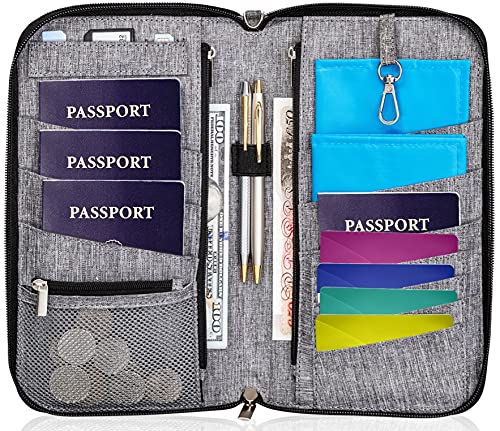
1. RFID Travel Wallet
Keeping your passport, credit cards, and boarding passes secure is a top priority while traveling. An RFID-blocking travel wallet helps protect against electronic theft and keeps your essentials organized in one place. Look for one with multiple compartments so you can quickly access everything you need without rummaging through your bag.
A lifesaver for anyone who wants to stay organized while traveling! Packing cubes help separate outfits, toiletries, and accessories, making it easier to find what you need. They also compress clothing to save space, allowing you to pack more efficiently without overstuffing your suitcase.
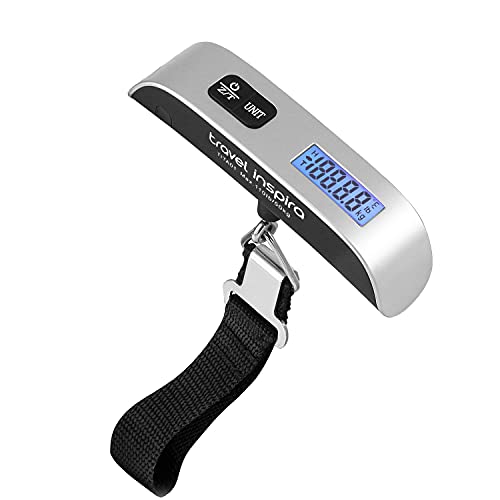
Avoid expensive overweight baggage fees by packing a portable luggage scale. This small device ensures that your suitcase stays within airline weight limits, so you won’t have to reshuffle items at the check-in counter.
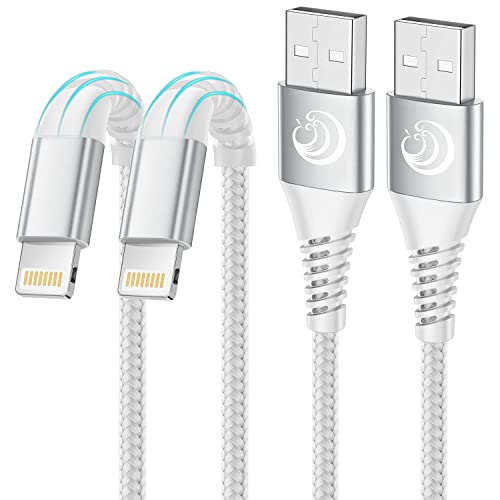
Finding outlets while traveling can be tricky, especially when plugs are located far from beds or seats. A 10-foot charging cable ensures that your phone stays within reach even if the plug is inconveniently placed. Additionally, a universal plug adapter is a must-have travel item for international trips, allowing you to charge devices no matter where you go.
Whether drowning out airplane noise or blocking distractions in a hotel, noise-canceling headphones are a game-changer. Invest in a high-quality pair to enjoy music, podcasts, or movies without interruptions while traveling.
A collapsible water bottle is perfect for staying hydrated on the go without taking up much space in your bag. Many destinations have refill stations, allowing you to save money and reduce plastic waste.
Long flights, train rides, and layovers can be exhausting. A comfortable travel pillow and eye mask make all the difference in getting quality rest while on the move. Choose a memory foam or inflatable pillow for maximum support without taking up too much space.
No one wants to feel unwell while traveling. A compact travel first aid kit stocked with bandages, pain relievers, motion sickness pills, and basic medications ensures you’re prepared for minor health issues.
9. Anti-Theft Backpack or Crossbody Bag
Safety is crucial when traveling in unfamiliar places. An anti-theft backpack or crossbody bag with RFID-blocking compartments and slash-resistant straps keeps valuables secure while exploring.
A high-capacity power bank ensures your devices stay charged throughout your travels. Look for one with multiple USB ports so you can charge more than one device at a time.
Whether heading to the beach or staying in budget accommodations, a microfiber travel towel is a handy and lightweight essential. Quick-drying and compact, it’s perfect for travelers who need an extra towel.
Great for storing snacks, toiletries, or organizing small items, reusable ziplock bags are a travel necessity. Wet wipes also come in handy for keeping clean on-the-go, especially on long flights.
Keep passports, boarding passes, tickets, and itinerary details neatly stored in a travel document organizer. This ensures everything is easy to access and prevents misplacing important paperwork.
An ultra-light foldable tote bag is ideal for carrying souvenirs or extra items while exploring. It takes up minimal space and serves as an extra carry-on if needed.
Protect your skin and avoid pesky bites by packing travel-size sunscreen and bug repellent. Many destinations require reef-safe sunscreen, so check regulations before purchasing.
Freshen up clothes during long trips with travel laundry detergent packets. They are perfect for quick washes in hotel sinks, allowing you to pack lighter and extend outfit use.
Great for sightseeing, wildlife spotting, or even admiring scenic landscapes from a distance. Compact travel binoculars enhance the experience for outdoor lovers.
Healthy travel snacks are essential for long flights, road trips, and excursions. Pack options like protein bars, nuts, and dried fruit for energy on the go.
20. Travel Insurance
Unexpected travel issues can arise, making travel insurance one of the most important travel necessities. From medical emergencies to lost baggage, having coverage provides peace of mind.
Final Thoughts on Packing Smart for Travel
Packing the right travel essentials makes every trip smoother, more enjoyable, and stress-free. Whether you’re heading off on a short getaway or an extended adventure, having the right must-have travel items ensures you’re prepared for any situation. Investing in the right essential travel gear helps optimize space, enhance comfort, and keep valuables secure while exploring.
Before your next journey, make sure to grab these travel must-haves to ensure a worry-free and memorable trip. Safe travels!
Cruise cabins may be compact, but that doesn’t mean you have to feel cramped or unprepared. After more than 20 years of cruising, I’ve learned that packing the right cruise essentials can make all the difference in comfort, convenience, and overall enjoyment. Whether you’re embarking on your first cruise or you’re a seasoned traveler, these must-have cruise items will help you maximize your space and ensure a smooth, stress-free voyage.
1. RFID Travel Wallet
I always like to keep my passport, cruise documents, and credit cards together in one safe spot—and an RFID-blocking travel wallet gives me peace of mind. It protects against electronic pickpocketing (yep, that’s a thing!) and makes it so much easier when I’m checking in or heading out on an excursion. Whether it’s a slim leather style or one that fits my phone and AirTag, I don’t cruise without this cruise essential. The one below is perfect because I can keep all of my key documents.
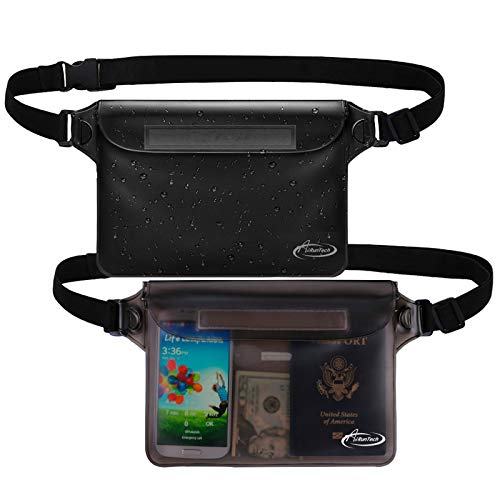
I bring this cruise essential on every single excursion. Whether I’m headed to the beach or pool, I never know how far my lounge chair will be—or if I’ll even be able to keep an eye on it. This waterproof case gives me peace of mind because I can take my phone with me in the water. That way, I never miss those spur-of-the-moment photo ops, and I don’t have to stress about leaving valuables behind. Total game changer.
I never travel without these cruise luggage tag holders—they’re reusable, durable, and keep my tags from tearing or getting lost in transit. Pro tip for first-time cruisers: I always pack my tags in my carry-on and wait to attach them until I arrive at the port city. That way, they don’t get damaged or confused during the flight. It’s such a simple step, but it saves a ton of stress on embarkation day.
4. Stay Charged Up: European Plug Adapter & Long Charging Cords
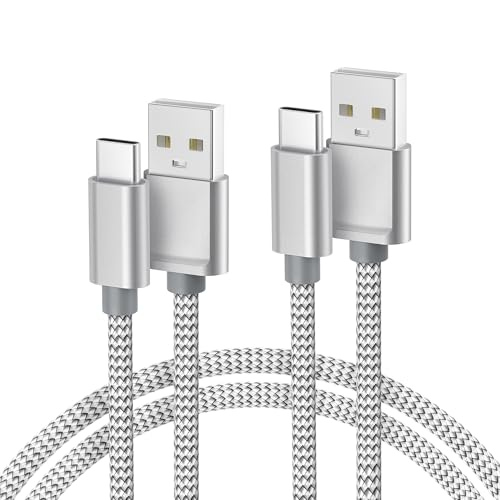
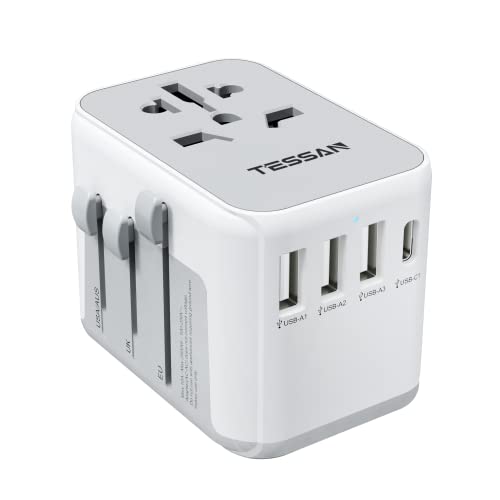
Cruise cabins don’t have many outlets—especially near the bed, making an adapter an important cruise essential. So I always bring a European plug adapter to tap into the extra outlet most ships have, and I never cruise without my extra-long charging cords. A 10-foot cord lets me keep my phone close, even when the outlet is halfway across the room. It’s one of those little things that makes a big difference, especially when I’m winding down after a day of exploring or getting everything charged before an excursion.
Towel Bands or Clips No more chasing your towel across the pool deck! Whether it’s a breezy sea day or a packed lounger lineup, towel bands and clips help keep your spot secure. I’ve used both and love them for different reasons—clips are sturdy and versatile, while bands are my current go-to because they’re lightweight and lie flat in a suitcase, which makes packing a breeze.
Bonus tip: Clips are also perfect in balcony cabins—I use them to secure wet swimsuits or cover-ups to the balcony chairs so they dry quickly without risking them blowing away. Such a small item, but incredibly handy for those little cruise moments that matter.
Cruise cabin walls are metal, so I always bring magnetic hooks to make the most of that vertical space. On our last cruise, we used the heavy-duty ones (the ones on the right) that hold up to 150 pounds vertically or 50 pounds horizontally—we were able to hang a full bag on each one, which is something the smaller hooks just can’t handle. But I still pack the smaller ones too—they’re perfect for things like a shirt, swimsuit, or sunhat. In a cramped cabin, every little item needs a “home,” and these hooks help keep the chaos at bay, making them a real cruise essential.
I always pack sunscreen because sunburns can sneak up fast—especially on sea days or beach excursions. I don’t usually go for the reef-safe formulas (just being real!), but I do make sure it’s one I trust to work and feels good on my skin. I keep a travel-size bottle in my day bag so I can reapply easily without trekking back to the cabin. It’s one of those things I never leave home without.
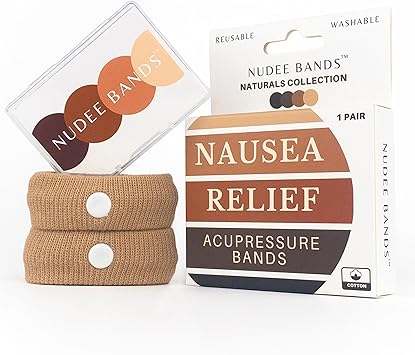
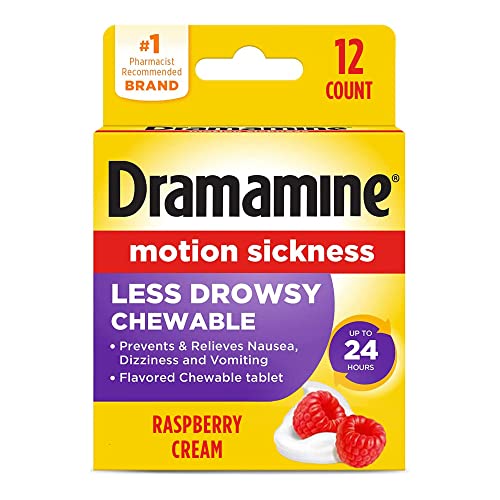
I don’t usually get seasick—but I always like being prepared, just in case. I bring a couple of tried-and-true favorites: ginger chews are my go-to (they’re perfect when I need something quick and natural), and I also pack motion sickness bands. Even if I don’t need them, I love having them on hand—they’re drug-free, easy to toss in my day bag, and great for peace of mind, especially when the water gets a little choppy.
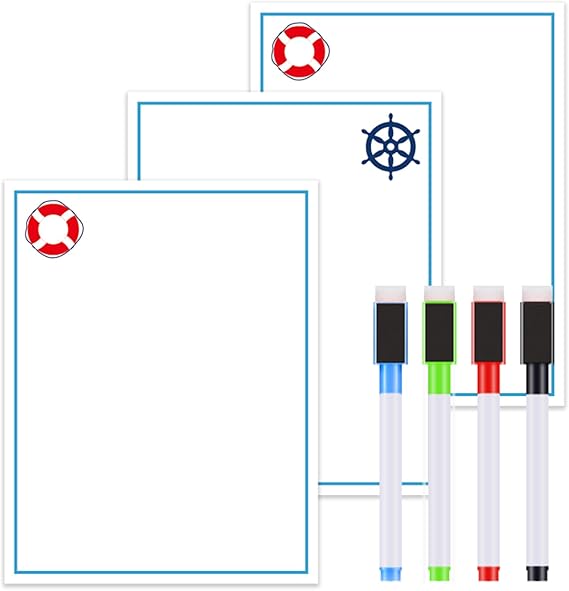
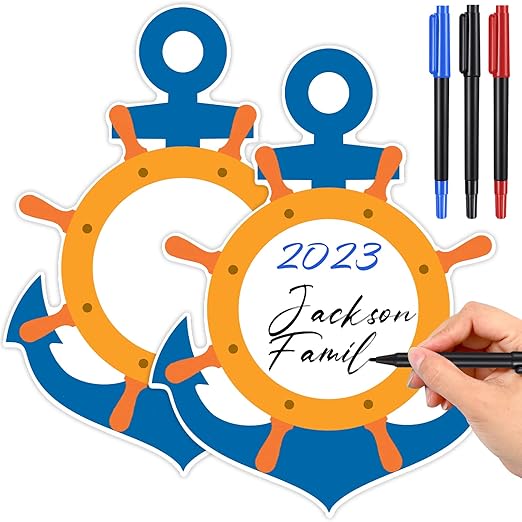
I always decorate our cabin door—it’s not just fun, it’s functional. Hallways on cruise ships can look like a maze of identical doors, especially after a long day in the sun or a late dinner. A colorful magnet or personalized sign makes it so much easier to spot our room at a glance. It’s also a great way to show a little personality and connect with fellow cruisers—I’ve had more than one person stop to comment or say hi because of ours.
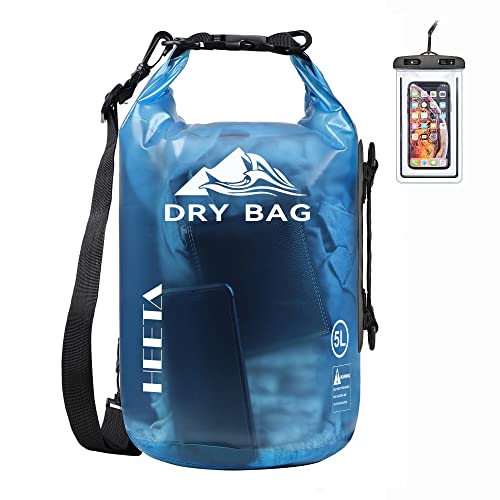
This is one of those items I never regret bringing. Whether we’re headed out on a beach day, a snorkeling trip, or even a tender boat ride, I like knowing my stuff will stay dry. I keep my phone, a small towel, and a change of clothes in there—and it’s especially nice when I don’t want to worry about dropping my bag in the sand or getting caught in a surprise splash. Mine folds down small in the suitcase but gives me total peace of mind during water-heavy excursions.
I don’t travel anywhere without packing cubes—but I especially love them for cruises. They fit perfectly into the closet cubbies and drawers in the cabin, and they make unpacking a breeze. I organize them by type—daywear, swimsuits, dinner outfits—so I can just pull one out, grab what I need, and slide it right back in. It keeps everything tidy, and I don’t have to dig through my suitcase every time I need something.
I like to be ready for anything, so I always bring a small first aid setup.
Travel Medication Organizer Instead of bringing full bottles of every medicine “just in case,” I use this compact pill organizer that comes with three mini cases and over 400 labels. It’s perfect for pre-packing small doses of pain relievers, allergy meds, motion sickness tablets—whatever we might need—without overpacking. It keeps everything neat, labeled, and ready for quick access during the trip.
This is one of those things I bring on every cruise. I love having my own insulated tumbler to keep drinks cold way longer than the plastic cups they serve onboard. Whether I’m sipping iced coffee in the morning or taking a frozen cocktail up to the pool deck, this tumbler keeps it chilled without constantly melting down. It’s got a handle, a straw, and it saves me from running back and forth for refills all day.
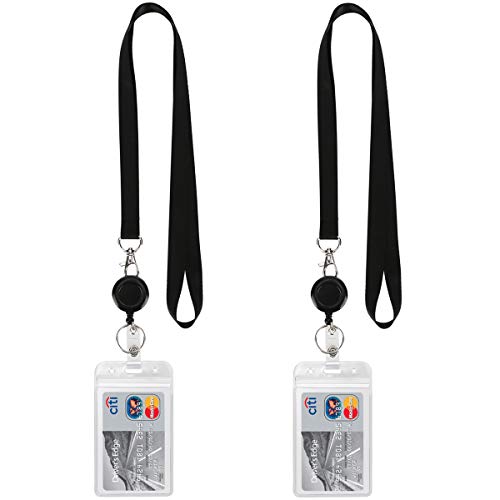
Cruise Lanyard I never board a ship without a cruise lanyard, a true cruise essential —it just makes life so much easier. Since your cruise card is your room key, ID, and onboard wallet, having it clipped around my neck means I’m not constantly digging through my bag or worrying I left it in the cabin. I like to use a colorful one or add a small charm so it’s easy to spot—and a detachable clip makes it simple to hand off when needed. It’s such a small thing, but I’d feel lost without it—literally.
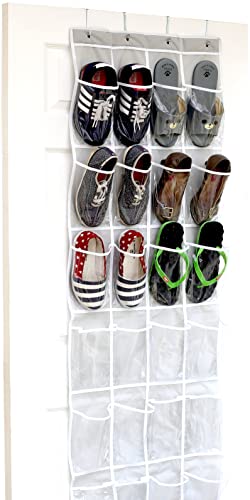
Cabin storage is limited, so this has been a game-changer for me. I’ve used the same over-the-door organizer for more than 20 years—and I still swear by it. To make the most of it, I actually tie two together with ribbon and hang them over the bathroom door. One stays on the inside for toiletries, hair products, and shower stuff; the other faces out and holds sunglasses, meds, sunscreen—anything I use daily. It keeps everything off the counters and easy to reach, without cluttering up precious space.
A foldable tote is a cruise-day MVP. It packs down small in your suitcase and gives you that extra space when you need it—whether it’s souvenirs from a port stop or beach gear for an excursion. I love the flexibility it offers, especially on days when I come back with more than I left with. Easy to stash, easy to carry—simple as that.
If there’s even a chance I might snorkel, I pack my own gear. Cruise excursions sometimes include rentals, but I’d rather not deal with mystery mouthpieces or foggy masks. Having my own snorkel set means better comfort, better fit, and no guessing about quality. Plus, it’s one less thing to worry about when I’m jumping off the boat into crystal-clear water. It doesn’t take up much room in my suitcase—and it’s totally worth it.
Cruise cabins aren’t big, and it doesn’t take long for clothes—especially swimsuits and lightweight outfits—to start feeling not-so-fresh. I like to pack a few travel-size laundry detergent packets so I can rinse things out mid-trip without waiting on laundry service. Some ships have self-serve laundry rooms, but even if they don’t, it’s easy enough to wash a few items in the sink and hang them to dry. It keeps my bag lighter and everything smelling clean.
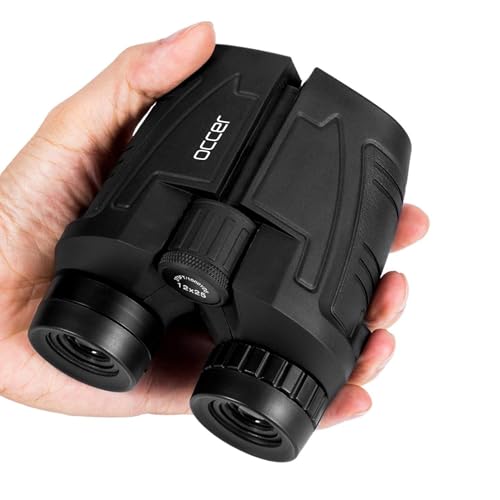
I don’t bring binoculars on every trip, but when the itinerary includes scenic coastlines, wildlife, or balcony time with a view, I like having a pair packed. They’re great for spotting whales, lighthouses, or far-off islands—those little details I’d miss otherwise. I usually stash them in my carry-on so they’re handy if we sail past something cool during embarkation or sail-away. Compact, lightweight, and totally worth it when those moments pop up.
When I’m off the ship exploring ports, I like knowing my essentials are safe and close. An anti-theft crossbody bag is lightweight, easy to wear, and packed with smart features—like RFID-blocking compartments, lockable zippers, and slash-resistant straps. It keeps my phone, cruise card, and cash secure in crowded markets or busy terminals without looking bulky or touristy. For peace of mind and hands-free convenience, this is one of those items I’m always glad I brought.
Bringing the right cruise essentials can make all the difference in turning a good vacation into an unforgettable one. From maximizing cabin space to ensuring convenience and comfort, every item on this list is designed to help you avoid unnecessary stress and make the most of your time at sea. Over the years, I’ve learned that having the right gear onboard enhances relaxation, keeps everything organized, and allows you to focus on making incredible memories.
By planning ahead and packing wisely, you’ll set yourself up for a seamless and enjoyable experience. So before you set sail, grab these must-have cruise items to ensure smooth sailing on your next adventure. Happy cruising!
A rolling suitcase and a confident stride set the tone for any well‑planned solo traveler packing list.
Cruising solo is an exciting and liberating experience, but packing efficiently is key to maximizing space, staying safe, and ensuring a smooth trip. Whether you’re exploring new destinations, enjoying onboard activities, or relaxing at sea, knowing the best solo traveler’s cruise packing list ensures you’re prepared for every adventure.
This guide covers space-saving hacks, safety essentials, and must-have items, helping solo cruisers pack smart and travel with confidence.
Essential Travel Documents & Pre-Cruise Prep
Before packing clothes and accessories, ensure you have all necessary travel documents.
Must-Have Travel Documents
Passport & ID – Ensure they are valid for at least six months beyond your return date.
Cruise Boarding Pass & SetSail Pass – Print or save them digitally.
Emergency Contact Information – Keep family and doctor details handy.
Health Insurance & Travel Insurance Details – Ensure coverage for medical emergencies.
Copies of Important Documents – Store digital and physical copies in separate locations.
Knowing the best solo traveler’s cruise packing list ensures adventurers bring essential items, maximize space, and stay safe while traveling alone. By packing smart, using organization hacks, and preparing for every scenario, solo cruisers can enjoy a stress-free and memorable voyage.
Before your next cruise, review this checklist, pack efficiently, and embrace the adventure, ensuring smooth sailing and unforgettable experiences!
Cruise theme nights are a fantastic way to add excitement to your vacation, allowing guests to dress up, embrace the party atmosphere, and create unforgettable memories. Whether it’s a tropical luau, a white party, an 80s throwback, or a pirate night, knowing the best cruise theme night packing guide ensures you’re prepared for every celebration.
This guide covers fun and creative outfit ideas, helping travelers pack smart and enjoy themed cruise events with confidence.
What Are Cruise Theme Nights & Are They Mandatory?
Cruise theme nights are special evenings where guests can dress up according to a specific theme, creating a festive and immersive experience.
are Theme Nights Mandatory?
No, theme nights are completely optional – Guests can choose whether to participate.
You can still enjoy the event without dressing up – Many people attend in casual attire.
Packing for theme nights enhances the fun – Dressing up adds to the excitement and atmosphere.
How to Find Out About Theme Nights Before Your Cruise
Check your cruise line’s website – Some cruises list theme nights in advance.
Look at your daily cruise planner – Theme nights are often announced onboard.
Ask in cruise forums – Past guests share insights on recurring themes.
By following packing for themed cruise events strategies, travelers can prepare for exciting onboard celebrations.
Tropical & Hawaiian Theme Night
Tropical nights bring island vibes to the cruise, featuring bright colors, floral prints, and beachy accessories.
80s nights bring neon colors, bold prints, and nostalgic fashion to the cruise. For those of you looking for a super simple option, check out the kits you can purchase on Amazon.
Tops: Off-the-shoulder sweatshirt or slouchy tee (bonus points for neon or graphic print), cropped tank layered over a bright sports bra, mesh or fishnet top layered over a cami.
Bottoms: Tulle tutu skirt or layered mini skirt, high-waisted acid wash jeans or denim shorts, shiny leggings or bike shorts in neon or metallic.
Accessories: Fingerless lace gloves or mesh gloves, chunky plastic bangles and neon hoop earrings, scrunchies (worn in hair or on wrist), wide belt or chain belt worn over the shirt, fanny pack (worn crossbody for extra flair), retro sunglasses.
Footwear: High-top sneakers (Converse-style or Reebok throwbacks), slouchy socks layered over tights or leggings, ballet flats or low-top canvas shoes
Hair & Makeup: Big teased hair or side ponytail with a scrunchie, bright blue or pink eyeshadow, heavy blush, and bold lipstick
Packing Tips for 80s Nights
Go bold with colors – Neon and bright hues capture the 80s vibe.
Layer accessories – Scrunchies, bangles, and sunglasses complete the look.
Pack comfortable shoes – 80s parties often include dancing.
By following creative cruise costume ideas strategies, travelers can rock the retro theme with confidence.
Other Popular Cruise Theme Nights
Cruises feature a variety of theme nights, each offering unique outfit opportunities.
By following packing for themed cruise events strategies, travelers can prepare for every onboard celebration.
Final Thoughts: Cruise Theme Night Packing Guide
Knowing the best cruise theme night packing guide ensures travelers bring fun and creative outfits for tropical parties, white nights, 80s throwbacks, and more. By packing smart, embracing the themes, and preparing for onboard events, cruisers can enjoy every celebration while making unforgettable memories.
Before your next cruise, review this checklist, pack efficiently, and embrace the fun, ensuring a stylish and exciting vacation at sea!
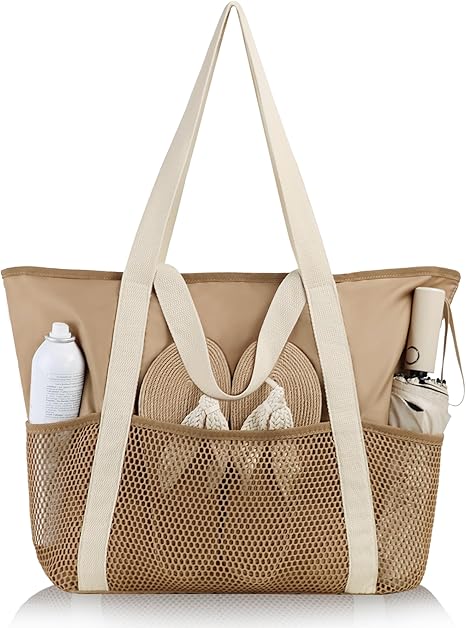
A well‑stocked beach bag and a sunny shoreline show some of what belongs on your cruise excursion packing list.
Cruise excursions offer exciting opportunities to explore new destinations, whether it’s hiking through lush landscapes, snorkeling in crystal-clear waters, strolling through historic cities, or relaxing on sun-soaked beaches. Knowing the best cruise excursion packing list ensures you’re prepared for every adventure while staying comfortable and organized.
This guide covers essential gear for adventure, sightseeing, and relaxation, helping travelers pack smart and make the most of their shore excursions.
A well‑planned cruise excursion packing list helps you stay organized and ready for every type of adventure your itinerary includes.
Packing Strategy for Cruise Excursions
Each excursion requires different gear, so packing strategically is key.
How to Plan Your Excursion Packing
Review your itinerary – Identify which excursions require special gear.
Pack versatile items – Choose multi-purpose clothing and accessories.
Consider climate and terrain – Ensure you’re prepared for different environments.
Must-Have Items for Every Excursion
Daypack or crossbody bag – Secure for carrying daily essentials.
Reusable water bottle – Helps stay hydrated.
Sunscreen & bug spray – Protects against sunburn and insects.
Comfortable walking shoes – Essential for long excursions.
Portable phone charger
These essentials form the foundation of any reliable cruise excursion packing list, no matter where your ship takes you.
Restroom access (especially for remote or nature-based tours)
Mobility level required (stairs, uneven terrain, long walks)
Transportation type (bus, boat, walking, tender access)
Time zone differences (for independent tours)
Local customs or dress codes (especially for religious sites)
Cash vs. card usage (some markets or vendors may be cash-only)
By following cruise excursion essentials strategies, travelers can pack efficiently for every adventure.
Using a thoughtful cruise excursion packing list ensures you’re prepared for different climates, terrains, and activity levels.
Choosing the Right Gear by Excursion Type
Each cruise excursion brings its own set of adventures—and with that, its own packing priorities. Whether you’re trekking through a rainforest, snorkeling coral reefs, wandering cobblestone streets, or kicking back on a beach, the right gear can make or break your day. Below, you’ll find excursion-specific packing tips to help you stay prepared, comfortable, and ready to enjoy every moment—no matter where the ship takes you.
Hiking Excursions
Things to Consider Before Your Hiking Excursion
Hiking excursions can be incredibly rewarding, but they require a bit of preparation to stay safe and comfortable. Before you head out, keep these key points in mind:
Know the trail details. Review the excursion description so you understand the distance, elevation, and terrain. Some hikes are gentle nature walks, while others involve steep climbs or uneven, rocky paths.
Check the weather. Conditions can change quickly, especially in coastal or mountainous regions. Look at the forecast the night before and again in the morning so you can adjust layers and footwear as needed.
Wear proper footwear. Sturdy, comfortable shoes with good traction make a huge difference on uneven or slippery surfaces.
Stay hydrated. Bring water, especially for longer or more challenging hikes. A small snack can help keep your energy up on tougher trails.
Protect yourself from the elements. Sunscreen, bug spray, sunglasses, and a hat can make the experience far more comfortable, especially on exposed trails.
Pack smart layers. Even warm destinations can have cool mornings or shaded areas. A lightweight layer is easy to carry and helps you stay comfortable.
Consider your personal needs. If you rely on medications, mobility aids, or comfort items, make sure they’re in your day bag. Excursions often run on tight schedules, so having everything with you prevents stress.
Follow guide instructions. Local guides know the terrain and conditions best. Staying with the group and following their direction keeps the experience safe and enjoyable.
With a little preparation and the right essentials, your hiking excursion becomes a memorable part of your cruise instead of a stressful one.
Packing Tips for hiking Adventures
Use compression bags – Saves space in your luggage.
Pack energy snacks – Helps maintain stamina during hikes.
Bring a small first aid kit – Includes bandages, pain relievers, and antiseptic wipes.
By following adventure gear for cruise excursions strategies, travelers can stay prepared for outdoor activities.
Snorkeling Excursions
Things to Consider Before Your Snorkeling Excursion
Snorkeling is one of the most magical cruise excursions, but a little prep goes a long way toward making the experience smooth and memorable. From water conditions to gear fit, these underwater adventures require different considerations than your average beach day. Use this checklist to help you feel confident, comfortable, and ready to dive in.
Water Conditions & Visibility Check the forecast for wind, waves, and tide timing. Calm seas and clear water make for the best snorkeling—and safer conditions for beginners.
Marine Life Awareness Know what creatures you might encounter (jellyfish, sea urchins, coral, stingrays). Avoid touching anything, and consider wearing water shoes or fins for protection.
Gear Fit & Comfort A leaky mask or uncomfortable snorkel can ruin the experience. Test your gear ahead of time or rent from a reputable provider. Full-face masks are great for comfort, but traditional sets offer more flexibility.
Sun Protection You’ll be floating face-down in the sun—so a rash guard with UPF, reef-safe sunscreen, and a wide-brimmed hat for before/after are musts.
Shade & Rest Areas Some beaches or boats offer little to no shade. Bring a towel, cover-up, or even a pop-up sun shelter if you’re going independently.
Storage & Security Will you have access to lockers or dry storage? If not, bring a waterproof pouch or dry bag for your phone, cash, and ID.
Changing Facilities Check if there are showers or changing rooms nearby. If not, pack a quick-dry towel and a change of clothes in a wet/dry bag.
Swimming Confidence Even if you’re a strong swimmer, snorkeling can feel different. Practice in shallow water first, and consider a float vest or pool noodle for extra support.
Environmental Responsibility Avoid standing on coral or feeding fish. Choose reef-safe sunscreen and be mindful of your impact on marine ecosystems.
Excursion Type Is it boat-based or beach entry? Boat tours may include gear and guides, while beach snorkeling might require more self-prep and navigation.
Snorkeling gear
There’s something truly magical about slipping beneath the surface and discovering an entirely different world—vibrant coral gardens, shimmering schools of fish, and the peaceful rhythm of the ocean all around you. Whether you’re snorkeling for the first time or it’s a highlight of every cruise you take, this simple adventure brings unforgettable views and a soothing sense of freedom. With the right gear and a little planning, snorkeling becomes less of an excursion and more of a memory you’ll replay again and again.
Adding well‑fitting snorkel equipment to your cruise excursion packing list ensures you’re comfortable and confident in the water.
things to consider before your beach day excursion
A thoughtful cruise excursion packing list helps you prepare for sun, sand, and changing beach conditions.
Shade Availability Will there be umbrellas, palapas, or natural shade like trees? If not, consider bringing a pop-up sun shelter or wide-brimmed hat.
Seating Options Are beach chairs provided, or will you need to bring your own? Some excursions include loungers, while others may require a towel-on-the-sand setup.
Food & Drink Access Check whether food and beverages are included, available for purchase, or if you should pack your own snacks and water. Some remote beaches may not have vendors.
Restroom Facilities Not all beach stops have restrooms or changing areas. If they do, they may be limited or shared—plan accordingly with a cover-up or wet/dry bag.
Water Conditions Look into wave strength, tides, and current warnings. Calm waters are ideal for swimming and floating, while rougher surf may limit activities.
Marine Life & Safety Be aware of jellyfish, sea urchins, or coral in the area. Water shoes can help protect your feet, and reef-safe sunscreen helps protect the environment.
Storage & Security Will there be lockers or secure areas for your belongings? If not, bring a waterproof pouch or lockable beach bag for valuables.
Changing & Rinsing Options Some beaches offer outdoor showers or changing huts. If not, pack a quick-dry towel and a change of clothes for the ride back.
Excursion Type Is it a private beach club, a public beach, or a remote cove? Each offers a different experience—and different levels of comfort and amenities.
By following beach packing guide strategies, travelers can enjoy their beach day comfortably.
Want more tips for the perfect beach day? From must-pack essentials to beach-ready outfits and clever gear hacks, head over to my full guide here: 👉 Beach Day Packing Tips & Essentials
Sightseeing & City Tours
things to consider before your city tour excursion
City excursions are a chance to soak up culture, history, and local flavor—but they often involve long walks, changing weather, and bustling crowds. Whether you’re exploring ancient ruins, wandering through museums, or snapping photos in charming piazzas, a little planning goes a long way. Here are a few things to consider before stepping off the ship and into the heart of your next destination.
A flexible cruise excursion packing list keeps you ready for long walks, shifting weather, and busy city streets.
Walking Distance & Terrain City tours often involve long walks—sometimes over cobblestones, hills, or uneven sidewalks. Comfortable shoes are a must, and a lightweight daypack helps carry essentials without weighing you down.
Weather & Temperature Swings Urban areas can feel hotter due to concrete and crowds. Pack layers, a hat, and a compact umbrella or rain jacket in case of sudden changes.
Restroom Access Public restrooms may be limited or require payment. Plan ahead by using facilities at museums, restaurants, or tour meeting points.
Food & Drink Availability Will meals or snacks be included? If not, bring a refillable water bottle and a few light snacks—especially if the tour spans several hours.
Cultural Etiquette & Dress Codes Some religious or historic sites may require modest clothing (covered shoulders or knees). A scarf or wrap can be a handy, respectful solution.
Crowd Levels & Timing Popular landmarks can get crowded, especially mid-day. Early tours or skip-the-line options can help you avoid long waits and get better photos.
Language & Guide Style Is the tour in your preferred language? Will it be led by a local guide, or is it self-guided with audio? Knowing this helps set expectations for interaction and depth.
Accessibility & Mobility If you or someone in your group has mobility concerns, check whether the tour includes stairs, steep streets, or limited seating.
Security & Pickpocket Awareness Busy city centers can attract pickpockets. Use a crossbody bag with RFID protection and keep valuables close.
Free Time & Flexibility Some tours include shopping breaks or time to explore on your own. Know the schedule so you can plan how to use that time wisely.
Wear comfortable walking shoes – Many cities have cobblestone streets.
Pack a light scarf or wrap – Useful for modesty at religious sites.
Bring sunglasses & a hat – Protects against sun exposure.
By following sightseeing packing tips for cruises strategies, travelers can explore cities with ease.
Relaxation & Leisure Excursions
Things to Consider Before Your Leisure & Relaxation Excursion
Comfort Over Everything Choose breathable, loose-fitting clothing and supportive sandals or slip-ons. Whether you’re lounging poolside or strolling through a botanical garden, comfort sets the tone.
Shade & Seating Options Will there be loungers, hammocks, or shaded cabanas? If not, bring a towel, travel pillow, or even a compact folding seat to create your own cozy corner.
Food & Drink Availability Check if refreshments are included or available for purchase. Some spa or resort-style excursions offer welcome drinks or snacks, while others may be more DIY.
Restroom & Changing Facilities Know whether there are clean, accessible restrooms or changing areas. If not, pack a cover-up, quick-dry towel, and a wet/dry bag for swimsuits or sweaty clothes.
Entertainment or Downtime? Will there be music, books, or guided activities—or is it pure quiet time? Bring an e-reader, journal, or headphones to tailor the vibe to your mood.
Noise & Crowd Levels Some “relaxation” spots can still be busy. If you’re sensitive to noise, consider packing earplugs or noise-canceling headphones to create your own peaceful bubble.
Spa or Wellness Options If massages, yoga, or meditation are offered, check if they require pre-booking. A lightweight wrap or yoga towel can come in handy for these experiences.
Accessibility & Mobility Even low-key excursions may involve stairs, uneven paths, or long walks to reach the destination. Know your limits and plan accordingly.
Weather & Wind Exposure Even on chill days, sun and wind can sneak up on you. Pack sunscreen, a wide-brimmed hat, and a light wrap or cardigan for breezy moments.
Time to Unplug If you’re craving a digital detox, consider leaving your phone behind or switching to airplane mode. A little screen-free time can make the experience feel even more restorative.
Must-Have Items for Leisure Days
Casual, loose-fitting clothing – Keeps you comfortable.
E-reader or book – Perfect for beachside reading.
Travel pillow – Enhances comfort during long excursions.
Cooling towel – Helps stay refreshed in warm climates.
Packing Tips for Leisure Excursions
Use a lightweight tote bag – Ideal for carrying essentials.
Pack a reusable snack container – Keeps food fresh.
By following packing for cruise shore excursions strategies, travelers can enjoy relaxation days stress-free.
Comfort‑focused items belong on every cruise excursion packing list, especially for low‑key days designed for unwinding.
Final Thoughts
A well‑planned cruise excursion packing list makes every port day smoother, easier, and far more enjoyable. When you know exactly what to bring for adventure, sightseeing, and relaxation, you can step off the ship feeling confident and fully prepared for whatever the day brings. Packing smart helps you stay comfortable, organized, and ready for every moment — from hiking trails and snorkeling reefs to exploring historic cities or unwinding on a quiet beach. Before your next sailing, review this guide, tailor your essentials to your itinerary, and embrace each excursion with excitement. With the right gear in your bag, every destination becomes an unforgettable part of your cruise.