Rome Colosseum Guide – Rome, Italy
Visiting the Colosseum is one of the most unforgettable experiences in Rome. This massive amphitheater has stood for nearly 2,000 years, and it still captures the imagination of travelers from all over the world. If you’re arriving by cruise ship, planning a family trip, or building a bucket‑list itinerary, this Rome Colosseum Guide will walk you through everything you need to know.
You’ll find history, fun facts, tips, costs, and clear directions from the cruise port. I’ll also share what to expect, how to prepare, and how to make the most of your time at this iconic landmark.
Why the Colosseum Belongs on Every Rome Itinerary
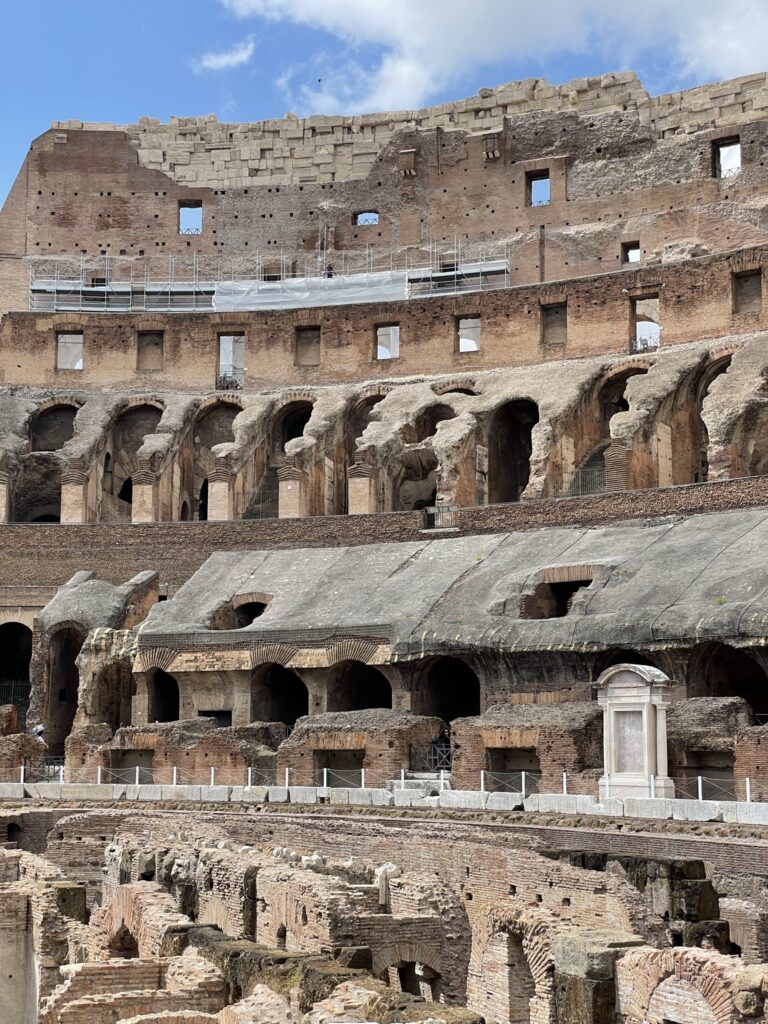
The Colosseum is one of the most famous structures in the world. It’s a symbol of ancient Rome, engineering brilliance, and the dramatic entertainment that once filled its arena. When you stand inside, you can almost hear the roar of the crowd and imagine the energy of the games.
This guide will help you plan your visit with confidence, especially if you’re coming from the cruise port in Civitavecchia. Many travelers worry about timing, transportation, and crowds. With the right plan, your visit can feel smooth, enjoyable, and stress‑free.
A Brief History of the Colosseum
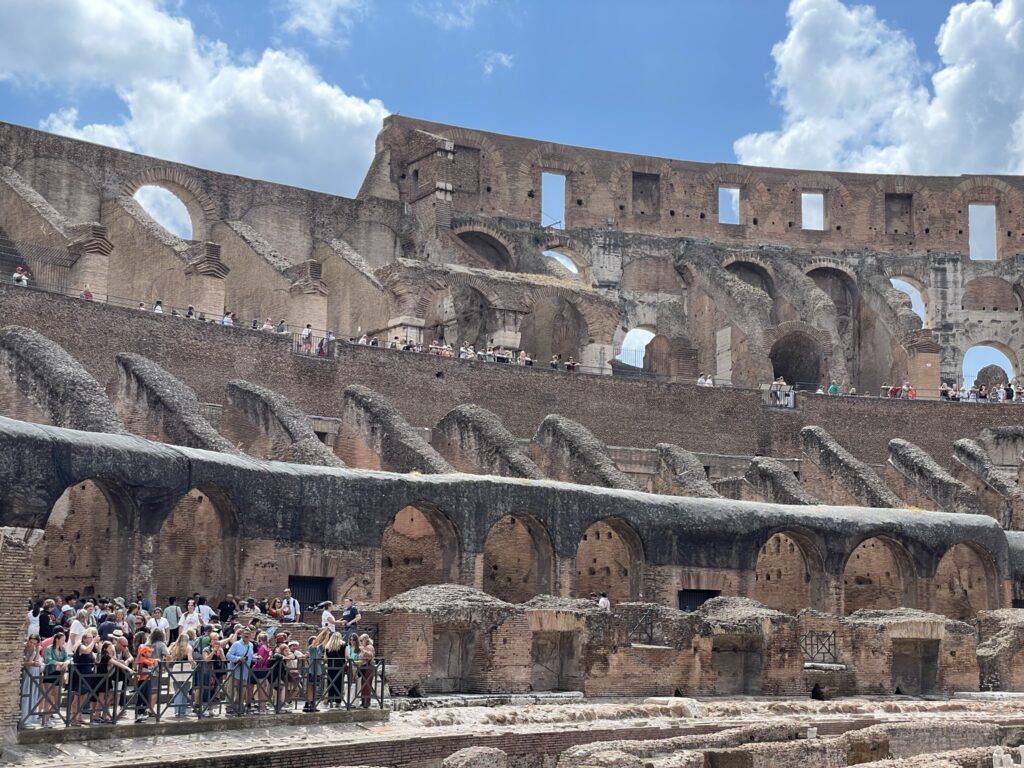
Construction began in 72 AD under Emperor Vespasian and finished in 80 AD under his son Titus. The Colosseum could hold more than 50,000 spectators, and it hosted gladiator battles, animal hunts, reenactments, and public events.
The structure used:
- Travertine stone
- Concrete
- Iron clamps
- A complex system of arches and vaults
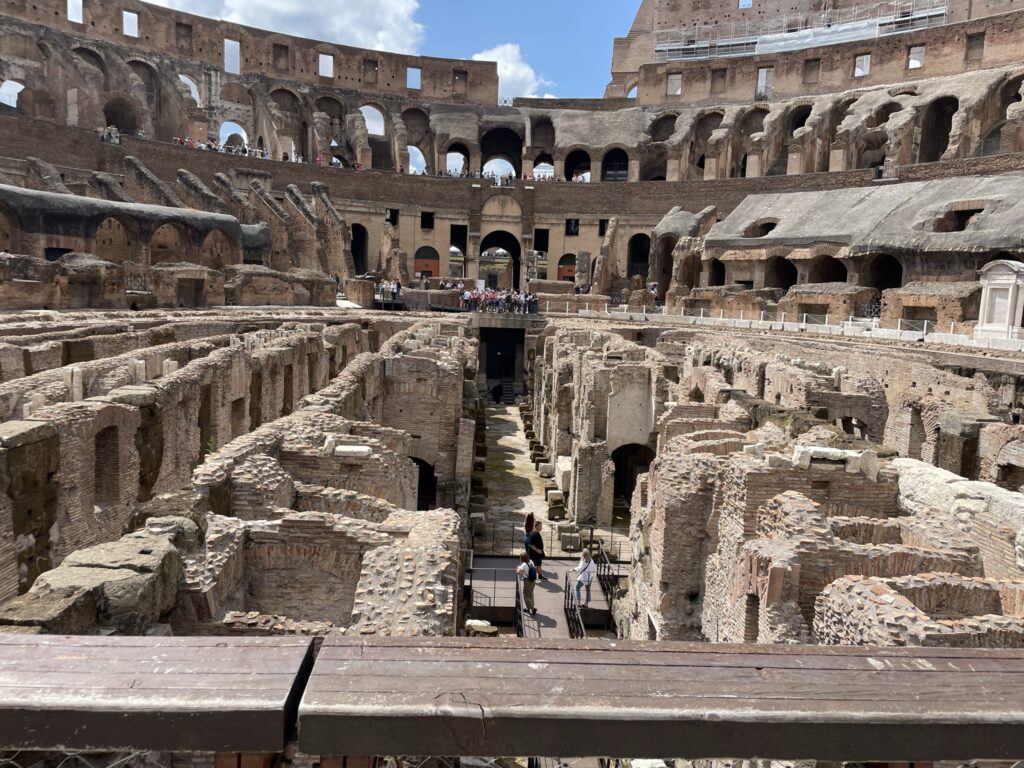
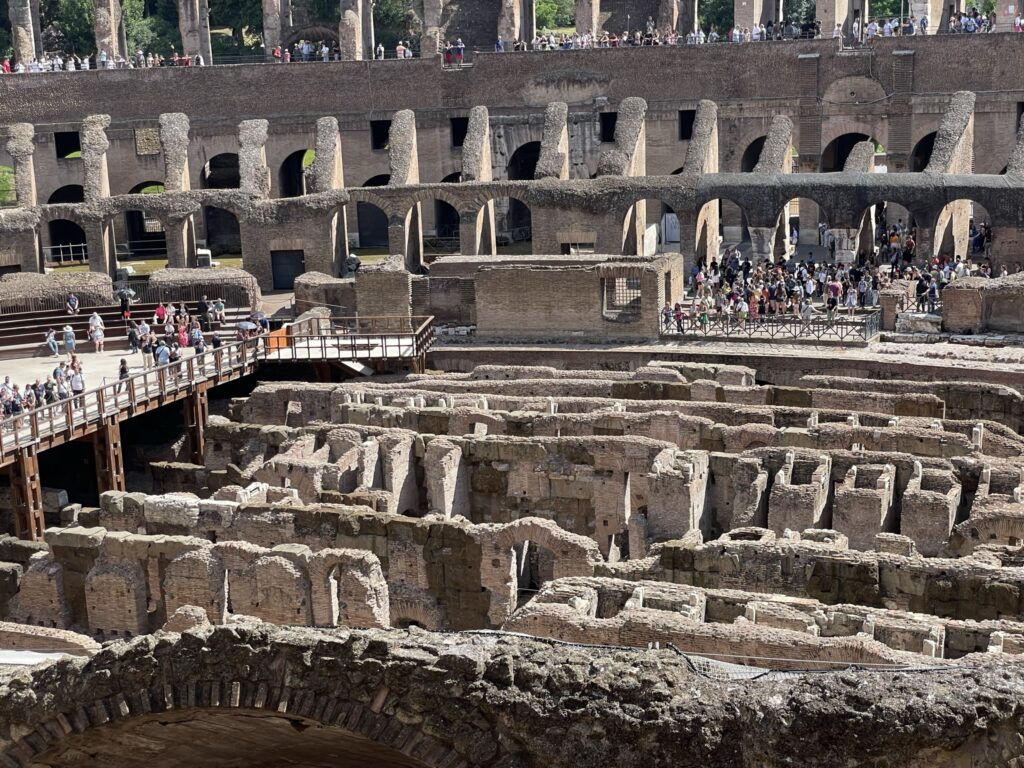
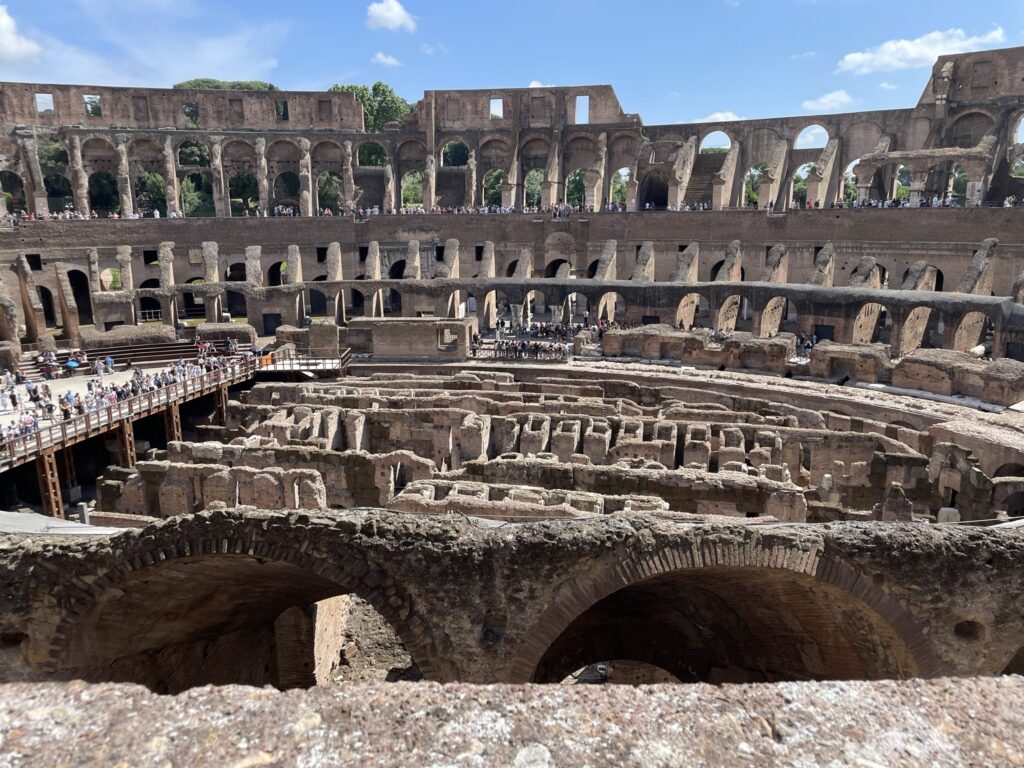
It also featured an underground area called the hypogeum, where animals, performers, and stage equipment waited before entering the arena.
Earthquakes, fires, and centuries of stone‑robbing damaged the structure, but much of it still stands today. Walking through the Colosseum feels like stepping back in time.
Why the Colosseum Is So Special
The Colosseum is more than a monument. It’s a window into ancient Roman life. You can see how the Romans engineered massive structures, organized public entertainment, and built a city that still influences the world.
Visitors love:
- The dramatic arches
- The underground chambers
- The views from the upper levels
- The sense of history in every corner
This Rome Colosseum Guide helps you understand what makes this place so powerful and how to enjoy it without feeling overwhelmed.
Ticket Options and What They Include
There are several ticket types. Choosing the right one can make a big difference in your experience.
1. Standard Ticket
Includes:
- Colosseum (ground level)
- Roman Forum
- Palatine Hill
Cost: €16–€18 Best for first‑time visitors who want a simple experience.
2. Full Experience Ticket
Includes:
- Everything in the standard ticket
- Access to the Arena Floor
- Access to the Underground (Hypogeum)
Cost: €24–€32 This is the most immersive option.
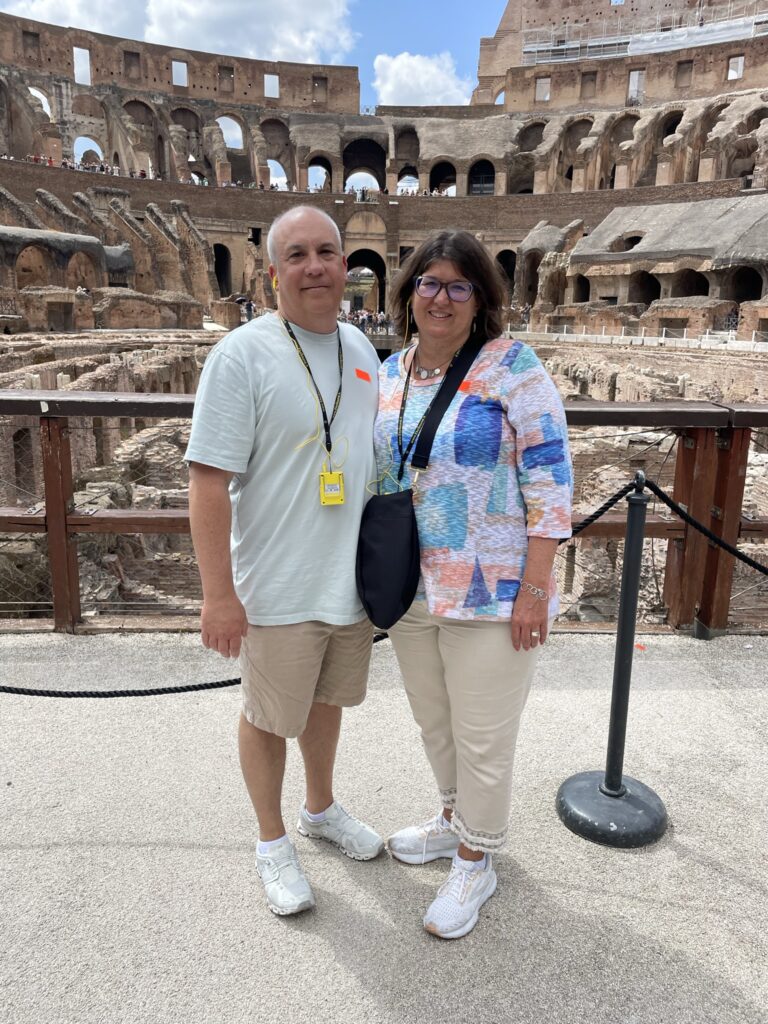
We chose the Full Experience Ticket on our visit, and it was absolutely worth it. Standing on the arena floor and exploring the underground made the Colosseum feel even more real and unforgettable. If you want the most immersive version of this landmark, this upgrade delivers.
3. Guided Tour
Includes:
- A licensed guide
- Priority entry
- Access to special areas depending on the tour
Cost: €35–€60+ Great for travelers who want context and storytelling.
I highly recommend choosing a guided tour. Seeing the Colosseum is incredible on its own, but the stories, history, and insights from our guide brought everything to life. It added so much depth to the experience and made our visit even more memorable.
4. Night Tour
A unique way to see the Colosseum with fewer crowds. Cost: €30–€50
Fun Facts About the Colosseum
- It once had a retractable awning called the velarium.
- More than 1 million animals appeared in the arena.
- The Colosseum had 80 entrances for fast crowd movement.
- Gladiators were often free men, not slaves.
- The arena floor was made of wood covered in sand.
These details help bring the site to life as you explore.
Exploring the Colosseum: What to See
1. The Outer Arches
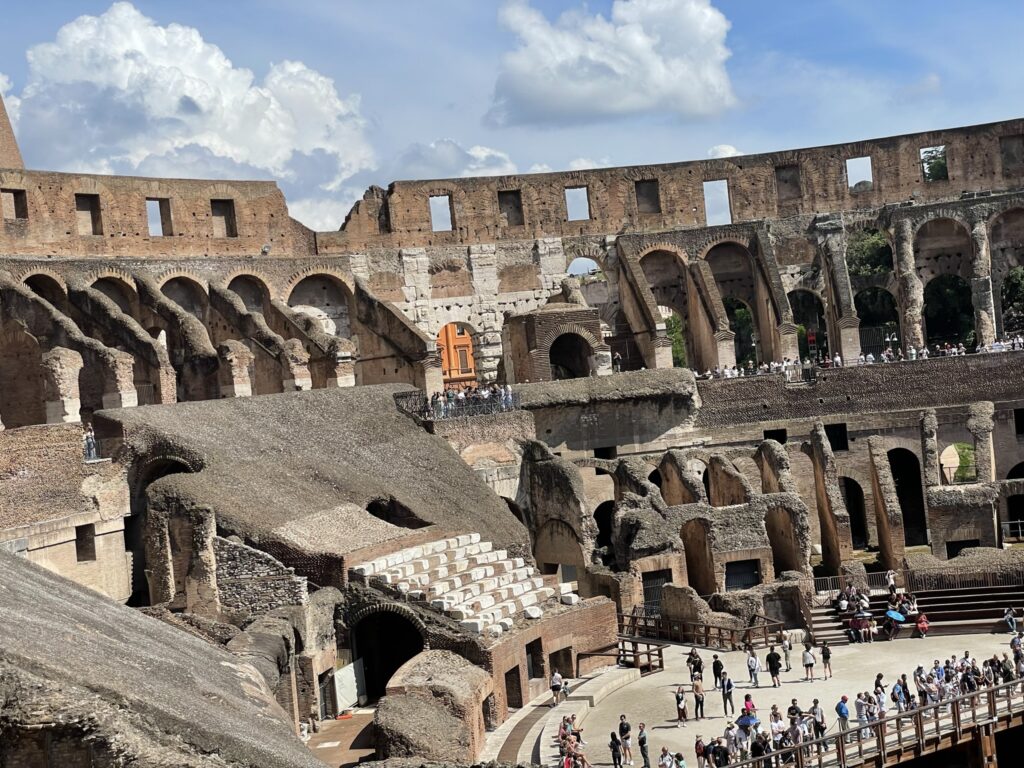
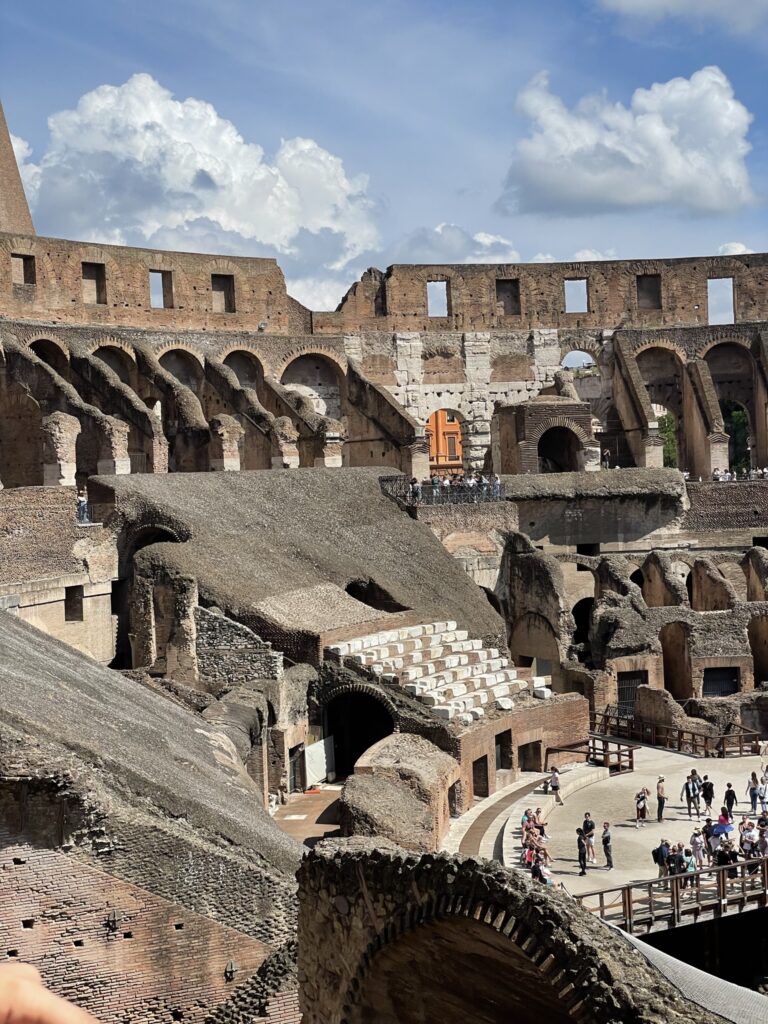
These arches create the iconic shape of the Colosseum. They also show the different architectural orders: Doric, Ionic, and Corinthian.
2. The Arena Floor
This is where the action happened. Some tours let you stand on a reconstructed section.
3. The Underground (Hypogeum)
This area held animals, props, and performers. It’s one of the most fascinating parts of the site.
4. The Upper Levels
These levels offer sweeping views of the Roman Forum and Palatine Hill.
5. The Museum Area
Small exhibits show artifacts, tools, and models of the Colosseum.
💶 How Much a Visit Costs
Here’s a quick breakdown:
- Standard ticket: €16–€18
- Full Experience: €24–€32
- Guided tour: €35–€60+
- Audio guide: €6
- Metro ticket: €1.50
- Train from Civitavecchia: €5–€12
Expect to spend €25–€60 per person depending on your choices.
Common Complaints (and How to Avoid Them)
1. “It was too crowded.”
Visit early or late. Book skip‑the‑line tickets.
2. “It was confusing to navigate.”
Use a guided tour or audio guide.
3. “It was too hot.”
Bring water and visit in the morning.
4. “The lines were long.”
Arrive early and download your tickets.
5. “The underground area was sold out.”
Book these tickets weeks in advance.
How to Get to the Colosseum From the Cruise Port
Most cruise ships dock in Civitavecchia, which sits about 50 miles northwest of Rome. You have several ways to reach the Colosseum, depending on your comfort level and schedule.
1. By Train (Most Budget‑Friendly)
- Walk or take the port shuttle to Civitavecchia Train Station.
- Board a regional train to Roma Termini or Roma Ostiense.
- From Termini, take Metro Line B to Colosseo station.
- Total travel time: 75–90 minutes.
- Cost: €5–€12 per person depending on train type.
This is the most affordable option, but it requires some walking and navigating the metro. It works well if you’re comfortable with public transportation.
2. By Cruise Line Excursion (Most Convenient)
Many cruise lines offer Rome excursions that include the Colosseum. These tours handle transportation, timing, and tickets. They cost more, but they remove the stress of planning.
3. By Private Transfer (Most Comfortable)
A private driver picks you up at the port and drops you off at the Colosseum.
- Travel time: 60–75 minutes depending on traffic.
- Cost: €120–€180 each way depending on group size.
This is the easiest option for families or travelers who want a smooth, direct route.
How Far the Colosseum Is From Other Rome Attractions
- Roman Forum: 5‑minute walk
- Palatine Hill: 5‑minute walk
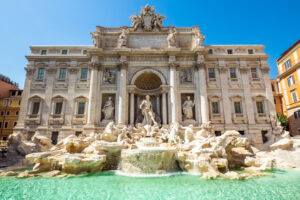
- Trevi Fountain: 20‑minute walk
- Pantheon: 25‑minute walk
- Vatican City: 30 minutes by metro
This makes it easy to build a full day around your visit.
Tips for the Best Experience
- Book tickets online.
- Bring sunscreen.
- Take breaks in shaded areas.
- Explore the Roman Forum after your visit.
- Eat nearby at small trattorias instead of tourist cafés.
- Keep valuables secure.
These small steps help you enjoy your day without stress.
Best Time to Visit the Colosseum
Crowds gather early, so timing matters.
Morning (8:30–10:00 AM)
- Cooler temperatures
- Smaller crowds
- Great lighting for photos
Late Afternoon (3:00–5:00 PM)
- Softer light
- Fewer tour groups
- A calmer atmosphere
Avoid Midday
This is the busiest time, especially in summer.
How to Prepare for Your Visit
A little preparation goes a long way.
- Wear Comfortable Shoes – You’ll walk on uneven stone paths and climb stairs.
- Bring Water – Rome gets hot, especially in summer.
- Download Your Tickets – Cell service can be spotty inside the structure.
- Arrive 15–20 Minutes Early – Security lines move quickly, but they can back up.
- Check Bag Restrictions – Large bags and backpacks are not allowed.
Final Thoughts: Your Complete Rome Colosseum Guide
A visit to the Colosseum is a highlight of any trip to Rome. With the right plan, you can enjoy the history, the views, and the atmosphere without feeling rushed or overwhelmed. This Rome Colosseum Guide gives you everything you need to prepare, especially if you’re visiting from the cruise port.
Whether you explore on your own or join a guided tour, the Colosseum offers a powerful look into ancient Rome. It’s a place you’ll remember long after your trip ends.
If you’re planning a bigger day in the city, be sure to check out my full guide to the top things to do in Rome — it’s packed with easy tips and must‑see stops.
MORE HELPFUL EUROPEAN CRUISE PORT GUIDES
- Barcelona, Spain Cruise Port Guide – Top Things to Do
- Cartagena, Spain Cruise Port Guide – Top Things to Do
- Palma De Mallorca, Spain Cruise Port Guide – Top Things to Do
- Ephesus, Turkey Cruise Port Guide – Top Things to Do
- Mykonos, Greece Cruise Port Guide – Top Things to Do
- Santorini, Greece Cruise Port Guide – Top Things to Do
- Naples, Italy Cruise Port Guide – Top Things to Do
- Rome, Italy Cruise Port Guide – Top Things to Do
- Venice, Italy Cruise Port Guide – Top Things to Do
- Milan, Italy (Pre/Post Cruise) Guide – Top Things to Do
- Florence, Italy (Pre/Post Cruise) Guide – Top Things to Do