European Cruise Packing List: Essentials for City & Cultural Exploration
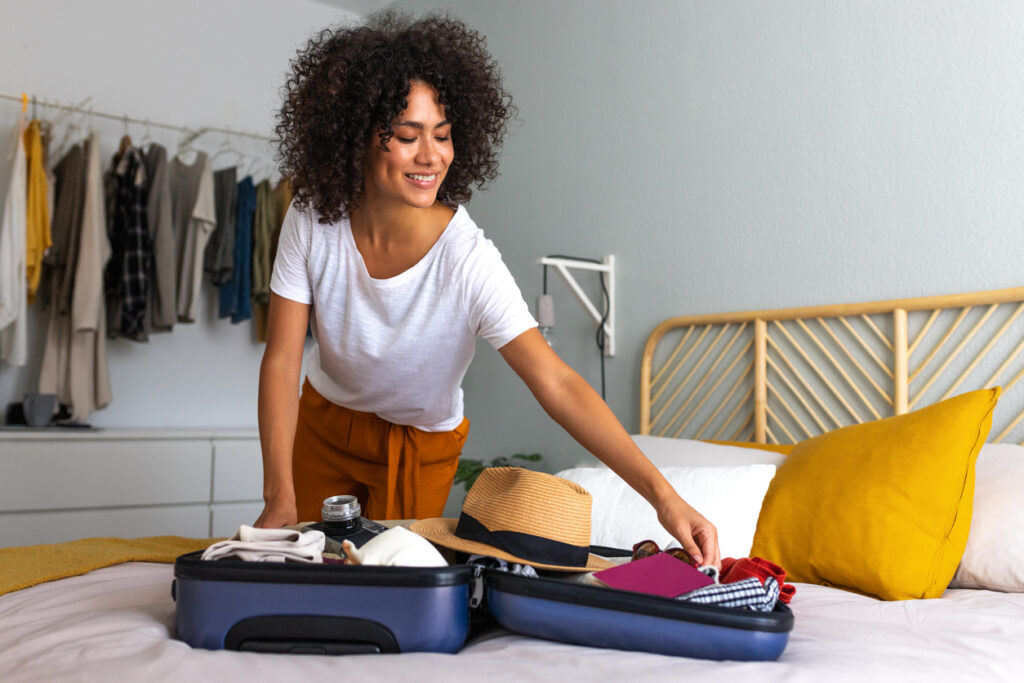
A well‑packed suitcase sets the tone for a smooth, comfortable, and stylish European cruise. Unlike Caribbean sailings, European itineraries blend historic landmarks, bustling cities, sacred sites, and varied climates—sometimes all in the same week. Packing with versatility in mind helps you move effortlessly from cobblestone streets to cathedral tours to elegant onboard dinners. This guide walks through the clothing, accessories, and strategies that make European cruising easier, more comfortable, and more culturally aware.
New to cruising or just want to make sure you’ve got the basics covered? Check out my FREE European Cruise Packing List for must-have items! Simply click the button below to access the file. No need to provide your E-mail address.
Understanding European Cruise Weather & How to Pack for It
Europe’s climate shifts dramatically by region, and preparing for those differences helps you stay comfortable throughout your trip. Whether you’re exploring sun‑drenched Mediterranean ports or wandering through misty Baltic streets, knowing what to expect makes packing far simpler.
Mediterranean (Spain, Italy, Greece)
- Spring (Apr–Jun): 60°F–75°F, mild with occasional rain
- Summer (Jul–Aug): 75°F–90°F, hot and dry
- Fall (Sep–Oct): 65°F–80°F, warm days, cooler evenings
Baltic (Scandinavia, Northern Europe)
- Spring: 45°F–60°F, cool with budding sunshine
- Summer: 60°F–75°F, pleasant and mild
- Fall: 50°F–65°F, crisp air, possible rain
Norwegian Fjords
- Spring: 40°F–55°F, variable with showers
- Summer: 55°F–68°F, cool and scenic
- Fall: 45°F–58°F, misty and atmospheric
British Isles & Northern Europe
- Spring: 50°F–60°F, breezy and damp
- Summer: 60°F–75°F, mild with sun
- Fall: 50°F–65°F, variable with drizzle
These ranges show why layering is essential and why footwear, outerwear, and modest clothing matter so much on European itineraries.
Must‑Haves by Season
Spring (April–June)
Unpredictable showers and cool mornings make flexible layers essential.
- Lightweight scarf or wrap
- Light waterproof jacket or trench
- Compact umbrella
- Long‑sleeve tops and breathable base layers
- Closed‑toe walking shoes


Summer (July–August)
Expect Mediterranean heat and milder northern breezes.
- Sleeveless or short‑sleeve tops
- Linen or moisture‑wicking trousers/shorts
- Foldable sunhat & high‑SPF sunscreen
- Water bottle & compact fan/mister
- Comfortable sandals with arch support


Fall (September–October)
Cooling temperatures call for warmer layers.
- Lightweight puffer vest or sweater
- Long trousers, midi skirts, or leggings
- Waterproof outerwear
- Sturdy walking shoes or waterproof boots
- Mix‑and‑match neutral layers


Winter (November–March)
Some regions quiet down, but winter sailings can be magical.
- Warm waterproof coat
- Thermal base layers
- Wool or fleece accessories
- Insulated walking shoes or boots
- Sweater dress or warm dinner layers

Packing Strategy for a European Cruise
Packing smart helps you adapt to changing temperatures, long walking days, and cultural expectations.
- Layering: Essential for shifting weather and moving between indoor and outdoor spaces.
- Comfortable walking shoes: Cobblestones, hills, and long excursions demand supportive footwear.
- Modest options: Many cultural sites require covered shoulders and knee‑length bottoms.
These principles help you stay comfortable, respectful, and prepared for every port.
Clothing Essentials for a European Cruise
Casual Daywear for City Exploration
Comfort and style go hand‑in‑hand when exploring European cities.
- Lightweight tops and breathable fabrics
- Comfortable jeans, trousers, or skirts
- Stylish walking shoes that handle cobblestones
Smart Casual Attire for Evenings
European dining rooms and onboard venues lean toward polished but relaxed.
- Collared shirts, blouses, skirts
- Dress pants or dark jeans
- Flats or stylish sandals
Dressing Respectfully for Cultural Sites
Many excursions include churches, monasteries, and sacred landmarks with modesty requirements.
Typical expectations:
- Covered shoulders: Bring a cardigan, scarf, or wrap.
- Knee‑length bottoms: Maxi skirts or linen pants work well.
- No hats indoors: Remove hats in sacred spaces.
Comfort tips:
- Keep a scarf in your day bag for quick coverage.
- Choose dresses with sleeves or convertible tops.
- Avoid clingy or revealing clothing in conservative regions.
- Check excursion notes for specific dress codes.
Formal Night Outfits
- Cocktail dresses, suits, or elegant pantsuits
- Simple accessories
- Polished shoes
Must‑Have Accessories for Cultural Travel
Accessories make excursions easier and help you stay comfortable throughout long walking days.
- Daypack or crossbody bag
- Compact umbrella
- Sunglasses & hat
- Light scarf or wrap
Packing tips:
- Use zip‑top bags for small items
- Keep accessories organized with packing cubes
- Bring extra layers for sudden weather changes
Packing for Varied European Climates
Europe’s weather can shift quickly, especially when your itinerary spans multiple regions. Layering helps you stay comfortable without overpacking.
Layering Tips
- Moisture‑wicking base layer
- Insulating mid‑layer
- Waterproof outer layer
Best Fabrics
- Merino wool: Ideal for base layers
- Fleece or down: Warm mid‑layers
- GORE‑TEX or waterproof shells: Reliable outer protection
How to Layer Like a Pro on a European Cruise
- Base layer: Breathable, moisture‑wicking tops that keep you dry during long excursions.
- Mid‑layer: Fleece, light sweaters, or thin down vests for warmth.
- Outer layer: Packable waterproof jacket or windbreaker with a hood.
Pro tips:
- Stick to neutrals for easy mix‑and‑match outfits.
- Choose thin, high‑performance fabrics to save space.
- Keep a scarf handy for warmth and modesty.
- Carry a tote or daypack to stash layers as temperatures change.
Cruise Cabin Organization Tips
European cruise cabins are cozy, so smart organization helps you settle in quickly.
Space‑Saving Hacks
- Hanging organizers for toiletries
- Compact shoe rack
- Foldable storage bins
Keeping the Cabin Tidy
- Unpack right away
- Use zip‑top bags for small items
- Assign storage spots for each traveler
10 Essential Items Every European Traveler Should Pack
- Lightweight scarf or shawl
- Anti‑theft crossbody bag
- Comfortable, stylish walking shoes
- Plug adapter & voltage converter
- Packable waterproof jacket
- Mini umbrella
- Modest clothing for museums & churches
- Reusable water bottle
- Translation app or phrasebook
- Copies of important documents
Final Thoughts
Packing well for a European cruise means preparing for varied climates, cultural expectations, and full days of exploration. When you focus on versatile layers, comfortable footwear, modest options for sacred sites, and smart accessories, you’re ready for everything from Roman ruins to Norwegian fjords. Reviewing this list before you sail helps you pack confidently and enjoy Europe’s breathtaking cities, landscapes, and history without stress.
My travel essentials
Want to see exactly what I pack for every cruise? Check out my Travel Essentials for Cruising—it’s full of tried-and-true gear I never leave home without.
MORE HELPFUL EUROPEAN CRUISE PORT GUIDES
- Barcelona, Spain Cruise Port Guide – Top Things to Do
- Cartagena, Spain Cruise Port Guide – Top Things to Do
- Palma De Mallorca, Spain Cruise Port Guide – Top Things to Do
- Ephesus, Turkey Cruise Port Guide – Top Things to Do
- Mykonos, Greece Cruise Port Guide – Top Things to Do
- Santorini, Greece Cruise Port Guide – Top Things to Do
- Naples, Italy Cruise Port Guide – Top Things to Do
- Rome, Italy Cruise Port Guide – Top Things to Do
- Venice, Italy Cruise Port Guide – Top Things to Do
- Milan, Italy (Pre/Post Cruise) Guide – Top Things to Do
- Florence, Italy (Pre/Post Cruise) Guide – Top Things to Do