Devil’s Bridge – St. John’s, Antigua
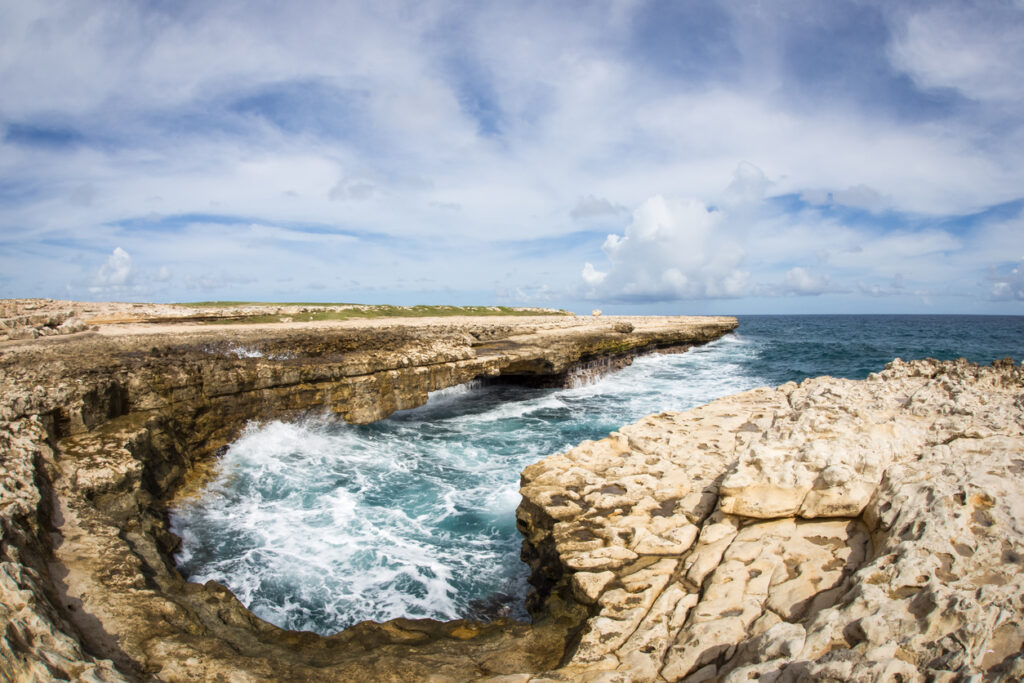
A Dramatic Natural Arch Carved by the Atlantic Ocean
Devil’s Bridge is one of Antigua’s most striking natural landmarks — a rugged limestone arch shaped over centuries by powerful Atlantic waves. Located on the island’s wild east coast, this dramatic formation showcases the raw, untamed side of Antigua that contrasts beautifully with its calm Caribbean beaches. It’s a quick, memorable stop that offers incredible views, crashing surf, and a glimpse into the island’s geological history.
What Is Devil’s Bridge?
Devil’s Bridge is a naturally formed limestone arch created by constant wave erosion along Antigua’s Atlantic shoreline. The area is known for its blowholes, sea spray, and dramatic wave action, especially on windy days. The bridge itself is not meant for walking — the rocks can be slippery and the waves unpredictable — but the surrounding viewpoints offer safe, stunning vantage points.
Visitors often describe the site as powerful, beautiful, and unlike anything else on the island. The combination of rugged cliffs, foaming surf, and open ocean makes it a favorite for photographers and nature lovers.
Where Devil’s Bridge Is Located
Devil’s Bridge sits on Antigua’s eastern coast near the village of Willikies, about 30 minutes from the St. John’s cruise port. It’s easily reached by taxi or as part of an island tour that often includes Betty’s Hope Plantation or the nearby national park area.
Why Devil’s Bridge Stands Out
This natural landmark offers:
- A dramatic limestone arch shaped by the Atlantic
- Powerful waves and blowholes that create spectacular spray
- A rugged, scenic coastline perfect for photos
- A quick, easy stop on an east‑coast itinerary
- A unique contrast to Antigua’s calm Caribbean beaches
It’s one of the island’s most iconic natural features.
What to Expect During Your Visit
The area around Devil’s Bridge is open and rocky, with clear paths leading to safe viewing points. Expect:
- Strong ocean breezes
- Crashing waves and sea spray
- Rugged limestone formations
- Wide‑open ocean views
- A short, easy walk from the parking area
Most visitors spend 15–30 minutes exploring and taking photos.
Amenities and Services
Devil’s Bridge is a natural site with minimal development. You’ll find:
- Parking area
- Local vendors selling crafts or drinks (varies by day)
- Nearby restrooms at adjacent attractions or tour stops
There are no formal facilities directly at the arch.
Activities and Things to Do
While the landmark itself is the highlight, you can also:
- Take photos of the arch and coastline
- Watch the blowholes during high surf
- Explore the surrounding rocky terrain
- Combine your visit with Betty’s Hope Plantation or Half Moon Bay
- Enjoy the scenic drive along the east coast
It’s a great addition to a half‑day cultural or nature‑focused outing.
How to Get to Devil’s Bridge
From the St. John’s cruise port:
- Taxi: 25–30 minutes
- Guided tour: Often paired with Betty’s Hope or other east‑coast stops
- Rental car: Easy to reach with clear signage
Because the terrain is rocky, comfortable shoes are recommended.
Best Time to Visit Devil’s Bridge
Morning and late afternoon offer the best lighting for photos. The waves are often strongest on windy days, which makes the blowholes more dramatic.
Tips for Visiting Devil’s Bridge
A few helpful tips:
- Stay on dry, stable rock — wet areas can be slippery
- Keep a safe distance from the edge
- Expect strong winds and sea spray
- Wear sturdy shoes
- Bring your camera — the coastline is stunning
Final Thoughts
Devil’s Bridge is one of Antigua’s most dramatic natural attractions, with a rugged limestone arch, powerful Atlantic waves, and sweeping ocean views. It’s a quick but unforgettable stop that adds a dose of natural drama to any St. John’s itinerary.
You can explore more top things to do in St. John’s, Antigua in my full island guide.
More Helpful southern Caribbean Cruise Port Guides
- Antigua Cruise Port Guide – Top Things to Do
- Aruba Cruise Port Guide – Top Things to Do
- Barbados Cruise Port Guide – Top Things to Do
- Curacao Cruise Port Guide – Top Things to Do
- San Juan Cruise Port Guide – Top Things to Do
- St. Croix Cruise Port Guide – Top Things to Do
- St. Kitts Cruise Port Guide – Top Things to Do
- St. Lucia Cruise Port Guide – Top Things to Do
- St. Maarten Cruise Port Guide – Top Things to Do
- St. Thomas Cruise Port Guide – Top Things to Do
- Tortola Cruise Port Guide – Top Things to Do