Best Cruise Cabin for Seasickness: Locations with Less Movement
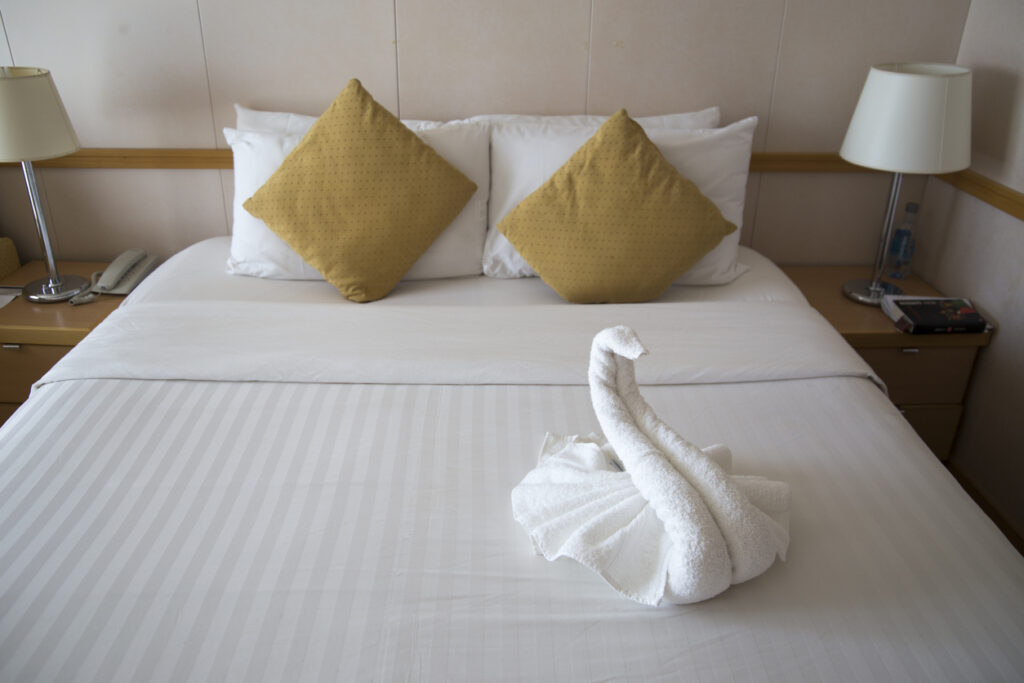
If you’re prone to motion sickness, choosing the right cruise cabin can make a dramatic difference in how comfortable you feel at sea. While modern ships are incredibly stable, some areas naturally experience less movement than others. Understanding where to book — and why these locations matter — helps you enjoy your vacation without worrying about nausea or dizziness.
Midship Cabins: The Most Stable Spot on the Ship
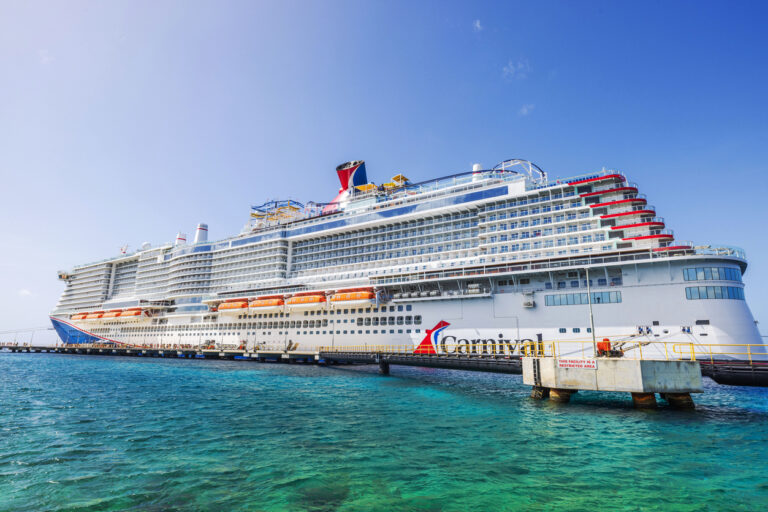
Midship cabins sit at the ship’s center point, balanced between the bow and stern. This is where you’ll feel the least motion because the ship pivots around its middle as it moves through the water. When waves hit, the front and back rise and fall more dramatically, while the center stays relatively steady.
Midship is the top choice for anyone sensitive to motion, first‑time cruisers, or travelers who simply want the smoothest possible ride.
Lower Decks: Closer to the Ship’s Center of Gravity
The lower you are on the ship, the less movement you’ll feel. Cabins on decks 2–5 (depending on the ship) sit closer to the vessel’s center of gravity, which reduces the sensation of swaying or rocking.
Think of it like riding in the middle of a bus versus the top of a double‑decker — the higher you go, the more motion you feel. Lower decks offer a calmer, more grounded experience.
Interior Cabins: Less Visual Motion, Fewer Triggers
Interior cabins don’t have windows, which may actually help some travelers avoid seasickness. Without a moving horizon or shifting scenery, your eyes and inner ear receive fewer conflicting signals. This reduces the sensory mismatch that often triggers nausea.
If you’re highly sensitive to visual motion, an interior cabin midship on a lower deck can be one of the most comfortable options.
Cabins to Avoid: Forward and Aft Locations
The front (bow) and back (stern) of the ship experience the most movement, especially in rough seas. The bow rises and falls with the waves, while the stern can feel vibrations and a “see‑saw” effect as the ship moves.
Forward‑facing cabins may offer dramatic views, but they’re not ideal for travelers prone to motion sickness. Aft cabins can also feel more movement, particularly on smaller ships or during windy conditions.
Midship Balconies: Fresh Air Without Extra Motion
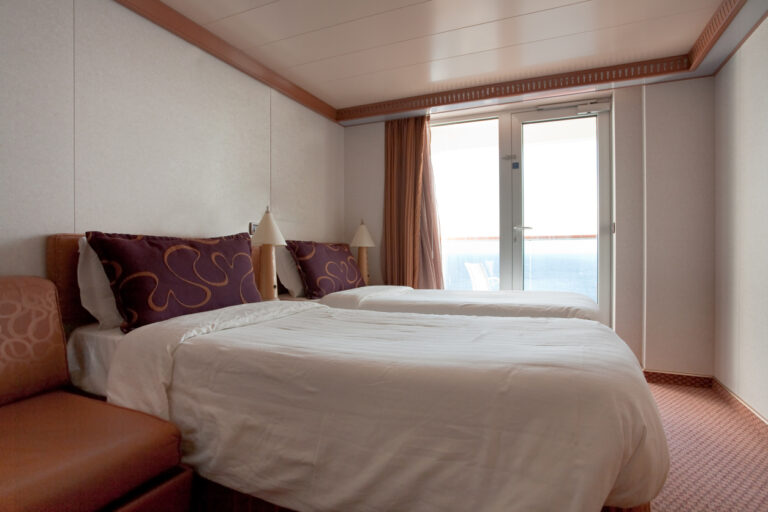
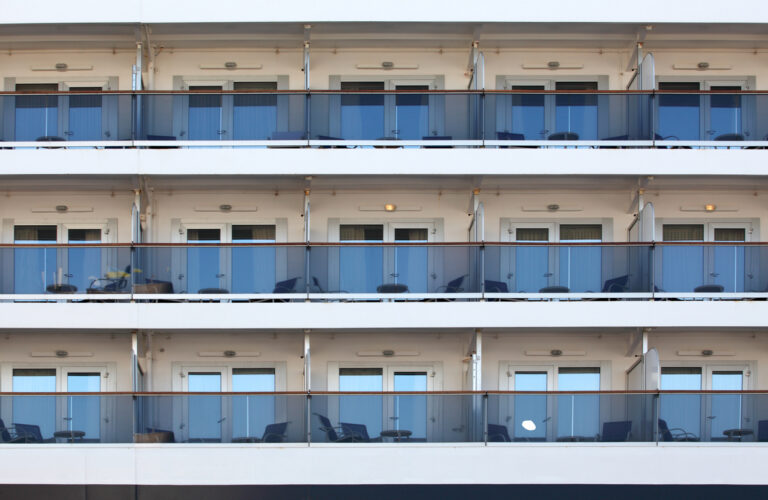
If you want outdoor space but still need stability, a midship balcony is a great compromise. You’ll enjoy fresh air — which can help ease nausea — without sacrificing the smoother ride that comes from being in the ship’s center.
Balconies also give you a quick escape to fresh air if you start feeling queasy, which many travelers find helpful.
Extra Ways to Reduce Seasickness
A well‑chosen cabin is the biggest factor, but a few additional strategies can make your cruise even more comfortable:
- Choose a larger ship, which naturally moves less
- Pick itineraries known for calmer waters, like the Caribbean
- Bring remedies such as ginger chews, acupressure bands, or motion‑sickness medication
- Step outside for fresh air if you start feeling off
These small steps can make a noticeable difference, especially on windy days or during long stretches at sea.
Best Cabins for Seasickness at a Glance
- Midship cabins — the most stable location with the least movement
- Lower‑deck cabins — closer to the ship’s center of gravity for a smoother ride
- Interior cabins — fewer visual triggers and reduced sensory mismatch
- Midship balconies — fresh air plus stability for travelers who want outdoor space
- Avoid forward and aft cabins — these areas feel the most motion in rough seas
You now have a clear sense of which cabin locations offer the smoothest ride, so it’s easier to choose the option that will keep you most comfortable throughout your cruise.
Final Thoughts
Booking the right cabin is one of the easiest ways to prevent seasickness before it starts. Midship, lower‑deck, and interior rooms offer the least movement and the most comfort for sensitive travelers. With the right location — and a few simple remedies packed in your bag — you can enjoy a smooth, relaxing cruise from start to finish.
More Room‑Related Guides You’ll Find Useful
- What Your Room Steward Can Bring to Your Room
- How to Choose the Best Stateroom
- Cruise Room Cleaning – What to Expect
- Cruise Cabin Checklist – What to do Before You Unpack
- Muster Station Considerations
- Connecting Rooms & Family Cabin Setups
- Reasons to Decorate Your Cruise Cabin Door
- Best Cruise Cabin for Seasickness
- Royal Caribbean Ocean View VS Boardwalk View
- Cruise Tipping Etiquette