Tag: Italy travel

  • Brera District – Milan, Italy

    Brera District – Milan, Italy

    Glimpse of Corso Garibaldi in the Brera district, a popular area known for its lively atmosphere, with an outdoor bar-restaurant crowded with people at sunset, Milan, Lombardy, Italy
    Glimpse of Corso Garibaldi in the Brera district, a popular area known for its lively atmosphere, with an outdoor bar-restaurant, Milan, Lombardy, Italy

    Brera District is one of Milan’s most atmospheric neighborhoods—a charming blend of cobblestone streets, boutique shops, intimate cafés, and creative energy that feels worlds away from the city’s grand boulevards. Known for its bohemian spirit and artistic heritage, Brera has the warmth of a small village tucked inside a major European city. It’s the kind of place where you wander slowly, discover hidden corners, and feel Milan’s softer, more romantic side.

    What Brera Is Known For

    • Narrow, picturesque streets lined with boutiques and galleries
    • The renowned Pinacoteca di Brera art museum
    • Outdoor cafés, wine bars, and classic aperitivo spots
    • A relaxed, artsy atmosphere that feels both local and stylish

    The neighborhood’s mix of history, creativity, and everyday life makes it one of Milan’s most beloved areas to explore.

    Why It’s Worth Visiting

    Brera is the perfect contrast to Milan’s bold, modern architecture. Here, everything slows down. You can browse artisan shops, admire window displays, sip a cappuccino outdoors, or simply stroll with a gelato in hand. The neighborhood feels intimate and welcoming, with a charm that appeals to art lovers, shoppers, foodies, and anyone who enjoys wandering without a strict plan.

    It’s also one of the best places in Milan to experience the city’s café culture and aperitivo tradition—especially in the late afternoon when the streets come alive with locals and visitors settling in for drinks and small bites.

    Best Time to Visit

    • Late morning for quiet streets and relaxed browsing
    • Late afternoon or early evening for aperitivo and people‑watching
    • Weekends for lively energy, street performers, and open‑air buzz

    Each time of day offers a different mood, from peaceful to vibrant.

    How Long to Spend

    Plan for 1–2 hours, depending on whether you visit the Pinacoteca di Brera or spend time shopping and dining. The neighborhood is compact but full of details, so even a short visit feels rewarding.

    How to Get There

    Brera sits just north of Milan’s historic center, making it easy to reach on foot from the Duomo or Sforza Castle.

    • Metro stops: Lanza (Line M2) or Montenapoleone (Line M3)

    Its central location makes it simple to pair with other major Milan attractions.

    For Cruise Travelers

    If you’re spending time in Milan before or after a cruise from Venice or Rome, Brera is an ideal place to unwind. Its cozy cafés, boutique shops, and relaxed streets offer a peaceful break from busy sightseeing and a lovely way to ease into—or out of—your trip.

    Insider Tips

    • Visit the Pinacoteca di Brera to see masterpieces by Caravaggio, Raphael, and more
    • Wander the side streets—they’re quieter and full of hidden gems
    • Brera is one of the best neighborhoods in Milan for aperitivo
    • Go early if you want photos without crowds

    These small choices help you enjoy the neighborhood more fully.

    Common Complaints

    • Prices in cafés and boutiques can be higher than in other areas
    • Streets can get crowded in the evenings and on weekends
    • Some shops close midday for a break

    Even with these minor challenges, most visitors find Brera charming, atmospheric, and full of personality.

    Final Thoughts

    Brera District is one of Milan’s most enchanting neighborhoods—artistic, stylish, and wonderfully walkable. Whether you’re here for the museums, the boutiques, the cafés, or simply the ambiance, it’s a beautiful place to experience Milan’s creative soul. It’s also a perfect addition to any pre‑ or post‑cruise stay, offering a slower, more intimate side of the city.

    To explore more great things to do in the city, check out my full Top 20 Things to Do in Milan guide.

  • Santa Maria delle Grazie (The Last Supper) – Milan, Italy

    Santa Maria delle Grazie (The Last Supper) – Milan, Italy

    The facade of the Church of Santa Maria delle Grazie
    The facade of the Church of Santa Maria delle Grazie in Milan, Italy

    Santa Maria delle Grazie is one of Milan’s most meaningful cultural sites—a peaceful 15th‑century church and convent that houses one of the most famous artworks in the world: Leonardo da Vinci’s The Last Supper. Seeing this masterpiece in person is a rare, emotional experience. The quiet of the refectory, the limited viewing time, and the reverent atmosphere make the moment feel intimate, powerful, and unforgettable. It’s one of those experiences that stays with you long after you’ve stepped back into the busy Milan streets.

    What Santa Maria delle Grazie Is Known For

    • Leonardo da Vinci’s The Last Supper
    • UNESCO World Heritage status
    • A beautifully restored Renaissance church and convent
    • Strict timed‑entry system to protect the fragile mural

    The combination of artistic significance and architectural beauty makes this one of Milan’s most important cultural treasures.

    Why It’s Worth Visiting

    Standing in front of The Last Supper is unlike viewing any other artwork. The room is dim, quiet, and carefully climate‑controlled. Groups are small, and the viewing time is intentionally limited to preserve the mural. This creates a sense of stillness and focus—you’re not just looking at a painting, you’re experiencing a moment in history.

    The mural itself is breathtaking. The expressions, the movement, the perspective, and the emotional tension Leonardo captured feel even more vivid in person. The church and cloisters add to the experience with their elegant architecture and peaceful atmosphere, making the entire visit feel balanced and meaningful.

    Interior of refectory of the convent Santa Maria delle Grazie (Holy Mary of Grace), on wall mural of The Last Supper by Leonardo da Vinci

    Best Time to Visit

    • Anytime you can get a reservation—tickets sell out weeks or months ahead
    • Early morning for a calmer, more contemplative viewing
    • Weekdays for slightly fewer crowds

    Because access is so limited, the best time is simply the time you can secure.

    How Long to Spend

    Plan for 30 minutes total, including the air‑lock entry process. Actual viewing time of the mural is about 15 minutes.

    The short window may feel brief, but the controlled environment is essential for preserving the artwork.

    How to Get There

    Santa Maria delle Grazie is located west of Milan’s city center, not far from Sforza Castle.

    • Metro: Conciliazione (Line M1) or Cadorna (Lines M1 and M2)
    • Walking: A pleasant stroll from Parco Sempione or the castle area

    The church is easy to reach and pairs well with other central Milan attractions.

    For Cruise Travelers

    If you’re spending time in Milan before or after a cruise from Venice or Rome, this is one of the most meaningful cultural experiences you can add to your itinerary. Because tickets are extremely limited, securing them early is essential. Once you have your reservation, the experience is smooth, organized, and deeply rewarding.

    Insider Tips

    • Book tickets as soon as your travel dates are confirmed
    • Guided tours often include guaranteed entry when individual tickets are sold out
    • Arrive at least 15 minutes early—late arrivals cannot be admitted
    • Don’t skip the church itself; it’s beautiful and free to enter

    These small choices help you enjoy the experience without stress.

    Common Complaints

    • Tickets sell out very quickly
    • Viewing time feels short due to preservation rules
    • Photography is limited and strictly controlled

    Even with these constraints, most visitors agree the experience is extraordinary and absolutely worth the effort.

    Final Thoughts

    Santa Maria delle Grazie offers one of Milan’s most unforgettable art experiences. Seeing The Last Supper in person is powerful, emotional, and unlike anything else in the city. The combination of history, artistry, and atmosphere makes this a must‑see for anyone visiting Milan—especially travelers adding a cultural highlight to their pre‑ or post‑cruise stay.

    To explore more great things to do in the city, check out my full Top 20 Things to Do in Milan guide.

  • Sforza Castle (Castello Sforzesco) – Milan, Italy

    Sforza Castle (Castello Sforzesco) – Milan, Italy

    Sforza Castel in Milan, Italy

    Sforza Castle is one of Milan’s most impressive landmarks—a massive red‑brick fortress that has watched over the city for centuries. Built in the 15th century by the powerful Sforza family, the castle has evolved from a defensive stronghold into a cultural treasure filled with museums, art, and peaceful courtyards. Today, it’s one of the best places in Milan to slow down, explore at your own pace, and experience the city’s history in a relaxed, open‑air setting.

    What Sforza Castle Is Known For

    • A grand red‑brick fortress with towering walls and gates
    • Multiple museums, including ancient art, musical instruments, and Michelangelo’s final sculpture
    • Spacious courtyards and walkways that are free to explore
    • Its location at the entrance to Parco Sempione, Milan’s largest park

    The combination of architecture, history, and green space makes it one of the most versatile attractions in the city.

    Why It’s Worth Visiting

    Sforza Castle offers a rare blend of atmosphere and accessibility. You can wander the courtyards for free, admire the architecture, and enjoy the peaceful setting without committing to a full museum visit. If you do choose to explore inside, the collections are surprisingly rich—ranging from Renaissance masterpieces to ancient artifacts and decorative arts.

    The castle’s scale also makes it feel like a small city within the city. Each courtyard reveals something new: arched walkways, quiet corners, fountains, and views of the fortress walls rising dramatically above you. It’s a place where you can take your time, snap photos, and enjoy Milan at a slower pace.

    Best Time to Visit

    • Late morning or early afternoon for the best light in the courtyards
    • Weekdays for quieter museum spaces
    • Spring and fall for comfortable weather and pleasant outdoor exploring

    Even during busy times, the courtyards feel spacious and open.

    How Long to Spend

    • Courtyards only: 30–45 minutes
    • Courtyards + museums: 1–2 hours, depending on how many collections you visit

    Museum tickets include access to all exhibitions, so you can explore as much or as little as you like.

    How to Get There

    Sforza Castle sits at the edge of Parco Sempione, just a short walk from the Duomo and the Brera District. Metro stops: Cairoli (Line M1) or Lanza (Line M2)

    Its central location makes it easy to pair with other major Milan attractions.

    For Cruise Travelers

    If you’re spending time in Milan before or after a cruise from Venice or Rome, Sforza Castle is an ideal stop. It’s flexible, easy to reach, and close to other top sights—perfect for a relaxed half‑day of exploring without a rigid schedule. The free courtyards make it especially appealing if you’re easing into your trip or winding down after your sailing.

    Insider Tips

    • The courtyards are free—great for quick photos or a peaceful break
    • Museum tickets cover all collections, so you can explore freely
    • Don’t miss Michelangelo’s unfinished Pietà Rondanini
    • Walk straight through the castle to reach Parco Sempione on the other side

    These small choices help you enjoy the castle more fully.

    Common Complaints

    • The museum layout can feel spread out
    • Some exhibits have limited English descriptions
    • Weekends can be busy, especially in the courtyards

    Even with these minor challenges, most visitors find the castle peaceful, beautiful, and surprisingly rich in history.

    Final Thoughts

    Sforza Castle is a standout Milan experience—historic, atmospheric, and easy to explore at your own pace. Whether you’re wandering the courtyards, diving into the museums, or heading into Parco Sempione afterward, it’s a memorable part of any Milan itinerary. It’s especially rewarding for pre‑ or post‑cruise travelers looking for a meaningful but low‑pressure way to enjoy the city.

    To explore more great things to do in the city, check out my full Top 20 Things to Do in Milan guide.

  • Teatro alla Scala – Milan, Italy

    Teatro alla Scala – Milan, Italy

    Teatro alla Scala opera house exterior in Milan, Italy
    The Teatro alla Scala opera house in Milan, Italy.

    Teatro alla Scala is one of the most prestigious opera houses in the world—a place where the greatest composers, singers, and musicians have shaped the history of Italian performing arts. Stepping inside feels like entering a living museum of music, elegance, and tradition. Even if you’ve never attended an opera, La Scala’s beauty and cultural significance make it one of Milan’s most memorable experiences.

    What Teatro alla Scala Is Known For

    • A reputation as the world’s most famous opera house
    • An elegant 18th‑century interior with red velvet, gold accents, and crystal chandeliers
    • Historic premieres by Verdi, Puccini, Rossini, and other masters
    • The La Scala Museum, filled with costumes, instruments, portraits, and theatrical memorabilia

    The combination of architectural grandeur and artistic legacy makes La Scala a cornerstone of Milan’s cultural identity.

    Why It’s Worth Visiting

    La Scala is more than a theater—it’s a symbol of Italy’s devotion to music and performance. Touring the building gives you a rare look into the world of opera: the ornate balconies, the perfectly preserved boxes, and the stage where centuries of premieres have taken place. The museum adds depth with artifacts that tell the story of how opera evolved in Milan.

    Even if you’re not attending a performance, the atmosphere alone is worth the visit. The moment you step into the auditorium and see the tiers of balconies rising around you, you understand why La Scala is considered sacred ground in the world of music.

    Best Time to Visit

    • Morning for a quieter museum experience
    • Late afternoon for guided tours with more context
    • Evening if you’re attending a performance and want the full La Scala experience

    Performance nights add a special energy—locals dressed elegantly, musicians warming up, and the theater glowing under soft lights.

    How Long to Spend

    Plan for 45–60 minutes to explore the museum and viewing areas. If you’re attending a performance, expect 2–3 hours, depending on the show.

    How to Get There

    Teatro alla Scala is located just steps from the Galleria Vittorio Emanuele II and Piazza della Scala, making it easy to pair with other central attractions. Metro stop: Duomo (Lines M1 and M3)

    For Cruise Travelers

    If you’re spending time in Milan before or after a cruise from Venice or Rome, La Scala is an ideal cultural experience to add to your itinerary. Its central location near the Duomo makes it effortless to visit, and the museum offers a meaningful look into Italy’s artistic heritage without requiring a long time commitment.

    Insider Tips

    • Check the daily schedule—rehearsals sometimes limit access to the theater
    • Book performance tickets early if you want to attend a show
    • The museum is self‑guided but full of fascinating details
    • Don’t miss the balcony view into the theater—it’s the highlight of the visit

    These small choices help you enjoy La Scala more fully.

    Common Complaints

    • Theater access may be restricted during rehearsals
    • The museum is smaller than some visitors expect
    • Performance tickets can be expensive

    Even with these minor drawbacks, most travelers consider La Scala one of Milan’s most beautiful and culturally rich experiences.

    Final Thoughts

    Teatro alla Scala is a masterpiece of music, architecture, and Italian tradition. Whether you’re touring the museum, admiring the auditorium from the balcony, or attending a live performance, it offers a powerful connection to Milan’s artistic soul. It’s a must‑see for culture lovers and a memorable addition to any pre‑ or post‑cruise stay in the city.

    To explore more great things to do in the city, check out my full Top 20 Things to Do in Milan guide.

  • Galleria Vittorio Emanuele II – Milan, Italy

    Galleria Vittorio Emanuele II – Milan, Italy

    Famous Bull Mosaic in Galleria Vittorio Emanuele II in Milan
    Famous Bull Mosaic in Galleria Vittorio Emanuele II in Milan

    Galleria Vittorio Emanuele II is one of Milan’s most iconic landmarks—a soaring 19th‑century shopping arcade filled with glass ceilings, ornate mosaics, and elegant storefronts that feel more like a palace than a mall. Often called “Milan’s living room,” it’s a place where locals and visitors come to stroll, admire the architecture, sip espresso, and soak in the city’s timeless style. Whether you’re window‑shopping or simply passing through on your way between the Duomo and La Scala, the Galleria is one of the most atmospheric places in the city.

    What Makes the Galleria Special

    The Galleria is known for its dramatic architecture and historic charm. Visitors come to admire:

    • The breathtaking glass‑and‑iron dome
    • Luxury boutiques and historic cafés
    • The intricate mosaic floors, including the famous bull mosaic
    • Its status as one of the world’s oldest shopping galleries

    The combination of light, symmetry, and craftsmanship makes it feel like a cathedral dedicated to fashion, culture, and Milanese elegance.

    Why It’s Worth Visiting

    Even if you’re not planning to shop, the Galleria is worth visiting for the architecture alone. The soaring ceilings filter in natural light, the mosaics shimmer underfoot, and every corner reveals another detail worth photographing. The atmosphere is lively but refined, with a mix of locals heading to work, tourists taking photos, and café patrons enjoying cappuccinos under the dome.

    Its location—directly between the Duomo and Piazza della Scala—makes it an effortless and enjoyable stop during any day of sightseeing.

    Best Time to Visit

    • Early morning for quiet photos and soft light
    • Late afternoon for warm, golden tones and lively energy
    • Evenings to see the dome beautifully illuminated

    Each time of day offers a different mood, from peaceful to vibrant.

    How Long to Spend

    Plan for 20–40 minutes, depending on whether you’re browsing shops, taking photos, or stopping for a coffee or gelato. The Galleria is compact but full of details, so even a short visit feels rewarding.

    How to Get There

    The Galleria sits directly between the Duomo and Piazza della Scala.

    • Metro stop: Duomo (Lines M1 and M3)
    • Walking: Steps from the Duomo’s front square

    Its central location makes it one of the easiest attractions to include in your Milan itinerary.

    For Cruise Travelers

    If you’re spending time in Milan before or after a cruise from Venice or Rome, the Galleria Vittorio Emanuele II is an easy, elegant stop right in the heart of the city. It’s perfect for a relaxed stroll, a cappuccino break, or a stylish introduction to Milan’s classic architecture.

    Insider Tips

    • Spin your heel on the bull mosaic for good luck
    • Visit early if you want photos without crowds
    • Stop at a historic café for a classic Milanese pastry
    • Walk the full length—each section has unique architectural details

    These small choices help you appreciate the Galleria more fully.

    Common Complaints

    • It can get very crowded during peak hours
    • Prices at cafés and shops are higher due to the location
    • Some visitors find it more of a photo spot than a shopping destination

    Even with these challenges, most travelers agree the Galleria is one of Milan’s most beautiful and atmospheric places to explore.

    Final Thoughts

    Galleria Vittorio Emanuele II is a masterpiece of Milanese architecture—elegant, historic, and full of character. Whether you’re window‑shopping, people‑watching, or simply admiring the soaring glass dome, it’s a must‑see stop in the city center. It’s also a perfect addition to any pre‑ or post‑cruise stay, offering a quintessential taste of Milan’s timeless style.

    To explore more great things to do in the city, check out my full Top 20 Things to Do in Milan guide.

  • Duomo Rooftop Terraces – Milan, Italy

    Duomo Rooftop Terraces – Milan, Italy

    roof of the Milan Cathedral (Duomo di Milano). Milan Duomo is the largest church in Italy and the fifth largest in the world.

    Walking along the rooftop terraces of the Duomo di Milano is one of the most unforgettable experiences in the city. High above the piazza, you’re surrounded by a forest of marble spires, delicate carvings, flying buttresses, and sweeping views that stretch across Milan’s skyline. It’s the closest you can get to the cathedral’s extraordinary architecture, and the perspective is unlike anything you’ll see from the square below. Every step reveals new details—statues perched on pinnacles, intricate stonework glowing in the sun, and panoramic views that make you feel like you’re standing on top of Milan.

    What the Duomo Rooftop Terraces Are Known For

    • A rare chance to walk among the cathedral’s famous spires
    • Panoramic views of Milan from multiple levels
    • Stunning photo opportunities at every turn
    • A close‑up look at the craftsmanship that makes the Duomo iconic

    The terraces give you access to architectural details that are impossible to appreciate from the ground. You’re not just looking at the Duomo—you’re inside it, above it, and part of it.

    Why It’s Worth Visiting

    The rooftop terraces offer a completely different experience from the cathedral interior. Inside, you feel the scale and solemnity of the space. Outside, you feel the artistry and ambition. Up here, you can see how each spire, statue, and carving contributes to the cathedral’s dramatic silhouette. The atmosphere is peaceful and surprisingly calm, even when the piazza below is buzzing with activity. It’s one of those rare travel moments where you slow down, look around, and think, I can’t believe I’m standing here.

    For many travelers, this becomes the highlight of their time in Milan.

    Best Time to Visit

    • Early morning for soft light, cooler temperatures, and fewer people
    • Late afternoon for warm, golden‑hour photos and dramatic shadows
    • Avoid midday if possible—this is the busiest time and the light is harsh

    If you’re visiting in summer, morning is especially comfortable. In winter, late afternoon light makes the marble glow.

    How Long to Spend

    Plan for 45–60 minutes on the terraces, plus additional time if you’re visiting the cathedral interior on the same day. Photographers and architecture lovers may want even longer—there’s something to admire in every direction.

    How to Get There

    Access to the terraces is through a dedicated entrance on the left side of the cathedral. You can choose between:

    • Stairs — more affordable, but a steep climb
    • Elevator — faster and easier, especially on hot days

    Metro stop: Duomo (Lines M1 and M3)

    The entrance is clearly marked, and staff will guide you to the correct line based on your ticket type.

    For Cruise Travelers

    If you’re adding Milan to your trip before or after a cruise from Venice or Rome, the Duomo Rooftop Terraces are an incredible way to experience the city from above. It’s a standout experience that makes a Milan stopover feel truly special—easy to fit into a half‑day and unforgettable from the moment you step onto the marble.

    Insider Tips

    • Book your rooftop ticket in advance—time slots fill quickly
    • The elevator option is worth it if you prefer an easier climb
    • Wear comfortable shoes; the marble can be uneven
    • Walk the full loop—the views change constantly
    • Combine this with the cathedral interior for a complete experience

    These small choices make the visit smoother and more enjoyable.

    Common Complaints

    • Lines can be long without a timed ticket
    • Walkways can feel narrow during peak hours
    • Weather can impact visibility or access

    Even with these challenges, most visitors agree the rooftop is one of Milan’s most extraordinary experiences.

    Final Thoughts

    The Duomo Rooftop Terraces offer one of the most unique and breathtaking views in Milan. Whether you’re here for a short stopover or a longer stay, this experience adds a memorable perspective to your time in the city. Standing among the spires, looking out over the rooftops, and seeing the cathedral’s artistry up close is something you’ll remember long after you’ve left.

    To explore more great things to do in the city, check out my full Top 20 Things to Do in Milan guide.

  • Duomo di Milano – Milan, Italy

    Duomo di Milano – Milan, Italy

    Duomo di Milano (Milano Duomo Cathedral)

    The Duomo di Milano is the crown jewel of Milan — a massive Gothic cathedral covered in spires, statues, and intricate carvings that make it one of the most breathtaking churches in the world. Standing before it feels like stepping into a living sculpture. Every inch is detailed, dramatic, and impossibly ornate.

    We stayed directly across from the cathedral, and waking up to those views each morning made this stop unforgettable. Watching the square come alive — musicians tuning their instruments, families gathering for photos, locals weaving through the crowds — gave the piazza a constant, vibrant energy. Piazza del Duomo is the beating heart of Milan, and the cathedral towers over it with a presence that’s both powerful and serene.

    What the Duomo Is Known For

    • A dramatic Gothic façade with more than 3,000 statues
    • Stunning rooftop terraces where you can walk among the spires
    • A vast, soaring interior filled with history, artwork, and stained glass
    • Its central location in Milan’s busiest and most iconic square
    • Being one of the largest cathedrals in the world

    The Duomo is the heart of Milan — and the perfect place to begin exploring the city.

    Why It’s Worth Visiting

    Standing in front of the Duomo feels like stepping into a postcard. Up close, the details are astonishing: delicate carvings, towering spires, and statues that seem to watch over the square. The atmosphere around the cathedral shifts throughout the day — peaceful and golden in the morning, lively and energetic by afternoon, and beautifully illuminated at night.

    Inside, the cathedral’s soaring columns and stained‑glass windows create a sense of awe. But the rooftop terraces are what make this experience unforgettable. Walking among the spires gives you a rare, intimate look at the architecture, and the views stretch across Milan’s skyline. Whether you admire it from the square, explore the interior, or climb to the rooftop, the Duomo delivers some of the most memorable moments in the city.

    Best Time to Visit

    • Early morning: Soft light, fewer crowds, peaceful atmosphere
    • Late afternoon: Warm golden‑hour photos
    • Evening: A beautifully lit façade and a lively square

    If you plan to visit the rooftop terraces, book ahead — time slots fill quickly.

    How Long to Spend

    Plan for 45–60 minutes to explore the interior and walk around the square. If you add the rooftop terraces, allow 1.5–2 hours total.

    What to Expect During Your Visit

    The moment you step into Piazza del Duomo, the cathedral dominates your view — a towering masterpiece of white marble that changes color with the light. The square is always alive, making it one of the best places in Milan for people‑watching and photography.

    Inside, the cathedral’s vast interior feels cool and quiet compared to the lively piazza. Sunlight filters through stained‑glass windows, casting colorful reflections across the stone floor. The artwork, sculptures, and chapels each tell a piece of Milan’s history.

    The rooftop terraces are the highlight for many visitors. You can walk along the sloped marble pathways, stand beside the spires, and look out over the city from one of the most unique viewpoints in Europe. It’s a rare chance to see Gothic architecture from above — something few cathedrals in the world offer.

    How to Get There

    The Duomo sits in the center of Milan and is easy to reach by foot or metro. Metro stop: Duomo (Lines M1 and M3)

    Insider Tips

    • Shoulders and knees must be covered for entry
    • Book rooftop tickets in advance
    • Walk around the entire exterior — every angle is stunning
    • The square is busiest midday; mornings are peaceful and magical
    • Pair this with the Galleria Vittorio Emanuele II right next door

    Common Complaints

    • Long lines during peak hours
    • Strict dress code
    • Crowds in the square

    Even with these, most visitors say the Duomo is absolutely worth it.

    Why It’s Great for Cruise Travelers

    The Duomo di Milano is the city’s most iconic landmark and a must‑see before or after your cruise. With incredible architecture, rooftop views, and a lively square, it’s the perfect way to kick off your Milan adventure. For official ticket information, opening hours, and rooftop access details, visit the Duomo’s official website.

    To explore more great things to do in the city, check out my full Top 20 Things to Do in Milan guide.

  • Try Florentine Steak & Tuscan Cuisine – Florence, Italy

    Try Florentine Steak & Tuscan Cuisine – Florence, Italy

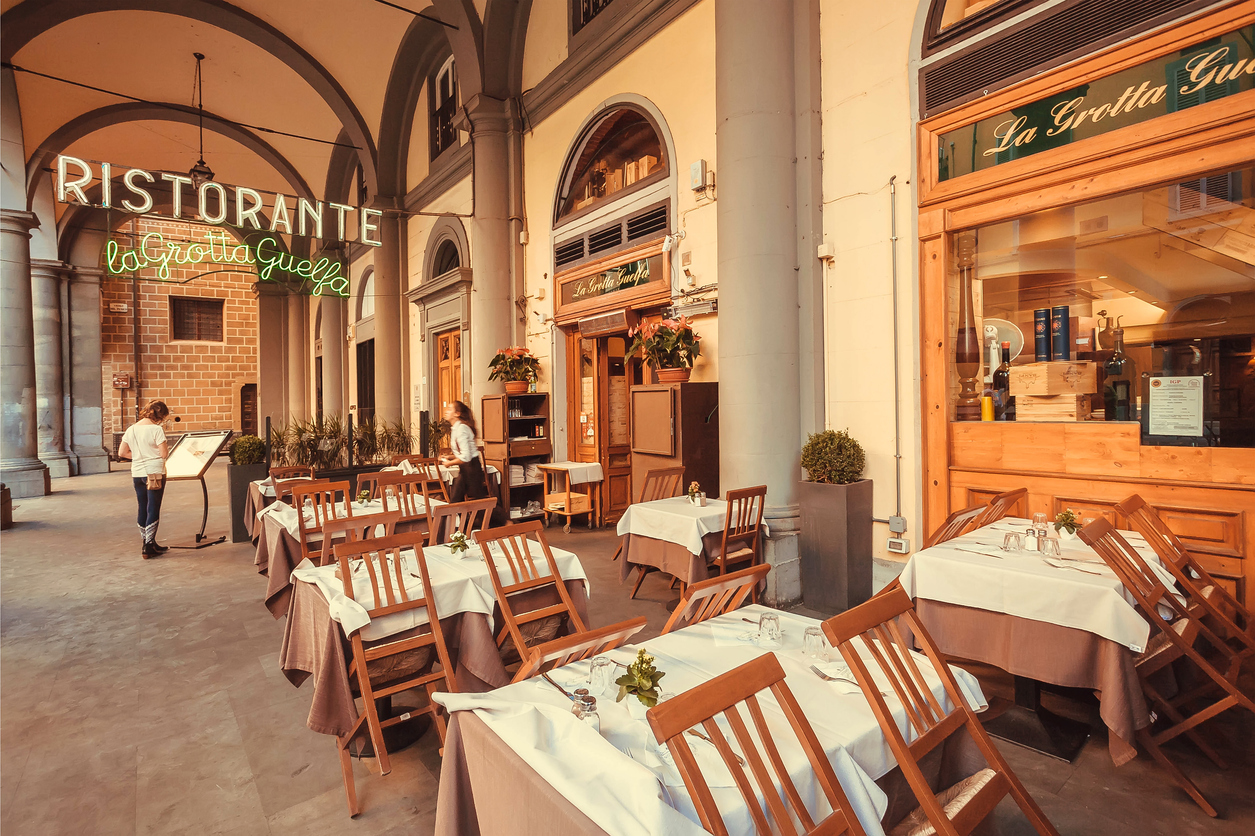
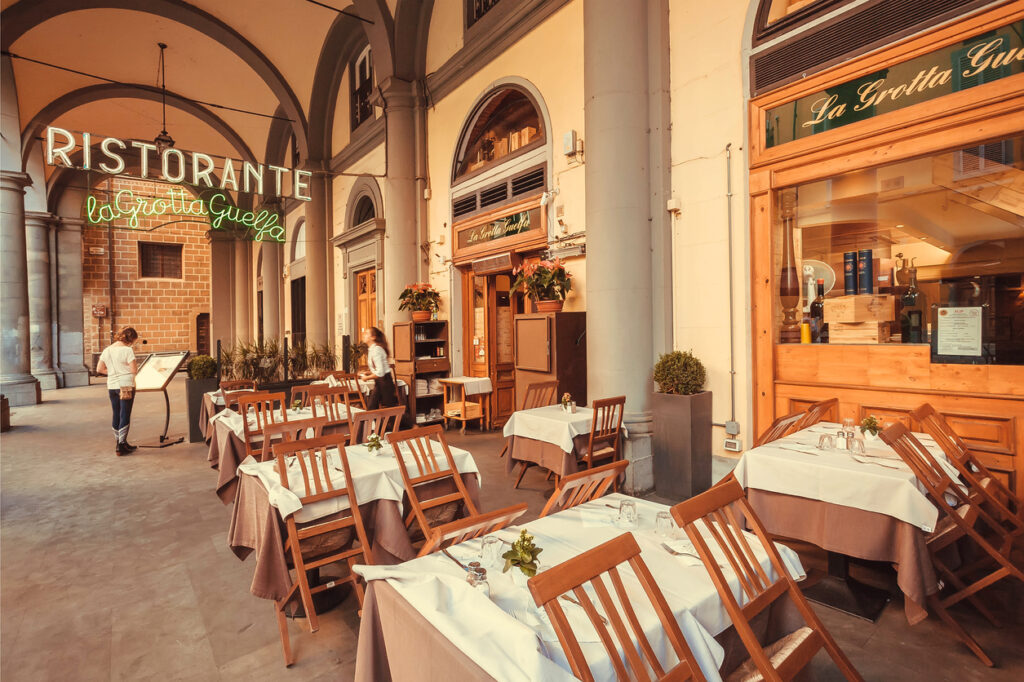
    Florence Trattoria dining

    No trip to Florence is complete without tasting its iconic dishes — especially the legendary Florentine steak. Tuscany’s food scene is hearty, rustic, and full of bold flavors, making it one of the most memorable parts of any visit. Whether you’re enjoying a traditional trattoria meal, sampling local wines, or diving into regional specialties, Florence is a dream destination for food lovers.

    This is the perfect way to end your Florence itinerary on a delicious note.

    What Florentine Cuisine Is Known For

    • Bistecca alla Fiorentina — thick‑cut, wood‑grilled T‑bone steak
    • Fresh pasta like pappardelle al ragù
    • Tuscan soups such as ribollita and pappa al pomodoro
    • Crostini topped with local spreads
    • Chianti and Tuscan wines
    • Simple, high‑quality ingredients

    It’s rustic, flavorful, and deeply tied to local traditions.

    Why It’s Worth Trying

    Florentine cuisine is all about authenticity — dishes that have been made the same way for generations. The flavors are rich but simple, and the portions are generous.

    Visitors love:

    • The unforgettable Florentine steak
    • The cozy trattoria atmosphere
    • The quality of local ingredients
    • The chance to try dishes you won’t find anywhere else

    It’s a highlight for anyone who enjoys food and wine.

    Best Time to Enjoy It

    Best for: Pre‑ or post‑cruise stays Why: You’ll want time to relax and savor the meal.

    The best times are:

    • Dinner — the classic way to enjoy Florentine steak
    • Lunch — great for pasta and lighter dishes
    • Evening wine tastings — perfect for pairing with Tuscan bites

    Reservations are recommended at popular restaurants.

    How Long to Spend

    Plan for 60–90 minutes for a full meal, especially if you’re ordering steak.

    How to Get There

    You’ll find excellent Tuscan cuisine throughout Florence — especially in:

    • Oltrarno (local, authentic spots)
    • Santa Croce (classic trattorias)
    • San Lorenzo (great for casual meals)
    • Near the Duomo (popular restaurants, but choose carefully)

    From the Florence train station (Santa Maria Novella):

    • Most dining areas are within a 10–20 minute walk

    Is It Good for Cruise Port Days?

    I don’t recommend trying to get to Florence on a cruise port day — but it’s perfect for pre‑ or post‑cruise stays.

    A relaxed Tuscan meal is the ideal way to start or end your trip.

    Insider Tips

    • Florentine steak is served rare — that’s the traditional way.
    • Order contorni (side dishes) like roasted potatoes or beans.
    • Pair your meal with Chianti Classico or Brunello di Montalcino.
    • Avoid restaurants with aggressive hosts or tourist‑trap menus.
    • Ask for house-made pasta — it’s worth it.

    Common Complaints

    • Florentine steak can be expensive
    • Portions are large — often shared between two people
    • Tourist areas have mixed quality

    Still, most visitors say it’s one of the best meals of their trip.

    Cruise‑Friendly Summary

    Trying Florentine steak and Tuscan cuisine is a must‑do experience in Florence. With hearty dishes, bold flavors, and cozy trattorias, it’s the perfect pre‑ or post‑cruise meal and a delicious way to end your time in the city.

    For more Florence ideas, return to my complete Top 20 Things to Do in Florence guide.

  • Palazzo Strozzi – Florence, Italy

    Palazzo Strozzi – Florence, Italy

    Palazzo Strozzi in Florence, Italy

    Palazzo Strozzi is one of Florence’s most striking Renaissance palaces—an architectural masterpiece that now serves as the city’s leading hub for contemporary art. Its massive stone façade, elegant courtyard, and bold rotating exhibitions create a fascinating blend of old and new. For travelers who want to experience Florence beyond its traditional museums, Palazzo Strozzi offers a refreshing, thought‑provoking look at the city’s modern creative energy.

    What Palazzo Strozzi Is Known For

    • Major contemporary art exhibitions
    • A grand Renaissance courtyard
    • Installations by world‑famous artists
    • A stylish café inside the courtyard
    • A seamless mix of historic architecture and modern culture

    It’s Florence’s most dynamic cultural space—constantly reinventing itself with exhibitions that challenge, inspire, and surprise.

    Why It’s Worth Visiting

    Palazzo Strozzi stands out because it offers something completely different from Florence’s classic art museums. The exhibitions are bold and beautifully curated, but still accessible even if you’re not an art expert. Visitors love the dramatic courtyard installations, the peaceful café, and the way each exhibit transforms the palace into a new experience. It’s ideal for travelers who enjoy culture with a modern twist and want to balance Renaissance masterpieces with contemporary creativity.

    Best Time to Visit

    Morning brings quieter galleries, perfect for slow, thoughtful viewing. Afternoon pairs well with nearby shopping on Via Tornabuoni. Evenings often include special events, talks, or extended hours—worth checking before you go. Because exhibitions change frequently, there’s always something new to see, making it a great choice for pre‑ or post‑cruise stays when you want a flexible, easy addition to your itinerary.

    How Long to Spend

    Plan for 45–90 minutes, depending on the current exhibition and how deeply you like to explore. The courtyard alone is worth lingering in, especially if you stop for a drink at the café.

    How to Get There

    Palazzo Strozzi sits in the heart of Florence, close to Via Tornabuoni and many major attractions. From Santa Maria Novella train station, it’s a 10–12 minute walk. If you’re arriving from Rome or Venice by high‑speed train, it’s an easy stroll or quick taxi ride into the historic center. You’ll recognize the palace immediately by its massive, fortress‑like stone exterior.

    Is It Good for Cruise Port Days?

    Florence is too far for a cruise‑port‑day visit, but Palazzo Strozzi is perfect for pre‑ or post‑cruise stays. Its central location makes it effortless to add between shopping, dining, or sightseeing.

    Insider Tips

    • Check the current exhibition—each one is completely different
    • The courtyard café is a peaceful break from the busy streets
    • Evening events often include performances or special tours
    • Pair your visit with Via Tornabuoni or Piazza della Repubblica
    • The courtyard is free to enter, even if you skip the exhibition

    These small choices help you enjoy the palace more fully.

    Common Complaints

    Some exhibitions resonate more than others, and ticket prices vary depending on the show. Travelers who prefer classic Renaissance art may not connect with the contemporary focus. Even so, most visitors find Palazzo Strozzi refreshing, modern, and beautifully curated—a welcome contrast to Florence’s traditional museums.

    Final Thoughts

    Palazzo Strozzi blends Renaissance architecture with cutting‑edge contemporary art, creating one of Florence’s most compelling cultural experiences. Whether you’re sipping a cappuccino in the courtyard, exploring a bold new exhibition, or simply admiring the palace’s symmetry and scale, it’s a stop that adds depth and variety to any Florence itinerary. For travelers staying in the city before or after a cruise, it’s an easy, inspiring way to experience Florence’s creative side.

    For more Florence ideas, check out my complete Top 20 Things to Do in Florence guide.

  • Bardini Gardens – Florence, Italy

    Bardini Gardens – Florence, Italy

    panorama on historical view Gardens of Bardini (Giardino Bardini)

    Bardini Gardens is one of Florence’s most enchanting hidden gems—a serene hillside garden filled with sweeping city views, elegant terraces, and seasonal wisteria blooms that look like something out of a fairytale. Tucked into the Oltrarno district, it offers a quieter, more intimate alternative to the larger Boboli Gardens. The atmosphere is calm, romantic, and wonderfully slow‑paced, making it the perfect place to wander, take photos, and enjoy Florence from above.

    What Bardini Gardens Is Known For

    • Panoramic views of Florence from multiple terraces
    • The famous wisteria tunnel (blooming briefly in late April–early May)
    • Manicured gardens, statues, fountains, and peaceful pathways
    • A quieter, more intimate experience than Boboli Gardens
    • One of the most photogenic green spaces in the city

    The combination of views, greenery, and tranquility makes Bardini feel like a secret escape hidden in plain sight.

    Why It’s Worth Visiting

    Bardini Gardens offers a rare blend of beauty and calm. The terraces open to postcard‑worthy views of the Duomo and Florence’s rooftops, while the winding paths invite you to slow down and enjoy the moment. Visitors especially love:

    • The peaceful, uncrowded atmosphere
    • The breathtaking city views
    • The iconic wisteria tunnel in spring
    • The relaxing, romantic vibe

    It’s the perfect break between museums and sightseeing—an oasis where you can breathe, recharge, and soak in Florence’s charm.

    Best Time to Visit

    Spring is the most magical time, especially during the short wisteria bloom (late April to early May). But the gardens are beautiful year‑round. The best times of day include:

    • Morning — cooler temperatures and fewer people
    • Late afternoon — warm golden light and dreamy photos
    • Pre‑ or post‑cruise stays — when you have time to wander without rushing

    Even outside wisteria season, the terraces and pathways are stunning.

    How Long to Spend

    Plan for 45–90 minutes, depending on how much you explore and photograph. The gardens are compact enough to enjoy without feeling rushed, but beautiful enough to linger in.

    How to Get There

    Bardini Gardens sits on the Oltrarno side of Florence, not far from Boboli Gardens.

    • From Santa Maria Novella Station: 25–30 minute walk
    • Taxi: A quick ride from anywhere in the city
    • From Rome or Venice: Take a high‑speed train into Florence, then walk or taxi across the river

    The entrance is located on Via dei Bardi.

    Is It Good for Cruise Port Days?

    Reaching Florence on a cruise port day isn’t recommended due to distance and timing, but Bardini Gardens is perfect for pre‑ or post‑cruise stays. It’s a relaxing, scenic activity that fits beautifully into a flexible itinerary.

    Insider Tips

    • Visit in late April for peak wisteria blooms
    • Head to the upper terraces for the best city views
    • Pair Bardini with Boboli Gardens for a full garden day
    • Wear comfortable shoes—some paths are steep
    • Bring water, especially in summer

    These small choices make the experience smoother and more enjoyable.

    Common Complaints

    • The wisteria tunnel blooms for only a short window
    • Some paths are steep
    • Limited shade in certain areas

    Even with these minor challenges, most visitors consider Bardini one of Florence’s most peaceful and beautiful spots.

    Final Thoughts

    Bardini Gardens is a serene hillside retreat with panoramic views, elegant terraces, and seasonal wisteria that feels like pure magic. It’s quieter than Boboli, easier to explore, and perfect for travelers who want a peaceful escape in Florence. Whether you’re visiting before or after a cruise—or simply looking for a moment of calm—Bardini Gardens is a must‑see that adds beauty and balance to any Florence itinerary.

    You can explore more must‑see attractions in my full Top 20 Things to Do in Florence guide.

  • Oltrarno Neighborhood – Florence, Italy

    Oltrarno Neighborhood – Florence, Italy

    The Oltrarno neighborhood sits just across the Arno River from Florence’s historic center, offering a quieter, more authentic side of the city. Known for its artisan workshops, charming cafés, local boutiques, and relaxed atmosphere, Oltrarno feels like the place where real Florentines live, work, and unwind.

    It’s the perfect area to explore when you want to escape the crowds and discover Florence’s creative, everyday life.

    What Oltrarno Is Known For

    • Artisan workshops and traditional crafts
    • Local cafés, wine bars, and trattorias
    • Charming streets and hidden courtyards
    • The lively Santo Spirito square
    • A more authentic, less touristy vibe

    It’s Florence’s artsy, bohemian heart.

    Why It’s Worth Visiting

    Oltrarno gives you a refreshing break from the busy historic center. It’s full of character, creativity, and local charm — the kind of place where you can wander without a plan and still find something wonderful.

    Visitors love:

    • The relaxed, neighborhood feel
    • The artisan shops making leather goods, jewelry, and paper
    • The great food and wine options
    • The lively yet laid‑back atmosphere

    It’s a favorite for travelers who enjoy discovering local culture.

    Best Time to Visit

    Best for: Pre‑ or post‑cruise stays Why: You’ll want time to wander, shop, and enjoy a meal.

    The best times are:

    • Late morning — perfect for exploring artisan shops
    • Afternoon — great for strolling and café hopping
    • Evening — lively restaurants and bars, especially around Santo Spirito

    It’s a neighborhood that feels good at any time of day.

    How Long to Spend

    Plan for 1–2 hours, or longer if you stay for lunch, dinner, or shopping.

    How to Get There

    Oltrarno is located across the Arno River, just a short walk from major attractions.

    From the Florence train station (Santa Maria Novella):

    • 20–25 minute walk
    • Or take a short taxi ride

    From Rome or Venice:

    • Take a high‑speed train into Florence
    • Walk or taxi across the river into Oltrarno

    The neighborhood begins right after crossing Ponte Santa Trinita or Ponte Vecchio.

    Is It Good for Cruise Port Days?

    I don’t recommend trying to get to Florence on a cruise port day — but it’s perfect for pre‑ or post‑cruise stays.

    It’s a great area to explore at a relaxed pace.

    Insider Tips

    • Visit Santo Spirito for great food and people‑watching.
    • Look for artisan workshops — many offer demonstrations.
    • The area around Via Maggio is great for boutique shopping.
    • Pair this with Pitti Palace or Boboli Gardens — both are nearby.
    • Evenings are lively but still feel local.

    Common Complaints

    • Some streets feel quiet during midday
    • Shops may close for afternoon breaks
    • Not as polished as the historic center

    Still, most visitors say Oltrarno feels authentic, creative, and full of charm.

    Cruise‑Friendly Summary

    The Oltrarno neighborhood offers a quieter, more authentic side of Florence, filled with artisan shops, local cafés, and charming streets. It’s a perfect pre‑ or post‑cruise activity when you want to explore the city like a local.

    If you’re planning the rest of your Florence itinerary, head back to my full list of the Top 20 Things to Do in Florence.

  • Stroll Along the Arno River – Florence, Italy

    Stroll Along the Arno River – Florence, Italy

    A walk along the Arno River is one of the simplest and most beautiful experiences in Florence. The river cuts through the heart of the city, offering peaceful views of historic bridges, elegant buildings, and the soft golden light that Florence is famous for. It’s the perfect way to slow down, unwind, and soak in the atmosphere between major attractions.

    Whether you walk at sunrise, sunset, or anytime in between, the Arno delivers a calm, scenic break from the busy streets.

    What an Arno River Stroll Is Known For

    • Peaceful river views and wide walking paths
    • Beautiful bridges, including the iconic Ponte Vecchio
    • Soft golden light perfect for photos
    • A relaxing, romantic atmosphere
    • Easy access from both sides of the city

    It’s one of the most effortless ways to enjoy Florence.

    Why It’s Worth Visiting

    A stroll along the Arno gives you a different perspective of Florence — quieter, more spacious, and incredibly scenic. It’s a great way to unwind after museums or shopping and a perfect spot for photos.

    Visitors love:

    • The calm, relaxing vibe
    • The beautiful reflections on the water
    • The easy, flat walking paths
    • The views of Florence’s bridges and skyline

    It’s a simple activity that feels surprisingly memorable.

    Best Time to Visit

    Best for: Pre‑ or post‑cruise stays Why: You can enjoy it at your own pace, anytime.

    The best times are:

    • Sunset — the river glows with golden light
    • Early morning — peaceful and quiet
    • Evening — romantic and beautifully lit

    Sunset is the most popular and the most photogenic.

    How Long to Spend

    Plan for 20–40 minutes, depending on how far you walk and how many photos you take.

    How to Get There

    The Arno River runs through the center of Florence, so it’s easy to reach from almost anywhere.

    From the Florence train station (Santa Maria Novella):

    • 10–12 minute walk to the riverfront

    From Rome or Venice:

    • Take a high‑speed train into Florence
    • Walk or taxi to the river area

    The most scenic stretch runs between Ponte Santa Trinita and Ponte alle Grazie.

    Is It Good for Cruise Port Days?

    I don’t recommend trying to get to Florence on a cruise port day — but it’s perfect for pre‑ or post‑cruise stays.

    It’s an easy, flexible activity that fits any schedule.

    Insider Tips

    • Sunset is the best time for photos.
    • Walk both sides of the river — each has a different feel.
    • The stretch near Ponte Santa Trinita offers the best views of Ponte Vecchio.
    • Bring a gelato and enjoy it by the water.
    • Evenings are lively but still peaceful.

    Common Complaints

    • Can feel windy at times
    • Some sections have narrow sidewalks
    • Crowds gather near Ponte Vecchio

    Still, most visitors say it’s one of the most relaxing parts of their trip.

    Cruise‑Friendly Summary

    A stroll along the Arno River is a peaceful, scenic way to enjoy Florence’s beauty. With stunning bridge views and a relaxing atmosphere, it’s a perfect pre‑ or post‑cruise activity that fits easily into any itinerary.

    You can explore more must‑see attractions in my full Top 20 Things to Do in Florence guide.

error: Content is protected !!