Tag: Italy travel

  • Top 20 Things to Do in Florence, Italy (Perfect for a Pre‑ or Post‑Cruise Stay)

    Top 20 Things to Do in Florence, Italy (Perfect for a Pre‑ or Post‑Cruise Stay)

    panorama of Florence, Italy
    Panorama of Florence and Saint Mary of the Flower in Florence

    Florence may not have a cruise port, but it’s one of the best cities to add before or after your Mediterranean sailing. Italy’s high‑speed trains make it incredibly easy to connect major cities, and many travelers choose to turn their cruise into a bigger Italian adventure. Florence is compact, walkable, and filled with world‑famous art, architecture, and food — making it the perfect place to spend a few days before or after your cruise.

    Florence is an ideal pre‑ or post‑cruise stop because:

    • It’s just 1.5 hours from Rome by high‑speed train
    • It’s 2 hours from Venice, making it a natural add‑on to a Venice pre‑cruise stay
    • It’s easy to reach from Milan, Pisa, and Bologna
    • It turns your cruise into a full Italian vacation, not just a port‑to‑port trip
    • It’s incredibly walkable, making sightseeing simple and stress‑free

    When we sailed out of Rome, we flew into Milan and visited Milan, Venice, and Florence before taking the train to Rome for our cruise departure — and it was the perfect way to see more of Italy without adding complicated travel days. Florence fits beautifully into that kind of itinerary.

    Whether you’re planning a pre‑cruise adventure, a post‑cruise unwind, or a full Italian journey, Florence is a city that will stay with you forever.

    Top 20 Things to Do in Florence, Italy

    Below is your polished, cruise‑friendly list — each attraction expanded to match the depth and tone of your Venice series.

    1. Florence Cathedral (The Duomo)

    Exterior of Florence Cathedral with its white, green, and pink marble façade.

    The Duomo is Florence’s most iconic landmark, famous for its massive red‑tiled dome and intricate Gothic façade. The interior is stunning, but the real magic is seeing this architectural masterpiece from the outside as it towers over the city. It’s the perfect starting point for any Florence itinerary.

    For more details, head to my complete guide to Florence Cathedral (the Duomo).

    2. Climb Brunelleschi’s Dome

    Close-up of Brunelleschi's Dome in the Florence Cathedral

    This climb is steep and narrow, but the reward is one of the best views in Florence. You’ll walk between the inner and outer domes, seeing the engineering up close before emerging to a breathtaking panorama. It’s a bucket‑list experience for many visitors.

    For more details, check out my complete guide to climbing Brunelleschi’s Dome.

    3. Giotto’s Bell Tower

    Giotto's Campanile, this majestic free-standing bell tower is part of the building complex of the Cathedral of Santa Maria Del Fiore and is the undisputed masterpiece of Italian Gothic. Florence, Italy.

    If you want a great view of the dome, this is the place. Giotto’s Bell Tower offers a slightly different angle than the dome climb and has several terraces where you can stop and catch your breath. The views over Florence’s rooftops are spectacular.

    Learn more about this iconic Florence viewpoint in my full Giotto’s Bell Tower guide.

    4. The Baptistery of San Giovanni

    Exterior of the Baptistery of San Giovanni with its white and green marble design.

    One of Florence’s oldest buildings, the Baptistery is known for its glittering gold mosaics and the famous Gates of Paradise. The interior ceiling is breathtaking and worth taking your time to admire. It’s a beautiful complement to the Duomo complex.

    For more details, check out my complete guide to the Baptistery of San Giovanni.

    Exterior courtyard of the Uffizi Gallery in Florence, Italy.

    Home to masterpieces by Botticelli, Michelangelo, Da Vinci, and Caravaggio, the Uffizi is one of the most important art museums in the world. Even if you’re not an art expert, the collection is awe‑inspiring. Plan ahead — this museum is popular and deserves time.

    Learn more about this world‑famous museum in my full Uffizi Gallery guide.

    6. Galleria dell’Accademia (Michelangelo’s David)

    Tourists looking at David by Michelangelo in Galleria dell'Accademia in Florence. Italy.
    Tourists looking at David by Michelangelo in Galleria dell’Accademia in Florence. Italy.

    Seeing the original David in person is unforgettable. The sculpture is larger than most people expect and beautifully lit inside the Accademia. The museum also features other works by Michelangelo and fascinating Renaissance pieces.

    You can read my full guide to the Galleria dell’Accademia for tips, photos, and what to expect.

    7. Ponte Vecchio

    View of Ponte Vecchio. Florence, Italy
    View of Ponte Vecchio. Florence, Italy

    This medieval bridge is lined with jewelry shops and offers beautiful views of the Arno River. It’s one of Florence’s most photographed spots and a fun place to stroll, especially in the early morning or evening. The history and charm here are unmatched.

    Learn more about this iconic Florence bridge in my full Ponte Vecchio guide.

    8. Palazzo Vecchio & Piazza della Signoria

    Palazzo Vecchio in Piazza della Signoria in Florence
    Palazzo Vecchio in Piazza della Signoria in Florence, Tuscany, Italy

    This square is essentially an open‑air museum, filled with sculptures including a replica of David. Palazzo Vecchio itself is a fortress‑like palace with grand rooms, frescoes, and a tower you can climb. It’s a lively, historic heart of the city.

    Learn more about this historic Florence landmark in my full Palazzo Vecchio guide.

    9. Boboli Gardens

    Boboli Gardens within the Pitti palace in Florence

    Behind Pitti Palace, these sprawling Renaissance gardens offer fountains, sculptures, and sweeping views of Florence. It’s a peaceful escape from the busy streets and a great place to wander. The gardens are huge — give yourself time to explore.

    Learn more about this beautiful Florence garden in my full Boboli Gardens guide.

    10. Pitti Palace

    View of the Palazzo Pitti in Florence - Italy

    Once home to the Medici family, this massive palace now houses several museums and galleries. The royal apartments are beautifully preserved, and the art collections are impressive. It’s a must‑see for history and art lovers.

    For more details, check out my complete guide to Pitti Palace.

    11. Piazzale Michelangelo

    Panoramic view of Florence from Piazzale Michelangelo

    This viewpoint offers the most famous panorama of Florence — especially at sunset. You’ll see the Duomo, the Arno River, and the city’s red rooftops all at once. It’s a bit of a climb, but absolutely worth it.

    Learn more about this iconic Florence viewpoint in my full Piazzale Michelangelo guide.

    12. Basilica of Santa Croce

    The Basilica di Santa Croce, Florence

    This beautiful church is the resting place of Michelangelo, Galileo, and Machiavelli. The interior is filled with frescoes, chapels, and history. It’s a meaningful stop for anyone interested in Florence’s cultural legacy.

    Learn more about this historic Florence basilica in my full Santa Croce guide.

    13. Basilica of Santa Maria Novella

    Exterior of the Basilica of Santa Maria Novella with its white‑and‑green marble façade.

    Located near the train station, this church is often overlooked — but it shouldn’t be. The façade is stunning, and the interior features famous frescoes and a peaceful cloister. It’s a quiet, beautiful place to explore.

    Learn more about this beautiful Florence basilica in my full Santa Maria Novella guide.

    14. Mercato Centrale

    Fresh produce and local ingredients at Mercato Centrale in Florence.
    Fresh produce and local ingredients at Mercato Centrale in Florence.

    This lively indoor market is perfect for sampling Tuscan specialties. The ground floor features fresh produce, meats, and cheeses, while the upper floor has food stalls offering everything from pasta to pastries. It’s a delicious stop for lunch or snacks.

    For more details, check out my complete guide to Mercato Centrale.

    15. San Lorenzo Market

    San Lorenzo market in Florence Italy
    The San Lorenzo market, a popular tourist outdoor market full of stalls selling leather, clothing and souvenirs

    Just outside Mercato Centrale, this outdoor market is known for leather goods, souvenirs, and local crafts. It’s a fun place to browse and shop, especially if you’re looking for gifts. Be ready to negotiate — vendors expect it.

    Learn more about this lively Florence shopping area in my full San Lorenzo Market guide.

    16. Stroll Along the Arno River

    A walk along the Arno offers peaceful views of Florence’s bridges and historic buildings. It’s especially beautiful at sunrise or sunset. This simple activity is one of the best ways to soak in the city’s atmosphere.

    Learn more about this peaceful Florence experience in my full Arno River guide.

    17. Oltrarno Neighborhood

    Oltrarno neighborhood in Florence, Italy
    Piazza Santo Spirito is located in the Oltrarno district, a lively area, full of bars, typical Tuscan trattorias, art galleries and craft shops.

    Across the river from the main attractions, Oltrarno is Florence’s artisan district. It’s quieter, more local, and full of workshops, cafés, and charming streets. It’s a great place to wander and discover hidden gems.

    Learn more about this authentic Florence neighborhood in my full Oltrarno guide.

    18. Bardini Gardens

    panorama on historical view Gardens of Bardini (Giardino Bardini)

    A quieter alternative to Boboli, Bardini Gardens offer beautiful terraces, sculptures, and seasonal wisteria blooms. The views over Florence are stunning, and the gardens feel peaceful and uncrowded. It’s a lovely escape from the city center.

    Learn more about this peaceful Florence garden in my full Bardini Gardens guide.

    19. Palazzo Strozzi

    Palazzo Strozzi in Florence, Italy

    This Renaissance palace hosts major art exhibitions throughout the year. The courtyard is beautiful, and the exhibits are always thoughtfully curated. It’s a great stop for art lovers looking for something beyond the classics.

    For more details, check out my complete guide to Palazzo Strozzi.

    20. Try Florentine Steak & Tuscan Cuisine
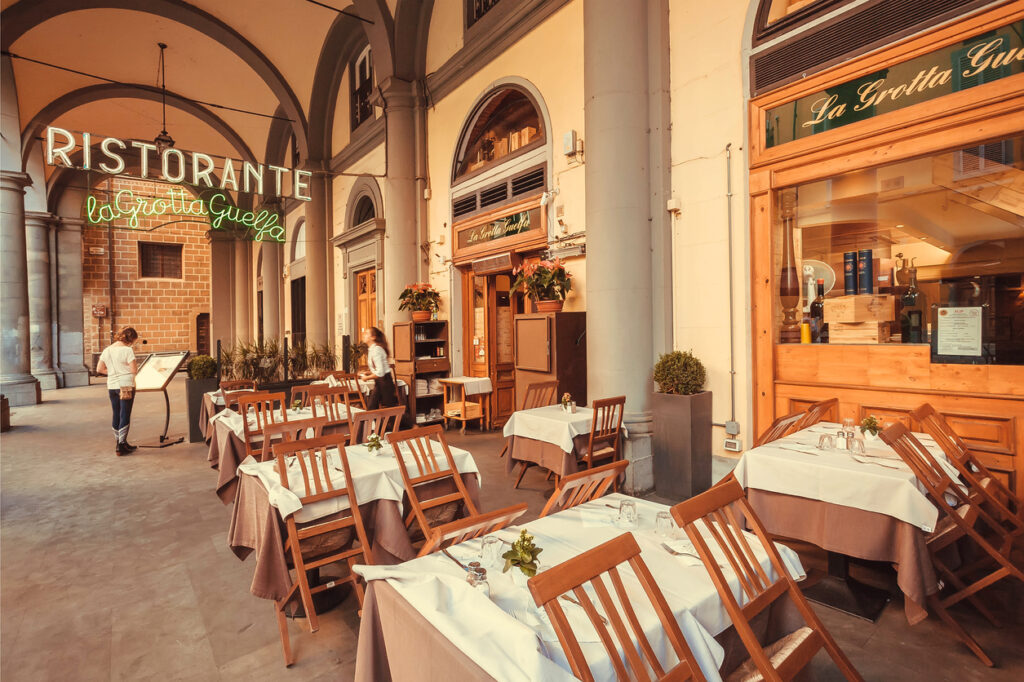
    Florence Trattoria dining

    Florence is famous for its hearty food, especially the massive Florentine steak. Pair it with local wine, fresh pasta, and Tuscan appetizers for a memorable meal. Food lovers will be in heaven here.

    For more details, check out my complete guide to Florentine steak and Tuscan cuisine.

    Why Florence Stays with You

    Florence is a city that blends art, history, food, and beauty in a way few places can. Whether you’re visiting before your cruise, unwinding afterward, or building a full Italian itinerary, Florence adds depth and richness to your trip. With world‑class museums, iconic landmarks, and unforgettable views, it’s a destination that stays with you long after you leave. This Top 20 list is the perfect starting point for planning your time in one of Italy’s most beloved cities.

  • Top Things to Do in Milan, Italy (A Perfect Pre‑ or Post‑Cruise Add‑On)

    Top Things to Do in Milan, Italy (A Perfect Pre‑ or Post‑Cruise Add‑On)

    Milan, Italy City Skyline in the evening

    Milan isn’t a cruise port — but it is one of the smartest cities to add before or after your Mediterranean sailing. With Italy’s high‑speed trains connecting Milan to Venice, Florence, and Rome, it’s incredibly easy to turn your cruise into a full Italian vacation.

    Many travelers fly into Milan because it often has better flight options and pricing. That’s exactly what we did: we flew into Milan, explored the city, then took the train to Venice, Florence, and finally Rome to catch our cruise. It was the perfect pre‑cruise itinerary — relaxed, efficient, and a great way to see more of Italy without adding complicated travel days.

    If you’re looking to maximize your time in Italy before or after your cruise, Milan is a stylish, modern, and surprisingly easy place to start.

    Top Things to Do in Milan, Italy

    1. Duomo di Milano (Milan Cathedral)

    Duomo di Milano (Milano Duomo Cathedral)

    This massive Gothic cathedral is the heart of Milan and one of the most recognizable landmarks in Italy. Its intricate façade and soaring interior make it a must‑see for first‑time visitors. For more details about visiting the Milan Cathedral, check out my detailed Duomo di Milano blog post.

    2. Duomo Rooftop Terraces

    roof of the Milan Cathedral (Duomo di Milano). Milan Duomo is the largest church in Italy and the fifth largest in the world.

    Walking along the rooftop terraces lets you get up close to the cathedral’s famous spires and enjoy sweeping views of the city. It’s one of the most unique photo spots in Milan. For more details about exploring the Duomo Rooftop Terraces, check out my detailed rooftop guide.

    3. Galleria Vittorio Emanuele II

    Famous Bull Mosaic in Galleria Vittorio Emanuele II in Milan
    Famous Bull Mosaic in Galleria Vittorio Emanuele II in Milan

    This elegant 19th‑century shopping arcade is perfect for browsing, people‑watching, and grabbing a cappuccino under its glass dome. It’s also one of the most photographed spots in Milan. For more details about the Galleria Vittorio Emanuele II, check out my detailed Galleria guide.

    4. Teatro alla Scala

    Teatro alla Scala opera house exterior in Milan, Italy
    The Teatro alla Scala opera house in Milan, Italy.

    La Scala is one of the world’s most prestigious opera houses, offering tours and unforgettable performances. Even if you’re not an opera fan, the history and architecture are worth the visit. For more details about Teatro alla Scala, check out my detailed La Scala blog post.

    5. Sforza Castle (Castello Sforzesco)

    Sforza Castel in Milan, Italy

    This impressive fortress houses multiple museums and beautiful courtyards you can explore at your own pace. It’s a great place to combine history, art, and a relaxing stroll. For more details about Sforza Castle, check out my detailed Castello Sforzesco blog post.

    6. Santa Maria delle Grazie (The Last Supper)

    Home to Leonardo da Vinci’s iconic mural, this UNESCO site requires advance reservations due to limited viewing times. Seeing The Last Supper in person is truly unforgettable. For more details about seeing The Last Supper, check out my detailed Santa Maria delle Grazie blog post.

    7. Brera District

    Glimpse of Corso Garibaldi in the Brera district, a popular area known for its lively atmosphere, with an outdoor bar-restaurant crowded with people at sunset, Milan, Lombardy, Italy
    Glimpse of Corso Garibaldi in the Brera district, a popular area known for its lively atmosphere, with an outdoor bar-restaurant, Milan, Lombardy, Italy

    Brera is Milan’s artsy neighborhood, filled with boutiques, cafés, and charming cobblestone streets. It’s the perfect place to wander and soak up the city’s creative energy. For more details about exploring the Brera District, check out my detailed Brera blog post.

    8. Navigli Canals

    Naviglio Grande canal in Milan, Italy, on sunset
    Naviglio Grande canal in Milan, Italy, on sunset

    This lively canal district comes alive in the evenings with restaurants, bars, and sunset views. It’s one of the best places in Milan to enjoy aperitivo. For more details about the Navigli Canals, check out my detailed Navigli blog post.

    9. Porta Nuova District

    Porta Nuova district in Milan, Italy

    Milan’s modern skyline shines in this futuristic neighborhood filled with sleek architecture and trendy spots. It’s a fun contrast to the city’s historic center. For more details about the Porta Nuova District, check out my detailed Porta Nuova blog post.

    10. San Siro Stadium

    San Siro stadium in Milan, Italy

    Sports fans will love touring the home stadium of AC Milan and Inter Milan. Even non‑fans appreciate the scale and energy of this iconic venue. For more details about visiting San Siro Stadium, check out my detailed San Siro blog post.

    11. Quadrilatero della Moda (Fashion District)

    A street in the Milan Fashion District

    This luxury shopping district showcases Milan’s fashion identity with designer boutiques and stylish window displays. It’s a great place to browse or simply admire the glamour. For more details about the Fashion District, check out my detailed Quadrilatero della Moda blog post.

    12. Pinacoteca Ambrosiana

    Historic street scene on Via Torino near the Pinacoteca Ambrosiana in Milan, Italy
    Historic street scene on Via Torino near the Pinacoteca Ambrosiana in Milan, Italy

    This historic art museum features masterpieces by Caravaggio, Raphael, and Leonardo da Vinci. It’s a quieter, more intimate alternative to Milan’s larger museums. For more details about the Pinacoteca Ambrosiana, check out my detailed Ambrosiana blog post.

    13. Parco Sempione

    Sforza Castle with people on Parco Sempione lawn
    Sforza Castle with people on Parco Sempione lawn

    Located behind Sforza Castle, this large park is perfect for a relaxing break between sightseeing stops. It’s also a great spot for photos and people‑watching. For more details about Parco Sempione, check out my detailed Parco Sempione blog post.

    14. La Rinascente Rooftop

    Milan at Sunset

    This department store rooftop offers great views of the Duomo along with several dining options. It’s a perfect place to unwind after exploring the city center. For more details about the La Rinascente Rooftop, check out my detailed rooftop dining blog post.

    15. Corso Como

    Fountain, Corso Como, Milan, Italy
    Fountain, Corso Como, Milan, Italy

    This trendy pedestrian street is known for its boutiques, cafés, and nightlife. It’s a stylish area to explore in the afternoon or evening. For more details about Corso Como, check out my detailed Corso Como blog post.

    16. Monumental Cemetery

    Monumental Cemetery in Milan, Italy

    More like an open‑air art museum, this cemetery is filled with elaborate sculptures and stunning architecture. It’s peaceful, unique, and surprisingly beautiful. For more details about the Monumental Cemetery, check out my detailed Monumental Cemetery blog post.

    17. Piazza Mercanti

    Panoramic morning view of Palazzo della Ragione and Piazza dei Mercanti in Milan, Italy.
    Panorama of Palazzo della Ragione and Piazza dei Mercanti in Milan, Italy

    Tucked behind the Duomo, this medieval square offers a quieter, atmospheric escape from the crowds. It’s a great place to appreciate Milan’s older architecture. For more details about Piazza Mercanti, check out my detailed Piazza Mercanti blog post.

    18. Milan’s Aperitivo Culture

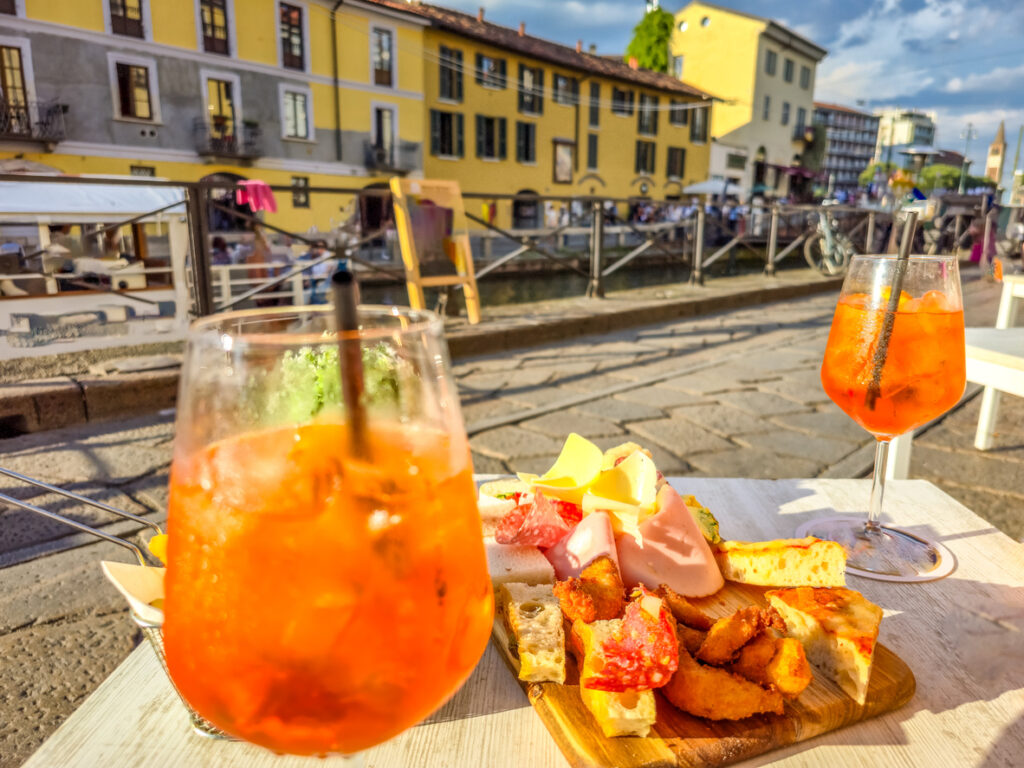
    Cocktails and food by the Tessin river in the Naviglio Grande district, Milan, Italy
    Cocktails and food by the Tessin river in the Naviglio Grande district, Milan, Italy

    Aperitivo is a beloved Milan tradition — a pre‑dinner drink paired with small bites. It’s one of the best ways to experience local life. For more details about enjoying aperitivo in Milan, check out my detailed aperitivo guide.

    19. Day Trip to Lake Como

    Lake Como day trip from Milan

    Just 40 minutes by train, Lake Como offers stunning scenery, charming towns, and relaxing lakeside views. It’s an easy and unforgettable escape from the city. For more details about a Lake Como day trip, check out my detailed Lake Como blog post.

    20. Day Trip to Bergamo

    Bergamo day trip from Milan,Italy

    This hilltop town features medieval streets, panoramic views, and a charming old‑world feel. It’s a great half‑day or full‑day trip from Milan. For more details about visiting Bergamo, check out my detailed Bergamo blog post.

  • Lemon Gardens – Sorrento’s Iconic Citrus Groves

    Lemon Gardens – Sorrento’s Iconic Citrus Groves

    Pathway through a Sorrento lemon garden with tall citrus trees supported by wooden pergolas and ripe yellow lemons hanging overhead
    Sorrento’s lemon gardens create a shaded walkway beneath towering citrus trees supported by traditional wooden pergolas.

    Sorrento’s lemon gardens are one of the most authentic and atmospheric experiences in town—a fragrant world of towering lemon trees, shaded walkways, and family‑run groves that have been producing the region’s famous citrus for generations. These gardens are the heart of Sorrento’s identity, supplying the lemons used for limoncello, pastries, candies, and perfumes throughout the peninsula.

    Walking through a lemon garden feels like stepping into a quieter, more traditional side of Sorrento. Wooden pergolas support the heavy branches, sunlight filters through the leaves, and the air is filled with the scent of citrus. Many groves offer tastings, small shops, and a chance to see how local families cultivate and protect their prized Sorrento IGP lemons.

    Fun Facts

    • Sorrento’s lemons are protected under the IGP designation, meaning they must be grown locally
    • The groves use traditional wooden pergola systems to shield lemons from wind and sun
    • Sorrento lemons are larger, more fragrant, and richer in essential oils than standard varieties
    • Many gardens are family‑owned, passed down for generations
    • These lemons are the base of authentic Sorrento limoncello
    Tunnel‑like walkway in a Sorrento lemon grove with wooden pergolas supporting dense citrus branches filled with ripe yellow lemons
    A canopy of lemons hangs overhead in Sorrento’s traditional groves, where wooden pergolas create a shaded citrus tunnel.

    What to Expect During Your Visit

    Expect a peaceful, shaded environment filled with citrus trees, rustic pathways, and small tasting areas. Some gardens offer guided tours, while others allow you to wander freely. You’ll often find limoncello samples, lemon candies, jams, soaps, and other handmade products.

    It’s a relaxing, sensory experience—perfect for photos, slow strolling, and learning about Sorrento’s agricultural traditions.

    Why It’s Worth Visiting

    Lemon gardens are ideal for travelers who want:

    • A calm, authentic break from the busy streets
    • A deeper connection to Sorrento’s culture and flavors
    • Beautiful, fragrant surroundings for photos
    • A chance to taste real Sorrento limoncello
    • A family‑friendly, easy activity close to the Historic Center

    They’re one of the most charming and memorable experiences in Sorrento.

    Where They’re Located

    Most lemon gardens sit just off Corso Italia or within a short walk of the Historic Center, making them easy to add to any itinerary.

    How to Get There From the Naples Cruise Port

    • Ferry: Naples Beverello → Sorrento Marina Piccola, then take the elevator up and walk 10–15 minutes
    • Train: Naples → Sorrento, then walk toward Corso Italia
    • Private transfer: Drops you directly near the Historic Center

    Best Time to Visit

    Late morning or early afternoon offers the best light and the strongest citrus scent. Spring and early summer are especially beautiful when the trees are full.

    Tips for Visiting

    • Bring your camera—these groves are incredibly photogenic
    • Try the limoncello samples; they’re often made on‑site
    • Look for products labeled IGP, which guarantees authenticity
    • Wear comfortable shoes for walking on uneven paths

    Common Complaints

    • Some gardens can feel commercial in peak season
    • Limited shade in certain areas
    • Tours may be brief depending on the grove

    Final Thoughts

    Sorrento’s lemon gardens are a fragrant, peaceful escape that showcase the region’s most iconic ingredient. Whether you’re tasting limoncello, wandering under the pergolas, or simply enjoying the scent of citrus in the air, this is a must‑experience part of Sorrento’s charm.

    To help plan your day in Sorrento, you can explore my full list of the best things to do in Sorrento.

  • Bagni della Regina Giovanna – Sorrento, Italy

    Bagni della Regina Giovanna – Sorrento, Italy

    Natural swimming cove at Bagni della Regina Giovanna with turquoise water, rock arch, and cliffs
    Bagni della Regina Giovanna is a dramatic natural pool surrounded by cliffs and ancient Roman ruins.

    Bagni della Regina Giovanna is one of Sorrento’s most dramatic and unforgettable natural sites—a hidden swimming cove carved into the cliffs, connected to the sea by a narrow rock arch. It feels wild, ancient, and cinematic, offering a completely different experience from Sorrento’s polished marinas and busy shopping streets. For cruisers with a sense of adventure, this is one of the most rewarding stops in the area.

    The site is named after Queen Giovanna II of Naples, who, according to legend, used this secluded lagoon for private bathing. Today, visitors come for the turquoise water, the natural rock formations, and the ruins of a Roman villa perched above the cove. It’s a place where history and nature blend beautifully.

    Reaching the cove requires a bit of walking, but the payoff is huge: a quiet, rugged corner of Sorrento with some of the clearest water on the peninsula.

    Fun Facts

    • Named after Queen Giovanna II, who allegedly bathed here in the 14th century
    • Features a natural limestone arch connecting the lagoon to the open sea
    • Home to the ruins of the Villa Pollio Felice, a Roman villa from the 1st century BC
    • One of the best places in Sorrento for wild swimming
    • The water is known for its incredible clarity thanks to the rocky seabed

    What to Expect During Your Visit

    Expect a rugged, natural setting with rocky paths, uneven steps, and breathtaking views. The lagoon is sheltered and calm, making it ideal for swimming, especially on warm days. The surrounding cliffs create a dramatic amphitheater of stone and sea.

    Most visitors spend 30–60 minutes exploring, swimming, and taking photos. It’s not a sandy beach—bring water shoes if you plan to get in the water.

    Why It’s Worth Visiting

    Bagni della Regina Giovanna is perfect for travelers who want:

    • A unique, natural swimming spot
    • A break from the busy town center
    • A scenic walk with coastal views
    • A mix of history, legend, and nature
    • A photogenic, off‑the‑beaten‑path experience

    It’s one of the most memorable places in Sorrento.

    Where It’s Located

    On the western tip of Sorrento’s peninsula, about 30–40 minutes on foot from the Historic Center or a short taxi ride followed by a walk.

    How to Get There From the Naples Cruise Port

    • Ferry: Naples Beverello → Sorrento Marina Piccola, then take a taxi or bus toward Capo di Sorrento and walk the final stretch
    • Train: Naples → Sorrento, then taxi or bus to the trailhead
    • Private transfer: Drops you near the entrance path

    Best Time to Visit

    Morning and late afternoon offer the best light and fewer crowds. Midday is ideal for swimming but can be busier in summer.

    Tips for Visiting

    • Wear sturdy shoes—the path is rocky and uneven
    • Bring water shoes if you plan to swim
    • Pack water and sunscreen; there are no facilities
    • Visit the Roman villa ruins for panoramic views
    • Avoid visiting right after rain, as the path can be slippery

    Common Complaints

    • The walk can be challenging for some visitors
    • No shade or services
    • Rocks can be slippery near the water
    • Crowded in peak summer afternoons

    Final Thoughts

    Bagni della Regina Giovanna is one of Sorrento’s most magical natural spots—wild, historic, and incredibly beautiful. If you’re looking for a memorable adventure away from the main tourist streets, this cove is absolutely worth the effort.

    To help plan your day in Sorrento, you can explore my full list of the best things to do in Sorrento.

  • Historic Center – Sorrento, Italy

    Historic Center – Sorrento, Italy

    Narrow street in Sorrento’s historic center lined with shops, cafés, and colorful buildings
    Sorrento’s Historic Center is a lively maze of narrow lanes filled with shops, cafés, and local charm.

    The Historic Center of Sorrento is the heart of the city—an atmospheric maze of narrow lanes, artisan shops, centuries‑old churches, and lively cafés that captures everything people love about this seaside town. It’s compact, walkable, and full of character, making it one of the easiest and most rewarding areas for cruisers to explore with limited time.

    The streets here date back to Roman times, and you can still feel that layered history as you wander past stone archways, hidden courtyards, and pastel buildings with wrought‑iron balconies. Modern boutiques sit beside traditional limoncello shops, while bakeries and gelaterias spill sweet scents into the air. It’s the perfect place to slow down, browse, and soak in the local atmosphere.

    Fun Facts

    • The street layout follows the original Roman grid
    • Home to Sorrento’s famous inlaid wood workshops
    • Corso Italia divides the old town from the newer district
    • Many buildings feature Baroque and Neoclassical influences
    • The area is filled with family‑run shops that have operated for generations

    What to Expect During Your Visit

    Expect lively streets lined with boutiques, leather shops, limoncello tastings, and cafés. The lanes are narrow but easy to navigate, and the atmosphere is warm and welcoming. You’ll find plenty of places to stop for a pastry, espresso, or gelato as you explore.

    Key highlights within the Historic Center include Sorrento Cathedral, Sedile Dominova, and charming artisan stores selling ceramics, lace, and woodwork.

    Why It’s Worth Visiting

    The Historic Center is ideal for travelers who want:

    • A classic Italian old‑town experience
    • Easy, walkable streets filled with shops and cafés
    • Local crafts and souvenirs
    • A lively atmosphere close to major attractions
    • A great place to wander without a strict plan

    It’s one of the most enjoyable parts of Sorrento and a must‑see for first‑time visitors.

    Where It’s Located

    The Historic Center surrounds Corso Italia and stretches toward Piazza Tasso, with narrow lanes branching off in every direction.

    How to Get There From the Naples Cruise Port

    • Ferry: Naples Beverello → Sorrento Marina Piccola, then take the elevator up and walk 5–10 minutes
    • Train: Naples → Sorrento, then walk 10 minutes toward Piazza Tasso
    • Private transfer: Drops you directly at or near Piazza Tasso

    Best Time to Visit

    Late morning and early evening are the most atmospheric. Evenings are especially lively with aperitivo spots and open‑air dining.

    Tips for Visiting

    • Wear comfortable shoes—streets are cobblestone
    • Stop for limoncello tastings at small family shops
    • Explore side alleys for quieter, more authentic corners
    • Visit artisan workshops to see marquetry (inlaid wood) in action

    Common Complaints

    • Can be crowded during peak season
    • Some shops are tourist‑oriented
    • Narrow lanes may feel busy mid‑day

    Final Thoughts

    Sorrento’s Historic Center is the soul of the city—colorful, lively, and full of charm. Whether you’re shopping, sightseeing, or simply wandering, it’s an essential part of any Sorrento itinerary.

    To help plan your day in Sorrento, you can explore my full list of the best things to do in Sorrento.

  • Sorrento Cathedral (Duomo di Sorrento)

    Sorrento Cathedral (Duomo di Sorrento)

    Exterior of Sorrento Cathedral with a Romanesque stone façade, arched doorway, rose windows, and a fresco above the entrance, with the bell tower and adjoining seminario building beside it
    The Romanesque façade of Sorrento Cathedral, one of the town’s most important historic and religious landmarks.

    Sorrento Cathedral, also known as the Duomo di Sorrento, is one of the town’s most important historic landmarks—a beautiful blend of art, architecture, and local tradition right in the heart of the old town. Dedicated to Saints Philip and James, the cathedral dates back to the 11th century and has been expanded and restored over the centuries, giving it a layered, richly textured character that reflects Sorrento’s long history.

    From the outside, the Duomo’s bright white façade and elegant clock tower stand out along Corso Italia. Inside, the cathedral opens into a warm, ornate space filled with marble columns, carved wooden choir stalls, detailed frescoes, and religious artworks created by local Sorrentine artisans. The atmosphere is peaceful and reverent, offering a quiet break from the busy streets just outside.

    The cathedral is still an active place of worship, hosting daily services and local celebrations. It’s a meaningful stop for visitors who want to experience Sorrento’s cultural and spiritual heritage up close.

    Fun Facts

    • Originally built in the 11th century, later rebuilt in Romanesque style
    • Features a striking Baroque interior with marble, frescoes, and carved wood
    • Home to artworks by local Sorrentine craftsmen, including the inlaid wood choir
    • The cathedral’s clock tower is one of the most recognizable landmarks on Corso Italia
    • Dedicated to Saints Philip and James, the patron saints of Sorrento

    What to Expect During Your Visit

    Inside the Duomo, expect a serene, softly lit space filled with artistic detail. The marble floors, side chapels, and ornate altar draw your eye forward, while the wooden choir stalls and ceiling frescoes add depth and warmth. Visitors typically spend 10–20 minutes exploring, taking photos, and appreciating the craftsmanship.

    Why It’s Worth Visiting

    Sorrento Cathedral is ideal for travelers who want:

    • A meaningful cultural and historical stop
    • A peaceful break from the busy shopping streets
    • Beautiful interior photography
    • A deeper look at Sorrento’s religious and artistic traditions

    It’s one of the most important architectural and spiritual sites in the city.

    Where It’s Located

    The cathedral sits along Corso Italia, Sorrento’s main street, just a short walk from Piazza Tasso.

    How to Get There From the Naples Cruise Port

    • Train: Naples → Sorrento, then walk 10 minutes along Corso Italia
    • Ferry: Naples Beverello → Sorrento Marina Piccola, then take the elevator up and walk 10 minutes
    • Private transfer: Drops you near Piazza Tasso, a short walk from the Duomo

    Best Time to Visit

    Late morning or early afternoon offers the best lighting inside. Evenings can be atmospheric if you arrive during a service.

    Tips for Visiting

    • Dress respectfully—this is an active place of worship
    • Look closely at the inlaid wood choir stalls, a Sorrento specialty
    • Step outside afterward for a stroll along Corso Italia
    • Check for special events or services that may limit access

    Common Complaints

    • Limited signage explaining the artwork
    • Can be briefly closed during services
    • Not as large as major Italian cathedrals, but still historically significant

    Final Thoughts

    Sorrento Cathedral is a beautiful, peaceful stop that blends history, faith, and local craftsmanship. Its central location makes it an easy and rewarding addition to any Sorrento itinerary.

    To help plan your day in Sorrento, you can explore my full list of the best things to do in Sorrento.

  • Marina Piccola (Sorrento) – Sorrento, Italy

    Marina Piccola (Sorrento) – Sorrento, Italy

    Busy beach at Marina Piccola in Sorrento with blue‑and‑white umbrellas, lounge chairs, small boats on the shore, and colorful buildings rising along the cliffs
    Marina Piccola Beach offers a lively waterfront scene in Sorrento, with sunbeds, boats, and classic Mediterranean views.

    Marina Piccola is the bustling ferry port that sits at the base of Sorrento’s towering cliffs, serving as the main entry point for travelers arriving from Naples, Capri, and the Amalfi Coast. For cruisers, this is where your Sorrento day truly begins. The marina isn’t a beach or a scenic cove like its Capri namesake—it’s a compact, functional harbor—but the dramatic setting makes your arrival feel cinematic. Boats glide in against a backdrop of cliffs, pastel buildings, and the winding road that climbs toward the historic center.

    Even though most visitors pass through quickly, Marina Piccola plays an essential role in the flow of a Sorrento day. It’s where you’ll buy ferry tickets, catch connections to nearby destinations, and access the elevator that whisks you up to Villa Comunale Park and the heart of town. Everything is close together, clearly marked, and easy to navigate, making it a smooth starting point for your adventure.

    Fun Facts

    • This is Sorrento’s primary ferry terminal, connecting Naples, Capri, Positano, and Amalfi.
    • The marina sits directly below Villa Comunale Park, one of Sorrento’s best viewpoints.
    • A public elevator links the marina to the clifftop—one of the easiest ways to reach the historic center.
    • Not to be confused with Marina Grande, Sorrento’s colorful fishing village.
    • Despite sharing the same name, it is not the same Marina Piccola as Capri.

    What to Expect During Your Visit

    Marina Piccola is small, busy, and efficient. You’ll find ticket booths, ferry queues, a few cafés, and clear signage for departures. The atmosphere shifts throughout the day—calm in the early morning, lively during mid‑day ferry waves, and quieter again in the late afternoon.

    The cliffs rising above the marina create a dramatic sense of scale. You’ll see the elevator tower, the winding road, and the terraces of Villa Comunale perched high above. It’s a quick stop, but it sets the tone for the rest of your Sorrento experience.

    Why It’s Worth Visiting

    Marina Piccola is ideal for cruisers who want:

    • The fastest and most scenic way to reach Sorrento from Naples
    • Easy ferry access to Capri or the Amalfi Coast
    • A direct, low‑effort route into the historic center
    • A smooth, organized arrival point with minimal confusion
    • A dramatic first impression of Sorrento’s cliffs and coastline

    It’s not a linger-and-explore attraction—but it’s a crucial, high‑functioning part of your day.

    Where It’s Located

    At the base of Sorrento’s cliffs, directly below Villa Comunale Park and a short elevator ride from the historic center.

    How to Get There From the Naples Cruise Port

    • Ferry: Naples Beverello → Sorrento Marina Piccola (the fastest and most scenic option).
    • Train: Naples → Sorrento, then walk downhill to the marina.
    • Private transfer: Drops you near the elevator entrance above the marina.

    Best Time to Visit

    • Morning: Busiest with day‑trippers and ferry departures.
    • Midday: Calmer, easier to navigate.
    • Late afternoon: Ideal for returning to Naples or Capri with fewer crowds.

    Tips for Visiting

    • Use the elevator to reach the historic center quickly—especially in the heat.
    • Buy ferry tickets ahead of time during peak season.
    • Wear comfortable shoes if you choose to walk up instead of riding the elevator.
    • Keep an eye on ferry schedules; afternoon return trips can sell out.

    Common Complaints

    • Crowded during peak ferry times
    • Limited shade while waiting
    • Not a scenic “attraction” compared to other Sorrento highlights

    Final Thoughts

    Marina Piccola may not be a traditional sightseeing stop, but it’s the heartbeat of Sorrento’s transportation network and the gateway to your day in town. With its dramatic cliffside setting, easy connections, and direct access to the historic center, it’s an essential part of the Sorrento experience—efficient, practical, and unforgettable in its own way.

    To help plan your day in Sorrento, you can explore my full list of the best things to do in Sorrento.

  • Cloister of San Francesco – Sorrento, Italy

    Cloister of San Francesco – Sorrento, Italy

    Sunlit courtyard of the Cloister of San Francesco in Sorrento with medieval arches and lush greenery
    The Cloister of San Francesco offers a peaceful, historic escape just steps from Sorrento’s scenic terraces.

    The Cloister of San Francesco is one of Sorrento’s most peaceful and enchanting corners—a quiet, sun‑dappled courtyard just steps from Villa Comunale Park. With its mix of medieval arches, lush greenery, and soft golden light, it feels like a hidden sanctuary tucked away from the busy streets above. For cruisers visiting from Naples, it’s an easy, quick, and deeply atmospheric stop that adds a touch of serenity to your Sorrento itinerary.

    The cloister dates back to the 14th century and blends architectural styles from different eras, including elegant arches, stone columns, and vine‑covered walls. It’s also one of the most popular wedding locations in Sorrento, so you may catch a ceremony or photo session during your visit. Even with its popularity, the space remains calm and intimate—perfect for a quiet moment or a few beautiful photos.

    Fun Facts

    • Built in the 14th century as part of the Church of San Francesco
    • Features a blend of medieval, baroque, and Arabic‑influenced architectural elements
    • One of Sorrento’s most popular wedding venues
    • Hosts classical music concerts and cultural events in summer
    • Located next to Villa Comunale Park, making it an easy two‑stop visit

    What to Expect During Your Visit

    Expect a peaceful courtyard filled with arches, climbing vines, and soft natural light. Visitors typically spend 10–15 minutes walking the perimeter, taking photos, or enjoying the quiet atmosphere. The cloister is small but incredibly photogenic, with plenty of architectural details to admire.

    Why It’s Worth Visiting

    The Cloister of San Francesco is ideal for cruisers who want:

    • A calm, beautiful escape from the busy town center
    • A quick, meaningful cultural stop
    • A romantic, atmospheric setting for photos
    • Easy access from Villa Comunale Park and the historic center

    It’s one of Sorrento’s most charming hidden gems.

    Where It’s Located

    The cloister sits beside the Church of San Francesco, just steps from Villa Comunale Park and a short walk from Piazza Tasso.

    How to Get There From the Naples Cruise Port

    • Train: Naples → Sorrento, then walk 10 minutes toward Villa Comunale
    • Ferry: Naples Beverello → Sorrento Marina Piccola, then take the elevator up to the park and walk a minute to the cloister
    • Private transfer: Drops you near Piazza Tasso, a short walk away

    Best Time to Visit

    Late morning and late afternoon offer the best light for photography. Evenings can be lively if a wedding or event is taking place.

    Tips for Visiting

    • Combine your visit with Villa Comunale Park for panoramic views
    • Be respectful if a wedding or ceremony is in progress
    • Look closely at the arches—each side of the cloister has a different architectural style
    • Bring your camera; the light here is beautiful

    Common Complaints

    • May be closed briefly during private events
    • Can feel crowded if a wedding party is present
    • Small space, so visits are typically short

    Final Thoughts

    The Cloister of San Francesco is a peaceful, romantic highlight of Sorrento. Its quiet beauty, historic charm, and convenient location make it a must‑see stop—especially when paired with the panoramic terraces just outside.

    To help plan your day in Sorrento, you can explore my full list of the best things to do in Sorrento.

  • Villa Comunale Park – Sorrento, Italy

    Villa Comunale Park – Sorrento, Italy

    Panoramic terrace at Villa Comunale Park in Sorrento overlooking the Bay of Naples and Mount Vesuvius
    Villa Comunale Park offers one of Sorrento’s most beautiful terraces, with sweeping views of the bay and Mount Vesuvius.

    Villa Comunale Park is one of Sorrento’s most beautiful and peaceful spots, offering sweeping views of the Bay of Naples, Mount Vesuvius, and the cliffs that define the coastline. It’s the town’s signature panoramic terrace—an easy, high‑impact stop for cruisers visiting from Naples. With manicured gardens, shaded paths, and postcard‑worthy viewpoints, it’s the perfect place to pause, take photos, and soak in Sorrento’s coastal charm.

    The park sits just above Marina Piccola, where ferries arrive, and connects directly to the historic center. Its elegant balustrades, flowering plants, and calm atmosphere make it a favorite for both locals and visitors. Whether you’re enjoying a quiet moment on a bench or capturing the iconic view of Vesuvius rising over the bay, Villa Comunale delivers one of the most memorable scenes in Sorrento.

    Fun Facts

    • Home to one of Sorrento’s best panoramic terraces
    • Overlooks Mount Vesuvius, the Bay of Naples, and Marina Piccola
    • Features the Church and Convent of San Francesco, known for its cloister and weddings
    • The park’s elevator provides quick access down to the marina
    • Popular for sunset photography thanks to its west‑facing views

    What to Expect During Your Visit

    Expect a peaceful, scenic park with flowerbeds, benches, and wide terraces overlooking the sea. The atmosphere is relaxed, with visitors taking photos, enjoying the shade, or watching ferries come and go below. The views are spectacular at any time of day, and the park is small enough to explore in 10–20 minutes.

    Why It’s Worth Visiting

    Villa Comunale Park is ideal for cruisers who want:

    • Stunning panoramic views with minimal walking
    • A quiet, scenic break between attractions
    • Easy access to the marina via the elevator
    • Beautiful photography spots
    • A romantic, peaceful setting

    It’s one of the most iconic and accessible viewpoints in Sorrento.

    Where It’s Located

    Villa Comunale Park sits just west of Piazza Tasso, next to the Church of San Francesco and above Marina Piccola.

    How to Get There From the Naples Cruise Port

    • Train: Naples → Sorrento, then walk 10 minutes toward the historic center
    • Ferry: Naples Beverello → Sorrento Marina Piccola, then take the elevator up to the park
    • Private transfer: Drops you near Piazza Tasso, a short walk from the entrance

    Best Time to Visit

    Late afternoon and sunset offer the most dramatic light. Mornings are quieter and ideal for photography.

    Tips for Visiting

    • Bring your camera—this is one of Sorrento’s top photo spots
    • Use the elevator if you’re heading to or from the marina
    • Visit the nearby Cloister of San Francesco for a quick, beautiful stop
    • Expect crowds during sunset in peak season

    Common Complaints

    • The elevator may have a small fee
    • Can get busy during golden hour
    • Limited shade during midday

    Final Thoughts

    Villa Comunale Park is a must‑see for anyone visiting Sorrento. With its breathtaking views, peaceful gardens, and easy access from the historic center, it’s one of the most rewarding—and most photographed—spots in town.

    To help plan your day in Sorrento, you can explore my full list of the best things to do in Sorrento.

  • Limoncello Tastings – Sorrento Cruise Day

    Limoncello Tastings – Sorrento Cruise Day

    Glasses and a small bottle of bright yellow limoncello surrounded by fresh lemons and lemon peels on a dark surface
    A refreshing limoncello tasting setup featuring chilled lemon liqueur and fresh Sorrento lemons.

    Limoncello tastings are one of the most enjoyable—and most quintessential—experiences you can have in Sorrento. This region is famous for its enormous, fragrant Sorrento lemons, and the liqueur made from their vibrant yellow peels has been part of local tradition for generations. For cruisers visiting from Naples, a limoncello tasting is an easy, flavorful stop that blends culture, craftsmanship, and a little bit of sweetness.

    Shops and family‑run distilleries throughout Sorrento offer free tastings, often paired with explanations of how limoncello is made. You’ll see rows of bright bottles, lemon‑themed treats, and shelves filled with artisanal products. Many tastings also include variations like meloncello, pistachiocello, or creamy limoncello, giving you a chance to sample the full spectrum of local flavors. It’s a fun, low‑effort activity that fits perfectly between sightseeing stops.

    Fun Facts

    • Limoncello is traditionally made from Sorrento IGP lemons, known for their thick, aromatic peels
    • The liqueur dates back to early 1900s family recipes from the Sorrento and Amalfi Coast region
    • Authentic limoncello contains only lemon peel, alcohol, water, and sugar
    • Many shops still use hand‑peeling techniques to preserve the essential oils
    • Sorrento produces some of the most famous limoncello in Italy

    What to Expect During Your Visit

    Expect small tasting counters, friendly staff, and a quick explanation of the production process. You’ll typically be offered a chilled sample of classic limoncello, plus optional tastings of flavored or creamy varieties. Many shops also sell lemon candies, soaps, ceramics, and gift sets. Tastings are usually free, but most visitors end up buying at least one bottle to take home.

    Why It’s Worth Visiting

    Limoncello tastings are perfect for cruisers who want:

    • A fun, flavorful activity that fits any schedule
    • A chance to try authentic Sorrento products
    • A cultural experience tied to local tradition
    • Easy, walk‑in stops near major attractions
    • Souvenirs that are lightweight and easy to pack

    It’s one of the most enjoyable ways to experience Sorrento’s lemon‑centered heritage.

    Where It’s Located

    Limoncello shops and tasting rooms are scattered throughout central Sorrento, especially around Piazza Tasso, Corso Italia, and the old town lanes.

    emon‑themed market street on Via San Cesareo in Sorrento’s old town, lined with souvenir stalls, hanging decorations, and shoppers walking through the narrow alley
    Via San Cesareo, Sorrento’s famous old‑town shopping street filled with lemon décor, local crafts, and lively market stalls.

    How to Get There From the Naples Cruise Port

    • Train: Naples → Sorrento, then walk through the historic center
    • Ferry: Naples Beverello → Sorrento Marina Piccola, then take the elevator or walk up to town
    • Private transfer: Drops you near Piazza Tasso, steps from multiple tasting shops

    Best Time to Visit

    Anytime during the day works well. Late afternoon is especially enjoyable when the town is lively and shops are fully staffed.

    Tips for Visiting

    • Ask to try both classic and creamy limoncello for comparison
    • Look for bottles labeled IGP Sorrento lemons for the highest quality
    • Keep in mind that bottles over 100 ml must go in checked luggage when flying
    • Many shops offer shipping if you prefer not to carry bottles home

    Common Complaints

    • Some shops can feel touristy
    • Prices vary widely—quality brands cost more
    • Samples may be small during peak hours

    Final Thoughts

    Limoncello tastings are a bright, flavorful highlight of any Sorrento visit. Whether you’re sampling traditional recipes or discovering new variations, it’s a fun and memorable way to experience the region’s famous lemons.

    To help plan your day in Sorrento, you can explore my full list of the best things to do in Sorrento.

  • Sorrento’s Scenic Viewpoints – Sorrento, Italy

    Sorrento’s Scenic Viewpoints – Sorrento, Italy

    Panoramic terrace in Sorrento overlooking the Bay of Naples and Mount Vesuvius
    One of Sorrento’s scenic viewpoints offering sweeping views of the Bay of Naples and the dramatic coastline.

    Sorrento is filled with breathtaking viewpoints, each offering a different angle of the Bay of Naples, Mount Vesuvius, and the dramatic cliffs that define the coastline. These panoramic spots are some of the easiest and most rewarding places to visit during a cruise‑day trip from Naples—no tickets, no long lines, just unforgettable scenery. Whether you’re capturing photos, enjoying a quiet moment overlooking the sea, or taking in the colors of sunset, Sorrento’s viewpoints deliver some of the most iconic images of the Amalfi Coast region.

    Most viewpoints are clustered around the upper terraces of the historic center, making them simple to reach on foot from Piazza Tasso or Corso Italia. From the sweeping terraces of Villa Comunale to the cliffside overlooks above Marina Piccola, each viewpoint offers its own mood and perspective. These stops are perfect for cruisers who want high‑impact beauty with minimal effort.

    Fun Facts

    • Sorrento’s cliffs rise dramatically above the sea, creating natural terraces perfect for panoramic views
    • Many viewpoints overlook Mount Vesuvius, creating postcard‑worthy photos
    • The town’s volcanic tuff cliffs give the coastline its distinctive golden color
    • Villa Comunale is one of the most photographed terraces in southern Italy
    • Several viewpoints sit above Marina Piccola, where ferries arrive from Naples

    What to Expect During Your Visit

    Expect wide terraces, scenic railings, and sweeping views of the coastline. Many viewpoints have benches, cafés, or shaded areas where you can relax. The atmosphere is peaceful in the morning, lively in the afternoon, and magical at sunset. Most visitors spend 10–20 minutes at each viewpoint, longer if they stop for photos or a drink.

    Why It’s Worth Visiting

    Sorrento’s viewpoints are ideal for cruisers who want:

    • Stunning coastal scenery without long walks or tours
    • Easy, free attractions that fit any schedule
    • Iconic photos of the Bay of Naples and Vesuvius
    • A relaxing break between shopping, dining, and exploring

    These terraces offer some of the most memorable moments of any Sorrento visit.

    Where They’re Located

    Most viewpoints are located along the cliffs near Villa Comunale, the public gardens, and the upper paths above Marina Piccola.

    How to Get There From the Naples Cruise Port

    • Train: Naples → Sorrento, then walk toward Villa Comunale
    • Ferry: Naples Beverello → Sorrento Marina Piccola, then take the elevator or walk up to the historic center
    • Private transfer: Drops you near Piazza Tasso, a short walk from the main terraces

    Best Time to Visit

    Sunset is the most beautiful time, but mornings offer soft light and fewer crowds. Midday provides the clearest views of Vesuvius.

    Tips for Visiting

    • Bring your camera—this is where you’ll get your best Sorrento photos
    • Visit Villa Comunale for the most iconic terrace views
    • Stop at a cliffside café for a drink with a view
    • Expect crowds during sunset in peak season

    Common Complaints

    • Popular viewpoints can get crowded
    • Some terraces have limited shade
    • Elevator fees apply if coming up from Marina Piccola

    Final Thoughts

    Sorrento’s scenic viewpoints offer some of the most breathtaking and accessible coastal views in Italy. Whether you’re stopping for a quick photo or lingering to watch the sunset, these terraces deliver unforgettable moments with minimal effort—perfect for a cruise‑day itinerary.

    To help plan your day in Sorrento, you can explore my full list of the best things to do in Sorrento.

  • Corso Italia – Sorrento, Italy

    Corso Italia – Sorrento, Italy

    Pedestrian street lined with shops, cafés, and colorful buildings along Corso Italia in Sorrento
    .Corso Italia, Sorrento’s vibrant main street known for its boutiques, cafés, and evening passeggiata atmosphere.

    Corso Italia is Sorrento’s main boulevard and one of the most enjoyable streets to explore during a cruise‑day visit. Stretching from Piazza Tasso through the heart of town, this lively avenue blends elegant boutiques, cafés, gelaterias, artisan shops, and everyday local life. It’s the perfect place to stroll, shop, and soak in Sorrento’s atmosphere at your own pace. For cruisers arriving from Naples, Corso Italia offers an easy, walkable experience that feels both polished and authentically Italian.

    The street is lined with pastel buildings, stylish storefronts, and inviting outdoor seating. In the evenings, Corso Italia becomes even more charming as it transforms into a pedestrian‑only zone, filled with families, couples, and visitors enjoying the classic Italian passeggiata. Whether you’re browsing for souvenirs, tasting limoncello, or simply enjoying the ambiance, Corso Italia delivers a quintessential Sorrento experience.

    Fun Facts

    • Corso Italia is Sorrento’s main shopping street, running directly through the historic center
    • The street becomes pedestrian‑only in the evenings during peak season
    • Home to some of Sorrento’s best gelato shops and limoncello boutiques
    • Connects Piazza Tasso to the Cathedral of Sorrento, one of the town’s most important landmarks
    • A favorite spot for the traditional Italian passeggiata
    • Offers a mix of local shops, high‑end boutiques, and family‑run businesses

    What to Expect During Your Visit

    Corso Italia is lively throughout the day, with a steady flow of shoppers, café‑goers, and visitors exploring the town. Expect a mix of fashion stores, leather goods, ceramics, jewelry, and specialty food shops. The street is flat and easy to walk, making it ideal for a relaxed stroll. In the evenings, the atmosphere becomes even more vibrant as locals and tourists fill the pedestrian‑only stretch for dining, shopping, and people‑watching.

    Why It’s Worth Visiting

    Corso Italia is perfect for cruisers who want:

    • A relaxed, walkable introduction to Sorrento
    • Easy access to shops, cafés, and gelato
    • A scenic, lively street that captures the town’s charm
    • A great place to buy souvenirs or enjoy a leisurely break
    • A low‑effort activity that fits any itinerary

    It’s one of the best places to experience Sorrento’s everyday rhythm and coastal elegance.

    Where It’s Located

    Corso Italia runs directly through central Sorrento, beginning at Piazza Tasso and extending west toward the residential district.

    How to Get There From the Naples Cruise Port

    • Train: Naples → Sorrento, then walk straight into town toward Piazza Tasso
    • Ferry: Naples Beverello → Sorrento Marina Piccola, then take the elevator or walk up to the historic center
    • Private transfer: Drops you near Piazza Tasso, steps from Corso Italia

    Best Time to Visit

    Late afternoon and evening offer the best atmosphere, especially when the street becomes pedestrian‑only. Morning visits are quieter and ideal for shopping.

    Tips for Visiting

    • Try a gelato from one of the artisan shops along the street
    • Visit the Cathedral of Sorrento, located directly on Corso Italia
    • Browse local boutiques for ceramics, leather goods, and limoncello
    • Enjoy the evening passeggiata for a true local experience

    Common Complaints

    • Can feel crowded during peak season
    • Some shops cater heavily to tourists
    • Prices may be higher than in smaller side streets

    Final Thoughts

    Corso Italia is the stylish, energetic backbone of Sorrento and a must‑visit for cruisers exploring the town. Whether you’re shopping, strolling, or simply enjoying the atmosphere, it offers a beautiful and effortless way to experience Sorrento’s charm.

    To help plan your day in Sorrento, you can explore my full list of the best things to do in Sorrento.

error: Content is protected !!