Category: Alaska

Alaska cruises take travelers through towering glaciers, rugged mountains, and untouched wilderness. Ships glide past icy landscapes, blending natural beauty with thrilling exploration.

Popular ports include Juneau, Skagway, Ketchikan, and Glacier Bay, where visitors can admire fjords, spot humpback whales, or embark on dog sledding and glacier trekking adventures. Rich Indigenous culture, historic gold rush towns, and breathtaking wildlife encounters add depth to the journey.

Perfect for nature lovers and adventure seekers, Alaska cruises deliver unforgettable sights and experiences.

  • Scenic Drive into the Yukon – Skagway, Alaska

    Scenic Drive into the Yukon – Skagway, Alaska

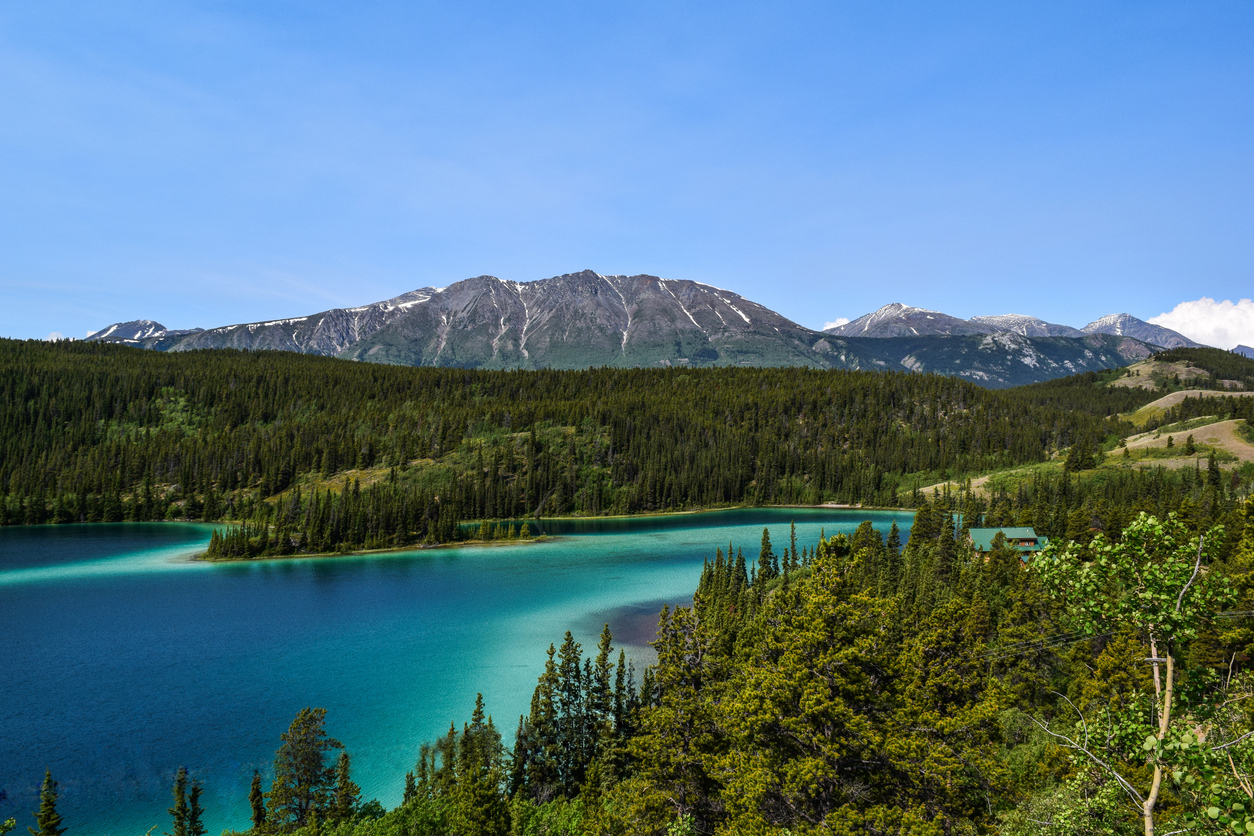
    Emerald Lake glowing bright green in the early morning sun along the Klondike Highway in the Yukon.
    Emerald Lake shines a vivid green in the early morning light, one of the most stunning viewpoints along the Klondike Highway.

    The Scenic Drive into the Yukon is one of the most breathtaking road trips in the region, taking you from Skagway’s coastal rainforest into a world of alpine lakes, glacier‑carved valleys, and sweeping tundra landscapes. This route follows the Klondike Highway, climbing past the White Pass summit and continuing into British Columbia and the Yukon Territory. The scenery changes dramatically every few miles, offering endless opportunities for photography and wildlife viewing.

    For cruise travelers, this drive is an easy, flexible way to experience the vast wilderness beyond Skagway. Whether you join a guided tour or rent a car, the journey can be tailored to your schedule, with stops at lakes, waterfalls, overlooks, and historic sites. It’s perfect for travelers who want big scenery without strenuous activity — and it pairs beautifully with a visit to Carcross or Emerald Lake.

    Fun Facts

    • The Klondike Highway follows the route used by stampeders during the 1898 Klondike Gold Rush.
    • The drive crosses three regions: Alaska, British Columbia, and the Yukon Territory.
    • The landscape shifts from coastal rainforest to subalpine terrain and finally to open Arctic tundra.
    • Emerald Lake, a popular stop, is known for its brilliant turquoise color caused by glacial silt and light‑reflecting marl deposits.
    • The highway passes through the Tormented Valley, a surreal landscape shaped by retreating glaciers.
    • Wildlife sightings may include bears, mountain goats, foxes, and porcupines.
    • Carcross, a small Yukon community, is home to the world’s smallest desert, the Carcross Desert.
    • The road is open seasonally and maintained for safe summer travel.

    What to Expect During Your Visit

    The drive begins in Skagway and quickly climbs into the mountains, offering dramatic views of waterfalls, cliffs, and glacier‑carved valleys. After crossing the White Pass summit, the scenery opens into a rugged, windswept landscape dotted with lakes and granite outcrops. As you continue into British Columbia and the Yukon, the terrain becomes more expansive, with wide valleys, turquoise lakes, and rolling tundra.

    Most travelers stop at key viewpoints such as the Welcome to Alaska sign, Bridal Veil Falls, the Tormented Valley, Summit Lake, Bove Island Lookout, Carcross, and Emerald Lake. Guided tours provide narration about Gold Rush history, geology, and wildlife, while self‑drivers enjoy the freedom to stop wherever the scenery inspires them. The full round‑trip experience typically takes 3–5 hours, depending on how far you go.

    Why It’s Worth Visiting

    The Scenic Drive into the Yukon is ideal for travelers who want a high‑reward adventure with minimal physical effort. The landscapes are incredibly diverse, the photo opportunities are endless, and the journey feels like stepping into another world. It’s perfect for families, photographers, nature lovers, and anyone who wants to experience the vast wilderness beyond Skagway.

    Where It’s Located

    The drive begins in Skagway and follows the Klondike Highway (Highway 98) north toward British Columbia and the Yukon Territory.

    How to Get There From the Cruise Port

    • Guided tour: The most popular option; pickup is typically at the cruise dock.
    • Rental car: Available in Skagway; allows maximum flexibility.
    • Taxi or private driver: Possible but must be arranged in advance.
    • Distance: The Yukon border is about 45 minutes from Skagway; Emerald Lake is about 1.5 hours each way.

    Best Time to Visit

    • Late spring through early fall (May–September) offers the best road conditions.
    • Morning departures provide softer light and fewer crowds at viewpoints.
    • Summer brings lush greenery and the best chance for wildlife sightings.
    • Fall (September) offers stunning golden tundra colors.

    Tips for Visiting

    • Bring a passport — you’ll cross the Canadian border.
    • Wear layers; temperatures vary dramatically with elevation.
    • Charge your camera or phone fully — the photo stops are constant.
    • If driving yourself, fuel up in Skagway; services are limited along the route.
    • Stop at Carcross for shops, snacks, and cultural exhibits.
    • Book guided tours early — this is one of Skagway’s most popular excursions.

    Common Complaints

    • Weather can be cloudy or foggy at higher elevations.
    • Border crossings may add a few minutes to the trip.
    • Some travelers wish for more time at Emerald Lake on guided tours.
    • The drive may feel long for those who prefer active excursions.

    Final Thoughts

    The Scenic Drive into the Yukon is one of the most unforgettable experiences you can have from Skagway, offering dramatic landscapes, wildlife viewing, and a fascinating look at Gold Rush history. It’s a flexible, high‑impact adventure that fits beautifully into a cruise‑day itinerary. For more ideas to plan your day, explore my full guide to the top things to do in Skagway.

  • Historic Downtown Skagway – Skagway, Alaska

    Historic Downtown Skagway – Skagway, Alaska

    Colorful Gold Rush–era buildings in historic downtown Skagway, Alaska, with false‑front architecture set against the surrounding mountains.
    Skagway’s historic downtown is lined with colorful Gold Rush–era buildings, a reminder of its Klondike past and a charming stop for today’s cruise visitors.

    Historic Downtown Skagway is the heart of this Gold Rush town, where wooden boardwalks, restored 1890s buildings, and dramatic mountain views create an atmosphere that feels frozen in time. As the gateway to the Klondike Gold Rush, Skagway once bustled with stampeders seeking fortune, and today its historic district preserves that energy with museums, shops, saloons, and interpretive sites that bring the era to life. It’s one of the most walkable and immersive historic districts in Alaska.

    For cruise travelers, Historic Downtown Skagway is the easiest and most flexible way to explore the town. The district begins right at the cruise docks, making it perfect for a relaxed stroll, a self‑guided history walk, or a stop between excursions. Whether you’re interested in Gold Rush stories, architecture, shopping, or photography, this area offers something for everyone.

    Fun Facts

    • Skagway boomed in 1897–1898 when tens of thousands of stampeders arrived seeking gold in the Yukon.
    • The downtown area is part of the Klondike Gold Rush National Historical Park.
    • Many buildings are restored to their 1898 appearance, including saloons, hotels, and storefronts.
    • The famous con man Soapy Smith once ruled Skagway’s underworld from these very streets.
    • Broadway Street is lined with false‑front buildings, a classic Gold Rush architectural style.
    • The historic district includes the Arctic Brotherhood Hall, known for its façade covered in driftwood.
    • Skagway once had a population of over 10,000, making it one of the largest cities in Alaska at the time.
    • The White Pass Trail, used by stampeders, begins just outside town and is still visible from the valley.
    Broadway Street in downtown Skagway, Alaska, with shoppers walking past restored Gold Rush–era false‑front buildings, wooden boardwalks, and local shops on a spring day.
    Broadway Street is the heart of historic Skagway, where restored false‑front buildings, wooden sidewalks, and lively shops create a classic Gold Rush–era atmosphere.

    What to Expect During Your Visit

    Visitors can stroll along wooden boardwalks, browse historic storefronts, and explore interpretive exhibits that tell the story of the Klondike Gold Rush. The main street, Broadway, is lined with shops, cafés, museums, and restored buildings maintained by the National Park Service. Rangers often lead free walking tours that highlight key sites and share stories of the stampeders, con artists, and adventurers who shaped Skagway’s history.

    The district is compact and easy to navigate, with mountain views framing the town in every direction. Popular stops include the Red Onion Saloon, the Mascot Saloon Museum, the Arctic Brotherhood Hall, and the National Park Service Visitor Center. Most visitors spend 1–2 hours exploring, though history lovers may stay longer.

    Why It’s Worth Visiting

    Historic Downtown Skagway is perfect for travelers who want a flexible, low‑effort way to experience the town’s Gold Rush heritage. It’s ideal for families, history enthusiasts, photographers, and anyone who enjoys walkable, atmospheric destinations. Because it’s so close to the cruise docks, it’s easy to explore before or after excursions like the White Pass Railway.

    Where It’s Located

    The historic district begins at the Skagway waterfront and extends along Broadway Street through the center of town.

    How to Get There From the Cruise Port

    • Walk: 1–5 minutes from most cruise berths
    • Taxi: Not necessary
    • Excursion transport: Often passes through the district

    Best Time to Visit

    • Morning offers softer light and fewer crowds.
    • Mid‑day is busiest, especially when multiple ships are in port.
    • Late afternoon brings beautiful golden‑hour light on the mountains.
    • Summer offers the most open shops and ranger programs.

    Tips for Visiting

    • Wear comfortable shoes—you’ll be walking on boardwalks and uneven surfaces.
    • Stop by the NPS Visitor Center for maps and free walking tours.
    • Visit the Arctic Brotherhood Hall for one of the most photographed façades in Alaska.
    • Explore side streets for quieter views and historic homes.
    • Bring a light jacket—Skagway’s coastal weather can change quickly.
    • Combine with the White Pass Railway for a full Gold Rush‑themed day.

    Common Complaints

    • Crowds can be heavy when multiple ships are in port.
    • Some shops feel tourist‑oriented rather than historic.
    • Weather can be windy or chilly, even in summer.
    • The district is compact—some visitors expect a larger area.

    Final Thoughts

    Historic Downtown Skagway is the perfect place to step back into the Klondike Gold Rush era, with restored buildings, dramatic scenery, and easy walkability that make it ideal for cruise travelers. Whether you’re exploring museums, browsing shops, or simply soaking in the atmosphere, this district is a must‑see part of any Skagway itinerary. For more ideas to plan your day, explore my full guide to the top things to do in Skagway.

  • White Pass & Yukon Route Railway – Skagway, Alaska

    White Pass & Yukon Route Railway – Skagway, Alaska

    White Pass and Yukon Route Railway train traveling from Skagway, Alaska, toward Carcross in Canada’s Yukon Territory, passing through rugged mountains and historic Gold Rush scenery.
    The White Pass & Yukon Route Railway carries passengers from Skagway into Canada’s Yukon Territory, offering stunning mountain views and a journey through Gold Rush history.

    The White Pass & Yukon Route Railway is Skagway’s most iconic experience, offering a breathtaking journey through glacier‑carved valleys, towering peaks, and historic Gold Rush terrain. Built in 1898 during the Klondike Gold Rush, this narrow‑gauge railroad climbs nearly 3,000 feet in just 20 miles, passing waterfalls, wooden trestles, and dramatic cliffside views along the way. It’s one of the most scenic and historically significant rail journeys in the world.

    For cruise travelers, the White Pass Railway fits seamlessly into a port‑day itinerary. Most excursions depart right beside the cruise dock, making it one of the easiest and most rewarding activities in Skagway. The ride is comfortable, narrated, and suitable for all ages—perfect for travelers who want big scenery without strenuous activity.

    Fun Facts

    • The railway was built in just 26 months during the Klondike Gold Rush.
    • It climbs from sea level to 2,865 feet at the White Pass summit.
    • The line is a narrow‑gauge railway, allowing tighter curves through steep terrain.
    • Construction required blasting through solid rock using hand drills and dynamite.
    • The route includes the famous Steel Bridge, once the tallest cantilever bridge in the world.
    • The train crosses into British Columbia on longer excursions.
    • The railway is designated an International Historic Civil Engineering Landmark, alongside the Eiffel Tower and Panama Canal.
    • Many of the vintage railcars date back to the early 1900s.

    What to Expect During Your Visit

    Most visitors board the train directly from the cruise dock or the nearby depot. The vintage railcars feature large windows, bench seating, and open platforms for photography. As the train climbs out of Skagway, you’ll pass waterfalls, deep gorges, historic trestles, and remnants of the original Gold Rush trail. The narration shares stories of stampeders, engineering feats, and the harsh realities of the Klondike era.

    The classic round‑trip White Pass Summit excursion lasts about 2.5 to 3 hours, making it ideal for cruise schedules. Longer tours extend into Canada, offering even more dramatic scenery. The ride is smooth, scenic, and accessible for all mobility levels.

    Why It’s Worth Visiting

    The White Pass Railway is perfect for travelers who want a high‑impact experience with minimal effort. The scenery is spectacular, the history is fascinating, and the ride is comfortable and relaxing. It’s ideal for families, photographers, history lovers, and anyone who wants to see the dramatic landscapes that made Skagway famous. If you only choose one excursion in Skagway, this is the one that delivers the most “wow” moments.

    Where It’s Located

    The railway depot is located in downtown Skagway, directly adjacent to the cruise docks and within easy walking distance of the main street.

    How to Get There From the Cruise Port

    • Walk: 1–5 minutes from most cruise berths
    • Excursion transport: Not needed; many trains board directly beside the ship
    • Independent travelers: Can check in at the depot on 2nd Avenue

    Best Time to Visit

    • Morning departures offer crisp light and fewer crowds.
    • Mid‑summer (June–August) provides the greenest scenery.
    • Early season (May–June) offers snow‑capped peaks and dramatic contrasts.
    • Fall (September) brings golden foliage along the mountainsides.

    Tips for Visiting

    • Bring a jacket—mountain air is cooler at the summit.
    • Step onto the open platforms for the best photos.
    • Sit on the left side going up for the most dramatic views (right side on the return).
    • Book early—this is Skagway’s most popular excursion.
    • If you want a longer adventure, choose a tour that continues into Canada.
    • Keep your camera ready—waterfalls and cliffside views appear quickly.

    Common Complaints

    • Windows can fog or glare depending on weather.
    • The ride may feel long for travelers who prefer active excursions.
    • Some visitors wish for more time outside the train.
    • Weather can be cloudy or rainy, limiting distant views.

    Final Thoughts

    The White Pass & Yukon Route Railway is the signature Skagway experience, offering breathtaking scenery and powerful Gold Rush history in a comfortable, easy‑to‑access excursion. It’s a perfect fit for cruise travelers who want a memorable, high‑impact adventure without strenuous activity. For more ideas to plan your day, explore my full guide to the top things to do in Skagway.

  • Allison Point for Wildlife Viewing – Valdez, Alaska

    Allison Point for Wildlife Viewing – Valdez, Alaska

    Sea otters resting together on an ice floe in Prince William Sound near Valdez, Alaska.
    Sea otters are a common sight throughout Prince William Sound, adding to the rich wildlife visitors may spot when exploring Allison Point in Valdez.

    Allison Point is one of the best places in Valdez to see wildlife up close, especially during the summer salmon run. Located along Dayville Road across the bay from downtown Valdez, this scenic viewpoint offers excellent opportunities to spot sea lions, seals, bald eagles, and sometimes even bears feeding on returning salmon. With mountains rising behind you and glacier‑fed water in front, it’s one of the most dramatic and rewarding wildlife stops in the area.

    For cruise travelers, Allison Point is an easy, high‑impact addition to a port‑day itinerary. It’s quick to reach, free to visit, and pairs perfectly with the Solomon Gulch Hatchery just down the road. Whether you’re a photographer, wildlife enthusiast, or simply someone who wants to experience Alaska’s natural rhythms, Allison Point delivers.

    Fun Facts

    • Allison Point sits directly across from the Trans‑Alaska Pipeline Terminal, offering unique views of the facility.
    • The area is famous for its late‑summer salmon run, which attracts sea lions, seals, and bald eagles.
    • During peak season, hundreds of salmon gather near the shoreline, creating dramatic feeding activity.
    • The point is part of Dayville Road, one of the most scenic coastal drives in Valdez.
    • Bald eagles frequently perch on nearby rocks and pilings, especially in July and August.
    • The area is popular with local anglers, who fish for pink and silver salmon from the shore.
    • The surrounding mountains are part of the Chugach Range, known for heavy snowfall and lush summer greenery.
    • Allison Point is one of the best free wildlife viewing spots in Valdez.
    An orca breaching in the waters of Prince William Sound, Alaska, with rugged coastal mountains in the background.
    Orcas are part of the diverse marine life found throughout Prince William Sound, adding to the wildlife viewing possibilities when visiting Allison Point in Valdez.

    What to Expect During Your Visit

    Visitors arrive at a long, scenic stretch of shoreline with pullouts and parking areas overlooking the water. During the salmon run (late July through August), the water near the shore is often filled with returning salmon, and sea lions gather to feed—sometimes just a few feet from the rocks. Bald eagles soar overhead or perch nearby, offering excellent photo opportunities.

    The experience is self‑guided and flexible. You can walk along the shoreline, watch wildlife from your car, or stop at one of the designated viewing areas. The scenery is stunning in all directions, with mountains rising sharply behind the road and the bay stretching out in front. Most visitors spend 20–45 minutes here, though wildlife lovers may stay longer.

    Why It’s Worth Visiting

    Allison Point is ideal for travelers who want easy, reliable wildlife viewing without a tour or long hike. It’s especially rewarding during the salmon run, when sea lions and eagles are highly active. The combination of dramatic scenery, abundant wildlife, and easy access makes this one of the most memorable stops in Valdez.

    Where It’s Located

    Allison Point is located along Dayville Road, about 6 miles southeast of Valdez, across the bay from the main harbor.

    How to Get There From the Cruise Port

    • Rental car: The easiest option; about a 15‑minute drive.
    • Taxi: Possible but should be arranged in advance.
    • Guided tour: Many wildlife and hatchery tours include Allison Point.
    • Bike: A scenic option via the paved bike path and Dayville Road.

    Best Time to Visit

    • Late July through August is peak wildlife season during the salmon run.
    • Morning and evening offer the best lighting and wildlife activity.
    • Cloudy or rainy days can still be excellent—wildlife remains active.
    • Early summer offers beautiful scenery but fewer salmon.

    Tips for Visiting

    • Bring a camera or phone—wildlife can appear suddenly and close to shore.
    • Wear layers, as coastal winds can feel cool.
    • Stay a safe distance from wildlife, especially sea lions and bears.
    • Visit during peak salmon season for the most dramatic activity.
    • Combine with the Solomon Gulch Hatchery just down the road.
    • Use designated pullouts—Dayville Road can be narrow in places.

    Common Complaints

    • Wildlife activity varies outside the salmon run.
    • The area can feel busy during peak summer evenings.
    • Sea lions may be present but not always close to shore.
    • The pipeline terminal across the bay can feel industrial to some visitors.

    Final Thoughts

    Allison Point is one of the easiest and most rewarding wildlife viewing spots in Valdez, offering dramatic scenery and excellent chances to see sea lions, salmon, and bald eagles. It’s a quick, free, and memorable stop that fits perfectly into a cruise‑day itinerary. For more ideas to plan your day, explore my full guide to the top things to do in Valdez.

  • Kayak or Paddle in Valdez Harbor – Valdez, Alaska

    Kayak or Paddle in Valdez Harbor – Valdez, Alaska

    Colorful kayaks tied to a dock in the calm waters of Valdez Harbor on a clear summer day.
    Kayaks rest along the dock in Valdez Harbor, ready for visitors heading out to explore the calm, scenic waters of Prince William Sound.

    Kayaking or paddling in Valdez Harbor is one of the most peaceful and scenic ways to experience this coastal Alaska town. Surrounded by towering mountains, calm glacier‑fed water, and abundant wildlife, the harbor offers a gentle, beginner‑friendly environment that still feels adventurous. Whether you’re gliding past fishing boats, watching sea otters float nearby, or taking in the dramatic mountain backdrop, paddling here is a memorable way to connect with the landscape.

    For cruise travelers, kayaking in Valdez Harbor fits beautifully into a port‑day itinerary. Guided tours are available right from the waterfront, and most outings last two to three hours—long enough to feel special but short enough to pair with other attractions. It’s an ideal choice for active travelers, photographers, and anyone who wants a quiet, immersive experience on the water.

    Fun Facts

    • Valdez Harbor is fed by glacial meltwater, giving the water its deep blue‑green color.
    • Sea otters often float on their backs just offshore, especially near the small‑boat harbor.
    • The harbor sits at the base of the Chugach Mountains, one of the snowiest ranges in the world.
    • Kayaking here is typically calmer than open‑ocean paddling due to the protected bay.
    • Bald eagles frequently perch on pilings and rooftops along the waterfront.
    • The harbor is home to both commercial fishing vessels and tour boats, creating a lively but scenic atmosphere.
    • Guided tours often include stories about the 1964 earthquake and how it reshaped the waterfront.
    • The calm conditions make Valdez one of the best beginner‑friendly paddling spots in coastal Alaska.

    What to Expect During Your Visit

    Most visitors join a guided kayaking tour that begins right on the Valdez waterfront. After a short safety briefing and gear fitting, you’ll paddle into the calm harbor, where mountain views surround you in every direction. The experience is peaceful and slow‑paced, with plenty of time to take photos, watch wildlife, and enjoy the scenery.

    Sea otters are the stars of the show—many tours encounter them floating, grooming, or cracking shells on their chests. You may also spot seals, seabirds, and the occasional bald eagle overhead. The water is typically calm, making the experience accessible even for first‑time paddlers. Tours usually last two to three hours, and guides share local history and wildlife insights along the way.

    Why It’s Worth Visiting

    Kayaking in Valdez Harbor is perfect for travelers who want an active but gentle adventure with big scenic payoff. It’s ideal for families, couples, photographers, and anyone who enjoys being on the water. The combination of calm conditions, wildlife sightings, and dramatic mountain views makes this one of the most rewarding activities in Valdez.

    Where It’s Located

    Kayak tours depart directly from the Valdez Harbor and waterfront area, located in downtown Valdez.

    How to Get There From the Cruise Port

    Cruise passengers typically arrive via tender or small‑ship dock, both located along the waterfront.

    • Walk: 1–5 minutes to most kayak tour operators
    • Taxi: Not needed
    • Excursion transport: Included if booked through your cruise line

    Best Time to Visit

    • Morning tours often offer the calmest water and best lighting.
    • Summer (June–August) provides the warmest temperatures and most wildlife activity.
    • Light rain is common but doesn’t affect paddling conditions.
    • Evening tours can offer beautiful golden‑hour views.

    Tips for Visiting

    • Wear layers—glacier air can feel cool on the water.
    • Bring a waterproof phone case or dry bag for photos.
    • Choose a guided tour if you’re new to kayaking.
    • Keep a respectful distance from wildlife, especially sea otters.
    • Wear shoes that can get wet; docks and shorelines may be damp.
    • Book early—summer tours fill quickly.

    Common Complaints

    • Weather can be rainy or chilly, even in summer.
    • Tours may be canceled or rescheduled due to wind.
    • Wildlife sightings vary—otters are common but not guaranteed.
    • Some visitors find the gear (PFDs, spray skirts) bulky or unfamiliar.

    Final Thoughts

    Kayaking or paddling in Valdez Harbor is one of the most peaceful and scenic ways to experience this coastal Alaska town. With calm water, abundant wildlife, and dramatic mountain views, it’s an easy, rewarding adventure that fits perfectly into a cruise‑day itinerary. For more ideas to plan your day, explore my full guide to the top things to do in Valdez.

  • Old Valdez Townsite – Valdez, Alaska

    Old Valdez Townsite – Valdez, Alaska

    Modern Valdez, Alaska, surrounded by the Chugach Mountains and Prince William Sound on a clear summer day.
    Today’s Valdez sits in a new location chosen after the 1964 earthquake destroyed the original townsite—visitors can still explore the shoreline where Old Valdez once stood.

    The Old Valdez Townsite is one of the most meaningful places to visit in Valdez, offering a quiet, reflective look at the community that once stood before the devastating 1964 Good Friday Earthquake. What was once a bustling waterfront town is now an open, windswept landscape marked by interpretive signs, memorials, and remnants of the original streets. It’s a powerful reminder of the resilience of the people who rebuilt Valdez from the ground up.

    For cruise travelers, the Old Valdez Townsite is an easy, contemplative stop that adds historical depth to a port‑day itinerary. It pairs beautifully with the Valdez Museum & Historical Archive, which provides context for what you’ll see on‑site. If you’re interested in Alaska’s history, natural disasters, or the human stories behind the landscape, this is a must‑visit location.

    Fun Facts

    • The 1964 Good Friday Earthquake measured 9.2, the strongest earthquake ever recorded in North America.
    • The original townsite suffered catastrophic damage when the waterfront collapsed into the harbor.
    • After the disaster, the federal government ordered the entire town to relocate four miles west to safer ground.
    • Many buildings were physically moved to the new townsite, while others were demolished.
    • The old grid of streets is still visible today, though nature has reclaimed much of the land.
    • Interpretive signs mark the locations of former businesses, homes, and community buildings.
    • The site offers views of the Trans‑Alaska Pipeline Terminal, which sits across the bay.
    • The area is now part of a quiet memorial park, honoring the lives lost during the earthquake and tsunami.

    What to Expect During Your Visit

    Visitors arrive at a peaceful, open landscape with interpretive signs that explain the history of Old Valdez and the events of the 1964 earthquake. The former townsite is mostly flat and grassy, with remnants of old roads and foundations still visible. The experience is self‑guided, quiet, and reflective—more about understanding the past than sightseeing.

    The site includes a memorial dedicated to the 32 people who lost their lives in the earthquake and tsunami. Visitors can walk the old street grid, read historical panels, and take in views of the surrounding mountains and bay. Most people spend 20–40 minutes exploring, though history enthusiasts may stay longer.

    Why It’s Worth Visiting

    The Old Valdez Townsite is ideal for travelers who want a deeper understanding of Valdez’s history and resilience. It’s a powerful reminder of how natural forces shaped the community and why the town looks the way it does today. The site is quiet, meaningful, and easy to visit—perfect for those who appreciate historical context and reflective experiences.

    Where It’s Located

    The Old Valdez Townsite is located 4 miles east of present‑day Valdez, near the original waterfront along the Richardson Highway.

    How to Get There From the Cruise Port

    • Rental car: The easiest option; about a 10‑minute drive.
    • Taxi: Available but should be arranged in advance.
    • Guided tour: Many city and history tours include the townsite.
    • Bike: A scenic option via the paved bike path and highway shoulder.

    Best Time to Visit

    • Anytime during daylight hours—the site is fully outdoors.
    • Morning or late afternoon offers softer lighting for photos.
    • Summer provides the best weather and clearest views.
    • Rainy or foggy days add a moody, atmospheric feel that suits the history.

    Tips for Visiting

    • Wear comfortable shoes—you’ll be walking on gravel and grass.
    • Bring a jacket, as the area can be windy.
    • Read the interpretive signs—they’re essential for understanding the site.
    • Pair with the Valdez Museum for full historical context.
    • Take a moment at the memorial to reflect on the lives lost.
    • Stay aware of traffic when pulling off the Richardson Highway.

    Common Complaints

    • The site can feel sparse without context—interpretive signs are key.
    • Weather can be windy or chilly, even in summer.
    • Some visitors expect more visible ruins; much of the town was moved or demolished.
    • Limited facilities—no restrooms or visitor center on‑site.

    Final Thoughts

    The Old Valdez Townsite is a quiet but powerful place that tells the story of a community forever changed by the 1964 earthquake. It’s an easy, meaningful stop that adds depth to any Valdez itinerary and helps visitors understand the town’s past and present. For more ideas to plan your day, explore my full guide to the top things to do in Valdez.

  • Maxine & Jesse Whitney Museum – Valdez, Alaska

    Maxine & Jesse Whitney Museum – Valdez, Alaska

    Alaska Native artists demonstrating traditional carving and cultural arts during an outdoor event in Alaska.
    Alaska Native artists share traditional carving and cultural arts during a public demonstration—reflecting the heritage and craftsmanship celebrated inside the Maxine & Jesse Whitney Museum in Valdez.

    The Maxine & Jesse Whitney Museum is one of the most impressive cultural museums in Alaska, showcasing one of the largest collections of Native Alaskan art and artifacts in the state. The museum highlights the lifework of Maxine Whitney, who spent decades traveling throughout rural Alaska collecting clothing, tools, artwork, and cultural pieces from Indigenous communities. Today, her collection is beautifully displayed in a modern, well‑organized space that offers visitors a meaningful look at Alaska’s cultural heritage.

    For cruise travelers, this museum is an easy, enriching stop that fits seamlessly into a Valdez port‑day itinerary. It’s located right in town, takes about an hour to explore, and provides a thoughtful indoor experience that pairs well with outdoor attractions like the harbor or Solomon Gulch Hatchery. If you want to understand Alaska’s Indigenous cultures in a respectful, well‑curated setting, this museum is a must‑visit.

    Fun Facts

    • The museum houses one of the largest collections of Native Alaskan artifacts in the world.
    • Maxine Whitney collected items directly from rural villages and local artists over several decades.
    • Exhibits include traditional clothing, tools, masks, carvings, and ceremonial items.
    • The museum also features a full‑size taxidermy wildlife display, including musk ox, bears, and caribou.
    • Many artifacts come from Inupiat, Yup’ik, Athabascan, and Alutiiq communities.
    • The museum is located on the campus of Prince William Sound College.
    • Maxine Whitney originally displayed her collection in a small museum in Glennallen before donating it to Valdez.
    • The museum’s layout allows visitors to walk through themed cultural zones, making the experience easy to follow.

    What to Expect During Your Visit

    Visitors enter a bright, modern museum space filled with beautifully arranged exhibits that highlight Alaska Native craftsmanship and daily life. Displays include intricately beaded clothing, carved masks, hunting tools, dolls, baskets, and ceremonial items. The wildlife gallery features lifelike taxidermy scenes that showcase Alaska’s diverse animals in natural poses.

    Interpretive signs provide helpful context, and the museum’s layout makes it easy to explore at your own pace. Most visitors spend 45–60 minutes browsing the exhibits, though those with a strong interest in Native culture may stay longer. The museum is quiet, peaceful, and thoughtfully curated—ideal for travelers who enjoy learning about local history and traditions.

    Why It’s Worth Visiting

    The Maxine & Jesse Whitney Museum is perfect for travelers who want a deeper understanding of Alaska’s Indigenous cultures. It’s an excellent indoor option for rainy days, a great stop for families, and a meaningful complement to Valdez’s outdoor attractions. The collection is extensive, beautifully preserved, and presented in a way that feels both educational and respectful.

    Where It’s Located

    The museum is located in downtown Valdez on the campus of Prince William Sound College, just a short distance from the harbor.

    How to Get There From the Cruise Port

    Cruise passengers typically arrive via tender or small‑ship dock. From there:

    • Walk: 10–15 minutes
    • Taxi: 3–5 minutes
    • Excursion transport: Occasionally included in city tours

    Best Time to Visit

    • Anytime during the day—the museum is fully indoors.
    • Morning visits pair well with afternoon outdoor excursions.
    • Rainy or foggy days make this an especially good choice.
    • Summer offers the most consistent hours.

    Tips for Visiting

    • Plan for 45–60 minutes to explore comfortably.
    • Bring a light layer—indoor temperatures can feel cool.
    • Photography is typically allowed, but avoid flash near sensitive items.
    • Read the interpretive signs—they add valuable cultural context.
    • Combine with the Valdez Museum for a deeper historical experience.
    • Check hours in advance; they vary seasonally.

    Common Complaints

    • Some visitors wish for more interactive or multimedia exhibits.
    • Hours can be limited outside the summer season.
    • The wildlife gallery may feel unexpected for those expecting only cultural artifacts.
    • The walk from the harbor is slightly longer than other downtown attractions.

    Final Thoughts

    The Maxine & Jesse Whitney Museum is one of Valdez’s most meaningful cultural attractions, offering a beautifully curated look at Alaska Native heritage and traditional craftsmanship. It’s an easy, enriching stop that adds depth and context to any Valdez itinerary. For more ideas to plan your day, explore my full guide to the top things to do in Valdez.

  • Valdez Harbor & Waterfront – Valdez, Alaska

    Valdez Harbor & Waterfront – Valdez, Alaska

    A rare sunny day at the Valdez Harbor in Alaska, with fishing boats and mountains reflected in the calm water.
    Sunny days are rare in Valdez, making the harbor even more stunning when the mountains, boats, and calm water light up under clear blue skies.

    The Valdez Harbor & Waterfront is the heart of the community and one of the most scenic places to explore during a visit to Valdez. Surrounded by towering mountains, calm glacier‑fed water, and colorful fishing boats, the harbor offers a peaceful, walkable experience with nonstop views. It’s the perfect place to soak in the atmosphere, watch wildlife, and enjoy the charm of this small coastal town.

    For cruise travelers, the waterfront is an easy, no‑stress stop that fits beautifully into any port‑day itinerary. It’s close to everything, requires no transportation, and offers plenty of opportunities for photos, shopping, and casual dining. Whether you’re strolling the boardwalk, watching fishing boats come and go, or simply enjoying the mountain backdrop, the Valdez Harbor is a must‑see.

    Fun Facts

    • Valdez Harbor is one of the deepest natural ports in Alaska.
    • The harbor is home to both commercial fishing vessels and small‑boat charters.
    • Sea otters are frequently spotted floating near the docks.
    • The harbor sits at the base of the Chugach Mountains, creating dramatic scenery in every direction.
    • Valdez is the southern terminus of the Trans‑Alaska Pipeline, which ends just across the bay.
    • The waterfront area includes a scenic bike path that connects to other parts of town.
    • The harbor was rebuilt after the 1964 earthquake, which destroyed the original townsite.
    • Many wildlife and glacier cruises depart directly from the harbor.

    What to Expect During Your Visit

    Visitors can stroll along the waterfront boardwalk, explore the marina, and enjoy panoramic views of the surrounding mountains and water. The harbor area includes benches, viewing platforms, and interpretive signs that explain local history and wildlife. Fishing boats, charter vessels, and tour boats create a lively but relaxed atmosphere.

    Shops, cafés, and food trucks are located nearby, making it easy to grab a snack or browse for souvenirs. Sea otters are often seen floating on their backs, and bald eagles frequently perch on nearby pilings. Most visitors spend 30–60 minutes exploring, though photographers and wildlife lovers may linger longer.

    Why It’s Worth Visiting

    The Valdez Harbor & Waterfront is ideal for travelers who want a scenic, low‑effort experience that captures the essence of coastal Alaska. It’s perfect for families, photographers, and anyone who enjoys peaceful water views. Because it’s so close to the cruise drop‑off point, it’s one of the easiest and most rewarding stops in Valdez.

    Where It’s Located

    The harbor and waterfront are located in downtown Valdez, directly adjacent to shops, restaurants, and the small‑boat marina.

    How to Get There From the Cruise Port

    Cruise passengers typically arrive via tender or small‑ship dock, both located right along the waterfront.

    • Walk: 1–5 minutes
    • Taxi: Not needed
    • Excursion transport: Often passes through the harbor area

    Best Time to Visit

    • Morning light is excellent for photography.
    • Afternoons offer more activity as boats return to the harbor.
    • Summer provides the best wildlife viewing and warmest temperatures.
    • Rainy days still offer beautiful, moody mountain views.

    Tips for Visiting

    • Bring a camera—the harbor is extremely photogenic.
    • Watch for sea otters near the docks.
    • Wear layers, as coastal breezes can feel cool.
    • Explore nearby shops and cafés for a relaxed break.
    • Combine with a Prince William Sound cruise for a full waterfront experience.
    • Walk the bike path for additional viewpoints.

    Common Complaints

    • Weather can be rainy or foggy, limiting mountain views.
    • Parking can be limited during peak summer days.
    • Some shops have seasonal hours.
    • Wildlife sightings are common but never guaranteed.

    Final Thoughts

    The Valdez Harbor & Waterfront is one of the most scenic and relaxing places to explore in Valdez, offering beautiful views, easy wildlife watching, and a peaceful atmosphere right in the heart of town. It’s a perfect addition to any cruise‑day itinerary and an excellent way to experience the charm of coastal Alaska. For more ideas to plan your day, explore my full guide to the top things to do in Valdez.

  • Keystone Canyon & Its Waterfalls – Valdez, Alaska

    Keystone Canyon & Its Waterfalls – Valdez, Alaska

    Bridal Veil Falls cascading down the steep canyon walls along the Richardson Highway in Keystone Canyon near Valdez, Alaska.
    Bridal Veil Falls is one of the most striking sights in Keystone Canyon, tumbling down the canyon walls right beside the road to Valdez.

    Keystone Canyon is one of the most breathtaking stretches of roadway in Alaska, known for its towering rock walls, lush greenery, and dramatic waterfalls that pour down the canyon cliffs. Located along the Richardson Highway just outside Valdez, this narrow gorge delivers nonstop scenery and some of the most iconic roadside views in the region. It’s an easy, high‑reward stop that showcases the rugged beauty of coastal Alaska.

    For cruise travelers, Keystone Canyon fits seamlessly into a Valdez port‑day itinerary. It’s quick to reach, easy to explore, and pairs perfectly with Worthington Glacier or the Solomon Gulch Hatchery. Whether you’re a photographer, nature lover, or simply someone who appreciates dramatic landscapes, this canyon is a must‑see.

    Fun Facts

    • Keystone Canyon was carved by glacial meltwater, creating its steep, narrow walls.
    • The canyon is home to several famous waterfalls, including Bridal Veil Falls and Horsetail Falls.
    • The Richardson Highway through the canyon follows the route of the historic Valdez–Eagle Trail, used during the Gold Rush.
    • The canyon’s rock walls rise hundreds of feet, creating a dramatic, enclosed feel.
    • In winter, the waterfalls freeze into towering ice formations popular with ice climbers.
    • The canyon sits near Thompson Pass, one of the snowiest places in Alaska.
    • Bridal Veil Falls drops an impressive 600 feet from the canyon rim.
    • The area is part of the Chugach National Forest, known for its lush vegetation and heavy rainfall.

    What to Expect During Your Visit

    Visitors drive along a scenic stretch of the Richardson Highway, where the canyon walls rise sharply on both sides. Pullouts and parking areas make it easy to stop and view the waterfalls, especially Bridal Veil Falls and Horsetail Falls. The waterfalls are visible right from the road, and short paths lead closer to the viewpoints for photos.

    The experience is quick and flexible—most travelers spend 20–40 minutes stopping at the viewpoints, taking photos, and enjoying the scenery. The canyon is especially dramatic in early summer when snowmelt increases waterfall flow. The surrounding mountains, dense greenery, and rushing Lowe River add to the atmosphere, making this one of the most photogenic spots near Valdez.

    Why It’s Worth Visiting

    Keystone Canyon is ideal for travelers who want big scenery with minimal effort. The waterfalls are stunning, the canyon walls are dramatic, and the entire area feels like classic Alaska. It’s perfect for families, photographers, and anyone who wants a quick but memorable nature stop. Because it’s so close to town, it’s easy to add to any Valdez itinerary.

    Where It’s Located

    Keystone Canyon is located along the Richardson Highway, about 15 miles northeast of Valdez, on the route toward Thompson Pass.

    How to Get There From the Cruise Port

    • Rental car: The easiest option; about a 20‑minute drive.
    • Guided tour: Many scenic highway tours include the canyon and its waterfalls.
    • Taxi: Possible but should be pre‑arranged due to distance.
    • Bike: Not recommended due to narrow shoulders and fast traffic.

    Best Time to Visit

    • Late spring through summer offers the strongest waterfall flow.
    • Morning light is excellent for photography at Bridal Veil Falls.
    • Rainy days make the waterfalls even more dramatic.
    • Winter offers frozen waterfalls, but road conditions can be challenging.

    Tips for Visiting

    • Bring a camera—this is one of the most photogenic spots near Valdez.
    • Wear waterproof layers if it’s raining; mist from the falls is common.
    • Use designated pullouts for safety; traffic moves quickly through the canyon.
    • Combine with Worthington Glacier or Thompson Pass for a scenic half‑day.
    • Visit early or late in the day for softer lighting and fewer cars.
    • Watch for wildlife—eagles and mountain goats are occasionally spotted.

    Common Complaints

    • Pullouts can feel busy during peak summer afternoons.
    • Road noise is noticeable due to the narrow canyon.
    • Waterfall spray can make viewing areas damp or slippery.
    • Limited walking paths—this is primarily a viewpoint stop.

    Final Thoughts

    Keystone Canyon and its waterfalls offer some of the most dramatic roadside scenery in Valdez, making it an easy and rewarding stop for cruise travelers. With towering cliffs, powerful waterfalls, and lush canyon views, it’s a perfect addition to any port‑day itinerary. For more ideas to plan your day, explore my full guide to the top things to do in Valdez.

  • Solomon Gulch Hatchery – Valdez, Alaska

    Solomon Gulch Hatchery – Valdez, Alaska

    A Northern sea lion resting near the water at Solomon Gulch Hatchery in Valdez, Alaska.
    A Northern sea lion lounges near the water at Solomon Gulch Hatchery, one of the best places in Valdez to spot wildlife drawn to the summer salmon run.

    The Solomon Gulch Hatchery is one of the most fascinating places to experience Alaska’s salmon lifecycle up close. Located just outside Valdez, this hatchery plays a major role in supporting the region’s salmon population while offering visitors a front‑row seat to one of nature’s most dramatic events. During peak season, thousands of salmon return to the hatchery, creating an unforgettable wildlife spectacle.

    For cruise travelers, the hatchery is an easy, high‑impact stop that fits beautifully into a Valdez port‑day itinerary. It’s quick to visit, free to explore, and offers excellent opportunities to see salmon, sea lions, and bald eagles—especially in late summer. Whether you’re a wildlife lover, a photographer, or simply curious about Alaska’s fisheries, this is a must‑see attraction.

    Fun Facts

    • The hatchery releases over 250 million pink and coho salmon each year.
    • Returning salmon create a massive wildlife feeding event, attracting sea lions, seals, bears, and bald eagles.
    • The hatchery was built in 1981 to help stabilize salmon populations after the 1964 earthquake disrupted natural spawning areas.
    • Salmon return to the hatchery using their sense of smell, navigating back to the exact stream where they were released.
    • The facility is operated by the Valdez Fisheries Development Association, a nonprofit organization.
    • The hatchery helps support Valdez’s commercial fishing industry, one of the most important in Prince William Sound.
    • Visitors can often see salmon jumping, splashing, and fighting their way upstream during peak season.
    • The nearby Solomon Gulch Trail offers additional views of the creek and surrounding mountains.

    What to Expect During Your Visit

    Visitors can explore the hatchery grounds at their own pace, following walkways and viewing platforms that overlook the salmon stream and fish ladder. During late July and August, the water is packed with returning salmon, creating a dramatic scene of splashing fish and swirling currents. Sea lions often gather near the outflow to feed, and bald eagles perch on nearby rocks or swoop overhead.

    Interpretive signs explain the hatchery process, salmon lifecycle, and local wildlife. The experience is outdoors, easy to navigate, and typically takes 20–40 minutes. The surrounding scenery—mountains, waterfalls, and the rugged coastline—adds to the experience, making it a great stop for photography.

    Why It’s Worth Visiting

    The Solomon Gulch Hatchery is one of the best places in Alaska to witness the salmon run up close. It’s ideal for travelers who love wildlife, nature, and dramatic seasonal events. The combination of salmon, sea lions, and eagles makes this a high‑reward stop that requires very little time or effort. If you’re visiting Valdez during late summer, this is one of the most memorable experiences you can have.

    Where It’s Located

    The hatchery is located 4 miles southeast of Valdez, near the base of Solomon Gulch and along Dayville Road.

    How to Get There From the Cruise Port

    • Rental car: The easiest option; about a 10‑minute drive.
    • Taxi: Available but should be arranged in advance.
    • Guided tour: Many local tours include the hatchery as a wildlife stop.
    • Bike: A scenic option via the paved bike path along Dayville Road.

    Best Time to Visit

    • Late July through August is peak salmon‑run season.
    • Morning and evening offer the best wildlife activity and lighting.
    • Rainy days can still be excellent—wildlife remains active.
    • Early summer offers beautiful scenery but fewer salmon.

    Tips for Visiting

    • Bring a camera or phone—wildlife sightings can be spectacular.
    • Wear layers, as coastal winds can feel cool.
    • Stay on designated walkways for safety.
    • Visit during peak season for the most dramatic salmon activity.
    • Combine with a stop at Solomon Gulch Trail or Dayville Road viewpoints.
    • Keep a respectful distance from wildlife—especially sea lions.

    Common Complaints

    • Outside peak season, salmon activity is limited.
    • The area can feel crowded during late‑summer wildlife surges.
    • Sea lions may be present but not always close to shore.
    • The smell of spawning salmon can be strong during peak run.

    Final Thoughts

    The Solomon Gulch Hatchery is one of Valdez’s most exciting wildlife stops, offering an up‑close look at the salmon run and the animals that depend on it. It’s quick, free, and incredibly rewarding—especially during late summer. For more ideas to plan your day, explore my full guide to the top things to do in Valdez.

  • Valdez Museum & Historical Archive – Valdez, Alaska

    Valdez Museum & Historical Archive – Valdez, Alaska

    An antique forklift sitting beside the bay in Valdez, Alaska, at the former Old Town site that was destroyed in the 1964 earthquake.
    This antique forklift sits along the bay in Old Valdez, a quiet reminder of the town that was destroyed in the 1964 Good Friday Earthquake and later relocated to its current site.

    The Valdez Museum & Historical Archive is one of the best places to understand the rich, complex history of this small but resilient Alaska community. The museum blends cultural exhibits, Gold Rush stories, Native Alaskan heritage, and powerful accounts of the 1964 earthquake and the Exxon Valdez oil spill. It’s a thoughtful, well‑curated space that helps visitors connect the dots between Valdez’s past and the landscape they’re exploring today.

    For cruise travelers, the museum is an easy, low‑effort stop that fits beautifully into a port‑day itinerary. It’s located right in town, takes about an hour to explore, and offers a meaningful break between outdoor adventures. If you want to understand Valdez beyond its scenery, this is the place to start.

    Fun Facts

    • The museum preserves the story of Old Valdez, the original townsite destroyed by the 1964 earthquake.
    • Exhibits include artifacts from the Gold Rush era, including tools, clothing, and early settlement items.
    • The museum houses a detailed exhibit on the Exxon Valdez oil spill, one of the most significant environmental events in U.S. history.
    • You’ll find displays on Native Alaskan culture, including Athabascan and Alutiiq traditions.
    • The museum maintains a large historical photo archive documenting Valdez from the early 1900s to today.
    • A full‑size historic fire engine is one of the museum’s most popular artifacts.
    • The museum also manages the Remembering Old Valdez exhibit at a separate location during summer.
    • Many exhibits highlight Valdez’s role as the terminus of the Trans‑Alaska Pipeline.

    What to Expect During Your Visit

    The museum is compact but thoughtfully organized, with exhibits arranged in a way that makes Valdez’s history easy to follow. Visitors can explore displays on early settlement, Native Alaskan culture, the Gold Rush, and the dramatic events that shaped the town’s identity. The 1964 earthquake exhibit is particularly powerful, featuring photos, survivor accounts, and artifacts from the destroyed townsite.

    You’ll also find exhibits on the Exxon Valdez oil spill, local wildlife, and the Trans‑Alaska Pipeline. The museum includes interactive elements, short videos, and well‑written interpretive panels. Most visitors spend 45–60 minutes exploring, though history lovers may linger longer. Staff members are friendly and knowledgeable, often sharing additional stories or context.

    Why It’s Worth Visiting

    This museum is ideal for travelers who want to understand Valdez beyond its scenery. It adds depth to everything you’ll see in the area—glaciers, the harbor, the pipeline terminal, and even the surrounding mountains. It’s also a great option for families, history enthusiasts, and anyone looking for an indoor activity on a rainy day. If you want a richer, more meaningful connection to Valdez, this museum delivers.

    Where It’s Located

    The Valdez Museum & Historical Archive is located in downtown Valdez, just a short walk from the harbor and central shops.

    How to Get There From the Cruise Port

    Valdez cruise passengers typically arrive via tender or small‑ship dock. From there:

    • Walk: 5–10 minutes to the museum
    • Taxi: Not necessary due to proximity
    • Excursion transport: Occasionally included in city tours

    Best Time to Visit

    • Anytime during the day—the museum is indoors and weather‑proof.
    • Morning visits pair well with afternoon outdoor excursions.
    • Rainy days make this an especially good choice.
    • Summer offers extended hours and seasonal exhibits.

    Tips for Visiting

    • Plan for 45–60 minutes to explore comfortably.
    • Bring a light layer—indoor temperatures can feel cool.
    • Don’t skip the 1964 earthquake exhibit; it’s one of the highlights.
    • Ask staff questions—they often share stories not found on the panels.
    • Combine with a walk around downtown for a relaxed half‑day outing.
    • Check hours in advance; they vary seasonally.

    Common Complaints

    • Some visitors wish the museum were larger.
    • A few exhibits feel text‑heavy for younger children.
    • Seasonal hours can be limited outside summer.
    • The second museum location (Old Valdez) isn’t always open.

    Final Thoughts

    The Valdez Museum & Historical Archive is a meaningful, easy addition to any Valdez itinerary, offering context and stories that bring the town’s history to life. It’s a perfect stop for cruise travelers who want to understand the people, events, and resilience that shaped this remarkable community. For more ideas to plan your day, explore my full guide to the top things to do in Valdez.

  • Worthington Glacier – Valdez, Alaska

    Worthington Glacier – Valdez, Alaska

    A blue‑tinted glacier beside a rocky cliff with a powerful waterfall cascading into white rapids under a bright sky.
    Worthington Glacier offers dramatic views of blue ice, rugged rock, and meltwater waterfalls just off the Richardson Highway.

    Worthington Glacier is one of the most accessible glaciers in Alaska, offering visitors the rare chance to see blue ice up close without a long hike or guided tour. Located along the Richardson Highway, this valley glacier is surrounded by rugged mountains, cascading meltwater streams, and sweeping views that make the entire area feel like a postcard. It’s a perfect stop for travelers who want a dramatic glacier experience without the time commitment of a boat tour.

    For cruise visitors arriving in Valdez, Worthington Glacier fits easily into a half‑day itinerary and pairs well with other scenic stops along the highway. Whether you’re exploring on your own or joining a guided excursion, the glacier’s viewpoints, short trails, and interpretive signs make it an easy, rewarding outing for all ages and mobility levels.

    Fun Facts

    • Worthington Glacier is one of the few roadside glaciers in Alaska that visitors can view up close.
    • It is part of the Chugach National Forest, the second‑largest national forest in the U.S.
    • The glacier has been retreating for decades, but still remains impressively large and photogenic.
    • Its striking blue color comes from dense, compacted ice that absorbs all colors except blue.
    • The area receives heavy snowfall, helping the glacier maintain its mass despite warming trends.
    • The site includes a designated recreation area with restrooms, trails, and interpretive displays.
    • Meltwater from the glacier feeds into local streams that support salmon and other wildlife.
    • The glacier is located near Thompson Pass, one of the snowiest places in Alaska.

    What to Expect During Your Visit

    Visitors arrive at a well‑maintained recreation area with parking, restrooms, and informational signs. From there, a short, mostly flat trail leads to several viewpoints overlooking the glacier and its meltwater streams. The walk is easy and suitable for most mobility levels, though surfaces can be uneven or muddy depending on the season. The glacier itself sits dramatically between steep mountain walls, with visible crevasses, blue ice, and flowing water.

    Most visitors spend 30–60 minutes exploring the area, taking photos, and enjoying the scenery. While you can’t walk directly onto the glacier without a guide, the viewpoints offer excellent visibility and a safe, accessible way to appreciate the scale of the ice. Weather can change quickly, so expect cooler temperatures and wind near the glacier.

    Why It’s Worth Visiting

    Worthington Glacier is ideal for travelers who want a glacier experience without committing to a long hike or boat tour. It’s easy, scenic, and incredibly photogenic, making it a great option for families, older travelers, and anyone with limited time. The accessibility of the site—combined with the dramatic mountain backdrop—makes it one of the most rewarding quick stops in the Valdez area.

    Where It’s Located

    Worthington Glacier is located along the Richardson Highway, about 28 miles northeast of Valdez, near Thompson Pass.

    How to Get There From the Cruise Port

    • Rental car: The easiest and most flexible option; about a 40‑minute drive.
    • Guided tour: Many local operators include Worthington Glacier as part of a scenic highway excursion.
    • Taxi: Possible but expensive due to distance; not recommended unless pre‑arranged.

    Best Time to Visit

    • Late morning to afternoon offers the best lighting for photography.
    • Summer (June–August) provides the easiest access and clearest trails.
    • Early season (May–June) may have snow patches but offers dramatic scenery.
    • Weather changes quickly, especially near Thompson Pass—bring layers.

    Tips for Visiting

    • Wear sturdy shoes; trails can be wet or uneven.
    • Bring a jacket, as glacier air is noticeably cooler.
    • Stay on marked paths—glacial terrain can be unstable.
    • Visit on a clear day if possible for the best views.
    • Combine with other Richardson Highway stops for a scenic half‑day outing.
    • Bring a camera or phone with plenty of battery—this area is extremely photogenic.

    Common Complaints

    • Weather can be cloudy or rainy, limiting visibility.
    • Trails may be muddy or snow‑covered early in the season.
    • You cannot walk directly onto the glacier without a guide.
    • Wind near the glacier can make the area feel colder than expected.

    Final Thoughts

    Worthington Glacier is one of the easiest and most rewarding glacier stops in Alaska, offering dramatic views and a peaceful setting just a short drive from Valdez. It’s a perfect addition to any cruise‑day itinerary, especially for travelers who want a quick, high‑impact nature experience. For more ideas to plan your day, explore my full guide to the top things to do in Valdez.

error: Content is protected !!