Category: Alaska

Alaska cruises take travelers through towering glaciers, rugged mountains, and untouched wilderness. Ships glide past icy landscapes, blending natural beauty with thrilling exploration.

Popular ports include Juneau, Skagway, Ketchikan, and Glacier Bay, where visitors can admire fjords, spot humpback whales, or embark on dog sledding and glacier trekking adventures. Rich Indigenous culture, historic gold rush towns, and breathtaking wildlife encounters add depth to the journey.

Perfect for nature lovers and adventure seekers, Alaska cruises deliver unforgettable sights and experiences.

  • Fortress of the Bear – Sitka, Alaska

    Fortress of the Bear – Sitka, Alaska

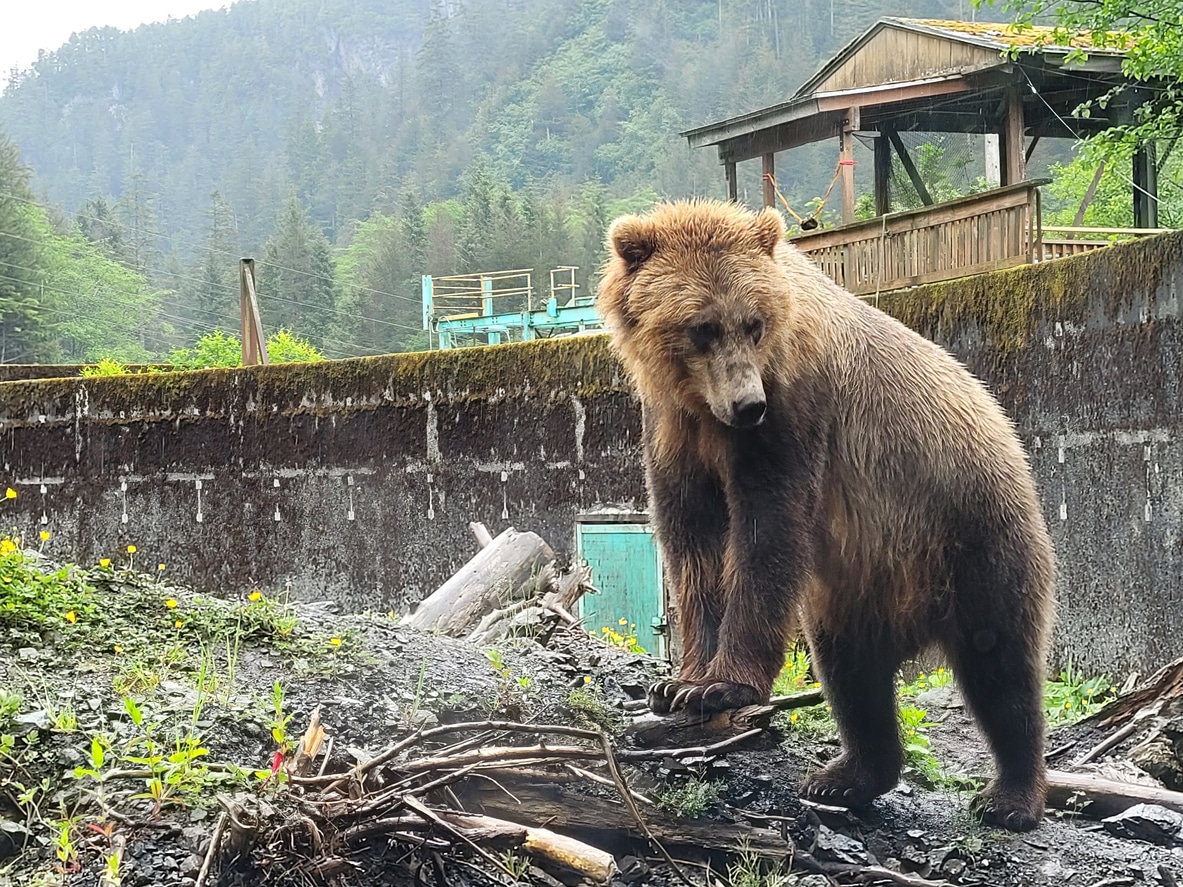
    A grizzly bear at Fortress of the Bear in Sitka, Alaska, standing in its naturalistic enclosure at this brown‑bear rescue and rehabilitation center.
    A rescued grizzly bear at Fortress of the Bear, Sitka’s well‑known brown‑bear rehabilitation center and one of the community’s most popular wildlife experiences.

    Fortress of the Bear is one of Sitka’s most memorable wildlife experiences, offering close‑up views of rescued brown and black bears in a safe, ethical, and educational setting. Located in a converted former pulp mill site, the facility provides large naturalistic enclosures where orphaned bears can live healthy, enriched lives. Visitors learn about each bear’s rescue story, Alaska’s bear populations, and the challenges of wildlife conservation in remote communities.

    For cruise travelers, Fortress of the Bear is an easy, high‑impact stop that delivers unforgettable wildlife viewing without needing a backcountry tour. It’s ideal for families, photographers, and anyone who wants to see Alaska’s iconic bears up close while supporting a meaningful mission.

    Fun Facts

    • Fortress of the Bear rescues orphaned brown and black bear cubs that cannot survive in the wild.
    • The facility is built inside huge former pulp mill clarifier tanks, repurposed into spacious bear habitats.
    • Bears here cannot be released due to state regulations, so the center provides lifelong care.
    • Each bear has a unique personality and backstory, shared during guided talks.
    • The center is home to some of the largest brown bears in North America.
    • Elevated viewing platforms allow visitors to safely observe bears from above.
    • The organization works closely with wildlife biologists and local agencies.
    • The center’s mission focuses on education, rescue, and advocacy for bear conservation.

    What to Expect During Your Visit

    Visitors stand on raised platforms overlooking the bear habitats, offering excellent views for photography and observation. Staff and volunteers share the rescue stories of each bear, explain their behaviors, and answer questions about Alaska’s bear populations.

    The bears often roam, play, swim, or interact with enrichment items, making the experience dynamic and engaging. Interpretive signs and educational displays add context, and the entire visit feels personal and meaningful. Most travelers spend 30–45 minutes here.

    Why It’s Worth Visiting

    Fortress of the Bear is perfect for travelers who want an ethical wildlife experience that supports a real conservation mission. The bears are incredible to watch, the stories are powerful, and the setting is unique. It’s a standout Sitka attraction that leaves visitors inspired and more connected to Alaska’s wildlife.

    Where It’s Located

    Fortress of the Bear is located about 5 miles southeast of downtown Sitka, near the Sawmill Cove Industrial Park.

    How to Get There From the Cruise Port

    • Excursion transport: Most wildlife and city tours include a stop here.
    • Taxi: A quick 10–12 minute ride from downtown.
    • Shuttle (occasionally seasonal): Some operators offer transport on cruise days.
    • Bike: Possible but long; the route includes industrial areas.

    Best Time to Visit

    • Morning often brings active bear behavior and fewer crowds.
    • Summer (June–August) offers the most consistent viewing and programming.
    • Rainy days are still excellent — bears remain active in all weather.
    • Fall (September) brings cooler temperatures and beautiful foliage around the site.

    Tips for Visiting

    • Bring a camera or phone — the elevated platforms offer great angles.
    • Listen to the keeper talks — the rescue stories add emotional depth.
    • Combine with the Alaska Raptor Center for a wildlife‑focused half‑day.
    • Wear layers — the viewing platforms are outdoors.
    • Check hours in advance — schedules vary by season.
    • Support the center by visiting the gift shop or making a donation.

    Common Complaints

    • The facility is smaller than some visitors expect.
    • Bears cannot be released, which may surprise travelers unfamiliar with Alaska’s regulations.
    • Crowds can gather during peak cruise times.
    • The industrial surroundings contrast with the natural habitats inside.

    Final Thoughts

    Fortress of the Bear offers one of Sitka’s most powerful and memorable wildlife experiences, blending close‑up bear viewing with meaningful conservation storytelling. It’s an easy, rewarding stop for cruise travelers and pairs perfectly with other nearby attractions. For more ideas to plan your day, explore my full guide to the top things to do in Sitka.

  • St. Michael’s Russian Orthodox Cathedral – Sitka, Alaska

    St. Michael’s Russian Orthodox Cathedral – Sitka, Alaska

    Saint Michael the Archangel Orthodox Cathedral in downtown Sitka, Alaska, shown from the exterior on a September day.
    Saint Michael the Archangel Orthodox Cathedral stands at the heart of downtown Sitka, one of the community’s most iconic Russian Orthodox landmarks.

    St. Michael’s Russian Orthodox Cathedral is one of Sitka’s most recognizable landmarks and a powerful reminder of Alaska’s Russian colonial history. With its green onion dome, white façade, and ornate interior filled with icons and gilded artwork, the cathedral stands at the heart of downtown Sitka. Originally built in the 1840s, it was the first Orthodox cathedral in North America and remains an active place of worship today.

    For cruise travelers, the cathedral is an easy, meaningful stop just steps from the shuttle drop‑off. Whether you’re interested in architecture, history, or cultural heritage, St. Michael’s offers a fascinating glimpse into Sitka’s past and its enduring Russian influence.

    Fun Facts

    • St. Michael’s was the first Russian Orthodox cathedral built in North America.
    • The original 1848 structure was destroyed by a fire in 1966, but locals saved many priceless icons and artifacts.
    • The cathedral was rebuilt in 1967, closely following the original design.
    • Its distinctive onion dome is one of Sitka’s most photographed features.
    • Many of the interior icons were created by Russian and European artists in the 18th and 19th centuries.
    • The cathedral served as the spiritual center of Russian America before the Alaska Purchase in 1867.
    • The building is still an active parish, hosting services and community events.
    • The cathedral’s collection includes rare religious artifacts rescued from the fire by a human chain of volunteers.

    What to Expect During Your Visit

    Visitors enter a small but beautifully decorated sanctuary filled with gilded icons, chandeliers, and traditional Orthodox artwork. The atmosphere is quiet and reverent, with volunteers often available to answer questions about the cathedral’s history and reconstruction.

    The interior is compact, so visits are typically brief, but the artwork and artifacts are impressive and deeply meaningful. Photography is usually allowed, though visitors are asked to be respectful. Most travelers spend 10–20 minutes here.

    Why It’s Worth Visiting

    St. Michael’s Cathedral is perfect for travelers who enjoy architecture, cultural history, or unique religious sites. It offers a striking contrast to Sitka’s natural landscapes and provides important context for the town’s Russian heritage. Because it’s located right in the center of downtown, it’s an easy and rewarding stop for any cruise‑day itinerary.

    Where It’s Located

    The cathedral sits in the heart of downtown Sitka, at the intersection of Lincoln Street and Maksoutoff Street.

    How to Get There From the Cruise Port

    • Free cruise shuttle: Drops passengers in downtown; the cathedral is a 2–3 minute walk.
    • Taxi: Not necessary.
    • Excursion transport: Many city tours include a stop or drive‑by.
    • Walk: Ideal — the cathedral is centrally located.

    Best Time to Visit

    • Morning offers soft light for exterior photos.
    • Mid‑day is busiest when multiple ships are in port.
    • Summer (June–August) provides the most open hours for visitors.
    • Rainy days are perfect for indoor attractions like this.

    Tips for Visiting

    • Be respectful — this is an active place of worship.
    • Bring a camera — the interior icons and exterior dome are beautiful.
    • Combine with a stroll along Lincoln Street for shops and cafés.
    • Check posted hours — the cathedral may close briefly for services.
    • Donations are appreciated and help support the parish.
    • Wear quiet shoes — the sanctuary is small and echoes easily.

    Common Complaints

    • The interior is smaller than many visitors expect.
    • Hours can vary, especially outside peak season.
    • Crowds may gather when multiple tours arrive at once.
    • Some artifacts are behind glass, limiting close‑up viewing.

    Final Thoughts

    St. Michael’s Russian Orthodox Cathedral is one of Sitka’s most important cultural landmarks, offering a beautiful blend of architecture, history, and spiritual heritage. Its central location and striking design make it an easy, meaningful stop for cruise travelers exploring downtown Sitka. For more ideas to plan your day, explore my full guide to the top things to do in Sitka.

  • Sitka Sound Science Center & Aquarium – Sitka, Alaska

    Sitka Sound Science Center & Aquarium – Sitka, Alaska

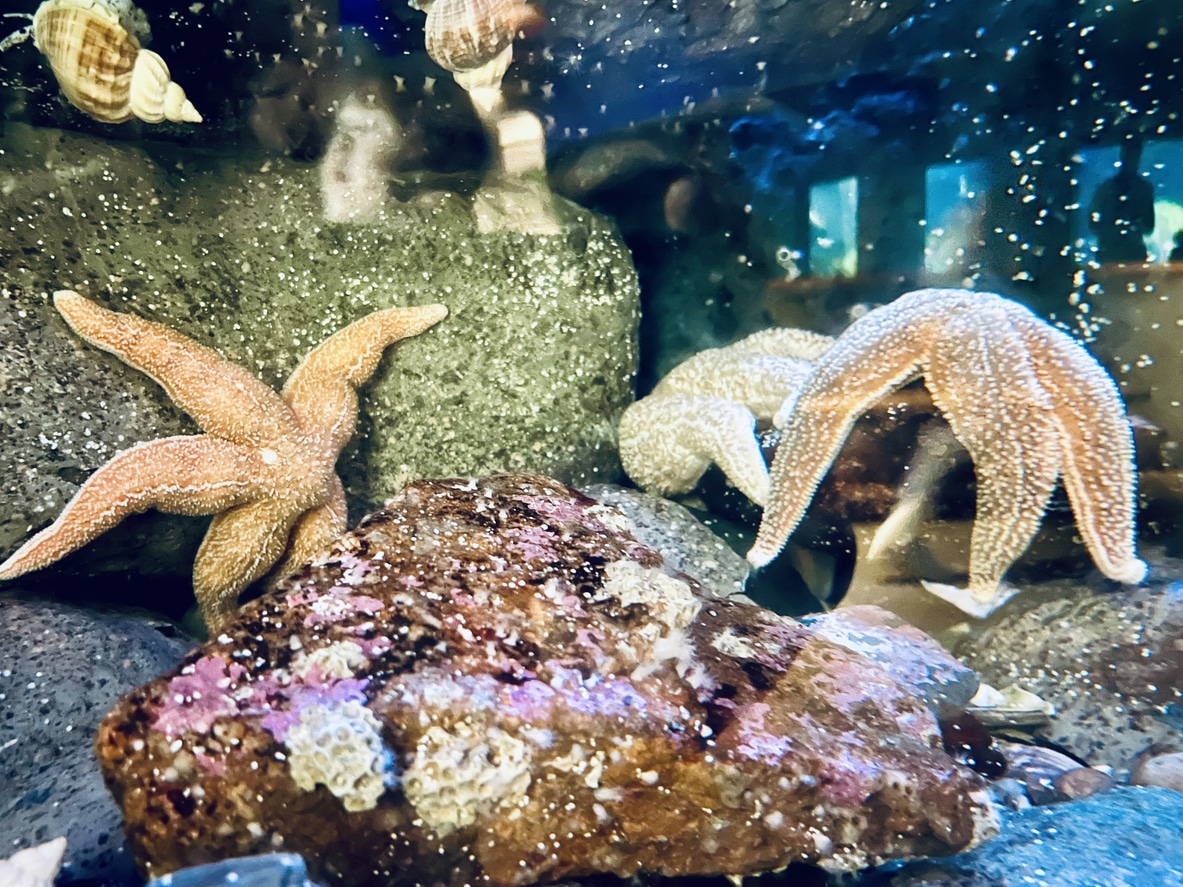
    Three colorful starfish resting in an aquarium tank with rocks and shells, similar to the touch‑tank exhibits at the Sitka Sound Science Center & Aquarium in Sitka, Alaska.
    Starfish are a favorite feature of the touch‑tank exhibits at the Sitka Sound Science Center & Aquarium, where visitors can explore Alaska’s coastal marine life up close.

    The Sitka Sound Science Center & Aquarium is one of Sitka’s most engaging and educational attractions, offering a close‑up look at Alaska’s marine life and the scientific research happening in the region. Located right on the waterfront, the center features touch tanks, interactive exhibits, and a working salmon hatchery that gives visitors a behind‑the‑scenes look at local conservation efforts. It’s a fun, hands‑on experience that appeals to families, science lovers, and anyone curious about the ocean ecosystem surrounding Sitka.

    For cruise travelers, the Science Center is an easy, high‑value stop just a short walk from the cruise shuttle drop‑off. It pairs perfectly with Sitka National Historical Park and the Raptor Center for a well‑rounded port‑day itinerary.

    Fun Facts

    • The center operates a working salmon hatchery, releasing thousands of juvenile salmon each year.
    • Touch tanks allow visitors to interact with starfish, sea cucumbers, anemones, and other intertidal species.
    • The aquarium highlights marine life found in Sitka Sound, one of the richest ecosystems in Alaska.
    • The facility partners with scientists and students from University of Alaska and other research institutions.
    • Exhibits often feature live research projects, giving visitors a peek into real marine science.
    • The building sits on the historic site of the Sheldon Jackson College hatchery.
    • The center’s mission focuses on education, research, and community outreach.
    • Seasonal programs include guided hatchery tours and special marine science demonstrations.

    What to Expect During Your Visit

    Visitors can explore a compact but engaging aquarium filled with local marine species, from colorful sea stars to sculpins and rockfish. Touch tanks are a highlight, allowing hands‑on interaction with intertidal creatures under staff supervision. Interpretive signs and friendly guides help explain each species and its role in the ecosystem.

    Outside, the salmon hatchery offers viewing windows and seasonal tours that explain the life cycle of Pacific salmon and the center’s conservation efforts. The entire experience is relaxed, educational, and perfect for all ages. Most visitors spend 30–60 minutes here.

    Why It’s Worth Visiting

    The Sitka Sound Science Center is ideal for travelers who want a fun, interactive, and educational experience that’s easy to fit into a cruise‑day schedule. It’s especially great for families, marine‑life enthusiasts, and anyone who enjoys hands‑on exhibits. The combination of aquarium displays and a working hatchery makes this a uniquely Sitka experience.

    Where It’s Located

    The center is located along the Sitka waterfront, just a short walk from Sitka National Historical Park and the cruise shuttle drop‑off area.

    How to Get There From the Cruise Port

    • Free cruise shuttle: Drops passengers in downtown; from there it’s a 10–12 minute walk along the waterfront.
    • Taxi: Quick and easy if you prefer not to walk.
    • Excursion transport: Some city tours include a stop.
    • Bike: A scenic option via Sitka’s coastal paths.

    Best Time to Visit

    • Morning offers quieter exhibits and fewer crowds.
    • Summer (June–August) provides the most programming and hatchery activity.
    • Late summer may offer views of salmon returning to the hatchery.
    • Rainy days are perfect — most exhibits are indoors.

    Tips for Visiting

    • Bring a camera — the touch tanks and marine life make great photos.
    • Ask staff about current research projects — they often share fascinating insights.
    • Combine with Sitka National Historical Park for an easy walking itinerary.
    • Wear comfortable shoes for the waterfront walk.
    • Check for seasonal hatchery tours, which add depth to the experience.
    • Great for families — kids love the touch tanks.

    Common Complaints

    • The aquarium is small — expect a compact but high‑quality experience.
    • Some exhibits rotate, so certain species may not always be on display.
    • Crowds can gather around touch tanks during peak cruise times.
    • Limited indoor space means visits are typically short.

    Final Thoughts

    The Sitka Sound Science Center & Aquarium is a fun, educational, and hands‑on attraction that showcases the marine life and scientific research that define Sitka’s coastal identity. It’s an easy, rewarding stop for cruise travelers and pairs perfectly with nearby cultural and wildlife attractions.

    For more ideas to plan your day, explore my full guide to the top things to do in Sitka.

  • Alaska Raptor Center – Sitka, Alaska

    Alaska Raptor Center – Sitka, Alaska

    A peregrine falcon with blue‑grey plumage and barred underparts at the Alaska Raptor Center in Sitka, Alaska, one of the wildlife highlights featured in our Alaska Raptor Center – Sitka, Alaska post.
    The Alaska Raptor Center in Sitka, Alaska, rehabilitates birds of prey like the peregrine falcon, a key feature of our Alaska Raptor Center – Sitka, Alaska guide.

    The Alaska Raptor Center is one of Sitka’s most inspiring attractions, dedicated to the rescue, rehabilitation, and release of injured birds of prey. Visitors can see bald eagles, owls, and other raptors up close while learning about the center’s vital conservation work. Set in a peaceful forested area just outside downtown, the facility combines education, wildlife viewing, and meaningful storytelling in a way that resonates with travelers of all ages.

    For cruise visitors, the Raptor Center is an easy, high‑impact stop that pairs perfectly with Sitka National Historical Park. It’s ideal for families, photographers, and anyone who wants to experience Alaska’s wildlife in an ethical, educational setting.

    Fun Facts

    • The Alaska Raptor Center treats 100–200 injured birds each year.
    • The facility’s Bald Eagle Flight Training Center is one of the first of its kind in North America.
    • Many birds are released back into the wild once they regain strength and flight ability.
    • Permanent resident birds serve as ambassadors, helping educate visitors about conservation.
    • The center began in 1980 with just one injured bald eagle named “Sitka.”
    • The campus includes 17 acres of forested land along the Indian River.
    • The center works closely with veterinarians and wildlife biologists across Alaska.
    • Bald eagles are the most commonly treated species, often injured by cars, power lines, or fishing gear.

    What to Expect During Your Visit

    Visitors begin in the main rehabilitation building, where staff and volunteers explain the center’s mission and introduce some of the resident birds. The highlight is the Bald Eagle Flight Training Center — a large, enclosed space where recovering eagles strengthen their wings before release.

    Outside, forested pathways lead to mews (enclosures) housing owls, hawks, and other raptors that cannot return to the wild. Interpretive signs share each bird’s story, making the experience personal and memorable. Most visitors spend 45–60 minutes here, though wildlife lovers may stay longer.

    Why It’s Worth Visiting

    The Alaska Raptor Center is perfect for travelers who want an ethical wildlife experience that supports conservation. The birds are incredible to see up close, the staff are passionate educators, and the mission is deeply meaningful. It’s a standout Sitka attraction that leaves visitors inspired and more connected to Alaska’s wildlife.

    Where It’s Located

    The center is located just east of downtown Sitka, near the Indian River and close to Sitka National Historical Park.

    How to Get There From the Cruise Port

    • Free cruise shuttle: Drops passengers in downtown; from there it’s a 5–10 minute taxi ride or a 20–25 minute walk.
    • Taxi: Quick and convenient.
    • Excursion transport: Many wildlife and city tours include the Raptor Center.
    • Bike: A scenic option via Sitka’s coastal and forested paths.

    Best Time to Visit

    • Morning offers quieter viewing and softer light for photos.
    • Summer (June–August) provides the most programming and visitor activity.
    • Rainy days are still excellent — most exhibits are covered or indoors.
    • Fall (September) brings fewer crowds and peaceful forest scenery.

    Tips for Visiting

    • Bring a camera — the birds are stunning to photograph.
    • Read each bird’s story — it adds emotional depth to the visit.
    • Combine with Sitka National Historical Park for a perfect half‑day itinerary.
    • Wear comfortable shoes for walking the forested paths.
    • Support the center by visiting the gift shop, which helps fund rehabilitation efforts.
    • Be respectful — many birds are recovering from serious injuries.

    Common Complaints

    • Some visitors expect a large zoo; this is a rehabilitation center with a focused mission.
    • Birds may be resting or quiet during certain times of day.
    • The walk from downtown can feel long for some travelers.
    • Indoor lighting can be dim for photography.

    Final Thoughts

    The Alaska Raptor Center is one of Sitka’s most meaningful and memorable attractions, offering an inspiring look at wildlife rehabilitation and conservation. With close‑up views of eagles and other raptors, passionate staff, and a peaceful forest setting, it’s a must‑visit for cruise travelers. For more ideas to plan your day, explore my full guide to the top things to do in Sitka.

  • Sitka National Historical Park – Sitka, Alaska

    Sitka National Historical Park – Sitka, Alaska

    Sitka National Historical Park on a summer day, offering coastal trails, guided tours, cultural demonstrations, and exhibits about Tlingit and Russian history in Sitka, Alaska.
    Sitka National Historical Park features coastal trails, guided programs, and cultural demonstrations that highlight both Tlingit and Russian heritage.

    Sitka National Historical Park is the most culturally significant and visually iconic attraction in Sitka. Known for its towering Tlingit and Haida totem poles, peaceful rainforest trails, and powerful historical exhibits, the park tells the story of Alaska’s Indigenous peoples and the 1804 Battle of Sitka — a defining moment in the region’s history. It’s a place where culture, nature, and history come together in a way that feels deeply authentic and uniquely Alaskan.

    For cruise travelers, this park is an easy, high‑impact stop that fits seamlessly into any port‑day itinerary. The trails are flat and accessible, the visitor center is excellent, and the totem poles offer some of the most photogenic moments in Sitka. Whether you’re interested in Native culture, quiet forest walks, or meaningful history, this is a must‑visit.

    Fun Facts

    • Sitka National Historical Park is the oldest national park site in Alaska, established in 1910.
    • The park commemorates the 1804 Battle of Sitka between the Tlingit people and Russian colonizers.
    • The totem poles along the trail include both historic originals and modern replicas carved by Tlingit and Haida artists.
    • The park sits along the Indian River, a salmon‑spawning stream that attracts eagles and bears in late summer.
    • The visitor center features a working cultural carving studio, where artists demonstrate traditional techniques.
    • Many of the totem poles were originally displayed at the 1904 Louisiana Purchase Exposition before being returned to Alaska.
    • The rainforest ecosystem includes old‑growth Sitka spruce and hemlock, moss‑covered logs, and lush understory plants.
    • The park is part of the Sitka National Historical Park–Russian Bishop’s House unit of the National Park Service.

    What to Expect During Your Visit

    Visitors can explore a network of flat, well‑maintained trails that wind through coastal rainforest and past beautifully carved totem poles. The atmosphere is peaceful and immersive, with the sound of the river, birdsong, and rustling leaves creating a serene backdrop.

    The visitor center offers excellent exhibits on Tlingit culture, the Battle of Sitka, and the history of the totem poles. Rangers and cultural demonstrators are often available to answer questions or share stories. Most visitors spend 45–90 minutes here, depending on how much time they spend on the trails and in the exhibits.

    Why It’s Worth Visiting

    Sitka National Historical Park is perfect for travelers who want a meaningful, culturally rich experience that’s also easy and scenic. The totem poles are stunning, the forest is peaceful, and the history is powerful. It’s ideal for families, photographers, culture lovers, and anyone who wants to understand Sitka on a deeper level.

    Where It’s Located

    The park is located just east of downtown Sitka, along the Indian River and within walking distance of the cruise shuttle drop‑off area.

    How to Get There From the Cruise Port

    • Free cruise shuttle: Drops passengers near downtown; from there it’s a 10–15 minute walk to the park.
    • Taxi: Quick and easy if you prefer not to walk.
    • Bike: A scenic option via Sitka’s coastal paths.
    • Excursion transport: Many cultural and city tours include the park.

    Best Time to Visit

    • Morning offers soft light and fewer crowds.
    • Summer (June–August) provides lush greenery and active cultural demonstrations.
    • Late summer may offer salmon‑spawning views along the river.
    • Fall (September) brings beautiful golden foliage.

    Tips for Visiting

    • Wear comfortable walking shoes — the trails are easy but can be damp.
    • Bring a camera — the totem poles and rainforest scenery are incredibly photogenic.
    • Stop at the visitor center for exhibits and carving demonstrations.
    • Walk the Totem Trail Loop for the full experience.
    • Combine with the Alaska Raptor Center or Sheldon Jackson Museum for a cultural half‑day.
    • Watch for wildlife — eagles are common along the river.

    Common Complaints

    • Trails can be muddy after rain.
    • Some visitors expect all totem poles to be original; many are replicas for preservation.
    • The walk from downtown may feel long for those with mobility limitations.
    • Cruise‑day crowds can gather near the visitor center.

    Final Thoughts

    Sitka National Historical Park is the cultural heart of Sitka — a peaceful, meaningful, and visually stunning place that brings together Native heritage, rainforest beauty, and powerful history. It’s an essential stop for any cruise traveler and a highlight of the entire port experience. For more ideas to plan your day, explore my full guide to the top things to do in Sitka.

  • Walk or Bike the Skagway River Trail – Skagway, Alaska

    Walk or Bike the Skagway River Trail – Skagway, Alaska

    The Skagway River flowing through the Tongass National Forest in Southeast Alaska, surrounded by forested valley walls.
    The Skagway River winds through the Tongass National Forest, creating a peaceful backdrop for walking or biking the Skagway River Trail.

    The Skagway River Trail is one of the most relaxing and scenic ways to enjoy the natural beauty surrounding Skagway. This wide, mostly flat path follows the Skagway River through a peaceful valley framed by steep mountains, offering a quiet escape from the busy cruise docks. Whether you walk or bike, the trail provides easy access to nature with plenty of space to enjoy the views, listen to the river, and spot wildlife along the way.

    For cruise travelers, the Skagway River Trail is an ideal low‑stress activity. It’s close to town, suitable for all fitness levels, and perfect for anyone who wants fresh air and scenery without committing to a strenuous hike. It’s also a great option for families, runners, and travelers looking to stretch their legs between excursions.

    Fun Facts

    • The trail follows the Skagway River, a glacier‑fed waterway that flows from the mountains into the harbor.
    • The path is part of a larger network of local walking and biking trails around Skagway.
    • The river valley is a natural corridor for eagles, porcupines, and mountain goats on nearby cliffs.
    • The trail offers views of the White Pass & Yukon Route Railway as it climbs into the mountains.
    • The area was once used by stampeders traveling toward the White Pass Trail during the Gold Rush.
    • The trail is popular with locals for morning runs and evening walks.
    • Bikes can be rented in downtown Skagway for easy access to the trail.
    • The river’s color changes with the seasons due to glacial silt and snowmelt.

    What to Expect During Your Visit

    The Skagway River Trail begins just outside downtown and quickly leads into a quiet, scenic valley. The path is wide, well‑maintained, and mostly flat, making it suitable for walkers, bikers, and families. You’ll follow the river as it winds through the valley, with mountains rising dramatically on both sides.

    Along the way, you’ll find viewpoints, benches, and spots where you can walk down to the riverbank. The trail is peaceful and uncrowded compared to downtown, offering a welcome break from the bustle of cruise‑day activity. Most visitors spend 30–60 minutes here, depending on how far they go.

    Why It’s Worth Visiting

    This trail is perfect for travelers who want a simple, scenic outdoor experience without steep climbs or long distances. It’s ideal for photography, wildlife spotting, or just enjoying the sound of the river. Because it’s so close to town, it’s easy to fit into any port‑day schedule — before an excursion, after lunch, or as a relaxing end to the day.

    Where It’s Located

    The trail begins just north of downtown Skagway, near the intersection of 2nd Avenue and the Skagway River bridge.

    How to Get There From the Cruise Port

    • Walk: 10–15 minutes from most cruise berths
    • Bike: 5 minutes from downtown (rentals available)
    • Taxi: Not necessary
    • Excursion transport: Not typically included, as this is an independent activity

    Best Time to Visit

    • Morning offers cool temperatures and soft light.
    • Afternoon brings warmer weather and more activity along the river.
    • Summer (June–August) provides the best trail conditions.
    • Fall (September) offers beautiful foliage and crisp air.

    Tips for Visiting

    • Wear comfortable walking shoes — the trail is easy but can be gravelly.
    • Bring water, especially if biking.
    • Keep an eye out for eagles perched along the river.
    • Rent a bike in town if you want to explore more of the trail network.
    • Combine with a visit to Historic Downtown Skagway for a balanced day.
    • Stay aware of your surroundings — this is bear country, though sightings are rare.

    Common Complaints

    • The trail may feel less dramatic than Skagway’s mountain hikes.
    • Gravel sections can be dusty on dry days.
    • Limited shade in some areas.
    • Bikes may share the path, so walkers should stay to one side.

    Final Thoughts

    Walking or biking the Skagway River Trail is one of the easiest and most peaceful ways to enjoy Skagway’s natural beauty. With river views, mountain scenery, and a quiet atmosphere just minutes from downtown, it’s a perfect low‑effort addition to any cruise‑day itinerary. For more ideas to plan your day, explore my full guide to the top things to do in Skagway.

  • Dog Sledding or Musher Camp Tour – Skagway, Alaska

    Dog Sledding or Musher Camp Tour – Skagway, Alaska

    Two sled dogs panting in the summer heat at a musher camp in Skagway, Alaska.
    Sled dogs relax and cool off in the summer heat at one of Skagway’s musher camps, where visitors learn about mushing and meet the hardworking huskies.

    Dog sledding and musher camp tours are among the most thrilling and memorable experiences you can have in Skagway. Whether you choose a helicopter‑supported glacier dog sledding adventure or a wheeled summer sled ride at a musher camp, both options offer an up‑close look at Alaska’s most iconic sport. Visitors meet professional mushers, interact with friendly sled dogs, and learn how teams train for long‑distance races like the Iditarod and Yukon Quest.

    For cruise travelers, these tours are easy to book, family‑friendly, and packed with unforgettable moments. From helicopter views over snow‑covered peaks to cuddling energetic puppies at the camp, this is one of the most joyful and immersive excursions in Skagway.

    Fun Facts

    • Dog sledding is Alaska’s official state sport.
    • Many mushers in Skagway have competed in the Iditarod or Yukon Quest.
    • Glacier dog sledding takes place on the Denver Glacier, accessible only by helicopter.
    • Summer camps use wheeled sleds, allowing visitors to experience mushing even without snow.
    • Sled dogs can run up to 20 mph and are bred for endurance, not size.
    • Puppies begin socialization early to prepare for future racing teams.
    • A typical sled team includes 8–12 dogs, each with a specific role.
    • The musher camps are set in beautiful forested areas with mountain views.

    What to Expect During Your Visit

    Your experience depends on the tour type:

    Glacier Dog Sledding (Helicopter + Snow Sled)

    You’ll begin with a scenic helicopter flight over Skagway’s mountains and glaciers before landing on a snowy plateau. Professional mushers greet you, introduce the dogs, and take you on a thrilling sled ride across the glacier. The setting is surreal — wide‑open snowfields, crisp mountain air, and panoramic views in every direction.

    Musher Camp (Wheeled Sled Ride + Kennel Tour)

    This land‑based tour takes place in a forested camp outside Skagway. You’ll meet the dogs, learn about training, and enjoy a fast, fun ride on a wheeled sled pulled by an enthusiastic team. Afterward, you can tour the kennels, ask questions, and often cuddle with puppies — a highlight for many visitors.

    Both versions include time with the dogs and mushers, making the experience personal, educational, and full of energy.

    Why It’s Worth Visiting

    Dog sledding is perfect for travelers who want a hands‑on, high‑impact adventure that feels uniquely Alaskan. The dogs are friendly and excited to run, the mushers are passionate storytellers, and the scenery is spectacular. Whether you choose the glacier or the musher camp, this is an experience your readers will remember long after their cruise.

    Where It’s Located

    • Glacier tours depart from the Skagway heliport and land on the Denver Glacier.
    • Musher camp tours take place in a forested area just outside Skagway, accessible by shuttle or tour bus.

    How to Get There From the Cruise Port

    • Helicopter tours: Shuttle pickup at the cruise dock.
    • Musher camp tours: Transportation included with most excursions.
    • Independent travel: Not typical, as both experiences require guided access.

    Best Time to Visit

    • May–August for musher camp tours with wheeled sleds.
    • Late May–early August for glacier dog sledding (weather permitting).
    • Morning flights often offer the best visibility for helicopter tours.
    • Early summer brings the most energetic puppies at the camps.

    Tips for Visiting

    • Dress in layers — even summer glacier tours can feel chilly.
    • Bring a camera — dog photos and glacier views are irresistible.
    • Book early — dog sledding is one of Skagway’s most popular excursions.
    • Wear closed‑toe shoes for comfort and safety.
    • Ask mushers about their racing experiences — the stories are incredible.
    • If you’re prone to motion sickness, sit near the front of the wheeled sled.

    Common Complaints

    • Glacier tours may be canceled due to weather or visibility.
    • Dog sledding is one of the most expensive excursions in Skagway.
    • Wheeled sled rides are short — the focus is on the dogs and the camp experience.
    • Camps can feel busy when multiple groups arrive at once.

    Final Thoughts

    Dog sledding or visiting a musher camp is one of the most joyful, immersive, and uniquely Alaskan experiences you can have in Skagway. Whether you’re gliding across a glacier or racing through the forest on a wheeled sled, the combination of scenery, storytelling, and time with the dogs makes this a standout port‑day adventure. For more ideas to plan your day, explore my full guide to the top things to do in Skagway.

  • Gold Rush Cemetery & Reid Falls – Skagway, Alaska

    Gold Rush Cemetery & Reid Falls – Skagway, Alaska

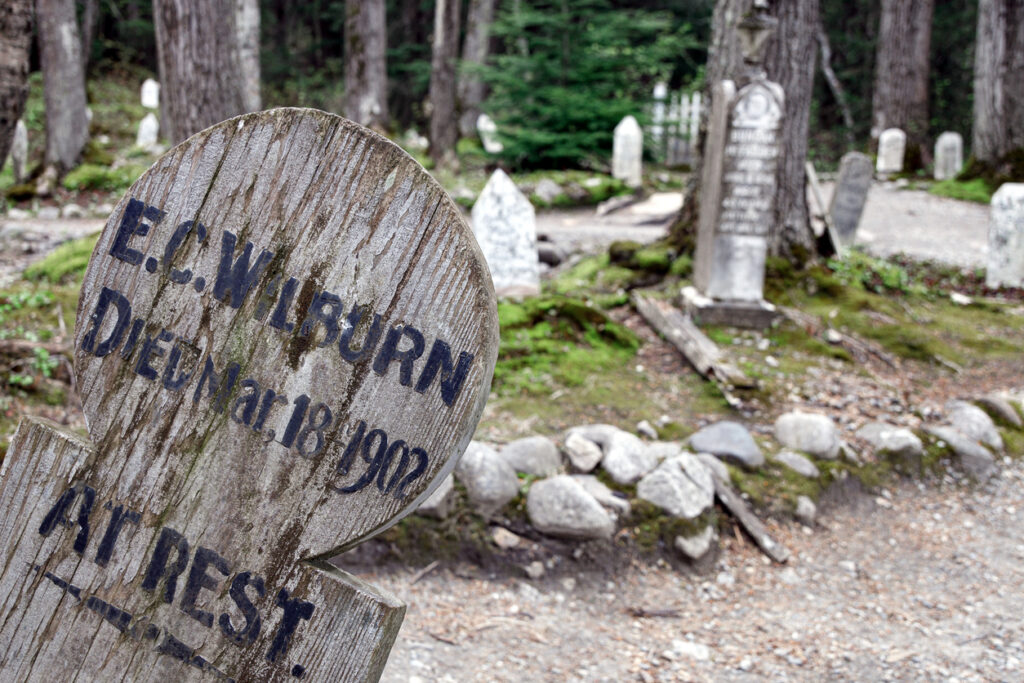
    Weathered wooden grave markers in Skagway’s historic Gold Rush Cemetery, the town’s oldest burial ground dating back to the late 1800s.
    The Gold Rush Cemetery is Skagway’s oldest burial ground, where many well‑known figures from the late‑1800s Gold Rush era are laid to rest beneath weathered wooden markers.

    The Gold Rush Cemetery & Reid Falls is one of Skagway’s most fascinating and peaceful attractions, combining dramatic Klondike history with a short, scenic nature walk. The cemetery is the final resting place of many notable Gold Rush figures — including the infamous con man Soapy Smith and the town hero Frank Reid — whose deadly feud shaped Skagway’s early days. Just beyond the cemetery, a gentle forest trail leads to Reid Falls, a beautiful cascading waterfall tucked into the mountainside.

    For cruise travelers, this is an easy, low‑effort outing that delivers both history and scenery. It’s a great way to step away from the busy downtown area and experience a quieter side of Skagway.

    Fun Facts

    • The cemetery dates back to the late 1890s, during the height of the Klondike Gold Rush.
    • It contains the graves of Jefferson “Soapy” Smith, Skagway’s most notorious outlaw, and Frank Reid, the man who shot him.
    • Their deadly shootout on July 8, 1898, is one of the most famous events in Skagway’s history.
    • Many headstones belong to stampeders who died from accidents, illness, or harsh conditions.
    • The trail to Reid Falls is short and shaded, following a peaceful forest path.
    • Reid Falls is named after Frank Reid, who died from injuries sustained in the shootout.
    • The waterfall is especially beautiful in early summer when snowmelt increases the flow.
    • The area is popular with photographers thanks to its mossy forest, historic headstones, and dramatic waterfall backdrop.

    What to Expect During Your Visit

    Visitors begin at the Gold Rush Cemetery, where interpretive signs share stories of the people buried there. The headstones are rustic and atmospheric, set among tall trees and mountain views. After exploring the cemetery, a short, easy trail leads to Reid Falls — a tall, elegant waterfall cascading down a rocky cliff surrounded by lush greenery.

    The entire experience is quiet, reflective, and scenic. Most visitors spend 30–45 minutes here, depending on how long they linger at the waterfall or read the historical markers.

    Why It’s Worth Visiting

    This attraction is perfect for travelers who enjoy history, nature, and peaceful walking paths. The combination of Gold Rush storytelling and a beautiful waterfall makes it a memorable stop that feels different from Skagway’s busier downtown attractions. It’s ideal for families, photographers, and anyone who wants a calm, meaningful outing.

    Where It’s Located

    The Gold Rush Cemetery is located about 1.5 miles north of downtown Skagway, along the road toward the White Pass summit.

    How to Get There From the Cruise Port

    • Shuttle or tour bus: Included in many Skagway city tours.
    • Taxi: A quick 5‑minute ride.
    • Walk: Possible but long (about 30–40 minutes each way).
    • Bike: A great option via the paved path out of town.

    Best Time to Visit

    • Morning offers soft light and fewer visitors.
    • Summer (June–August) provides the best trail conditions and strongest waterfall flow.
    • Early season (May–June) may have muddy patches but offers dramatic greenery.
    • Fall (September) brings beautiful foliage around the cemetery.

    Tips for Visiting

    • Wear comfortable shoes — the trail to the falls is easy but can be damp.
    • Bring a camera — Reid Falls is one of Skagway’s prettiest natural spots.
    • Read the interpretive signs to understand the stories behind the headstones.
    • Combine with a Skagway city tour or a visit to Historic Downtown.
    • Be respectful — this is an active historic cemetery.
    • Watch for slippery rocks near the waterfall.

    Common Complaints

    • The walk from town is longer than expected.
    • The cemetery can feel crowded when multiple tours arrive at once.
    • Some headstones are weathered and difficult to read.
    • The trail may be muddy after rain.

    Final Thoughts

    The Gold Rush Cemetery & Reid Falls offers a meaningful blend of history and natural beauty, making it one of Skagway’s most peaceful and memorable attractions. It’s an easy, rewarding stop that adds depth and scenery to any cruise‑day itinerary. For more ideas to plan your day, explore my full guide to the top things to do in Skagway.

  • Red Onion Saloon & Brothel Museum – Skagway, Alaska

    Red Onion Saloon & Brothel Museum – Skagway, Alaska

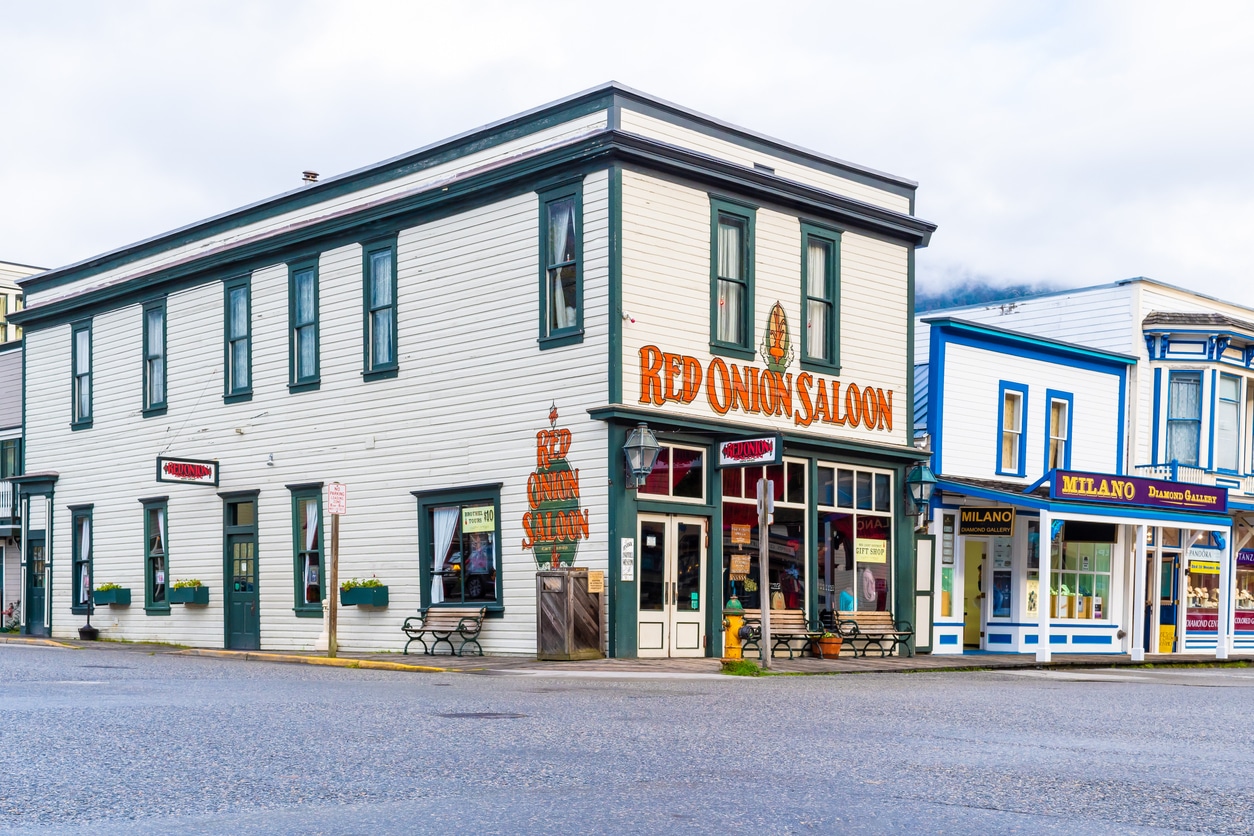
    The historic Red Onion Saloon in Skagway, Alaska, a former Gold Rush–era brothel now operating as a bar and museum popular with cruise visitors.
    The Red Onion Saloon is one of Skagway’s most iconic landmarks, blending its Gold Rush brothel history with a lively modern bar and museum experience.

    The Red Onion Saloon & Brothel Museum is one of Skagway’s most colorful and entertaining historic attractions. Once a bustling Gold Rush saloon and upstairs brothel, the building now serves as a lively restaurant, bar, and museum that celebrates the town’s wilder side. With costumed guides, preserved rooms, and humorous storytelling, the Red Onion offers a fun, lighthearted look at life during the Klondike era.

    For cruise travelers, this is an easy, walkable stop right in the heart of downtown. Whether you’re grabbing lunch, enjoying a drink, or joining the brothel tour, the Red Onion delivers a memorable mix of history and entertainment — perfect for travelers who enjoy quirky, character‑driven experiences.

    Fun Facts

    • The Red Onion opened in 1898 during the height of the Klondike Gold Rush.
    • The upstairs brothel once employed ten “working girls,” each represented by a doll placed in the bar to show availability.
    • The building is one of the best‑preserved Gold Rush saloons in Skagway.
    • Costumed guides lead tours as “madams,” sharing humorous and historically grounded stories.
    • The brothel rooms upstairs remain authentically furnished, offering a glimpse into frontier life.
    • The saloon’s bar is original and was shipped around Cape Horn to reach Alaska.
    • The Red Onion is rumored to have ghostly activity, adding to its local lore.
    • Today, it’s both a museum and a popular spot for food, drinks, and lively atmosphere.

    What to Expect During Your Visit

    Visitors can enjoy the bustling downstairs saloon, which serves food, drinks, and local brews in a lively Gold Rush–themed setting. The real highlight, however, is the guided brothel tour upstairs. Costumed “madams” lead guests through the preserved rooms, sharing stories about the women who worked there, the realities of frontier brothels, and the colorful characters who passed through Skagway.

    The tour is humorous, engaging, and historically informative — never graphic, always playful. Most visitors spend 30–60 minutes here, depending on whether they dine, drink, or take the tour.

    Why It’s Worth Visiting

    The Red Onion Saloon & Brothel Museum is perfect for travelers who enjoy history with personality. It’s fun, memorable, and offers a unique perspective on Skagway’s Gold Rush past. The combination of preserved rooms, costumed guides, and lively saloon atmosphere makes this one of the most entertaining stops in town.

    Where It’s Located

    The Red Onion is located on Broadway Street in downtown Skagway, just a short walk from the cruise docks.

    How to Get There From the Cruise Port

    • Walk: 3–7 minutes from most cruise berths
    • Taxi: Not necessary
    • Excursion transport: Some city tours include a stop, but most visitors walk independently

    Best Time to Visit

    • Mid‑morning to afternoon offers the most tour availability.
    • Lunch hours can be busy when multiple ships are in port.
    • Late afternoon is great for drinks and a lively atmosphere.
    • Summer provides the full schedule of tours and performances.

    Tips for Visiting

    • Book the brothel tour early on busy cruise days.
    • Bring a camera — the upstairs rooms are full of quirky details.
    • Expect humor — the tour is playful but historically grounded.
    • Enjoy a drink or meal downstairs for the full experience.
    • Combine with Historic Downtown Skagway for an easy walking itinerary.
    • Check hours in advance — schedules vary by season.

    Common Complaints

    • Tours can sell out quickly on busy days.
    • The saloon can feel crowded during lunch or peak cruise times.
    • Some visitors expect a larger museum; the upstairs area is compact.
    • The humor may feel theatrical to travelers seeking a purely serious history experience.

    Final Thoughts

    The Red Onion Saloon & Brothel Museum is one of Skagway’s most entertaining and memorable attractions, blending Gold Rush history with humor, personality, and preserved frontier charm. It’s an easy, walkable stop that adds fun and flavor to any Skagway itinerary. For more ideas to plan your day, explore my full guide to the top things to do in Skagway.

  • Jewell Gardens & Glassblowing Studio – Skagway, Alaska

    Jewell Gardens & Glassblowing Studio – Skagway, Alaska

    Molten glass glowing on the end of a rod during a glassblowing demonstration, shown in a close-up macro view.
    A close-up look at molten glass being shaped on the end of a rod — one of the highlights of the glassblowing demonstrations at Jewell Gardens in Skagway.

    Jewell Gardens & Glassblowing Studio is one of Skagway’s most delightful hidden gems, offering a peaceful escape filled with vibrant flowers, organic vegetable gardens, whimsical glass art, and hands‑on creative experiences. Set along the banks of the Skagway River, this garden oasis feels worlds away from the busy cruise docks, yet it’s just a short ride from downtown. Visitors can stroll through beautifully maintained gardens, watch live glassblowing demonstrations, or even create their own glass souvenir.

    For cruise travelers, Jewell Gardens is a relaxing, low‑effort attraction that pairs perfectly with a morning excursion or a leisurely afternoon. It’s ideal for travelers who enjoy gardens, art, photography, or simply a quiet break surrounded by color and creativity.

    Fun Facts

    • Jewell Gardens sits on land once used by Skagway’s early vegetable farmers during the Gold Rush.
    • The gardens are certified organic, with vegetables grown for local restaurants and their own tea service.
    • The on‑site glass studio is inspired by Louis Comfort Tiffany and features vibrant, hand‑blown pieces.
    • Visitors can participate in a hands‑on glassblowing experience, creating ornaments or small glass art.
    • The gardens include whimsical glass sculptures tucked among the flowers.
    • The site is home to one of the northernmost glass studios in North America.
    • Many of the flowers are chosen specifically to thrive in Skagway’s long summer daylight.
    • The gardens overlook the Skagway River, adding a peaceful natural backdrop.

    What to Expect During Your Visit

    Visitors can wander through colorful flower beds, vegetable plots, and greenhouse spaces, all arranged in a charming, walkable layout. Interpretive signs explain the history of the gardens and the plants grown there. The glassblowing studio is a highlight — you can watch artists at work or join a guided session to create your own piece.

    The atmosphere is calm and welcoming, with plenty of benches, photo spots, and shaded areas. Many visitors enjoy browsing the gift shop, which features locally made glass art and garden‑inspired souvenirs. The entire experience typically takes 45–90 minutes, depending on whether you participate in a glassblowing session.

    Why It’s Worth Visiting

    Jewell Gardens is perfect for travelers who want a peaceful, creative break from Skagway’s busier attractions. The gardens are beautiful, the glass art is fascinating, and the hands‑on experience is a memorable way to bring home a unique souvenir. It’s ideal for families, couples, photographers, and anyone who enjoys art and nature.

    Where It’s Located

    Jewell Gardens is located just north of downtown Skagway, along the Skagway River.

    How to Get There From the Cruise Port

    • Shuttle or tour bus: Many excursions include transportation.
    • Taxi: A quick 5‑minute ride.
    • Walk: Possible but long (about 25–30 minutes).
    • Bike: A scenic and easy option via the paved path.

    Best Time to Visit

    • Mid‑summer (June–August) offers peak blooms and the most vibrant colors.
    • Morning visits provide soft light for photography.
    • Early season (May–June) features fresh spring growth.
    • Fall (September) brings cooler temperatures and late‑season flowers.

    Tips for Visiting

    • Bring a camera — the gardens are full of color and detail.
    • Book the glassblowing experience early; spots can fill quickly.
    • Wear comfortable shoes for walking the garden paths.
    • Visit the gift shop for unique, locally made glass art.
    • Combine with a stroll along the Skagway River for extra scenery.
    • Check hours in advance — the gardens are seasonal.

    Common Complaints

    • The attraction may feel small to visitors expecting a large botanical garden.
    • Glassblowing sessions can sell out on busy cruise days.
    • Weather can be chilly or rainy, though much of the garden remains enjoyable.
    • Some visitors wish for more indoor exhibits.

    Final Thoughts

    Jewell Gardens & Glassblowing Studio is one of Skagway’s most charming and peaceful attractions, offering a colorful blend of gardens, art, and hands‑on creativity. It’s a relaxing, memorable stop that adds variety and beauty to any Skagway itinerary. For more ideas to plan your day, explore my full guide to the top things to do in Skagway.

  • Lower Dewey Lake Trail – Skagway, Alaska

    Lower Dewey Lake Trail – Skagway, Alaska

    Mushrooms growing on the forest floor along the Lower Dewey Lake Trail in Skagway, Alaska’s temperate rainforest.
    Mushrooms thrive in the lush temperate rainforest surrounding the Lower Dewey Lake Trail, one of Skagway’s most peaceful nature walks.

    The Lower Dewey Lake Trail is one of Skagway’s most popular and accessible hikes, offering a peaceful forest walk that leads to a stunning alpine lake just above town. Despite its close proximity to the cruise docks, the trail feels surprisingly wild, with moss‑covered trees, quiet shoreline views, and the chance to spot wildlife along the way. It’s the perfect choice for travelers who want a rewarding hike without committing to a full‑day adventure.

    For cruise visitors, Lower Dewey Lake is an ideal port‑day activity. The trailhead is just minutes from downtown, the hike is manageable for most fitness levels, and the lake views are absolutely worth the climb. Whether you’re looking for a quick nature break or a longer loop around the lake, this trail delivers.

    Fun Facts

    • The trail climbs about 500 feet in a short distance, giving it a steep but quick ascent.
    • Lower Dewey Lake is fed by mountain streams and surrounded by dense coastal forest.
    • The lake sits just above Skagway, offering a peaceful escape from the busy port area.
    • The trail connects to several other routes, including the Dewey Lake Loop and Icy Lake Trail.
    • The area was once used for hydroelectric power, and remnants of old infrastructure can still be found.
    • The lake is known for its mirror‑like reflections on calm days.
    • Wildlife sightings may include bald eagles, porcupines, and mountain goats on nearby cliffs.
    • The trail is popular with locals for quick after‑work hikes.

    What to Expect During Your Visit

    The hike begins with a steep but short climb through lush forest, with switchbacks that help ease the elevation gain. Once you reach the top, the trail levels out and leads to the shoreline of Lower Dewey Lake, where you’ll find quiet coves, rocky outcrops, and beautiful views across the water. The lake is long and narrow, framed by steep mountains that create a dramatic backdrop.

    Most visitors walk to the lake and explore the shoreline before returning the same way. More adventurous hikers can continue around the lake or connect to other trails. Expect a mix of dirt paths, roots, and rocks, but nothing technical. The entire experience typically takes 1–2 hours, depending on how far you explore.

    Why It’s Worth Visiting

    Lower Dewey Lake is perfect for travelers who want a scenic, moderately challenging hike close to town. The views are beautiful, the forest is peaceful, and the sense of accomplishment is real once you reach the lake. It’s ideal for active travelers, photographers, and anyone who wants a break from the busy downtown area.

    Where It’s Located

    The trailhead is located just east of downtown Skagway, near 2nd Avenue and Spring Street, within easy walking distance of the cruise docks.

    How to Get There From the Cruise Port

    • Walk: 5–10 minutes to the trailhead
    • Taxi: Not necessary
    • Excursion transport: Rarely included, as this is an independent hike

    Best Time to Visit

    • Summer (June–August) offers the best trail conditions.
    • Morning hikes provide cooler temperatures and fewer crowds.
    • Late spring may have muddy or snowy patches early in the season.
    • Fall (September) brings beautiful foliage around the lake.

    Tips for Visiting

    • Wear sturdy shoes—the initial climb is steep and can be slippery.
    • Bring water, especially on warm days.
    • Take your time on the ascent; it’s short but intense.
    • Explore the shoreline for the best photo spots.
    • If you want a longer adventure, continue on the Dewey Lake Loop.
    • Keep an eye out for wildlife and stay aware of your surroundings.

    Common Complaints

    • The initial climb is steeper than expected.
    • Trails can be muddy after rain.
    • Mosquitoes may be present in early summer.
    • Limited signage beyond the main lake viewpoint.

    Final Thoughts

    Lower Dewey Lake Trail is one of Skagway’s best short hikes, offering big scenery with minimal time commitment. The combination of forest, mountain views, and a peaceful alpine lake makes it a rewarding escape just minutes from the cruise docks. For more ideas to plan your day, explore my full guide to the top things to do in Skagway.

  • Klondike Gold Rush National Historical Park – Skagway, Alaska

    Klondike Gold Rush National Historical Park – Skagway, Alaska

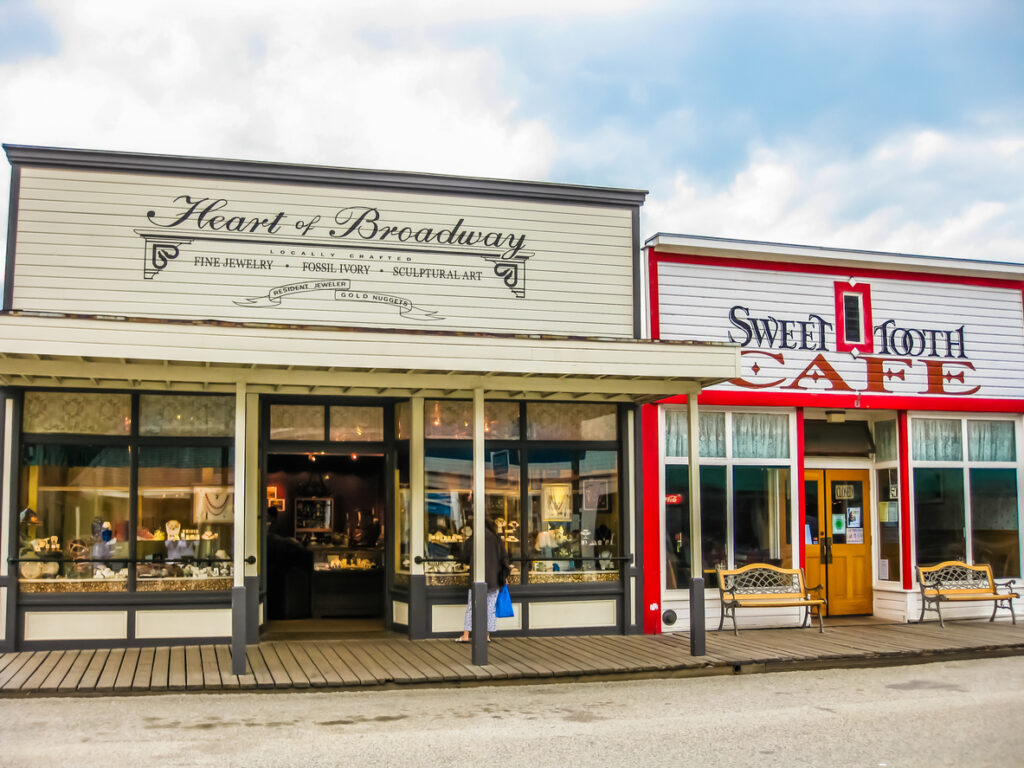
    Historic buildings in Klondike Gold Rush National Historical Park in Skagway, Alaska, with restored Gold Rush–era architecture alongside modern structures.
    Klondike Gold Rush National Historical Park preserves Skagway’s Gold Rush–era streetscape, where historic buildings stand alongside modern structures to tell the story of the town’s past.

    Klondike Gold Rush National Historical Park preserves the stories, buildings, and landscapes that defined one of the most dramatic events in North American history. When gold was discovered in the Yukon in 1896, tens of thousands of stampeders poured into Skagway, transforming it from a quiet valley into a booming frontier town almost overnight. Today, the National Park Service protects key historic buildings, trails, and artifacts that help visitors understand the hardships, hopes, and chaos of the Gold Rush era.

    For cruise travelers, this park is one of the easiest and most enriching attractions in Skagway. The visitor center, museums, and historic buildings are all located right in the downtown district, making it simple to explore before or after excursions. Whether you join a ranger‑led tour, browse the exhibits, or walk the historic streets, the park offers a meaningful look at the people and events that shaped Skagway’s past.

    Fun Facts

    • The park preserves over 20 historic buildings in downtown Skagway.
    • It is paired with a sister site in Seattle, where many stampeders began their journey north.
    • The Gold Rush brought more than 100,000 stampeders through Skagway between 1897 and 1899.
    • The park includes the Chilkoot Trail, the famous route used by stampeders heading to the Yukon.
    • The Arctic Brotherhood Hall, one of the most photographed buildings in Alaska, is part of the park’s collection.
    • Rangers offer free walking tours throughout the summer.
    • Many exhibits feature original artifacts donated by families of stampeders.
    • The park’s visitor center is housed in the historic White Pass & Yukon Route Depot.

    What to Expect During Your Visit

    Visitors can explore a series of restored buildings, museums, and interpretive exhibits located throughout downtown Skagway. The National Park Service Visitor Center offers maps, exhibits, and ranger programs that introduce the history of the Klondike Gold Rush. Nearby, the Mascot Saloon Museum, Jeff. Smiths Parlor Museum, and other historic buildings provide a deeper look at daily life, crime, and commerce during the boom years.

    Ranger‑led walking tours are a highlight, guiding visitors through the historic district while sharing stories of stampeders, con artists, and the challenges of frontier life. Most travelers spend 45–90 minutes exploring the park’s exhibits, though history lovers may spend much longer.

    Why It’s Worth Visiting

    Klondike Gold Rush National Historical Park is perfect for travelers who want to understand the real stories behind Skagway’s Gold Rush past. It’s educational, atmospheric, and incredibly easy to explore. The park adds depth to everything else you’ll see in Skagway — from the White Pass Railway to the historic downtown district — making it a must‑visit for anyone interested in history or culture.

    Where It’s Located

    The park’s main visitor center and historic buildings are located along Broadway Street in downtown Skagway, just steps from the cruise docks.

    How to Get There From the Cruise Port

    • Walk: 1–5 minutes from most cruise berths
    • Taxi: Not necessary
    • Excursion transport: Often passes through the district

    Best Time to Visit

    • Summer (May–September) offers the most ranger programs and open buildings.
    • Morning visits are quieter and offer better photography light.
    • Rainy days are perfect for indoor exhibits.
    • Late afternoon brings softer light on the historic buildings.

    Tips for Visiting

    • Stop at the NPS Visitor Center first for maps and tour times.
    • Join a free ranger‑led walking tour — they’re excellent.
    • Wear comfortable shoes for walking on boardwalks and uneven surfaces.
    • Visit the Mascot Saloon Museum for a look at frontier life.
    • Combine with Historic Downtown Skagway for a seamless experience.
    • Bring a light jacket — Skagway’s weather changes quickly.

    Common Complaints

    • Some buildings have limited hours outside peak season.
    • Ranger tours can fill quickly on busy cruise days.
    • The district can feel crowded when multiple ships are in port.
    • Visitors expecting a large museum may be surprised by the distributed layout.

    Final Thoughts

    Klondike Gold Rush National Historical Park is the heart of Skagway’s history, offering beautifully preserved buildings, engaging exhibits, and powerful stories from the Gold Rush era. It’s an easy, enriching stop that fits perfectly into any cruise‑day itinerary. For more ideas to plan your day, explore my full guide to the top things to do in Skagway.

error: Content is protected !!