Category: Alaska

Alaska cruises take travelers through towering glaciers, rugged mountains, and untouched wilderness. Ships glide past icy landscapes, blending natural beauty with thrilling exploration.

Popular ports include Juneau, Skagway, Ketchikan, and Glacier Bay, where visitors can admire fjords, spot humpback whales, or embark on dog sledding and glacier trekking adventures. Rich Indigenous culture, historic gold rush towns, and breathtaking wildlife encounters add depth to the journey.

Perfect for nature lovers and adventure seekers, Alaska cruises deliver unforgettable sights and experiences.

  • Alaska Chilkat Bald Eagle Preserve – Haines, Alaska

    Alaska Chilkat Bald Eagle Preserve – Haines, Alaska

    Bald eagle flying low over the water with wings fully spread, captured head‑on in the Chilkat Bald Eagle Preserve near Haines, Alaska.
    Bald eagle flying low over the water with wings fully spread, captured head‑on in the Chilkat Bald Eagle Preserve near Haines, Alaska.

    The Alaska Chilkat Bald Eagle Preserve is one of the most extraordinary wildlife areas in North America. Spanning 48,000 acres of river valleys, forests, and wetlands, this protected habitat is home to the largest concentration of bald eagles in the world. The Chilkat River’s unique warm‑water upwelling keeps salmon available late into the season, drawing hundreds of eagles to feed, nest, and soar above the valley.

    For cruise travelers, the preserve offers breathtaking scenery, abundant wildlife, and a peaceful, untouched landscape just minutes from downtown Haines.

    Fun Facts

    • The preserve protects 48,000 acres of critical eagle habitat.
    • It’s home to hundreds of bald eagles year‑round, with thousands gathering in late fall.
    • The Chilkat River’s warm upwelling creates a late salmon run, sustaining eagles longer than anywhere else in Alaska.
    • The area also supports brown bears, moose, wolves, and trumpeter swans.
    • The preserve was established in 1982 to protect the eagle population and salmon habitat.
    • The annual Bald Eagle Festival in November draws photographers from around the world.
    • The scenic Haines Highway runs directly through the preserve, offering easy access to viewpoints.
    • The Chilkat Valley is one of the most photographed landscapes in Southeast Alaska.

    What to Expect During Your Visit

    Visitors can explore the preserve by vehicle, guided tour, or short walks along the river. The landscape is wide‑open and dramatic, with towering mountains, braided river channels, and eagles perched in cottonwood trees or soaring overhead.

    Interpretive signs explain the ecology of the valley, and pullouts along the highway make it easy to stop for photos. Wildlife sightings vary by season, but eagles are present year‑round.

    Most travelers spend 45–90 minutes exploring the preserve.

    Why It’s Worth Visiting

    The Alaska Chilkat Bald Eagle Preserve is perfect for travelers who love wildlife, photography, and dramatic natural scenery. It’s peaceful, accessible, and offers some of the best eagle viewing anywhere in Alaska.

    Where It’s Located

    The preserve stretches along the Chilkat River Valley, beginning just north of Haines and extending along the Haines Highway.

    How to Get There From the Cruise Port

    • Shuttle or tour: Many excursions include transportation and guided narration.
    • Taxi: Quick and easy for independent exploration.
    • Car rental: Ideal if you want to stop at multiple viewpoints.
    • Bike: Possible but long — best for experienced cyclists.

    Best Time to Visit

    • Summer (June–August): Eagles are present and the scenery is lush.
    • Fall (October–November): Peak eagle season with thousands gathering.
    • Morning offers soft light and active wildlife.
    • Clear days provide the best mountain views.

    Tips for Visiting

    • Bring binoculars or a zoom lens for eagle viewing.
    • Stop at multiple pullouts — each offers different angles of the valley.
    • Wear layers — the river valley can be breezy.
    • Combine with a visit to the American Bald Eagle Foundation in downtown Haines.
    • Keep a respectful distance from wildlife and stay on designated paths.

    Common Complaints

    • Wildlife sightings vary by season.
    • The preserve is large and spread out — no single “center” to explore.
    • Weather can be cloudy or misty in the valley.
    • Some visitors expect closer eagle encounters than nature provides.

    Final Thoughts

    The Alaska Chilkat Bald Eagle Preserve is one of the most spectacular natural areas in Southeast Alaska. With sweeping river views, abundant wildlife, and year‑round eagle activity, it’s a must‑visit for cruise travelers exploring Haines.

    For more ideas to plan your day, explore my full guide to the top things to do in Haines.

  • Gondola to the Mountain Top – Icy Strait Point, Alaska

    Gondola to the Mountain Top – Icy Strait Point, Alaska

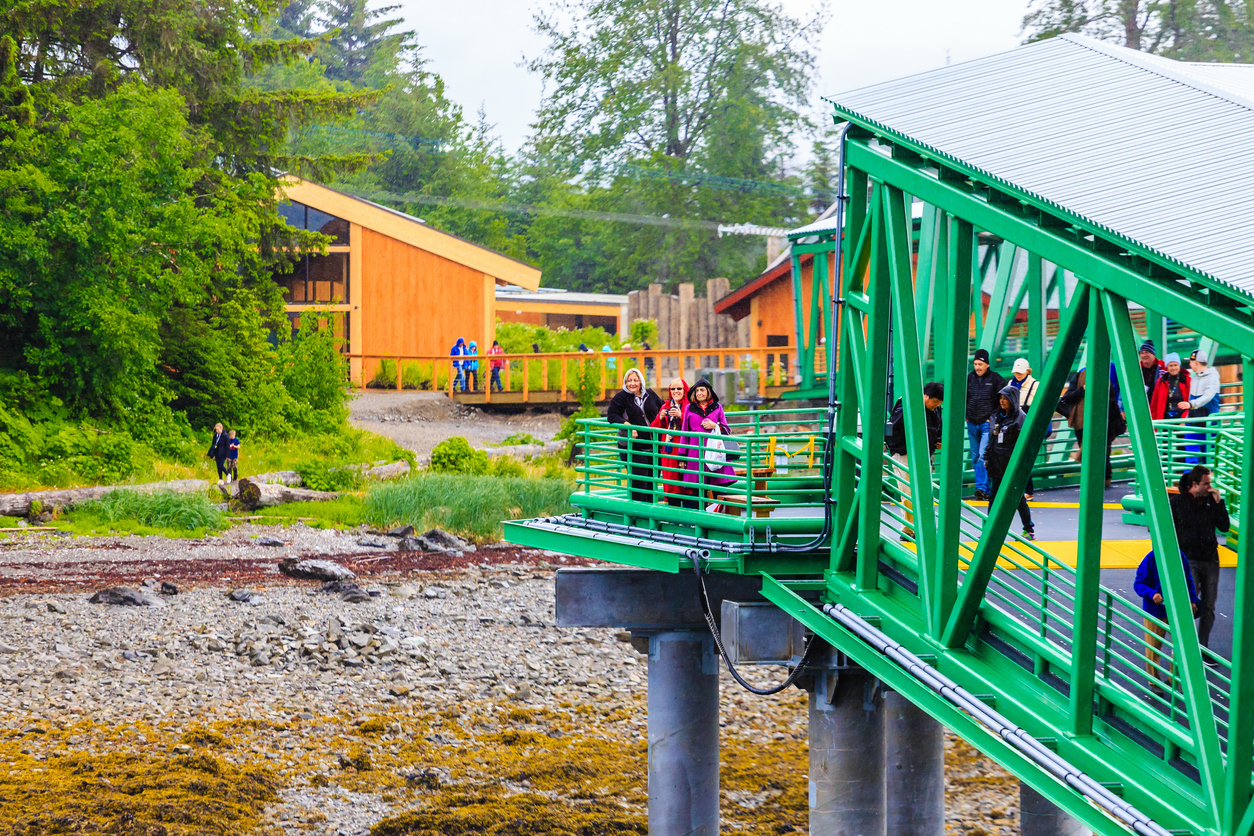
    View of the dock and coastal scenery at Icy Strait Point, Alaska, with forested mountains rising above the shoreline near the base of the gondola.
    The dock at Icy Strait Point sits along the forested coastline of the Icy Strait, offering a scenic starting point for the gondola ride up to the mountaintop.

    The Gondola to the Mountain Top is one of the most scenic and accessible attractions at Icy Strait Point. This smooth, quiet ride carries visitors from the waterfront up the forested slopes of Hoonah Mountain, offering sweeping views of the coastline, Chichagof Island, and the surrounding wilderness. At the top, travelers can enjoy panoramic viewpoints, walking paths, and photo opportunities that showcase the beauty of Southeast Alaska from above.

    For cruise travelers, the gondola is an easy, relaxing way to experience Alaska’s landscape without hiking or booking a high‑adventure excursion.

    Fun Facts

    • The gondola connects the Adventure Landing area with the Mountain Top station.
    • It travels over Tongass National Forest, the largest temperate rainforest in the world.
    • The ride offers views of Port Frederick, Icy Strait, and Hoonah.
    • The Mountain Top station sits near the launch point for the World’s Largest ZipRider.
    • The gondola system is fully electric and designed to minimize environmental impact.
    • Wildlife sightings from the gondola may include bald eagles and Sitka deer.
    • The ride is smooth and quiet, making it great for families and all mobility levels.
    • The Mountain Top area includes viewing decks, trails, and scenic overlooks.

    What to Expect During Your Visit

    The gondola ride begins near the waterfront at Icy Strait Point. Once aboard, you’ll glide above the treetops, gaining elevation as the forest opens into sweeping views of the coastline. The ride is gentle and scenic, with plenty of opportunities for photos.

    At the top, you’ll find viewing platforms, short walking paths, and interpretive signs. On clear days, the views stretch for miles across the mountains and waterways of Chichagof Island.

    Most visitors spend 45–60 minutes enjoying the ride and exploring the summit area.

    Why It’s Worth Visiting

    The gondola is perfect for travelers who want a scenic, low‑effort experience with big visual payoff. It’s peaceful, photogenic, and accessible — a great way to enjoy Alaska’s landscape without hiking or adventure gear.

    Where It’s Located

    The gondola departs from the Adventure Landing area at Icy Strait Point and travels up to the Mountain Top station on Hoonah Mountain.

    How to Get There From the Cruise Port

    • Walk: The gondola station is steps from the dock.
    • Shuttle: Some cruise lines drop passengers directly at Adventure Landing.
    • No additional transport needed — the gondola is part of the port complex.

    Best Time to Visit

    • Morning often offers the clearest views.
    • Midday provides bright light for photography.
    • Summer (June–August) has the most reliable weather.
    • Clear days offer the best panoramic scenery.

    Tips for Visiting

    • Bring a camera — the views from the gondola are stunning.
    • Wear layers — it can be cooler at the top.
    • Combine with the ZipRider if you want a high‑adventure pairing.
    • Take your time exploring the viewing platforms.
    • Visit early if you want fewer crowds.

    Common Complaints

    • Fog can limit visibility at the top.
    • Lines may form when multiple ships are in port.
    • The summit area is small and can feel crowded.
    • Weather changes quickly — views vary by the minute.

    Final Thoughts

    The Gondola to the Mountain Top is one of the most scenic and relaxing experiences at Icy Strait Point. With sweeping views, easy access, and peaceful forest scenery, it’s a must‑do for cruise travelers who want to enjoy Alaska’s beauty from above.

    For more ideas to plan your day, explore my full guide to the top things to do at Icy Strait Point.

  • Kayaking in the Protected Waters – Icy Strait Point, Alaska

    Kayaking in the Protected Waters – Icy Strait Point, Alaska

    Kayak on the calm, protected waters near Icy Strait Point in Hoonah, Alaska, with forested mountains and coastal scenery in the distance.
    Kayaking the protected waters around Icy Strait Point offers peaceful views of the coastline and surrounding mountains in Hoonah, Alaska.

    Kayaking in the protected waters around Icy Strait Point is one of the most peaceful and scenic ways to experience Southeast Alaska. These calm, sheltered coves and inlets offer smooth paddling, stunning mountain views, and the chance to spot wildlife up close — from sea otters and harbor seals to bald eagles soaring overhead. Guided tours keep the experience safe and beginner‑friendly, making it a perfect adventure for travelers of all skill levels.

    For cruise visitors, kayaking is a quiet, immersive way to connect with the natural beauty of Chichagof Island.

    Fun Facts

    • The waters around Icy Strait Point are naturally sheltered, making them ideal for beginners.
    • Sea otters often float in kelp beds near the shoreline.
    • Bald eagles frequently perch in the trees along the coast.
    • Kayaking offers a unique vantage point for spotting whales feeding offshore.
    • The area is part of the Tongass National Forest, the world’s largest temperate rainforest.
    • Double kayaks are common, offering extra stability for new paddlers.
    • Guides share insights into Tlingit culture, local wildlife, and the marine ecosystem.
    • The experience is quiet and eco‑friendly — no engines, just paddles and scenery.

    What to Expect During Your Visit

    Your tour begins with a safety briefing and gear fitting before launching from a calm shoreline near Icy Strait Point. Once on the water, you’ll paddle through protected coves surrounded by forested hills, rocky beaches, and mountain views. The pace is relaxed, with plenty of stops for photos and wildlife spotting.

    Expect peaceful water, fresh air, and a sense of calm that’s hard to find anywhere else on a cruise itinerary.

    Most tours last 2–2.5 hours.

    Why It’s Worth Visiting

    Kayaking is perfect for travelers who want a quiet, nature‑focused experience that feels immersive and authentic. The scenery is stunning, the water is calm, and the wildlife encounters can be unforgettable.

    Where It’s Located

    Kayaking tours launch from protected coves near Icy Strait Point, just a short walk from the cruise dock.

    How to Get There From the Cruise Port

    • Walk: Most tours meet within the Icy Strait Point complex.
    • Shuttle: Some cruise lines offer transport to the launch site.
    • No additional transport needed — all gear is provided by the operator.

    Best Time to Visit

    • Morning often brings the calmest water.
    • Midday offers bright light for photography.
    • Summer (June–August) provides the best weather and wildlife activity.
    • Light rain is common but doesn’t affect the experience — you’ll be in waterproof gear.

    Tips for Visiting

    • Wear layers — even with gear, the air can be cool.
    • Bring a waterproof phone case or GoPro for photos.
    • Choose a double kayak if you want extra stability.
    • Follow guide instructions for paddling and wildlife etiquette.
    • Keep your eyes on the shoreline — otters and seals often pop up unexpectedly.
    • Book early — kayaking is one of the first excursions to sell out.

    Common Complaints

    • Weather can be chilly or rainy.
    • Wildlife sightings vary by day.
    • Some guests find the paddling more tiring than expected.
    • Space in the kayaks can feel snug with full gear.

    Final Thoughts

    Kayaking in the protected waters around Icy Strait Point is one of the most peaceful and rewarding ways to experience Alaska. With calm coves, beautiful scenery, and the chance to spot wildlife up close, it’s a must‑do for travelers who want a quiet, immersive adventure.

    For more ideas to plan your day, explore my full guide to the top things to do at Icy Strait Point.

  • Wilderness ATV or Jeep Tour – Icy Strait Point, Alaska

    Wilderness ATV or Jeep Tour – Icy Strait Point, Alaska

    Close‑up of rugged off‑road tires designed for dirt and gravel trails, representing the wilderness ATV and Jeep tours available at Icy Strait Point in Alaska.
    Rugged off‑road tires are built for the dirt and gravel trails around Icy Strait Point, making them a great fit for wilderness ATV and Jeep adventures in Alaska.

    A Wilderness ATV or Jeep Tour at Icy Strait Point takes travelers deep into the forests and backroads of Chichagof Island, offering rugged terrain, mountain views, and a thrilling way to experience Alaska’s wilderness. These guided off‑road adventures explore remote areas that are otherwise inaccessible, giving visitors a chance to see wildlife, learn about the local ecosystem, and enjoy panoramic views of the coastline and surrounding mountains.

    For cruise travelers, this is a high‑adventure, high‑reward excursion that blends adrenaline with scenery — perfect for anyone who wants a more active experience at Icy Strait Point.

    Fun Facts

    • Chichagof Island has one of the highest brown bear densities in the world.
    • Many ATV routes follow old logging roads through Tongass National Forest.
    • The island is part of the largest temperate rainforest on Earth.
    • Tours often reach scenic overlooks with views of Port Frederick and Icy Strait.
    • Wildlife sightings may include bears, deer, eagles, and foxes.
    • ATVs are typically automatic, making them beginner‑friendly.
    • Jeep tours allow guests to enjoy the scenery without driving.
    • Safety gear and helmets are provided for all riders.

    What to Expect During Your Visit

    Your adventure begins with a safety briefing and gear fitting before heading out onto forested trails and gravel roads. The route winds through dense spruce forest, open meadows, and elevated viewpoints overlooking the coastline. Guides share stories about local wildlife, Tlingit culture, and the island’s logging history.

    Expect bumps, mud, and plenty of fresh air — this is a true off‑road experience. Stops along the way allow time for photos, wildlife spotting, and enjoying the scenery.

    Most tours last 2–2.5 hours.

    Why It’s Worth Visiting

    A Wilderness ATV or Jeep Tour is perfect for travelers who want an active, adventurous outing that still feels safe and guided. The scenery is stunning, the ride is fun, and the experience offers a unique way to explore the wild side of Icy Strait Point.

    Where It’s Located

    Tours depart from Icy Strait Point, with off‑road routes located in the forested interior of Chichagof Island.

    How to Get There From the Cruise Port

    • Walk: The tour check‑in area is within the Icy Strait Point complex.
    • Shuttle: Some cruise lines drop passengers directly at the meeting point.
    • No additional transport needed — all vehicles are provided by the tour operator.

    Best Time to Visit

    • Morning offers cooler temperatures and fewer crowds.
    • Midday provides bright light for photos.
    • Summer (June–August) offers the best trail conditions.
    • After rain can make the ride muddier — fun for some, messy for others.

    Tips for Visiting

    • Wear clothes you don’t mind getting dirty — mud is common.
    • Bring a camera for scenic overlooks.
    • Wear closed‑toe shoes — required for ATVs.
    • Follow guide instructions for safety and wildlife awareness.
    • If you prefer not to drive, choose a Jeep tour for a more relaxed ride.
    • Book early — adventure tours fill quickly on cruise days.

    Common Complaints

    • Trails can be muddy or bumpy.
    • Wildlife sightings are not guaranteed.
    • Some guests wish the ride were longer.
    • Weather can be rainy — but that’s part of the adventure.

    Final Thoughts

    A Wilderness ATV or Jeep Tour is one of the most exciting ways to explore the rugged beauty of Icy Strait Point. With forested trails, mountain views, and the chance to spot wildlife, it’s a must‑do for adventure‑seeking cruise travelers.

    For more ideas to plan your day, explore my full guide to the top things to do at Icy Strait Point.

  • Hoonah, the Nearby Tlingit Village – Icy Strait Point, Alaska

    Hoonah, the Nearby Tlingit Village – Icy Strait Point, Alaska

    Rocky shoreline at Icy Strait Point near Hoonah, Alaska, with smooth beach stones and coastal scenery along the water.
    The rocky shoreline near Hoonah offers peaceful views of the Icy Strait, where smooth beach stones line the coast of this small Southeast Alaska village.

    Hoonah is the largest Tlingit village in Alaska and a welcoming community located just a short walk or shuttle ride from Icy Strait Point. This peaceful coastal town offers visitors a chance to experience authentic Southeast Alaska life, complete with local shops, Native artwork, fishing boats, and beautiful shoreline views. It’s a quiet, culturally rich destination where travelers can learn about the Huna Tlingit people who have lived in this region for thousands of years.

    For cruise travelers, a visit to Hoonah is an easy, meaningful way to explore beyond the port and connect with the local community.

    Fun Facts

    • Hoonah is home to the Huna Tlingit, one of the oldest Indigenous communities in Southeast Alaska.
    • The name “Hoonah” comes from the Tlingit word Xunaa, meaning “where the north wind doesn’t blow.”
    • The town has a population of around 800 residents.
    • Many families in Hoonah trace their ancestry back thousands of years in this region.
    • Fishing is the town’s primary industry, with boats lining the harbor year‑round.
    • Hoonah was rebuilt after a 1944 fire destroyed much of the village.
    • Local artists create carvings, beadwork, weaving, and formline art.
    • The community owns and operates Icy Strait Point, making it the only 100% Native‑owned cruise destination in Alaska.

    What to Expect During Your Visit

    A visit to Hoonah feels relaxed and authentic. You’ll find a small harbor filled with fishing boats, local shops selling handmade Tlingit art, and quiet streets lined with homes and community buildings. The waterfront offers beautiful views of Port Frederick, and it’s common to see bald eagles perched nearby.

    Visitors can stroll the town, stop at local cafés, browse Native artwork, or simply enjoy the peaceful atmosphere. It’s a wonderful contrast to the busier cruise‑port area.

    Most travelers spend 45–90 minutes exploring Hoonah.

    Why It’s Worth Visiting

    Hoonah is perfect for travelers who want a genuine cultural experience beyond the curated attractions at Icy Strait Point. It’s quiet, friendly, and deeply connected to Tlingit heritage — a chance to see real Alaska life up close.

    Where It’s Located

    Hoonah is located about 1.5 miles from Icy Strait Point, along the shoreline of Chichagof Island.

    How to Get There From the Cruise Port

    • Walk: Follow the Coastal Trail for a scenic 20–30 minute walk.
    • Shuttle: Frequent shuttles run between Icy Strait Point and Hoonah.
    • Taxi: Available near the port for quick transport.
    • Bike: Easy ride along the waterfront road.

    Best Time to Visit

    • Morning offers quiet streets and soft light for photos.
    • Midday is best for shops and cafés.
    • Summer (June–August) provides the fullest activity in town.
    • Rainy days are still enjoyable with a jacket — the village is compact and walkable.

    Tips for Visiting

    • Support local artists by browsing Native‑owned shops.
    • Walk the harbor area for great photos of fishing boats and eagles.
    • Combine with the Coastal Trail for a scenic round‑trip outing.
    • Be respectful — this is a living community, not a tourist attraction.
    • Ask locals about the Huna Tribal House and cultural programs.

    Common Complaints

    • Some shops may close early or vary hours.
    • The village is small, so visits are brief.
    • Weather can be rainy or windy along the waterfront.
    • Limited dining options compared to larger ports.

    Final Thoughts

    Hoonah is one of the most authentic and culturally rich places you can visit on an Alaska cruise. With its Tlingit heritage, friendly community, and peaceful coastal setting, it’s a must‑visit stop for travelers who want to experience real Alaska beyond the port.

    For more ideas to plan your day, explore my full guide to the top things to do at Icy Strait Point.

  • Bear‑Viewing Tour – Icy Strait Point, Alaska

    Bear‑Viewing Tour – Icy Strait Point, Alaska

    Moss‑covered spruce branches in the Tongass National Forest near Icy Strait Point, showing the type of forested habitat where black bears are often found.
    The mossy spruce forests around Icy Strait Point create ideal habitat for black bears, making this region one of the best places in Southeast Alaska for guided bear‑viewing tours.

    Bear‑viewing tours at Icy Strait Point take visitors deep into the forests and river valleys around Hoonah, where brown bears forage, roam, and fish during the summer months. These guided excursions typically travel to the Spasski River Valley, one of the best wildlife habitats in the region. Elevated boardwalks and viewing platforms allow visitors to safely observe bears in their natural environment while learning about the ecosystem from knowledgeable local guides.

    For cruise travelers, this is a rewarding, nature‑focused adventure that offers a real chance to see Alaska’s brown bears in the wild.

    Fun Facts

    • The Spasski River Valley is home to brown bears, Sitka black‑tailed deer, and bald eagles.
    • Elevated platforms help protect both visitors and wildlife.
    • Bears are most active during salmon season, when they feed along the river.
    • The area is part of the Tongass National Forest, the largest temperate rainforest in the world.
    • Tours are guided by locals who share insights into Tlingit culture and wildlife behavior.
    • The drive to the viewing area offers scenic forest and mountain views.
    • Bear sightings are common but never guaranteed — it’s true wilderness.
    • The boardwalk system minimizes environmental impact and keeps the habitat healthy.

    What to Expect During Your Visit

    Most bear‑viewing tours begin with a narrated drive from Icy Strait Point into the forested interior of Chichagof Island. Once at the Spasski River Valley, visitors walk along a series of elevated boardwalks that lead to multiple viewing platforms overlooking meadows, streams, and forest edges.

    Guides point out wildlife, explain bear behavior, and share stories about the region’s ecology and Tlingit heritage. Depending on the season, you may see bears feeding, wandering through the grass, or moving along the riverbanks.

    Most tours last 2.5–3 hours.

    Why It’s Worth Visiting

    This tour is perfect for travelers who want a wildlife‑focused experience that’s accessible, safe, and deeply connected to the natural environment. The scenery is beautiful, the guides are knowledgeable, and the chance to see brown bears in the wild is unforgettable.

    Where It’s Located

    Bear‑viewing tours typically take place in the Spasski River Valley, about 30 minutes from Icy Strait Point.

    How to Get There From the Cruise Port

    • Tour vehicle: All excursions include transportation from Icy Strait Point.
    • Shuttle: Not needed — pickup is included.
    • Walking: Not possible; the viewing area is inland.

    Best Time to Visit

    • July–September is peak bear‑viewing season.
    • Midday often brings more wildlife movement.
    • Late summer offers the best chance to see bears feeding on salmon.
    • Early season may offer sightings of mothers with cubs.

    Tips for Visiting

    • Wear comfortable walking shoes — the boardwalks are easy but can be damp.
    • Bring binoculars or a zoom lens for better viewing.
    • Dress in layers — the forest can be cool and breezy.
    • Stay quiet on the platforms to avoid disturbing wildlife.
    • Listen to your guide — they know the area and bear behavior well.
    • Book early — wildlife tours often sell out on cruise days.

    Common Complaints

    • Bear sightings are not guaranteed.
    • Weather can be rainy or cool.
    • The drive can feel long if wildlife is scarce.
    • Platforms may feel crowded when multiple groups arrive at once.

    Final Thoughts

    A bear‑viewing tour at Icy Strait Point is one of the most rewarding wildlife experiences in Southeast Alaska. With elevated platforms, knowledgeable guides, and the chance to see brown bears in their natural habitat, it’s a must‑do for nature lovers and adventure‑seeking cruise travelers.

    For more ideas to plan your day, explore my full guide to the top things to do at Icy Strait Point.

  • Cannery Museum – Icy Strait Point, Alaska

    Cannery Museum – Icy Strait Point, Alaska

    Historic cannery buildings at Icy Strait Point in Hoonah, Alaska, including the restored warehouse structures along the waterfront.
    The historic warehouse and cannery buildings at Icy Strait Point showcase the area’s fishing‑industry past and anchor the waterfront of this restored Alaska cruise destination.

    The Cannery Museum at Icy Strait Point is one of the most authentic and educational stops in the port. Located inside a fully restored 1912 salmon cannery, the museum showcases the history of Alaska’s fishing industry through original equipment, historic photos, and hands‑on displays. Visitors can walk through the old processing lines, explore the canning floor, and learn how the Huna Tlingit community built and operated this historic site.

    For cruise travelers, the Cannery Museum is an easy, self‑guided experience that blends history, culture, and waterfront scenery — all just steps from the dock.

    Fun Facts

    • The cannery was built in 1912 and operated for decades as a major salmon‑processing facility.
    • Icy Strait Point is the only privately owned cruise destination in Alaska, run by the Huna Tlingit.
    • Many of the original machines, belts, and canning lines are still in place.
    • The museum sits inside a National Historic Landmark building.
    • Interpretive signs explain how salmon were caught, cleaned, canned, and shipped.
    • The cannery once produced thousands of cans of salmon per day.
    • The restored boardwalks and buildings preserve the look of a working cannery town.
    • Entry to the museum is free for all cruise visitors.

    What to Expect During Your Visit

    The Cannery Museum is a self‑guided walk through the historic canning buildings. You’ll see original equipment, canning lines, and displays that explain how the salmon industry shaped life in Hoonah. The museum is spacious, easy to navigate, and filled with interpretive signs that bring the history to life.

    The surrounding boardwalk area includes shops, restaurants, and waterfront views, making it a great place to explore before or after an excursion.

    Most visitors spend 20–30 minutes here.

    Why It’s Worth Visiting

    The Cannery Museum is perfect for travelers who enjoy history, culture, and authentic local experiences. It’s free, easy to access, and gives you a deeper understanding of the fishing heritage that still defines the region today.

    Where It’s Located

    The museum is located inside the historic cannery complex at Icy Strait Point, right along the waterfront.

    How to Get There From the Cruise Port

    • Walk: Just steps from the dock — no transportation needed.
    • Shuttle: Some cruise lines drop passengers directly at the cannery area.
    • Gondola: Not required, but easy to pair with other attractions.

    Best Time to Visit

    • Morning offers quieter walkways.
    • Midday is great for photos with bright light inside the cannery.
    • Summer (June–August) provides the fullest schedule of nearby activities.
    • Rainy days are ideal — the museum is mostly indoors.

    Tips for Visiting

    • Take time to read the interpretive signs — they’re well done and easy to follow.
    • Look for the original canning equipment still in place.
    • Combine with the Native Heritage Center for a cultural + historical pairing.
    • Browse the nearby shops for local art and souvenirs.
    • Bring a camera — the old machinery makes great photos.

    Common Complaints

    • The museum is small, so visits are brief.
    • Some areas can feel crowded when multiple ships are in port.
    • Displays are mostly static — no live demonstrations.
    • The boardwalk can be slippery after rain.

    Final Thoughts

    The Cannery Museum is one of the most authentic and accessible attractions at Icy Strait Point. With original equipment, historic displays, and a beautifully restored setting, it’s a must‑visit stop for cruise travelers who want to understand Alaska’s fishing heritage.

    For more ideas to plan your day, explore my full guide to the top things to do at Icy Strait Point.

  • Coastal Trail – Icy Strait Point, Alaska

    Coastal Trail – Icy Strait Point, Alaska

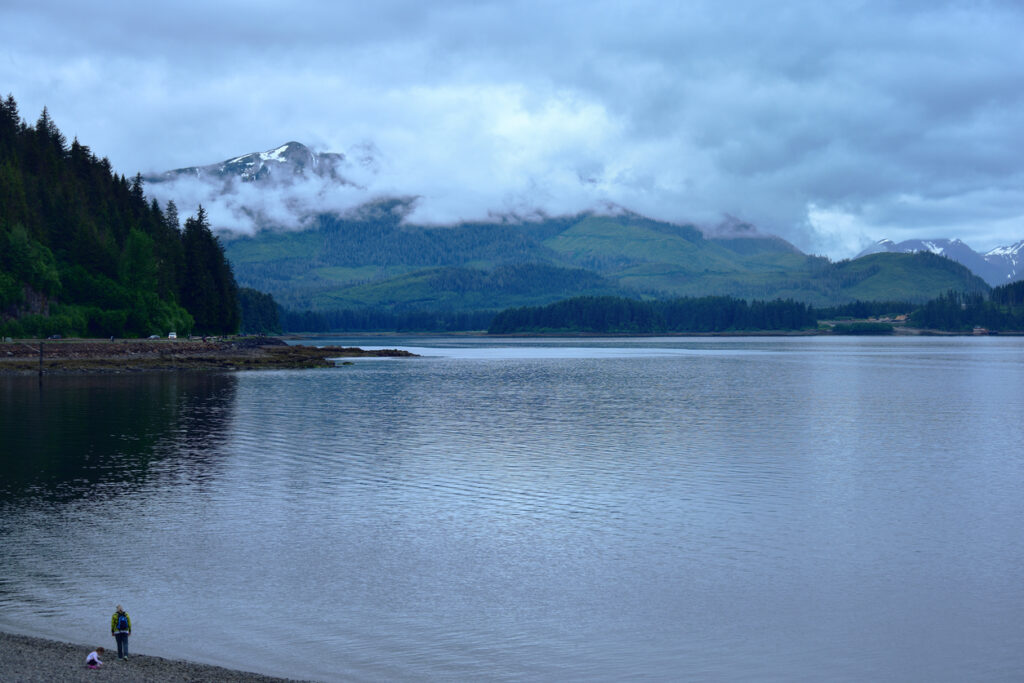
    Forest‑covered shoreline and mountain views along the Icy Strait near Hoonah, Alaska, with distant coastal scenery beneath low clouds.
    The forested shoreline and mountain views along the Icy Strait create a peaceful backdrop for the Coastal Trail at Icy Strait Point.

    The Coastal Trail is one of the most relaxing and scenic ways to explore Icy Strait Point. This easy, well‑maintained path follows the shoreline between the cruise port and the village of Hoonah, offering forested sections, rocky beaches, quiet coves, and beautiful views of the water. It’s a peaceful, self‑guided experience perfect for travelers who want to enjoy nature without booking an excursion.

    For cruise visitors, the Coastal Trail is one of the best free things to do at Icy Strait Point — calm, beautiful, and accessible right from the dock.

    Fun Facts

    • The trail connects Icy Strait Point with the nearby Tlingit village of Hoonah.
    • It winds through Tongass National Forest, the largest temperate rainforest in the world.
    • Bald eagles frequently perch in the trees along the shoreline.
    • Whales are sometimes spotted offshore during summer.
    • The trail includes interpretive signs about local wildlife and Tlingit culture.
    • It’s one of the most walkable and beginner‑friendly trails in the region.
    • The path follows a historic shoreline used by the Huna Tlingit for generations.
    • The entire walk is free and open to all cruise visitors.

    What to Expect During Your Visit

    The Coastal Trail is a gentle, scenic walk with a mix of forested stretches and open shoreline views. The path is wide, well‑maintained, and easy to follow. You’ll pass mossy trees, rocky beaches, and quiet coves where sea otters and eagles are often seen.

    The trail feels peaceful and natural, offering a refreshing break from the busier parts of the port. Benches and viewpoints along the way make it easy to stop for photos or simply enjoy the scenery.

    Most travelers spend 30–60 minutes on the trail, depending on how far they walk.

    Why It’s Worth Visiting

    The Coastal Trail is perfect for travelers who want a relaxing, nature‑focused experience without booking a tour. It’s scenic, quiet, and incredibly accessible — a great way to enjoy the beauty of Icy Strait Point at your own pace.

    Where It’s Located

    The trail begins right at the Icy Strait Point cruise port and continues along the shoreline toward Hoonah.

    How to Get There From the Cruise Port

    • Walk: The trailhead is steps from the dock.
    • Shuttle: Not needed unless you want to start from the Hoonah end.
    • Bike: The path is walk‑only, but bikes can be used on nearby roads.

    Best Time to Visit

    • Morning offers calm water and soft light.
    • Midday is great for spotting wildlife.
    • Summer (June–August) provides the best weather.
    • Rainy days are still enjoyable with a jacket — the forest canopy offers some cover.

    Tips for Visiting

    • Wear comfortable walking shoes — the trail is easy but natural.
    • Bring a camera for shoreline views and wildlife.
    • Watch for eagles perched in the trees.
    • Keep an eye on the water — humpbacks sometimes feed offshore.
    • Combine with a visit to Hoonah for a longer outing.
    • Stay on the marked path to protect vegetation.

    Common Complaints

    • The trail can feel short if you’re expecting a long hike.
    • Some sections may be muddy after rain.
    • Wildlife sightings are not guaranteed.
    • It can get busy when multiple ships are in port.

    Final Thoughts

    The Coastal Trail is one of the easiest and most rewarding ways to experience the natural beauty of Icy Strait Point. With forested paths, ocean views, and peaceful shoreline scenery, it’s a must‑do for cruise travelers looking for a relaxing, self‑guided adventure.

    For more ideas to plan your day, explore my full guide to the top things to do at Icy Strait Point.

  • Native Heritage Center & Museum – Icy Strait Point, Alaska

    Native Heritage Center & Museum – Icy Strait Point, Alaska

    ed Welcome Center building at Icy Strait Point, the entry point visitors pass through before exploring the Native Heritage Center & Museum
    Icy Strait Point, Alaska, United States – September 22, The red Welcome Center at Icy Strait Point is where most guests begin before heading to the Native Heritage Center & Museum.

    The Native Heritage Center & Museum at Icy Strait Point offers a powerful introduction to the culture, history, and traditions of the Tlingit people who have lived in the Hoonah area for thousands of years. Through exhibits, artwork, storytelling, and cultural demonstrations, visitors gain a deeper understanding of the community that built and continues to operate Icy Strait Point.

    For cruise travelers, this is one of the easiest and most meaningful cultural experiences in the port — a chance to learn about Indigenous life, craftsmanship, and heritage in a welcoming, beautifully curated space.

    Fun Facts

    • The center highlights the culture of the Huna Tlingit, the Indigenous people of the region.
    • Exhibits include traditional regalia, tools, carvings, and clan history.
    • Many displays were created by local Tlingit artists and elders.
    • The museum sits inside a restored historic cannery building.
    • Cultural demonstrations may include carving, weaving, drumming, and storytelling.
    • The center helps preserve the Tlingit language, one of the oldest in North America.
    • Icy Strait Point is 100% owned and operated by the Huna Tlingit community.
    • The museum is one of the most accessible cultural stops for cruise visitors.

    What to Expect During Your Visit

    Inside the Native Heritage Center & Museum, you’ll find a mix of exhibits, artifacts, and interpretive displays that highlight Tlingit traditions, clan structure, and daily life. The space is warm and inviting, with artwork, photographs, and cultural items that tell the story of the Huna Tlingit people.

    Depending on the day, you may also see live demonstrations or cultural performances nearby, including drumming, dancing, or carving. Staff and cultural hosts are friendly and happy to answer questions.

    Most visitors spend 20–30 minutes here.

    Why It’s Worth Visiting

    The museum is perfect for travelers who want a deeper, more authentic understanding of the people who call this region home. It’s educational, respectful, and beautifully presented — and it adds cultural depth to your Icy Strait Point visit.

    Where It’s Located

    The Native Heritage Center & Museum is located within the Icy Strait Point complex, near the historic cannery and waterfront shops.

    How to Get There From the Cruise Port

    • Walk: Just steps from the cruise dock.
    • Shuttle: Some cruise lines drop passengers directly at the entrance.
    • Gondola: Not required, but easy to pair with other attractions.

    Best Time to Visit

    • Morning offers quieter galleries.
    • Midday may include cultural demonstrations.
    • Summer (June–August) provides the fullest schedule of activities.
    • Rainy days are ideal — the entire experience is indoors.

    Tips for Visiting

    • Take time to read the clan history displays — they’re beautifully done.
    • Ask staff about current cultural demonstrations happening nearby.
    • Combine with the Tribal Dance & Cultural Show for a deeper experience.
    • Visit the gift shop for locally made Tlingit art and jewelry.
    • Bring kids — the exhibits are short, visual, and easy to explore.

    Common Complaints

    • The museum is small, so visits are brief.
    • Some exhibits rotate, so displays may vary.
    • Cultural demonstrations aren’t guaranteed every day.
    • It can feel crowded when multiple cruise ships are in port.

    Final Thoughts

    The Native Heritage Center & Museum is one of the most meaningful cultural stops at Icy Strait Point. With beautifully curated exhibits and authentic Tlingit storytelling, it’s a must‑visit for cruise travelers who want to understand the people and traditions that shape this region.

    For more ideas to plan your day, explore my full guide to the top things to do at Icy Strait Point.

  • Whale Watching in Icy Strait – Icy Strait Point, Alaska

    Whale Watching in Icy Strait – Icy Strait Point, Alaska

    Humpback whales bubble‑net feeding in Icy Strait near Hoonah, Alaska
    Humpback whales bubble‑net feeding in the waters of Icy Strait near Hoonah, Alaska.

    Whale watching in Icy Strait is one of the most unforgettable wildlife experiences in Alaska. The waters around Icy Strait Point and Hoonah are rich with marine life, especially humpback whales that feed in the nutrient‑dense channels throughout summer. Many tours also spot sea lions, sea otters, harbor porpoises, and bald eagles — with occasional sightings of orcas.

    For cruise travelers, Icy Strait is considered one of the best whale‑watching ports in Alaska, thanks to calm waters, abundant whales, and short travel times to prime viewing areas.

    Fun Facts

    • Icy Strait is one of the most reliable places in Alaska to see humpback whales.
    • Humpbacks migrate thousands of miles from Hawaii and Mexico to feed here each summer.
    • Whales use bubble‑net feeding, a cooperative hunting technique rarely seen elsewhere.
    • Orcas occasionally pass through the strait in small pods.
    • Many tours operate in protected waters, making the ride smoother than other ports.
    • Sea otters, sea lions, and porpoises are commonly spotted.
    • Bald eagles often perch along the shoreline during tours.
    • Some tours use small boats for closer, more intimate wildlife viewing.

    What to Expect During Your Visit

    Most whale‑watching tours depart directly from the Icy Strait Point dock or nearby Hoonah harbor. Boats travel only a short distance before reaching prime whale‑feeding areas, so sightings often begin quickly.

    Expect to see humpbacks surfacing, tail‑slapping, and occasionally breaching. Guides share information about whale behavior, local ecology, and the history of the area. The experience is smooth, scenic, and suitable for all ages.

    Most tours last 2–3 hours.

    Why It’s Worth Visiting

    Whale watching in Icy Strait offers some of the highest sighting success rates in Alaska. The scenery is stunning, the waters are calm, and the whales are active throughout summer. It’s a must‑do for wildlife lovers, photographers, and families.

    Where It’s Located

    Tours depart from Icy Strait Point or the nearby Hoonah harbor, depending on the operator.

    How to Get There From the Cruise Port

    • Walk: Many tours meet right at the Icy Strait Point dock.
    • Shuttle: Some independent operators pick up at the port.
    • Taxi: Quick ride into Hoonah if your tour departs from town.
    • Gondola: Not required for whale watching but fun to pair with your day.

    Best Time to Visit

    • June–September is peak whale‑watching season.
    • July and August offer the most consistent sightings.
    • Morning tours often have calmer water.
    • Midday provides bright light for photography.

    Tips for Visiting

    • Bring a zoom lens or binoculars for the best views.
    • Wear layers — it’s cooler on the water.
    • Choose a small‑group boat if you want closer wildlife encounters.
    • Book early — whale tours often sell out on cruise days.
    • Keep your camera ready — humpbacks surface quickly.

    Common Complaints

    • Weather can be chilly or rainy.
    • Some boats feel crowded during peak season.
    • Wildlife sightings are never guaranteed (though Icy Strait is very reliable).
    • Motion sickness can affect sensitive travelers on windy days.

    Final Thoughts

    Whale watching in Icy Strait is one of the most rewarding wildlife experiences in Alaska. With abundant humpbacks, calm waters, and stunning scenery, it’s a must‑do excursion for cruise travelers visiting Icy Strait Point.

    For more ideas to plan your day, explore my full guide to the top things to do at Icy Strait Point.

  • World’s Largest ZipRider – Icy Strait Point, Alaska

    World’s Largest ZipRider – Icy Strait Point, Alaska

    Pastel houses in Hoonah, Alaska, set against forested mountain slopes that rise above the village near Icy Strait Point.
    Pastel homes sit below the forested mountains of Hoonah, offering a glimpse of the scenery surrounding the World’s Largest ZipRider at Icy Strait Point.

    The World’s Largest ZipRider is Icy Strait Point’s most famous attraction — a 5,330‑foot zipline that launches from the top of Hoonah Mountain and drops 1,300 feet toward the shoreline. Riders reach speeds up to 60 mph while soaring over forested slopes, ocean views, and the tiny village of Hoonah. It’s one of the most thrilling experiences in Alaska and a bucket‑list favorite for cruise travelers.

    For visitors looking for an unforgettable adventure, the ZipRider delivers pure adrenaline with a smooth, scenic ride that’s surprisingly comfortable and accessible.

    Fun Facts

    • The ZipRider is 5,330 feet long, making it the longest zipline ride in the world.
    • Riders drop 1,300 vertical feet from the mountain to the shoreline.
    • Speeds can reach 50–60 mph depending on wind and rider weight.
    • Six riders launch side‑by‑side, making it perfect for families and groups.
    • The launch platform sits at 1,330 feet elevation with sweeping ocean views.
    • The ride lasts about 90 seconds, but the experience is unforgettable.
    • The gondola ride to the top offers beautiful views of the forest and coastline.
    • The landing zone is right near the shops and restaurants at Icy Strait Point.

    What to Expect During Your Visit

    Your adventure begins with a scenic gondola ride up Hoonah Mountain. At the top, staff provide a safety briefing before you’re secured into one of six side‑by‑side harnessed seats. The launch platform overlooks the ocean, giving you a dramatic view right before takeoff.

    Once released, you’ll soar down the mountainside at high speed, taking in sweeping views of the forest, coastline, and village below. The landing is smooth, and staff help you out of your harness before you return to the main visitor area.

    Most visitors spend 1.5–2 hours total, including transport and waiting time.

    Why It’s Worth Visiting

    The ZipRider is perfect for travelers who want a high‑adrenaline experience that’s still safe, smooth, and accessible. The views are incredible, the ride is exhilarating, and the entire experience is well‑organized for cruise passengers.

    Where It’s Located

    The ZipRider is located at Icy Strait Point, just outside the village of Hoonah.

    How to Get There From the Cruise Port

    • Walk: The ZipRider check‑in area is within the Icy Strait Point complex.
    • Gondola: Included with your ticket; takes you to the launch platform.
    • Shuttle: Some cruise lines offer transport to the check‑in area if needed.

    Best Time to Visit

    • Morning often has calmer winds and shorter lines.
    • Midday offers bright views for photos.
    • Summer (June–August) provides the most reliable weather.
    • Early season may offer clearer mountain views.

    Tips for Visiting

    • Wear secure shoes — no flip‑flops.
    • Bring a GoPro or chest‑mounted camera if allowed.
    • Dress in layers — it’s cooler at the top of the mountain.
    • Book early — this is one of the most popular excursions in Alaska.
    • If you’re nervous, remember: the ride is fast but incredibly smooth.

    Common Complaints

    • Weather can delay or cancel rides.
    • The wait at the top can be chilly.
    • The ride is short compared to the overall excursion time.
    • Some visitors wish they could ride twice.

    Final Thoughts

    The World’s Largest ZipRider is one of the most thrilling and memorable experiences in Alaska. With breathtaking views, smooth operation, and an adrenaline rush from start to finish, it’s a must‑do for cruise travelers visiting Icy Strait Point.

    For more ideas to plan your day, explore my full guide to the top things to do at Icy Strait Point.

  • Hike Near Monashka Bay – Kodiak, Alaska

    Hike Near Monashka Bay – Kodiak, Alaska

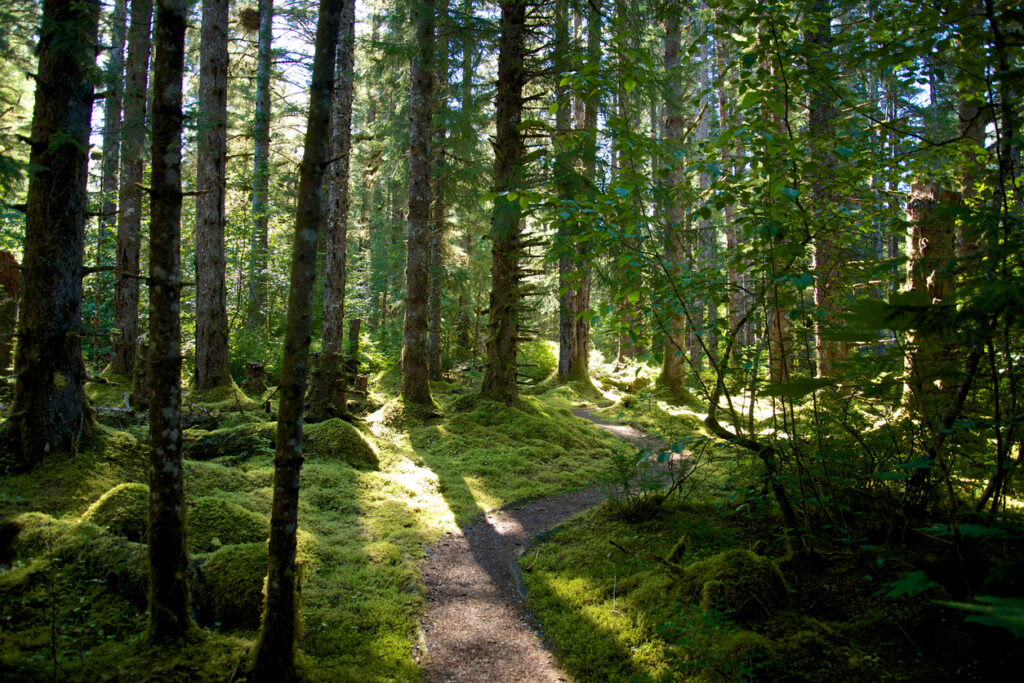
    Mossy forest trail surrounded by spruce trees near Monashka Bay on Kodiak Island, showing the quiet coastal rainforest scenery.
    A peaceful forest trail near Monashka Bay highlights the lush coastal rainforest that makes hiking on Kodiak Island so scenic.

    Monashka Bay is one of Kodiak’s most scenic coastal areas, offering rugged shoreline views, forested trails, and a peaceful escape just north of town. The hikes near Monashka Bay range from easy coastal walks to more challenging routes that climb into the hills above the bay. With dramatic ocean scenery, spruce forests, and the chance to spot wildlife, this area is a favorite among locals and visitors alike.

    For cruise travelers, Monashka Bay is a great option if you want a nature‑focused outing that feels wild but is still close to town.

    Fun Facts

    • Monashka Bay sits just north of Mill Bay, a popular local recreation area.
    • The coastline features rocky beaches, tidepools, and dramatic cliffs.
    • Trails in the area pass through Sitka spruce forest, one of Kodiak’s signature landscapes.
    • The bay is known for sea otters, bald eagles, and occasional whale sightings.
    • Locals often visit for fishing, beachcombing, and sunset views.
    • The area offers access to several informal trails used by Kodiak residents.
    • On clear days, you can see wide ocean views stretching toward the Gulf of Alaska.
    • The road to Monashka Bay is one of the most scenic drives on the island.

    What to Expect During Your Visit

    Hiking near Monashka Bay typically involves forested paths, coastal viewpoints, and short spur trails that lead to rocky beaches. The terrain varies from easy to moderate, with some roots, mud, and uneven ground typical of Kodiak’s natural trails.

    Expect cool breezes, lush greenery, and plenty of photo opportunities. The area feels quiet and remote, even though it’s only a short drive from downtown.

    Most travelers spend 45–90 minutes exploring the trails and shoreline.

    Why It’s Worth Visiting

    Monashka Bay is perfect for travelers who want a peaceful, scenic hike without committing to a long or difficult trail. The views are stunning, the forest is beautiful, and the area feels authentically Kodiak — wild, coastal, and serene.

    Where It’s Located

    Monashka Bay is located about 6 miles north of downtown Kodiak, at the end of Monashka Bay Road.

    How to Get There From the Cruise Port

    • Taxi: The easiest option; about 15 minutes.
    • Car rental: Ideal if you want flexibility to explore multiple stops.
    • Bike: Possible but hilly; best for experienced cyclists.
    • Shuttle: Some independent tour operators include Monashka Bay in nature outings.

    Best Time to Visit

    • Morning offers calm light and fewer visitors.
    • Summer (June–August) provides the best trail conditions.
    • Fall (September) brings beautiful colors and crisp air.
    • Clear days offer the best ocean views.

    Tips for Visiting

    • Wear sturdy shoes — trails can be muddy after rain.
    • Bring layers — the coastline can be breezy.
    • Watch for sea otters near the shoreline.
    • Stay on established paths to protect vegetation.
    • Combine with a stop at Mill Bay Beach on the way back.
    • Bring a camera — the views are worth it.

    Common Complaints

    • Trails are informal and may not be well‑marked.
    • Mud is common after rain.
    • Limited parking at popular pull‑offs.
    • Weather can change quickly along the coast.

    Final Thoughts

    A hike near Monashka Bay is one of the most peaceful and scenic ways to experience Kodiak’s natural beauty. With forested trails, rugged coastline, and quiet ocean views, it’s a perfect outing for cruise travelers who want a taste of Alaska’s wild side.

    For more ideas to plan your day, explore my full guide to the top things to do in Kodiak.

error: Content is protected !!