Category: Pack & Plan

Get ready for your cruise with expert tips on packing, planning, and must-have essentials! From choosing the perfect luggage to organizing important documents, this section covers everything you need before setting sail. Whether you’re a first-time cruiser or a seasoned traveler, find helpful guides to ensure a smooth and stress-free trip.

  • Cruise Cabin Organization Hacks: How to Maximize Space & Stay Organized

    Cruise Cabin Organization Hacks: How to Maximize Space & Stay Organized

    cruise cabin organization hacks

    Cruise cabins are compact, but the right organization hacks can make them feel open, calm, and easy to live in. A few smart tools and simple habits help you keep clutter under control, find what you need quickly, and enjoy a more relaxing vacation. These tips work for solo travelers, couples, families, and anyone sharing a small space at sea.

    Why Cruise Cabin Organization Matters

    Cruise cabins offer less storage than hotel rooms, so planning ahead makes a big difference. Staying organized helps you move around comfortably, keep surfaces clear, and avoid the stress that comes with clutter. It also makes unpacking and repacking faster, which is helpful on embarkation and disembarkation days.

    Common Cruise Cabin Challenges

    • Limited closet and drawer space
    • Clutter building up quickly
    • Multiple travelers sharing one cabin

    Benefits of Staying Organized

    • Maximizes every inch of space
    • Reduces visual clutter and stress
    • Speeds up unpacking and repacking

    Packing Cubes: The Ultimate Cruise Organization Tool

    Packing cubes are one of the easiest ways to keep your cabin tidy. They group clothing, compress bulky items, and make unpacking simple. Instead of emptying your suitcase piece by piece, you can place cubes directly into drawers or shelves.

    How packing cubes help

    • Keep clothing grouped by category
    • Save space by compressing clothes
    • Make unpacking fast and tidy

    Best ways to use them

    • Use separate cubes for shirts, pants, swimwear, and accessories
    • Roll clothes to prevent wrinkles and save space
    • Label cubes so everyone knows what’s inside

    Packing cubes also help keep your cabin organized throughout the trip. When everything has a home, clutter never has a chance to build up.

    Magnetic Hooks: Instant Extra Storage

    Cruise cabin walls are metal, which makes magnetic hooks a simple way to add vertical storage. They free up counters, keep essentials visible, and create space where none existed.

    How magnetic hooks help

    • Add hanging space for hats, jackets, and bags
    • Keep lanyards, sunglasses, and keys within reach
    • Prevent clutter on desks and nightstands

    Smart ways to use them

    • Hang beach bags and wet towels
    • Keep daily essentials organized and easy to grab
    • Use clip magnets for papers, tickets, and documents

    Magnetic hooks are small, lightweight, and incredibly useful. A few well‑placed hooks can transform the flow of your cabin.

    Smart Storage Solutions

    A few simple tools help you use every corner of your cabin without feeling cramped. Hidden spaces and compact organizers make it easier to keep everything tidy.

    Space‑saving hacks

    • Store luggage under the bed to free up floor space
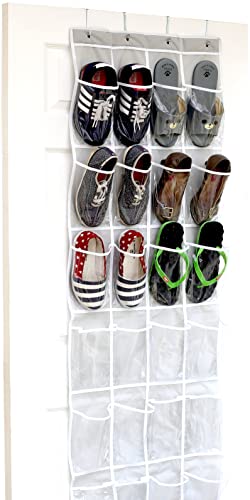
    • Use hanging organizers for toiletries, shoes, and accessories
    • Pack foldable bins for small items like chargers, snacks, and sunscreen

    Keeping the cabin tidy

    • Unpack right away so clutter doesn’t pile up
    • Use zip bags for medicine, chargers, and small essentials
    • Give each traveler a designated storage spot

    These habits keep your cabin functional from day one and make it easier to stay organized throughout your cruise.
    Final Thoughts

    Cruise cabin organization doesn’t require complicated systems. With packing cubes, magnetic hooks, and a few smart storage habits, you can keep your space tidy and comfortable for your entire trip. These simple hacks help you maximize space, reduce stress, and enjoy a smoother, more relaxing vacation at sea.

  • 20 Stylish Swimsuit Cover-Ups for Your Next Cruise or Beach Vacation

    20 Stylish Swimsuit Cover-Ups for Your Next Cruise or Beach Vacation

    top swimsuit cover-ups

    Swimsuit cover-ups are more than just a beach accessory—it’s a fashionable, functional, and versatile piece that enhances your vacation wardrobe. Whether you’re lounging by the pool, strolling along the beach, or grabbing a casual meal, the right must-have beach cover-up keeps you stylish and comfortable.

    From flowy maxi dresses to trendy sarongs, the perfect fashionable swim cover-up transitions effortlessly from sunbathing to sightseeing. If you’re heading on a cruise or tropical getaway, investing in stylish beachwear ensures you feel confident and chic throughout your trip.

    Why You Need a Swimsuit Cover-Up

    A swimsuit cover-up isn’t just about style—it’s about practicality. Here’s why it’s a vacation wardrobe must-have:

    • Effortless Style: A fashionable swim cover-up instantly elevates your beach look.
    • Sun Protection: Lightweight best swimsuit wraps shield your skin from harsh UV rays.
    • Versatility: Wear it poolside, at the beach, or even for casual outings.
    • Comfort: Breathable fabrics keep you cool and relaxed in warm weather.

    The Ultimate Swimsuit Cover-Up Roundup

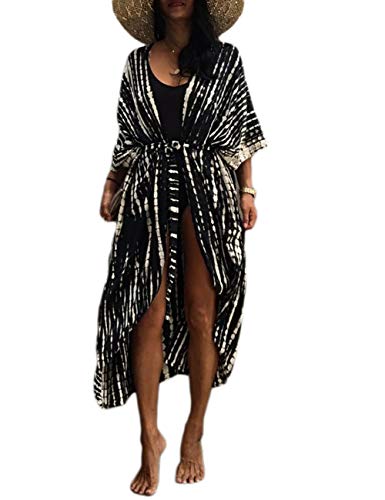
    1. Flowy Kimono Cover-Up

    A breezy kimono-style cover-up adds an elegant touch to your beach outfit. Perfect for layering over swimsuits, it’s lightweight and effortlessly chic.

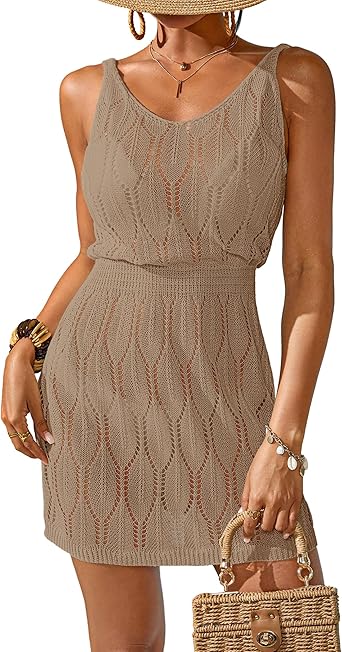
    2. Crochet Lace Cover-Up

    This trendy vacation cover-up features intricate lace detailing, offering a boho-chic vibe that’s perfect for tropical destinations

    .

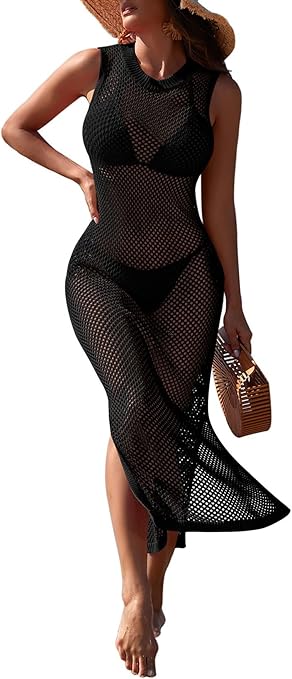
    3. Sheer Maxi Dress Cover-Up

    A long, sheer maxi dress provides full coverage while maintaining a flirty, stylish look. Ideal for transitioning from beach to dinner.

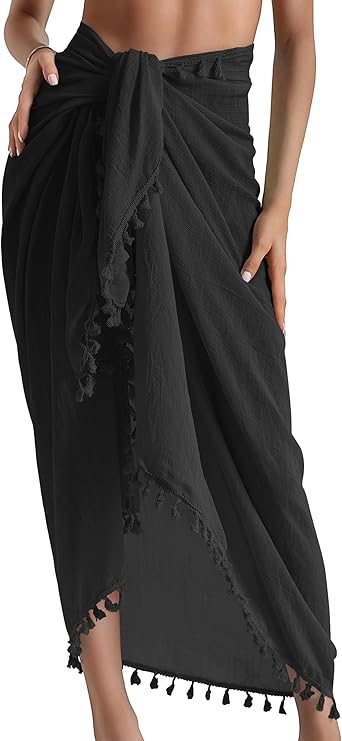
    4. Sarong Wrap Cover-Up

    A classic sarong is one of the best swimsuit wraps—easy to tie, lightweight, and perfect for quick changes.

    5. Off-the-Shoulder Cover-Up

    An off-the-shoulder design adds a romantic, feminine touch to your beachwear ensemble.

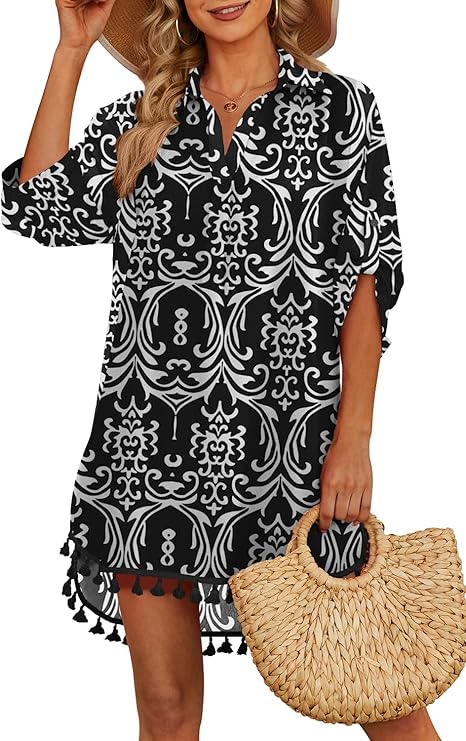
    6. Button-Down Shirt Cover-Up

    A loose, oversized button-down doubles as a casual daytime outfit, making it a must-have beach cover-up.

    7. Tassel-Trim Cover-Up

    Fun tassel details add a playful element to this fashionable swim cover-up, perfect for vacation vibes.

    8. Wrap Dress Cover-Up

    A wrap-style cover-up offers a flattering fit and effortless elegance for any beach or poolside occasion.

    9. Lightweight Linen Cover-Up

    Breathable linen fabric keeps you cool and comfortable, making it a stylish beachwear essential.

    10. Bohemian Print Cover-Up

    A boho-inspired print adds a free-spirited touch to your vacation wardrobe.

    11. Ruffled Cover-Up Dress

    Soft ruffles create a flirty, feminine look, making this trendy vacation cover-up a standout piece.

    12. Mesh Cover-Up

    A semi-sheer mesh cover-up offers a modern, edgy vibe while keeping you cool and stylish.

    13. Tie-Dye Cover-Up

    A colorful tie-dye design brings fun, beachy energy to your swimsuit ensemble.

    14. High-Low Hem Cover-Up

    A high-low hemline adds movement and elegance, making it a fashionable swim cover-up for any occasion.

    15. cover up pants

    Cover up pants are perfect for hot summer days, offering easy wearability and effortless style.

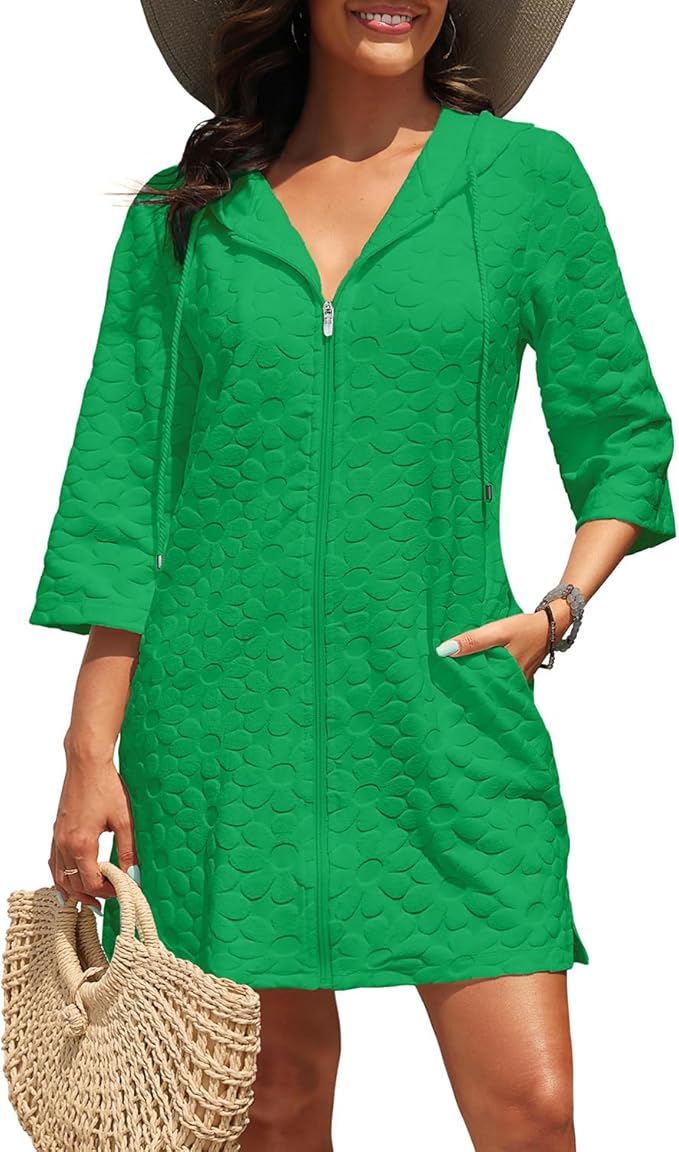
    16. Hooded Cover-Up

    A hooded cover-up provides extra sun protection while maintaining a casual, sporty look.

    17. Embroidered Cover-Up

    Delicate embroidery details add a touch of sophistication to this stylish beachwear piece.

    18. Fringe Cover-Up

    A fringe-trimmed cover-up brings boho-chic vibes to your beach outfit.

    19. Convertible Cover-Up

    A multi-way cover-up can be worn as a dress, skirt, or shawl, making it a versatile vacation essential.

    20. Tropical Print Cover-Up

    A bold tropical print captures the essence of island life, making it a must-have beach cover-up.

    Final Thoughts: Elevate Your Beach Style

    Packing the right swimsuit cover-ups ensures you stay comfortable, stylish, and ready for any occasion. Whether you’re lounging by the pool, strolling through a resort, or heading to a casual meal, these fashionable swim cover-ups make every moment effortlessly chic.

    Before your next cruise or beach vacation, grab these must-have beach cover-ups to complete your vacation wardrobe!

  • 25 Must-Have Beach Essentials for Your Next Cruise Adventure

    25 Must-Have Beach Essentials for Your Next Cruise Adventure

    beach essentials

    There’s nothing quite like the feeling of stepping onto a sun-drenched beach or lounging by the cruise ship pool, soaking in the warm breeze and the sound of waves. But to truly enjoy your time in the sun, having the right beach essentials is key. Whether you’re heading to a Caribbean paradise, Mediterranean coastline, or an Alaskan beach stop, packing smart ensures comfort, convenience, and style.

    From must-have beach gear like comfortable sandals and fashionable beach bags to essential beach accessories like sunglasses and quick-dry towels, this list covers everything you need for the perfect beach day.

    Why Packing the Right Beach Essentials Matters

    A day at the beach should be relaxing and fun, not stressful because you forgot something important. The right beach must-haves ensure you stay comfortable, protected, and stylish while enjoying the sun and surf.

    Imagine arriving at a stunning Caribbean beach, only to realize you don’t have sunscreen, a beach towel, or a waterproof bag for your valuables. Or picture yourself lounging by the cruise ship pool, wishing you had cute and comfy sandals instead of struggling with uncomfortable flip-flops.

    Packing the right travel necessities for the beach means you can focus on making memories instead of worrying about what you left behind.

    The Ultimate Beach Essentials Packing List

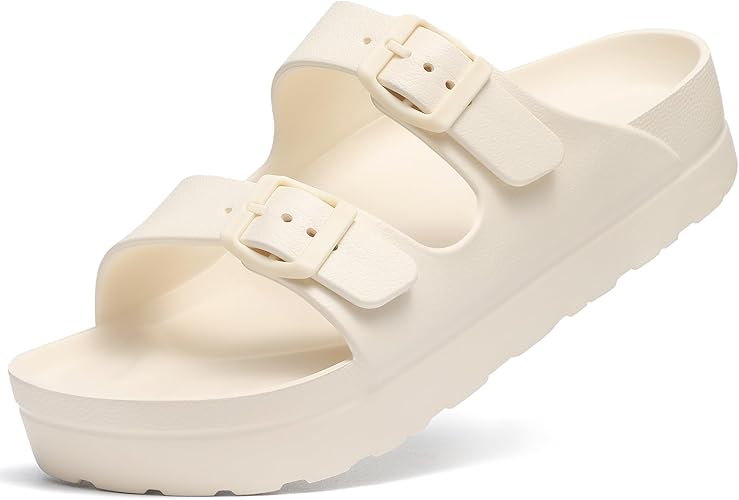
    1. Stylish & Comfortable Sandals

    A great pair of sandals is a must for any beach day. Look for waterproof, cushioned, and stylish options that transition effortlessly from ship to shore.

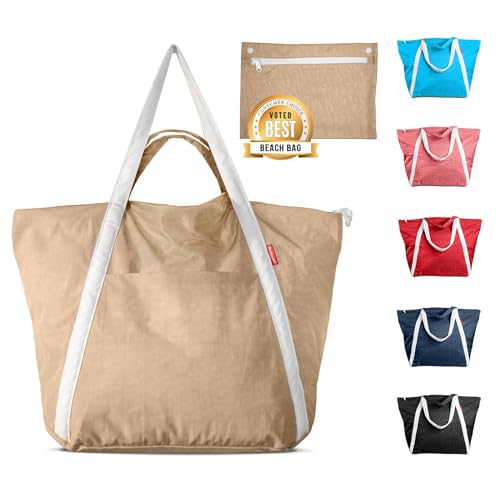
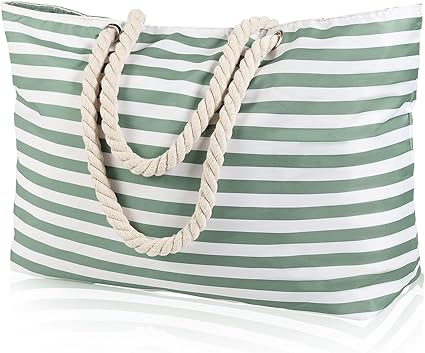
    2. Fashionable Beach Bag

    A large, durable beach bag keeps all your essential beach accessories organized. Choose one with water-resistant material and multiple compartments for easy access.

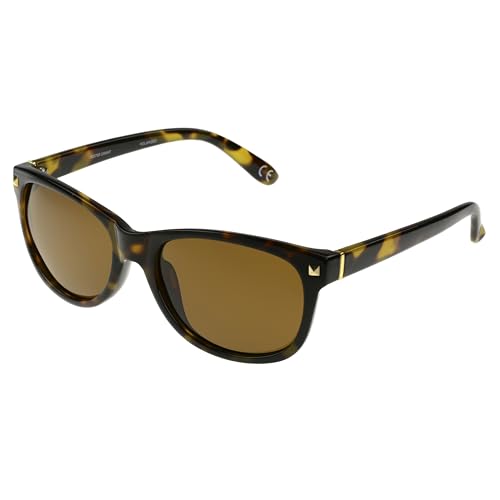
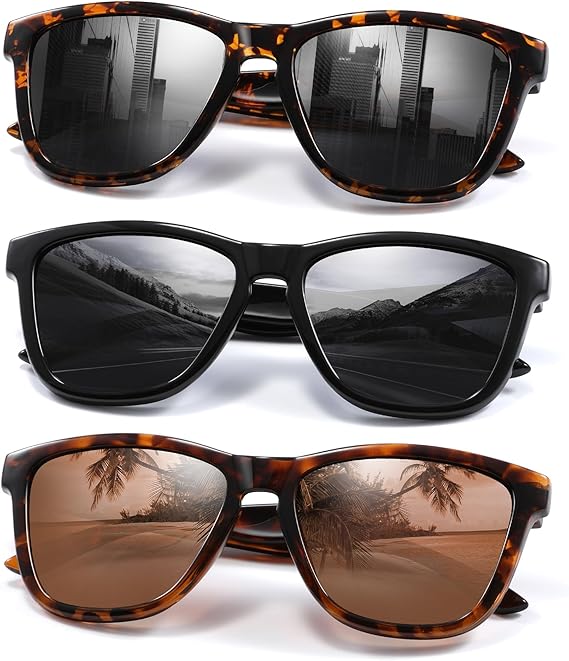
    3. UV-Protective Sunglasses

    Protect your eyes from harsh sun rays with polarized sunglasses that reduce glare and enhance visibility.

    4. Quick-Dry Beach Towel

    A lightweight, sand-resistant towel is a game-changer for beach days. Opt for microfiber towels that dry fast and pack easily.

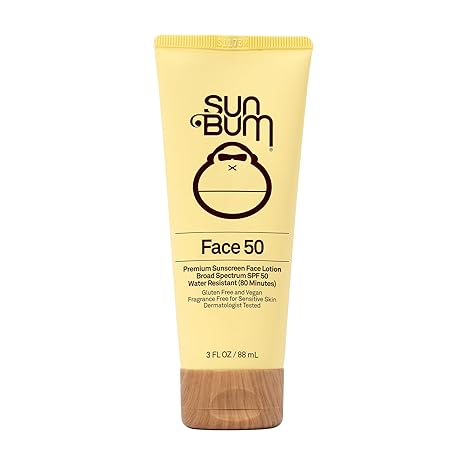
    5. Sunscreen

    Stay protected sunscreen. Don’t forget to apply sunscreen beyond just your skin—protect your lips with SPF lip balm, your scalp with spray sunscreen or a hat, and any exposed areas that are often overlooked, like the tops of your feet and ears. A little extra coverage goes a long way in preventing sun damage! Sun Bum is my go-to brand for sun protection, offering reliable coverage with skin-friendly ingredients. I’ve linked a few of my favorites below—perfect for keeping your skin safe while enjoying the sunshine!

    6. Waterproof Phone Case

    Keep your phone safe from water and sand with a waterproof case that allows you to take photos without worry.

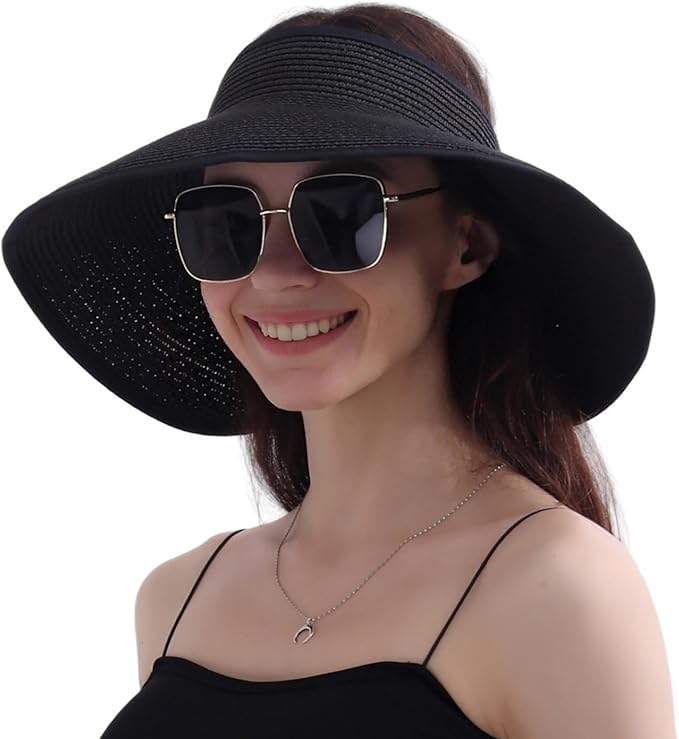
    7. Foldable Beach Hat

    A packable sun hat provides shade and style, keeping you cool while protecting your skin.

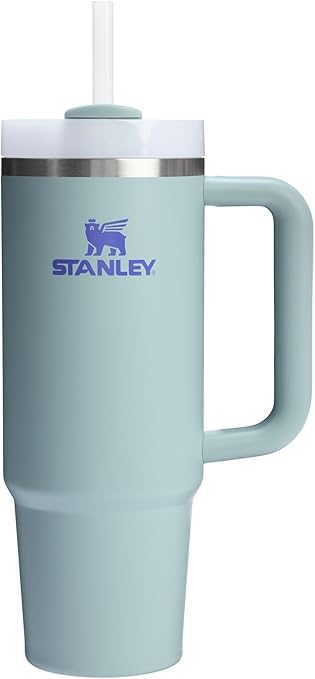
    8. Insulated Tumbler

    Keep your drinks cold for hours with a stainless steel insulated tumbler—perfect for sipping cocktails by the pool.

    9. Beach Cover-Up

    A fashionable cover-up adds style while keeping you comfortable and protected from the sun.

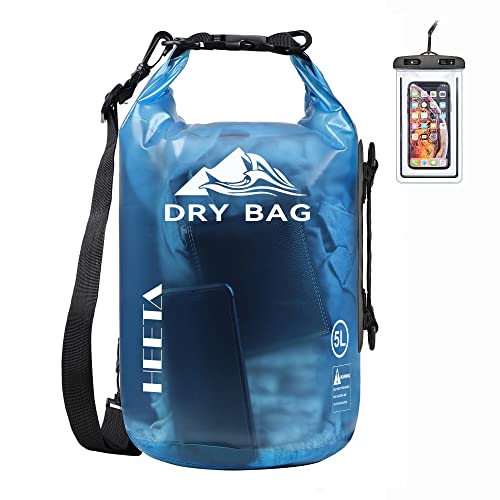
    10. Waterproof Dry Bag

    Store valuables like phones, wallets, and electronics in a waterproof dry bag to keep them safe from splashes.

    11. Aloe Vera Gel

    Soothe sun-kissed skin with cooling aloe vera gel—a must-have for post-beach care.

    12. Portable Fan

    Beat the heat with a compact, rechargeable fan that keeps you cool on hot days.

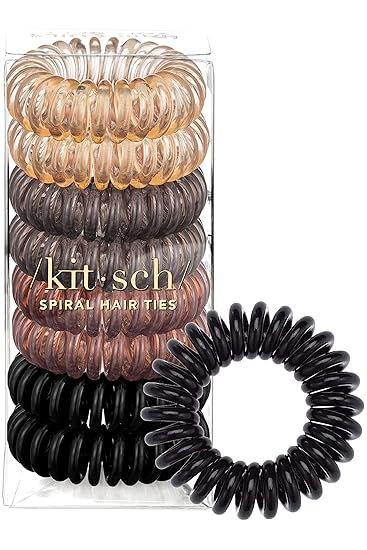
    13. Beach-Friendly Hair Ties

    Avoid tangled hair with waterproof, no-slip hair ties designed for beach days.

    14. Snorkel Set

    Skip rental fees and bring your own snorkel gear for underwater adventures.

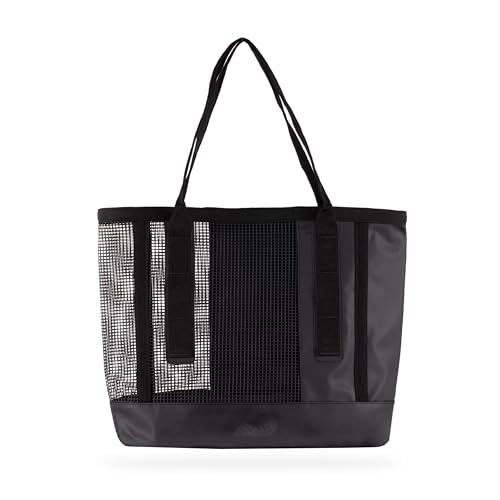
    15. Mesh Beach Tote

    A breathable mesh tote allows sand to fall through, keeping your bag clean.

    16. Lip Balm with SPF

    Protect your lips from sunburn with an SPF-infused lip balm.

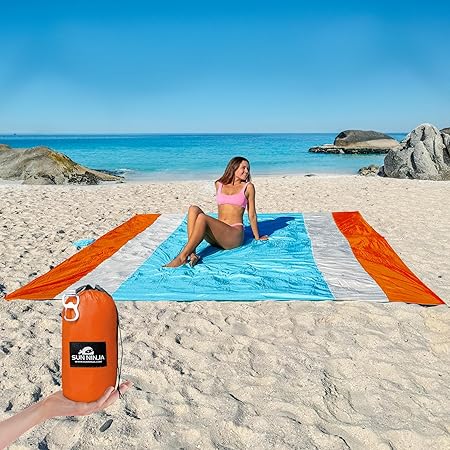
    17. Lightweight Beach Blanket

    A sand-resistant beach blanket provides a comfortable lounging spot without the mess.

    18. Waterproof Bluetooth Speaker

    Enjoy music by the beach with a waterproof, portable speaker.

    19. Bug Spray

    Keep mosquitoes and sandflies away with compact insect repellent.

    20. Floating Sunglass Strap

    Prevent losing your sunglasses in the water with a floating strap.

    21. Beach-Friendly Flip-Flops

    Choose lightweight, cushioned flip-flops for comfort and style.

    22. Reusable Ziplock Bags

    Store snacks, wet swimsuits, or small essentials in reusable waterproof bags.

    23. Beach-Friendly Jewelry

    Opt for waterproof, non-tarnish jewelry that won’t get damaged by saltwater.

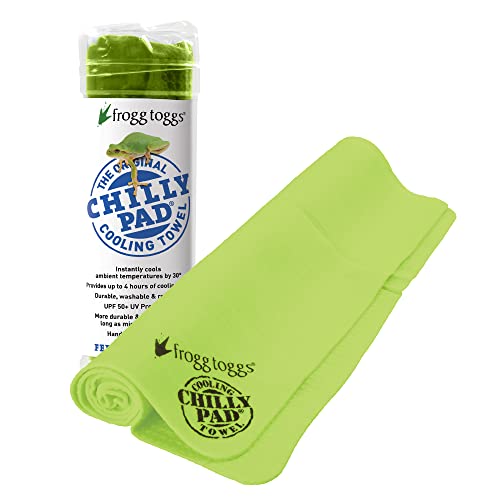
    24. Cooling Towel

    A cooling towel helps regulate body temperature on hot beach days.

    25. Portable Lockbox Safe

    Keep valuables secure at the beach with a portable lockbox safe.

    Final Thoughts: Make the Most of Your Beach Days

    Packing the right beach essentials ensures a stress-free, enjoyable experience whether you’re lounging by the cruise ship pool or exploring a tropical beach. From must-have beach gear like comfortable sandals and fashionable beach bags to essential beach accessories like sunglasses and waterproof phone cases, every item on this list enhances your beach adventure.

    Before your next trip, grab these travel necessities for the beach to ensure you’re fully prepared for fun in the sun!

  • Preparing for a Transatlantic Cruise

    Preparing for a Transatlantic Cruise

    Cruise ship sailing across calm open water, illustrating the peaceful journey described in “preparing for a transatlantic cruise.”
    A cruise ship crossing the open ocean—an iconic view that captures the adventure and serenity of preparing for a transatlantic cruise.

    A transatlantic cruise is one of the most unique and rewarding ways to travel—long stretches of open ocean, unhurried days, and the chance to fully settle into ship life. Unlike port‑intensive itineraries, these crossings offer extended sea days, luxurious onboard amenities, and a slower pace that encourages true relaxation. Preparing well makes the experience even better. Packing smart, pacing yourself, and adjusting to long sea days ensures you enjoy every moment of your journey across the Atlantic.

    Packing for a Transatlantic Cruise

    Packing efficiently is essential for comfort on a long voyage. Weather can shift dramatically as you cross the ocean, and sea days call for a mix of cozy, casual, and dressy options.

    Essential Clothing for a Long Cruise

    • Layered outfits to adjust to changing temperatures as you move between climates and indoor/outdoor spaces.
    • Formal attire for elegant evenings or specialty dining nights.
    • Comfortable loungewear for relaxing in your stateroom, reading on deck, or enjoying quiet mornings.
    • Swimwear and cover‑ups for pool days, spa visits, or lounging in the solarium.

    These staples help you stay comfortable no matter what the weather or daily schedule brings.

    Must‑Have Accessories

    • Reusable water bottle to stay hydrated throughout long sea days.
    • Sunscreen and sunglasses for time on deck, even when temperatures are cooler.
    • Travel pillow and blanket for added comfort during reading, napping, or relaxing in lounges.
    • Binoculars for spotting marine life or enjoying distant views during the crossing.

    These small items make a big difference in comfort and convenience during extended days at sea.

    Pacing Yourself on a Long Cruise

    With so many days onboard, pacing becomes one of the most important parts of a successful transatlantic experience. The goal is to enjoy the ship without burning out early.

    How to Avoid Burnout

    • Plan intentional rest days to recharge between busier days.
    • Alternate active and relaxing activities so your energy stays balanced.
    • Stay hydrated and eat well to support overall wellness during the long journey.

    Transatlantic cruises reward slow, steady enjoyment rather than trying to do everything at once.

    Managing Excursions and Onboard Activities

    • Choose excursions wisely—you may only have a few port days, so pick the ones that truly excite you.
    • Enjoy onboard entertainment like shows, trivia, live music, and themed events to break up sea days.
    • Take advantage of spa treatments to relieve tension and enhance relaxation.

    Balancing activity with downtime helps you feel refreshed throughout the crossing.

    Adjusting to Long Sea Days

    Extended sea days are the heart of a transatlantic cruise. Embracing the slower rhythm makes the experience peaceful and memorable.

    How to Stay Entertained

    • Join onboard workshops such as cooking classes, art sessions, or dance lessons for enrichment and fun.
    • Explore ship amenities including pools, lounges, fitness centers, and quiet reading spaces.
    • Read, write, or journal to enjoy meaningful downtime and reflect on your journey.

    These activities help sea days feel full without feeling rushed.

    Managing Time and Routine

    • Set a daily schedule to give structure to long stretches of time.
    • Stay active with walking, yoga, or fitness classes to keep your energy up.
    • Embrace relaxation through meditation, spa visits, or simply enjoying quiet moments with an ocean view.

    A gentle routine helps you settle into the peaceful rhythm of life at sea.

    Final Thoughts

    Preparing for a transatlantic cruise is all about balance—packing thoughtfully, pacing your days, and embracing the slower, more intentional rhythm of extended sea time. When you plan ahead and give yourself permission to relax, a transatlantic crossing becomes one of the most memorable and restorative ways to travel. Review your packing list, map out a flexible onboard routine, and get ready to enjoy the adventure of crossing the ocean in comfort and style.

  • Missed Cruise Ship: What to Do If You’re Left Behind at a Port

    Missed Cruise Ship: What to Do If You’re Left Behind at a Port

    missed cruise ship

    Watching your cruise ship sail away without you is every traveler’s nightmare. It’s rare, but it can happen due to delays, miscommunication, or losing track of ship time. Knowing what to do in the moment helps you stay calm, take the right steps, and rejoin your cruise as quickly as possible. Understanding how cruise lines handle missed passengers also gives you confidence before you ever step off the ship.

    Why Cruise Ships Don’t Wait

    Cruise ships operate on strict schedules. Port authorities assign specific arrival and departure windows, and ships must leave on time to avoid fines and delays. This means the ship will not wait for late passengers unless they are on a cruise‑sponsored excursion.

    • On a cruise‑sponsored excursion: The ship will wait because the cruise line controls the tour’s timing.
    • Exploring independently: You must return before the all‑aboard time. If you’re late, the ship will depart without you.

    What Happens When You Miss the Ship

    When passengers don’t return on time, the crew follows a set procedure to secure your documents and help you reconnect with the ship.

    • Crew may enter your cabin to retrieve essential documents, such as your passport.
    • Your belongings stay onboard until you rejoin the cruise.
    • Port agents assist stranded passengers and coordinate communication with the cruise line.

    These steps ensure you have what you need to travel safely to the next port.

    What to Do If You Miss Your Cruise Ship

    Acting quickly makes the entire situation easier to manage. These steps help you reconnect with your ship as efficiently as possible.

    Contact the Cruise Line Immediately

    Use the emergency number listed in your cruise documents. The cruise line can confirm the ship’s departure, tell you where to meet the ship next, and explain your options.

    • Call the emergency contact number right away.
    • Speak with port authorities for local guidance.
    • Ask whether you can rejoin the ship at the next port.

    Arrange Transportation to the Next Port

    You are responsible for your own travel costs when you miss the ship. Depending on the itinerary, you may need a flight, ferry, train, or overnight stay.

    • Book transportation to the next port as soon as possible.
    • Stay overnight if the next port is far or requires early arrival.
    • Keep all receipts in case your travel insurance covers missed‑connection expenses.

    Travel insurance varies widely, so it’s important to know whether your policy includes missed port or trip interruption coverage.

    How to Avoid Missing Your Cruise Ship

    A few simple habits dramatically reduce the risk of being left behind.

    Stay on Ship Time

    One of the most common reasons travelers miss the ship is following local time instead of ship time. Time zones can shift throughout your itinerary, and not all ports match the ship’s clock.

    • Set multiple alarms.
    • Use a world‑clock app to track ship time.
    • Plan to return at least an hour before all‑aboard.

    Choose Excursions Wisely

    Cruise‑sponsored excursions offer built‑in protection because the ship will wait for delayed tours. Independent excursions can be great, but they require extra caution.

    • Confirm return times with local guides.
    • Build in buffer time for traffic or unexpected delays.
    • Stay close to port if you’re worried about timing.

    Final Thoughts

    Missing your cruise ship is stressful, but knowing what to do helps you stay in control. When you understand departure policies, act quickly, and plan ahead, you can rejoin your ship and continue your vacation with confidence. Reviewing these steps before your cruise gives you peace of mind and helps ensure a smooth, stress‑free journey at sea.

  • Cruise Time Zone Changes: How to Adjust & Stay on Schedule

    Cruise Time Zone Changes: How to Adjust & Stay on Schedule

    Analog clock outdoors with mountains in the background, symbolizing how cruise time zone changes can affect your schedule.
    A simple clock against a mountain backdrop is a great reminder of how cruise time zone changes can shift your daily rhythm at sea.

    Cruising often means crossing multiple time zones, and those shifts can affect your sleep, your daily rhythm, and your excursion timing. Understanding how cruise ships handle time changes—and how to adjust smoothly—helps you stay on schedule and avoid confusion throughout your trip. With a few simple habits, you can enjoy your cruise without worrying about missed activities or mixed‑up clocks.

    How Cruise Ships Handle Time Changes

    Cruise ships follow a set schedule, but the way they manage time zones varies by itinerary. Some ships stay on “ship time” for the entire cruise, while others adjust to local time as they move from port to port. Knowing which system your ship uses helps you plan your days with confidence.

    • Some itineraries stay on ship time from start to finish
    • Others adjust to local time as you move between ports
    • Cruise lines announce time changes through the daily planner or PA system
    • Excursions may follow ship time or local time, depending on the tour

    These differences matter because they affect everything from meal times to show schedules to port departures.

    Why Time Zone Changes Matter

    Time changes can shift your routine more than you expect. Even a one‑hour adjustment can affect your energy level, your sleep, and your timing for excursions. Staying aware of upcoming changes helps you avoid fatigue and stay aligned with the ship’s schedule.

    • Mealtimes and activities may feel earlier or later
    • Excursion schedules can shift depending on local time
    • Gradual adjustments help reduce jet lag and confusion

    Top Cruise Time Zone Mistakes to Avoid

    Small oversights can lead to big problems on port days. These are the most common mistakes travelers make when crossing time zones at sea.

    • Relying on your phone, which may auto‑update incorrectly
    • Forgetting to change your watch or alarm before bed
    • Not confirming whether excursions follow ship time or local time
    • Missing onboard announcements about time changes
    • Cutting it too close when returning to the ship

    Avoiding these mistakes keeps your days smooth and stress‑free.

    Preparing for Time Zone Changes Before Your Cruise

    A little preparation before departure makes onboard adjustments much easier.

    Research Your Itinerary

    • Check which time zones you’ll cross
    • Note days with expected time changes
    • Set reminders so you’re never caught off guard

    Pack Helpful Tools

    • A simple travel alarm clock
    • A smartwatch that updates reliably
    • Melatonin or gentle sleep aids if you use them

    These small items help you stay on track even when your schedule shifts.

    Adjusting to Time Zone Changes During Your Cruise

    Once onboard, small habits help you adapt quickly.

    Make Adjustments Gradually

    • Change your clocks before going to bed
    • Follow announcements closely
    • Stay active during the day to reset your internal clock

    Reduce Jet Lag

    • Shift your sleep schedule by an hour when needed
    • Stay hydrated and limit caffeine
    • Take short naps without disrupting nighttime sleep

    These steps help your body adjust without feeling sluggish.

    Staying on Schedule During Shore Excursions

    Excursions can follow ship time or local time, so clarity is essential.

    Keep Track of Time on Shore

    • Confirm departure times with crew or tour staff
    • Set alarms for your return
    • Use a world‑clock app to track both time zones

    Avoid Time Zone Confusion

    • Ask crew members if you’re unsure
    • Wear a watch instead of relying on your phone
    • Build in buffer time when returning to the ship

    These habits help you enjoy your day ashore without stress.

    Final Thoughts

    Cruise time zone changes don’t have to disrupt your vacation. When you understand how your ship handles time, prepare before departure, and stay aware of daily adjustments, you can enjoy a smooth, well‑timed cruise from start to finish. A little planning keeps you on schedule and lets you focus on the fun of exploring new destinations.

  • Cruise Ship Etiquette: Do’s & Don’ts for a Smooth Sailing Experience

    Cruise Ship Etiquette: Do’s & Don’ts for a Smooth Sailing Experience

    Elegant formal table setting with gold‑trimmed dishes and utensils, illustrating one aspect of cruise ship etiquette.
    A classic formal place setting is just one example of the thoughtful behaviors that fall under cruise ship etiquette.

    Cruising brings thousands of people together in shared spaces, and a little courtesy goes a long way. Whether you’re dining in the main restaurant, relaxing by the pool, or moving through busy hallways, understanding cruise ship etiquette helps create a smooth, enjoyable experience for everyone onboard. These simple do’s and don’ts make your vacation more pleasant while showing respect for fellow passengers and crew.

    Dining Etiquette on a Cruise Ship

    Cruise dining is one of the highlights of the experience, and good manners help keep meals relaxed and enjoyable.

    Do’s

    • Arrive on time for dinner reservations to keep service running smoothly.
    • Dress appropriately for the venue and follow posted dress codes.
    • Use polite table manners and thank your servers.
    • Respect shared buffet spaces by taking only what you’ll eat.

    Don’ts

    • Don’t cut in buffet lines.
    • Don’t take large amounts of food back to your cabin if the cruise line discourages it.
    • Don’t snap fingers or wave at waitstaff.
    • Don’t linger too long after meals when others are waiting for tables.

    Dining etiquette keeps the atmosphere pleasant and helps the crew deliver great service.

    Pool Deck Etiquette

    The pool deck is one of the busiest areas onboard, and small courtesies make a big difference.

    Do’s

    • Use towels responsibly and reserve chairs only when you’re actively using them.
    • Shower before entering the pool.
    • Respect personal space in hot tubs and crowded areas.
    • Dispose of trash properly to keep the deck clean.

    Don’ts

    • Don’t play loud music — use headphones.
    • Don’t run on wet surfaces.
    • Don’t bring glass containers near the pool.
    • Don’t hog lounge chairs for hours.

    These habits help everyone enjoy the sun and relaxation without frustration.

    Respecting Fellow Passengers

    Cruise ships bring together people of all ages and backgrounds. Courtesy keeps the atmosphere friendly and comfortable.

    Do’s

    • Use quiet voices in hallways, especially early or late.
    • Hold elevator doors when you can.
    • Be mindful of personal space in lines and crowded areas.
    • Follow instructions during excursions to keep groups organized.

    Don’ts

    • Don’t block walkways when stopping to chat.
    • Don’t complain loudly about minor inconveniences.
    • Don’t slam cabin doors.
    • Don’t monopolize crew members’ time.

    These small behaviors help create a positive onboard environment.

    Cabin Etiquette

    Cabins are close together, so noise and clutter travel easily.

    Do’s

    • Keep voices and TV volumes low.
    • Close doors gently.
    • Keep hallways clear of personal items.

    Don’ts

    • Don’t leave your cabin door propped open.
    • Don’t host loud gatherings.
    • Don’t let alarms ring endlessly.

    Elevator Etiquette

    Elevators fill quickly, especially on sea days.

    Do’s

    • Let passengers exit before entering.
    • Offer space to those with mobility needs.
    • Step aside if you’re not exiting.

    Don’ts

    • Don’t press multiple buttons as a joke.
    • Don’t block the doors while deciding where to go.
    • Don’t squeeze in when it’s already full.

    Phone & Tech Etiquette

    Technology is part of travel, but it shouldn’t disrupt others.

    Do’s

    • Use headphones for music and videos.
    • Keep calls brief and quiet in public areas.
    • Silence devices during shows and meals.

    Don’ts

    • Don’t use FaceTime or speakerphone in public.
    • Don’t blast audio poolside.
    • Don’t use flash photography during shows.

    Final Thoughts

    Cruise ship etiquette is all about courtesy, awareness, and respect. When you follow simple do’s and don’ts across dining, pool areas, cabins, and shared spaces, you help create a smoother, more enjoyable experience for everyone onboard. These habits make your own vacation better while contributing to a friendly, relaxed atmosphere at sea.

  • Cruise Packing Mistakes to Avoid: What Not to Bring & Essentials You’ll Regret Forgetting

    Cruise Packing Mistakes to Avoid: What Not to Bring & Essentials You’ll Regret Forgetting

    Traveler packing a suitcase on a bed with clothing, accessories, and travel essentials scattered around, illustrating common cruise packing mistakes to avoid.
    A suitcase full of scattered essentials is a great reminder of the cruise packing mistakes to avoid before you head to the ship.

    What Not to Bring & Essentials You’ll Regret Forgetting

    Packing for a cruise should feel simple, but it’s surprisingly easy to overpack, forget essentials, or bring items that aren’t allowed onboard. Cruise cabins are small, luggage space is limited, and certain items can cause delays at security. A little planning helps you avoid clutter, stay organized, and start your vacation stress‑free. These common packing mistakes — and the smart fixes that go with them — help you pack lighter, smarter, and more confidently for your next sailing.

    Overpacking and Bringing Too Many Clothes

    Overpacking is one of the most common cruise mistakes, and it becomes obvious the moment you step into your cabin. Storage is limited, and extra luggage quickly turns into clutter. Most travelers don’t wear half the outfits they bring, especially with access to laundry services onboard. Choosing versatile clothing makes a big difference. Mix‑and‑match pieces, lightweight layers, and multipurpose outfits help you stay comfortable without filling your suitcase.

    Shoes are another space‑stealer. Three or four pairs are all you need: comfortable walking shoes for excursions, flip‑flops or water shoes for pool and beach days, and dressier shoes for dinner. Packing cubes help keep everything organized and reduce bulk, making it easier to unpack and keep your cabin tidy.

    Choosing the Right Luggage for Your Cruise

    Your luggage matters more than you might expect. Oversized bags can be difficult to store, and hard‑sided suitcases don’t always slide easily under the bed — though many cruisers, including me, have had no issues on Royal Caribbean ships. Soft‑sided bags are more flexible, but either style works as long as you’re mindful of size.

    Cruise lines often recommend one to two bags per person, so packing efficiently helps you stay within guidelines. Collapsible bags are great for dirty laundry or souvenirs, and printed luggage tags with protective holders make embarkation smoother. Clear labeling also helps prevent mix‑ups during delivery.

    Using Laundry Options to Save Space

    Laundry access is one of the easiest ways to avoid overpacking. Many ships offer self‑service laundromats with washers, dryers, and ironing boards. Bringing a few detergent pods or dryer sheets makes the process simple. If you prefer convenience, full‑service laundry and dry cleaning are available on most ships, with same‑day service for an extra fee.

    For quick refreshes, a sink wash works well for swimsuits, undergarments, and workout clothes. Magnetic hooks or a retractable line help items dry faster. A foldable laundry bag or mesh hamper keeps dirty clothes contained and out of the way.

    Forgetting Important Travel Documents

    passports

    Nothing derails a cruise faster than missing documents. Passports, IDs, boarding passes, and SetSail passes should be packed in your carry‑on and kept together in a travel wallet. Health insurance cards, travel insurance details, and emergency contacts are also essential. Storing digital copies on your phone adds an extra layer of security.

    A quick double‑check before leaving home prevents stressful surprises at the port.

    Packing Prohibited Items

    A close‑up of an outstretched hand held toward the camera, palm facing forward, with the person’s face and body softly blurred in the background.

    Cruise lines have strict rules about what you can bring onboard. Irons, steamers, candles, and incense are prohibited because they pose fire risks. Power strips — even those without surge protection — are now banned on many cruise lines. USB hubs or multi‑port chargers are safer alternatives.

    Alcohol rules vary by cruise line, so checking policies ahead of time helps you avoid confiscation at security. When in doubt, leave questionable items at home and pack cruise‑approved substitutes.

    Forgetting Essentials You’ll Wish You Had

    Some items are easy to overlook but incredibly useful once you’re onboard. A reusable water bottle helps you stay hydrated throughout the day. Sunscreen and bug spray protect you during port days, and prices onboard can be high. A small first‑aid kit with pain relievers, bandages, and motion‑sickness remedies saves you from unnecessary trips to the medical center.

    Magnetic hooks and over‑the‑door organizers maximize cabin space and keep essentials within reach. Packing extras of toiletries, medications, and sunscreen prevents last‑minute purchases.

    Packing the Wrong Shoes and Accessories

    A pair of patterned pink sandals and black flip‑flops resting on sandy beach ground beside a colorful striped bag, with a blue starfish toy, white sunglasses, and a sunscreen bottle arranged in front.

    Footwear can make or break your cruise experience. New shoes that haven’t been broken in often lead to blisters, especially during long excursions. Flip‑flops are great for the pool but not ideal for uneven terrain or long walks. Choosing versatile, comfortable shoes ensures you’re prepared for every activity without overpacking.

    Lightweight accessories like hats, sunglasses, and small bags help you stay comfortable and organized throughout your trip.

    Final Thoughts

    Packing smart helps you avoid clutter, reduce stress, and enjoy your cruise from the moment you board. When you skip unnecessary items, bring the essentials, and stay mindful of cruise line rules, your cabin stays organized and your vacation feels effortless. Reviewing these common mistakes before you pack ensures smooth sailing and a more enjoyable experience at sea.

    Printable Cruise Packing Checklist

    Want a stress-free way to pack?

    Download your FREE Printable Cruise Packing Checklist—it’s organized into Essentials, Nice-to-Have, and Leave-at-Home categories!

  • European Cruise Packing List: Essentials for City & Cultural Exploration

    European Cruise Packing List: Essentials for City & Cultural Exploration

    Traveler packing a suitcase on a bed with clothing, a hat, water bottle, and passport, illustrating essentials for a european cruise packing list.
    A well‑packed suitcase with versatile essentials is the perfect start to any european cruise packing list.

    A well‑packed suitcase sets the tone for a smooth, comfortable, and stylish European cruise. Unlike Caribbean sailings, European itineraries blend historic landmarks, bustling cities, sacred sites, and varied climates—sometimes all in the same week. Packing with versatility in mind helps you move effortlessly from cobblestone streets to cathedral tours to elegant onboard dinners. This guide walks through the clothing, accessories, and strategies that make European cruising easier, more comfortable, and more culturally aware.

    New to cruising or just want to make sure you’ve got the basics covered? Check out my FREE European Cruise Packing List for must-have items! Simply click the button below to access the file. No need to provide your E-mail address.

    Understanding European Cruise Weather & How to Pack for It

    Europe’s climate shifts dramatically by region, and preparing for those differences helps you stay comfortable throughout your trip. Whether you’re exploring sun‑drenched Mediterranean ports or wandering through misty Baltic streets, knowing what to expect makes packing far simpler.

    Mediterranean (Spain, Italy, Greece)

    • Spring (Apr–Jun): 60°F–75°F, mild with occasional rain
    • Summer (Jul–Aug): 75°F–90°F, hot and dry
    • Fall (Sep–Oct): 65°F–80°F, warm days, cooler evenings

    Baltic (Scandinavia, Northern Europe)

    • Spring: 45°F–60°F, cool with budding sunshine
    • Summer: 60°F–75°F, pleasant and mild
    • Fall: 50°F–65°F, crisp air, possible rain

    Norwegian Fjords

    • Spring: 40°F–55°F, variable with showers
    • Summer: 55°F–68°F, cool and scenic
    • Fall: 45°F–58°F, misty and atmospheric

    British Isles & Northern Europe

    • Spring: 50°F–60°F, breezy and damp
    • Summer: 60°F–75°F, mild with sun
    • Fall: 50°F–65°F, variable with drizzle

    These ranges show why layering is essential and why footwear, outerwear, and modest clothing matter so much on European itineraries.

    Must‑Haves by Season

    Spring (April–June)

    Unpredictable showers and cool mornings make flexible layers essential.

    • Lightweight scarf or wrap
    • Light waterproof jacket or trench
    • Compact umbrella
    • Long‑sleeve tops and breathable base layers
    • Closed‑toe walking shoes

    Summer (July–August)

    Expect Mediterranean heat and milder northern breezes.

    • Sleeveless or short‑sleeve tops
    • Linen or moisture‑wicking trousers/shorts
    • Foldable sunhat & high‑SPF sunscreen
    • Water bottle & compact fan/mister
    • Comfortable sandals with arch support

    Fall (September–October)

    Cooling temperatures call for warmer layers.

    • Lightweight puffer vest or sweater
    • Long trousers, midi skirts, or leggings
    • Waterproof outerwear
    • Sturdy walking shoes or waterproof boots
    • Mix‑and‑match neutral layers

    Winter (November–March)

    Some regions quiet down, but winter sailings can be magical.

    • Warm waterproof coat
    • Thermal base layers
    • Wool or fleece accessories
    • Insulated walking shoes or boots
    • Sweater dress or warm dinner layers

    Packing Strategy for a European Cruise

    Packing smart helps you adapt to changing temperatures, long walking days, and cultural expectations.

    • Layering: Essential for shifting weather and moving between indoor and outdoor spaces.
    • Comfortable walking shoes: Cobblestones, hills, and long excursions demand supportive footwear.
    • Modest options: Many cultural sites require covered shoulders and knee‑length bottoms.

    These principles help you stay comfortable, respectful, and prepared for every port.

    Clothing Essentials for a European Cruise

    Casual Daywear for City Exploration

    Comfort and style go hand‑in‑hand when exploring European cities.

    • Lightweight tops and breathable fabrics
    • Comfortable jeans, trousers, or skirts
    • Stylish walking shoes that handle cobblestones

    Smart Casual Attire for Evenings

    European dining rooms and onboard venues lean toward polished but relaxed.

    • Collared shirts, blouses, skirts
    • Dress pants or dark jeans
    • Flats or stylish sandals

    Dressing Respectfully for Cultural Sites

    Many excursions include churches, monasteries, and sacred landmarks with modesty requirements.

    Typical expectations:

    • Covered shoulders: Bring a cardigan, scarf, or wrap.
    • Knee‑length bottoms: Maxi skirts or linen pants work well.
    • No hats indoors: Remove hats in sacred spaces.

    Comfort tips:

    • Keep a scarf in your day bag for quick coverage.
    • Choose dresses with sleeves or convertible tops.
    • Avoid clingy or revealing clothing in conservative regions.
    • Check excursion notes for specific dress codes.

    Formal Night Outfits

    • Cocktail dresses, suits, or elegant pantsuits
    • Simple accessories
    • Polished shoes

    Must‑Have Accessories for Cultural Travel

    Accessories make excursions easier and help you stay comfortable throughout long walking days.

    • Daypack or crossbody bag
    • Compact umbrella
    • Sunglasses & hat
    • Light scarf or wrap

    Packing tips:

    • Use zip‑top bags for small items
    • Keep accessories organized with packing cubes
    • Bring extra layers for sudden weather changes

    Packing for Varied European Climates

    Europe’s weather can shift quickly, especially when your itinerary spans multiple regions. Layering helps you stay comfortable without overpacking.

    Layering Tips

    • Moisture‑wicking base layer
    • Insulating mid‑layer
    • Waterproof outer layer

    Best Fabrics

    • Merino wool: Ideal for base layers
    • Fleece or down: Warm mid‑layers
    • GORE‑TEX or waterproof shells: Reliable outer protection

    How to Layer Like a Pro on a European Cruise

    1. Base layer: Breathable, moisture‑wicking tops that keep you dry during long excursions.
    2. Mid‑layer: Fleece, light sweaters, or thin down vests for warmth.
    3. Outer layer: Packable waterproof jacket or windbreaker with a hood.

    Pro tips:

    • Stick to neutrals for easy mix‑and‑match outfits.
    • Choose thin, high‑performance fabrics to save space.
    • Keep a scarf handy for warmth and modesty.
    • Carry a tote or daypack to stash layers as temperatures change.

    Cruise Cabin Organization Tips

    European cruise cabins are cozy, so smart organization helps you settle in quickly.

    Space‑Saving Hacks

    • Hanging organizers for toiletries
    • Compact shoe rack
    • Foldable storage bins

    Keeping the Cabin Tidy

    • Unpack right away
    • Use zip‑top bags for small items
    • Assign storage spots for each traveler

    10 Essential Items Every European Traveler Should Pack

    • Lightweight scarf or shawl
    • Anti‑theft crossbody bag
    • Comfortable, stylish walking shoes
    • Plug adapter & voltage converter
    • Packable waterproof jacket
    • Mini umbrella
    • Modest clothing for museums & churches
    • Reusable water bottle
    • Translation app or phrasebook
    • Copies of important documents

    Final Thoughts

    Packing well for a European cruise means preparing for varied climates, cultural expectations, and full days of exploration. When you focus on versatile layers, comfortable footwear, modest options for sacred sites, and smart accessories, you’re ready for everything from Roman ruins to Norwegian fjords. Reviewing this list before you sail helps you pack confidently and enjoy Europe’s breathtaking cities, landscapes, and history without stress.

    My travel essentials

    Want to see exactly what I pack for every cruise? Check out my Travel Essentials for Cruising—it’s full of tried-and-true gear I never leave home without.

  • Alaska Cruise Packing List: Cold-Weather Essentials, Layering Tips & Must-Have Accessories

    Alaska Cruise Packing List: Cold-Weather Essentials, Layering Tips & Must-Have Accessories

    Open suitcase with layered clothing, boots, travel gear, and a diary being packed, illustrating essentials for an alaska cruise packing list.
    Warm layers, sturdy footwear, and thoughtful essentials like maps and journals are key pieces of any alaska cruise packing list.

    Packing for an Alaska cruise is completely different from preparing for a tropical getaway. The weather shifts quickly, temperatures swing throughout the day, and rain is always a possibility. A thoughtful packing strategy helps you stay warm, dry, and comfortable so you can enjoy glacier views, wildlife encounters, and outdoor adventures without worrying about the elements. This guide walks through the essentials—cold‑weather clothing, smart layering, waterproof gear, and the accessories that make a big difference on chilly days.

    Understanding Alaska’s Cruise Weather & How to Pack for It

    Alaska’s weather changes fast, and that’s part of its charm. Days can start cool, warm up in the afternoon, and turn windy or rainy by evening. Packing with flexibility in mind helps you stay comfortable no matter what the day brings.

    Typical weather by month

    • May: Cool (45°F–55°F) with occasional rain
    • June & July: Warmer (60°F–75°F) but still unpredictable
    • August & September: Cooler (40°F–60°F) with increased rainfall
    • October: Chilly (30°F–50°F) and shorter daylight hours

    Because conditions vary so much, layering becomes the foundation of every Alaska packing list. Waterproof gear is essential, and excursion‑ready clothing helps you enjoy hiking trails, glacier visits, and wildlife tours comfortably.

    Cold‑Weather Essentials

    The right cold‑weather clothing keeps you warm without adding unnecessary bulk. Building your outfits around base, mid, and outer layers gives you flexibility throughout the day.

    Base layers Moisture‑wicking thermal shirts and leggings help regulate body heat and keep sweat away from your skin. Merino wool and synthetic fabrics are ideal because they stay warm even when damp.

    Mid‑layers Fleece jackets, down vests, sweaters, and hoodies add insulation without feeling heavy. These pieces are easy to add or remove as temperatures shift.

    Outer layers A waterproof jacket with a hood is essential for rainy days, and a windproof shell helps block strong gusts during glacier viewing or open‑deck sightseeing.

    Together, these layers create a warm, comfortable system that adapts to Alaska’s changing weather.

    Layering Tips for an Alaska Cruise

    Layering is the key to staying comfortable in Alaska’s unpredictable climate. Start with a moisture‑wicking base layer to keep your skin dry, add an insulating mid‑layer for warmth, and finish with a waterproof outer layer to protect against rain and wind.

    Best fabrics for layering

    • Merino wool for base layers
    • Fleece or down for mid‑layers
    • GORE‑TEX or other waterproof shells for outer layers

    This combination keeps you warm, dry, and ready for anything—from breezy decks to misty fjords.

    Waterproof Gear for an Alaska Cruise

    Rain is a regular part of Alaska’s weather, so waterproof gear is non‑negotiable. A waterproof jacket with a hood is essential, and waterproof pants make hiking and outdoor excursions far more comfortable. Waterproof gloves help keep your hands warm during cold, wet days, and a waterproof backpack cover protects your belongings from moisture.

    Reliable waterproof brands Columbia, Patagonia, and The North Face all offer durable, high‑quality rain gear that performs well in Alaska’s climate.

    Staying dry is one of the easiest ways to stay warm, especially during long days outdoors.

    Must‑Have Accessories

    Accessories make a big difference in cold climates. A warm hat and gloves help prevent heat loss, and thermal socks keep your feet warm and dry during excursions. Binoculars are perfect for spotting wildlife, and hand warmers add extra comfort on chilly days.

    Packing tips for accessories Storing small items in zip‑top bags keeps them dry and easy to find. Packing cubes help you stay organized, and bringing a few extra layers ensures you’re prepared for sudden weather changes.

    These small additions make your days more comfortable and your excursions more enjoyable.

    Final Thoughts

    Packing well for an Alaska cruise means preparing for shifting temperatures, frequent rain, and outdoor adventures. When you focus on warm layers, waterproof gear, and smart accessories, you stay comfortable no matter what the weather brings. Reviewing this list before you sail helps you pack confidently and enjoy Alaska’s breathtaking landscapes with ease.

  • Royal Caribbean Dress Code for the Main Dining Room

    Royal Caribbean Dress Code for the Main Dining Room

    Woman wearing a knee‑length black dress and heels, shown as one option that fits within the flexible royal caribbean dress code.
    A simple black dress is just one option that works well with the royal caribbean dress code, which offers plenty of flexibility for your personal style.

    Packing for a cruise is exciting, but figuring out what to wear in the Main Dining Room can feel confusing. Royal Caribbean keeps things flexible, offering three dress code categories that help you plan without overpacking. Whether you prefer casual comfort or enjoy dressing up, the guidelines are easy to follow and leave plenty of room for personal style.

    The Main Dining Room is one of the highlights of a Royal Caribbean cruise. It’s where families gather for dinner, where servers learn your preferences, and where the atmosphere feels special without being stuffy. Understanding the dress code helps you feel confident walking in each night, no matter what you choose to wear.

    Royal Caribbean’s Three Dress Code Categories

    Royal Caribbean uses three evening categories—Casual, Smart Casual, and Formal Night. These categories set the tone for the evening while still giving guests freedom to dress in a way that feels comfortable and true to their style. You don’t need to buy new clothes or pack an entire wardrobe. Most travelers already own everything they need.

    Casual Attire

    Casual nights are relaxed and easygoing. You can dress comfortably while still looking neat, and the atmosphere is welcoming for families, first‑time cruisers, and anyone who prefers simple outfits.

    What works well

    • Jeans, khakis, sundresses, polos, blouses
    • Casual skirts and tops
    • Sandals, sneakers, flats

    What to avoid

    • Swimwear
    • Bare feet
    • Men’s tank tops

    Royal Caribbean officially says shorts aren’t allowed at dinner, but many guests wear them anyway—and staff rarely turns anyone away. The vibe is friendly and flexible, and you’ll see a wide range of outfits. Honestly, if the rules were stricter, my husband and son probably wouldn’t dine there at all, so I appreciate the relaxed approach.

    Casual nights are perfect for travelers who want to enjoy a nice dinner without feeling like they need to dress up. You can go straight from a day in port to dinner with minimal effort, which makes evenings feel easy and stress‑free.

    Smart Casual Attire

    Smart casual is a step up from everyday wear but still far from formal. Think polished, not fancy. This category is ideal for travelers who want to look put‑together without committing to dressy outfits.

    Recommended outfits

    • Collared shirts, blouses, skirts
    • Dress pants, khakis, dark jeans
    • Jackets or blazers (optional)

    Skip these

    • Shorts
    • Flip‑flops
    • Athletic wear

    Smart casual nights often fall on evenings with special menus or themed dinners. You’ll see a mix of styles—some guests dress up, while others keep it simple. The goal is to feel comfortable while enjoying a nice dinner, not to meet a strict standard.

    If you want to elevate your look without packing extra clothing, a lightweight cardigan, a nicer pair of shoes, or a simple accessory can make a big difference.

    Formal Night Attire

    Formal nights are your chance to dress up, but you don’t need a tux or ballgown unless you want one. Royal Caribbean encourages elevated outfits but keeps expectations flexible so everyone can participate at their comfort level.

    Ideas for men

    • Suits or tuxedos
    • Dress shirts with ties

    Ideas for women

    • Cocktail dresses
    • Evening gowns
    • Elegant pantsuits

    Accessories

    • Jewelry
    • Polished shoes
    • Small handbags

    Formal night is also a great time for photos. Many families take advantage of the photographers stationed throughout the ship. Even though the guidelines lean dressy, many guests still choose casual attire. My husband and son don’t love dressing up, so I simply ask them to wear the nicest items they packed. It keeps everyone happy without overcomplicating things.

    How many formal nights to expect

    • 3–5 nights: 1 formal night
    • 6–7 nights: 2 formal nights
    • 8–10 nights: 2 formal nights
    • 11–14 nights: 3 formal nights
    • 15+ nights: 3–4 formal nights

    These numbers help you plan outfits without overpacking or stressing about what to bring.

    Final Thoughts

    Royal Caribbean’s dress code is designed to enhance the dining experience without making guests feel pressured. You can enjoy the Main Dining Room every night in comfortable, casual clothing if that’s your style. The real focus is the experience—great food, friendly service, and a lively atmosphere.

    Even if you prefer to keep things simple, the Main Dining Room is absolutely worth trying. It’s a special part of the cruise that welcomes every guest, no matter their wardrobe. Packing with the dress code in mind helps you feel prepared, relaxed, and ready to enjoy every evening onboard.

  • Cruising with Health Conditions: Essential Tips for Travelers with Medical Needs

    Cruising with Health Conditions: Essential Tips for Travelers with Medical Needs

    Hand holding a small pill organizer above an open travel bag, representing the preparation involved in cruising with health conditions.
    A simple pill organizer packed alongside travel essentials is a great reminder that cruising with health conditions starts with thoughtful preparation.

    Cruising with health conditions doesn’t have to feel overwhelming. With a little preparation, the right accommodations, and a clear understanding of what cruise lines offer, you can enjoy a smooth, stress‑free vacation at sea. Many travelers sail with medications, mobility needs, chronic conditions, or accessibility requirements, and cruise lines are well‑equipped to support them. Planning ahead gives you confidence and helps you focus on the fun of your trip.

    Understanding Cruise Line Medical Accommodations

    Most cruise lines offer a wide range of medical accommodations, but the specifics vary by company and ship. Reaching out before your sailing ensures everything is ready when you arrive.

    Cruise lines can provide medical‑grade refrigerators for medications that require strict temperature control. These units are different from standard stateroom fridges, which often don’t stay cold enough for sensitive prescriptions. Requesting one in advance ensures your medication is stored safely from the moment you board. Some travelers also bring a small thermometer to double‑check the temperature for peace of mind.

    Accessibility accommodations are also widely available. Many ships offer wheelchair‑accessible cabins with wider doorways, roll‑in showers, and additional grab bars. Elevators and ramps make it easier to navigate public areas, and mobility aids such as wheelchairs and scooters can be rented through approved vendors. Reserving early is essential, especially on popular itineraries.

    Packing Medical Supplies and Important Documents

    Packing thoughtfully is one of the most important steps when cruising with health conditions. Bringing the right supplies ensures you’re prepared for unexpected delays or changes in your itinerary.

    Prescription medications should always be packed in original containers and carried in your personal bag—not checked luggage. Bringing extra doses protects you in case of travel delays. A small first‑aid kit with bandages, pain relievers, and motion‑sickness remedies is helpful for day‑to‑day needs.

    Documentation is equally important. A doctor’s letter outlining your medical conditions, required medications, and any necessary accommodations can make interactions with crew and medical staff smoother. Keep copies of your health insurance, travel insurance, and emergency contact information in an easily accessible place. If you’ve arranged a medical refrigerator, bring the confirmation with you so crew members can verify your request quickly.

    What to Expect from Onboard Medical Facilities

    Cruise ships are equipped to handle a wide range of medical needs, though services vary by ship size and cruise line. Most ships offer basic medical care for minor illnesses and injuries, along with emergency stabilization if more serious issues arise. Some ships have X‑ray machines, lab testing capabilities, and a limited supply of common prescription medications.

    Medical centers are staffed by licensed doctors and nurses who are trained to handle urgent situations at sea. Larger or more modern ships may also offer telemedicine consultations, giving you access to additional medical support when needed. While specialists are rarely onboard, the medical team can coordinate care at the next port if necessary.

    Understanding what the medical center can and cannot do helps you prepare realistically and avoid surprises.

    Choosing Travel Insurance That Covers Medical Needs

    Travel insurance is especially important for cruisers with health conditions. Policies vary widely, so reviewing coverage carefully ensures you’re protected throughout your trip.

    Look for a policy that includes coverage for pre‑existing conditions, emergency medical treatment, and medical evacuation. Evacuation benefits are crucial, as transport from a ship to a hospital can be extremely expensive without insurance. Trip‑cancellation protection is also valuable if illness prevents you from traveling. Some policies even cover the replacement of lost or delayed prescription medications.
    Comparing providers, reviewing coverage limits, and reading the fine print helps you choose a policy that fits your needs and gives you peace of mind.

    Staying Healthy and Comfortable During Your Cruise

    Once onboard, simple habits help you maintain your health and enjoy your vacation. Staying hydrated, eating well, and pacing yourself during excursions can make a big difference. Practicing good hygiene—especially frequent handwashing—helps prevent common illnesses.

    If you begin to feel unwell, visit the medical center promptly. Early treatment can prevent minor issues from becoming major ones. Crew members are trained to assist guests with medical needs, so notifying them ensures you receive the support and accommodations you need.

    5 must-ask questions before

    Cruising With Health Conditions

    Does the cruise line offer medical-grade refrigeration for medications? Request a dedicated unit in advance and ask whether standard stateroom fridges maintain a safe temperature for your prescriptions.

    What medical accommodations can be arranged ahead of time? Inquire about wheelchair-accessible cabins, shower bars, or priority boarding if mobility or accessibility is a concern.

    What medical facilities and staff are available onboard? Ask if there’s a full-time physician, whether common prescriptions are stocked, and if telemedicine services are offered on your ship.

    Does my travel insurance cover pre-existing conditions and emergency evacuation? Confirm that your policy includes coverage for chronic or recurring health issues, plus airlift or port-to-hospital transfers if needed.

    Do I need documentation from my doctor for medication or equipment? Some cruise lines request a letter outlining medical needs, especially for injectable meds, oxygen, or mobility aids.

    Hand holding a small pill organizer above an open travel bag, representing the preparation involved in cruising with health conditions.

    Final Thoughts

    Cruising with health conditions is absolutely possible with the right preparation. When you understand the accommodations available, pack essential supplies, secure appropriate travel insurance, and communicate your needs early, you set yourself up for a safe and enjoyable vacation. With thoughtful planning, you can relax, explore, and make the most of your time at sea with confidence.

error: Content is protected !!