Tag: wildlife rehabilitation

  • Fortress of the Bear – Sitka, Alaska

    Fortress of the Bear – Sitka, Alaska

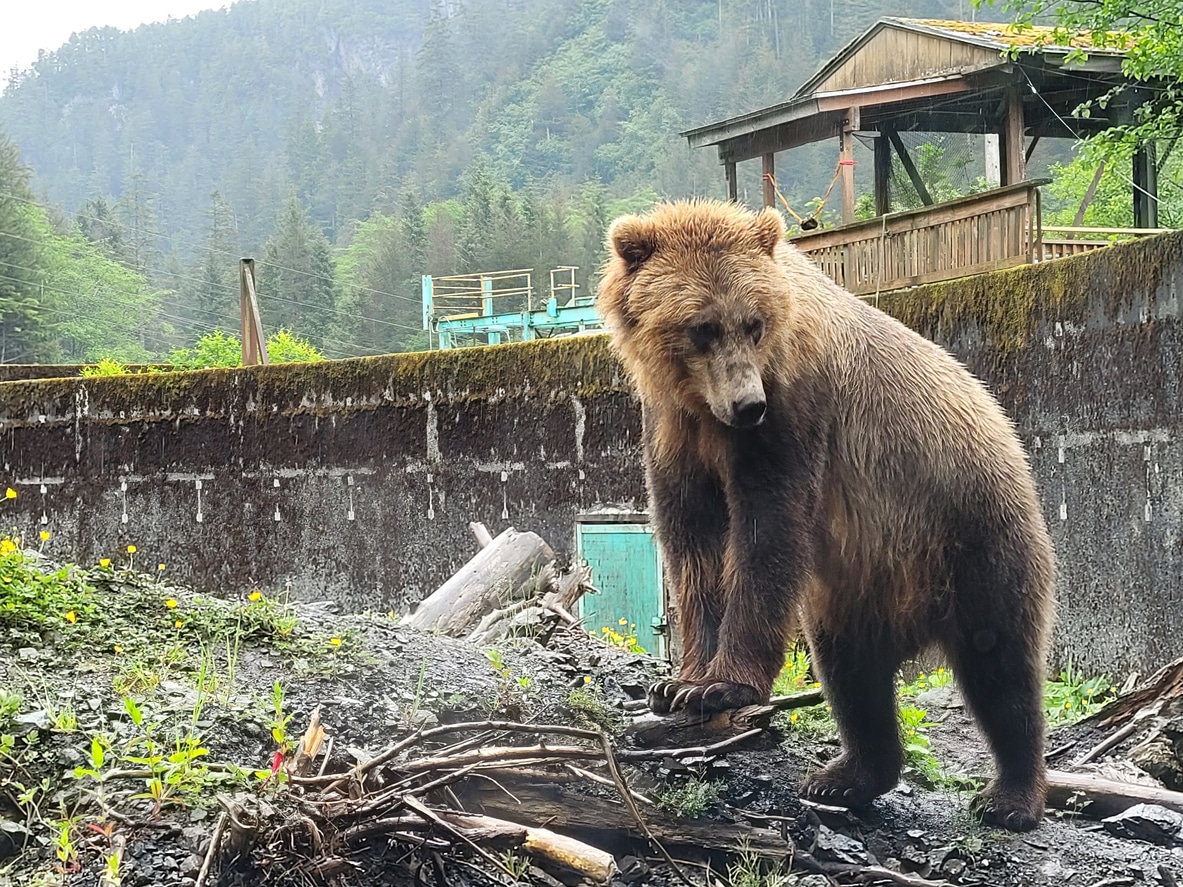
    A grizzly bear at Fortress of the Bear in Sitka, Alaska, standing in its naturalistic enclosure at this brown‑bear rescue and rehabilitation center.
    A rescued grizzly bear at Fortress of the Bear, Sitka’s well‑known brown‑bear rehabilitation center and one of the community’s most popular wildlife experiences.

    Fortress of the Bear is one of Sitka’s most memorable wildlife experiences, offering close‑up views of rescued brown and black bears in a safe, ethical, and educational setting. Located in a converted former pulp mill site, the facility provides large naturalistic enclosures where orphaned bears can live healthy, enriched lives. Visitors learn about each bear’s rescue story, Alaska’s bear populations, and the challenges of wildlife conservation in remote communities.

    For cruise travelers, Fortress of the Bear is an easy, high‑impact stop that delivers unforgettable wildlife viewing without needing a backcountry tour. It’s ideal for families, photographers, and anyone who wants to see Alaska’s iconic bears up close while supporting a meaningful mission.

    Fun Facts

    • Fortress of the Bear rescues orphaned brown and black bear cubs that cannot survive in the wild.
    • The facility is built inside huge former pulp mill clarifier tanks, repurposed into spacious bear habitats.
    • Bears here cannot be released due to state regulations, so the center provides lifelong care.
    • Each bear has a unique personality and backstory, shared during guided talks.
    • The center is home to some of the largest brown bears in North America.
    • Elevated viewing platforms allow visitors to safely observe bears from above.
    • The organization works closely with wildlife biologists and local agencies.
    • The center’s mission focuses on education, rescue, and advocacy for bear conservation.

    What to Expect During Your Visit

    Visitors stand on raised platforms overlooking the bear habitats, offering excellent views for photography and observation. Staff and volunteers share the rescue stories of each bear, explain their behaviors, and answer questions about Alaska’s bear populations.

    The bears often roam, play, swim, or interact with enrichment items, making the experience dynamic and engaging. Interpretive signs and educational displays add context, and the entire visit feels personal and meaningful. Most travelers spend 30–45 minutes here.

    Why It’s Worth Visiting

    Fortress of the Bear is perfect for travelers who want an ethical wildlife experience that supports a real conservation mission. The bears are incredible to watch, the stories are powerful, and the setting is unique. It’s a standout Sitka attraction that leaves visitors inspired and more connected to Alaska’s wildlife.

    Where It’s Located

    Fortress of the Bear is located about 5 miles southeast of downtown Sitka, near the Sawmill Cove Industrial Park.

    How to Get There From the Cruise Port

    • Excursion transport: Most wildlife and city tours include a stop here.
    • Taxi: A quick 10–12 minute ride from downtown.
    • Shuttle (occasionally seasonal): Some operators offer transport on cruise days.
    • Bike: Possible but long; the route includes industrial areas.

    Best Time to Visit

    • Morning often brings active bear behavior and fewer crowds.
    • Summer (June–August) offers the most consistent viewing and programming.
    • Rainy days are still excellent — bears remain active in all weather.
    • Fall (September) brings cooler temperatures and beautiful foliage around the site.

    Tips for Visiting

    • Bring a camera or phone — the elevated platforms offer great angles.
    • Listen to the keeper talks — the rescue stories add emotional depth.
    • Combine with the Alaska Raptor Center for a wildlife‑focused half‑day.
    • Wear layers — the viewing platforms are outdoors.
    • Check hours in advance — schedules vary by season.
    • Support the center by visiting the gift shop or making a donation.

    Common Complaints

    • The facility is smaller than some visitors expect.
    • Bears cannot be released, which may surprise travelers unfamiliar with Alaska’s regulations.
    • Crowds can gather during peak cruise times.
    • The industrial surroundings contrast with the natural habitats inside.

    Final Thoughts

    Fortress of the Bear offers one of Sitka’s most powerful and memorable wildlife experiences, blending close‑up bear viewing with meaningful conservation storytelling. It’s an easy, rewarding stop for cruise travelers and pairs perfectly with other nearby attractions. For more ideas to plan your day, explore my full guide to the top things to do in Sitka.

  • Alaska Raptor Center – Sitka, Alaska

    Alaska Raptor Center – Sitka, Alaska

    A peregrine falcon with blue‑grey plumage and barred underparts at the Alaska Raptor Center in Sitka, Alaska, one of the wildlife highlights featured in our Alaska Raptor Center – Sitka, Alaska post.
    The Alaska Raptor Center in Sitka, Alaska, rehabilitates birds of prey like the peregrine falcon, a key feature of our Alaska Raptor Center – Sitka, Alaska guide.

    The Alaska Raptor Center is one of Sitka’s most inspiring attractions, dedicated to the rescue, rehabilitation, and release of injured birds of prey. Visitors can see bald eagles, owls, and other raptors up close while learning about the center’s vital conservation work. Set in a peaceful forested area just outside downtown, the facility combines education, wildlife viewing, and meaningful storytelling in a way that resonates with travelers of all ages.

    For cruise visitors, the Raptor Center is an easy, high‑impact stop that pairs perfectly with Sitka National Historical Park. It’s ideal for families, photographers, and anyone who wants to experience Alaska’s wildlife in an ethical, educational setting.

    Fun Facts

    • The Alaska Raptor Center treats 100–200 injured birds each year.
    • The facility’s Bald Eagle Flight Training Center is one of the first of its kind in North America.
    • Many birds are released back into the wild once they regain strength and flight ability.
    • Permanent resident birds serve as ambassadors, helping educate visitors about conservation.
    • The center began in 1980 with just one injured bald eagle named “Sitka.”
    • The campus includes 17 acres of forested land along the Indian River.
    • The center works closely with veterinarians and wildlife biologists across Alaska.
    • Bald eagles are the most commonly treated species, often injured by cars, power lines, or fishing gear.

    What to Expect During Your Visit

    Visitors begin in the main rehabilitation building, where staff and volunteers explain the center’s mission and introduce some of the resident birds. The highlight is the Bald Eagle Flight Training Center — a large, enclosed space where recovering eagles strengthen their wings before release.

    Outside, forested pathways lead to mews (enclosures) housing owls, hawks, and other raptors that cannot return to the wild. Interpretive signs share each bird’s story, making the experience personal and memorable. Most visitors spend 45–60 minutes here, though wildlife lovers may stay longer.

    Why It’s Worth Visiting

    The Alaska Raptor Center is perfect for travelers who want an ethical wildlife experience that supports conservation. The birds are incredible to see up close, the staff are passionate educators, and the mission is deeply meaningful. It’s a standout Sitka attraction that leaves visitors inspired and more connected to Alaska’s wildlife.

    Where It’s Located

    The center is located just east of downtown Sitka, near the Indian River and close to Sitka National Historical Park.

    How to Get There From the Cruise Port

    • Free cruise shuttle: Drops passengers in downtown; from there it’s a 5–10 minute taxi ride or a 20–25 minute walk.
    • Taxi: Quick and convenient.
    • Excursion transport: Many wildlife and city tours include the Raptor Center.
    • Bike: A scenic option via Sitka’s coastal and forested paths.

    Best Time to Visit

    • Morning offers quieter viewing and softer light for photos.
    • Summer (June–August) provides the most programming and visitor activity.
    • Rainy days are still excellent — most exhibits are covered or indoors.
    • Fall (September) brings fewer crowds and peaceful forest scenery.

    Tips for Visiting

    • Bring a camera — the birds are stunning to photograph.
    • Read each bird’s story — it adds emotional depth to the visit.
    • Combine with Sitka National Historical Park for a perfect half‑day itinerary.
    • Wear comfortable shoes for walking the forested paths.
    • Support the center by visiting the gift shop, which helps fund rehabilitation efforts.
    • Be respectful — many birds are recovering from serious injuries.

    Common Complaints

    • Some visitors expect a large zoo; this is a rehabilitation center with a focused mission.
    • Birds may be resting or quiet during certain times of day.
    • The walk from downtown can feel long for some travelers.
    • Indoor lighting can be dim for photography.

    Final Thoughts

    The Alaska Raptor Center is one of Sitka’s most meaningful and memorable attractions, offering an inspiring look at wildlife rehabilitation and conservation. With close‑up views of eagles and other raptors, passionate staff, and a peaceful forest setting, it’s a must‑visit for cruise travelers. For more ideas to plan your day, explore my full guide to the top things to do in Sitka.

error: Content is protected !!