Tag: Tlingit culture

  • Sitka Alaska Cruise Port Guide: Top Things to Do for Cruise Travelers

    Sitka Alaska Cruise Port Guide: Top Things to Do for Cruise Travelers

    A forested Sitka coastline with houses along the shore, deep blue water, and snow‑capped mountains rising in the background under a clear sky.
    Sitka’s forested shoreline and snow‑capped mountains create one of the most beautiful coastal views in Southeast Alaska.

    Sitka is one of Alaska’s most culturally rich and naturally beautiful cruise ports, blending Indigenous Tlingit heritage, Russian history, and dramatic coastal scenery. This Sitka Alaska Cruise Port Guide highlights why so many travelers consider it a standout destination, with opportunities to explore wildlife, forests, museums, and historic sites all within easy reach of the port. Surrounded by mountains, islands, and the waters of Sitka Sound, the town offers a welcoming mix of culture, nature, and small‑town charm.

    This Sitka Alaska Cruise Port Guide highlights the top experiences that showcase the best of this unique Alaska destination.

    Below, you’ll find the top experiences that showcase the best of Sitka during a cruise‑port day.

    1. Explore Sitka National Historical Park

    Sitka National Historical Park on a summer day, offering coastal trails, guided tours, cultural demonstrations, and exhibits about Tlingit and Russian history in Sitka, Alaska.
    Sitka National Historical Park features coastal trails, guided programs, and cultural demonstrations that highlight both Tlingit and Russian heritage.

    Sitka National Historical Park is one of the most meaningful places to visit in the port, blending Tlingit culture, Russian history, and peaceful forest scenery. The park’s coastal trails wind through towering spruce and hemlock trees, with carved totem poles placed along the paths to honor Tlingit heritage. Inside the visitor center, exhibits and demonstrations highlight traditional carving, weaving, and storytelling. The park is easy to reach from downtown and offers a calm, reflective experience that contrasts beautifully with Alaska’s more rugged excursions. It’s an essential stop for travelers who want cultural depth and scenic beauty in one place. For tips, timing, and planning details, see my complete Sitka National Historical Park guide.

    2. Visit the Alaska Raptor Center

    A peregrine falcon with blue‑grey plumage and barred underparts at the Alaska Raptor Center in Sitka, Alaska, one of the wildlife highlights featured in our Alaska Raptor Center – Sitka, Alaska post.
    The Alaska Raptor Center in Sitka, Alaska, rehabilitates birds of prey like the peregrine falcon, a key feature of our Alaska Raptor Center – Sitka, Alaska guide.

    The Alaska Raptor Center is one of Sitka’s most popular wildlife experiences. It rehabilitates injured eagles, owls, and other birds of prey. Visitors can watch training sessions and see how the staff cares for each bird. The outdoor flight area lets eagles strengthen their wings before release. Exhibits explain how the center rescues, treats, and prepares birds to return to the wild. The setting is peaceful, with forest views and quiet walking paths. The visit is educational, inspiring, and easy to fit into a cruise‑port day. It’s a great stop for travelers who enjoy wildlife and want to support meaningful conservation work.

    For tips, timing, and planning details, see my complete Alaska Raptor Center guide.

    3. Explore the Sitka Sound Science Center & Aquarium

    Three colorful starfish resting in an aquarium tank with rocks and shells, similar to the touch‑tank exhibits at the Sitka Sound Science Center & Aquarium in Sitka, Alaska.
    Starfish are a favorite feature of the touch‑tank exhibits at the Sitka Sound Science Center & Aquarium, where visitors can explore Alaska’s coastal marine life up close.

    The Sitka Sound Science Center offers a close look at Alaska’s coastal marine life. It sits along the waterfront and is easy to reach from downtown. Inside, visitors can explore touch tanks, see local fish species, and learn about the ecosystems that shape Sitka Sound. The center also operates a working hatchery, which gives guests a behind‑the‑scenes look at salmon research and conservation. Exhibits are simple, hands‑on, and great for all ages. The location makes it easy to pair with a walk through Sitka National Historical Park. It’s a relaxed, educational stop that fits well into a cruise‑port day.

    For tips, timing, and planning details, see my complete Sitka Sound Science Center guide.

    4. Visit St. Michael’s Russian Orthodox Cathedral

    Saint Michael the Archangel Orthodox Cathedral in downtown Sitka, Alaska, shown from the exterior on a September day.
    Saint Michael the Archangel Orthodox Cathedral stands at the heart of downtown Sitka, one of the community’s most iconic Russian Orthodox landmarks.

    St. Michael’s Cathedral is one of Sitka’s most recognizable landmarks. Its green dome and traditional Russian Orthodox design stand out in the center of downtown. The building reflects Sitka’s long Russian‑American history and the cultural influences that shaped the community. Inside, visitors can view religious icons, historic artifacts, and beautifully crafted artwork. The space is small, so it’s easy to explore without taking much time. Its location makes it a convenient stop while browsing nearby shops and cafés. The cathedral offers a meaningful look at Sitka’s past and adds cultural depth to any visit.

    For tips, timing, and planning details, see my complete St. Michael’s Cathedral guide.

    5. Explore the Fortress of the Bear

    A grizzly bear at Fortress of the Bear in Sitka, Alaska, standing in its naturalistic enclosure at this brown‑bear rescue and rehabilitation center.
    A rescued grizzly bear at Fortress of the Bear, Sitka’s well‑known brown‑bear rehabilitation center and one of the community’s most popular wildlife experiences.

    Fortress of the Bear is one of Sitka’s most popular wildlife experiences. The center cares for rescued brown and black bears that cannot return to the wild. Visitors watch the bears from elevated platforms that offer clear, close‑up views. The habitats are large and naturalistic, giving the bears room to roam and play. Staff members share each bear’s rescue story and explain how the center supports long‑term care and conservation. The visit is educational, emotional, and easy to fit into a cruise‑port day. The facility is a short drive from downtown and pairs well with the Raptor Center or Sitka National Historical Park. It’s a great stop for travelers who enjoy wildlife and meaningful storytelling.

    For tips, timing, and planning details, see my complete Fortress of the Bear guide.

    6. Walk the Sitka Seawalk

    View of Sitka Sound from Sitka National Historical Park, with small forested islands, distant mountains, and coastal vegetation along the shoreline.
    View of Sitka Sound from Sitka National Historical Park, with small forested islands, distant mountains, and coastal vegetation along the shoreline.

    The Sitka Seawalk is a scenic, easy‑to‑navigate path that connects the cruise‑port area with downtown and several major attractions. Along the way, visitors enjoy views of Sitka Sound, nearby islands, and snow‑capped mountains. Benches, interpretive signs, and photo spots make the walk both relaxing and informative. The route passes by the Alaska Raptor Center trailhead, the Sitka Sound Science Center, and the entrance to Sitka National Historical Park, making it a perfect way to explore multiple highlights in one outing. It’s ideal for travelers who want a flexible, self‑guided activity close to the port. For tips, timing, and planning details, see my complete Sitka Seawalk guide.

    7. Take a Wildlife Cruise on Sitka Sound

    Harbor seals resting on a buoy in Sitka Sound, with calm water and coastal scenery surrounding this common wildlife sight in Sitka, Alaska.
    Harbor seals often haul out on buoys in Sitka Sound, offering wildlife cruise passengers an easy and memorable look at these curious marine mammals.

    Sitka Sound is one of the best places in Alaska for marine wildlife viewing, with opportunities to spot whales, sea otters, sea lions, puffins, and seabirds against a backdrop of volcanic islands and rugged coastline. Wildlife cruises range from short outings to longer explorations, making them easy to fit into a cruise‑port day. Many tours use smaller vessels, allowing for closer views and a more intimate experience with the scenery. The combination of calm waters, abundant wildlife, and dramatic landscapes makes this one of Sitka’s most memorable activities. For tips, timing, and planning details, see my complete Sitka wildlife cruise guide.

    8. Visit the Russian Bishop’s House

    The Russian Bishop’s House in Sitka National Historical Park, a two‑story yellow wooden building with white trim and red front steps, one of the best‑preserved examples of Russian colonial architecture in Alaska.
    The Russian Bishop’s House, with its yellow wood siding, white trim, and red steps, is one of Sitka’s most significant Russian‑era landmarks and a highlight within Sitka National Historical Park.

    The Russian Bishop’s House is one of the few surviving examples of Russian colonial architecture in North America. Restored by the National Park Service, the building offers a fascinating look at Sitka’s 19th‑century history through original rooms, artifacts, and exhibits. Visitors can learn about the Russian Orthodox Church’s influence in Alaska and the daily life of the people who lived and worked here. The house is located near downtown, making it an easy stop while exploring shops, cafés, and other historic sites. For tips, timing, and planning details, see my complete Russian Bishop’s House guide.

    9. Explore Downtown Sitka’s Shops, Cafés & Waterfront

    Historic Lincoln Street in downtown Sitka, Alaska, lined with shops and cafés in spring, with St. Michael’s Russian Orthodox Cathedral at the end of the street and mountains rising in the background.

    Sitka’s compact downtown is perfect for a relaxed stroll, offering locally owned shops, art galleries, and cafés with views of the harbor and surrounding mountains. Visitors can browse Tlingit artwork, sample local seafood, or simply enjoy the peaceful waterfront atmosphere. The area is walkable from the shuttle drop‑off point and connects easily to major attractions like St. Michael’s Cathedral and the Sitka Seawalk. It’s an ideal option for travelers who want a flexible, low‑key activity close to the port. For tips, timing, and planning details, see my complete Downtown Sitka guide.

    10. Visit Whale Park for Scenic Views

    A humpback whale diving off the coast of Sitka, Alaska, with its tail fluke lifting above the water in Sitka Sound.
    A humpback whale dives just off the coast of Sitka, a memorable sight for anyone scanning the waters from Whale Park.

    Whale Park is a small but scenic overlook located a short drive from downtown Sitka. Elevated platforms provide sweeping views of Sitka Sound, nearby islands, and snow‑capped mountains. It’s a peaceful spot for photography, wildlife watching, or simply enjoying the coastal scenery. Interpretive signs share information about local marine life, and visitors often spot sea otters or whales in the distance. The park’s quiet atmosphere makes it a refreshing break from busier port areas. For tips, timing, and planning details, see my complete Whale Park guide.

    Final Thoughts

    Sitka is one of Alaska’s most culturally rich and naturally stunning cruise ports, offering a rare blend of Tlingit heritage, Russian history, and breathtaking coastal scenery. This Sitka Alaska Cruise Port Guide gives you a strong foundation for planning your day, whether you’re exploring totem‑lined forest trails, visiting wildlife rehabilitation centers, or enjoying the peaceful waterfront. With so many top attractions located close to town, it’s easy to shape your visit around your interests and timing. No matter how you spend your day, Sitka delivers a memorable mix of culture, nature, and small‑town charm that stays with you long after your cruise ends.

  • Saxman Native Village – Ketchikan, Alaska

    Saxman Native Village – Ketchikan, Alaska

    Totem poles and a traditional clan house surrounded by forest at Saxman Native Village in Ketchikan, Alaska.
    Saxman Native Village showcases towering Tlingit totem poles and a traditional clan house, offering visitors a look at Alaska Native carving traditions.

    Saxman Native Village is one of the most culturally immersive attractions in Ketchikan, featuring one of the world’s largest collections of standing totem poles, a traditional clan house, and live carving demonstrations. A visit to Saxman Native Village gives travelers a deeper understanding of Tlingit and Haida culture, with storytelling, artistry, and performances that bring Alaska Native heritage to life.

    Fun Facts

    • Saxman is home to 25+ standing totem poles, many carved by master artists.
    • The village was established in 1894 by Tlingit people relocating from Cape Fox.
    • The Beaver Clan House is a full‑scale traditional community house used for cultural events.
    • The Carving Shed is one of the only places in Alaska where visitors can watch master carvers at work.
    • Many poles in the park are replicas of historic poles rescued from abandoned villages.
    • Seasonal dance performances showcase traditional regalia and songs.
    • Saxman is part of the National Register of Historic Places.
    • The village sits within the lush Tongass National Forest.

    What to Expect During Your Visit

    Visitors begin at the totem park, where towering poles line the forested pathways. Guides often share the stories behind each carving — clan histories, legends, and symbolic figures. The Beaver Clan House offers a dramatic interior space with carved posts and traditional artwork.

    Inside the Carving Shed, you may see artists shaping new poles or restoring historic ones. Seasonal cultural performances add music, dance, and storytelling to the experience.

    Most travelers spend 60–90 minutes here.

    Why It’s Worth Visiting

    Saxman Native Village is perfect for travelers who want a deeper, more immersive cultural experience than a simple totem park visit. The combination of live carving, storytelling, and traditional architecture makes it one of the most meaningful stops in Ketchikan.

    Where It’s Located

    Saxman Native Village is located about 2.5 miles south of downtown Ketchikan, along South Tongass Highway.

    How to Get There From the Cruise Port

    • Guided tour: The most common option — includes transportation and interpretation.
    • Shuttle: Offered by some operators during cruise season.
    • Taxi: Quick and flexible for small groups.
    • Car rental: Ideal if you’re exploring multiple attractions.
    • Bike: Possible, but the route includes hills and traffic.

    Best Time to Visit

    • Morning offers quieter paths and soft light.
    • Midday is best for photography and performances.
    • Summer (June–August) provides full access to carving demos and cultural shows.
    • Rainy days add a moody rainforest atmosphere.

    Tips for Visiting

    • Join a guided tour for the best storytelling and cultural context.
    • Visit the Carving Shed to watch artists at work.
    • Bring a camera — the totem poles and clan house are stunning.
    • Wear waterproof shoes — the rainforest can be damp.
    • Combine with Totem Bight for a full totem‑heritage day.

    Common Complaints

    • Some visitors expect all performances to be included — they are seasonal.
    • Can feel busy when multiple tour buses arrive.
    • Limited indoor space during rain.
    • Self‑guided visits offer less interpretation.

    Final Thoughts

    Saxman Native Village is one of the most culturally rich and visually striking attractions in Ketchikan. With towering totem poles, live carving, and a traditional clan house, Saxman Native Village is a must‑visit for cruise travelers who want a deeper connection to Alaska Native heritage. For more ideas to plan your day, explore my full guide to the top things to do in Ketchikan.

  • Totem Bight State Historical Park – Ketchikan, Alaska

    Totem Bight State Historical Park – Ketchikan, Alaska

    Close‑up of a carved and painted totem pole at Totem Bight State Historical Park in Ketchikan, Alaska.
    Totem Bight State Historical Park features beautifully carved and painted totem poles that share the stories and traditions of Alaska Native cultures.

    Totem Bight State Historical Park is one of the most scenic and culturally significant attractions in Ketchikan, featuring towering totem poles, a traditional clan house, and peaceful rainforest trails along the waterfront. A visit to Totem Bight State Historical Park gives travelers a beautiful introduction to Alaska Native art and heritage, all set against the lush, moss‑covered landscape of the Tongass National Forest.

    Fun Facts

    • The park preserves 15 restored and replicated totem poles created by Tlingit and Haida artists.
    • The site was part of a 1930s CCC (Civilian Conservation Corps) project to revive traditional carving skills.
    • The Clan House is a full‑scale replica of a traditional Tlingit community house.
    • Totem Bight sits on a 22‑acre coastal rainforest overlooking the Tongass Narrows.
    • The word “bight” refers to a curved indentation in the shoreline.
    • Many poles tell stories of clans, legends, and ancestral history.
    • The park is part of the Alaska State Parks system, established in 1940.
    • It’s one of the most photographed cultural sites in Southeast Alaska.

    What to Expect During Your Visit

    Visitors follow a short, easy path through rainforest to reach the totem poles and clan house. The setting is peaceful and atmospheric — moss‑covered trees, ocean views, and beautifully carved poles arranged throughout the clearing.

    Interpretive signs explain the meaning and history behind each pole, and the clan house offers a glimpse into traditional Tlingit architecture. The park is quiet, scenic, and perfect for photography.

    Most travelers spend 30–60 minutes here.

    Why It’s Worth Visiting

    Totem Bight State Historical Park is perfect for travelers who want a cultural, scenic, and easy outdoor experience. It’s one of the best places in Alaska to learn about Native carving traditions while enjoying rainforest and coastal views.

    Where It’s Located

    The park is located about 10 miles north of downtown Ketchikan, along North Tongass Highway.

    How to Get There From the Cruise Port

    • Shuttle or tour bus: The most common option for cruise visitors.
    • Taxi: Quick and flexible for small groups.
    • Car rental: Ideal if you’re exploring multiple Ketchikan attractions.
    • Bike: Possible for experienced cyclists — the route is long but scenic.

    Best Time to Visit

    • Morning offers soft light and fewer crowds.
    • Midday is great for bright photography.
    • Summer (June–August) provides full access and lush greenery.
    • Rainy days add a moody, misty rainforest atmosphere.

    Tips for Visiting

    • Bring a camera — the totem poles and rainforest backdrop are stunning.
    • Read the interpretive signs to understand each pole’s story.
    • Wear waterproof shoes — the rainforest can be damp.
    • Combine with Saxman Native Village for a full cultural day.
    • Look for eagles perched along the shoreline.

    Common Complaints

    • Can feel busy when multiple tours arrive at once.
    • Some visitors expect guided interpretation — most visits are self‑guided.
    • Limited shelter during heavy rain.
    • The drive from downtown is longer than expected.

    Final Thoughts

    Totem Bight State Historical Park is one of the most beautiful and culturally meaningful places to visit in Ketchikan. With towering totem poles, a traditional clan house, and peaceful rainforest scenery, Totem Bight State Historical Park is a must‑visit for cruise travelers who want to experience Alaska Native heritage in a stunning natural setting.

    For more ideas to plan your day, explore my full guide to the top things to do in Ketchikan.

  • Alaska State Museum – Juneau, Alaska

    Alaska State Museum – Juneau, Alaska

    Close‑up of a carved wooden totem figure displayed in a museum setting, showing detailed facial features and painted accents.
    The Alaska State Museum highlights intricate Alaska Native artistry, including beautifully carved totem figures that reflect generations of cultural tradition.

    The Alaska State Museum is one of the most comprehensive and beautifully curated museums in the state, offering exhibits on Alaska Native cultures, Russian colonial history, the Gold Rush era, and the natural environment. A visit to the Alaska State Museum gives travelers a deeper understanding of Alaska’s people, past, and landscape — all within a modern, stunningly designed building just minutes from the cruise port.

    Fun Facts

    • The museum reopened in 2016 after a major renovation that combined the State Library, Archives, and Museum.
    • Exhibits highlight Tlingit, Haida, and Tsimshian cultures, including regalia, carvings, and clan objects.
    • The museum houses more than 32,000 artifacts.
    • A full‑size Tlingit canoe is one of the most photographed pieces.
    • The Gold Rush exhibit includes tools, maps, and personal items from miners.
    • The museum features rotating art exhibits from Alaska artists.
    • Interactive displays help visitors explore Alaska’s geography and wildlife.
    • The building’s architecture reflects the coastal rainforest environment.

    What to Expect During Your Visit

    Inside the museum, visitors will find beautifully arranged galleries that blend cultural artifacts, historical objects, and modern interpretive displays. Exhibits cover everything from Indigenous art and traditions to Russian settlement, early exploration, and the development of modern Alaska.

    The space is bright, open, and easy to navigate. Many travelers appreciate the balance of hands‑on displays, storytelling, and visually striking artifacts.

    Most visitors spend 60–90 minutes here.

    Why It’s Worth Visiting

    The Alaska State Museum is perfect for travelers who want a rich cultural and historical experience that complements Juneau’s outdoor attractions. It’s engaging, educational, and ideal for rainy days or travelers who want to understand Alaska beyond its scenery.

    Where It’s Located

    The museum is located in downtown Juneau, about a 10–15 minute walk from the cruise port.

    How to Get There From the Cruise Port

    • Walk: Easy, flat walk through downtown.
    • Shuttle: Some tours include museum stops.
    • Taxi: Quick option if you prefer not to walk.
    • Bike: Simple ride along the waterfront.

    Best Time to Visit

    • Morning offers quieter galleries.
    • Midday is great for pairing with lunch downtown.
    • Rainy days are ideal — the museum is fully indoors.
    • Summer (June–August) provides full operating hours.

    Tips for Visiting

    • Don’t miss the Alaska Native cultural exhibits — they’re a highlight.
    • Spend time with the Gold Rush artifacts for historical context.
    • Check for rotating art exhibits featuring local artists.
    • Bring a camera — photography is allowed in most areas.
    • Combine with a walk through Downtown Juneau or the Capitol Building.

    Common Complaints

    • Some visitors expect a larger museum.
    • Exhibits can feel dense for travelers in a hurry.
    • Hours may vary early or late in the season.
    • Not ideal for very young children who prefer hands‑on activities.

    Final Thoughts

    The Alaska State Museum is one of the most enriching and beautifully curated attractions in Juneau. With exhibits on Alaska Native cultures, early exploration, and the state’s natural environment, the Alaska State Museum is a must‑visit for cruise travelers who want a deeper understanding of Alaska’s history and heritage.

    For more ideas to plan your day, explore my full guide to the top things to do in Juneau.

  • Jilkaat Kwaan Heritage Center – Haines, Alaska

    Jilkaat Kwaan Heritage Center – Haines, Alaska

    Exterior view of the Jilkaat Kwaan Heritage Center in Klukwan near Haines, Alaska, highlighting the cultural significance of Tlingit heritage in the Chilkat Valley.
    The Jilkaat Kwaan Heritage Center in Klukwan preserves and shares the deep Tlingit heritage of the Chilkat Valley, offering visitors a meaningful look into this historic Alaska community.

    The Jilkaat Kwaan Heritage Center is a powerful cultural landmark that preserves and celebrates the traditions of the Chilkat Tlingit people. Located in the village of Klukwan, just outside Haines, the Jilkaat Kwaan Heritage Center offers visitors an intimate look at Tlingit art, history, and storytelling — including the world‑famous Chilkat woven robes and the extraordinary Whale House clan treasures, some of the most significant cultural artifacts in Southeast Alaska.

    Fun Facts

    • Klukwan is one of the oldest continuously inhabited Tlingit villages in Alaska.
    • The center protects the Chilkat clan treasures, including carved house posts and screens.
    • Chilkat weaving is one of the most complex weaving traditions in the world, taking months or years to complete.
    • The name “Jilkaat Kwaan” refers to the people of the Chilkat River.
    • The Whale House artifacts were once considered lost but were preserved and restored for display.
    • The center sits near the Chilkat Bald Eagle Preserve, adding natural beauty to the cultural experience.
    • Exhibits include carving, weaving, regalia, and oral history.
    • The center is community‑run, ensuring cultural accuracy and respectful interpretation.

    What to Expect During Your Visit

    Visitors can explore beautifully curated exhibits featuring Chilkat weaving, clan regalia, carved house posts, and historical artifacts. Guided tours often include storytelling, cultural interpretation, and explanations of Tlingit clan structure and traditions.

    The highlight for many is the Whale House Collection, an extraordinary set of clan treasures that includes carved screens and totems with deep spiritual and historical significance.

    The setting is peaceful, surrounded by forest and river views that reflect the deep connection between the Tlingit people and the land.

    Most travelers spend 45–60 minutes here.

    Why It’s Worth Visiting

    The Jilkaat Kwaan Heritage Center is perfect for travelers who want a deep, authentic cultural experience that goes far beyond typical museum visits. The artifacts are rare, the storytelling is powerful, and the connection to living Tlingit culture is unforgettable.

    Where It’s Located

    The center is located in Klukwan, a historic Tlingit village about 20 miles north of Haines along the Haines Highway.

    How to Get There From the Cruise Port

    • Guided tour: Most visitors arrive via organized cultural tours.
    • Car rental: A scenic 30‑minute drive along the Haines Highway.
    • Taxi: Possible but less common due to distance.
    • Bike: Not recommended — the route is long and remote.

    Best Time to Visit

    • Summer (June–August) offers full programming and guided tours.
    • Morning provides soft light and quieter galleries.
    • Fall pairs beautifully with eagle viewing in the nearby preserve.
    • Rainy days are perfect — the experience is entirely indoors.

    Tips for Visiting

    • Take a guided tour if available — the cultural interpretation is exceptional.
    • Spend time with the Whale House artifacts — they’re among the most important in Alaska.
    • Ask about Chilkat weaving demonstrations if offered.
    • Combine with a scenic drive along the Haines Highway.
    • Be respectful — this is a living cultural site, not just a museum.

    Common Complaints

    • Hours can vary, especially early or late in the season.
    • Some visitors expect a large museum — the experience is intimate and focused.
    • Photography may be restricted around certain cultural items.
    • The drive from Haines is longer than expected for some travelers.

    Final Thoughts

    The Jilkaat Kwaan Heritage Center is one of the most culturally significant places you can visit near Haines. With rare artifacts, powerful storytelling, and a deep connection to Tlingit heritage, the Jilkaat Kwaan Heritage Center is a must‑visit for cruise travelers who want an authentic, meaningful cultural experience.

    For more ideas to plan your day, explore my full guide to the top things to do in Haines.

  • Hoonah, the Nearby Tlingit Village – Icy Strait Point, Alaska

    Hoonah, the Nearby Tlingit Village – Icy Strait Point, Alaska

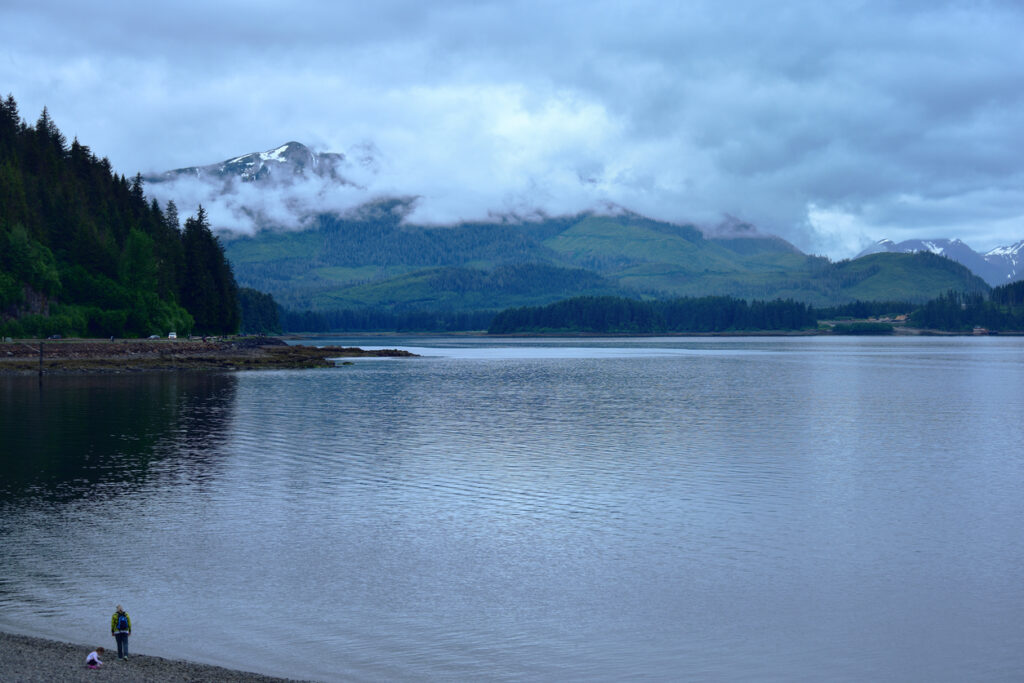
    Rocky shoreline at Icy Strait Point near Hoonah, Alaska, with smooth beach stones and coastal scenery along the water.
    The rocky shoreline near Hoonah offers peaceful views of the Icy Strait, where smooth beach stones line the coast of this small Southeast Alaska village.

    Hoonah is the largest Tlingit village in Alaska and a welcoming community located just a short walk or shuttle ride from Icy Strait Point. This peaceful coastal town offers visitors a chance to experience authentic Southeast Alaska life, complete with local shops, Native artwork, fishing boats, and beautiful shoreline views. It’s a quiet, culturally rich destination where travelers can learn about the Huna Tlingit people who have lived in this region for thousands of years.

    For cruise travelers, a visit to Hoonah is an easy, meaningful way to explore beyond the port and connect with the local community.

    Fun Facts

    • Hoonah is home to the Huna Tlingit, one of the oldest Indigenous communities in Southeast Alaska.
    • The name “Hoonah” comes from the Tlingit word Xunaa, meaning “where the north wind doesn’t blow.”
    • The town has a population of around 800 residents.
    • Many families in Hoonah trace their ancestry back thousands of years in this region.
    • Fishing is the town’s primary industry, with boats lining the harbor year‑round.
    • Hoonah was rebuilt after a 1944 fire destroyed much of the village.
    • Local artists create carvings, beadwork, weaving, and formline art.
    • The community owns and operates Icy Strait Point, making it the only 100% Native‑owned cruise destination in Alaska.

    What to Expect During Your Visit

    A visit to Hoonah feels relaxed and authentic. You’ll find a small harbor filled with fishing boats, local shops selling handmade Tlingit art, and quiet streets lined with homes and community buildings. The waterfront offers beautiful views of Port Frederick, and it’s common to see bald eagles perched nearby.

    Visitors can stroll the town, stop at local cafés, browse Native artwork, or simply enjoy the peaceful atmosphere. It’s a wonderful contrast to the busier cruise‑port area.

    Most travelers spend 45–90 minutes exploring Hoonah.

    Why It’s Worth Visiting

    Hoonah is perfect for travelers who want a genuine cultural experience beyond the curated attractions at Icy Strait Point. It’s quiet, friendly, and deeply connected to Tlingit heritage — a chance to see real Alaska life up close.

    Where It’s Located

    Hoonah is located about 1.5 miles from Icy Strait Point, along the shoreline of Chichagof Island.

    How to Get There From the Cruise Port

    • Walk: Follow the Coastal Trail for a scenic 20–30 minute walk.
    • Shuttle: Frequent shuttles run between Icy Strait Point and Hoonah.
    • Taxi: Available near the port for quick transport.
    • Bike: Easy ride along the waterfront road.

    Best Time to Visit

    • Morning offers quiet streets and soft light for photos.
    • Midday is best for shops and cafés.
    • Summer (June–August) provides the fullest activity in town.
    • Rainy days are still enjoyable with a jacket — the village is compact and walkable.

    Tips for Visiting

    • Support local artists by browsing Native‑owned shops.
    • Walk the harbor area for great photos of fishing boats and eagles.
    • Combine with the Coastal Trail for a scenic round‑trip outing.
    • Be respectful — this is a living community, not a tourist attraction.
    • Ask locals about the Huna Tribal House and cultural programs.

    Common Complaints

    • Some shops may close early or vary hours.
    • The village is small, so visits are brief.
    • Weather can be rainy or windy along the waterfront.
    • Limited dining options compared to larger ports.

    Final Thoughts

    Hoonah is one of the most authentic and culturally rich places you can visit on an Alaska cruise. With its Tlingit heritage, friendly community, and peaceful coastal setting, it’s a must‑visit stop for travelers who want to experience real Alaska beyond the port.

    For more ideas to plan your day, explore my full guide to the top things to do at Icy Strait Point.

  • Native Heritage Center & Museum – Icy Strait Point, Alaska

    Native Heritage Center & Museum – Icy Strait Point, Alaska

    ed Welcome Center building at Icy Strait Point, the entry point visitors pass through before exploring the Native Heritage Center & Museum
    Icy Strait Point, Alaska, United States – September 22, The red Welcome Center at Icy Strait Point is where most guests begin before heading to the Native Heritage Center & Museum.

    The Native Heritage Center & Museum at Icy Strait Point offers a powerful introduction to the culture, history, and traditions of the Tlingit people who have lived in the Hoonah area for thousands of years. Through exhibits, artwork, storytelling, and cultural demonstrations, visitors gain a deeper understanding of the community that built and continues to operate Icy Strait Point.

    For cruise travelers, this is one of the easiest and most meaningful cultural experiences in the port — a chance to learn about Indigenous life, craftsmanship, and heritage in a welcoming, beautifully curated space.

    Fun Facts

    • The center highlights the culture of the Huna Tlingit, the Indigenous people of the region.
    • Exhibits include traditional regalia, tools, carvings, and clan history.
    • Many displays were created by local Tlingit artists and elders.
    • The museum sits inside a restored historic cannery building.
    • Cultural demonstrations may include carving, weaving, drumming, and storytelling.
    • The center helps preserve the Tlingit language, one of the oldest in North America.
    • Icy Strait Point is 100% owned and operated by the Huna Tlingit community.
    • The museum is one of the most accessible cultural stops for cruise visitors.

    What to Expect During Your Visit

    Inside the Native Heritage Center & Museum, you’ll find a mix of exhibits, artifacts, and interpretive displays that highlight Tlingit traditions, clan structure, and daily life. The space is warm and inviting, with artwork, photographs, and cultural items that tell the story of the Huna Tlingit people.

    Depending on the day, you may also see live demonstrations or cultural performances nearby, including drumming, dancing, or carving. Staff and cultural hosts are friendly and happy to answer questions.

    Most visitors spend 20–30 minutes here.

    Why It’s Worth Visiting

    The museum is perfect for travelers who want a deeper, more authentic understanding of the people who call this region home. It’s educational, respectful, and beautifully presented — and it adds cultural depth to your Icy Strait Point visit.

    Where It’s Located

    The Native Heritage Center & Museum is located within the Icy Strait Point complex, near the historic cannery and waterfront shops.

    How to Get There From the Cruise Port

    • Walk: Just steps from the cruise dock.
    • Shuttle: Some cruise lines drop passengers directly at the entrance.
    • Gondola: Not required, but easy to pair with other attractions.

    Best Time to Visit

    • Morning offers quieter galleries.
    • Midday may include cultural demonstrations.
    • Summer (June–August) provides the fullest schedule of activities.
    • Rainy days are ideal — the entire experience is indoors.

    Tips for Visiting

    • Take time to read the clan history displays — they’re beautifully done.
    • Ask staff about current cultural demonstrations happening nearby.
    • Combine with the Tribal Dance & Cultural Show for a deeper experience.
    • Visit the gift shop for locally made Tlingit art and jewelry.
    • Bring kids — the exhibits are short, visual, and easy to explore.

    Common Complaints

    • The museum is small, so visits are brief.
    • Some exhibits rotate, so displays may vary.
    • Cultural demonstrations aren’t guaranteed every day.
    • It can feel crowded when multiple cruise ships are in port.

    Final Thoughts

    The Native Heritage Center & Museum is one of the most meaningful cultural stops at Icy Strait Point. With beautifully curated exhibits and authentic Tlingit storytelling, it’s a must‑visit for cruise travelers who want to understand the people and traditions that shape this region.

    For more ideas to plan your day, explore my full guide to the top things to do at Icy Strait Point.

  • Sitka National Historical Park – Sitka, Alaska

    Sitka National Historical Park – Sitka, Alaska

    Sitka National Historical Park on a summer day, offering coastal trails, guided tours, cultural demonstrations, and exhibits about Tlingit and Russian history in Sitka, Alaska.
    Sitka National Historical Park features coastal trails, guided programs, and cultural demonstrations that highlight both Tlingit and Russian heritage.

    Sitka National Historical Park is the most culturally significant and visually iconic attraction in Sitka. Known for its towering Tlingit and Haida totem poles, peaceful rainforest trails, and powerful historical exhibits, the park tells the story of Alaska’s Indigenous peoples and the 1804 Battle of Sitka — a defining moment in the region’s history. It’s a place where culture, nature, and history come together in a way that feels deeply authentic and uniquely Alaskan.

    For cruise travelers, this park is an easy, high‑impact stop that fits seamlessly into any port‑day itinerary. The trails are flat and accessible, the visitor center is excellent, and the totem poles offer some of the most photogenic moments in Sitka. Whether you’re interested in Native culture, quiet forest walks, or meaningful history, this is a must‑visit.

    Fun Facts

    • Sitka National Historical Park is the oldest national park site in Alaska, established in 1910.
    • The park commemorates the 1804 Battle of Sitka between the Tlingit people and Russian colonizers.
    • The totem poles along the trail include both historic originals and modern replicas carved by Tlingit and Haida artists.
    • The park sits along the Indian River, a salmon‑spawning stream that attracts eagles and bears in late summer.
    • The visitor center features a working cultural carving studio, where artists demonstrate traditional techniques.
    • Many of the totem poles were originally displayed at the 1904 Louisiana Purchase Exposition before being returned to Alaska.
    • The rainforest ecosystem includes old‑growth Sitka spruce and hemlock, moss‑covered logs, and lush understory plants.
    • The park is part of the Sitka National Historical Park–Russian Bishop’s House unit of the National Park Service.

    What to Expect During Your Visit

    Visitors can explore a network of flat, well‑maintained trails that wind through coastal rainforest and past beautifully carved totem poles. The atmosphere is peaceful and immersive, with the sound of the river, birdsong, and rustling leaves creating a serene backdrop.

    The visitor center offers excellent exhibits on Tlingit culture, the Battle of Sitka, and the history of the totem poles. Rangers and cultural demonstrators are often available to answer questions or share stories. Most visitors spend 45–90 minutes here, depending on how much time they spend on the trails and in the exhibits.

    Why It’s Worth Visiting

    Sitka National Historical Park is perfect for travelers who want a meaningful, culturally rich experience that’s also easy and scenic. The totem poles are stunning, the forest is peaceful, and the history is powerful. It’s ideal for families, photographers, culture lovers, and anyone who wants to understand Sitka on a deeper level.

    Where It’s Located

    The park is located just east of downtown Sitka, along the Indian River and within walking distance of the cruise shuttle drop‑off area.

    How to Get There From the Cruise Port

    • Free cruise shuttle: Drops passengers near downtown; from there it’s a 10–15 minute walk to the park.
    • Taxi: Quick and easy if you prefer not to walk.
    • Bike: A scenic option via Sitka’s coastal paths.
    • Excursion transport: Many cultural and city tours include the park.

    Best Time to Visit

    • Morning offers soft light and fewer crowds.
    • Summer (June–August) provides lush greenery and active cultural demonstrations.
    • Late summer may offer salmon‑spawning views along the river.
    • Fall (September) brings beautiful golden foliage.

    Tips for Visiting

    • Wear comfortable walking shoes — the trails are easy but can be damp.
    • Bring a camera — the totem poles and rainforest scenery are incredibly photogenic.
    • Stop at the visitor center for exhibits and carving demonstrations.
    • Walk the Totem Trail Loop for the full experience.
    • Combine with the Alaska Raptor Center or Sheldon Jackson Museum for a cultural half‑day.
    • Watch for wildlife — eagles are common along the river.

    Common Complaints

    • Trails can be muddy after rain.
    • Some visitors expect all totem poles to be original; many are replicas for preservation.
    • The walk from downtown may feel long for those with mobility limitations.
    • Cruise‑day crowds can gather near the visitor center.

    Final Thoughts

    Sitka National Historical Park is the cultural heart of Sitka — a peaceful, meaningful, and visually stunning place that brings together Native heritage, rainforest beauty, and powerful history. It’s an essential stop for any cruise traveler and a highlight of the entire port experience. For more ideas to plan your day, explore my full guide to the top things to do in Sitka.

error: Content is protected !!