Palma de Mallorca is one of the most beautiful and easy cruise ports in the Mediterranean. With golden beaches, a stunning Gothic cathedral, a lively Old Town, and scenic hilltop views, the city offers something for every traveler. The cruise port sits close to the main attractions, so you can explore a lot in a short amount of time. Whether you want history, food, beaches, or relaxed island vibes, Palma delivers a perfect day ashore.
1. Visit La Seu – Palma Cathedral
La Seu rises dramatically above Palma’s waterfront and is one of the most striking Gothic cathedrals in Europe. Its soaring arches, shimmering stained glass, and Gaudí‑influenced details make it a breathtaking landmark from every angle.
If you want to explore the cathedral’s history, interior highlights, and best photo spots, you can read my full post on Visiting La Seu – Palma Cathedral.
2. Wander Palma’s Old Town
Historic square -Plaza Mayor, with craft market in the old town of Palma de Mallorca.
Palma’s Old Town is a warm, atmospheric maze of narrow streets, hidden courtyards, and Mediterranean charm. It’s the perfect place to wander, shop, and enjoy tapas at a cozy café.
To dive deeper into the prettiest streets, plazas, and must‑see corners, check out my detailed guide to Exploring Palma’s Old Town.
3. Explore Bellver Castle
Bellver Castle sits high above Palma and offers some of the best panoramic views on the island. Its rare circular design and peaceful forest surroundings make it feel like a fairytale fortress.
If you want tips on the best viewpoints and what to expect inside, you can read my full post on Bellver Castle.
4. Relax at Playa de Palma or Cala Major Beach
Cala Major beach in Palma de Mallorca, Spain
These beaches offer soft sand, clear turquoise water, and that classic Mediterranean vibe everyone dreams of. Whether you want to swim, sunbathe, or sip something cold by the sea, it’s an easy and relaxing way to enjoy your day in port.
For a closer look at both beaches and how to choose between them, visit my full post on Palma’s Best Beaches.
5. Visit the Royal Palace of La Almudaina
Cathedral of Santa Maria of Palma (La Seu) in Palma de Mallorca, Balearic islands, Spain
This elegant palace blends Gothic and Moorish design and sits right beside the cathedral. Its courtyards, terraces, and sea views create a serene, regal atmosphere.
If you want to explore the palace rooms, history, and highlights, you can read my full post on The Royal Palace of La Almudaina.
6. Stroll Along the Waterfront Promenade
Promenade – Palma de Mallorca, Balearic Islands, Spain
Palma’s waterfront promenade is one of the most scenic walks in the city, lined with palm trees and sparkling sea views. It’s a breezy, relaxing way to reach the Old Town from the port.
For a full overview of the route and the best stops along the way, check out my detailed post on Palma’s Waterfront Promenade.
7. Explore the Arab Baths
Interior of the Arab Baths of Palma de Mallorca, Spain
Tucked away in Palma’s Old Town, the Arab Baths are one of the city’s most peaceful and historic spots. The preserved arches and quiet garden create a calming escape from the busy streets.
If you want to learn more about the baths’ history and what to expect during your visit, you can read my full post on Palma’s Arab Baths.
8. Shop and Snack at Mercat de l’Olivar
Fresh produce and seafood stalls inside Mercat de l’Olivar in Palma de Mallorca.
This lively market is full of fresh produce, seafood, pastries, and local specialties. It’s a delicious way to experience Mallorca’s flavors and see how locals shop.
Mallorca, Spain – The vintage train connecting Palma and Soller makes a stop just above the town of Soller.
The vintage wooden train to Sóller feels like stepping back in time. It winds through orchards, mountains, and tunnels, offering some of the prettiest countryside views on the island.
Mallorca’s food scene blends Spanish, Mediterranean, and island flavors in the most delicious way. From fresh seafood to traditional dishes like pa amb oli and sobrassada, there’s something for every palate.
Palma de Mallorca is one of those ports that surprises you in the best way — a place where history, sunshine, food, and easy coastal beauty all come together. Whether you spend your day wandering Old Town, relaxing on the beach, or taking in the views from Bellver Castle, Palma offers something memorable for every traveler. I hope this guide helps you make the most of your time ashore and inspires you to explore the island at your own pace.
Spectacular shot of the Roman Amphitheater of Cartagena with the sea in the bac
Cartagena’s Roman Theatre is the city’s most iconic landmark — beautifully restored, dramatically set against the hillside, and surprisingly large for a structure hidden in the middle of town. It’s one of those places where ancient history feels incredibly alive, and the views from the upper tiers are stunning.
Perched above the city, Concepción Castle offers sweeping views of Cartagena’s harbor, hills, and historic center. The Panoramic Lift makes the journey easy, and the castle grounds are peaceful, scenic, and perfect for photos.
For tips on riding the lift, exploring the castle, and finding the best viewpoints, check out my detailed post on Concepción Castle & the Panoramic Lift
3. Stroll Along Calle Mayor (Old Town)
Looking up at the beautiful buildings & architecture lining La Calle Mayor, which is the heart of Cartagena, Spain.
Calle Mayor is Cartagena’s elegant pedestrian street, lined with modernist architecture, boutiques, cafés, and lively plazas. It’s the heart of the city and one of the most enjoyable places to wander during your day in port.
4. National Museum of Underwater Archaeology (ARQUA)
ARQUA is one of Spain’s most unique museums, showcasing shipwrecks, ancient artifacts, and maritime treasures recovered from the Mediterranean. The modern building sits right on the waterfront, making it an easy and fascinating stop for cruise travelers.
The port promenade is a beautiful, palm‑lined walkway with sparkling water views and a relaxed coastal atmosphere. It’s one of the easiest and most scenic ways to start your day in Cartagena, especially if you enjoy photography or slow, breezy strolls.
For a closer look at the route and the best viewpoints, check out my detailed post on Cartagena’s Port Promenade.
6. Naval Museum & Submarine Peral
Cartagena’s Naval Museum highlights the city’s deep maritime history, and the Peral Submarine — one of the world’s first electric submarines — is a fascinating highlight. It’s a great stop for families, history lovers, and anyone curious about naval innovation.
This small but powerful museum preserves one of the earliest defensive walls in the Western Mediterranean. The exhibits are compact, well‑designed, and perfect for cruise travelers who want a meaningful historical stop without a big time commitment.
For panoramic views of Cartagena’s harbor, hills, and coastline, the Castillo de la Atalaya viewpoint is unbeatable. It’s quieter than the main castle and offers a peaceful, scenic escape with incredible photo opportunities.
Cartagena Cala Cortina beach in Mediterranean Murcia at Spain
Just minutes from the city center, Cala Cortina is a beautiful cove with clear water, soft sand, and a relaxed local vibe. It’s the perfect beach break if you want to swim, sunbathe, or enjoy a seaside lunch during your day in port.
For tips on visiting the beach and what to bring, you can read my full post on Cala Cortina Beach.
10. Enjoy Tapas & Local Cuisine
Cartagena’s food scene blends Mediterranean flavors, fresh seafood, and classic Spanish tapas in the most delicious way. You can sit at a lively plaza or grab a quick bite between attractions. The city’s cuisine is warm, flavorful, and easy to enjoy.
Cartagena is one of the most rewarding cruise ports in Spain. It’s a place where ancient history, coastal scenery, and relaxed Mediterranean charm come together in a beautiful way. You can explore Roman ruins, wander elegant streets, or enjoy tapas by the sea. There’s something here for every traveler. This guide will help you plan a day that feels effortless, memorable, and full of the experiences that make Cartagena such a special stop on any Mediterranean itinerary.
The Tourism Council of Cartagena is the city’s official tourism department. It’s managed by the Cartagena Town Council. The council provides up‑to‑date information on attractions, events, beaches, gastronomy, and local activities. Check out the website here.
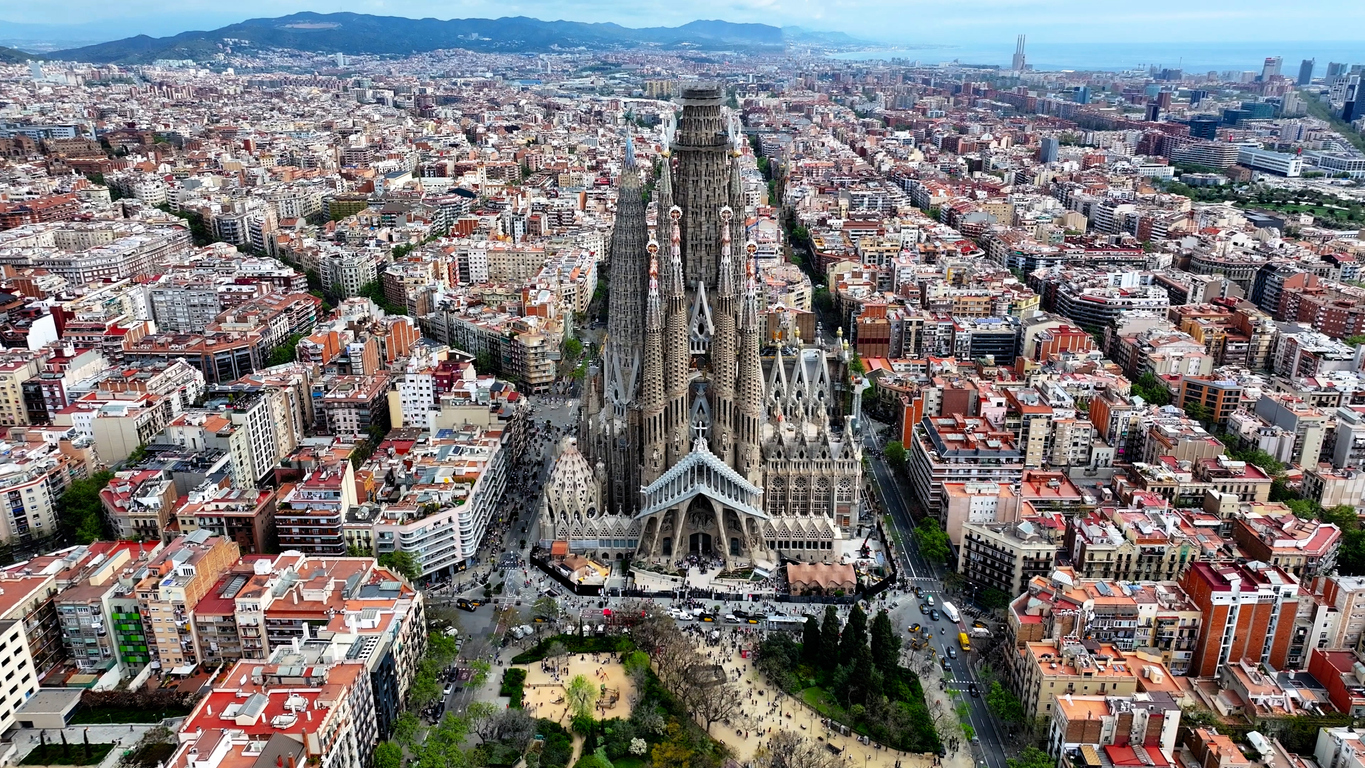
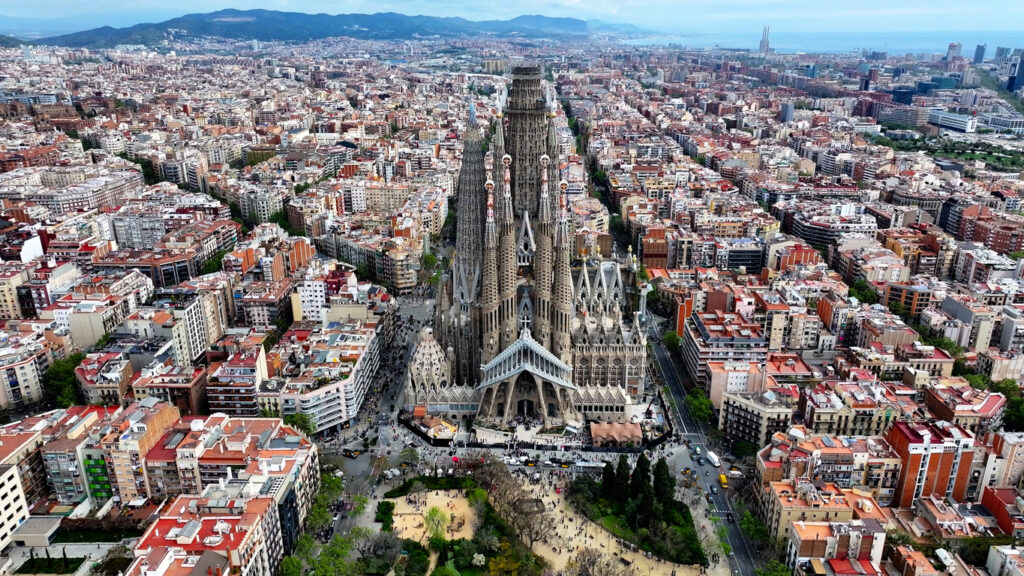
Sagrada Familia Church At Barcelona In Catalonia Spain. Gothic Church Scenery. Downtown Cityscape. Barcelona At Catalonia Spain. Cultural Heritage Skyline. Basilica Construction.
Barcelona is one of those ports that instantly pulls you in, and this Barcelona Cruise Port Guide is here to help you make the most of your time in the city. Whether you’re arriving before a Mediterranean cruise or staying a few extra days afterward, Barcelona is packed with iconic landmarks, beautiful neighborhoods, and unforgettable experiences.
1. Sagrada Família
Sagrada Familia cathedral in spring, Barcelona, Spain
Gaudí’s unfinished masterpiece is the most iconic landmark in Barcelona, with soaring towers and stained‑glass windows that fill the basilica with color. Even if you’ve seen photos, nothing compares to stepping inside.
If you want a deeper look at what makes this basilica so extraordinary, you can read my full Sagrada Família post.
2. Park Güell
Park Guell is the popular touristic objects in Barcelona, Spain. Multicolored mosaic steps. Concept of tourism and vacation
This whimsical hilltop park feels like stepping into a storybook, with colorful mosaics, curving benches, and sweeping views over Barcelona. It’s one of Gaudí’s most playful creations and a must‑see for first‑time visitors.
Las Ramblas boulevard through historic Barcelona Spain as tourists and locals pass by shops and sidewalk cafes near in the historic Gothic Quarter.
La Rambla is one of the most iconic streets in the city, and it’s a fun, easy stop to include in any itinerary from this Barcelona Cruise Port Guide. The boulevard is lively and colorful, lined with flower stalls, cafés, and street performers that give you a great first taste of Barcelona’s energy. If you want a closer look at what to expect along the way, you can check out my full La Rambla guide.
If you’d like to see what to expect along the way, check out my full La Rambla guide.
4. Gothic Quarter (Barri Gòtic)
This medieval neighborhood is a maze of narrow streets, hidden squares, and centuries‑old buildings. It’s one of the most atmospheric parts of Barcelona and perfect for wandering.
You can dive deeper into the best corners and hidden gems in my Gothic Quarter post.
5. La Boqueria Market
One of Europe’s most famous food markets, La Boqueria is a feast for the senses. Fresh fruit, seafood, tapas, and colorful displays make it a fun stop for a quick bite or foodie photos.
This Gaudí-designed home looks like something from a dream, with its colorful façade and flowing, organic shapes. The interior is just as magical, filled with light, curves, and clever design details.
You can learn more about the experience inside in my detailed Casa Batlló post.
7. Casa Milà (La Pedrera)
Casa Milà, also known as La Pedrera, is one of Gaudí’s most imaginative works and a highlight for anyone exploring the city. Its flowing stone façade, twisting iron balconies, and sculptural rooftop make it unlike any other building in Barcelona. Inside, you’ll find beautifully restored rooms, clever architectural details, and exhibits that explain Gaudí’s creative process. The rooftop chimneys are especially memorable, offering a mix of art, architecture, and skyline views. It’s an easy addition to any itinerary from this Barcelona Cruise Port Guide, especially if you enjoy unique design and want to experience one of Gaudí’s most iconic creations.
If you want to see more of this architectural icon, visit my full La Pedrera guide.
8. Barcelona Cathedral
This stunning Gothic cathedral anchors the heart of the old city. Its soaring interior, peaceful cloister, and beautiful façade make it a highlight of the Gothic Quarter.
Panoramic views, peaceful gardens, and the Magic Fountain show make Montjuïc a favorite stop.
Montjuïc offers panoramic views, gardens, museums, and a peaceful escape from the city streets. At night, the Magic Fountain show lights up with music and color — a favorite for families and first‑time visitors.
For the best viewpoints and timing tips, check out my full Montjuïc guide.
10. Barceloneta Beach
Aerial view of la Barceloneta Beach in the city of Barcelona
Barcelona’s most famous beach is lively, sunny, and full of energy. It’s perfect for a seaside stroll, a quick swim, or a relaxed lunch overlooking the Mediterranean.
Just steps from the cruise terminal, Port Vell is a scenic harbor area with shops, restaurants, and beautiful views. It’s a great place to stretch your legs after disembarking or unwind before heading back to the ship.
You can see more of this waterfront area in my full Port Vell guide.
12. Picasso Museum
Picasso Museum fountain, Barcelona, Spain
Housed in a series of medieval palaces, this museum showcases Picasso’s early works and his deep connection to Barcelona. It’s a fascinating look at how his style evolved over time.
If you want to know what’s inside and how to plan your visit, read my Picasso Museum post.
13. Camp Nou Stadium Tour
Home to FC Barcelona, Camp Nou is a must‑visit for football fans. The stadium tour takes you through the locker rooms, press area, and the field itself.
Palace of Catalan Music is a concert hall in Barcelona, Catalonia, Spain
This ornate concert hall is a masterpiece of Catalan modernism, filled with stained glass, mosaics, and intricate details. Even if you don’t attend a performance, the guided tour is worth it.
Ferris wheel on top of the city, at Tibidabo, Barcelona
Tibidabo offers some of the best views in the city, along with a charming hilltop amusement park. The combination of scenic overlooks and vintage rides makes it a fun outing for families.
You can learn more about visiting Tibidabo in my detailed guide.
16. El Born Neighborhood
Central alley Passeig del Born in El Born district, Barcelona, Spain
El Born is one of Barcelona’s most stylish and inviting neighborhoods, known for its narrow medieval streets, independent boutiques, and lively tapas bars. It’s a great place to slow down, wander, and soak in the city’s creative energy between major attractions. Many visitors enjoy browsing the shops, relaxing in shaded plazas, or stopping for a drink while people‑watching. The area blends history and modern culture in a way that feels effortlessly local. It’s an easy addition to any itinerary from this Barcelona Cruise Port Guide, especially if you want a break from the busier tourist areas. You can explore even more highlights in my full El Born post.
You can explore more of this neighborhood’s highlights in my El Born post.
17. Parc de la Ciutadella
This beautiful city park is perfect for a peaceful stroll, a boat ride, or a picnic. The grand fountain, designed in part by a young Gaudí, is a highlight. You can see more of the park’s best spots in my Ciutadella Park guide.
18. Montjuïc Castle
Lush outdoor garden that surrounds the grand Castell de Montjuïc in Barcelona, Spain.
Perched high above the port, this historic fortress offers panoramic views of the coastline and city. It’s a great spot for photos and a peaceful escape from the crowds.
You can learn more about the castle and how to get there in my Montjuïc Castle post.
19. Poble Espanyol
Vintage stairs in Spanish village (Poble Espanyol) museum open air in Barcelona. Spain.
This open‑air architectural museum showcases replicas of buildings from across Spain. It’s a fun way to explore Spanish culture, crafts, and regional styles in one place.
Barcelona’s food scene is vibrant, flavorful, and full of variety. From seafood paella to pintxos and traditional Catalan dishes, there’s something for every palate.
We took a food tour while exploring Barcelona, and it turned out to be one of our favorite experiences. We tasted amazing tapas, sipped local wines, and learned so much along the way.
21. Day Trip to Girona, Costa Brava, and Montserrat
If you have extra time in Barcelona before or after your cruise, taking a day trip outside the city is one of the best ways to experience more of Catalonia. Just an hour or so from the port, you’ll find dramatic mountain landscapes, medieval streets, and some of the most beautiful coastline in Spain. I’ve put together a full guide to the three most popular day trips — Montserrat, Girona, and Costa Brava — so you can easily choose the one that fits your travel style. For a deeper look at the best day trips from Barcelona — including Montserrat, Girona, and Costa Brava — you can read my full guide here.
Final Thoughts
Barcelona is one of those rare cruise ports where extending your stay feels less like an option and more like a gift to yourself. With world‑famous architecture, vibrant neighborhoods, beautiful beaches, and a food scene that pulls you in at every corner, the city rewards every extra hour you spend exploring. Whether you’re here for a single port day or a multi‑day adventure, Barcelona has a way of blending culture, color, and coastline into an experience you’ll never forget.
If you’re planning your own visit, I hope this guide helps you make the most of your time in this incredible city. And if you’re ready to dive deeper into any of these attractions, you’ll find detailed posts linked throughout to help you plan each stop with confidence.
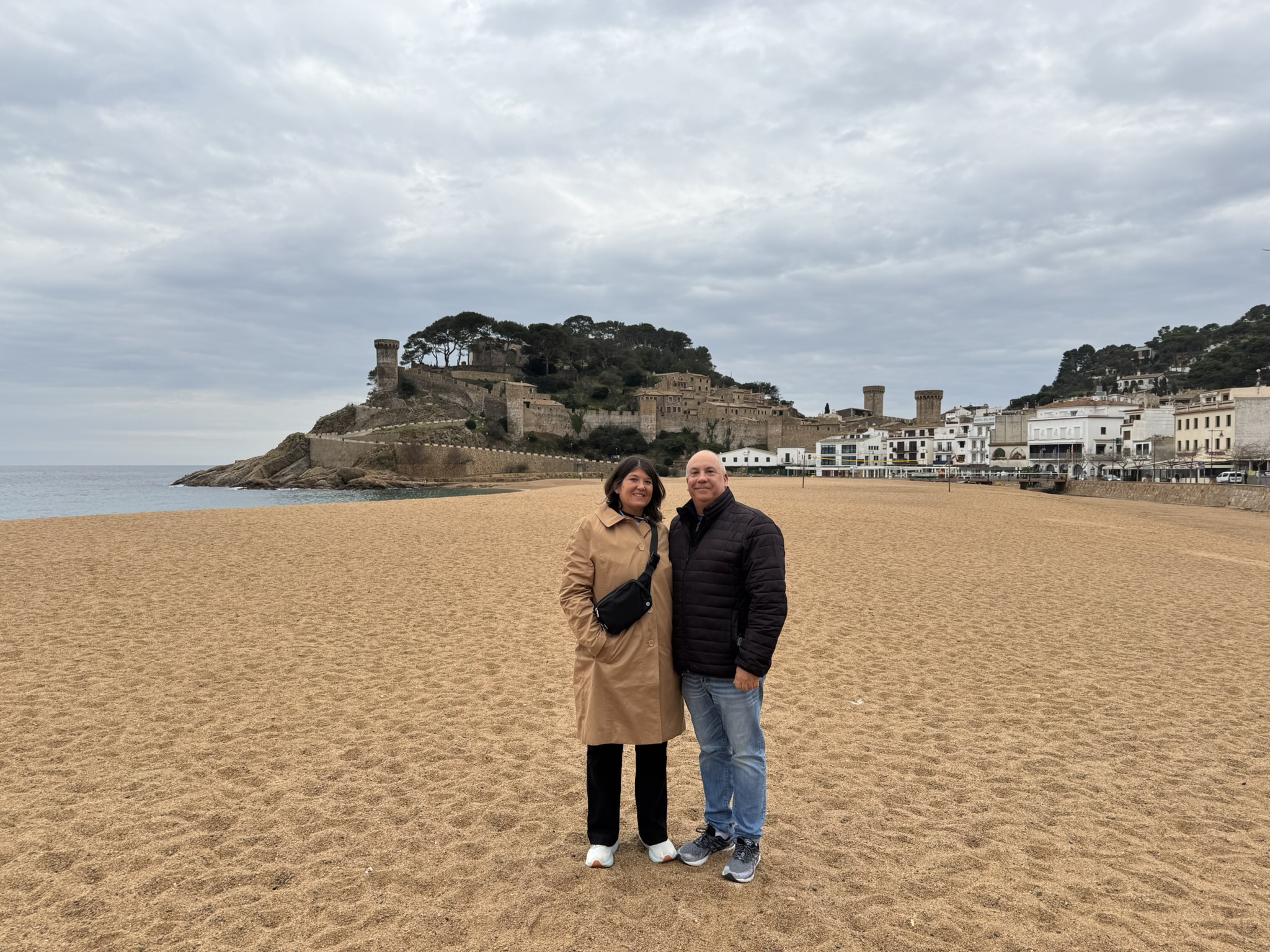
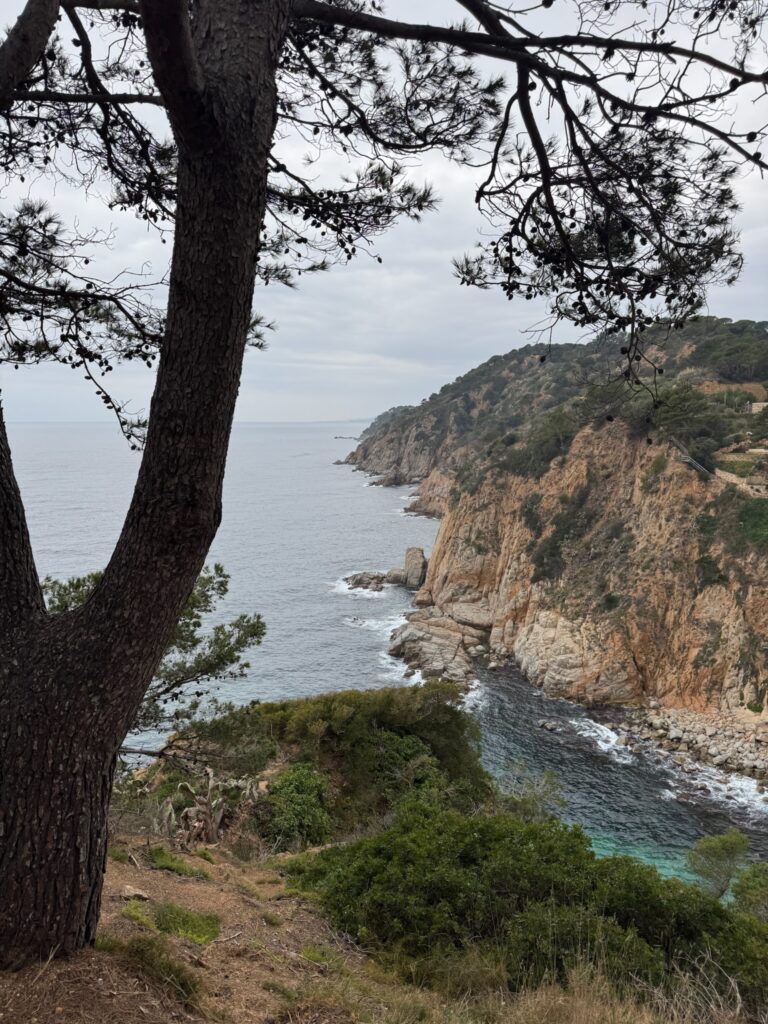
Costa Brava is one of the most beautiful coastal regions in Spain, offering rugged cliffs, turquoise water, and peaceful seaside towns that feel worlds away from the energy of Barcelona. If you’re spending extra time in the city before or after your cruise, a day trip to Costa Brava is a refreshing way to experience a quieter, more natural side of Catalonia. The coastline stretches for miles, with hidden coves, dramatic viewpoints, and charming villages that invite you to slow down, breathe, and enjoy the scenery.
The region’s atmosphere is what makes it so memorable. The air feels fresh and salty, the water shifts between deep blue and crystal‑clear green, and the rocky cliffs create a sense of privacy and calm. Whether you’re walking along a coastal path, relaxing on a sheltered beach, or exploring a small town with narrow streets and waterfront cafés, Costa Brava offers a peaceful escape that contrasts beautifully with Barcelona’s urban pace.
What Makes Costa Brava Special
Costa Brava stands out for its dramatic coastline and natural beauty. Many beaches are tucked between rocky cliffs, creating quiet, sheltered spaces that feel intimate and scenic. The water is incredibly clear, especially in the smaller coves where the sea stays calm and protected.
The region also has several coastal towns that add charm and character to the experience. These towns often feature narrow streets, local shops, and waterfront restaurants where you can enjoy a relaxed meal with ocean views. The combination of rugged nature and small‑town charm makes Costa Brava a favorite for travelers who enjoy peaceful seaside settings and authentic local culture.
Exploring the Coastal Paths
One of the best ways to experience Costa Brava is by walking along the Camins de Ronda, a network of coastal paths that connect beaches and coves. These trails offer steady views of the sea and give you a chance to explore the coastline at your own pace.
The paths vary in difficulty, so you can choose a short, easy walk or a longer, more adventurous route. Along the way, you’ll pass rocky cliffs, hidden coves, and scenic viewpoints that make the journey just as rewarding as the destination. It’s a great option for travelers who enjoy nature, photography, or simply being outdoors.
Relaxing on the Beaches
Costa Brava has a wide range of beaches, from small rocky coves to larger sandy stretches. Many of the smaller coves feel peaceful and sheltered, making them ideal for swimming, sunbathing, or simply enjoying the quiet atmosphere.
The water is clear and calm in many areas, and the surrounding cliffs create a dramatic backdrop that adds to the beauty of the experience. Whether you prefer a lively beach with amenities or a quiet cove tucked between rocks, Costa Brava offers plenty of options for a relaxing day by the sea.
Visiting the Seaside Towns
The towns along Costa Brava each have their own personality. Some offer quiet streets and local shops, while others have lively waterfront areas with restaurants and cafés. These towns are easy to explore on foot and give you a chance to enjoy the region’s culture at a relaxed pace.
You might wander through narrow alleys, browse small boutiques, or enjoy a meal overlooking the water. The slower rhythm of these towns makes them perfect for travelers who want to unwind and experience a more authentic side of Catalonia.
Is Costa Brava Worth Visiting?
Costa Brava is absolutely worth adding to your Barcelona itinerary if you enjoy coastal scenery, quiet beaches, and charming seaside towns. It’s close enough for a simple day trip yet far enough to feel like a true escape.
The region offers a refreshing balance of nature, relaxation, and local culture — a perfect complement to the energy of Barcelona. Whether you’re exploring coastal paths, relaxing on the beach, or visiting a seaside town, Costa Brava delivers a peaceful, scenic experience that feels both restorative and memorable.
For more ideas to help you plan your time in the region, you can explore my full Barcelona roundup post. If you’d prefer to visit Costa Brava along with Girona and Montserrat on a guided day trip, I also have a post covering that combined itinerary.
If you’re spending extra time in Barcelona before or after your cruise, taking a day trip outside the city is one of the most rewarding ways to experience more of Catalonia. The region is filled with dramatic mountains, medieval towns, and rugged coastline — landscapes that feel completely different from Barcelona’s urban energy. Each destination is easy to reach, offers its own personality, and adds a refreshing change of pace to your trip.
Montserrat, Girona, and Costa Brava are three of the most popular choices, and each one highlights a different side of Catalonia. Montserrat brings soaring peaks and spiritual history. Girona offers quiet medieval charm and beautifully preserved architecture. Costa Brava delivers turquoise water, rocky cliffs, and postcard‑worthy seaside towns. Whether you’re drawn to nature, culture, or coastal scenery, these day trips offer something meaningful for every type of traveler.
Montserrat
Montserrat is known for its dramatic mountain peaks, peaceful monastery, and sweeping views. The serrated rock formations look almost sculpted, rising sharply above the valley and creating one of the most recognizable landscapes in Catalonia. The atmosphere feels calm and contemplative — a welcome contrast to Barcelona’s busy streets.
Visitors often explore the basilica, admire the Black Madonna, or take the funicular even higher for panoramic views. The combination of nature and culture makes Montserrat a standout choice for travelers who want a day trip that feels both scenic and meaningful. It’s easy to spend a few hours wandering the grounds, taking photos, and enjoying the fresh mountain air before heading back to the city.
Girona
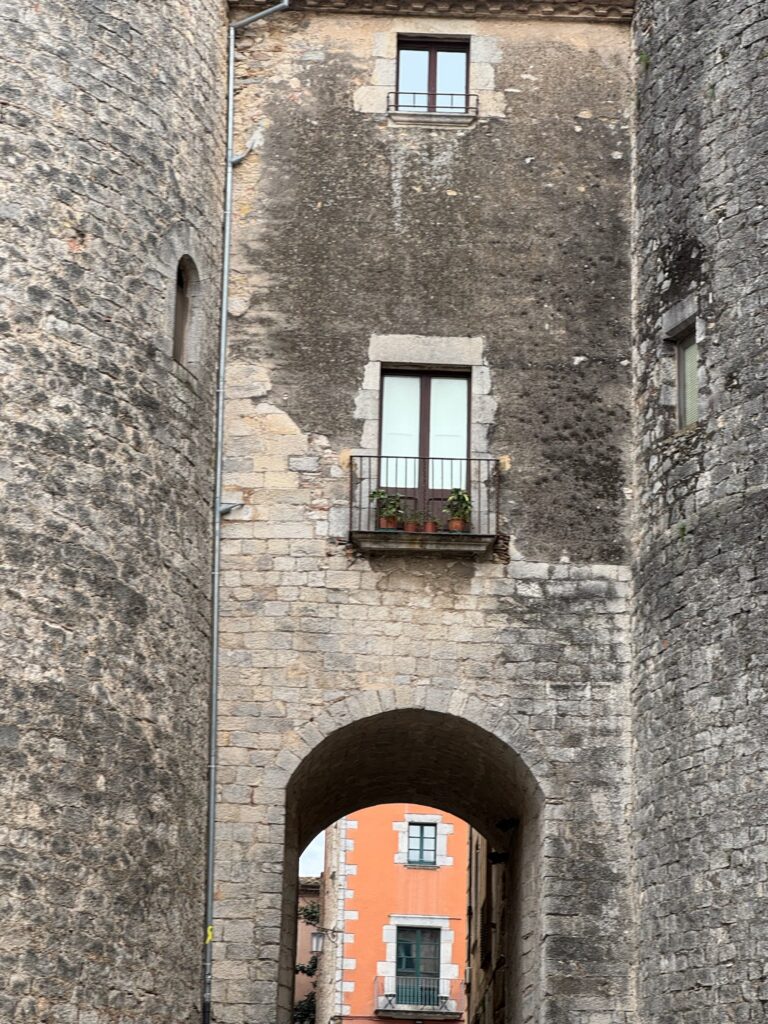
Girona is a historic city with medieval streets, colorful riverfront views, and well‑preserved landmarks that make it feel timeless. The cathedral, ancient walls, and Jewish Quarter create a setting that invites slow exploration — the kind of place where you can wander without rushing and discover something beautiful around every corner.
The city is compact and easy to navigate, which makes it ideal for a relaxed day trip. Many visitors enjoy walking along the old city walls, exploring the narrow stone alleys, or taking in the pastel‑colored houses along the Onyar River. Girona is a strong option for travelers who appreciate architecture, history, and charming old‑world streets.
Costa Brava
Costa Brava offers some of the most scenic coastline in Catalonia, with clear water, rugged cliffs, and small seaside towns that feel peaceful and inviting. The region is known for its coastal walking paths, quiet coves, and dramatic viewpoints — perfect for travelers who want a slower, nature‑focused day.
Many visitors spend their time relaxing on the beach, exploring waterfront promenades, or hiking along the coastal trails that connect one cove to the next. The scenery feels wild and untouched in places, yet welcoming and easy to enjoy. Costa Brava is a great choice if you want a day surrounded by natural beauty and Mediterranean charm.
Which Day Trip Should You Choose?
Each destination offers a different experience, and the best choice depends on what you want from your day:
Montserrat is ideal for mountain views, spiritual sites, and dramatic landscapes
Girona is perfect for history, architecture, and quiet medieval streets
Costa Brava is best for coastal scenery, coves, and relaxed seaside towns
The good news is that you don’t have to choose just one. Several guided tours combine Montserrat, Girona, and Costa Brava into a single day, making it easy to experience all three without planning each stop on your own. That’s exactly what we did, and it gave us a smooth, well‑paced way to see the highlights of each destination in one itinerary.
If you’re spending extra time in Barcelona before or after your cruise, visiting Girona Spain is an easy and rewarding day trip. The city has a slower pace than Barcelona, which makes it a relaxing break from the busy streets. Its medieval lanes, colorful riverfront, and historic landmarks create a setting that feels calm and inviting.
Girona is known for its ancient walls, Gothic cathedral, and charming Old Town. The city is compact and simple to explore, so you can see a lot without feeling rushed. Every area offers something different, from quiet viewpoints to narrow streets filled with character.
What Makes Girona Special
However, what makes Girona truly special is the way it blends history with a calm, inviting atmosphere. In addition, the medieval quarter offers narrow lanes, stone staircases, and quiet corners that encourage slow exploration. For example, the colorful houses along the Onyar River create one of the most recognizable views in Catalonia. As a result, the city feels both peaceful and full of character.
Exploring the Girona Cathedral
Furthermore, the Girona Cathedral stands out as one of the city’s most impressive landmarks. To begin with, its wide staircase and dramatic facade make a memorable first impression. Inside, the single nave is one of the widest in the world, which adds to its sense of scale. Because of this, the cathedral remains a highlight for many visitors.
Walking the Medieval Walls
One of the best ways to experience Girona is by walking along its medieval walls. The elevated path gives you a unique perspective of the city, with views of rooftops, towers, and the surrounding countryside. The walk is easy to follow and offers several scenic lookout points.
Game of Thrones Filming Location
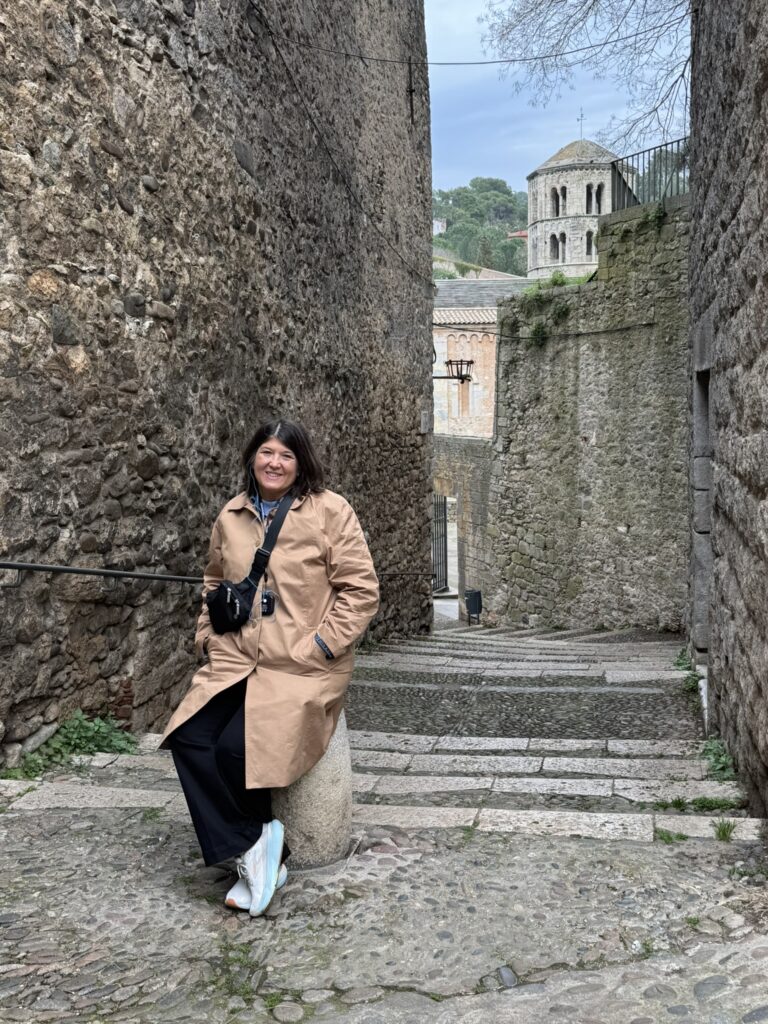
Girona is a must‑see destination for Game of Thrones fans. Much of Season 6 was filmed here, and the city’s medieval streets became some of the show’s most iconic backdrops. The dramatic staircase of the Girona Cathedral appeared as the exterior of the Great Sept of Baelor in King’s Landing, while the winding alleys of the Jewish Quarter transformed into Braavos, where Arya Stark trained, begged, and fought the Waif. The Sant Pere de Galligants monastery was also used as the Citadel of Oldtown, where Samwell Tarly began his maester training. Walking through Girona feels like stepping directly into Westeros and Essos — and it was one of the reasons we were so excited to visit. Our tour guide pointed out various locations for filming and explained how the area was transformed during filming.
Wandering the Jewish Quarter
Girona’s Jewish Quarter, known as El Call, is one of the best‑preserved in Europe. Its narrow streets and stone passageways create a peaceful atmosphere that encourages slow exploration. This area is filled with small shops, historic buildings, and quiet corners that highlight the city’s layered past.
Enjoying the Old Town
The Old Town is the heart of Girona. It’s filled with cafés, boutiques, and small squares that make it easy to spend a relaxed afternoon. The blend of medieval architecture and modern touches gives the area a timeless feel.
Is Girona Worth Visiting?
If you enjoy history, architecture, and charming old‑world streets, Girona is absolutely worth adding to your Barcelona itinerary. It’s close, easy to navigate, and full of memorable sights that offer a refreshing contrast to the energy of Barcelona.
Montserrat is one of the most unforgettable day trips you can take from Barcelona, offering a dramatic blend of soaring mountain peaks, peaceful monastery grounds, and sweeping views that feel completely different from the energy of the city. The moment you arrive, the atmosphere shifts — the air feels cooler, the landscape becomes rugged and sculptural, and the entire setting invites you to slow down and take in the beauty around you. It’s an easy escape that combines nature, culture, and history in a single destination, making it a perfect addition to any pre‑ or post‑cruise itinerary.
The mountain is best known for its Benedictine monastery, the revered Black Madonna, and its unique rock formations that look almost carved by hand. Whether you’re exploring the basilica, riding the funicular to higher viewpoints, or simply wandering the courtyards and terraces, Montserrat offers a calm, meaningful break from Barcelona’s busy streets. It’s the kind of place where you can spend a few hours or an entire day and still feel like there’s more to discover.
What Makes Montserrat Special
Montserrat’s jagged rock formations rise high above the Catalan countryside, creating one of the most striking landscapes in Spain. The mountains feel ancient and powerful, with layers of stone shaped by centuries of wind and erosion. Nestled into this dramatic setting is the monastery, a peaceful sanctuary that blends seamlessly into the cliffs.
The combination of natural beauty and cultural significance is what makes Montserrat stand out among Barcelona’s many day‑trip options. It’s rare to find a destination where you can experience spiritual history, panoramic views, and scenic walking paths all in one place.
Exploring the Montserrat Monastery
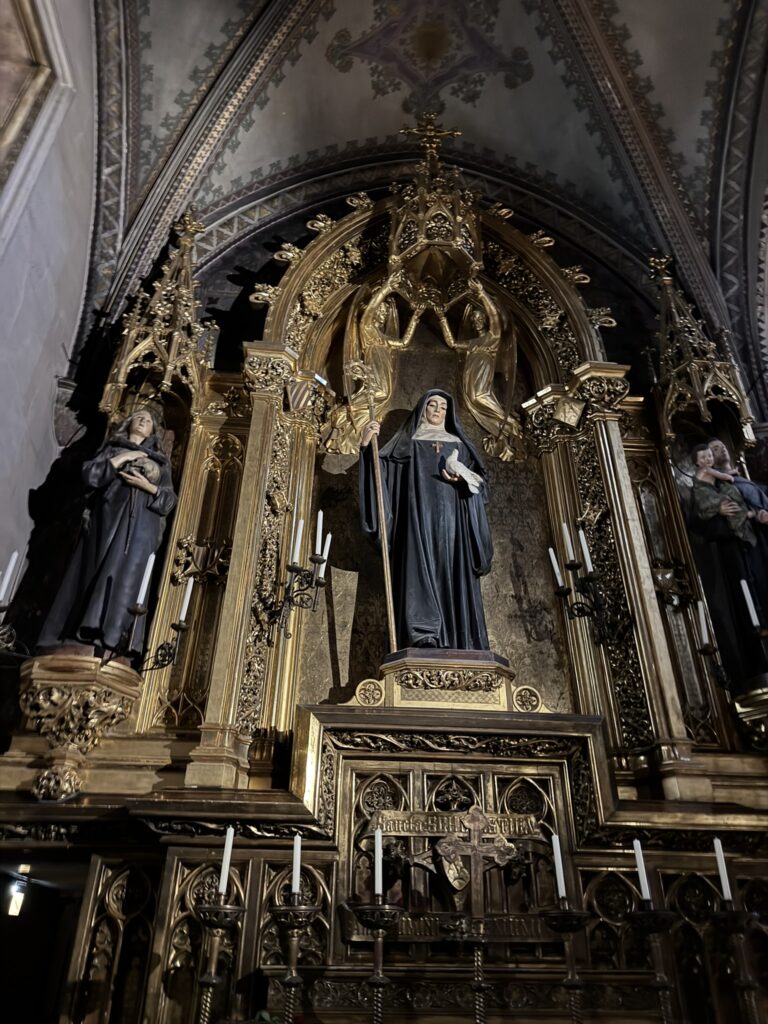
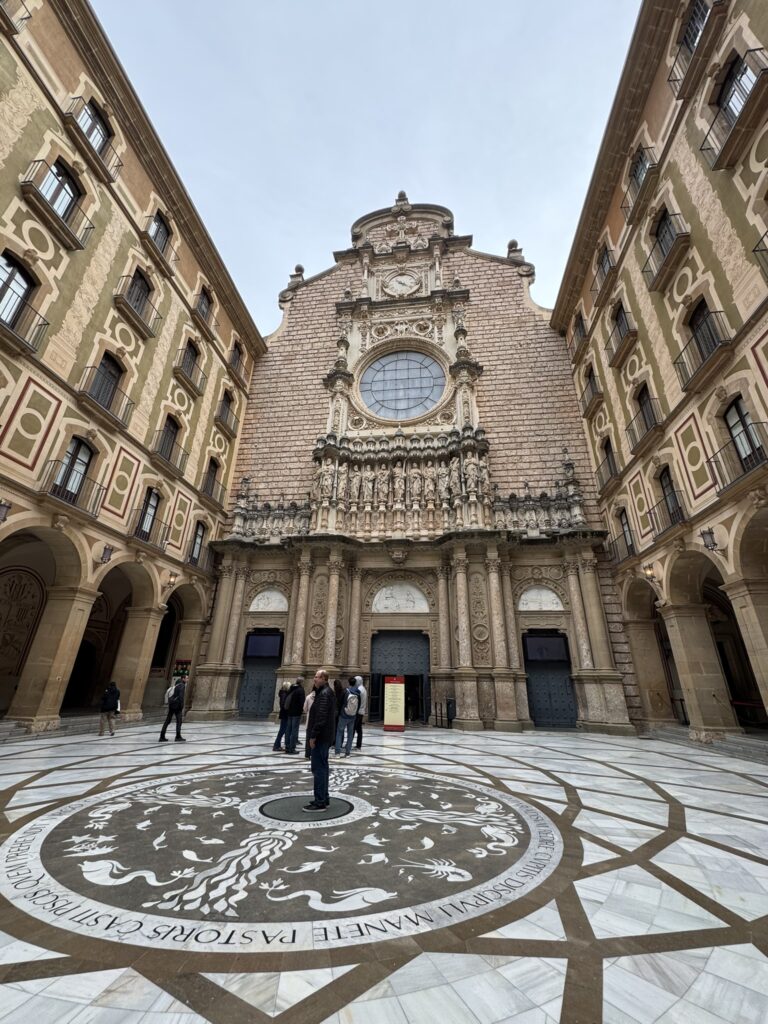
The Santa Maria de Montserrat Abbey is the heart of the mountain. Inside the basilica, you’ll find the famous Black Madonna, a symbol of devotion that draws visitors from around the world. The monastery grounds are easy to explore on your own, with quiet courtyards, arched walkways, and terraces that overlook the valley below.
Even if you’re not visiting for religious reasons, the architecture, atmosphere, and setting make the monastery a beautiful and memorable stop. It’s a place where you can pause, reflect, and take in the peaceful surroundings before continuing your exploration.
Taking the Funicular for Higher Views
If you want to see Montserrat from above, the funicular offers a quick and scenic ride to some of the best viewpoints on the mountain. The upper station opens onto hiking trails, panoramic overlooks, and rugged terrain that gives you a closer look at the mountain’s unique rock formations.
Even a short walk from the top provides incredible views, making this an easy way to experience the wilder side of Montserrat without committing to a long hike.
Hiking and Scenic Walks
Montserrat offers a variety of walking paths, from short, easy strolls to longer trails with rewarding views. Even if you’re not planning a full hike, the short paths near the monastery provide beautiful scenery without requiring much time or effort.
For travelers who enjoy nature, photography, or simply being outdoors, these trails offer a peaceful way to experience the mountain’s landscape up close.
How to Get to Montserrat
Montserrat is easy to reach from Barcelona by train, cable car, or rack railway. Many visitors choose the train‑and‑cable‑car combination, which adds a scenic element to the journey and makes the experience feel even more memorable. Guided tours are also available if you prefer a structured, stress‑free day trip.
Is Montserrat Worth Visiting?
If you enjoy nature, history, or peaceful mountain settings, Montserrat is absolutely worth adding to your Barcelona itinerary. It’s a refreshing change of pace and a meaningful way to experience a different side of Catalonia.
If you’d prefer to visit Montserrat along with Girona and Costa Brava on the same day trip, you can explore my full post covering that combined itinerary. And if you’re planning more time in the city, my full Barcelona roundup post offers additional ideas to help you make the most of your stay.
Vintage stairs in Spanish village (Poble Espanyol) museum open air in Barcelona. Spain.
Poble Espanyol is one of Barcelona’s most charming cultural experiences — an open‑air architectural museum designed to feel like a full Spanish village, complete with plazas, winding streets, artisan workshops, and regional architectural styles from across the country. Built for the 1929 International Exposition, it remains one of the easiest and most enjoyable ways to explore Spain’s diversity in a single, walkable setting. The moment you step inside, the atmosphere shifts: the noise of the city fades, the streets narrow into cozy passageways, and each turn reveals a new style, craft, or courtyard.
The village is arranged into distinct zones inspired by regions such as Andalusia, Castile, Aragón, and the Balearic Islands. Full‑scale replicas of real buildings give the space an authentic feel, and the mix of architecture, artisan studios, and cultural exhibits makes the experience both educational and fun. It’s colorful, relaxed, and wonderfully photogenic — a great choice for travelers who want something cultural without the intensity of a traditional museum.
What It’s Known For
Full‑scale replicas of Spanish buildings
Artisan workshops and handmade crafts
Cultural exhibits and art installations
Family‑friendly atmosphere
Scenic, village‑style streets
Why It’s Worth Visiting
Poble Espanyol offers a curated, walkable journey through Spain’s architectural and cultural heritage. You can watch artisans shape ceramics, leather, and jewelry; browse handmade goods; and explore plazas and courtyards that feel lifted from different corners of the country. The experience is simple, colorful, and easygoing — perfect for travelers who enjoy wandering, browsing, and discovering local craftsmanship. It’s also one of the best places in Barcelona to find high‑quality, handmade souvenirs.
Best Time to Visit
Morning: Quiet and easy to explore
Afternoon: Lively with families and visitors
Evening: Beautiful lighting and fewer crowds
How Long to Spend
Plan for 60–90 minutes, depending on how many shops, workshops, and exhibits you explore. The village is compact but full of detail, and it’s easy to linger longer if you enjoy browsing handmade goods.
What to Expect
You’ll walk through streets inspired by regions like Andalusia, Castile, and the Balearic Islands. Expect small plazas, shaded courtyards, and artisan studios where you can watch craftspeople at work. Many shops sell ceramics, leather goods, jewelry, and other handmade items. The experience is relaxed, scenic, and suitable for all ages.
For Cruise Travelers
Poble Espanyol sits near Montjuïc, making it easy to pair with nearby attractions such as the Magic Fountain, Montjuïc Castle, or Plaça d’Espanya. It’s a great choice if you want something cultural, colorful, and easy to navigate without committing to a long museum visit.
Insider Tips
Great spot for handmade souvenirs
Visit early for photos without crowds
Some workshops offer demonstrations
Wear comfortable shoes for walking
Combine with Montjuïc attractions
Common Complaints
Some shops can be pricey
Not all workshops are open daily
Can feel touristy during peak times
Limited shade on hot days
Final Thoughts
Poble Espanyol is a charming, colorful village that brings together architecture, culture, and craftsmanship from across Spain. It’s an easy, enjoyable stop that fits beautifully into any Barcelona sightseeing day, especially if you’re exploring Montjuïc or looking for a relaxed cultural experience. For hours, tickets, and current events, the official Poble Espanyol website has the latest details.
Lush outdoor garden that surrounds the grand Castell de Montjuïc in Barcelona, Spain.
Montjuïc Castle sits high above Barcelona on a breezy hilltop overlooking the coastline, port, and city skyline. This 17th‑century fortress is one of the most peaceful and scenic places to explore in Barcelona, offering wide‑open spaces, panoramic viewpoints, and a relaxed atmosphere far removed from the busy streets below. The moment you arrive, the setting feels calm and expansive — stone walls, lookout points, and quiet walkways surrounded by sky and sea. It’s an easy, refreshing stop for anyone who enjoys history, photography, or simply taking in beautiful views.
The castle’s elevated position is its greatest highlight. From the ramparts, you can see the entire curve of Barcelona’s coastline, the cruise port, Montjuïc Hill, and the city stretching all the way to the mountains. The views are especially striking on clear days, when the water glows deep blue and ships move slowly across the harbor. Even though the fortress once played a strategic military role, today it feels open, inviting, and surprisingly serene.
What It’s Known For
Panoramic views of Barcelona and the port
Historic 17th‑century fortress architecture
Peaceful courtyards and open walkways
Scenic cable car ride to the hilltop
Overlooks the entire coastline
Why It’s Worth Visiting
Montjuïc Castle offers a quiet escape from Barcelona’s busier attractions. You can wander along the fortress walls, explore the open courtyards, and enjoy the fresh air at the top of the hill. The experience is simple and relaxing — no crowds pressing in, no complicated exhibits, just wide views and plenty of space to explore at your own pace. It’s especially rewarding for photographers, families, and travelers who enjoy scenic, low‑stress sightseeing.
Best Time to Visit
Morning: Clear views and cooler temperatures
Afternoon: Lively atmosphere with more visitors
Evening: Beautiful golden‑hour photos
How Long to Spend
Plan for 45–60 minutes, depending on how long you linger at the viewpoints and walk the grounds. The site is spacious but easy to explore without feeling rushed.
What to Expect
The castle is open, airy, and straightforward to navigate. You’ll find stone walls, lookout points, and peaceful paths circling the fortress. The views stretch across the city, coastline, and cruise port, making it one of the best vantage points in Barcelona. If you choose to take the cable car, the ride adds a scenic, memorable touch to the experience.
For Cruise Travelers
Montjuïc Castle is close to the cruise port and offers excellent views of the harbor. It pairs naturally with Montjuïc Hill, the Magic Fountain, or Plaça d’Espanya, making it an easy and rewarding stop during a port day. It’s ideal if you want something scenic and relaxing without committing to a long museum visit.
Insider Tips
The cable car offers the most scenic ride
Wear comfortable shoes — paths can be uneven
Bring water on hot days
Sunset is one of the best times for photos
Combine with Montjuïc Hill or the Magic Fountain
Common Complaints
Limited shade on sunny days
Cable car tickets can be pricey
Some areas may close during events
Uphill walking required if not using the cable car
Final Thoughts
Montjuïc Castle is a peaceful, scenic escape with some of the best views in Barcelona. Its historic walls, open spaces, and sweeping overlooks make it a refreshing addition to any sightseeing day.
Parc de la Ciutadella is one of Barcelona’s most beautiful and inviting green spaces — a peaceful escape filled with shady trees, wide walking paths, open lawns, and a calm lake where visitors can rent small rowboats. Located near El Born and the Arc de Triomf, the park feels like a refreshing pause from the city’s busy streets. Whether you’re strolling, relaxing, or taking photos, the atmosphere is gentle and unhurried, making it a favorite spot for both locals and travelers.
One of the park’s most iconic features is the Cascada Monumental, a grand fountain partially designed by a young Antoni Gaudí. Its dramatic sculptures, flowing water, and ornate details make it one of the most photogenic corners of the park. Palm trees, gardens, and open lawns surround the area, creating a bright, scenic backdrop that feels worlds away from the urban energy just outside the gates.
What It’s Known For
Cascada Monumental fountain
Peaceful walking paths
Small lake with rowboats
Palm trees and open lawns
Barcelona Zoo nearby
Why It’s Worth Visiting
Parc de la Ciutadella offers a calm, refreshing break in the heart of Barcelona. You can wander through the gardens, sit beneath the trees, or enjoy the fountain’s dramatic architecture. The park’s relaxed atmosphere makes it ideal for families, couples, and solo travelers looking for a quiet moment between sightseeing stops. It’s also one of the easiest places in the city to enjoy nature without leaving the urban center.
Best Time to Visit
Morning: Cool, peaceful, and perfect for photos
Afternoon: Lively with families and visitors
Evening: Great for a relaxed walk as the day cools
How Long to Spend
Plan for 30–60 minutes, depending on whether you explore the full park, stop for photos, or spend time by the lake.
What to Expect
The park is easy to explore and full of scenic corners. Expect wide paths, grassy areas, and the impressive Cascada Monumental as the main highlight. The lake offers rowboat rentals, and the surrounding gardens provide plenty of space to relax. It’s a simple, enjoyable stop that fits naturally into any Barcelona itinerary.
For Cruise Travelers
Parc de la Ciutadella is close to El Born and the Arc de Triomf, making it an effortless addition to a port day. It’s perfect if you want a peaceful break between major attractions or a scenic spot to unwind before continuing your sightseeing.
Insider Tips
The fountain is the best photo spot
Rowboats are available on the lake
Bring water on hot days — shade varies
Great for families with kids
Combine with El Born or Arc de Triomf
Common Complaints
Can be crowded on weekends
Limited shade in some areas
Vendors may approach visitors
The zoo requires a separate ticket
Final Thoughts
Parc de la Ciutadella is a peaceful, scenic retreat that offers a relaxing break from Barcelona’s busy streets. With its fountain, lake, gardens, and open spaces, it’s a lovely stop for any visitor and pairs easily with nearby attractions.
Central alley Passeig del Born in El Born district, Barcelona, Spain
El Born is one of Barcelona’s most atmospheric and effortlessly stylish neighborhoods — a blend of medieval streets, artisan boutiques, cozy cafés, and a creative energy that feels both historic and modern. Wandering through its narrow lanes is one of the simplest pleasures in the city. The area has a relaxed, lived‑in charm, with warm stone buildings, small plazas, and independent shops that give it a distinctly local feel. Even though it’s close to major attractions, El Born still feels intimate and inviting, making it an easy place to slow down and enjoy Barcelona at street level.
The neighborhood’s central walkway, Passeig del Born, sets the tone with its tree‑lined path, cafés, and lively atmosphere. Just steps away, you’ll find artisan studios, tapas bars, and small boutiques showcasing local designers. The mix of history and creativity is everywhere — from the medieval layout to the modern shops and wine bars tucked into centuries‑old buildings. It’s a neighborhood that rewards wandering, browsing, and lingering.
What It’s Known For
Trendy boutiques and artisan shops
Tapas bars and cozy cafés
Santa Maria del Mar church
Picasso Museum nearby
Charming medieval streets
Why It’s Worth Visiting
El Born blends old‑world charm with a modern, artistic vibe. You can browse independent shops, enjoy a relaxed meal, or explore the area’s beautiful architecture — all within a compact, walkable neighborhood. It’s one of the best places in Barcelona to experience the city’s creative side while still feeling connected to its medieval roots. The atmosphere is lively but never overwhelming, making it ideal for travelers who enjoy exploring at their own pace.
Best Time to Visit
Morning: Quiet streets and easy browsing
Afternoon: Lively cafés and shops
Evening: Perfect for tapas and wine
How Long to Spend
Plan for 45–90 minutes, depending on whether you shop, eat, or explore nearby attractions. The neighborhood is compact but full of detail, and it’s easy to linger longer if you enjoy browsing or photography.
What to Expect
El Born is easy to walk and full of character. Expect narrow lanes, small plazas, and lots of independent shops featuring local designers and handmade goods. The area has a creative, stylish feel, with cafés and wine bars tucked into historic buildings. It’s also a great spot for photos and people‑watching, especially along Passeig del Born.
For Cruise Travelers
El Born is close to the Gothic Quarter and the Picasso Museum, making it an effortless addition to a port day. It’s perfect if you want a relaxed, flexible activity that fits any schedule and doesn’t require tickets or long lines.
Insider Tips
Visit Santa Maria del Mar — beautiful and free
Great area for tapas and wine in the evening
Shops feature local designers and handmade items
Streets are narrow — go early for photos
Combine with the Picasso Museum or Gothic Quarter
Common Complaints
Can feel crowded in the afternoon
Some shops close for midday breaks
Prices are higher in boutique stores
Streets can be confusing to navigate
Final Thoughts
El Born is one of Barcelona’s most charming and character‑filled neighborhoods. With its mix of boutiques, cafés, medieval streets, and cultural attractions, it’s a wonderful place to explore at your own pace.
Ferris wheel on top of the city, at Tibidabo, Barcelona
Tibidabo Mountain is one of the most scenic and playful places to visit in Barcelona — a hilltop viewpoint with sweeping panoramas, a historic amusement park, and a beautiful church overlooking the entire city. The moment you reach the summit, the atmosphere shifts from the busy streets below to open skies, cool breezes, and some of the best views in the region. It’s a relaxed, family‑friendly destination that blends scenery, history, and classic Barcelona charm.
The mountaintop is home to Tibidabo Amusement Park, one of the oldest in Europe, where vintage rides and colorful attractions sit right on the edge of the hillside. Even if you’re not riding anything, the park adds a whimsical feel to the summit. Just steps away, the Temple of the Sacred Heart rises above the skyline — a striking church that’s free to enter and offers excellent photo spots from its terraces. Together, the views, the rides, and the peaceful church create a memorable mix of experiences in a single stop.
What It’s Known For
Panoramic views of Barcelona
Tibidabo Amusement Park
Temple of the Sacred Heart church
Scenic funicular ride
Family‑friendly activities
Why It’s Worth Visiting
Tibidabo gives you a completely different perspective on Barcelona. From the top, you can see the coastline, the city grid, and the surrounding hills all at once. The atmosphere is relaxed and playful — part scenic overlook, part amusement park, part historic landmark. Whether you’re taking photos, exploring the church, or enjoying the vintage rides, the experience feels refreshing and far removed from the city’s busier attractions.
Best Time to Visit
Morning: Clear views and fewer crowds
Afternoon: Most activity at the amusement park
Evening: Beautiful sunset views across the city
How Long to Spend
Plan for 1–2 hours, depending on whether you visit the amusement park or stay longer for photos and views at the summit.
What to Expect
The journey up the mountain is part of the fun. You can take the scenic funicular or combine public transport with a short uphill walk. At the top, you’ll find cafés, rides, wide viewing areas, and the impressive church. The summit is open and breezy, with plenty of space to explore at your own pace. The church is free to enter and offers excellent vantage points for photography.
For Cruise Travelers
Tibidabo is farther from the cruise port than most Barcelona attractions, but the views make it worth the trip. It pairs naturally with Park Güell or a visit to Gràcia, especially if you want a day focused on scenery and unique experiences. If you’re on a short port day, plan your timing carefully to account for the travel time up the mountain.
Insider Tips
Check amusement park hours — they vary by season
Bring a light jacket; it’s cooler at the top
The funicular is the easiest way up
Sunset is especially photogenic
The church is free to visit
Common Complaints
Travel time to the summit can be long
Amusement park hours are limited
Food options are basic and can be pricey
Crowds gather at sunset
Final Thoughts
Tibidabo Mountain offers some of the best views in Barcelona, along with a fun, relaxed atmosphere that appeals to visitors of all ages. With its mix of scenery, rides, and a beautiful hilltop church, it’s a memorable stop that adds variety and charm to any Barcelona itinerary.