Tag: Seward Alaska

  • Seward Alaska Cruise Port Guide: Top Things to Do for Cruise Travelers

    Seward Alaska Cruise Port Guide: Top Things to Do for Cruise Travelers

    A turquoise glacial lake surrounded by forested hills and towering snow‑capped mountains under a clear blue sky.
    Glacial waters and rugged mountains create the dramatic scenery that makes Seward and Kenai Fjords unforgettable.

    Seward is one of Alaska’s most scenic and adventure‑packed cruise ports, known for its dramatic fjords, abundant wildlife, and easy access to Kenai Fjords National Park. This Seward Alaska Cruise Port Guide highlights why so many travelers consider it a must‑see destination, whether you’re exploring glaciers, taking a wildlife cruise, or enjoying the charming waterfront town. With mountains rising straight from the shoreline and endless opportunities for outdoor exploration, Seward delivers some of the most memorable moments of any Alaska itinerary.

    This Seward Alaska Cruise Port Guide highlights the top experiences that showcase the best of this stunning Alaska destination.

    Below, you’ll find the top experiences that showcase the best of Seward during a cruise‑port day.

    1. Take a Kenai Fjords National Park Wildlife & Glacier Cruise
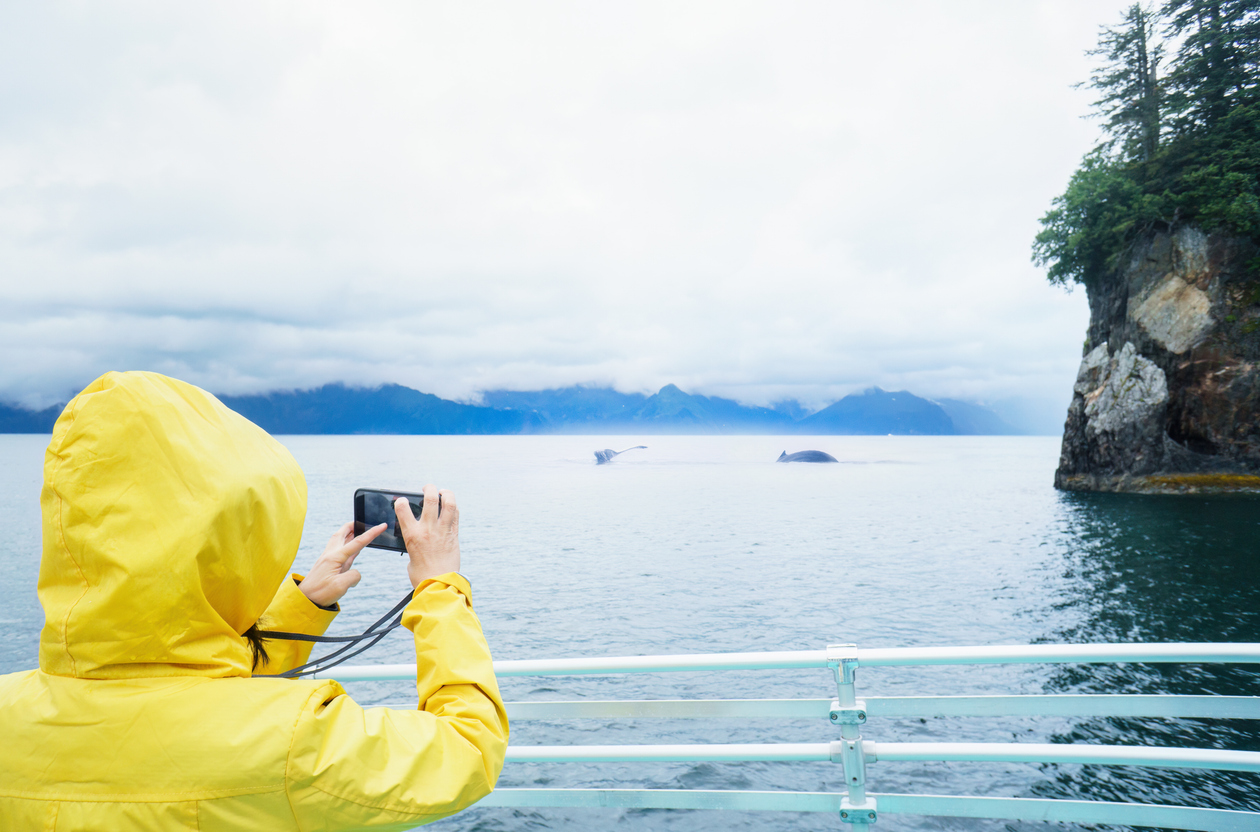
    A tourist photographs whales swimming near the boat during a wildlife cruise in Kenai Fjords National Park in Seward, Alaska.
    A visitor captures the moment as whales surface near the tour boat, a classic highlight of wildlife cruises in Kenai Fjords National Park.

    A Kenai Fjords cruise is the signature experience in Seward. The scenery is dramatic, with steep cliffs, waterfalls, and narrow fjords that feel untouched. Wildlife sightings are common, and many tours see whales, sea otters, sea lions, puffins, and porpoises. The highlight is reaching a tidewater glacier. You may hear the ice crack and watch pieces fall into the water. The moment feels like a nature documentary happening right in front of you. Cruises vary in length, so it’s easy to choose one that fits your schedule. Even the shortest tours offer incredible views. If you want a memorable Alaska experience with guaranteed scenery and strong chances for wildlife, this is one of the best options in Seward.

    For tips, timing, and planning details, see my complete Kenai Fjords cruise guide.

    2. Visit the Alaska SeaLife Center

    A foggy, rainy day at the Alaska SeaLife Center on Railway Avenue in Seward, Alaska, a public aquarium and marine mammal rehabilitation facility on the shores of Resurrection Bay.
    Fog and rain settle over the Alaska SeaLife Center, Seward’s waterfront aquarium and marine mammal rehabilitation facility overlooking Resurrection Bay.

    The Alaska SeaLife Center is Seward’s top indoor attraction and a great way to learn about Alaska’s marine wildlife. The building sits right on the waterfront, so the views are beautiful before you even step inside. Exhibits feature puffins, harbor seals, sea lions, octopus, and many species of fish and invertebrates. The habitats are thoughtfully designed and easy to explore at your own pace. Visitors can watch feedings, explore touch pools, and learn how the center rescues and rehabilitates injured animals. The experience is educational, relaxed, and perfect for families or anyone who enjoys marine life. Its location makes it easy to pair with a harbor walk or a Kenai Fjords cruise.

    For tips, timing, and planning details, see my complete Alaska SeaLife Center guide.

    3. Explore the Seward Waterfront & Harbor Walk

    The working waterfront near Fisherman’s Wharf in Seward, Alaska, featuring harbor buildings and coastal views along Resurrection Bay.
    Fisherman’s Wharf sits along the Seward waterfront, adding classic harbor character to the scenic Seward Waterfront & Harbor Walk.

    The Seward waterfront is one of the most scenic areas in town. Mountains rise directly from the shoreline, and colorful boats line the harbor. The paved Waterfront Trail follows the edge of Resurrection Bay and is easy for all visitors to enjoy. You can walk as much or as little as you like. Sea otters, eagles, and seabirds are often spotted along the route. Interpretive signs share stories about local history and marine life, which adds depth to the walk. The area also has shops, cafés, and tour operators, so it’s simple to explore at your own pace. It’s a flexible, free activity that fits well into any cruise‑port schedule.

    For tips, timing, and planning details, see my complete Seward waterfront guide.

    4. Visit Exit Glacier & the Glacier View Trails

    Mountain goats grazing on a grassy hillside with Exit Glacier and the rugged peaks of Kenai Fjords National Park in the background.
    Mountain goats often roam the hillsides near Exit Glacier, adding a wildlife highlight to the scenic views in Kenai Fjords National Park.

    Exit Glacier is one of the easiest glaciers to visit in Alaska. The area offers clear views of blue ice, rugged terrain, and the dramatic landscape shaped by the glacier over time. Well‑marked trails lead to several viewpoints, and each one feels rewarding without requiring a long hike. Interpretive signs show how far the glacier has retreated, which adds an educational layer to the experience. Wildlife sightings are possible, especially mountain goats on the nearby cliffs. The trails range from flat, accessible paths to slightly steeper climbs, so visitors can choose what fits their comfort level. It’s a simple, flexible way to experience a glacier up close during a cruise‑port day.

    For tips, timing, and planning details, see my complete Exit Glacier guide.

    5. Explore the Seward Small Boat Harbor

    Boats docked in the Seward Small Boat Harbor with snowcapped mountains rising in the background along Resurrection Bay.
    Seward’s Small Boat Harbor sits beneath towering mountain peaks, offering one of the most scenic waterfront views in Alaska.

    The Seward Small Boat Harbor is the heart of the town’s waterfront activity, filled with fishing vessels, tour boats, and scenic mountain backdrops. It’s a great place for photography, people‑watching, and soaking in the maritime atmosphere. Visitors can browse local shops, enjoy seafood restaurants, or simply walk the docks to admire the boats and look for sea otters playing near the pilings. The harbor is also the departure point for many Kenai Fjords cruises, making it an easy stop before or after an excursion. For tips, timing, and planning details, see my complete Seward Harbor guide.

    6. Visit the Seward Community Library & Museum

    Close‑up of reading glasses resting on a small stack of books on a wooden table, creating a warm, library‑inspired scene.
    A simple stack of books and reading glasses evokes the quiet, welcoming atmosphere of the Seward Community Library & Museum.

    This small but well‑curated museum offers a thoughtful look at Seward’s history, from the 1964 earthquake to the town’s fishing heritage and early settlement. Exhibits include photographs, artifacts, and personal stories that help visitors understand how Seward developed into the vibrant coastal community it is today. The museum is located inside the modern Seward Community Library building, making it an easy and efficient stop for travelers who want cultural depth without taking up too much port time. For tips, timing, and planning details, see my complete Seward Museum guide.

    7. Ride the Scenic Seward Highway (If Arriving or Departing by Land)

    Snowcapped mountains rise above the landscape near Moose Pass on the Kenai Peninsula, a scenic stretch along the Seward Highway in south‑central Alaska.
    The Seward Highway passes through Moose Pass, where snowcapped peaks and rugged Kenai Peninsula scenery create one of Alaska’s most beautiful drives.

    If your cruise begins or ends in Seward, the Seward Highway is one of the most breathtaking drives in Alaska. The route winds between mountains, glaciers, and the waters of Turnagain Arm, offering endless photo opportunities and wildlife sightings along the way. Travelers often spot beluga whales, Dall sheep, and bald eagles, especially near the cliffs and shoreline pullouts. Whether you’re taking a shuttle, private transfer, or rental car, the journey feels like an excursion in itself. It’s a memorable way to start or end your Alaska cruise experience. For tips, timing, and planning details, see my complete Seward Highway guide.

    8. Visit Lowell Point & the Coastal Trail

    A foggy day along the rocky beach at Lowell Point in Seward, Alaska, with ocean treasures and natural debris washed ashore on Resurrection Bay.
    Fog drifts over the shoreline at Lowell Point, where each wave brings new ocean treasures onto the beach along Resurrection Bay.

    Just a short drive from downtown, Lowell Point offers quiet beaches, mountain views, and access to the scenic Tonsina Point Trail. This coastal path winds through forested areas and along rocky shoreline, with chances to spot sea otters, seabirds, and even the occasional harbor seal. The area feels peaceful and less crowded than the main harbor, making it a great option for travelers who want a nature escape without committing to a full‑day excursion. Even a short visit provides beautiful scenery and a refreshing break from the busier parts of town. For tips, timing, and planning details, see my complete Lowell Point guide.

    9. Explore the Seward Waterfront Park & Camping Area
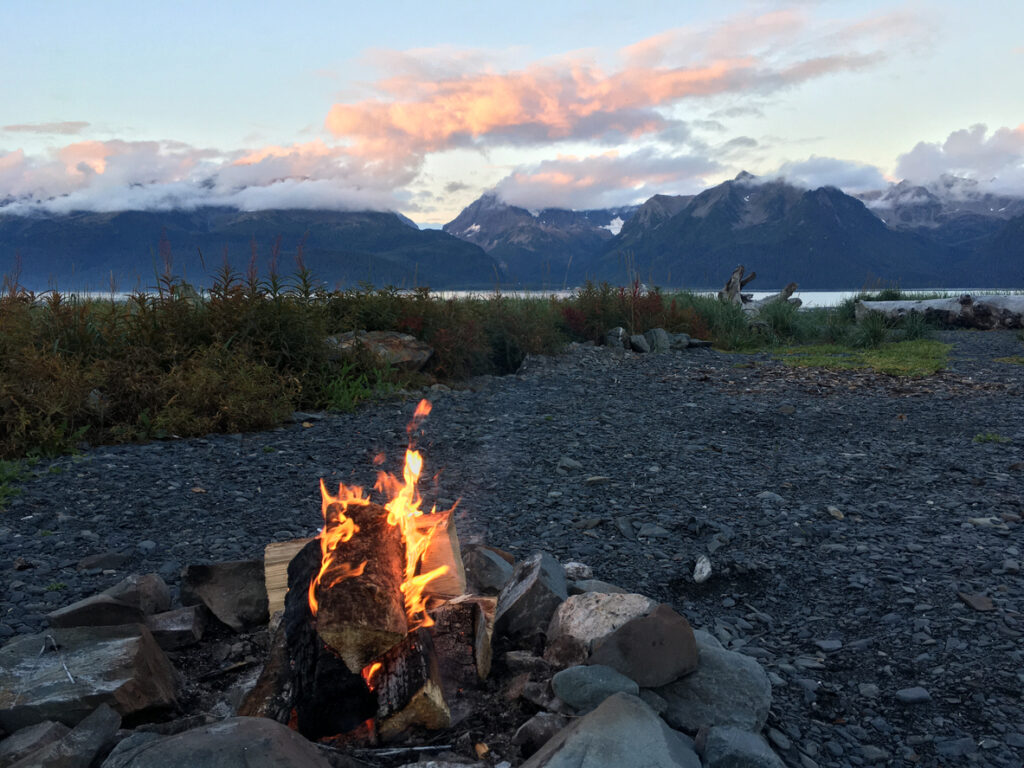
    A glowing campfire on the rocky shoreline of Resurrection Bay in Seward, Alaska, with mountains rising across the water.
    A cozy campfire along Resurrection Bay captures the peaceful waterfront setting that makes camping in Seward so memorable.

    Seward’s waterfront park is a scenic, open area perfect for a relaxed walk, picnic, or photography session. RVs and tents line the shoreline during summer, creating a lively atmosphere with unbeatable views of Resurrection Bay. Visitors can watch fishing boats come and go, look for sea otters near the rocks, and enjoy the dramatic mountain backdrop. It’s an easy, flexible activity that fits well into any port schedule and pairs nicely with the nearby harbor, SeaLife Center, and waterfront trail. For tips, timing, and planning details, see my complete Seward Waterfront Park guide.

    10. Take a Dog Sledding or Kennel Tour

    Husky sled dogs at an Alaska kennel during a dogsledding experience, part of a popular adventure excursion in Seward.
    A dogsledding experience in Seward offers a close‑up look at hardworking huskies and the daily life of an Alaska kennel.

    Seward is home to several Iditarod‑connected kennels where visitors can learn about Alaska’s sled‑dog culture, meet the dogs, and watch training demonstrations. Some tours include a wheeled summer sled ride through forested trails, offering a fun and family‑friendly experience. Guides share stories about racing, training, and the bond between mushers and their dogs. It’s a unique way to experience an important part of Alaska’s heritage and a great option for travelers who want something different from the typical wildlife or glacier excursions. For tips, timing, and planning details, see my complete Seward dog‑sledding guide.

    Final Thoughts

    Seward is one of Alaska’s most unforgettable cruise ports, offering a rare combination of dramatic fjords, abundant wildlife, and easy access to glaciers and coastal trails. This Seward Alaska Cruise Port Guide gives you a strong foundation for planning your day, whether you’re taking a Kenai Fjords cruise, visiting the SeaLife Center, or exploring the scenic waterfront. With so many top‑tier experiences located close to town, it’s easy to shape your visit around your interests and timing. No matter how you spend your day, Seward delivers the kind of breathtaking Alaska moments that stay with you long after your cruise ends.

  • Dog Sledding or Kennel Tour – Seward, Alaska

    Dog Sledding or Kennel Tour – Seward, Alaska

    Husky sled dogs at an Alaska kennel during a dogsledding experience, part of a popular adventure excursion in Seward.
    A dogsledding experience in Seward offers a close‑up look at hardworking huskies and the daily life of an Alaska kennel.

    Dog sledding and kennel tours are among the most memorable experiences you can have in Seward. These excursions offer a behind‑the‑scenes look at Alaska’s famous sled dogs, their training, and the mushers who race in events like the Iditarod. In summer, visitors can enjoy a wheeled sled ride through the forest, meet the dogs, and cuddle energetic puppies that are training for future races.

    For cruise travelers, a dog sledding or kennel tour is an easy, family‑friendly adventure that delivers classic Alaska charm. It’s a great way to learn about sled dog culture, see the dogs in action, and enjoy a fun, interactive experience close to town.

    Fun Facts

    • Many Seward kennels are run by Iditarod mushers, including past champions.
    • Summer tours use wheeled sleds, allowing visitors to experience the thrill of mushing without snow.
    • Sled dogs can run up to 100 miles per day during long‑distance races.
    • Puppies begin basic training at just a few months old.
    • Sled dogs are bred for endurance, speed, and cold‑weather performance.
    • Visitors often get to see the dogs’ training routines, including harnessing and team formation.
    • The Iditarod Trail historically passed through the Seward area.
    • Sled dogs can burn 10,000+ calories per day during peak racing season.

    What to Expect During Your Visit

    Most tours begin with a guided walk through the kennel, where mushers explain how the dogs are trained, cared for, and prepared for long‑distance races. You’ll meet the dogs up close, learn their personalities, and often get to hold or play with puppies.

    The highlight is the sled ride. In summer, teams pull a wheeled sled through forested trails, giving you a taste of the speed and teamwork behind dog mushing. The ride is smooth, exciting, and suitable for all ages.

    Most visits last 1.5–2 hours and include time for photos, questions, and meeting the dogs.

    Why It’s Worth Visiting

    A dog sledding or kennel tour is perfect for travelers who want a hands‑on, interactive Alaska experience. It’s educational, family‑friendly, and full of memorable moments — especially the puppy cuddles. It’s also one of the best ways to learn about Alaska’s sled dog culture and the incredible athleticism of these dogs.

    Where It’s Located

    Most kennels are located 10–20 minutes outside Seward, in forested areas ideal for training.

    How to Get There From the Cruise Port

    • Shuttle or excursion transport: Included with most tours.
    • Taxi: Quick and convenient if you’re visiting independently.
    • Car rental: Ideal if you want flexibility with timing.

    Best Time to Visit

    • Summer (June–August) offers the full experience with wheeled sled rides and puppy visits.
    • Morning tours often have cooler temperatures, which the dogs love.
    • Early season (May–June) may include younger puppies in training.
    • Fall (September) brings crisp air and beautiful forest colors.

    Tips for Visiting

    • Wear comfortable outdoor clothing — you’ll be around dogs, dirt, and forest trails.
    • Bring a camera for puppy photos and sled ride action shots.
    • Ask mushers about the Iditarod — they love sharing stories.
    • Be ready for dog energy — these athletes are excited and loud when they’re ready to run.
    • Book early; tours often sell out on cruise days.

    Common Complaints

    • Some visitors are surprised by how energetic and loud the dogs are before running.
    • Tours may feel short if you’re especially into dog mushing.
    • Weather can be rainy, but tours typically run regardless.
    • Some kennels are located on gravel roads, which can feel bumpy.

    Final Thoughts

    A dog sledding or kennel tour is one of the most iconic and joyful experiences in Seward. With energetic sled dogs, knowledgeable mushers, and unforgettable puppy time, it’s a must‑do for cruise travelers who want a hands‑on taste of Alaska’s culture and adventure.

    For more ideas to plan your day, explore my full guide to the top things to do in Seward.

  • Seward Waterfront Park & Camping Area – Seward, Alaska

    Seward Waterfront Park & Camping Area – Seward, Alaska

    A glowing campfire on the rocky shoreline of Resurrection Bay in Seward, Alaska, with mountains rising across the water.
    A cozy campfire along Resurrection Bay captures the peaceful waterfront setting that makes camping in Seward so memorable.

    Seward Waterfront Park & Camping Area is one of the most scenic places to stay or relax in Seward. Stretching along the shoreline of Resurrection Bay, this waterfront park offers wide‑open mountain views, easy beach access, picnic areas, and a peaceful atmosphere just steps from the harbor. RV travelers and tent campers love the location, but the park is just as enjoyable for day visitors who want a quiet place to walk, sit, or take photos.

    For cruise travelers, the park is an easy, low‑effort stop along the waterfront path. It’s a great place to unwind before or after excursions, enjoy the views, or watch for sea otters playing near the shoreline.

    Fun Facts

    • The park sits directly on Resurrection Bay, offering some of the best views in Seward.
    • Sea otters and seabirds are frequently spotted from the shoreline.
    • The park connects seamlessly to the Seward Waterfront & Harbor Walk.
    • RV sites line the waterfront, giving campers front‑row views of the bay.
    • The park is part of the historic Iditarod National Historic Trail coastal route.
    • On clear days, the mountains reflect beautifully on the calm water.
    • The area is popular for picnics, photography, and beachcombing.
    • The campground operates seasonally and fills quickly in summer.

    What to Expect During Your Visit

    Seward Waterfront Park is a long, open stretch of shoreline with picnic tables, benches, grassy areas, and direct access to the beach. Visitors can walk along the paved path, watch boats in the distance, or simply enjoy the mountain views. The atmosphere is peaceful, especially in the morning when the water is calm.

    The camping area sits along the same stretch of waterfront, with RV sites and tent spots overlooking the bay. Even if you’re not camping, the area is perfect for a relaxing stroll or a quiet break from the busier harbor.

    Most travelers spend 15–30 minutes here, though it’s easy to linger longer if you enjoy photography or waterfront views.

    Why It’s Worth Visiting

    Seward Waterfront Park is ideal for travelers who want a quiet, scenic place to enjoy Resurrection Bay. The views are stunning, the atmosphere is calm, and the location is perfect for a relaxing break between activities. It’s also one of the easiest places in Seward to spot sea otters close to shore.

    Where It’s Located

    The park stretches along Seward’s waterfront, south of the Small Boat Harbor and north of the SeaLife Center.

    How to Get There From the Cruise Port

    • Walk: 5–10 minutes along the waterfront path.
    • Shuttle: Many cruise lines drop passengers near the harbor, a short walk away.
    • Taxi: Quick and convenient if you prefer not to walk.
    • Bike: A scenic ride along the paved waterfront trail.

    Best Time to Visit

    • Morning offers calm water and great wildlife viewing.
    • Afternoon brings warmer temperatures and lively waterfront activity.
    • Summer (June–August) provides the best weather and open facilities.
    • Evening offers beautiful golden light for photos.

    Tips for Visiting

    • Bring a camera — the mountain and bay views are incredible.
    • Look for sea otters floating near the shoreline.
    • Wear layers — the coastal breeze can feel cool even in summer.
    • Combine with the Seward Waterfront & Harbor Walk for a scenic stroll.
    • If camping, reserve early — waterfront spots fill quickly.
    • Enjoy a picnic with a view; tables are available throughout the park.

    Common Complaints

    • Wind can pick up along the exposed shoreline.
    • RV sites may feel close together during peak season.
    • Parking can be limited on busy summer days.
    • Some areas near the campground feel less polished.

    Final Thoughts

    Seward Waterfront Park & Camping Area is one of the most peaceful and scenic places to enjoy Resurrection Bay. With wide‑open views, easy beach access, and a relaxed atmosphere, it’s a perfect stop for cruise travelers looking to unwind along the waterfront. For more ideas to plan your day, explore my full guide to the top things to do in Seward.

  • Lowell Point & the Coastal Trail – Seward, Alaska

    Lowell Point & the Coastal Trail – Seward, Alaska

    A foggy day along the rocky beach at Lowell Point in Seward, Alaska, with ocean treasures and natural debris washed ashore on Resurrection Bay.
    Fog drifts over the shoreline at Lowell Point, where each wave brings new ocean treasures onto the beach along Resurrection Bay.

    Lowell Point is a quiet, scenic stretch of coastline just south of Seward, offering peaceful beaches, mountain views, and access to the popular Tonsina Point section of the Coastal Trail. It’s one of the best places near Seward to enjoy a relaxed walk, watch for wildlife, or take in the beauty of Resurrection Bay away from the busy harbor.

    For cruise travelers, Lowell Point is an easy, low‑key escape that feels wild and remote without requiring a long hike. Whether you want a simple beach stroll or a longer walk along the forested Coastal Trail, this area delivers classic Alaska scenery with very little effort.

    Fun Facts

    • Lowell Point sits along Resurrection Bay, known for sea otters, harbor seals, and seabirds.
    • The Coastal Trail connects Lowell Point to Tonsina Point, a beautiful beach framed by cliffs and rainforest.
    • The trail passes through the Tongass National Forest, the largest temperate rainforest in the world.
    • At low tide, you may spot starfish, anemones, and tidepool creatures along the shoreline.
    • The area is popular with kayakers, who launch from the calm waters near the beach.
    • The trail offers a mix of beach walking and forest paths, making it one of Seward’s most varied short hikes.
    • On clear days, the mountains across the bay reflect beautifully on the water.
    • Lowell Point is a favorite spot for locals looking for a quiet place to relax.

    What to Expect During Your Visit

    Lowell Point offers a peaceful beach area with driftwood, rocky shoreline, and wide views of Resurrection Bay. From the parking area, you can explore the beach or continue onto the Coastal Trail toward Tonsina Point. The trail winds through lush forest, crosses small streams, and opens onto a dramatic beach backed by cliffs.

    The walk to Tonsina Point is moderate and usually takes 45–60 minutes each way. Visitors who prefer a shorter outing can simply enjoy the beach at Lowell Point, which is beautiful on its own.

    Most travelers spend 30–90 minutes here, depending on how far they walk.

    Why It’s Worth Visiting

    Lowell Point is perfect for travelers who want a peaceful, scenic experience close to town. The beach is quiet, the views are stunning, and the Coastal Trail offers one of the best short hikes in Seward. It’s ideal for photographers, families, and anyone who wants to enjoy Alaska’s coastline without crowds.

    Where It’s Located

    Lowell Point is located about 2.5 miles south of downtown Seward, at the end of Lowell Point Road.

    How to Get There From the Cruise Port

    • Taxi: The easiest option; the ride takes about 10 minutes.
    • Shuttle: Some local shuttles run to Lowell Point in summer.
    • Car rental: Convenient if you want to explore at your own pace.
    • Bike: A scenic ride, though the road includes hills and narrow sections.
    • Walk: Possible but long; the road has limited shoulder space.

    Best Time to Visit

    • Summer (June–August) offers the best trail conditions and beach access.
    • Morning provides calm water and soft light for photos.
    • Low tide reveals tidepools and wider beach areas.
    • Fall (September) brings crisp air and beautiful colors along the trail.

    Tips for Visiting

    • Wear sturdy shoes — the trail can be muddy after rain.
    • Check the tide schedule if you plan to explore the beach.
    • Bring water and layers; the coastal breeze can feel cool.
    • Watch for sea otters near the shoreline.
    • Combine with a visit to Tonsina Point for a rewarding half‑day outing.
    • Drive carefully — Lowell Point Road is narrow and winding.

    Common Complaints

    • The road to Lowell Point can feel narrow or rough.
    • Trails may be muddy after rain.
    • Parking is limited during peak season.
    • The beach is rocky, not sandy.

    Final Thoughts

    Lowell Point and the Coastal Trail offer a peaceful, scenic escape just minutes from Seward. With quiet beaches, lush forest paths, and beautiful views of Resurrection Bay, it’s a rewarding stop for cruise travelers looking to enjoy Alaska’s natural beauty at a relaxed pace.

    For more ideas to plan your day, explore my full guide to the top things to do in Seward.

  • Scenic Seward Highway (If Arriving or Departing by Land) – Seward, Alaska

    Scenic Seward Highway (If Arriving or Departing by Land) – Seward, Alaska

    Snowcapped mountains rise above the landscape near Moose Pass on the Kenai Peninsula, a scenic stretch along the Seward Highway in south‑central Alaska.
    The Seward Highway passes through Moose Pass, where snowcapped peaks and rugged Kenai Peninsula scenery create one of Alaska’s most beautiful drives.

    The Seward Highway is one of the most scenic drives in Alaska — and one of the most beautiful road trips in the world. Stretching between Anchorage and Seward, this 125‑mile route winds along Turnagain Arm, passes through the Chugach Mountains, and travels past glaciers, waterfalls, and wildlife‑rich valleys. If you’re arriving or departing by land, the Seward Highway scenic drive becomes a breathtaking part of your Alaska cruise experience.

    For cruise travelers, the Seward Highway offers a stunning, stress‑free way to reach the port. Whether you’re riding a shuttle, taking the Alaska Railroad, or driving a rental car, the scenery along this route is unforgettable. Even without stops, the Seward Highway scenic drive delivers nonstop views of mountains, coastline, and wildlife.

    Fun Facts

    • The Seward Highway is designated a National Scenic Byway and an All‑American Road — the highest honor for U.S. roadways.
    • Turnagain Arm is known for its bore tide, one of the largest in the world.
    • Beluga whales are sometimes spotted along the shoreline near Beluga Point.
    • The highway passes through the Chugach National Forest, the second‑largest national forest in the U.S.
    • Wildlife sightings may include moose, Dall sheep, bald eagles, and black bears.
    • The route follows the historic path of the Iditarod Trail.
    • The Alaska Railroad runs parallel to the highway for much of the journey.
    • Several glaciers — including Portage Glacier — sit just off the main route.

    What to Expect During Your Visit

    The drive between Anchorage and Seward takes about 2.5 hours without stops, but most travelers take longer because the scenery is so impressive. The first half of the route hugs Turnagain Arm, offering dramatic views of mountains rising straight from the water. The second half winds through alpine valleys, lakes, and forested mountain passes.

    Popular viewpoints include Beluga Point, Bird Point, Canyon Creek Overlook, and Tern Lake. Even from a shuttle or bus, the views are spectacular. Most travelers simply sit back, relax, and enjoy the scenery.

    Why It’s Worth Visiting

    The Seward Highway is perfect for travelers who want a scenic, low‑effort experience that feels like an attraction in itself. The views are nonstop, the wildlife sightings are memorable, and the route offers a beautiful introduction to Alaska’s landscapes. It’s an ideal way to begin or end your Seward cruise adventure.

    Where It’s Located

    The highway runs between Anchorage and Seward, following Turnagain Arm before cutting through the Chugach Mountains and ending at the Seward waterfront.

    How to Get There From the Cruise Port

    • Shuttle or motorcoach: Most cruise lines and tour companies offer direct transportation to Anchorage.
    • Alaska Railroad: A scenic rail journey that parallels the highway.
    • Car rental: Ideal if you want to stop at viewpoints along the way.
    • Private transfer: A comfortable option for families or groups.

    Best Time to Visit

    • Summer (June–August) offers lush greenery, long daylight, and the best wildlife viewing.
    • May and September provide crisp air and fewer crowds.
    • Morning often brings calm water and soft light along Turnagain Arm.
    • Fall offers beautiful foliage in the Chugach Mountains.

    Tips for Visiting

    • Sit on the left side when traveling south to Seward for the best Turnagain Arm views.
    • Sit on the right side when heading north to Anchorage.
    • Bring a camera — the scenery is spectacular.
    • Watch for Dall sheep on the cliffs near Beluga Point.
    • Allow extra time if you’re driving; the viewpoints are worth the stops.
    • Consider the Alaska Railroad for a relaxed, scenic alternative.

    Common Complaints

    • Traffic can slow down near popular viewpoints.
    • Weather changes quickly along Turnagain Arm.
    • Some travelers wish they had more time to stop for photos.
    • Road construction is common in summer.

    Final Thoughts

    The Seward Highway is more than a route — it’s a breathtaking introduction to Alaska’s mountains, coastline, and wildlife. If you’re traveling between Anchorage and Seward, the Seward Highway scenic drive adds a stunning, memorable chapter to your Alaska adventure.

    For more ideas to plan your day, explore my full guide to the top things to do in Seward.

  • Seward Community Library & Museum – Seward, Alaska

    Seward Community Library & Museum – Seward, Alaska

    Close‑up of reading glasses resting on a small stack of books on a wooden table, creating a warm, library‑inspired scene.
    A simple stack of books and reading glasses evokes the quiet, welcoming atmosphere of the Seward Community Library & Museum.

    The Seward Community Library & Museum is one of Seward’s most welcoming indoor attractions. This modern, light‑filled space blends a public library with a small but engaging museum that highlights Seward’s history, culture, and connection to the sea. Exhibits cover everything from the 1964 earthquake to the Iditarod Trail, early Native history, and the town’s fishing heritage.

    For cruise travelers, the library and museum offer a quiet, relaxing break from the busy waterfront. It’s an easy stop for families, history lovers, and anyone looking for a warm, peaceful place to explore Seward’s story.

    Fun Facts

    • The building opened in 2013 and serves as both a library and a community museum.
    • Exhibits highlight the 1964 Good Friday Earthquake, which devastated much of Seward’s waterfront.
    • The museum includes artifacts from early Native cultures, Russian settlement, and Seward’s fishing industry.
    • The library offers free Wi‑Fi, making it a convenient stop for travelers.
    • The building sits along the historic Iditarod National Historic Trail.
    • Local artists often display their work inside the library.
    • The museum’s short films provide a powerful look at Seward’s past.
    • It’s one of the best indoor attractions in Seward on rainy or windy days.

    What to Expect During Your Visit

    Inside the Seward Community Library & Museum, you’ll find a bright, modern space with friendly staff and well‑organized exhibits. The museum portion is compact but thoughtfully curated, with displays on the 1964 earthquake, local wildlife, Native history, and Seward’s role as the gateway to the Iditarod Trail.

    Short documentary films play throughout the day, offering deeper insight into Seward’s past. The library side provides comfortable seating, quiet reading areas, and large windows overlooking the mountains.

    Most visitors spend 20–40 minutes here, though you can stay longer if you enjoy browsing or watching the films.

    Why It’s Worth Visiting

    The Seward Community Library & Museum is perfect for travelers who want a calm, educational experience that fits easily into any schedule. It’s especially valuable on rainy days, for families with young kids, or for anyone who wants to understand Seward beyond its outdoor adventures.

    Where It’s Located

    The library and museum sit in downtown Seward, just a short walk from the waterfront and close to shops, cafés, and the SeaLife Center.

    How to Get There From the Cruise Port

    • Walk: 15–20 minutes along the waterfront and into downtown.
    • Shuttle: Many cruise lines drop passengers near downtown, a short walk away.
    • Taxi: Quick and convenient if you prefer not to walk.
    • Bike: Easy ride from the harbor area.

    Best Time to Visit

    • Morning offers quiet reading areas and fewer visitors.
    • Rainy days are ideal — the entire experience is indoors.
    • Summer (June–August) provides the fullest museum hours.
    • Afternoon is great for watching the short documentary films.

    Tips for Visiting

    • Take time to watch the 1964 earthquake film — it’s one of the best parts of the museum.
    • Use the free Wi‑Fi to check email or upload photos.
    • Combine with a stroll through downtown Seward for shops and cafés.
    • Bring kids — the library has a cozy children’s area.
    • Check the museum hours, as they vary by season.
    • Look for local art displays throughout the building.

    Common Complaints

    • The museum is small, so visits are often brief.
    • Hours can be limited outside peak season.
    • Some exhibits rotate, so not everything is always on display.
    • Travelers expecting a large museum may find it modest.

    Final Thoughts

    The Seward Community Library & Museum is a warm, inviting place to learn about Seward’s history and culture. With thoughtful exhibits, friendly staff, and a peaceful atmosphere, it’s a perfect stop for cruise travelers looking for a quiet break or an educational indoor activity.

    For more ideas to plan your day, explore my full guide to the top things to do in Seward.

  • Seward Small Boat Harbor – Seward, Alaska

    Seward Small Boat Harbor – Seward, Alaska

    Boats docked in the Seward Small Boat Harbor with snowcapped mountains rising in the background along Resurrection Bay.
    Seward’s Small Boat Harbor sits beneath towering mountain peaks, offering one of the most scenic waterfront views in Alaska.

    The Seward Small Boat Harbor is the lively center of Seward’s waterfront. Fishing boats, tour vessels, kayakers, and wildlife cruises all depart from this bustling marina, creating a constant flow of activity against a backdrop of mountains and Resurrection Bay. Visitors can stroll the docks, watch fishermen unload their catch, browse local shops, or simply enjoy the views.

    For cruise travelers, the harbor is the starting point for Kenai Fjords National Park cruises and an easy, scenic place to explore before or after excursions. It’s one of the most accessible and photogenic areas in Seward.

    Fun Facts

    • The harbor sits on Resurrection Bay, a deep fjord known for whales, sea otters, and seabirds.
    • It’s the departure point for Kenai Fjords National Park wildlife and glacier cruises.
    • Fishing boats bring in halibut, salmon, and rockfish, often visible at the cleaning stations.
    • The harbor is home to hundreds of vessels, from small skiffs to large tour boats.
    • Sea otters frequently float near the docks, especially in the morning.
    • The harbor connects directly to the Seward Waterfront & Harbor Walk.
    • Many local restaurants and cafés sit within a short walk of the marina.
    • The harbor is part of the historic Iditarod National Historic Trail coastal route.

    What to Expect During Your Visit

    The Small Boat Harbor is a lively, easy‑to‑navigate waterfront area with boardwalks, viewing spots, shops, and restaurants. Visitors can watch boats come and go, see fishermen clean their catch, or look for sea otters near the pilings.

    Tour companies have check‑in booths along the harbor, making it simple to find your Kenai Fjords cruise departure point. The atmosphere feels energetic but relaxed, with constant movement on the water and stunning mountain views in every direction.

    Most travelers spend 20–40 minutes exploring, though you may stay longer if you’re waiting for a tour or enjoying the scenery.

    A wooden sign at the Seward Harbor used for displaying the day’s catch, part of the fishing culture along Alaska’s Resurrection Bay.
    This classic display sign at Seward Harbor highlights the town’s strong fishing heritage and the daily excitement of fresh catches brought in from Resurrection Bay.

    Why It’s Worth Visiting

    The Seward Small Boat Harbor is perfect for travelers who want a scenic, low‑effort activity that captures the spirit of coastal Alaska. It’s ideal for photography, wildlife spotting, and soaking in the atmosphere before or after excursions. Because it’s the hub for most tours, it’s also the most practical place to start your day in Seward.

    Where It’s Located

    The harbor sits along Seward’s waterfront, just north of downtown and close to the cruise dock and shuttle drop‑off.

    How to Get There From the Cruise Port

    • Walk: 5–10 minutes from the cruise dock.
    • Shuttle: Many cruise lines drop passengers near the harbor.
    • Taxi: Quick and convenient if you prefer not to walk.
    • Bike: A fun option along the waterfront path.

    Best Time to Visit

    • Morning offers calm water and great wildlife viewing.
    • Mid‑day brings the most harbor activity.
    • Summer (June–August) provides the fullest schedule of tours and open shops.
    • Evening offers beautiful golden light for photography.

    Tips for Visiting

    • Bring a camera — the harbor and mountain views are stunning.
    • Look for sea otters near the docks and cleaning stations.
    • Arrive early for Kenai Fjords cruises to allow time for check‑in.
    • Wear layers — the waterfront can feel cool even on sunny days.
    • Grab a coffee or snack from nearby cafés before your tour.
    • Combine with the Seward Waterfront & Harbor Walk for a relaxing stroll.

    Common Complaints

    • Parking can fill quickly on busy summer days.
    • The area may feel crowded before cruise departures.
    • Weather can be windy or rainy along the exposed waterfront.
    • Some shops open later in the morning.

    Final Thoughts

    The Seward Small Boat Harbor is the heart of Seward’s waterfront — lively, scenic, and full of classic Alaska charm. With easy access to tours, wildlife sightings, and beautiful views of Resurrection Bay, it’s a must‑visit stop for cruise travelers.

    For more ideas to plan your day, explore my full guide to the top things to do in Seward.

  • Exit Glacier & the Glacier View Trails – Seward, Alaska

    Exit Glacier & the Glacier View Trails – Seward, Alaska

    Mountain goats grazing on a grassy hillside with Exit Glacier and the rugged peaks of Kenai Fjords National Park in the background.
    Mountain goats often roam the hillsides near Exit Glacier, adding a wildlife highlight to the scenic views in Kenai Fjords National Park.

    Exit Glacier is one of the most accessible glaciers in Alaska and a highlight of any visit to Seward. Located inside Kenai Fjords National Park, this massive river of ice flows down from the Harding Icefield and offers visitors an up‑close look at glacial landscapes, blue ice, and the powerful forces that shape Alaska’s wilderness. The Glacier View Trails make it easy for travelers of all ages to experience the glacier from multiple viewpoints.

    For cruise travelers, Exit Glacier is an easy, high‑reward stop that requires no technical hiking. Whether you want a short walk to a viewpoint or a slightly longer trail with dramatic glacier scenery, this is one of the best land‑based glacier experiences in Alaska.

    Fun Facts

    • Exit Glacier is one of the few glaciers in Alaska that you can walk right up to on a maintained trail.
    • The glacier flows from the massive Harding Icefield, which feeds more than 30 glaciers.
    • Trail markers along the road show how far the glacier has retreated over the past century.
    • The area is part of Kenai Fjords National Park, known for its glaciers, fjords, and wildlife.
    • The glacier’s deep blue color comes from compressed ice that absorbs all colors except blue.
    • The Glacier View Trails offer multiple vantage points, each showing a different angle of the ice.
    • Rangers often lead guided walks in summer.
    • The glacier’s name comes from early explorers who used it as an “exit” from the Harding Icefield.

    What to Expect During Your Visit

    Your visit begins at the Exit Glacier Nature Center, where you’ll find restrooms, exhibits, and trail information. From there, the Glacier View Trails branch out toward several scenic overlooks. The paths are mostly flat, well‑maintained, and easy to follow.

    As you walk, you’ll pass signs marking the glacier’s retreat over time — a powerful visual reminder of how quickly the landscape is changing. The viewpoints offer clear, dramatic views of the glacier’s face, surrounding mountains, and the braided river below.

    Most visitors spend 45–90 minutes exploring the trails, depending on how far they choose to walk.

    Why It’s Worth Visiting

    Exit Glacier is perfect for travelers who want a dramatic glacier experience without a strenuous hike. The trails are accessible, the views are stunning, and the interpretive signs add meaningful context. It’s an ideal stop for families, photographers, and anyone who wants to see a glacier up close.

    Where It’s Located

    Exit Glacier is located about 12 miles north of Seward, inside Kenai Fjords National Park.

    How to Get There From the Cruise Port

    • Taxi or shuttle: The easiest option; the ride takes about 15–20 minutes.
    • Excursion transport: Many Seward tours include a stop at Exit Glacier.
    • Car rental: Convenient if you’re exploring Seward independently.
    • Bike: Possible but long; the route includes hills and traffic.

    Best Time to Visit

    • June–August offers the best trail conditions and ranger programs.
    • Morning provides cooler temperatures and fewer crowds.
    • Late summer brings lush greenery and clear views of the glacier.
    • Fall (September) offers crisp air and beautiful colors along the trail.

    Tips for Visiting

    • Wear sturdy walking shoes — the trails are easy but can be uneven.
    • Bring water and dress in layers; the area can feel cool and breezy.
    • Stop at the retreat markers to see how much the glacier has changed.
    • Bring a camera — the glacier views are spectacular.
    • Combine with a Kenai Fjords cruise for a full glacier‑themed day.
    • Stay on marked trails to protect the fragile landscape.

    Common Complaints

    • The glacier has retreated significantly, so it’s farther from the trail than some expect.
    • Parking can fill quickly on busy summer days.
    • Weather can be rainy or windy, especially in early season.
    • Trails may close temporarily due to wildlife activity.

    Final Thoughts

    Exit Glacier and the Glacier View Trails offer one of the easiest and most rewarding glacier experiences in Alaska. With dramatic ice views, accessible trails, and meaningful interpretive signs, it’s a must‑visit stop for cruise travelers exploring Seward.

    For more ideas to plan your day, explore my full guide to the top things to do in Seward.

  • Seward Waterfront & Harbor Walk – Seward, Alaska

    Seward Waterfront & Harbor Walk – Seward, Alaska

    The working waterfront near Fisherman’s Wharf in Seward, Alaska, featuring harbor buildings and coastal views along Resurrection Bay.
    Fisherman’s Wharf sits along the Seward waterfront, adding classic harbor character to the scenic Seward Waterfront & Harbor Walk.

    The Seward Waterfront & Harbor Walk is one of the most scenic and relaxing ways to explore Seward. This paved coastal path stretches along Resurrection Bay, offering mountain views, fishing boats, wildlife sightings, and easy access to Seward’s top attractions. It’s a peaceful, low‑effort activity that lets visitors enjoy the beauty of Alaska’s coastline at their own pace.

    For cruise travelers, the Harbor Walk is an ideal way to spend time before or after excursions. Whether you’re grabbing a coffee, watching sea otters near the docks, or taking photos of the bay, this waterfront path delivers nonstop scenery with almost no planning required.

    Fun Facts

    • The Harbor Walk follows the shoreline of Resurrection Bay, one of the deepest fjords in Alaska.
    • Sea otters often float near the docks, especially in the morning.
    • The path connects the Seward Small Boat Harbor, downtown Seward, and the Alaska SeaLife Center.
    • The waterfront offers clear views of Mount Marathon, famous for its extreme July 4th race.
    • Fishing boats, tour vessels, and kayakers create constant activity along the harbor.
    • The walk is part of Seward’s Iditarod National Historic Trail system.
    • Benches and picnic areas line the route, making it easy to stop and enjoy the view.
    • On clear days, the water reflects the surrounding mountains like a mirror.

    What to Expect During Your Visit

    The Harbor Walk is a flat, paved path that hugs the shoreline from the cruise dock to the SeaLife Center. Along the way, you’ll pass marinas, seafood restaurants, RV parks, and scenic viewpoints. The atmosphere is lively near the harbor and peaceful as you move toward the bay.

    Visitors often spot sea otters, seabirds, and occasionally harbor seals. The mountain backdrop makes every part of the walk photogenic. Most travelers spend 20–45 minutes here, depending on how far they go and how often they stop for photos.

    Why It’s Worth Visiting

    The Seward Waterfront & Harbor Walk is perfect for travelers who want a scenic, low‑effort activity that fits into any schedule. It’s ideal for families, photographers, and anyone who enjoys coastal views. Because it connects major attractions, it’s also a practical way to explore Seward on foot.

    Where It’s Located

    The Harbor Walk runs along Resurrection Bay, starting near the cruise dock and continuing through the Small Boat Harbor toward downtown Seward and the SeaLife Center.

    How to Get There From the Cruise Port

    • Walk: The path begins right near the cruise dock.
    • Shuttle: Many cruise lines drop passengers close to the waterfront.
    • Taxi: Not necessary unless you’re heading to the far end of town.
    • Bike: A fun option for covering the full length of the path.

    Best Time to Visit

    • Morning offers calm water and great wildlife viewing.
    • Afternoon brings warmer temperatures and lively harbor activity.
    • Summer (June–August) provides the best weather and open shops.
    • Fall (September) offers crisp air and beautiful mountain colors.

    Tips for Visiting

    • Bring a camera — the mountain and harbor views are stunning.
    • Stop at the Small Boat Harbor to watch fishing boats unload their catch.
    • Wear comfortable shoes — you may walk farther than expected.
    • Look for sea otters near the docks and pilings.
    • Combine with the Alaska SeaLife Center or a Kenai Fjords cruise for a full waterfront day.
    • Dress in layers — coastal breezes can feel cool even in summer.

    Common Complaints

    • Weather can be windy or rainy along the exposed shoreline.
    • The path can feel busy on peak cruise days.
    • Limited shade on sunny afternoons.
    • Some sections near the RV park feel less scenic.

    Final Thoughts

    The Seward Waterfront & Harbor Walk is one of the easiest and most rewarding ways to enjoy Seward’s coastal beauty. With mountain views, wildlife sightings, and direct access to major attractions, it’s a perfect addition to any cruise‑day itinerary.

    For more ideas to plan your day, explore my full guide to the top things to do in Seward.

  • Alaska SeaLife Center – Seward, Alaska

    Alaska SeaLife Center – Seward, Alaska

    A foggy, rainy day at the Alaska SeaLife Center on Railway Avenue in Seward, Alaska, a public aquarium and marine mammal rehabilitation facility on the shores of Resurrection Bay.
    Fog and rain settle over the Alaska SeaLife Center, Seward’s waterfront aquarium and marine mammal rehabilitation facility overlooking Resurrection Bay.

    The Alaska SeaLife Center is Seward’s top indoor attraction and one of the best marine‑life facilities in the state. Part aquarium, part wildlife rehabilitation center, it offers close‑up views of puffins, sea lions, harbor seals, octopus, and countless fish species found throughout Alaska’s coastal waters. Visitors can watch rescued animals recover, learn about marine research, and explore interactive exhibits that bring Alaska’s underwater world to life.

    For cruise travelers, the SeaLife Center is an easy, high‑value stop right on the waterfront. It’s perfect for families, animal lovers, and anyone who wants an educational experience that fits into any port‑day schedule.

    Fun Facts

    • The Alaska SeaLife Center is Alaska’s only public aquarium and its leading marine research facility.
    • It opened in 1998 after the Exxon Valdez oil spill to support marine rehabilitation and research.
    • The center rescues and rehabilitates seals, sea otters, and seabirds from across the state.
    • Visitors can see puffins up close in a walk‑through aviary.
    • The underwater viewing windows offer rare views of Steller sea lions swimming and diving.
    • The center studies the Gulf of Alaska ecosystem, including climate impacts on marine life.
    • Many exhibits feature hands‑on elements, making it a favorite for kids.
    • The building sits directly on the waterfront, offering views of Resurrection Bay.

    What to Expect During Your Visit

    Inside the SeaLife Center, you’ll explore two floors of exhibits featuring Alaska’s marine animals and coastal ecosystems. The puffin habitat is a standout — you can watch them dive, swim, and fly just inches away. The underwater viewing areas offer incredible looks at sea lions and seals gliding through the water.

    Interactive displays explain how scientists study ocean health, track marine mammals, and care for injured wildlife. The experience is engaging, educational, and easy to enjoy at your own pace. Most visitors spend 45–75 minutes here.

    Why It’s Worth Visiting

    The Alaska SeaLife Center is ideal for travelers who want a meaningful wildlife experience without needing a boat tour. It’s indoors, accessible, and full of close‑up encounters you won’t find anywhere else in Alaska. It’s especially great for families, photographers, and anyone who loves marine animals.

    Where It’s Located

    The SeaLife Center sits at the southern end of downtown Seward, right on the waterfront along Resurrection Bay.

    How to Get There From the Cruise Port

    • Walk: 15–20 minutes along a scenic waterfront path.
    • Shuttle: Many cruise lines offer a short shuttle ride to downtown.
    • Taxi: Quick and convenient if you prefer not to walk.
    • Excursion transport: Included with some Seward city tours.

    Best Time to Visit

    • Morning offers quieter exhibits and better lighting for photos.
    • Rainy days are perfect — the entire experience is indoors.
    • Summer (June–August) provides the fullest schedule of programs and feedings.
    • Fall (September) brings fewer crowds and a relaxed atmosphere.

    Tips for Visiting

    • Bring a camera — the underwater viewing windows are fantastic for photos.
    • Check the schedule for animal feedings or special presentations.
    • Combine with a stroll along the Seward waterfront for beautiful bay views.
    • Wear comfortable shoes — the center has two floors of exhibits.
    • Visit earlier in the day to avoid peak crowds.
    • Stop by the gift shop to support wildlife rehabilitation efforts.

    Common Complaints

    • Admission can feel pricey, though it supports research and rescue work.
    • The center is smaller than some visitors expect.
    • Popular exhibits may feel crowded on busy cruise days.
    • Some animals may be off‑exhibit during rehabilitation.

    Final Thoughts

    The Alaska SeaLife Center is one of Seward’s most engaging and educational attractions, offering close‑up views of Alaska’s marine wildlife and a behind‑the‑scenes look at conservation work. With its waterfront location and easy access from downtown, it’s a must‑visit stop for cruise travelers.

    For more ideas to plan your day, explore my full guide to the top things to do in Seward.

  • Kenai Fjords National Park Wildlife & Glacier Cruise – Seward, Alaska

    Kenai Fjords National Park Wildlife & Glacier Cruise – Seward, Alaska

    A tourist photographs whales swimming near the boat during a wildlife cruise in Kenai Fjords National Park in Seward, Alaska.
    A visitor captures the moment as whales surface near the tour boat, a classic highlight of wildlife cruises in Kenai Fjords National Park.

    A wildlife and glacier cruise in Kenai Fjords National Park is the signature experience in Seward — and one of the most spectacular excursions in all of Alaska. These cruises travel through dramatic fjords carved by ancient ice, offering close‑up views of tidewater glaciers, towering cliffs, and abundant marine wildlife. Humpback whales, orcas, sea otters, puffins, sea lions, and porpoises are commonly seen, often at breathtakingly close range.

    For cruise travelers, this is a high‑impact, bucket‑list adventure that delivers nonstop scenery and unforgettable wildlife encounters. It’s the perfect way to experience the raw, wild beauty of Alaska’s coastline.

    Fun Facts

    • Kenai Fjords National Park protects over 600,000 acres of glaciers, fjords, and coastal wilderness.
    • The park is home to the Herman, Holgate, and Aialik Glaciers, some of the most active tidewater glaciers in Alaska.
    • Wildlife cruises often spot humpback whales, transient orcas, and Dall’s porpoises.
    • The cliffs along the fjords host thousands of nesting seabirds, including puffins and murres.
    • The park’s massive Harding Icefield feeds more than 30 glaciers.
    • Sea otters float in groups called rafts, sometimes with dozens resting together.
    • Orcas in this region belong to distinct resident and transient pods, each with unique behaviors.
    • Many cruises use smaller vessels, allowing closer views of wildlife and glaciers.

    What to Expect During Your Visit

    Your cruise begins in Seward’s small boat harbor and heads into the rugged coastline of Kenai Fjords National Park. As the boat travels through narrow fjords, you’ll see steep cliffs, waterfalls, and dense coastal rainforest. Naturalists onboard point out wildlife, explain glacier geology, and share stories about the region.

    The highlight is reaching a tidewater glacier. The captain often stops the boat at a safe distance so you can watch for calving — when massive chunks of ice break off and crash into the water. The sound is thunderous and unforgettable.

    Throughout the cruise, you’ll scan the water for whales, otters, porpoises, and seabirds. The experience is immersive, scenic, and full of photo opportunities. Most tours last 4–6 hours, depending on the route.

    Why It’s Worth Visiting

    A Kenai Fjords cruise is perfect for travelers who want a dramatic, high‑reward adventure that showcases Alaska’s wild coastline. The combination of glaciers, wildlife, and fjord scenery makes this one of the most memorable excursions in the state. It’s ideal for photographers, families, and anyone who wants a true “Alaska moment.”

    Where It’s Located

    Cruises depart from the Seward Small Boat Harbor, located along the waterfront near downtown Seward.

    How to Get There From the Cruise Port

    • Walk: 10–15 minutes from the cruise dock.
    • Shuttle: Many cruise lines offer a short shuttle to the harbor.
    • Taxi: Quick and convenient if you prefer not to walk.
    • Excursion transport: Included with most booked tours.

    Best Time to Visit

    • June–August offers the best wildlife activity and calmest seas.
    • May–June provides excellent whale sightings and early‑season glacier views.
    • Morning cruises often have smoother water and better visibility.
    • Late summer brings peak puffin activity and vibrant coastal colors.

    Tips for Visiting

    • Dress in warm layers — it’s colder on the water, even in summer.
    • Bring a camera with zoom for wildlife and glacier shots.
    • Choose a longer cruise for the best chance of reaching tidewater glaciers.
    • Sit outside when possible — you’ll see more wildlife.
    • Bring motion‑sickness medication if you’re sensitive to waves.
    • Listen to the naturalist — their wildlife spotting skills are incredible.

    Common Complaints

    • Weather can be windy or rainy, especially in early summer.
    • Seas may feel rough on certain days.
    • Wildlife sightings vary, though otters and seabirds are almost always seen.
    • Longer cruises may feel chilly if you’re not dressed warmly.

    Final Thoughts

    A Kenai Fjords National Park wildlife and glacier cruise is the ultimate Seward experience — dramatic, wild, and unforgettable. With towering glaciers, abundant wildlife, and breathtaking fjord scenery, it’s a must‑do adventure for any Alaska cruise traveler.

    For more ideas to plan your day, explore my full guide to the top things to do in Seward.

error: Content is protected !!