Tag: Mediterranean cruise ports

  • Rome Cruise Port Guide: Top Things to Do for Cruise Travelers

    Rome Cruise Port Guide: Top Things to Do for Cruise Travelers

    Rome is one of the most exciting cities you can visit on a Mediterranean cruise. When your ship docks in Civitavecchia, you gain access to a city filled with ancient history, world‑class art, and unforgettable food. This Rome Cruise Port Guide gives you twenty amazing things to do after arriving by cruise ship. Each activity includes how to get there, what to expect, why it’s special, and how to prepare for a smooth day ashore.

    Rome sits about 50 miles from the cruise port, so planning matters. This guide helps you make the most of your time, whether you want to explore iconic landmarks, enjoy local food, or wander through charming neighborhoods.

    1. Visit the Colosseum

    Getting There: Take the Civitavecchia Express train to Roma Ostiense (about 45–55 minutes). Transfer to Metro Line B and ride two stops to Colosseo. Total travel time is about 75–90 minutes.

    What to Do: Walk through the arena floor, explore the underground chambers, and climb to the upper levels for sweeping views. The Colosseum brings ancient Rome to life with its massive arches and dramatic history.

    Why It’s Special: Few landmarks match the power of the Colosseum. You stand where gladiators once fought and crowds roared. It’s one of the most iconic structures in the world.

    Preparation: Buy skip‑the‑line tickets in advance. Wear comfortable shoes and bring water.

    Tips: Arrive early to avoid crowds. Combine your ticket with the Roman Forum and Palatine Hill.

    Cost: €18–€24 depending on ticket type.

    Common Complaints: Crowds can feel overwhelming. Lines move slowly without advance tickets.

    Get my full Rome Colosseum guide here.

    2. Explore the Roman Forum

    Roman Forum
    Ancient ruins of Forum in Rome, Italy

    Getting There: From the Colosseum, walk five minutes to the Forum entrance.

    What to Do: Stroll through ancient temples, basilicas, and government buildings. Highlights include the Temple of Saturn, the Arch of Titus, and the House of the Vestal Virgins.

    Why It’s Special: The Forum was the heart of ancient Rome. You walk through the center of political, religious, and social life.

    Preparation: Bring a hat and sunscreen. Shade is limited.

    Tips: Follow a self‑guided map to understand the ruins.

    Cost: Included with Colosseum ticket.

    Common Complaints: Uneven ground can be tough on tired legs.

    For more information about the Roman Forum, see my full Roman forum guide here.

    3. Climb Palatine Hill

    Palatine Hill in Rome
    The ruined remains of the Palatine Hill as viewed from the ancient roman forum (foro romano) in the centre of the city of Rome, Italy

    Getting There: Enter from the Forum or the dedicated Palatine entrance.

    What to Do: Visit the ruins of imperial palaces and enjoy panoramic views of the city.

    Why It’s Special: Palatine Hill offers some of the best views in Rome. It also gives you a quiet break from the busy streets below.

    Preparation: Wear sturdy shoes. The climb is gentle but steady.

    Tips: Visit after the Forum for a natural flow.

    Cost: Included with Colosseum ticket.

    Common Complaints: Some areas feel confusing without a map.

    To help you plan your visit, I’ve put together a full Palatine Hill guide with what to see, how to get there, and tips for making the most of your time. You can read the complete guide here.

    4. Visit the Vatican Museums

    sign to Vatican museums in Rome, Italy
    Vatican Museums were founded in 16th century. This is an old sign, placed on Vatican Walls, indicating the direction to find them.

    Getting There: Take the train to Roma San Pietro (about 60 minutes). Walk 15 minutes to the Vatican entrance.

    What to Do: Explore galleries filled with sculptures, tapestries, and Renaissance art. The highlight is the Sistine Chapel.

    Why It’s Special: The Vatican Museums hold one of the world’s greatest art collections. Every room feels like a masterpiece.

    Preparation: Book timed tickets. Dress modestly.

    Tips: Move at your own pace. The museum is huge.

    Cost: €20–€30 depending on ticket type.

    Common Complaints: Crowds can feel intense, especially near the Sistine Chapel.

    For all the details on planning your visit, check out my complete Vatican Museums Rome guide here.

    5. St. Peter’s Basilica

    St Peter's Basilica in Vatican, Rome, Italy, Europe
    St Peter’s Basilica in Vatican, Rome, Italy, Europe. San Pietro Cathedral is famous landmark of Rome. Front view of Catholic church.

    Getting There: Walk from the Vatican Museums or Roma San Pietro station.

    What to Do: Admire the dome, Michelangelo’s Pietà, and the ornate interior. Climb to the top for a stunning view.

    Why It’s Special: St. Peter’s is one of the most impressive churches in the world. The scale and beauty leave a lasting impression.

    Preparation: Dress modestly. Shoulders and knees must be covered.

    Tips: The dome climb offers the best views in Vatican City.

    Cost: Free; dome climb €8–€10.

    Common Complaints: Security lines move slowly during peak hours.

    For a deeper look at this iconic landmark, you can read my full St. Peter’s Basilica guide here.

    6. Trevi Fountain

    Rome - Italy, Europe, Italy, Trevi Fountain, Facade

    Getting There: Take Metro Line A to Barberini and walk 10 minutes.

    What to Do: Throw a coin into the fountain, take photos, and enjoy the lively atmosphere.

    Why It’s Special: The Trevi Fountain is one of Rome’s most famous landmarks. The sculptures and water create a magical scene.

    Preparation: Keep valuables secure. The area gets crowded.

    Tips: Visit early morning or late evening for fewer people.

    Cost: Free.

    Common Complaints: Crowds make it hard to take photos.

    If you want all the details — from how to get there to the meaning behind the famous coin toss — I’ve put together a full Trevi Fountain guide you can check out here.

    7. Spanish Steps

    Piazza de Spagna in Rome, italy. Spanish steps in the morning. Rome architecture and landmark.
    Spanish Steps at Piazza de Spagna in Rome, Italy

    Getting There: Walk from Trevi Fountain or take Metro Line A to Spagna.

    What to Do: Climb the steps, enjoy the view, and explore the surrounding shops.

    Why It’s Special: The Spanish Steps offer a classic Rome moment. The area feels lively and elegant.

    Preparation: Wear comfortable shoes. The steps are steep.

    Tips: Sitting on the steps is no longer allowed.

    Cost: Free.

    Common Complaints: Street vendors can feel persistent.

    See my full Spanish steps guide here,

    8. Pantheon

    Pantheon Rome, Italy, Europe

    Getting There: Walk from Trevi Fountain or take a taxi from the Vatican.

    What to Do: Admire the massive dome and oculus. Explore the ancient interior and marble floors.

    Why It’s Special: The Pantheon is one of the best‑preserved ancient buildings in the world. The dome still inspires architects today.

    Preparation: Check hours. The Pantheon now requires a ticket.

    Tips: Visit early to avoid lines.

    Cost: €5.

    Common Complaints: Crowds gather quickly.

    For more information about the Pantheon, see my full Pantheon Rome guide here.

    9. Piazza Navona

    Fontana del Moro (Moor Fountain) located in the Piazza Navona in Rome, Italy

    Getting There: Walk from the Pantheon.

    What to Do: Enjoy the fountains, street artists, and cafés. The square feels lively and charming.

    Why It’s Special: Piazza Navona blends beauty and energy. The fountains and architecture create a perfect Rome scene.

    Preparation: Bring cash for small purchases.

    Tips: Avoid eating in the square if you want lower prices.

    Cost: Free.

    Common Complaints: Restaurant prices run high.

    If you’d like a deeper look at this beautiful square, you can read my full Piazza Navona Rome guide here.

    10. Campo de’ Fiori Market

    Campo de Fiori Market in Rome
    Campo de’ Fiori is a rectangular square in the hystoric center of Rome, Italy.
    Famous for his daily market and the statue of Giordano Bruno.

    Getting There: Walk from Piazza Navona.

    What to Do: Browse stalls selling produce, spices, pasta, and souvenirs.

    Why It’s Special: The market gives you a taste of local life. It’s colorful, lively, and full of flavor.

    Preparation: Bring a reusable bag.

    Tips: Visit in the morning for the best selection.

    Cost: Free to browse.

    Common Complaints: Some stalls cater to tourists.

    If you want a closer look at this lively outdoor market, you can read my full Campo de’ Fiori Market Rome guide here.

    11. Trastevere Neighborhood

    Getting There: Take Tram 8 from Piazza Venezia.

    What to Do: Wander cobblestone streets, visit small churches, and enjoy local restaurants.

    Why It’s Special: Trastevere feels like old Rome. The narrow streets and warm atmosphere make it a favorite for visitors.

    Preparation: Wear comfortable shoes.

    Tips: Visit in the late afternoon for the best vibe.

    Cost: Free to explore.

    Common Complaints: Streets can feel crowded at night.

    12. Piazza Venezia & Vittoriano

    Altar of the Fatherland Rome
    Facade of the Vittoriano in Rome during the day.

    Getting There: Walk from the Forum or take a bus to Piazza Venezia.

    What to Do: Climb the monument for panoramic views. Explore the museum inside.

    Why It’s Special: The Vittoriano offers one of the best views in Rome. The white marble structure stands out against the skyline.

    Preparation: Bring water. The climb can feel warm.

    Tips: Take the elevator to the top for the best view.

    Cost: €10 for the terrace.

    Common Complaints: Some visitors find the monument too modern.

    If you’d like a deeper look at this iconic square and monument, you can read my full Piazza Venezia & Vittoriano Rome guide here.

    13. Capitoline Hill & Museums

    Michelangelo stairs to Capitoline hill in Rome, Italy

    Getting There: Walk from Piazza Venezia.

    What to Do: Explore ancient statues, Renaissance art, and historic rooms.

    Why It’s Special: The Capitoline Museums are the oldest public museums in the world. They offer a deep look at Roman history.

    Preparation: Buy tickets in advance.

    Tips: Visit the terrace for a great Forum view.

    Cost: €13–€15.

    Common Complaints: The museum layout feels confusing.

    If you’d like a deeper look at this historic hill and its famous museums, you can read my full Capitoline Hill & Museums Rome guide here.

    14. Castel Sant’Angelo

    Castel Sant’Angelo in Rome Italy
    Castle and bridge of the Holy Angel at sunrise, Rome, Italy

    Getting There: Walk from the Vatican or take a bus to Piazza Pia.

    What to Do: Explore the castle, climb the ramparts, and enjoy river views.

    Why It’s Special: Castel Sant’Angelo blends history and beauty. The rooftop terrace offers one of Rome’s best views.

    Preparation: Wear comfortable shoes.

    Tips: Visit near sunset for great photos.

    Cost: €12–€15.

    Common Complaints: Some rooms feel empty.

    For details on what to see and how to visit, check out my complete Castel Sant’Angelo Rome guide here.

    15. Villa Borghese Gardens

    Temple of Aesculapius in Villa Borghese gardens, Rome, Italy.

    Getting There: Take Metro Line A to Spagna and walk uphill.

    What to Do: Rent bikes, visit the lake, or relax in the shade.

    Why It’s Special: Villa Borghese offers a peaceful break from the city. The park feels spacious and green.

    Preparation: Bring snacks and water.

    Tips: Rent a bike to explore more of the park.

    Cost: Free; bike rentals €10–€15.

    Common Complaints: The park feels large and easy to get lost in.

    If you’d like a closer look at this peaceful green escape, you can read my full Villa Borghese Gardens Rome guide here.

    16. Galleria Borghese

    Borghese Gallery in Rome, Italy
    Rome, Italy – September 8, 2020: Borghese Gallery and Museum, Villa Borghese gardens, view from Piazzale Scipione Borghese

    Getting There: Located inside Villa Borghese.

    What to Do: View masterpieces by Bernini, Caravaggio, and Raphael.

    Why It’s Special: The gallery holds some of Rome’s most stunning art. The sculptures alone make the visit worth it.

    Preparation: Tickets must be booked in advance.

    Tips: Arrive 30 minutes before your time slot.

    Cost: €15–€20.

    Common Complaints: Strict two‑hour time limit.

    For details on what to see and how to visit, check out my complete Galleria Borghese Rome guide here.

    17. Testaccio Market

    Testaccio market in Rome, Italy

    Getting There: Take Metro Line B to Piramide.

    What to Do: Try local street food, browse produce stalls, and enjoy fresh pastries.

    Why It’s Special: Testaccio feels authentic and local. It’s a great place to try Roman food.

    Preparation: Bring cash.

    Tips: Try the famous trapizzino.

    Cost: Food €3–€10.

    Common Complaints: Some stalls close early.

    If you’d like a closer look at this local food market, you can read my full Testaccio Market Rome guide here.

    18. Aventine Hill & the Keyhole

    Aventine Hill Keyhole Rome, Italy

    Getting There: Walk from Circus Maximus.

    What to Do: Visit the Orange Garden and peek through the famous keyhole.

    Why It’s Special: The keyhole view lines up perfectly with St. Peter’s dome. It’s a fun and unique Rome moment.

    Preparation: Wear comfortable shoes.

    Tips: Visit early to avoid lines.

    Cost: Free.

    Common Complaints: The keyhole line moves slowly.

    If you’d like a closer look at this peaceful hill and its famous keyhole view, you can read my full Aventine Hill & Keyhole Rome guide here.

    19. Circus Maximus

    Circus Maximus in Rome, Italy

    Getting There: Walk from the Forum or take Metro Line B.

    What to Do: Explore the ancient chariot racing grounds and enjoy the open space.

    Why It’s Special: Circus Maximus gives you a sense of Rome’s massive scale. It’s peaceful and historic.

    Preparation: Bring water. Shade is limited.

    Tips: Combine with a visit to Aventine Hill.

    Cost: Free.

    Common Complaints: Some visitors expect more ruins.

    For details on what to see and how to visit, check out my complete Circus Maximus Rome guide here.

    20. Eat Gelato

    Getting There: It’s everywhere!

    What to Do: Choose from dozens of gelato flavors and enjoy a sweet break.

    Preparation: Bring cash.

    Tips: Order at the register before choosing your flavor.

    Cost: €4–€7.

    Final Thoughts: Your Rome Cruise Guide in Action

    This Rome Cruise Guide gives you twenty amazing things to do after arriving by cruise ship. Rome offers history, food, art, and unforgettable views. With smart planning, you can enjoy a full day in one of the world’s most iconic cities.

  • Barcelona Cruise Port Guide: Top Things to Do for Cruise Travelers

    Barcelona Cruise Port Guide: Top Things to Do for Cruise Travelers

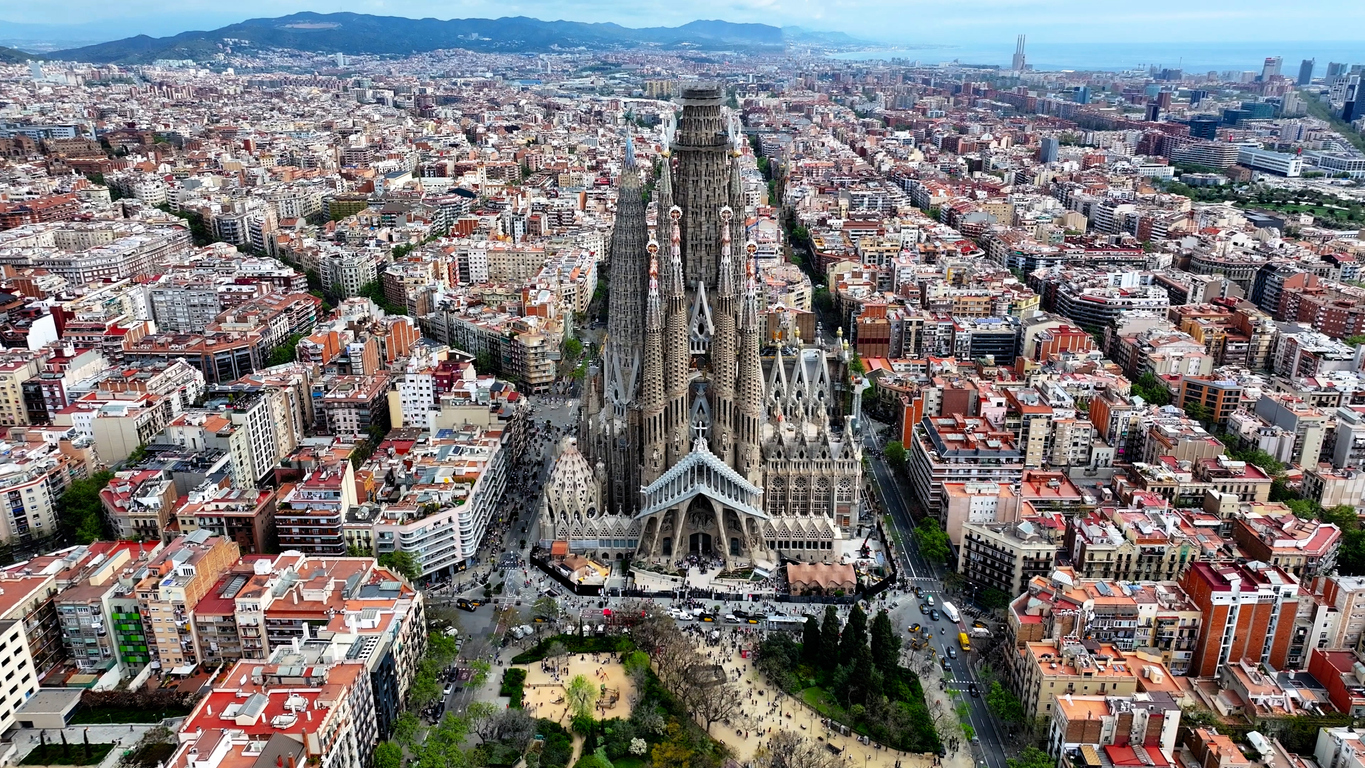
    Barcelona, Spain
    Sagrada Familia Church At Barcelona In Catalonia Spain. Gothic Church Scenery. Downtown Cityscape. Barcelona At Catalonia Spain. Cultural Heritage Skyline. Basilica Construction.

    Barcelona is one of those ports that instantly pulls you in, and this Barcelona Cruise Port Guide is here to help you make the most of your time in the city. Whether you’re arriving before a Mediterranean cruise or staying a few extra days afterward, Barcelona is packed with iconic landmarks, beautiful neighborhoods, and unforgettable experiences.

    1. Sagrada Família

    Sagrada Familia in Barcelona, Spain
    Sagrada Familia cathedral in spring, Barcelona, Spain

    Gaudí’s unfinished masterpiece is the most iconic landmark in Barcelona, with soaring towers and stained‑glass windows that fill the basilica with color. Even if you’ve seen photos, nothing compares to stepping inside.

    If you want a deeper look at what makes this basilica so extraordinary, you can read my full Sagrada Família post.

    2. Park Güell

    Park Guell in Barcelona, Spain
    Park Guell is the popular touristic objects in Barcelona, Spain. Multicolored mosaic steps. Concept of tourism and vacation

    This whimsical hilltop park feels like stepping into a storybook, with colorful mosaics, curving benches, and sweeping views over Barcelona. It’s one of Gaudí’s most playful creations and a must‑see for first‑time visitors.

    For “A Walking Tour of Park Güell”

    You can follow my walking tips and see more photos in my Park Güell walking tour guide.

    For “Most Instagrammable Spots in Park Güell”

    If you want to find the best photo spots inside the park, you can check out my full guide to Park Güell’s most Instagrammable locations.

    3. La Rambla

    Early morning on the pedestrian Las Ramblas boulevard through historic Barcelona Spain as tourists and locals pass by shops and sidewalk cafes near in the historic Gothic Quarter.
    Las Ramblas boulevard through historic Barcelona Spain as tourists and locals pass by shops and sidewalk cafes near in the historic Gothic Quarter.

    La Rambla is one of the most iconic streets in the city, and it’s a fun, easy stop to include in any itinerary from this Barcelona Cruise Port Guide. The boulevard is lively and colorful, lined with flower stalls, cafés, and street performers that give you a great first taste of Barcelona’s energy. If you want a closer look at what to expect along the way, you can check out my full La Rambla guide.

    If you’d like to see what to expect along the way, check out my full La Rambla guide.

    4. Gothic Quarter (Barri Gòtic)

    Flamboyant style bridge between buildings in El Bisbe street in the Gothic Quarter in central Barcelona, Spain

    This medieval neighborhood is a maze of narrow streets, hidden squares, and centuries‑old buildings. It’s one of the most atmospheric parts of Barcelona and perfect for wandering.

    You can dive deeper into the best corners and hidden gems in my Gothic Quarter post.

    5. La Boqueria Market

    La Boqueria Market - Barcelona Spain

    One of Europe’s most famous food markets, La Boqueria is a feast for the senses. Fresh fruit, seafood, tapas, and colorful displays make it a fun stop for a quick bite or foodie photos.

    For more information, you can read my full La Boqueria post.

    6. Casa Batlló

    Casa Batllo - Barcelona, Spain

    This Gaudí-designed home looks like something from a dream, with its colorful façade and flowing, organic shapes. The interior is just as magical, filled with light, curves, and clever design details.

    You can learn more about the experience inside in my detailed Casa Batlló post.

    7. Casa Milà (La Pedrera)

    Casa Mila in Barcelona, Spain

    Casa Milà, also known as La Pedrera, is one of Gaudí’s most imaginative works and a highlight for anyone exploring the city. Its flowing stone façade, twisting iron balconies, and sculptural rooftop make it unlike any other building in Barcelona. Inside, you’ll find beautifully restored rooms, clever architectural details, and exhibits that explain Gaudí’s creative process. The rooftop chimneys are especially memorable, offering a mix of art, architecture, and skyline views. It’s an easy addition to any itinerary from this Barcelona Cruise Port Guide, especially if you enjoy unique design and want to experience one of Gaudí’s most iconic creations.

    If you want to see more of this architectural icon, visit my full La Pedrera guide.

    8. Barcelona Cathedral

    Barcelona Cathedral. Spain.

    This stunning Gothic cathedral anchors the heart of the old city. Its soaring interior, peaceful cloister, and beautiful façade make it a highlight of the Gothic Quarter.

    You can explore more photos and tips in my Barcelona Cathedral post.

    9. Montjuïc Hill & Magic Fountain

    Montjuïc Hill Barcelona
    Panoramic views, peaceful gardens, and the Magic Fountain show make Montjuïc a favorite stop.

    Montjuïc offers panoramic views, gardens, museums, and a peaceful escape from the city streets. At night, the Magic Fountain show lights up with music and color — a favorite for families and first‑time visitors.

    For the best viewpoints and timing tips, check out my full Montjuïc guide.

    10. Barceloneta Beach

    Aerial view of la Barceloneta Beach in the city of Barcelona
    Aerial view of la Barceloneta Beach in the city of Barcelona

    Barcelona’s most famous beach is lively, sunny, and full of energy. It’s perfect for a seaside stroll, a quick swim, or a relaxed lunch overlooking the Mediterranean.

    You can learn more about what to expect in my Barceloneta Beach post.

    11. Port Vell Waterfront

    Docked yachts and historic ship in Port Vell, Barcelona, Spain under clear skies

    Just steps from the cruise terminal, Port Vell is a scenic harbor area with shops, restaurants, and beautiful views. It’s a great place to stretch your legs after disembarking or unwind before heading back to the ship.

    You can see more of this waterfront area in my full Port Vell guide.

    12. Picasso Museum

    Barcelona, Spain - A photo of an old, octagonal fountain surrounded by arched columns, green foliage, decorative tiles and interesting wall lamps in the Picasso Museum on a summer morning in the Gothic Quarter of Barcelona, Spain.
    Picasso Museum fountain, Barcelona, Spain

    Housed in a series of medieval palaces, this museum showcases Picasso’s early works and his deep connection to Barcelona. It’s a fascinating look at how his style evolved over time.

    If you want to know what’s inside and how to plan your visit, read my Picasso Museum post.

    13. Camp Nou Stadium Tour

    Camp Nou Stadium tour, Barcelona, Spain

    Home to FC Barcelona, Camp Nou is a must‑visit for football fans. The stadium tour takes you through the locker rooms, press area, and the field itself.

    You can explore more about the experience in my full Camp Nou guide.

    14. Palau de la Música Catalana

    Palace of Catalan Music
    Palace of Catalan Music is a concert hall in Barcelona, Catalonia, Spain

    This ornate concert hall is a masterpiece of Catalan modernism, filled with stained glass, mosaics, and intricate details. Even if you don’t attend a performance, the guided tour is worth it.

    You can discover more about this stunning venue in my Palau de la Música post.

    15. Tibidabo Mountain

    Tibidabo Mountaqin - Bardcela Spain. Barcelona, Tibidabo amusement park with ferris wheel
    Ferris wheel on top of the city, at Tibidabo, Barcelona

    Tibidabo offers some of the best views in the city, along with a charming hilltop amusement park. The combination of scenic overlooks and vintage rides makes it a fun outing for families.

    You can learn more about visiting Tibidabo in my detailed guide.

    16. El Born Neighborhood

    Central alley Passeig del Born in El Born district, Barcelona, Spain
    Central alley Passeig del Born in El Born district, Barcelona, Spain

    El Born is one of Barcelona’s most stylish and inviting neighborhoods, known for its narrow medieval streets, independent boutiques, and lively tapas bars. It’s a great place to slow down, wander, and soak in the city’s creative energy between major attractions. Many visitors enjoy browsing the shops, relaxing in shaded plazas, or stopping for a drink while people‑watching. The area blends history and modern culture in a way that feels effortlessly local. It’s an easy addition to any itinerary from this Barcelona Cruise Port Guide, especially if you want a break from the busier tourist areas. You can explore even more highlights in my full El Born post.

    You can explore more of this neighborhood’s highlights in my El Born post.

    17. Parc de la Ciutadella

    Parc de la Ciutadella - Barcelona, Spain

    This beautiful city park is perfect for a peaceful stroll, a boat ride, or a picnic. The grand fountain, designed in part by a young Gaudí, is a highlight. You can see more of the park’s best spots in my Ciutadella Park guide.

    18. Montjuïc Castle

    lush outdoor gardens at the Castell de Montjuïc in Barcelona, Spain
    Lush outdoor garden that surrounds the grand Castell de Montjuïc in Barcelona, Spain.

    Perched high above the port, this historic fortress offers panoramic views of the coastline and city. It’s a great spot for photos and a peaceful escape from the crowds.

    You can learn more about the castle and how to get there in my Montjuïc Castle post.

    19. Poble Espanyol

    Vintage stairs in Spanish village (Poble Espanyol) museum open air in Barcelona. Spain.
    Vintage stairs in Spanish village (Poble Espanyol) museum open air in Barcelona. Spain.

    This open‑air architectural museum showcases replicas of buildings from across Spain. It’s a fun way to explore Spanish culture, crafts, and regional styles in one place.

    You can dive deeper into what to expect in my full Poble Espanyol guide.

    20. Enjoy Tapas & Catalan Cuisine

    Barcelona’s food scene is vibrant, flavorful, and full of variety. From seafood paella to pintxos and traditional Catalan dishes, there’s something for every palate.

    We took a food tour while exploring Barcelona, and it turned out to be one of our favorite experiences. We tasted amazing tapas, sipped local wines, and learned so much along the way.

    Check out the full details here.

    21. Day Trip to Girona, Costa Brava, and Montserrat

    If you have extra time in Barcelona before or after your cruise, taking a day trip outside the city is one of the best ways to experience more of Catalonia. Just an hour or so from the port, you’ll find dramatic mountain landscapes, medieval streets, and some of the most beautiful coastline in Spain. I’ve put together a full guide to the three most popular day trips — Montserrat, Girona, and Costa Brava — so you can easily choose the one that fits your travel style. For a deeper look at the best day trips from Barcelona — including Montserrat, Girona, and Costa Brava — you can read my full guide here.

    Final Thoughts

    Barcelona is one of those rare cruise ports where extending your stay feels less like an option and more like a gift to yourself. With world‑famous architecture, vibrant neighborhoods, beautiful beaches, and a food scene that pulls you in at every corner, the city rewards every extra hour you spend exploring. Whether you’re here for a single port day or a multi‑day adventure, Barcelona has a way of blending culture, color, and coastline into an experience you’ll never forget.

    If you’re planning your own visit, I hope this guide helps you make the most of your time in this incredible city. And if you’re ready to dive deeper into any of these attractions, you’ll find detailed posts linked throughout to help you plan each stop with confidence.

  • Naples Cruise Port Guide: Top Things to Do for Cruise Travelers

    Naples Cruise Port Guide: Top Things to Do for Cruise Travelers

    Things to do in Sorrento, Italy

    Naples is one of the most exciting and flexible cruise ports in the Mediterranean. It sits on the Bay of Naples with easy access to some of Italy’s most famous destinations. You can stay in Naples and explore the city’s history, food, and waterfront. Or you can head out to Sorrento, Capri, or the Amalfi Coast for a day filled with scenery and coastal charm. Each option offers a completely different experience, which is why Naples is often called the gateway port of southern Italy.

    When you arrive by cruise ship, the biggest decision you’ll make is simple: Do you stay in Naples, or do you take a day trip? This guide helps you choose the best plan for your day and links to detailed posts for each destination.

    1. Stay in Naples (Explore the City Itself)

    If you want an easy day with short travel times, staying in Naples is the best choice. The city is bold, historic, and full of energy. You can visit castles, museums, churches, and waterfront views all within a short walk or quick taxi ride from the port. And of course, Naples is the birthplace of pizza, so the food alone is worth the stop.

    Read the full guide: Best Things to Do in Naples, Italy

    2. Visit Sorrento

    Sorrento is bright, charming, and relaxed. It sits on cliffs overlooking the Bay of Naples and offers beautiful views, lemon groves, and easy walking streets. Many cruise travelers choose Sorrento because it feels peaceful and welcoming without being overwhelming. It’s a great choice if you want a slower, scenic day.

    Read the full guide: Best Things to Do in Sorrento, Italy

    3. Explore the Amalfi Coast

    The Amalfi Coast is one of the most breathtaking coastlines in the world. The cliffs, pastel towns, and sweeping sea views create a dramatic landscape that feels almost unreal. Most travelers visit Positano, Amalfi, or Ravello, but even seeing one town is unforgettable. This option is perfect if you want big scenery and iconic Italian views.

    Read the full guide: Best Things to Do on the Amalfi Coast

    4. Take a Day Trip to Capri

    Capri is glamorous, scenic, and full of iconic views. You can visit the Blue Grotto, ride the chairlift to Monte Solaro, explore Anacapri, or enjoy a boat tour around the island. Capri is a great choice if you want a mix of beauty, shopping, and island charm.

    Read the full guide: Best Things to Do in Capri, Italy

    5. Combo Tours (Sorrento + Amalfi Coast)

    If you want to see more than one place, a combo tour is the easiest way to do it. Many tours include Sorrento, Positano, and Amalfi in one day. You get a taste of each town without worrying about transportation or timing. This is a great option for travelers who want a guided, stress‑free day.

    How to Choose the Best Option for Your Day

    If you want…Choose…
    The easiest dayNaples
    A charming coastal townSorrento
    Big scenery and dramatic viewsAmalfi Coast
    An island escapeCapri
    A guided multi‑stop dayCombo tour

    Final Thoughts

    Naples is one of the most flexible and exciting cruise ports in Italy. You can stay in the city, relax in Sorrento, chase views on the Amalfi Coast, or sail to Capri. Each option offers a different kind of day, and all are easy to reach from the port. No matter what you choose, you’ll enjoy a memorable mix of scenery, culture, and classic Italian flavor.

  • Armenistis Lighthouse – Mykonos, Greece

    Armenistis Lighthouse – Mykonos, Greece

    Mykonos, Greece - Armenistis Lighthouse in Mykonos, Greece
    Mykonos, Greece – Armenistis Lighthouse in Mykonos, Greece

    Armenistis Lighthouse is one of the quietest, most scenic viewpoints on Mykonos — a peaceful escape from the island’s busier beaches and bustling lanes of Mykonos Town. Perched high on the northwest tip of the island, the lighthouse has watched over the Aegean Sea since 1891, guiding ships through the channel between Mykonos and Tinos. The moment you arrive, the atmosphere shifts: the wind feels stronger, the horizon opens wide, and the rugged coastline stretches out in every direction. It’s simple, remote, and beautifully untouched, offering a look at a side of Mykonos that many visitors never see.

    The lighthouse itself is modest, but the surrounding landscape is what makes this stop unforgettable. The cliffs, the open sky, and the endless blue of the Aegean create a dramatic backdrop that feels worlds away from the island’s nightlife and shopping districts. For travelers exploring Mykonos by taxi or rental car, Armenistis Lighthouse is a refreshing, quiet pause — a place to breathe, take photos, and enjoy the island’s natural beauty without crowds.

    What It’s Known For

    Armenistis Lighthouse is known for its panoramic sea views, rugged coastal scenery, and peaceful atmosphere. Built in 1891, it stands as a reminder of Mykonos’ maritime history and its long connection to the sea. From the viewpoint, you can see nearby islands, the rocky shoreline, and the deep blue water that surrounds the northwest coast. It’s one of the best places on the island to appreciate wide‑open views and dramatic landscapes.

    Why It’s Worth Visiting

    This lighthouse is ideal for travelers who enjoy scenic viewpoints, photography, and quiet moments away from the crowds. Visitors appreciate that it offers:

    • A peaceful break from Mykonos Town
    • Wide, unobstructed views of the Aegean
    • A rugged, natural landscape perfect for photos
    • A simple, uncrowded stop during a day of exploring

    It’s especially appealing if you prefer viewpoints and nature over shopping or beach time.

    Getting There

    Armenistis Lighthouse is located on the northwest tip of Mykonos, about a 15–20 minute drive from Mykonos Town. It is not walkable from the cruise port or Old Port, so you’ll need transportation to visit. The road is paved most of the way, with a short gravel section near the end.

    What to Expect

    The lighthouse is closed to the public, but you can walk around the exterior and explore the open, breezy viewpoint. The area is quiet and spacious, with rocky terrain and sweeping views in every direction. There are no facilities — no restrooms, shops, shade, or services — so this is best enjoyed as a short scenic stop rather than a long visit.

    Insider Tips

    • Visit early in the day or near sunset for the best lighting
    • Bring water, as there are no services nearby
    • Wear sturdy shoes if you plan to walk around the rocky areas
    • Combine with a stop at Agios Stefanos Beach or a loop around the northwest coast

    These small choices make the experience smoother and more enjoyable.

    Final Thoughts

    Armenistis Lighthouse offers a quiet, scenic escape that contrasts beautifully with the lively energy of Mykonos Town. With its rugged coastline, open views, and peaceful atmosphere, it’s an easy and memorable stop for anyone exploring the island by car. It’s a simple place — no crowds, no shops, no noise — just the wind, the sea, and the wide horizon.

    Looking for more great things to do in Mykonos? Check out my full list of the best things to see in Mykonos.

  • Oia Sunset – Santorini, Greece

    Oia Sunset – Santorini, Greece

    Oia at sunset, Santorini, Greece

    Watching the sunset in Oia is one of the most iconic experiences in all of Greece. As the sun sinks toward the Aegean Sea, the sky glows with layers of pink, gold, and lavender, illuminating the whitewashed buildings and blue domes perched along the caldera cliffs. The entire village shifts into a warm, golden haze, and the moment feels almost unreal — a blend of color, light, and atmosphere that draws travelers from around the world. Whether you’re here for romance, photography, or simply to witness one of the world’s most beautiful natural displays, Oia’s sunset is a memory that stays with you long after you leave.

    What It’s Known For

    • World‑famous sunsets over the caldera
    • Whitewashed buildings glowing in golden hour
    • Castle ruins viewpoint
    • Blue‑domed churches in soft evening light
    • Romantic atmosphere and postcard‑perfect photos

    Why It’s Worth Visiting

    Oia’s sunset isn’t just beautiful — it’s an experience that transforms the entire village. As the afternoon light softens, people gather along pathways, rooftops, and the castle ruins to watch the sky shift through shades of gold, rose, and violet. The caldera below reflects the colors, boats drift across the water, and the village glows as lanterns and lights begin to flicker on.

    Whether you’re capturing photos, sharing a romantic moment, or simply soaking in the view, this is one of the most unforgettable things you can do in Santorini. The atmosphere is electric yet peaceful, and the scenery feels like stepping into a living postcard.

    Best Time to Visit

    • 1–2 hours before sunset: Best for photos and finding a spot
    • Golden hour: Warm, glowing light on the buildings
    • After sunset: The sky turns deep purple and the village lights up — don’t leave early

    How Long to Spend

    Plan for 1–2 hours, especially if you want a good viewing spot or plan to enjoy dinner with a view. Arriving early gives you time to explore, take photos, and settle in before the crowds build.

    What to Expect

    Oia gets busy at sunset, but the atmosphere is magical. Pathways fill with visitors, the castle ruins become a popular gathering point, and cliffside restaurants buzz with anticipation. The views stretch across the caldera toward the volcano and the distant cliffs of Imerovigli and Fira.

    As the sun dips below the horizon, the sky continues to glow for another 20–30 minutes — a soft, lingering afterlight that many travelers say is even more beautiful than the sunset itself. Stay a little longer to watch the village light up against the twilight sky.

    For Cruise Travelers

    If your ship stays late enough, Oia is absolutely worth the trip. Just keep in mind:

    • Traffic can be heavy around sunset
    • Buses and taxis fill quickly
    • You’ll need extra time to return to Fira for the cable car

    If your port time is short, consider visiting in late afternoon to enjoy the golden light without the full sunset crowds.

    Insider Tips

    • Arrive early if you want a spot at the castle ruins
    • Book a restaurant with a view for a more relaxed experience
    • The area near the windmills is less crowded
    • Stay after the sun sets — the colors get even better
    • Wear comfortable shoes for the cobblestone paths

    Common Complaints

    • Very crowded during peak season
    • Hard to find a good spot if you arrive late
    • Restaurants with sunset views can be pricey
    • Traffic and transportation delays around sunset

    Final Thoughts

    Watching the sunset in Oia is one of those rare travel moments that truly lives up to the hype. The combination of caldera views, glowing whitewashed buildings, and the soft colors of the Aegean sky creates a scene that feels almost dreamlike. Whether you’re visiting for romance, photography, or simply to enjoy the beauty of Santorini, this experience is unforgettable.

    If you’re planning your Santorini itinerary, this is the perfect place to start.

    Read more of the Best Things to Do in Santorini here.

  • Agora – Ephesus, Turkey

    Agora – Ephesus, Turkey

    Columns of the Tetragonos Agora. The commercial market square in Ephesus Ancient City. Selcuk, Izmir, Turkey.
    Columns of the Tetragonos Agora, the commercial market square in Ephesus Ancient City. Selcuk, Izmir, Turkey.

    The Agora was the commercial and social heartbeat of ancient Ephesus — a wide, open marketplace where merchants traded goods, citizens gathered to exchange news, and the daily rhythm of the city unfolded. Standing in this spacious rectangular square today, it’s easy to imagine the energy that once filled the space: vendors calling out prices, shoppers moving between stalls, and officials conducting business beneath long colonnades. Even though the ruins are quieter now, the layout still tells the story of a thriving urban center at the height of Roman influence.

    The Agora sits just off the main walking route through Ephesus, making it a natural pause point as you explore the ancient city. Its openness contrasts beautifully with the more dramatic, crowded landmarks nearby, offering a peaceful moment to take in the scale of the site and appreciate how everyday life once unfolded here. The surrounding hills and scattered ruins add atmosphere, giving the space a sense of depth and history that rewards slow exploration.

    Last time we were in Ephesus on our cruise, we booked this amazing excursion that picked up right at the cruise port. Check it out if you’re thinking about booking an excursion for your port day.

    What It’s Known For

    • Central marketplace of ancient Ephesus
    • Large open square framed by columns
    • Political, commercial, and social hub
    • Remains of shops and storage rooms
    • Views of surrounding ruins and hills

    These features make the Agora one of the best places to understand how the city functioned beyond its grand monuments.

    Why It’s Worth Visiting

    The Agora offers a grounded, human perspective on Ephesus. While the Library of Celsus and the Great Theatre often steal the spotlight, this is where daily life happened — where people bought food, traded goods, debated politics, and connected with their community. The space feels atmospheric and surprisingly peaceful, giving you room to imagine the bustle that once filled the square. It’s a meaningful stop for travelers who enjoy understanding the lived experience of ancient cities.

    Best Time to Visit

    • Morning: Soft light and fewer crowds
    • Midday: Bright, even lighting for photos
    • Late afternoon: Warm glow across the open square

    The Agora’s open layout makes lighting especially important, and each time of day offers a different mood.

    How Long to Spend

    Most visitors spend 10–15 minutes, though history lovers may linger longer to study the outlines of shops and the architectural remains. The space is easy to explore at your own pace.

    What to Expect

    You’ll see the foundations of a large rectangular marketplace surrounded by columns, with the remains of shops and storage rooms lining the edges. The open design makes it easy to walk around, take photos, and appreciate the scale of the ancient commercial center. Compared to the more crowded areas of Ephesus, the Agora feels calm and spacious — a welcome break in your walking route.

    For Cruise Travelers

    The Agora sits directly along the main path through Ephesus, making it an effortless stop during a guided tour or DIY visit. It’s scenic, easy to navigate, and adds valuable context to the grander structures you’ll see later. If you enjoy understanding how ancient cities operated day‑to‑day, this is one of the most informative stops in the entire site.

    Insider Tips

    • Look for the outlines of ancient shops along the perimeter
    • Great spot for wide‑angle photos
    • Visit early or late for the best lighting
    • Combine with Curetes Street and the Library of Celsus
    • Pause here to enjoy the quieter atmosphere

    Common Complaints

    • Less visually dramatic than other Ephesus landmarks
    • Some visitors find the layout less defined than expected
    • Limited signage explaining the ruins
    • Can feel like a quick stop if you’re not into ancient city planning

    Even with these notes, the Agora remains one of the most meaningful places to understand the daily life of Ephesus.

    Final Thoughts

    The Agora may not be the most ornate structure in Ephesus, but it offers one of the clearest windows into the city’s everyday world. Its open layout, historical significance, and peaceful atmosphere make it a rewarding stop as you explore the ancient ruins. Taking a moment to imagine the lively marketplace that once stood here adds depth and richness to your understanding of Ephesus as a whole.

    For hours, tickets, and visitor details, you can check the official Turkish Museums website.

    If you’re planning your time in port, you can explore more ideas in my full guide: Best Things to Do in Ephesus.

  • Fountain of Trajan – Ephesus, Turkey

    Fountain of Trajan – Ephesus, Turkey

    Fountain of Trajan - Ephesus, Turkey
    Fountain of Trajan – Ephesus, Turkey

    The Fountain of Trajan is one of the most eye‑catching monuments along Curetes Street, standing as a reminder of the elegance, engineering, and artistic ambition that defined ancient Ephesus. Built in the 2nd century AD to honor Emperor Trajan, this two‑story nymphaeum once featured flowing water, decorative columns, carved reliefs, and a towering statue of the emperor himself. Even in its ruined state, the fountain still feels grand — a striking blend of Roman design and public utility that adds depth and beauty to the city’s main thoroughfare.

    As you approach the structure, the architectural details begin to reveal themselves: niches that once held statues, column fragments that hint at the fountain’s original height, and the unmistakable pedestal where Trajan’s foot once rested. It’s a moment that helps you imagine the monument in its prime — water cascading down the façade, sunlight catching the marble, and citizens gathering around one of the city’s most impressive public fountains.

    Last time we were in Ephesus on our cruise, we booked this amazing excursion that picked up right at the cruise port. Check it out if you’re thinking about booking an excursion for your port day.

    What It’s Known For

    • Dedication to Emperor Trajan
    • Impressive Roman architecture and engineering
    • Decorative columns, niches, and reliefs
    • A prominent location along Curetes Street
    • A once‑towering statue of Trajan above the water flow

    These features make the fountain one of the most memorable stops along the main route through Ephesus.

    Why It’s Worth Visiting

    The Fountain of Trajan offers a vivid glimpse into the grandeur of Roman public spaces. Its design showcases the craftsmanship that shaped Ephesus during its peak, and its placement along Curetes Street makes it an effortless, meaningful stop as you explore the city. The structure’s details — from the carved stonework to the surviving pedestal — help you imagine the monument as it once stood, adding context to the city’s water systems and civic pride.

    Best Time to Visit

    • Morning: Soft, flattering light for photos
    • Midday: Bright, even lighting across the façade
    • Late afternoon: Warm golden tones on the stone

    How Long to Spend

    Five to ten minutes is perfect for admiring the structure, taking photos, and noticing the architectural details that are easy to miss at first glance.

    What to Expect

    You’ll see the remains of a two‑story fountain with columns, niches, and carved details that once framed flowing water. The original statue of Emperor Trajan is gone, but the base where his foot once stood remains visible — a small but powerful detail that connects you directly to the monument’s past. Because it sits right along Curetes Street, the fountain is easy to admire as you walk by, and its open layout makes it a natural pause point during your visit.

    For Cruise Travelers

    This is one of the most convenient and scenic stops along the main walking route through Ephesus. It’s quick, atmospheric, and adds valuable context to the city’s public spaces and water systems. If you enjoy architecture, photography, or imagining ancient life, this fountain is a highlight.

    Insider Tips

    • Look closely for the pedestal where Trajan’s foot once rested
    • Visit early to avoid crowds gathering along Curetes Street
    • Pair with the nearby Nymphaeum of Hadrian for a deeper look at Roman water monuments
    • Slow down — the carved details are easy to overlook

    Common Complaints

    • The fountain is partially ruined
    • Crowds gather due to its central location
    • Some visitors expect a more complete structure
    • It can feel like a quick stop compared to larger monuments

    Even with these notes, the fountain remains one of the most beautiful examples of Roman artistry in Ephesus.

    Final Thoughts

    The Fountain of Trajan is a striking reminder of the grandeur that once defined Ephesus. Its elegant design, prominent location, and surviving architectural details make it an essential stop along Curetes Street. Even in ruins, it offers a meaningful glimpse into the city’s past and the importance of public monuments in ancient Roman life.

    For hours, tickets, and visitor details, you can check the official Turkish Museums website.

    If you’re planning your time in port, you can explore more ideas in my full guide: Best Things to Do in Ephesus.

  • Basilica of St. John – Ephesus, Turkey

    Basilica of St. John – Ephesus, Turkey

    The Basilica of St. John was a great church in Ephesus constructed by Emperor Justinian in the 6th century.
    The Basilica of St. John was a great church in Ephesus constructed by Emperor Justinian in the 6th century.

    The Basilica of St. John is one of the most meaningful and atmospheric sites in the Ephesus region — a hilltop complex that blends sweeping views, deep religious significance, and the quiet beauty of ancient Byzantine architecture. Built in the 6th century by Emperor Justinian, the basilica was constructed to honor John the Apostle, who many believe is buried beneath the church. Even in ruins, the scale of the structure is unmistakable. Standing among its columns and marble fragments, you can easily imagine the grandeur of the basilica when it was one of the most important pilgrimage sites in the region.

    The setting is part of what makes this stop so special. Perched on Ayasuluk Hill, the basilica overlooks Selçuk, the surrounding valley, and the distant ruins of ancient Ephesus. The atmosphere is peaceful and open, offering a welcome contrast to the busier archaeological site below. It’s the kind of place where you naturally slow down — taking in the views, wandering through the arches, and appreciating the history that shaped this hilltop for centuries.

    Last time we were in Ephesus on our cruise, we booked this amazing excursion that picked up right at the cruise port. Check it out if you’re thinking about booking an excursion for your port day.

    What It’s Known For

    • Believed burial site of St. John the Apostle
    • Beautiful hilltop views over Ephesus and Selçuk
    • Impressive Byzantine architecture and large marble remains
    • Peaceful, less crowded atmosphere
    • Tall columns, archways, and open‑air ruins
    • Proximity to the House of the Virgin Mary and other major sites

    Why It’s Worth Visiting

    The basilica offers a quieter, more reflective experience than the main Ephesus ruins. Its elevated position gives you some of the best panoramic views in the region, and the ruins themselves help you visualize how massive and ornate the original church once was. For travelers who enjoy history, architecture, or religious sites, this stop adds depth and meaning to any Ephesus itinerary.

    Best Time to Visit

    • Morning: Cooler temperatures and soft light
    • Midday: Bright, clear views for photography
    • Late afternoon: Warm golden light across the ruins

    How Long to Spend

    Plan for 20–30 minutes, especially if you enjoy photography or exploring at a relaxed pace. The site is compact but atmospheric, and the views alone encourage lingering.

    What to Expect

    You’ll walk through open‑air ruins featuring:

    • Large columns and archways
    • Marble fragments and foundations
    • Informational signs explaining the original layout
    • A panoramic viewpoint overlooking the valley

    The hilltop location makes this one of the most scenic stops in the area.

    House of Virgin Mary in Ephesos,Turkey
    The House of Virgin Mary is the place where Mary spent her last days

    For Cruise Travelers

    The Basilica of St. John is often included in tours that also visit the House of the Virgin Mary, making it an easy and meaningful addition to your port day. It’s less crowded than the main archaeological site and offers a refreshing break with beautiful views.

    Insider Tips

    • Bring water — the hilltop can get warm
    • Wear comfortable shoes for uneven ground
    • Don’t miss the panoramic viewpoint near the entrance
    • Combine with the Temple of Artemis and the House of the Virgin Mary
    • Great spot for wide‑angle photos

    Common Complaints

    • Mostly ruins — some visitors expect more structure
    • Limited shade
    • Can be windy on the hilltop
    • Requires a short uphill walk from the entrance area

    Final Thoughts

    The Basilica of St. John is a peaceful, historically rich stop that adds depth and beauty to any visit to Ephesus. With its impressive ruins, religious significance, and sweeping hilltop views, it’s a rewarding addition to your day in port.

    If you’re planning your time in port, you can explore more ideas in my full guide: Best Things to Do in Ephesus.

  • House of the Virgin Mary – Ephesus, Turkey

    House of the Virgin Mary – Ephesus, Turkey

    The House of the Virgin Mary (Meryemana), believed to be the last residence of Mary, mother of Jesus
    The House of the Virgin Mary (Meryemana), believed to be the last residence of Mary, mother of Jesus

    The House of the Virgin Mary is one of the most peaceful and spiritually significant places in the Ephesus region — a quiet stone chapel tucked into the forested slopes of Mount Koressos, far above the busy ancient ruins below. Many believe this is where Mary, the mother of Jesus, spent her final years, creating a deep sense of reverence that draws visitors from around the world. The moment you arrive, the atmosphere shifts: the air feels cooler, the trees create a natural canopy of shade, and the entire site feels calm, reflective, and beautifully removed from the bustle of Selçuk and Ephesus.

    The chapel itself is small and simple, built on the foundations of the original structure. Even though photography isn’t allowed inside, the interior feels intimate and serene, with candles, soft lighting, and a quiet reverence that encourages visitors to pause and reflect. Outside, the gardens, stone pathways, and shaded seating areas create a peaceful environment that invites you to linger. It’s a meaningful stop whether you’re visiting for religious reasons, historical interest, or simply to enjoy a quiet moment in nature.

    Last time we were in Ephesus on our cruise, we booked this amazing excursion that picked up right at the cruise port. Check it out if you’re thinking about booking an excursion for your port day.

    What It’s Known For

    • Important Christian pilgrimage site
    • Believed final home of Mary, mother of Jesus
    • Peaceful mountain setting
    • Wishing wall filled with prayer notes
    • Natural spring where visitors collect holy water

    These elements make the site one of the most spiritually significant stops in the region.

    Why It’s Worth Visiting

    The House of the Virgin Mary offers a calm, reflective experience that contrasts beautifully with the grand ruins of Ephesus. The setting is quiet and beautifully maintained, and the combination of spiritual significance and natural surroundings makes the visit feel meaningful even for those who aren’t religious. The house is small, but the atmosphere — along with the gardens, wishing wall, and spring — creates a memorable and grounding experience.

    Best Time to Visit

    • Morning: Cool, quiet, and peaceful
    • Midday: Brighter photos but more visitors
    • Late afternoon: Soft light and fewer crowds

    How Long to Spend

    Plan for 15–20 minutes, including time to walk through the chapel, visit the wishing wall, and collect holy water from the spring. The site is compact and easy to explore at a relaxed pace.

    House of Virgin Mary in Ephesos,Turkey
    The House of Virgin Mary is the place where Mary spent her last days

    What to Expect

    You’ll enter a small stone chapel built on the original foundations. Photography is not allowed inside, preserving the quiet, reverent atmosphere. Outside, you’ll find:

    • A peaceful courtyard
    • A wishing wall covered in prayer notes
    • A spring where many visitors collect holy water

    The entire site feels calm and reflective, making it a refreshing break from the heat and crowds.

    For Cruise Travelers

    Most Ephesus tours include a stop here, and the site is easy to navigate. It’s a meaningful addition to your day if you enjoy spiritual or historical places, and the peaceful setting offers a nice contrast to the busier ruins.

    Insider Tips

    • Dress modestly out of respect
    • Bring a small piece of paper for the wishing wall
    • Visit early to avoid crowds
    • Photography is allowed outside but not inside
    • Pair with the Basilica of St. John for a deeper religious‑history experience

    Common Complaints

    • Crowded during peak tour times
    • No photography allowed inside
    • Short visit compared to other sites
    • Uphill drive required to reach the location

    Final Thoughts

    The House of the Virgin Mary is one of the most peaceful and meaningful stops in the Ephesus region. Its quiet mountain setting, spiritual significance, and beautifully maintained grounds make it a memorable part of any visit.

    If you’re planning your time in port, you can explore more ideas in my full guide: Best Things to Do in Ephesus.

  • Terraced Houses – Ephesus, Turkey

    Terraced Houses – Ephesus, Turkey

    Terrace Houses in Ephesus

    The Terraced Houses are one of the most fascinating and immersive parts of ancient Ephesus — a rare chance to step inside the private world of the city’s wealthiest residents. These multi‑story Roman homes sit along the slopes of Bülbül Mountain, directly across from the Library of Celsus, and they preserve an extraordinary level of detail: colorful frescoes, intricate mosaics, marble‑lined rooms, courtyards, kitchens, and even remnants of ancient plumbing and heating systems. Walking through them feels like entering a time capsule of luxury living nearly 2,000 years ago.

    The entire complex is protected under a modern roof, and raised glass walkways guide you through each home. This setup not only preserves the artwork but also gives you a clear, elevated view of the rooms, patterns, and architectural features. The experience is calm, shaded, and surprisingly intimate — a quiet contrast to the open streets and grand monuments outside. It’s one of the few places in Ephesus where you can truly imagine daily life unfolding behind closed doors.

    Last time we were in Ephesus on our cruise, we booked this amazing excursion that picked up right at the cruise port. Check it out if you’re thinking about booking an excursion for your port day.

    What They’re Known For

    • Beautifully preserved frescoes and mosaics
    • Multi‑story Roman homes with courtyards and private rooms
    • Glass walkways that make viewing easy and accessible
    • Advanced plumbing and heating systems
    • Some of the best‑preserved interiors in the ancient world

    These details make the Terraced Houses one of the most impressive archaeological experiences in the entire region.

    Why They’re Worth Visiting

    The Terraced Houses offer a level of preservation and intimacy that you won’t find elsewhere in Ephesus. Painted walls still show their original colors, mosaic floors display detailed patterns and scenes, and architectural elements reveal how sophisticated Roman engineering truly was. You can see kitchens, dining rooms, bedrooms, and gathering spaces — all arranged in a way that reflects the lifestyle of elite families.

    For travelers who love archaeology, art, or ancient architecture, this is one of the most rewarding stops in the city. The shaded, covered environment also makes it a comfortable visit even on hot days.

    Best Time to Visit

    • Morning: Cooler and less crowded
    • Midday: Bright natural light inside the structure
    • Late afternoon: Warm, golden tones on the mosaics

    Because the site is covered, it stays comfortable throughout the day.

    How Long to Spend

    Plan for 20–30 minutes, especially if you enjoy studying art, architecture, or the details of ancient daily life. The layout is compact but rich with things to see.

    What to Expect

    You’ll follow raised glass platforms through several Roman homes, each showcasing different frescoes, mosaics, and architectural features. The protective covering keeps the temperature comfortable and shields the artwork from the elements. Expect to see:

    • Painted walls with vivid colors
    • Mosaic floors with geometric and figurative designs
    • Courtyards and gathering rooms
    • Kitchens, storage areas, and private living spaces
    • Advanced heating and plumbing systems that highlight Roman innovation

    The experience feels immersive and surprisingly modern thanks to the elevated walkways.

    For Cruise Travelers

    The Terraced Houses are an optional add‑on for many Ephesus tours, but they’re absolutely worth it. The site is shaded, easy to navigate, and offers one of the most detailed looks at ancient Roman life anywhere in the Mediterranean. If you enjoy history or art, this will likely be one of your favorite stops.

    Insider Tips

    • Buy the combined ticket to save time
    • Look closely at the mosaic floors — many tell symbolic or mythological stories
    • Wear shoes with good grip for the glass walkways
    • Photography may be restricted in some areas
    • Combine with Curetes Street and the Library of Celsus for a seamless route

    Common Complaints

    • Requires an extra ticket
    • Can feel crowded in narrow areas
    • Photography restrictions in some sections
    • Not ideal for visitors who dislike stairs or elevated walkways

    Even with these notes, most visitors consider the Terraced Houses a highlight of Ephesus.

    Final Thoughts

    The Terraced Houses are one of the most impressive and immersive parts of Ephesus. Their detailed frescoes, mosaics, and beautifully preserved rooms offer a rare glimpse into ancient Roman luxury and daily life. If you enjoy art, history, or archaeology, this stop is an absolute must‑see. For current hours and ticket details, the Turkish Museums website provides the most accurate information.

    If you’re planning your time in port, you can explore more ideas in my full guide: Best Things to Do in Ephesus.

  • Temple of Artemis – Ephesus, Turkey

    Temple of Artemis – Ephesus, Turkey

    Temple of Artemis

    The Temple of Artemis was once one of the most magnificent structures in the ancient world — a massive, intricately decorated sanctuary dedicated to the goddess Artemis and admired by travelers across the Mediterranean. Standing on this quiet patch of land today, it’s hard to imagine the scale of the original temple, but knowing its history adds weight to the experience. This was one of the Seven Wonders of the Ancient World, larger than the Parthenon and celebrated for its beauty, craftsmanship, and cultural importance. Even though only a single reconstructed column and scattered stones remain, the site still carries a powerful sense of place and history.

    The surrounding area is peaceful and open, with views of Selçuk and the Basilica of St. John on the nearby hill. The simplicity of the ruins contrasts with the temple’s legendary past, making the stop feel reflective and meaningful. It’s a brief visit, but one that connects you directly to a world wonder that shaped ancient religion, architecture, and travel.

    Last time we were in Ephesus on our cruise, we booked this amazing excursion that picked up right at the cruise port. Check it out if you’re thinking about booking an excursion for your port day.

    What It’s Known For

    • One of the Seven Wonders of the Ancient World
    • Once larger than the Parthenon in Athens
    • Sacred temple dedicated to Artemis
    • Archaeological site with a few remaining columns
    • Important stop for history lovers

    Why It’s Worth Visiting

    Even though the temple is mostly in ruins, standing on the site of such a legendary structure is surprisingly powerful. The remaining column and foundations help you visualize where the massive temple once stood, and the informational signs make it easier to imagine its original size and beauty. It’s a quick stop, but one that adds depth and context to your day in Ephesus.

    Best Time to Visit

    • Morning: Soft light and fewer crowds
    • Midday: Bright photos of the remaining column
    • Late afternoon: Warm light across the ruins

    How Long to Spend

    Plan for 10–15 minutes, since the site is small and easy to explore.

    What to Expect

    The Temple of Artemis sits a short drive from the main Ephesus ruins. You’ll see:

    • One reconstructed column
    • Scattered stones and foundations
    • Informational signs showing what the temple once looked like

    The site is flat, open, and easy to walk around, making it a simple but meaningful stop.

    For Cruise Travelers

    Most Ephesus tours include a quick stop here. It’s an easy, flat site perfect for photos and historical context, especially when paired with nearby landmarks like the Basilica of St. John.

    Insider Tips

    • Visit with a guide to better understand the temple’s original size
    • Bring water — there is no shade
    • Combine with the Basilica of St. John for a deeper historical experience
    • Great stop for wide‑angle photos

    Common Complaints

    • Only one column remains
    • Can feel underwhelming without historical context
    • Very little shade
    • Quick stop compared to other Ephesus sites

    Final Thoughts

    The Temple of Artemis may be mostly in ruins today, but its history and significance make it an essential stop in Ephesus. Standing on the site of a former world wonder is a meaningful experience that adds depth to your visit.

    If you’re planning your time in port, you can explore more ideas in my full guide: Best Things to Do in Ephesus.

  • Grand Theatre of Ephesus – Ephesus, Turkey

    Grand Theatre of Ephesus – Ephesus, Turkey

    Panoramic shot of the famous Ephesus Ancient Theatre, on a sunny day
    The famous Ephesus Ancient Theatre, on a sunny day

    The Grand Theatre of Ephesus is one of the most awe‑inspiring ancient structures in the Mediterranean — a massive, beautifully preserved amphitheater carved into the hillside and capable of holding more than 25,000 spectators. Standing inside it feels like stepping into the heart of Roman public life. Concerts, plays, political gatherings, religious events, and even gladiatorial contests once filled this enormous space, making it one of the most important social and cultural centers of ancient Ephesus.

    The scale is staggering the moment you enter. The stone seating rises steeply in wide arcs, the stage area opens dramatically toward the sky, and the acoustics are so precise that even a soft voice can carry across the arena. From the upper tiers, the views stretch across the ancient city and surrounding hills, offering one of the most iconic perspectives in all of Ephesus. Even with crowds, the theatre feels grand, atmospheric, and unforgettable.

    Last time we were in Ephesus on our cruise, we booked this amazing excursion that picked up right at the cruise port. Check it out if you’re thinking about booking an excursion for your port day.

    What It’s Known For

    • A 25,000‑seat amphitheater — one of the largest in the ancient world
    • Remarkable acoustics that still impress visitors today
    • Panoramic views from the upper seating tiers
    • A dramatic, photogenic arena layout
    • A central role in the cultural and political life of ancient Ephesus

    Why It’s Worth Visiting

    The Grand Theatre is one of the most visually striking and emotionally powerful places in Ephesus. Its size alone is breathtaking, but the preservation of the stone seating, stage area, and overall structure makes it easy to imagine the energy of ancient performances and gatherings. Whether you’re a history lover, a photographer, or simply someone who appreciates dramatic architecture, this is one of the most memorable stops in the entire archaeological site.

    Best Time to Visit

    • Morning: Cooler temperatures and soft, flattering light
    • Midday: Bright, even lighting for wide‑angle photos
    • Late afternoon: Warm golden tones across the arena and hillside

    How Long to Spend

    Most visitors spend 10–20 minutes, depending on how high they climb and how many photos they take. If you enjoy panoramic views or want to soak in the atmosphere, you may linger longer.

    What to Expect

    You’ll enter near the stage area and can climb the steep stone steps to the upper tiers. The ascent is worth it — the views are spectacular, and the acoustics become even more impressive as you look down over the arena. Expect uneven steps, bright sun, and plenty of opportunities for dramatic photos.

    For Cruise Travelers

    The Grand Theatre is included in all standard Ephesus tours, usually toward the end of the walking route. Wear comfortable shoes, as the steps are steep and worn. This is one of the best places in Ephesus for wide‑angle shots and panoramic views of the ancient city.

    Insider Tips

    • Climb to the upper tiers for the most impressive views
    • Watch your footing — the stone steps are uneven and polished smooth
    • Bring water; shade is extremely limited
    • Combine with Curetes Street and the Library of Celsus for a seamless route

    Common Complaints

    • The steps can be steep and challenging
    • Very little shade, especially midday
    • Crowded during peak tour times
    • Group tours may move quickly through the area

    Final Thoughts

    The Grand Theatre of Ephesus is one of the most impressive ancient structures in Turkey — a breathtaking blend of scale, history, and architectural mastery. Its dramatic setting and remarkable preservation make it a must‑see highlight of any visit to Ephesus.

    If you’re planning your time in port, you can explore more ideas in my full guide: Best Things to Do in Ephesus.

error: Content is protected !!