Tag: Kodiak Alaska

  • Kodiak Alaska Cruise Port Guide: Top Things to Do for Cruise Travelers

    Kodiak Alaska Cruise Port Guide: Top Things to Do for Cruise Travelers

    A busy Kodiak harbor filled with fishing boats, with forested hills and a mountain peak rising in the background under a partly cloudy sky.
    Fishing boats line Kodiak’s working harbor, backed by forested hills and rugged mountain scenery.

    Kodiak is one of Alaska’s most rugged and wildlife‑rich cruise ports, offering a blend of coastal scenery, WWII history, and deep Indigenous heritage. This Kodiak Alaska Cruise Port Guide highlights why the island is known for its dramatic landscapes, thriving brown bear population, and welcoming small‑town atmosphere. From historic sites and museums to forest trails and marine wildlife, Kodiak delivers a quieter, more authentic Alaska experience that feels both remote and deeply connected to nature.

    This Kodiak Alaska Cruise Port Guide highlights the top experiences that showcase the best of this unique Alaska destination.

    Below, you’ll find the top experiences that showcase the best of Kodiak during a cruise‑port day.

    1. Visit the Kodiak National Wildlife Refuge Visitor Center

    Large bear paw print pressed into a muddy trail surface
    A fresh bear track in the mud hints at the incredible wildlife that roams the Kodiak National Wildlife Refuge.

    The Kodiak National Wildlife Refuge Visitor Center is the best place to begin your day on the island. The exhibits offer a clear look at the wildlife, landscapes, and cultural history that define Kodiak. Visitors can learn about the famous Kodiak brown bear, local marine life, and the rugged terrain that shapes the refuge. Interactive displays and short films explain how the refuge protects nearly two million acres of wilderness. The building is beautifully designed and easy to explore at your own pace. Its downtown location makes it simple to visit before heading out on excursions. The center gives helpful context and sets the tone for the rest of your day in Kodiak.

    For tips, timing, and planning details, see my completeKodiak Wildlife Refuge Visitor Center guide.

    2. Explore Fort Abercrombie State Historical Park

    Scenic view of Fort Abercrombie State Historical Park on Kodiak Island, featuring coastal forest and rugged Alaska Peninsula landscape.
    Fort Abercrombie State Historical Park blends Kodiak’s rugged coastal scenery with rich World War II history, making it one of the island’s most scenic places to explore.

    Fort Abercrombie State Historical Park blends rugged coastal scenery with important World War II history. The park sits on dramatic cliffs that overlook the ocean, and the views are beautiful in any weather. Forested trails lead to quiet coves, rocky shorelines, and lookout points where you may spot whales or sea lions offshore. Remnants of WWII bunkers and gun emplacements line the paths, and interpretive signs explain Alaska’s role in the Pacific theater. The trails range from easy to moderate, so visitors can choose a route that fits their comfort level. The mix of history, scenery, and wildlife makes this one of the most memorable places to explore during a cruise‑port day.

    For tips, timing, and planning details, see my complete Fort Abercrombie guide.

    3. Visit the Kodiak History Museum
    Close‑up of weathered brown‑gray wooden boards with rustic grain and natural texture.
    Weathered wood textures echo the historic character of Kodiak’s past and the heritage preserved at the Kodiak History Museum.

    The Kodiak History Museum offers a clear, engaging look at the island’s layered past. It’s located in the historic Russian‑American Magazin building, one of the oldest structures in Alaska. Inside, exhibits highlight Indigenous Alutiiq heritage, Russian settlement, the WWII era, and Kodiak’s modern fishing culture. Artifacts, photographs, and personal stories help visitors understand how each chapter shaped the community. The museum is compact, so it’s easy to explore without taking much time. Its central location makes it simple to pair with nearby shops, cafés, and waterfront walks. It’s an excellent stop for travelers who want cultural depth and a stronger sense of Kodiak’s identity during a cruise‑port day.

    For tips, timing, and planning details, see my complete Kodiak History Museum guide.

    4. Explore the Alutiiq Museum & Archaeological Repository

    Moss‑covered forest floor on Kodiak Island with a mix of sunlit and shaded areas.
    The mossy forest floor reflects the natural landscapes that have shaped Alutiiq culture and history across Kodiak Island.

    The Alutiiq Museum is one of the most meaningful cultural stops in Kodiak, offering a deep look into the history, traditions, and artistry of the Alutiiq/Sugpiaq people. Exhibits highlight ancestral tools, ceremonial objects, clothing, and archaeological discoveries that reveal more than 7,500 years of coastal heritage. Visitors can explore rotating galleries, watch short films, and learn how the community continues to preserve language and cultural practices today. The museum is compact, beautifully curated, and easy to explore within a cruise‑port schedule. It’s an essential stop for travelers who want a richer understanding of Kodiak’s Indigenous roots. For tips, timing, and planning details, see my complete Alutiiq Museum guide.

    5. Visit the Kodiak Fisheries Research Center Aquarium & Touch Tank

    Hand gently holding a kelp crab at an educational marine touch tank in Kodiak, Alaska.
    A kelp crab offers a close look at the unique marine life found in Kodiak’s coastal waters during a visit to the aquarium’s touch tank.

    This small but engaging aquarium offers an up‑close look at the marine life that thrives in Kodiak’s cold, nutrient‑rich waters. Visitors can see starfish, crabs, anemones, and other coastal species in well‑designed tanks, and the touch‑tank area is especially popular with families. Exhibits explain how local fisheries operate, how species are monitored, and why Kodiak is one of the most important fishing ports in the United States. The center is easy to reach from downtown and makes a great short stop before or after other excursions. For tips, timing, and planning details, see my complete Kodiak Fisheries Research Center guide.

    6. Walk the Downtown Waterfront & St. Paul Harbor

    Wide view of St. Paul Harbor in Kodiak, Alaska, with fishing boats and waterfront buildings along the downtown shoreline.
    St. Paul Harbor showcases Kodiak’s busy fishing fleet and the scenic waterfront that lines the downtown area.

    Kodiak’s waterfront is one of the most scenic and accessible areas to explore independently. St. Paul Harbor is lined with colorful fishing boats, mountain views, and boardwalk paths that make for a relaxing stroll. Visitors can browse local shops, enjoy seafood restaurants, and watch for eagles perched on nearby pilings. Interpretive signs share insights into Kodiak’s fishing industry and maritime history, adding depth to the walk. It’s an easy, flexible activity that fits perfectly into any cruise‑port schedule, whether you have an hour or an entire afternoon. For tips, timing, and planning details, see my complete Kodiak waterfront guide.

    7. Take a Wildlife or Bear‑Viewing Tour

    River and forest habitat on Kodiak Island, the type of natural environment where bears are often seen on guided viewing tours.
    Kodiak Island’s rivers and forests create ideal habitat for bears, making the region one of Alaska’s top destinations for guided bear‑viewing experiences.

    Kodiak Island is famous for its massive brown bears, and guided wildlife tours offer a safe, responsible way to see them in their natural habitat. These excursions travel to remote areas where bears forage along rivers, meadows, and tidal flats, especially during salmon season. Knowledgeable guides share insights into bear behavior, conservation, and the island’s unique ecosystem. Even if bears aren’t active, the scenery alone — rugged coastlines, dense forest, and sweeping mountain views — makes the experience unforgettable. Tours vary in length and intensity, making it easy to choose an option that fits your cruise schedule. For tips, timing, and planning details, see my complete Kodiak bear‑viewing guide.

    8. Visit the Holy Resurrection Russian Orthodox Cathedral

    Exterior view of the Holy Resurrection Russian Orthodox Cathedral in Kodiak, Alaska, featuring its traditional domes and coastal setting.
    The Holy Resurrection Russian Orthodox Cathedral stands as one of Kodiak’s most historic landmarks, reflecting the island’s deep Russian Orthodox heritage.

    This historic cathedral is one of Kodiak’s most photographed landmarks, known for its distinctive architecture and deep cultural significance. The church reflects the island’s long Russian‑American history and remains an active place of worship for the local Orthodox community. Visitors can admire the traditional onion‑domed design, explore the grounds, and learn about the role of Orthodoxy in Kodiak’s past and present. The cathedral is located near the waterfront, making it an easy stop during a downtown walking tour. For tips, timing, and planning details, see my complete Kodiak Russian Orthodox Cathedral guide.

    9. Explore the Kodiak Maritime Museum & Thelma C Fishing Vessel

    Close‑up of weathered nautical rope, reflecting the maritime heritage of Kodiak’s working waterfront.
    Weathered nautical rope captures the rugged maritime character of Kodiak’s fishing community and the history preserved at the Kodiak Maritime Museum.

    This small outdoor museum highlights Kodiak’s fishing heritage through interpretive signs and the restored Thelma C fishing vessel. Visitors can learn about the challenges and traditions of commercial fishing, one of the island’s most important industries. The exhibit is self‑guided and located right along the waterfront, making it an easy and meaningful stop during a stroll through downtown. It’s a great way to connect with the maritime culture that shapes daily life in Kodiak. For tips, timing, and planning details, see my complete Kodiak Maritime Museum guide.

    10. Hike Near Monashka Bay
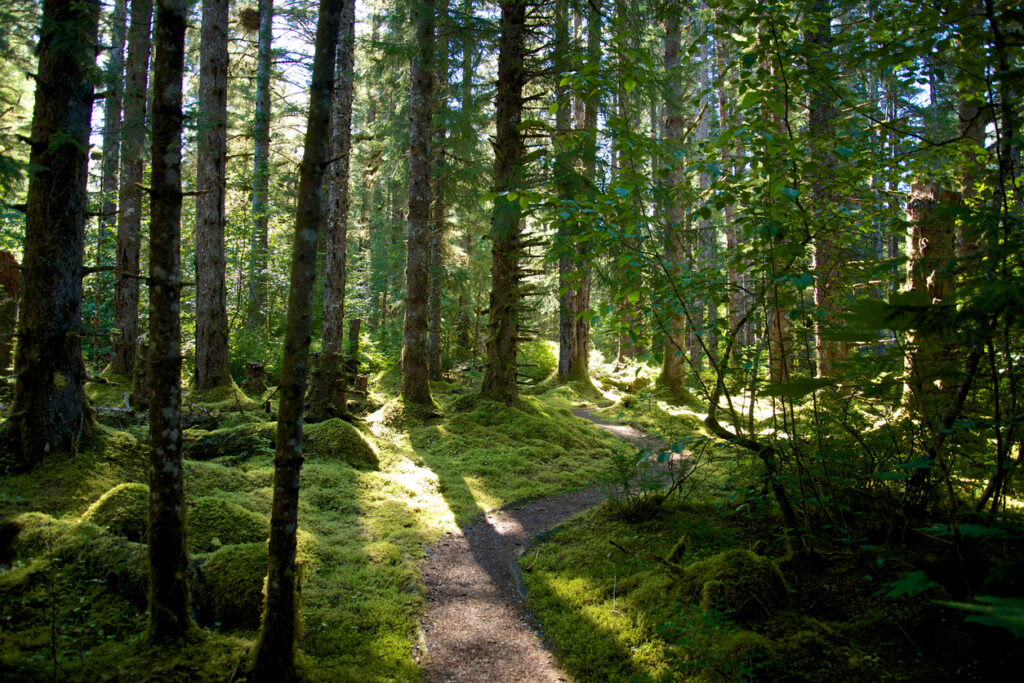
    Mossy forest trail surrounded by spruce trees near Monashka Bay on Kodiak Island, showing the quiet coastal rainforest scenery.
    A peaceful forest trail near Monashka Bay highlights the lush coastal rainforest that makes hiking on Kodiak Island so scenic.

    Monashka Bay offers some of the most beautiful coastal scenery on Kodiak Island, with rugged shorelines, forested hills, and sweeping views of the Pacific. Several trails in the area range from easy walks to more challenging hikes, giving visitors flexibility based on time and fitness level. Wildlife sightings are common, and the dramatic landscape makes this a favorite spot for photography. Even a short visit provides a refreshing escape into nature and a deeper appreciation for Kodiak’s wild, remote character. For tips, timing, and planning details, see my complete Monashka Bay hiking guide.

    Final Thoughts

    Kodiak offers a rare blend of rugged wilderness, rich cultural history, and welcoming small‑town charm, making it one of the most distinctive cruise ports in Alaska. This Kodiak Alaska Cruise Port Guide gives you a strong foundation for planning your day ashore, whether you’re drawn to wildlife encounters, WWII history, Indigenous heritage, or scenic coastal trails. With so many meaningful experiences located close to the port, it’s easy to shape your visit around your interests and pace. No matter how you spend your time, Kodiak delivers the kind of authentic Alaska moments that stay with you long after your cruise ends.

  • Hike Near Monashka Bay – Kodiak, Alaska

    Hike Near Monashka Bay – Kodiak, Alaska

    Mossy forest trail surrounded by spruce trees near Monashka Bay on Kodiak Island, showing the quiet coastal rainforest scenery.
    A peaceful forest trail near Monashka Bay highlights the lush coastal rainforest that makes hiking on Kodiak Island so scenic.

    Monashka Bay is one of Kodiak’s most scenic coastal areas, offering rugged shoreline views, forested trails, and a peaceful escape just north of town. The hikes near Monashka Bay range from easy coastal walks to more challenging routes that climb into the hills above the bay. With dramatic ocean scenery, spruce forests, and the chance to spot wildlife, this area is a favorite among locals and visitors alike.

    For cruise travelers, Monashka Bay is a great option if you want a nature‑focused outing that feels wild but is still close to town.

    Fun Facts

    • Monashka Bay sits just north of Mill Bay, a popular local recreation area.
    • The coastline features rocky beaches, tidepools, and dramatic cliffs.
    • Trails in the area pass through Sitka spruce forest, one of Kodiak’s signature landscapes.
    • The bay is known for sea otters, bald eagles, and occasional whale sightings.
    • Locals often visit for fishing, beachcombing, and sunset views.
    • The area offers access to several informal trails used by Kodiak residents.
    • On clear days, you can see wide ocean views stretching toward the Gulf of Alaska.
    • The road to Monashka Bay is one of the most scenic drives on the island.

    What to Expect During Your Visit

    Hiking near Monashka Bay typically involves forested paths, coastal viewpoints, and short spur trails that lead to rocky beaches. The terrain varies from easy to moderate, with some roots, mud, and uneven ground typical of Kodiak’s natural trails.

    Expect cool breezes, lush greenery, and plenty of photo opportunities. The area feels quiet and remote, even though it’s only a short drive from downtown.

    Most travelers spend 45–90 minutes exploring the trails and shoreline.

    Why It’s Worth Visiting

    Monashka Bay is perfect for travelers who want a peaceful, scenic hike without committing to a long or difficult trail. The views are stunning, the forest is beautiful, and the area feels authentically Kodiak — wild, coastal, and serene.

    Where It’s Located

    Monashka Bay is located about 6 miles north of downtown Kodiak, at the end of Monashka Bay Road.

    How to Get There From the Cruise Port

    • Taxi: The easiest option; about 15 minutes.
    • Car rental: Ideal if you want flexibility to explore multiple stops.
    • Bike: Possible but hilly; best for experienced cyclists.
    • Shuttle: Some independent tour operators include Monashka Bay in nature outings.

    Best Time to Visit

    • Morning offers calm light and fewer visitors.
    • Summer (June–August) provides the best trail conditions.
    • Fall (September) brings beautiful colors and crisp air.
    • Clear days offer the best ocean views.

    Tips for Visiting

    • Wear sturdy shoes — trails can be muddy after rain.
    • Bring layers — the coastline can be breezy.
    • Watch for sea otters near the shoreline.
    • Stay on established paths to protect vegetation.
    • Combine with a stop at Mill Bay Beach on the way back.
    • Bring a camera — the views are worth it.

    Common Complaints

    • Trails are informal and may not be well‑marked.
    • Mud is common after rain.
    • Limited parking at popular pull‑offs.
    • Weather can change quickly along the coast.

    Final Thoughts

    A hike near Monashka Bay is one of the most peaceful and scenic ways to experience Kodiak’s natural beauty. With forested trails, rugged coastline, and quiet ocean views, it’s a perfect outing for cruise travelers who want a taste of Alaska’s wild side.

    For more ideas to plan your day, explore my full guide to the top things to do in Kodiak.

  • Kodiak Maritime Museum & Thelma C Fishing Vessel – Kodiak, Alaska

    Kodiak Maritime Museum & Thelma C Fishing Vessel – Kodiak, Alaska

    Close‑up of weathered nautical rope, reflecting the maritime heritage of Kodiak’s working waterfront.
    Weathered nautical rope captures the rugged maritime character of Kodiak’s fishing community and the history preserved at the Kodiak Maritime Museum.

    The Kodiak Maritime Museum & Thelma C Fishing Vessel offers a powerful look at Kodiak’s fishing heritage and the people who have shaped the island’s maritime culture. Located along the downtown waterfront, this outdoor exhibit features the restored Thelma C, a historic commercial fishing boat that survived the 1964 Good Friday Earthquake and tsunami. Interpretive signs share stories of fishermen, local history, and the resilience of Kodiak’s maritime community.

    For cruise travelers, this is an easy, meaningful stop right along the harbor — perfect for photos, a short walk, and a deeper understanding of Kodiak’s fishing identity.

    Fun Facts

    • The Thelma C was built in 1965, shortly after the devastating 1964 earthquake and tsunami.
    • The vessel represents Kodiak’s commercial fishing legacy, one of the strongest in Alaska.
    • The museum focuses on maritime history, fishermen’s stories, and local boatbuilding traditions.
    • The exhibit is outdoors and self‑guided, making it easy to visit anytime.
    • The Thelma C was restored and placed on display as a tribute to Kodiak’s fishing families.
    • Kodiak is consistently one of the top fishing ports in the United States.
    • The museum also preserves oral histories from longtime fishermen and boat crews.
    • The exhibit sits along the St. Paul Harbor waterfront, making it a natural part of a harbor walk.

    What to Expect During Your Visit

    The exhibit features the Thelma C displayed on land, along with interpretive signs that explain the vessel’s history, the impact of the 1964 tsunami, and the importance of commercial fishing in Kodiak. Visitors can walk around the boat, read the stories, and take photos with the harbor and mountains in the background.

    It’s a quick, meaningful stop that adds depth to your understanding of Kodiak’s maritime culture.

    Most travelers spend 10–20 minutes here.

    Why It’s Worth Visiting

    This stop is perfect for travelers who want a deeper connection to Kodiak’s fishing heritage. It’s easy, scenic, and located right along the waterfront — and the story of the Thelma C adds emotional weight to the harbor experience.

    Where It’s Located

    The exhibit sits along the downtown Kodiak waterfront, near St. Paul Harbor.

    How to Get There From the Cruise Port

    • Walk: 5–10 minutes from the cruise dock.
    • Shuttle: Many cruise lines drop passengers near the harbor.
    • Taxi: Quick and convenient if you prefer not to walk.
    • Bike: Easy ride along the waterfront path.

    Best Time to Visit

    • Morning offers soft light for photos.
    • Midday is great for reading the interpretive signs.
    • Summer (June–August) provides the best weather for outdoor exhibits.
    • Clear days offer beautiful harbor views.

    Tips for Visiting

    • Bring a camera — the boat and harbor backdrop make great photos.
    • Combine with a walk along St. Paul Harbor for a scenic, easy outing.
    • Read the interpretive signs to understand the 1964 tsunami’s impact.
    • Pair with the Kodiak History Museum for a fuller historical picture.
    • Wear layers — the waterfront can be breezy.

    Common Complaints

    • It’s a small exhibit, so visits are brief.
    • Some visitors expect an indoor museum.
    • Weather can affect how long you want to stay.
    • Interpretive signs may vary in condition depending on the season.

    Final Thoughts

    The Kodiak Maritime Museum & Thelma C Fishing Vessel is a meaningful, easy stop along the downtown waterfront. With its powerful story, scenic setting, and connection to Kodiak’s fishing heritage, it’s a great addition to any cruise day itinerary.

    For more ideas to plan your day, explore my full guide to the top things to do in Kodiak.

  • Holy Resurrection Russian Orthodox Cathedral – Kodiak, Alaska

    Holy Resurrection Russian Orthodox Cathedral – Kodiak, Alaska

    Exterior view of the Holy Resurrection Russian Orthodox Cathedral in Kodiak, Alaska, featuring its traditional domes and coastal setting.
    The Holy Resurrection Russian Orthodox Cathedral stands as one of Kodiak’s most historic landmarks, reflecting the island’s deep Russian Orthodox heritage.

    Holy Resurrection Russian Orthodox Cathedral is one of Kodiak’s most iconic landmarks. With its white exterior, blue domes, and gold crosses, this historic church stands as a symbol of Kodiak’s Russian heritage and the deep spiritual traditions that have shaped the island for centuries. The cathedral is a peaceful, photogenic stop in the heart of downtown and remains an active place of worship for the local Orthodox community.

    For cruise travelers, the cathedral is an easy, meaningful stop just a short walk from the harbor. It’s a beautiful place to take photos, learn about Kodiak’s Russian history, and appreciate the island’s cultural diversity.

    Fun Facts

    • The cathedral is one of the oldest Orthodox parishes in North America.
    • The current building dates to 1945, replacing earlier structures lost to fire.
    • It houses historic icons, including some that survived the 1964 earthquake and tsunami.
    • The church reflects traditional Russian Orthodox architecture, with onion domes and ornate iconography.
    • Kodiak was once the capital of Russian America, making this site historically significant.
    • The cathedral is still an active parish, hosting regular services.
    • Many of the icons were hand‑painted in the traditional Byzantine style.
    • The church sits just steps from downtown shops and the waterfront.

    What to Expect During Your Visit

    Visitors can admire the cathedral from the outside, where the blue domes and gold crosses make for striking photos. When open, the interior features beautiful icons, candles, and traditional Orthodox artwork. The space is small but atmospheric, offering a quiet moment of reflection.

    Most travelers spend 10–20 minutes here, depending on whether the interior is open.

    Why It’s Worth Visiting

    The cathedral is perfect for travelers who enjoy architecture, history, or cultural landmarks. It’s one of the most photographed buildings in Kodiak and offers a meaningful connection to the island’s Russian past.

    Where It’s Located

    The cathedral is located in downtown Kodiak, close to the harbor and within walking distance of other major attractions.

    How to Get There From the Cruise Port

    • Walk: 10–12 minutes from the cruise dock.
    • Shuttle: Many cruise lines drop passengers near downtown.
    • Taxi: Quick and convenient if you prefer not to walk.
    • Bike: Easy ride from the port area.

    Best Time to Visit

    • Morning offers soft light for photos.
    • Midday is best for exterior visibility.
    • Summer (June–August) provides the most consistent open hours.
    • Sundays may offer a chance to hear the bells or see parish activity.

    Tips for Visiting

    • Be respectful if services are in progress.
    • Check the door for posted hours — interior access varies.
    • Bring a camera for the blue domes and gold crosses.
    • Combine with the Kodiak History Museum and Alutiiq Museum for a cultural trio.
    • Walk the nearby waterfront afterward for great views.

    Common Complaints

    • Interior hours can be unpredictable.
    • The church is small, so visits are brief.
    • Parking downtown can be limited.
    • Some visitors expect a larger cathedral.

    Final Thoughts

    Holy Resurrection Russian Orthodox Cathedral is one of Kodiak’s most beautiful and culturally significant landmarks. With its striking architecture and deep historical roots, it’s a must‑visit stop for cruise travelers exploring downtown Kodiak. For more ideas to plan your day, explore my full guide to the top things to do in Kodiak.

  • Wildlife or Bear‑Viewing Tour – Kodiak, Alaska

    Wildlife or Bear‑Viewing Tour – Kodiak, Alaska

    River and forest habitat on Kodiak Island, the type of natural environment where bears are often seen on guided viewing tours.
    Kodiak Island’s rivers and forests create ideal habitat for bears, making the region one of Alaska’s top destinations for guided bear‑viewing experiences.

    Kodiak is one of the best places in the world to see brown bears in their natural habitat. Wildlife and bear‑viewing tours take travelers into remote parts of the island — often by floatplane or boat — to observe bears feeding, roaming, and interacting in the wild. These tours offer unforgettable views of Kodiak’s rugged landscapes, salmon streams, and coastal ecosystems.

    For cruise travelers, a wildlife or bear‑viewing tour is a bucket‑list experience. It’s the most dramatic way to see Kodiak’s wilderness and its famous brown bears while learning from expert guides who prioritize safety and conservation.

    Fun Facts

    • Kodiak brown bears are among the largest bears on Earth, often weighing 800–1,200 pounds.
    • The Kodiak Archipelago is home to over 3,500 bears.
    • Many tours use floatplanes to reach remote viewing areas.
    • Bears gather at salmon streams in late summer for peak feeding.
    • Kodiak bears are a distinct subspecies of brown bear.
    • Some tours also spot whales, sea otters, eagles, and foxes.
    • Viewing areas are carefully managed to protect both bears and visitors.
    • Many guides are local experts with decades of experience.

    What to Expect During Your Visit

    Most bear‑viewing tours begin with a safety briefing before traveling by floatplane or boat to a remote part of the island. Once there, guides lead small groups to designated viewing areas near rivers, meadows, or coastal zones where bears are known to feed.

    Expect breathtaking scenery, quiet observation, and opportunities for incredible photography. Tours are designed to keep a safe distance while allowing visitors to watch bears behaving naturally.

    Most tours last 3–6 hours, depending on location and weather.

    Why It’s Worth Visiting

    A wildlife or bear‑viewing tour is one of the most unforgettable experiences in Alaska. It offers a rare chance to see Kodiak’s iconic brown bears in the wild, surrounded by dramatic landscapes. It’s perfect for photographers, nature lovers, and anyone seeking a once‑in‑a‑lifetime adventure.

    Where It’s Located

    Tours depart from Kodiak’s floatplane docks or harbor, depending on the operator and destination.

    How to Get There From the Cruise Port

    • Shuttle or tour transport: Most operators include pickup.
    • Taxi: Quick and easy if meeting at a floatplane dock.
    • Walk: Some departure points are within walking distance of downtown.
    • Car rental: Useful if you’re exploring independently.

    Best Time to Visit

    • July–September is peak bear‑viewing season during salmon runs.
    • Morning tours often offer calmer weather and better light.
    • Early fall brings beautiful colors and active wildlife.
    • June offers lush landscapes and good wildlife diversity.

    Tips for Visiting

    • Wear layers — weather can change quickly.
    • Bring a zoom lens if you enjoy photography.
    • Follow all guide instructions for safety.
    • Book early — tours often sell out on cruise days.
    • Expect floatplane weight limits if flying.
    • Bring binoculars for the best viewing experience.

    Common Complaints

    • Weather can delay or cancel flights.
    • Tours can be expensive due to remote access.
    • Wildlife sightings are never guaranteed.
    • Floatplane noise may surprise some travelers.

    Final Thoughts

    A wildlife or bear‑viewing tour is one of the most thrilling and memorable experiences in Kodiak. With expert guides, stunning scenery, and the chance to see Kodiak brown bears in the wild, it’s a must‑do adventure for cruise travelers.

    For more ideas to plan your day, explore my full guide to the top things to do in Kodiak.

  • Downtown Waterfront & St. Paul Harbor – Kodiak, Alaska

    Downtown Waterfront & St. Paul Harbor – Kodiak, Alaska

    Wide view of St. Paul Harbor in Kodiak, Alaska, with fishing boats and waterfront buildings along the downtown shoreline.
    St. Paul Harbor showcases Kodiak’s busy fishing fleet and the scenic waterfront that lines the downtown area.

    The Downtown Waterfront & St. Paul Harbor area is the heart of Kodiak’s maritime life. Fishing boats, colorful harbor views, and mountain‑backed scenery make this one of the most photogenic and easy‑to‑explore spots near the cruise port. Visitors can stroll the waterfront, watch boats come and go, browse local shops, and enjoy the relaxed pace of Kodiak’s working harbor.

    For cruise travelers, this is the easiest attraction to visit — it’s close, scenic, and gives you an authentic look at daily life on the island.

    Fun Facts

    • St. Paul Harbor is home to hundreds of commercial fishing vessels, from small boats to large crab boats.
    • Kodiak is one of the top fishing ports in the United States by volume and value.
    • The harbor sits beneath Pillar Mountain, a favorite local viewpoint.
    • Sea lions and sea otters are often spotted near the docks.
    • The waterfront is lined with local shops, cafés, and galleries.
    • The harbor is a major base for Alaska’s crab, salmon, and halibut fisheries.
    • Many boats here work in the Bering Sea, hundreds of miles away.
    • The area is one of the most walkable parts of Kodiak for cruise visitors.

    What to Expect During Your Visit

    The waterfront offers a peaceful, easy stroll with views of fishing boats, mountains, and the busy harbor. Visitors can walk the docks (where permitted), browse local shops, grab a coffee, or simply enjoy the scenery. Interpretive signs explain Kodiak’s fishing industry, and the harbor is a great place for photography.

    Most travelers spend 20–40 minutes here, though it’s easy to linger longer if you enjoy watching boats or browsing nearby shops.

    Why It’s Worth Visiting

    The Downtown Waterfront & St. Paul Harbor area is perfect for travelers who want a relaxed, scenic experience close to the cruise port. It’s authentic, easy to access, and offers great views, wildlife sightings, and a feel for Kodiak’s fishing culture.

    Where It’s Located

    The harbor sits in downtown Kodiak, just steps from shops, cafés, and other attractions.

    How to Get There From the Cruise Port

    • Walk: 5–10 minutes from the cruise dock.
    • Shuttle: Many cruise lines drop passengers near the harbor.
    • Taxi: Quick and convenient if you prefer not to walk.
    • Bike: Easy ride along the waterfront.

    Best Time to Visit

    • Morning offers calm water and great light for photos.
    • Midday is lively with fishing activity.
    • Summer (June–August) provides the best weather and open shops.
    • Evening brings beautiful golden light on the harbor.

    Tips for Visiting

    • Bring a camera — the boats and mountains make great photos.
    • Watch for sea lions and sea otters near the docks.
    • Browse local shops for Kodiak‑made art and gifts.
    • Grab a coffee or snack from nearby cafés.
    • Combine with the Kodiak History Museum or Alutiiq Museum, both within walking distance.

    Common Complaints

    • Weather can be windy or rainy along the waterfront.
    • Some docks are restricted to working vessels.
    • Parking can be limited on busy days.
    • The area feels small if you’re expecting a large boardwalk.

    Final Thoughts

    The Downtown Waterfront & St. Paul Harbor area is one of the easiest and most scenic places to explore in Kodiak. With colorful boats, mountain views, and a relaxed maritime atmosphere, it’s a perfect stop for cruise travelers looking to experience the heart of the island.

    For more ideas to plan your day, explore my full guide to the top things to do in Kodiak.

  • Kodiak Fisheries Research Center Aquarium & Touch Tank – Kodiak, Alaska

    Kodiak Fisheries Research Center Aquarium & Touch Tank – Kodiak, Alaska

    Hand gently holding a kelp crab at an educational marine touch tank in Kodiak, Alaska.
    A kelp crab offers a close look at the unique marine life found in Kodiak’s coastal waters during a visit to the aquarium’s touch tank.

    The Kodiak Fisheries Research Center Aquarium & Touch Tank is one of the most engaging and kid‑friendly attractions on the island. This small but fascinating aquarium highlights the marine life of Kodiak’s cold‑water ecosystem, with tanks featuring starfish, anemones, crabs, fish, and other species found in local waters. The touch tank is the star of the show, giving visitors a chance to gently interact with tidepool creatures.

    For cruise travelers, this is an easy, quick, high‑value stop close to downtown. It’s perfect for families, marine‑life lovers, and anyone curious about Kodiak’s underwater world.

    Fun Facts

    • The aquarium is part of the Kodiak Fisheries Research Center, which studies Alaska’s marine ecosystems.
    • The touch tank features live tidepool species like sea stars, hermit crabs, and sea cucumbers.
    • Many displays highlight the commercial fishing industry, a major part of Kodiak’s economy.
    • The center focuses on species found in Kodiak’s cold, nutrient‑rich waters.
    • The building overlooks Near Island Channel, offering beautiful waterfront views.
    • Staff and volunteers often share insights about local marine research.
    • The aquarium is small but highly interactive, making it great for kids.
    • It’s one of the easiest indoor attractions to visit near the harbor.

    What to Expect During Your Visit

    Inside the aquarium, you’ll find several tanks showcasing local marine species, along with educational displays about fisheries, ocean health, and Kodiak’s marine environment. The touch tank is the highlight, allowing visitors to gently handle tidepool creatures under staff guidance.

    The space is bright, clean, and easy to explore at your own pace. It’s small, so the experience is quick but memorable — especially for families.

    Most visitors spend 15–30 minutes here.

    Why It’s Worth Visiting

    This aquarium is perfect for travelers who want a hands‑on, educational experience that’s close to the cruise port. It’s fun, interactive, and offers a unique look at the marine life that supports Kodiak’s fishing industry and coastal ecosystem.

    Where It’s Located

    The aquarium is located on Near Island, just across the bridge from downtown Kodiak.

    How to Get There From the Cruise Port

    • Taxi: The quickest option; about 5 minutes.
    • Shuttle: Some tours include Near Island stops.
    • Walk: About 20–25 minutes, including the bridge crossing.
    • Bike: A scenic and easy ride from the harbor.

    Best Time to Visit

    • Morning offers quieter tanks and better lighting.
    • Rainy days are ideal — it’s fully indoors.
    • Summer (June–August) provides the fullest hours and staff availability.
    • Midday is great for families with kids.

    Tips for Visiting

    • Bring kids — the touch tank is a hit with families.
    • Ask staff about local marine research happening on Near Island.
    • Combine with a walk on the Near Island Trails for a nature‑plus‑aquarium outing.
    • Take photos of the waterfront views outside the building.
    • Check hours in advance; they can vary by season.

    Common Complaints

    • The aquarium is small, so visits are short.
    • Hours can be limited outside summer.
    • Some tanks rotate species, so displays may vary.
    • Parking can be tight during busy times.

    Final Thoughts

    The Kodiak Fisheries Research Center Aquarium & Touch Tank is a fun, interactive stop that gives travelers a closer look at Kodiak’s marine life. With hands‑on exhibits and easy access from downtown, it’s a great addition to any cruise day itinerary.

    For more ideas to plan your day, explore my full guide to the top things to do in Kodiak.

  • Alutiiq Museum & Archaeological Repository – Kodiak, Alaska

    Alutiiq Museum & Archaeological Repository – Kodiak, Alaska

    Moss‑covered forest floor on Kodiak Island with a mix of sunlit and shaded areas.
    The mossy forest floor reflects the natural landscapes that have shaped Alutiiq culture and history across Kodiak Island.

    The Alutiiq Museum & Archaeological Repository is one of Kodiak’s most important cultural institutions. This award‑winning museum preserves and shares the history, language, and traditions of the Alutiiq/Sugpiaq people — the Indigenous community that has lived on Kodiak Island for more than 7,500 years. Exhibits highlight ancient tools, ceremonial objects, clothing, artwork, and archaeological discoveries that reveal the depth and resilience of Alutiiq culture.

    For cruise travelers, the museum is an easy, high‑impact stop in downtown Kodiak. It’s the best place to understand the island’s Indigenous heritage and how Alutiiq traditions continue to shape life on Kodiak today.

    Fun Facts

    • The museum holds over 250,000 artifacts, including tools, masks, and archaeological materials.
    • Kodiak’s Alutiiq people have lived on the island for more than 7,500 years.
    • The museum opened in 1995 and is both a cultural center and a working research facility.
    • Exhibits include kayak models, hunting tools, ceremonial items, and ancient carvings.
    • The museum preserves the Alutiiq language, offering classes and revitalization programs.
    • Archaeologists continue to uncover new sites across Kodiak Island.
    • The museum’s collections include items recovered after the 1964 earthquake and tsunami.
    • It is one of the few museums in Alaska dedicated entirely to a single Indigenous culture.

    What to Expect During Your Visit

    Inside the museum, you’ll find beautifully curated exhibits that highlight Alutiiq history, daily life, and spiritual traditions. Displays include ancient tools, clothing replicas, artwork, and archaeological finds that tell the story of a maritime culture deeply connected to the land and sea.

    Interactive elements, videos, and bilingual signage make the experience accessible and engaging. The museum is compact but rich in detail, and staff are known for being warm, knowledgeable, and eager to answer questions.

    Most visitors spend 20–40 minutes here.

    Why It’s Worth Visiting

    The Alutiiq Museum is perfect for travelers who want a deeper, more authentic understanding of Kodiak. It offers cultural context you won’t find anywhere else and adds meaning to every other stop on the island — from beaches and trails to historic sites and wildlife encounters.

    Where It’s Located

    The museum is located in downtown Kodiak, close to the harbor and within walking distance of other major attractions.

    How to Get There From the Cruise Port

    • Walk: 10–15 minutes from the cruise dock.
    • Shuttle: Some cruise lines drop passengers near downtown.
    • Taxi: Quick and convenient if you prefer not to walk.
    • Bike: Easy ride from the port area.

    Best Time to Visit

    • Morning offers quieter galleries and more time to browse.
    • Rainy days are ideal — the entire experience is indoors.
    • Summer (June–August) provides the fullest hours and programs.
    • Fall (September) brings fewer crowds and a relaxed pace.

    Tips for Visiting

    • Take time to read the bilingual signage — it highlights the Alutiiq language.
    • Combine with the Kodiak History Museum for a complete cultural picture.
    • Ask staff about current archaeological projects on the island.
    • Check the gift shop for locally made Alutiiq art and jewelry.
    • Bring kids — the museum is small, interactive, and easy to navigate.

    Common Complaints

    • The museum is small, so visits may feel brief.
    • Some artifacts rotate, so exhibits may vary.
    • Hours can be limited outside summer.
    • Parking downtown can be tight on busy days.

    Final Thoughts

    The Alutiiq Museum & Archaeological Repository is one of the most meaningful cultural stops in Kodiak. With beautifully curated exhibits and deep historical insight, it’s a must‑visit for cruise travelers who want to understand the island’s Indigenous heritage.

    For more ideas to plan your day, explore my full guide to the top things to do in Kodiak.

  • Kodiak History Museum – Kodiak, Alaska

    Kodiak History Museum – Kodiak, Alaska

    Close‑up of weathered brown‑gray wooden boards with rustic grain and natural texture.
    Weathered wood textures echo the historic character of Kodiak’s past and the heritage preserved at the Kodiak History Museum.

    The Kodiak History Museum offers a deep, engaging look at Kodiak’s past through exhibits on Russian settlement, the fishing industry, the 1964 earthquake, and the island’s diverse cultural heritage. Housed in the historic Russian‑American Magazin — one of the oldest buildings in Alaska — the museum blends architecture, artifacts, and storytelling in a way that feels personal and immersive.

    For cruise travelers, this is an easy, high‑value stop in downtown Kodiak. It’s the perfect place to understand the island’s layered history before exploring its trails, beaches, and cultural sites.

    Fun Facts

    • The museum is located in the Russian‑American Magazin, built in the early 1800s.
    • It’s one of the oldest wooden buildings in Alaska still standing.
    • Exhibits cover Russian colonial history, the Alutiiq people, and Kodiak’s fishing heritage.
    • The building survived the 1964 Good Friday Earthquake and tsunami.
    • The museum was once known as the Baranov Museum before rebranding.
    • Displays include historic photos, tools, household items, and maritime artifacts.
    • The museum highlights Kodiak’s role in the fur trade, especially sea otter pelts.
    • Rotating exhibits often feature local artists and community stories.

    What to Expect During Your Visit

    Inside the museum, you’ll find thoughtfully curated exhibits that walk you through Kodiak’s cultural and economic history. Rooms are arranged to highlight different eras — from Russian colonization to modern fishing life. The building itself is part of the experience, with creaking floors, thick beams, and preserved architectural details.

    Expect a mix of artifacts, photographs, interactive displays, and personal stories. The museum is compact but rich in detail, making it easy to explore at your own pace.

    Most visitors spend 20–40 minutes here.

    Why It’s Worth Visiting

    The Kodiak History Museum is perfect for travelers who want a deeper understanding of the island’s past. It’s quiet, accessible, and full of stories that bring Kodiak’s culture to life. It also pairs beautifully with the Alutiiq Museum for a fuller picture of the island’s heritage.

    Where It’s Located

    The museum sits in downtown Kodiak, close to the harbor, shops, and cafés.

    How to Get There From the Cruise Port

    • Walk: 10–15 minutes from the cruise dock.
    • Shuttle: Some cruise lines drop passengers near downtown.
    • Taxi: Quick and convenient if you prefer not to walk.
    • Bike: Easy ride from the port area.

    Best Time to Visit

    • Morning offers quieter galleries and better photo opportunities.
    • Rainy days are ideal — the entire experience is indoors.
    • Summer (June–August) provides the fullest hours and rotating exhibits.
    • Fall (September) brings fewer crowds.

    Tips for Visiting

    • Take time to explore the building itself — it’s a historic landmark.
    • Combine with the Alutiiq Museum for a deeper cultural perspective.
    • Bring kids — the museum is small and easy to navigate.
    • Check for rotating exhibits featuring local artists.
    • Ask staff for recommendations on other historic sites nearby.

    Common Complaints

    • The museum is small, so visits may feel brief.
    • Some exhibits rotate, so not everything is always on display.
    • Hours can vary by season.
    • Parking downtown can be limited on busy days.

    Final Thoughts

    The Kodiak History Museum is a meaningful, easy stop for cruise travelers who want to understand the island’s past. With its historic building, engaging exhibits, and central location, it’s a must‑visit for anyone exploring Kodiak. For more ideas to plan your day, explore my full guide to the top things to do in Kodiak.

  • Fort Abercrombie State Historical Park – Kodiak, Alaska

    Fort Abercrombie State Historical Park – Kodiak, Alaska

    Scenic view of Fort Abercrombie State Historical Park on Kodiak Island, featuring coastal forest and rugged Alaska Peninsula landscape.
    Fort Abercrombie State Historical Park blends Kodiak’s rugged coastal scenery with rich World War II history, making it one of the island’s most scenic places to explore.

    Fort Abercrombie State Historical Park is one of Kodiak’s most beautiful and historically significant places. This coastal park blends dramatic cliffs, WWII military ruins, forested trails, and sweeping views of the Pacific. It’s a peaceful, scenic escape that also tells the story of Kodiak’s role in World War II.

    For cruise travelers, the park is an easy, rewarding stop that offers nature, history, and photography all in one place. Whether you want a short walk, a longer hike, or a look at historic bunkers, Fort Abercrombie delivers a classic Kodiak experience.

    Fun Facts

    • The park preserves World War II coastal defense structures, including bunkers and gun emplacements.
    • Fort Abercrombie was part of the first U.S. coastal defense system built after the attack on Pearl Harbor.
    • The cliffs offer some of the best ocean views on Kodiak Island.
    • The park is home to Sitka spruce forest, coastal meadows, and rugged shoreline.
    • Wildlife sightings may include bald eagles, foxes, sea lions, and whales offshore.
    • The area is popular for photography, especially at sunrise and sunset.
    • The park covers over 180 acres of protected land.
    • It’s one of the most visited state parks in Alaska.

    What to Expect During Your Visit

    Fort Abercrombie offers a mix of forested trails, open meadows, and dramatic coastal cliffs. Visitors can explore WWII bunkers, walk along quiet paths, or take in sweeping ocean views from the bluffs. The trails are well‑maintained and range from easy to moderate, making the park accessible for most travelers.

    The combination of history and scenery makes this one of the most atmospheric places on Kodiak. Expect cool breezes, lush greenery, and plenty of photo opportunities.

    Most travelers spend 45–90 minutes here.

    Why It’s Worth Visiting

    Fort Abercrombie is perfect for travelers who want a blend of nature, history, and coastal scenery. The WWII ruins add depth, the trails are peaceful, and the ocean views are some of the best on the island. It’s an easy, high‑value stop close to town.

    Where It’s Located

    The park is located about 4 miles north of downtown Kodiak, along the coastal cliffs.

    How to Get There From the Cruise Port

    • Taxi: The quickest option; about 10 minutes.
    • Shuttle: Some tours include transportation.
    • Car rental: Ideal if you want to explore multiple stops.
    • Bike: A scenic ride, though hilly in sections.

    Best Time to Visit

    • Morning offers calm light and fewer visitors.
    • Summer (June–August) provides the best trail conditions.
    • Fall (September) brings beautiful colors in the spruce forest.
    • Clear days offer the best ocean views.

    Tips for Visiting

    • Wear sturdy shoes — trails can be muddy after rain.
    • Bring a camera for cliffside views and wildlife.
    • Explore the WWII bunkers for a unique historical angle.
    • Watch for whales offshore on calm days.
    • Dress in layers — the coastline can be breezy.
    • Combine with a visit to the Kodiak National Wildlife Refuge Visitor Center for context.

    Common Complaints

    • Trails can be muddy or slippery.
    • Some WWII structures are dark or damp inside.
    • Weather changes quickly along the coast.
    • Parking can fill on sunny days.

    Final Thoughts

    Fort Abercrombie State Historical Park is one of Kodiak’s most scenic and meaningful places to explore. With dramatic cliffs, peaceful trails, and WWII history, it’s a must‑visit stop for cruise travelers looking to experience Kodiak’s wild beauty.

    For more ideas to plan your day, explore my full guide to the top things to do in Kodiak.

  • Kodiak National Wildlife Refuge Visitor Center – Kodiak, Alaska

    Kodiak National Wildlife Refuge Visitor Center – Kodiak, Alaska

    Large bear paw print pressed into a muddy trail surface
    A fresh bear track in the mud hints at the incredible wildlife that roams the Kodiak National Wildlife Refuge.

    The Kodiak National Wildlife Refuge Visitor Center is the best place to begin your visit to Kodiak. Located in downtown Kodiak, this beautifully designed center introduces travelers to the island’s wildlife, landscapes, and Native Alutiiq culture. Exhibits highlight Kodiak’s famous brown bears, the island’s rugged terrain, and the conservation efforts that protect this remote ecosystem.

    For cruise travelers, the visitor center is an easy, high‑value stop close to the port. It’s the perfect way to understand Kodiak’s wildlife and history before exploring the island’s trails, beaches, and cultural sites.

    Fun Facts

    • The Kodiak National Wildlife Refuge protects over 1.9 million acres of wilderness across Kodiak, Uganik, Ban, and Afognak Islands.
    • Kodiak brown bears are among the largest bears in the world, often weighing over 1,000 pounds.
    • The refuge was established in 1941 to protect Kodiak’s brown bear population.
    • The visitor center features a full‑size brown bear mount, one of its most popular exhibits.
    • Exhibits highlight the island’s Alutiiq culture, including traditional tools and artwork.
    • The refuge is home to 250+ species of birds, including puffins and bald eagles.
    • Kodiak’s remote wilderness includes fjords, mountains, rivers, and dense spruce forests.
    • The center offers ranger programs, films, and hands‑on educational displays.

    What to Expect During Your Visit

    Inside the visitor center, you’ll find immersive exhibits that showcase Kodiak’s wildlife, landscapes, and cultural history. The highlight is the massive brown bear display, which gives visitors a sense of the size and power of Kodiak’s most famous resident.

    Interactive exhibits explain how bears live, how salmon shape the ecosystem, and how the refuge protects wildlife. Short films offer a deeper look at Kodiak’s wilderness and the people who call the island home. The center is bright, modern, and easy to explore at your own pace.

    Most visitors spend 20–40 minutes here.

    Why It’s Worth Visiting

    The visitor center is perfect for travelers who want a meaningful introduction to Kodiak’s wildlife and culture. It’s indoors, accessible, and packed with information that enhances every other stop on the island. Families, photographers, and wildlife lovers especially enjoy the exhibits.

    Where It’s Located

    The visitor center is located in downtown Kodiak, close to shops, cafés, and the harbor.

    How to Get There From the Cruise Port

    • Walk: 10–15 minutes from the cruise dock.
    • Shuttle: Some cruise lines offer a short shuttle to downtown.
    • Taxi: Quick and convenient if you prefer not to walk.
    • Bike: Easy ride from the port area.

    Best Time to Visit

    • Morning offers quieter exhibits and better photo opportunities.
    • Rainy days are ideal — the entire experience is indoors.
    • Summer (June–August) provides the fullest schedule of ranger programs.
    • Fall (September) brings fewer crowds and a relaxed atmosphere.

    Tips for Visiting

    • Don’t miss the brown bear exhibit — it’s a favorite for photos.
    • Watch the short films for a deeper understanding of Kodiak’s wildlife.
    • Combine with a visit to the Alutiiq Museum, just a short walk away.
    • Bring kids — the hands‑on displays are great for families.
    • Ask rangers for current wildlife viewing tips around the island.

    Common Complaints

    • The center is small, so visits may feel brief.
    • Hours can vary by season.
    • Some visitors expect more bear‑specific exhibits.
    • Ranger programs may not run daily.

    Final Thoughts

    The Kodiak National Wildlife Refuge Visitor Center is the perfect starting point for exploring Kodiak. With engaging exhibits, cultural insights, and a dramatic introduction to the island’s wildlife, it’s a must‑visit stop for cruise travelers.

    For more ideas to plan your day, explore my full guide to the top things to do in Kodiak.

error: Content is protected !!