Tag: cruise port guides

  • St. Thomas Cruise Port Guide – Top Things to Do for Cruise Travelers

    St. Thomas Cruise Port Guide – Top Things to Do for Cruise Travelers

    scenic view of St. Thomas with turquoise water, green hills, and Caribbean islands in the distance
    Caribbean, St Thomas US Virgin Islands. Panoramic view.

    St. Thomas is one of the Caribbean’s most popular and convenient cruise stops, and this St. Thomas cruise port guide highlights the best beaches, viewpoints, and easy excursions for your day ashore. The island makes it simple to plan a relaxing beach visit, a bit of shopping, a scenic island tour, or even a quick ferry ride to St. John. With so many attractions close to the port and plenty of options for both DIY and guided experiences, St. Thomas is a favorite for cruisers who want beauty, variety, and an easy day to customize.

    If you’re deciding how to spend your port day, these top things to do in St. Thomas are a great place to start.

    1. Magens Bay Beach

    Scenic view of Magens Bay Beach in St. Thomas with calm turquoise water and surrounding green hills
    A beautiful view of Magens Bay Beach in St. Thomas, known for its calm water, soft sand, and stunning Caribbean scenery.

    Magens Bay is one of the most iconic beaches in the Caribbean. The calm turquoise water and soft white sand make it perfect for swimming and relaxing. The bay is protected, so the water stays smooth and easy for families or anyone who wants a simple beach day. You’ll find restrooms, chair rentals, food stands, and shaded areas, which makes it one of the most convenient beaches for cruisers. It can get busy on peak cruise days, but the beauty of the bay always stands out. Whether you want to swim, sunbathe, or enjoy the scenery, Magens Bay delivers a classic Caribbean experience. You can read the full Magens Bay Beach guide here.

    2. Sapphire Beach

    Clear turquoise water and white sand at Sapphire Beach in St. Thomas with views of nearby islands
    A beautiful view of Sapphire Beach in St. Thomas, known for its clear water, steady breezes, and easy from‑shore snorkeling.

    Sapphire Beach is a beautiful spot with clear water, soft sand, and steady breezes that keep the beach comfortable. Snorkeling is excellent here, with coral and fish close to shore, so you don’t need a tour to see marine life. The beach has chair rentals, restrooms, and food options, which makes it easy for cruisers to spend a full day. Views of St. John and nearby cays give the beach a postcard feel, and the open shoreline makes it great for photos. Sapphire has a lively but relaxed atmosphere, so it works well for couples, families, or anyone who wants a scenic beach without heavy crowds. You can read the full Sapphire Beach guide here.

    3. Coki Beach & Coral World Ocean Park

    Coki Point Beach in St. Thomas with clear turquoise water and Thatch Cay island in the background.
    Clear turquoise water and views of Thatch Cay create the classic scene at Coki Point Beach.

    Coki Beach is known for its clear water and excellent from‑shore snorkeling. Fish gather close to the rocks, so you can see plenty of marine life without going far. The beach has a lively vibe with music, food vendors, and chair rentals. Right next door is Coral World Ocean Park, where you can explore marine exhibits or book interactive experiences like sea lion encounters. This area is great for families or cruisers who want a mix of beach time and activities. You can spend the morning snorkeling and the afternoon exploring Coral World, all in one easy location. You can read the full Coki Beach & Coral World guide here.

    4. Mountain Top

    Panoramic view of Magens Bay from Mountain Top in St. Thomas, USVI
    A sweeping view of Magens Bay from Mountain Top, one of the most famous overlooks in St. Thomas.

    Mountain Top is one of the best viewpoints in St. Thomas. From the deck, you can see Magens Bay, the surrounding hills, and even the British Virgin Islands on a clear day. The overlook sits inside a large shopping area, so it’s an easy stop on any island tour. Visitors often try the famous banana daiquiri, which originated here. The views are the main draw, and they make this a great spot for photos. Mountain Top pairs well with other attractions like Drake’s Seat or Magens Bay, and it’s a quick stop that adds a scenic highlight to your day. You can read the full Mountain Top guide here.

    5. Drake’s Seat

    Scenic overlook of Magens Bay from Drake’s Seat in St. Thomas, USVI
    Scenic overlook of Magens Bay from Drake’s Seat in St. Thomas, USVI

    Drake’s Seat is a small overlook with one of the best views of Magens Bay. It’s a quick stop, but the scenery is stunning. You’ll see rolling hills, bright blue water, and a perfect angle for photos. The spot is tied to local legend, as it’s said Sir Francis Drake once watched for ships from this hill. Because it’s easy to reach, many island tours include it, and taxis often stop here on the way to Magens Bay. It’s not a long visit, but it’s a classic St. Thomas viewpoint that gives you a beautiful look at the island. You can read the full Drake’s Seat guide here.

    6. Charlotte Amalie Historic District

    Colorful waterfront view of Charlotte Amalie in St. Thomas with historic buildings and harbor scenery
    Colorful waterfront buildings and scenic harbor views showcase the charm of Charlotte Amalie.

    Charlotte Amalie blends Caribbean charm with Danish history. The town has colorful buildings, narrow alleyways, and historic sites like Fort Christian and the 99 Steps. It’s also one of the best places in the Caribbean for duty‑free shopping, with jewelry stores, boutiques, and local vendors along the waterfront. The area is walkable and lively, which makes it a great option for cruisers who want to explore without going far from the port. You can shop, take photos, or enjoy a relaxed stroll through the historic streets. Charlotte Amalie offers a nice mix of culture, history, and convenience. You can read the full Charlotte Amalie Historic District guide here.

    7. Skyride to Paradise Point

    Cable cars rising above Charlotte Amalie Harbor on the Skyride to Paradise Point in St. Thomas
    The Skyride to Paradise Point offers sweeping views of Charlotte Amalie from a smooth, scenic cable car ride.

    The Skyride to Paradise Point is a fun way to see St. Thomas from above. The gondola takes you up the hillside to a viewpoint overlooking the harbor and cruise ships. At the top, you’ll find shops, drinks, and plenty of space to enjoy the scenery. Many visitors try the famous Bushwacker cocktail while taking in the view. The ride is smooth and easy, which makes it a good choice for families or anyone who wants a simple activity with great photo opportunities. Paradise Point is especially pretty when multiple ships are in port. You can read the full Skyride to Paradise Point guide here.

    8. Day Trip to St. John

    Panoramic look at Trunk Bay’s bright turquoise water and soft white sand on St. John in the US Virgin Islands.
    Panoramic look at Trunk Bay’s bright turquoise water and soft white sand on St. John in the US Virgin Islands.

    A day trip to St. John is one of the best ways to see the Virgin Islands’ most beautiful beaches. The ferry ride is short and scenic, and once you arrive, you can explore Trunk Bay, Cinnamon Bay, or Maho Bay. The island has a quiet, natural feel, with much of it protected as national park land. Visitors can snorkel, hike, or simply relax on the soft sand. St. John is perfect for cruisers who want a peaceful escape with stunning scenery. It’s an easy and rewarding way to spend your port day. You can read the full Day Trip to St. John post here.

    9. Lindquist Beach (Smith Bay Park)

    Bright turquoise water and soft white sand at Lindquist Beach in Smith Bay Park, St. Thomas
    Bright turquoise water and soft white sand give Lindquist Beach its peaceful, natural feel.

    Lindquist Beach is one of the most naturally beautiful spots on St. Thomas, with bright turquoise water, soft white sand, and a peaceful, undeveloped shoreline inside Smith Bay Park. The beach feels wide open and calm, making it perfect for families, photographers, and anyone who wants a quiet escape with postcard‑worthy views. Its protected setting keeps the water clear and the atmosphere relaxed, offering a refreshing break from the busier east‑end beaches. You can read the full guide to Lindquist Beach here.

    10. Honeymoon Beach – Water Island

    Water Island offers a peaceful escape just minutes from St. Thomas, with Honeymoon Beach delivering calm turquoise water, soft sand, and a relaxed island vibe perfect for a low‑stress beach day. It’s an easy mini‑adventure for cruisers who want quiet scenery, gentle waves, and a simple place to unwind without crowds or long travel times. You can read the full guide to Water Island & Honeymoon Beach here.

    Final Thoughts

    St. Thomas offers an easy and flexible day for cruisers, with beaches, shopping, and scenic views all close to the St. Thomas cruise port. Whether you want a quiet stretch of sand, a quick island tour, or a ferry ride to St. John, the island makes it simple to plan the day that fits your style. With so many options within a short drive of the port, St. Thomas remains one of the most convenient and enjoyable cruise stops in the Caribbean.

  • Kingston Cruise Port Guide: Top Things to Do for Cruise Travelers

    Kingston Cruise Port Guide: Top Things to Do for Cruise Travelers

    Kingston’s Jamestown area sits along the historic waterfront near Downtown Kingston, giving cruise visitors a gateway into Jamaica’s cultural capital. The port blends colonial history with modern city energy, offering quick access to museums, food spots, and iconic landmarks. While Kingston is more urban than Jamaica’s northern ports, it delivers some of the island’s richest cultural and historical experiences. From music heritage to waterfront forts and scenic gardens, there’s plenty to explore when your ship docks here.

    Do Cruise Ships Visit Kingston?

    Kingston isn’t a major cruise port, and only a small number of ships visit each year. The Jamestown area is primarily a commercial shipping port, so cruise calls are far less frequent than Jamaica’s northern ports like Montego Bay, Ocho Rios, and Falmouth. When ships do stop in Kingston, it’s usually part of a specialty itinerary or a one‑off cultural sailing. That said, Kingston offers some of Jamaica’s most meaningful historical and cultural attractions, making it a unique stop for travelers who want to explore beyond the typical resort areas. If your itinerary includes Kingston, you’ll have access to museums, heritage sites, and authentic local experiences you won’t find elsewhere on the island.

    Top Things to Do in Kingston, Jamaica

    1. Bob Marley Museum

    Vinyl record spinning on a retro turntable, symbolizing Jamaica’s rich musical heritage
    A vintage vinyl record playing on a retro turntable, reflecting the timeless influence of Jamaican music and culture.

    The Bob Marley Museum is one of Kingston’s most iconic attractions, located at the reggae legend’s former home and recording studio. Guided tours walk you through Marley’s life, music, and legacy, with original furnishings, memorabilia, and stories from his time at the property. It’s a meaningful stop for music lovers and anyone curious about Jamaica’s cultural roots. The museum is about 20–30 minutes from the port, depending on traffic, and offers a deep, authentic look at Marley’s impact on the world.

    Curious to learn more about the Bob Marley Museum? Check out my full Bob Marley Museum guide.

    2. Devon House

    Historic Caribbean-style house with lush gardens, representing the cultural setting of Devon House in Kingston
    A historic Caribbean-style home surrounded by tropical gardens, reflecting the charm and heritage of Devon House.

    Devon House is a beautifully preserved 19th‑century mansion known for its architecture, gardens, and famous ice cream. Visitors can tour the historic home, browse artisan shops, and enjoy local food in a relaxed courtyard setting. It’s a peaceful escape from the busy city and a great place to experience Jamaican heritage. The grounds are perfect for photos, and the ice cream shop is a must‑try for anyone visiting Kingston. It’s an easy stop from the port and works well for families or travelers looking for a slower-paced outing.

    Curious to learn more about the Devon House? Check out my full Devon House Guide.

    3. Emancipation Park

    Tropical park walkway lined with palm trees and landscaped gardens, reflecting the peaceful atmosphere of Emancipation Park in Kingston
    A tropical walkway surrounded by palm trees and lush gardens, capturing the calm, scenic beauty of Emancipation Park.

    Emancipation Park is a green oasis in the heart of Kingston, known for its walking paths, sculptures, and peaceful atmosphere. The park’s centerpiece statue, “Redemption Song,” celebrates Jamaican freedom and resilience. Visitors can stroll the landscaped grounds, relax under shaded trees, or take photos of the park’s striking artwork. It’s a great option if you want a calm, scenic break from the city’s bustle. The park is free to enter and located about 15–20 minutes from the cruise port.

    Curious to learn more about Emancipation Park? Check out my full Emancipation Park Guide.

    The National Gallery of Jamaica showcases the island’s most important art, from early colonial pieces to contemporary works. Exhibits highlight Jamaican culture, identity, and history through paintings, sculptures, and mixed‑media installations. It’s one of the best places to understand Jamaica’s artistic evolution and is conveniently located near the waterfront, making it an easy excursion from the port. The gallery is quiet, air‑conditioned, and perfect for travelers who enjoy museums or want a deeper cultural experience.

    Curious to learn more about the National Gallery of Jamaica? Check out my full National Gallery of Jamaica guide.

    5. Port Royal

    Quiet street scene in the Port Royal neighborhood of Kingston, reflecting the historic seaside character of the area
    A peaceful neighborhood street in Port Royal, showcasing the historic charm and coastal atmosphere of this former 17th‑century port town.

    Port Royal is one of Jamaica’s most fascinating historical sites, once known as the “wickedest city on earth” during the pirate era. Visitors can explore Fort Charles, walk through old naval structures, and learn about the 1692 earthquake that reshaped the area. The waterfront views are beautiful, and guided tours bring the history to life. Port Royal is close to the cruise port, making it an easy half‑day adventure for history lovers and families.

    Curious to learn more about Port Royal? Check out my full Port Royal guide.

    6. Fort Charles

    Historic stone fort walls overlooking Kingston Harbour, representing the heritage of Fort Charles in Port Royal
    Stone walls and harbor views at Fort Charles, showcasing the historic charm and maritime past of Port Royal.

    Fort Charles is the main attraction within Port Royal and offers a detailed look at Jamaica’s military and maritime past. Visitors can walk through the fort’s stone corridors, climb lookout points, and explore the famous “Giddy House,” a tilted building created by the 1907 earthquake. The site provides great photo opportunities and a unique perspective on Jamaica’s colonial history. It’s a short drive from the port and pairs well with a visit to the wider Port Royal area.

    Curious to learn more about Fort Charles? Check out my full Fort Charles guide.

    7. Hope Botanical Gardens

    Pair of Yellow‑billed Parrots perched on a branch, playfully squabbling in a natural setting at Hope Gardens in Jamaica
    A pair of Yellow‑billed Parrots perched on a branch at Hope Gardens, adding a lively touch of Jamaican wildlife to this peaceful Kingston attraction.

    Hope Botanical Gardens is the largest public green space in the Caribbean, offering peaceful walking paths, tropical plants, and shaded lawns. It’s a relaxing escape from Kingston’s busy streets and a great spot for nature lovers. Visitors can explore the gardens at their own pace or pair the visit with the nearby Hope Zoo. The grounds are spacious and scenic, making it a nice option for families or anyone wanting a quiet outdoor experience.

    Curious to learn more about Hope Botanical Gardens? Check out my full Hope Botanical Gardens guide.

    8. Hope Zoo

    Green iguana resting on stones in a naturalistic setting, representing the tropical wildlife found at Hope Zoo in Kingston
    A vibrant green iguana relaxing in a natural habitat, reflecting the tropical wildlife you can see at Hope Zoo in Kingston.

    Located next to the botanical gardens, Hope Zoo is a family‑friendly attraction featuring animals from Jamaica and around the world. Exhibits include birds, reptiles, and mammals, along with educational displays about conservation. The zoo is easy to navigate and offers shaded areas, making it a comfortable outing for cruise visitors. It’s a great pairing with the gardens and works well for travelers looking for a relaxed, kid‑friendly activity.

    Curious to learn more about the Hope Zoo? Check out my full Hope Zoo guide.

    9. Blue Mountain Coffee Tour

    Close‑up of roasted Jamaican Blue Mountain coffee beans, highlighting their rich color and smooth texture
    Freshly roasted Jamaican Blue Mountain coffee beans, showcasing the rich flavor and craftsmanship behind this famous Jamaican brew.

    A Blue Mountain coffee tour takes you into Jamaica’s famous highlands to learn how the island’s premium coffee is grown, harvested, and roasted. Visitors can explore a working coffee farm, sample fresh brews, and enjoy panoramic mountain views. The drive is longer than other Kingston excursions, but the scenery and experience make it worth the trip. This is a great option for coffee lovers or anyone wanting a more adventurous outing from the port.

    Curious to learn more about the Blue Mountain Coffee Tour? Check out my full Blue Mountain Coffee Tour guide.

    10. Trench Town Culture Yard

    Selective focus on the worn wood and scratches of an old acoustic guitar, highlighting the character and history behind Jamaica’s musical roots
    Close‑up of a weathered acoustic guitar, reflecting the rich musical heritage and storytelling spirit connected to Trench Town Culture Yard.

    Trench Town Culture Yard is a historic community museum celebrating the birthplace of reggae music. Visitors can tour the yard where Bob Marley and other artists lived and created early hits. Exhibits include instruments, photos, and stories from Kingston’s music scene. The experience is authentic and meaningful, offering a deeper look at Jamaica’s cultural roots. Guided tours help bring the history to life and make the visit more engaging.

    Curious to learn more about the Trench Town Culture Yard? Check out my full Trench Town Culture Yard guide.

    Final Thoughts

    Kingston isn’t the most common cruise stop in Jamaica, but when your itinerary includes it, you’ll find a port filled with culture, history, and experiences you won’t get in the northern resort towns. From reggae heritage to colonial forts and peaceful gardens, the city offers a meaningful look at Jamaica beyond the beaches. Whether you choose a museum, a historic site, or a scenic outdoor spot, you’ll have plenty of ways to enjoy your day ashore. Kingston may be a rare port call, but it delivers a memorable and authentic side of Jamaica worth exploring.

  • Curaçao Cruise Port Guide – Top Things to Do for Cruise Travelers

    Curaçao Cruise Port Guide – Top Things to Do for Cruise Travelers

    Colorful waterfront buildings along the Willemstad embankment in Curaçao with views of the historic harbor
    The vibrant waterfront of Willemstad showcases Curaçao’s iconic pastel Dutch architecture and lively harborfront atmosphere.

    Curaçao is one of the most colorful and culturally rich islands in the southern Caribbean. The island is known for its pastel Dutch architecture, turquoise beaches, and lively neighborhoods. Cruise passengers love this port because everything is close, walkable, and full of personality. You can explore historic forts, visit museums, relax at beach clubs, or wander through the famous Queen Emma Bridge. Whether you want a relaxing beach day, a cultural experience, or a scenic adventure, Curaçao offers plenty of options just minutes from the cruise terminal. It’s also a great island to extend your stay, giving you time to enjoy more beaches, food, and history.

    Here are the 10 best things to do in Curaçao during your cruise day.

    1. Explore Willemstad & the Queen Emma Bridge

    Willemstad. Curacao. 09.04.2024. Tourists walking across iconic Queen Emma Bridge in Willemstad, with colorful colonial buildings in background.

    Willemstad is one of the Caribbean’s most vibrant capitals and a great place to start your day. The historic districts of Punda and Otrobanda are connected by the Queen Emma Bridge, a floating pontoon bridge that swings open for ships. Walking across it is a fun experience and gives you great views of the harbor. As you explore the city, you’ll see pastel Dutch buildings, waterfront cafés, boutique shops, and lively plazas. Everything is easy to reach from the cruise port, so you can enjoy the city at your own pace. It’s a simple and rewarding way to experience Curaçao’s charm. Read the full guide

    2. Visit the Curaçao Sea Aquarium

    Many small tropical fish swimming above a colorful coral reef
    Bright tropical fish swim above a vibrant coral reef, reflecting the marine life featured at the Curaçao Sea Aquarium.

    The Curaçao Sea Aquarium is one of the island’s most popular family attractions. It offers marine exhibits, interactive shows, and educational programs that highlight Caribbean sea life. Visitors can watch dolphin and sea lion presentations, learn about coral restoration, and see a variety of fish and marine animals. The aquarium uses an open‑water system, so the animals live in natural seawater that flows directly from the ocean. It’s located next to Mambo Beach, which makes it easy to combine both stops. If you enjoy marine life or want something fun and easy for all ages, this is a great choice. Read the full guide

    3. Relax at Mambo Beach

    Palm tree along the shoreline of Mambo Beach in Curaçao with turquoise water in the background
    A tall palm tree stands along the coast of Mambo Beach, one of Curaçao’s most popular and scenic shorelines.

    Mambo Beach is one of Curaçao’s most famous beaches and a favorite for cruise passengers. The sand is soft, the water is calm, and the boardwalk is lined with restaurants, shops, and beach clubs. You can rent a lounger, swim in clear water, or enjoy a relaxed lunch by the sea. The beach is protected by a breakwater, so the water stays calm and family‑friendly. With plenty of amenities and a lively atmosphere, Mambo Beach is perfect if you want a stress‑free beach day close to the port. Read the full guide

    4. Snorkel at Tugboat Beach

    Close‑up of a branch and painted driftwood at Tugboat Beach in Curaçao with people relaxing and playing near the shoreline in the background
    Painted driftwood decor adds to the rustic charm of Tugboat Beach, where visitors relax and enjoy the coastline.

    Tugboat Beach is one of Curaçao’s best snorkeling spots. Just offshore, you’ll find a shallow sunken tugboat covered in coral and surrounded by colorful fish. The water is clear and calm, which makes it great for beginners and experienced snorkelers. The beach has a relaxed, rustic feel with a small bar and gear rentals available. Many visitors also snorkel near the nearby pier, where even more marine life gathers. If you want an affordable and memorable adventure without a long excursion, Tugboat Beach is a fantastic option. Read the full guide

    5. Tour the Curaçao Liqueur Distillery

    Frozen blue cocktail garnished with lemon, representing the color and flavor of Blue Curaçao liqueur
    A frozen blue cocktail highlights the vibrant color and citrus flavor of Curaçao’s famous Blue Curaçao liqueur.

    The Curaçao Liqueur Distillery, located inside Landhuis Chobolobo, offers a fun and educational look at the island’s famous Blue Curaçao. You can tour the historic mansion, learn how the liqueur is made from the peel of the local laraha citrus fruit, and watch the production process through viewing windows. Tastings are included, and you can try several flavors beyond the classic blue version. The grounds are beautiful, and the experience is easy to fit into any itinerary. It pairs well with a city tour or beach stop. Read the full guide

    6. Visit the Kura Hulanda Museum

    Restored buildings and pathways
    The Kura Hulanda Museum offers powerful exhibits on African heritage and the history that shaped Curaçao.

    The Kura Hulanda Museum is one of the most important cultural sites in the Caribbean. It focuses on the transatlantic slave trade, African history, and Curaçao’s multicultural heritage. The exhibits are powerful and thoughtfully curated, offering a deeper understanding of the island’s past. The museum is set in a restored 19th‑century merchant village with cobblestone paths and peaceful courtyards. It’s a meaningful stop for visitors who want to explore Curaçao beyond the beaches and learn more about its history. Read the full guide

    7. Relax at Playa Kenepa Grandi (Knip Beach)

    Aerial view of Playa Kenepa Grandi in Curaçao with bright turquoise water, high cliffs, and visitors swimming and relaxing on the beach
    Playa Kenepa Grandi is known for its dramatic cliffs, bright turquoise water, and calm bay that’s perfect for swimming and snorkeling.

    Playa Kenepa Grandi, often called Knip Beach, is one of the most photographed beaches in the Caribbean. The water is bright turquoise, the cliffs are dramatic, and the views are stunning. It’s farther from the cruise port, but the scenery makes the trip worthwhile. You can swim in clear water, relax on soft sand, or take photos from the overlook above the beach. Amenities are limited, so the beach feels peaceful and natural. If you want a postcard‑perfect beach experience, Kenepa Grandi is a must‑see. Read the full guide

    8. Explore Fort Amsterdam

    Colorful colonial buildings at Fort Amsterdam in Willemstad, Curaçao overlooking St. Anna Bay
    Fort Amsterdam features bright colonial architecture, historic landmarks, and views of St. Anna Bay in Willemstad.

    Fort Amsterdam is one of Curaçao’s most significant historical landmarks. Built in the 1600s by the Dutch West India Company, it now houses government offices and a historic church. Visitors can walk the grounds, explore the architecture, and enjoy views of St. Anna Bay. The fort sits in the heart of Punda, so it’s easy to visit while exploring Willemstad’s shops and cafés. If you enjoy history or scenic viewpoints, this is a quick and worthwhile stop. Read the full guide

    9. Wander Through the Floating Market

    Colorful produce boat at the Floating Market in Willemstad, Curaçao, with watermelons stacked at the bow and vendors working under shaded tarps along the waterfront
    A produce boat at the Floating Market in Willemstad showcases the colorful, lively waterfront scene that makes this spot so iconic.

    The Floating Market is one of Curaçao’s most colorful experiences. Vendors from Venezuela and nearby islands bring fresh produce and handmade goods by boat, creating a lively waterfront market. Even if you’re not shopping, it’s a great place for photos and people‑watching. The market sits along the edge of Punda, so it’s easy to visit while exploring Willemstad. It’s a short but memorable stop that highlights Curaçao’s multicultural identity and its connection with South America. Read the full guide

    10. Visit Shete Boka National Park

    Waves crashing against the rocky cliffs at Shete Boka National Park on Curaçao’s northern coast
    Shete Boka National Park features dramatic cliffs, powerful waves, and some of the most rugged scenery on Curaçao.

    Shete Boka National Park offers a dramatic change of scenery from Curaçao’s calm beaches. The coastline here is rugged, with crashing waves, blowholes, and rocky inlets. Visitors can walk along coastal trails, explore sea caves, and watch waves surge into the bokas. It’s a great choice for travelers who want adventure, photography opportunities, and a look at the island’s natural landscape. Although it’s farther from the port, the views are unforgettable and worth the drive. Read the full guide

    Final Thoughts

    Curaçao is a vibrant and welcoming island with a great mix of beaches, culture, and history. Whether you spend your day exploring Willemstad, snorkeling at Tugboat Beach, or relaxing at Mambo Beach, you’ll find plenty to enjoy. The island is easy to navigate and full of personality, making it a standout stop on any Caribbean cruise. For more details on each attraction, explore the full guides to plan the perfect day in port.

  • Barbados Cruise Port Guide: Top 10 Things to Do for Cruise Travelers

    Barbados Cruise Port Guide: Top 10 Things to Do for Cruise Travelers

    Cruise Ship in Bridgetown Harbor, Barbados
    Cruise Ship in Bridgetown Harbor, Barbados

    Welcome to my Barbados Cruise Port Guide, created to help you make the most of your day in Bridgetown. Barbados is one of the most rewarding islands you can visit on a Caribbean cruise, offering a mix of beaches, culture, and natural beauty that’s easy to explore in a single port day. This guide highlights the top things to do in Barbados for cruise travelers, including attractions close to the Bridgetown Cruise Terminal. Whether you’re looking for a relaxing beach, a scenic adventure, or a taste of local history, Barbados delivers a memorable and effortless stop on any itinerary.

    Top 10 Things to Do in Barbados

    1. Carlisle Bay

    The beautiful beach of Carlisle Bay at the Caribbean islands of Antigua and Barbuda
    The beautiful beach of Carlisle Bay at the Caribbean islands of Antigua and Barbuda with coconut palm trees during sunset time

    Carlisle Bay is one of the most beautiful beaches in Barbados. The water is calm, clear, and perfect for swimming or snorkeling. Several shipwrecks sit just offshore, making the bay a great spot for underwater exploring. Sea turtles often glide through the area, which adds to the experience. The beach is close to the cruise port, so it works well for a short visit or a full beach day.

    To see why this bay is a favorite for cruise travelers, read my full Carlisle Bay guide.

    2. Mount Gay Rum Distillery

    A long corridor of stacked rum barrels aging quietly inside the Mount Gay distillery.
    A long corridor of stacked rum barrels aging quietly inside the Mount Gay distillery.

    Mount Gay Rum Distillery offers a fun and informative look at the island’s rum‑making history. As the world’s oldest rum distillery, it blends tradition with modern techniques in a way that feels authentic and engaging. Tastings are relaxed and easy to enjoy, and the guides share stories that connect rum to Barbados’ culture. It’s a great stop if you want something different from a beach day.

    For a full breakdown of the tours and tastings, visit my Mount Gay Rum Distillery post.

    3. Harrison’s Cave

    Harrison’s Cave Barbados with illuminated stalactites, stalagmites, and underground pools
    Stunning formations and cool air make this cave tour unforgettable.

    Harrison’s Cave is one of the most unique attractions in Barbados. The guided tram tour takes you through bright chambers filled with stalactites, stalagmites, and flowing streams. The cool temperature offers a refreshing break from the heat, and the narration helps you understand how the cave formed. It’s an easy, comfortable experience for all ages.

    For more details on the tour and what you’ll see underground, explore my full Harrison’s Cave guide.

    4. Bathsheba & the East Coast

    Bathsheba is the heart of Barbados’ East Coast, with powerful Atlantic waves and steady winds that make it a paradise for surfers.
    Waves crash against the giant rock formations of Bathsheba’s rugged coastline.

    Bathsheba shows off the wild beauty of Barbados’ Atlantic side. The coastline features dramatic rock formations, strong waves, and sweeping views that feel completely different from the calm western beaches. It’s a great place for photography, quiet walks, and scenic stops. Even a short visit gives you a sense of the island’s natural power.

    To explore more of this rugged coastline, head to my full Bathsheba and East Coast post.

    5. St. Nicholas Abbey & Heritage Railway

    St Nicholas Abbey Barbados
    Beautiful architecture and tropical gardens surround St. Nicholas Abbey’s main house.

    St. Nicholas Abbey blends history, architecture, and peaceful scenery. The plantation house is well preserved, and the guides share stories that bring the past to life. After touring the home, you can ride the Heritage Railway through the countryside. The views are lovely, and the ride adds a relaxing touch to the visit. It’s a great choice for travelers who enjoy culture and history.

    For a full look at the house, grounds, and train ride, read my St. Nicholas Abbey post.

    6. Animal Flower Cave

    Taken at Barbados’ famous Animal Flower Cave on the island’s northern coast.
    Taken at Barbados’ famous Animal Flower Cave on the island’s northern coast.

    Animal Flower Cave sits at the northern tip of Barbados and offers dramatic ocean views. Inside the cave, you’ll find natural pools, rock formations, and openings that frame the sea. The cliffs above the cave create a powerful backdrop and make this stop feel memorable and unique. It’s a great option if you want something beyond the typical beach experience.

    For more photos and tips for visiting, check out my full Animal Flower Cave guide.

    7. Barbados Wildlife Reserve

    Green Monkey in Barbados on Barbados Animal Reserve
    Green Monkey at Barbados Animal Reserve

    The Barbados Wildlife Reserve is a peaceful, shaded sanctuary where you can wander among green monkeys, giant tortoises, deer, and peacocks in a natural forest setting. It’s an easy, family‑friendly stop that feels completely different from the island’s beaches and historic sites, and it’s especially popular with cruise travelers looking for something relaxed and unique.

    Read the full post here for everything you need to plan your visit.

    8. Oistins Fish Fry

    Oistins Fish Fry at night, Barbados
    Fresh seafood, friendly vendors, and the upbeat energy that makes Oistins Fish Fry so iconic.

    Oistins Fish Fry is one of the best ways to experience local culture in Barbados. On Friday nights, the area comes alive with fresh seafood, music, and a friendly crowd. The atmosphere is lively but still relaxed, making it easy to enjoy. Even during the day, Oistins offers great food and a glimpse of everyday island life.

    For more insight into what to eat and how to plan your visit, read my full Oistins Fish Fry post.

    9. Welchman Hall Gully

    Tree in Welchman Hall Gully, Barbados
    Tree in Welchman Hall Gully, Barbados

    Welchman Hall Gully is a peaceful rainforest walk tucked into the center of Barbados, offering shaded paths, towering tropical plants, and the chance to spot green monkeys in the wild. It’s a calm, refreshing break from the beaches and a great option for travelers looking for something quiet and nature‑focused.

    Read the full post here for everything you need to plan your visit.

    10. Pebbles Beach

    Pebbles Beach, Caribbean beach in Bridgetown, Barbados.
    Soft waves and golden light create a peaceful scene at Pebble Beach.

    Pebbles Beach is one of the best beaches near the cruise port. The water is calm, the sand is soft, and the atmosphere is relaxed. It’s ideal for swimming or enjoying a simple, low‑key beach day. Early in the morning, you may even see racehorses being bathed in the ocean, which is a uniquely Barbados experience.

    For more tips on visiting and what to expect, head to my full Pebbles Beach post.

    Final Thoughts

    Barbados offers a wide range of experiences that make it an easy and enjoyable cruise port to explore. From beaches and gardens to caves, rum tours, and scenic coastlines, the island gives you plenty of ways to shape your perfect day ashore. With so many options highlighted in this Barbados Cruise Port Guide, it’s simple to build an itinerary that matches your interests and timing. Whether you want relaxation, adventure, or a little of both, Barbados delivers a memorable and effortless stop on any Caribbean cruise.

  • Valdez Alaska Cruise Port Guide – Top Things to Do for Cruise Travelers

    Valdez Alaska Cruise Port Guide – Top Things to Do for Cruise Travelers

    A turquoise lake surrounded by forested hills and towering snow‑capped mountains under a bright blue sky.
    Valdez is surrounded by towering mountains, calm fjords, and some of the most dramatic scenery in coastal Alaska.

    Valdez is one of Alaska’s most breathtaking coastal towns, surrounded by towering mountains, deep fjords, and some of the state’s most accessible glaciers. This Valdez Alaska Cruise Port Guide highlights why travelers are drawn to its dramatic scenery, abundant wildlife, and peaceful small‑town charm. Whether you’re cruising through Prince William Sound, visiting the famous Worthington Glacier, or exploring the town’s rich history, Valdez offers a mix of adventure and tranquility that feels distinctly different from other Alaska ports.

    This Valdez Alaska Cruise Port Guide highlights the top experiences that showcase the best of this scenic Alaska destination.

    Below, you’ll find the top experiences that showcase the best of Valdez during a cruise‑port day.

    1. Cruise Prince William Sound

    A calm blue lake surrounded by evergreen forest and snow‑covered mountains under a clear sky in Alaska.
    Prince William Sound is known for its glacier‑fed lakes, rugged mountains, and peaceful coastal scenery.

    A cruise through Prince William Sound is the signature experience in Valdez, offering some of the most dramatic glacier and wildlife scenery in Alaska. Visitors glide past towering mountains, cascading waterfalls, and massive tidewater glaciers like Columbia or Meares. The calm, protected waters make the journey smooth, while the abundance of wildlife—sea otters, seals, whales, and seabirds—adds constant excitement. Many tours include time spent watching glacier calving, where huge chunks of ice crash into the water. The combination of pristine landscapes and close‑up glacier views makes this one of the most unforgettable excursions in the region. For tips, timing, and planning details, see my complete Prince William Sound cruise guide.

    2. Visit Worthington Glacier

    A blue‑tinted glacier beside a rocky cliff with a powerful waterfall cascading into white rapids under a bright sky.
    Worthington Glacier offers dramatic views of blue ice, rugged rock, and meltwater waterfalls just off the Richardson Highway.

    Worthington Glacier is one of Alaska’s most accessible glaciers, located along the scenic Richardson Highway just outside Valdez. Visitors can walk well‑maintained trails to viewpoints overlooking the blue ice, with opportunities to see crevasses, meltwater streams, and the surrounding mountain scenery. The glacier is part of a state recreation site, making it easy to explore at your own pace. It’s a great option for travelers who want a glacier experience without a long hike or boat tour. The drive itself is stunning, passing through Thompson Pass and offering sweeping views of alpine landscapes. For tips, timing, and planning details, see my complete Worthington Glacier guide.

    3. Explore the Valdez Museum & Historical Archive

    An antique forklift sitting beside the bay in Valdez, Alaska, at the former Old Town site that was destroyed in the 1964 earthquake.
    This antique forklift sits along the bay in Old Valdez, a quiet reminder of the town that was destroyed in the 1964 Good Friday Earthquake and later relocated to its current site.

    The Valdez Museum offers a clear look at the town’s past, from the 1898 Gold Rush to the 1964 earthquake. Exhibits use photos, artifacts, and personal stories to show how the community changed over time. Visitors learn about the original townsite, the tsunami that destroyed it, and the move to the current location. The museum also highlights Valdez’s role in the Trans‑Alaska Pipeline. It’s compact, easy to walk through, and close to the harbor, making it a simple stop during a cruise‑port day.

    For tips, timing, and planning details, see my complete Valdez Museum & Historical Archive guide.

    4. Visit Solomon Gulch Hatchery

    A Northern sea lion resting near the water at Solomon Gulch Hatchery in Valdez, Alaska.
    A Northern sea lion lounges near the water at Solomon Gulch Hatchery, one of the best places in Valdez to spot wildlife drawn to the summer salmon run.

    The Solomon Gulch Hatchery is one of the best places in Valdez to see wildlife, especially in summer. Thousands of pink and chum salmon return each year, creating nonstop action in the water. The salmon draw sea lions, seals, and bald eagles, so there’s always something to watch. Visitors can walk the outdoor platforms and see the fish up close. Signs explain how the hatchery supports local fisheries. The mountain backdrop makes the whole area feel dramatic. It’s a quick, easy stop close to town and a great way to experience Alaska’s wildlife.

    For tips, timing, and planning details, see my complete Solomon Gulch Hatchery guide.

    5. Explore Keystone Canyon & Its Waterfalls

    Bridal Veil Falls cascading down the steep canyon walls along the Richardson Highway in Keystone Canyon near Valdez, Alaska.
    Bridal Veil Falls is one of the most striking sights in Keystone Canyon, tumbling down the canyon walls right beside the road to Valdez.

    Keystone Canyon is one of the most scenic areas near Valdez, known for its steep rock walls, lush greenery, and dramatic waterfalls. Bridal Veil Falls and Horsetail Falls are the canyon’s most famous highlights, both easily accessible from the roadside and perfect for photography. The drive through the canyon is stunning, with opportunities to stop at viewpoints and short trails. Visitors can also learn about the area’s Gold Rush history, including the remains of an unfinished railroad project. The combination of natural beauty and historic intrigue makes Keystone Canyon a must‑see during any visit to Valdez. For tips, timing, and planning details, see my complete Keystone Canyon guide.

    6. Walk the Valdez Harbor & Waterfront

    A rare sunny day at the Valdez Harbor in Alaska, with fishing boats and mountains reflected in the calm water.
    Sunny days are rare in Valdez, making the harbor even more stunning when the mountains, boats, and calm water light up under clear blue skies.

    The Valdez Harbor is a peaceful place to explore, offering views of fishing boats, calm water, and the surrounding mountains. Visitors can stroll along the docks, watch local fishermen at work, and enjoy the relaxed pace of this small coastal town. Interpretive signs share information about the harbor’s history and the role Valdez plays in Alaska’s fishing and oil industries. The waterfront is also a great spot for photography, with reflections of boats and mountains creating beautiful scenes. It’s an easy, low‑key activity that fits perfectly into a cruise‑port day. For tips, timing, and planning details, see my complete Valdez Harbor guide.

    7. Visit the Maxine & Jesse Whitney Museum

    Alaska Native artists demonstrating traditional carving and cultural arts during an outdoor event in Alaska.
    Alaska Native artists share traditional carving and cultural arts during a public demonstration—reflecting the heritage and craftsmanship celebrated inside the Maxine & Jesse Whitney Museum in Valdez.

    The Maxine & Jesse Whitney Museum houses one of the largest collections of Native Alaskan art and artifacts in the world. Visitors can explore exhibits featuring traditional clothing, tools, carvings, and cultural items that highlight the history and artistry of Alaska’s Indigenous communities. The museum also includes wildlife displays and regional history exhibits, offering a well‑rounded look at life in Alaska’s interior and coastal regions. Its spacious layout and beautifully curated displays make it an engaging stop for travelers who want cultural depth alongside Valdez’s outdoor adventures. For tips, timing, and planning details, see my complete Whitney Museum guide.

    8. Explore Old Valdez Townsite

    Modern Valdez, Alaska, surrounded by the Chugach Mountains and Prince William Sound on a clear summer day.
    Today’s Valdez sits in a new location chosen after the 1964 earthquake destroyed the original townsite—visitors can still explore the shoreline where Old Valdez once stood.

    The Old Valdez Townsite offers a powerful look at the town’s past and the impact of the 1964 Good Friday earthquake. Interpretive signs share stories of the original community, which was destroyed by the tsunami and later relocated to safer ground. Visitors can walk through the area to see remnants of foundations, learn about the town’s resilience, and understand how the disaster reshaped Valdez. The site is quiet, reflective, and historically significant, making it a meaningful stop for travelers interested in Alaska’s human stories. For tips, timing, and planning details, see my complete Old Valdez Townsite guide.

    9. Kayak or Paddle in Valdez Harbor

    Colorful kayaks tied to a dock in the calm waters of Valdez Harbor on a clear summer day.
    Kayaks rest along the dock in Valdez Harbor, ready for visitors heading out to explore the calm, scenic waters of Prince William Sound.

    Kayaking in Valdez Harbor offers a peaceful way to experience the town’s dramatic scenery from the water. Visitors can paddle past fishing boats, watch for sea otters and seals, and enjoy views of the surrounding mountains and glaciers. Guided tours are available for beginners, while experienced paddlers can explore farther into the fjords. The calm, protected waters make this a relaxing and scenic activity that fits well into a cruise‑port day. For tips, timing, and planning details, see my complete Valdez kayaking guide.

    10. Visit Allison Point for Wildlife Viewing

    An orca breaching in the waters of Prince William Sound, Alaska, with rugged coastal mountains in the background.
    Orcas are part of the diverse marine life found throughout Prince William Sound, adding to the wildlife viewing possibilities when visiting Allison Point in Valdez.

    Allison Point is one of the best places near Valdez to see wildlife, especially during salmon season. The area attracts sea lions, seals, bald eagles, and sometimes even bears, all drawn by the abundance of fish. Visitors can walk along the shoreline, enjoy mountain views, and watch the lively activity in the water. It’s a quick, easy outing with excellent photo opportunities and a strong chance of spotting Alaska’s iconic wildlife. For tips, timing, and planning details, see my complete Allison Point guide.

    Final Thoughts

    Valdez is one of Alaska’s most scenic and peaceful coastal destinations, offering a mix of towering mountains, calm fjords, and easy access to glaciers and wildlife. This Valdez Alaska Cruise Port Guide gives you a strong foundation for planning your day, whether you’re cruising Prince William Sound, exploring waterfalls in Keystone Canyon, or learning about the town’s history and culture. With so many top attractions located close to town, it’s easy to shape your visit around your interests and timing. No matter how you spend your day, Valdez delivers a memorable blend of natural beauty, adventure, and small‑town charm that stays with you long after your trip ends.

  • Haines Alaska Cruise Port Guide: Top Things to Do for Cruise Travelers

    Haines Alaska Cruise Port Guide: Top Things to Do for Cruise Travelers

    A scenic view of a small Alaskan town along the waterfront, surrounded by dense evergreens and backed by towering snow‑covered mountains under a clear blue sky.
    A peaceful waterfront view of Haines, Alaska, framed by evergreen forests and dramatic snow‑capped peaks.

    Haines is one of Alaska’s most scenic and peaceful cruise ports, and this Haines Alaska Cruise Port Guide highlights why so many travelers fall in love with its dramatic mountain views, rich wildlife, and authentic small‑town charm. Nestled along the Lynn Canal, the port blends Tlingit heritage, outdoor adventure, and frontier character in a way that feels refreshingly uncrowded compared to nearby hubs. Whether you explore independently or join a guided tour, Haines offers easy access to nature, culture, and unforgettable Alaska scenery.

    This Haines Alaska Cruise Port Guide highlights the top experiences that showcase the best of Haines during a cruise‑port day.

    Below, you’ll find the top experiences that showcase the best of Haines during a cruise‑port day.

    1. Visit the Alaska Chilkat Bald Eagle Preserve

    Bald eagle flying low over the water with wings fully spread, captured head‑on in the Chilkat Bald Eagle Preserve near Haines, Alaska.
    Bald eagle flying low over the water with wings fully spread, captured head‑on in the Chilkat Bald Eagle Preserve near Haines, Alaska.

    The Alaska Chilkat Bald Eagle Preserve is one of the best places in the world to see bald eagles in the wild. The preserve covers more than 48,000 acres of protected land, with rivers, forests, and mountain views that create ideal habitat for wildlife. Eagles gather here year‑round, and peak numbers appear along the Chilkat River during salmon runs. Visitors can enjoy scenic pullouts, guided tours, or gentle float trips that offer close but respectful views of the birds. The area also supports bears, moose, and many other bird species, so every visit feels different. The landscape is peaceful and dramatic, making it a memorable stop for nature lovers. It’s an easy, rewarding experience during a cruise‑port day in Haines.

    For tips, timing, and planning details, see my complete Alaska Chilkat Bald Eagle Preserve guide.

    2. Explore the American Bald Eagle Foundation & Raptor Center

    Bald eagle standing at the edge of a rocky shoreline, partially in the water, with a fish head nearby.
    A bald eagle pauses along the rocky shoreline, a perfect symbol of the wildlife celebrated at the American Bald Eagle Foundation & Raptor Center in Haines, Alaska.

    The American Bald Eagle Foundation & Raptor Center is a great stop for visitors who want a closer look at Alaska’s birds of prey. The center features natural history exhibits, live raptor presentations, and knowledgeable staff who explain how injured birds are cared for. You’ll meet resident eagles, owls, and hawks that cannot return to the wild. Their stories add meaning to the experience and highlight the importance of conservation work in Southeast Alaska. The museum portion includes displays on local ecosystems, geology, and cultural history, which helps visitors understand the region more deeply. The center is located right in town, making it an easy and enriching activity to pair with other Haines attractions.

    For tips, timing, and planning details, see my complete American Bald Eagle Foundation & Raptor Center guide.

    3. Take a Scenic Drive Along the Haines Highway

    Scenic view of the Haines Highway stretching toward snow‑covered mountains in fall, showcasing the dramatic landscapes along the route from Haines, Alaska into British Columbia.
    The Haines Highway winds through towering mountains and fall landscapes as it crosses from Haines, Alaska into British Columbia — one of the most breathtaking drives in the region.

    The Haines Highway is one of the most beautiful drives in Alaska. The road follows wide valleys, glacier‑fed rivers, and towering mountains that rise sharply on both sides. Even a short drive offers dramatic scenery, so you don’t need to go far to enjoy it. Wildlife sightings are common, especially eagles, moose, and sometimes bears along the riverbanks. The road is smooth and well‑maintained, making it easy for rental cars or guided tours. Pullouts provide safe places to stop for photos or simply take in the views. The landscape feels open and wild, and every mile reveals something new. It’s a flexible, rewarding activity that fits well into a cruise‑port day.

    For tips, timing, and planning details, see my complete Haines Highway guide.

    4. Visit the Hammer Museum

    Exterior view of the Hammer Museum in Haines, Alaska, featuring the giant hammer sculpture and rustic building that mark this quirky local attraction.
    The Hammer Museum in Haines, Alaska stands out with its giant hammer sculpture and charming exterior — a fun and memorable stop for visitors exploring downtown.

    The Hammer Museum is one of the quirkiest and most memorable stops in Haines, dedicated entirely to the history and evolution of the hammer. With thousands of tools on display, this small museum blends humor, craftsmanship, and surprising historical depth. Exhibits range from ancient stone hammers to specialized tools used in trades around the world. The staff is friendly and passionate, making the experience both educational and unexpectedly fun. It’s a quick, easy stop located right in town, perfect for adding a unique twist to your day. For tips, timing, and planning details, see my complete Hammer Museum guide.

    5. Explore Fort William H. Seward

    Fort William H. Seward is a beautifully preserved historic district overlooking the waterfront, offering a blend of military history, art galleries, and scenic walking paths. Once a U.S. Army post, the fort now features restored buildings, interpretive signs, and local artisan studios housed in former barracks. Visitors can stroll the grounds, learn about the fort’s role in early Alaska, and enjoy panoramic views of the Lynn Canal. The area has a relaxed, open feel, making it ideal for photography or a quiet walk. It’s an easy, enriching stop just a short distance from the cruise port. For tips, timing, and planning details, see my complete Fort William H. Seward guide.

    Historic commemorative sign at the former site of Fort William H. Seward in Port Chilkoot, Haines, Alaska, honoring the WWII veterans and families who helped shape the community.
    A commemorative sign at the former Fort William H. Seward site in Port Chilkoot highlights the WWII veterans and families who purchased and preserved this historic landmark in Haines, Alaska.

    6. Take a Wildlife or Whale‑Watching Tour

    Humpback whale breaching in the waters near Haines, Alaska, showcasing the dramatic marine wildlife often seen on local whale‑watching tours.
    A humpback whale bursts from the water near Haines, Alaska — an unforgettable sight on a wildlife or whale‑watching tour along the Chilkat Inlet.

    Haines offers excellent opportunities for wildlife viewing, especially during the summer months when marine life is active. Whale‑watching tours depart from the harbor and explore the nutrient‑rich waters of the Lynn Canal, where humpback whales, sea lions, porpoises, and seals are commonly spotted. The scenery alone is worth the trip, with towering peaks and deep blue water creating a dramatic backdrop. Knowledgeable guides share insights into animal behavior and local ecology, making the experience both exciting and educational. It’s a peaceful, unforgettable way to connect with Alaska’s marine environment. For tips, timing, and planning details, see my complete Haines whale‑watching guide.

    7. Visit the Jilkaat Kwaan Heritage Center

    Exterior view of the Jilkaat Kwaan Heritage Center in Klukwan near Haines, Alaska, highlighting the cultural significance of Tlingit heritage in the Chilkat Valley.
    The Jilkaat Kwaan Heritage Center in Klukwan preserves and shares the deep Tlingit heritage of the Chilkat Valley, offering visitors a meaningful look into this historic Alaska community.

    Located in nearby Klukwan, the Jilkaat Kwaan Heritage Center offers a deep, meaningful look into Tlingit culture and history. The highlight is the Whale House Collection, featuring centuries‑old clan treasures, carved screens, and cultural artifacts that are rarely seen elsewhere. Guided tours provide context and storytelling that bring the traditions of the Chilkat people to life. The center also showcases weaving, carving, and local art, giving visitors a richer understanding of the region’s Indigenous heritage. It’s a powerful cultural experience that adds depth and authenticity to your Alaska cruise day. For tips, timing, and planning details, see my complete Jilkaat Kwaan Heritage Center guide.

    8. Hike the Battery Point Trail

    Stone cairn marking the entrance to the beach along the Battery Point Trail in Haines, Alaska, with views overlooking the Chilkat Inlet.
    A stone cairn marks the path down to the beach on the Battery Point Trail, offering hikers sweeping views across the Chilkat Inlet in Haines, Alaska.

    The Battery Point Trail is a scenic coastal hike that offers forested paths, ocean views, and a peaceful escape into nature. The trail is well‑maintained and relatively easy, making it suitable for most visitors. Along the way, you’ll pass through lush rainforest, cross wooden bridges, and eventually reach a rocky shoreline with sweeping views of the Lynn Canal. Wildlife sightings are possible, and the fresh coastal air adds to the experience. It’s a great option for travelers who want a manageable outdoor adventure close to town. For tips, timing, and planning details, see my complete Battery Point Trail guide.

    9. Visit Chilkoot Lake & Chilkoot River

    Chilkoot Lake in Haines, Alaska, with its calm turquoise water surrounded by forested mountains and the scenic shoreline of the Chilkat Valley.
    Chilkoot Lake in Haines, Alaska is known for its turquoise water, mountain scenery, and peaceful shoreline — a favorite spot for visitors exploring the Chilkoot River area.

    Chilkoot Lake and the surrounding river area are known for their stunning scenery and abundant wildlife. The turquoise lake is framed by steep mountains and dense forest, creating a postcard‑worthy setting. During salmon season, bears are often spotted along the river, making this a popular area for guided wildlife tours. Visitors can enjoy photography, short walks, or simply soaking in the peaceful atmosphere. It’s one of the most beautiful natural areas near Haines and a must‑see for nature lovers. For tips, timing, and planning details, see my complete Chilkoot Lake guide.

    10. Take a Kayaking Tour on the Lynn Canal

    Kayakers paddling along the Lynn Canal near Haines, Alaska, surrounded by calm water, coastal mountains, and summer clouds.
    Kayakers explore the calm waters of the Lynn Canal near Haines, Alaska, with coastal mountains and puffy summer clouds creating a classic Southeast Alaska backdrop.

    Kayaking on the Lynn Canal offers a serene and immersive way to experience Alaska’s coastal beauty. Guided tours take you along calm, protected waters where you can spot eagles, seals, and occasionally whales. The towering mountains and deep fjord scenery create a dramatic backdrop as you paddle. No experience is necessary — guides provide instruction and all equipment, making it accessible for beginners. It’s a peaceful, active adventure that lets you connect with the landscape in a more intimate way. For tips, timing, and planning details, see my complete Haines kayaking guide.

    Final Thoughts

    Haines delivers a quieter, more authentic Alaska experience, and this Haines Alaska Cruise Port Guide gives you a strong starting point for planning a memorable day ashore. Whether you spend your time spotting wildlife, exploring cultural sites, or simply soaking in the scenery, the port offers a refreshing blend of adventure and tranquility. With so many standout options just minutes from the dock, it’s easy to shape your visit around your travel style — relaxed, active, or somewhere in between. No matter what you choose, Haines offers the kind of Alaska moments that stay with you long after your cruise ends.

  • Icy Strait Point Alaska Cruise Port Guide: Top Things to Do for Cruise Travelers

    Icy Strait Point Alaska Cruise Port Guide: Top Things to Do for Cruise Travelers

    A waterfront view of Icy Strait Point with forested hills, calm water, and distant mountains under a clear sky.
    A scenic look at Icy Strait Point, Alaska — a peaceful, culturally rich cruise port surrounded by forest and coastal beauty.

    Icy Strait Point is one of Alaska’s most authentic and culturally rich cruise ports, offering a rare blend of Indigenous heritage, wildlife encounters, and breathtaking coastal scenery. This Icy Strait Point Alaska Cruise Port Guide highlights why so many travelers consider it a standout stop on Inside Passage itineraries. Located near the Tlingit village of Hoonah, the port delivers a quieter, more immersive Alaska experience with locally owned excursions, forested trails, and incredible opportunities to see whales, bears, and eagles.

    This Icy Strait Point Alaska Cruise Port Guide highlights the top experiences that showcase the best of this unique Alaska destination.

    1. Ride the World’s Largest ZipRider

    Pastel houses in Hoonah, Alaska, set against forested mountain slopes that rise above the village near Icy Strait Point.
    Pastel homes sit below the forested mountains of Hoonah, offering a glimpse of the scenery surrounding the World’s Largest ZipRider at Icy Strait Point.

    The Icy Strait Point ZipRider is one of the most thrilling attractions in Alaska, sending riders soaring 300 feet above the treetops with sweeping views of the coastline and forest below. The ride begins at the top of Hoonah Mountain, where six side‑by‑side lines drop nearly 1,300 feet at speeds that can reach 60 mph. The experience is both exhilarating and scenic, offering a bird’s‑eye perspective of the island’s rugged landscape. Even the journey to the launch point is memorable, with a scenic bus ride through dense rainforest and mountain terrain. For tips, timing, and planning details, see my complete Icy Strait Point ZipRider guide.

    2. Go Whale Watching in Icy Strait

    Humpback whales bubble‑net feeding in Icy Strait near Hoonah, Alaska
    Humpback whales bubble‑net feeding in the waters of Icy Strait near Hoonah, Alaska.

    Icy Strait is one of the best whale‑watching locations in Alaska, known for its high concentration of humpback whales throughout the summer. Tours depart directly from the port and explore nutrient‑rich waters where whales feed, breach, and bubble‑net. Sightings are extremely common, and the calm, protected channels make for a smooth ride. In addition to humpbacks, visitors may spot orcas, sea lions, porpoises, and bald eagles. The dramatic mountain backdrop adds to the experience, making this one of the most unforgettable excursions in the region. For tips, timing, and planning details, see my complete Icy Strait Point whale‑watching guide.

    3. Explore the Native Heritage Center & Museum

    ed Welcome Center building at Icy Strait Point, the entry point visitors pass through before exploring the Native Heritage Center & Museum
    Icy Strait Point, Alaska, United States – September 22, The red Welcome Center at Icy Strait Point is where most guests begin before heading to the Native Heritage Center & Museum.

    The Native Heritage Center offers a meaningful introduction to Tlingit culture, history, and traditions. Exhibits highlight local art, carving, weaving, and storytelling, while cultural demonstrations provide insight into the community’s deep connection to the land and sea. Visitors can learn about clan structures, traditional practices, and the history of Hoonah, one of the largest Tlingit villages in Alaska. The center is locally operated, ensuring that the stories shared are authentic and rooted in lived experience. It’s a powerful and enriching stop for anyone interested in Alaska Native culture. For tips, timing, and planning details, see my complete Icy Strait Point Native Heritage Center guide.

    4. Walk the Coastal Trail

    Forest‑covered shoreline and mountain views along the Icy Strait near Hoonah, Alaska, with distant coastal scenery beneath low clouds.
    The forested shoreline and mountain views along the Icy Strait create a peaceful backdrop for the Coastal Trail at Icy Strait Point.

    The Coastal Trail is a peaceful, scenic path that connects the cruise port to the village of Hoonah. The walk winds through lush rainforest, along rocky shorelines, and past quiet coves where eagles perch and whales can sometimes be spotted offshore. The trail is well‑maintained and easy to follow, making it a great option for visitors who want to explore independently. Along the way, interpretive signs share information about local wildlife and cultural history. It’s a relaxing way to experience the natural beauty of Icy Strait Point at your own pace. For tips, timing, and planning details, see my complete Icy Strait Point Coastal Trail guide.

    5. Visit the Cannery Museum

    Historic cannery buildings at Icy Strait Point in Hoonah, Alaska, including the restored warehouse structures along the waterfront.
    The historic warehouse and cannery buildings at Icy Strait Point showcase the area’s fishing‑industry past and anchor the waterfront of this restored Alaska cruise destination.

    The restored 1912 cannery is the heart of Icy Strait Point, offering a fascinating look at the region’s fishing history. Visitors can explore original equipment, historic photographs, and exhibits that explain how salmon were processed and shipped from this remote corner of Alaska. The cannery also houses local shops, artisan studios, and waterfront walkways with beautiful views of the harbor. It’s an easy, self‑guided experience that blends history, culture, and scenic charm. For tips, timing, and planning details, see my complete Icy Strait Point Cannery Museum guide.

    6. Take a Bear‑Viewing Tour

    Moss‑covered spruce branches in the Tongass National Forest near Icy Strait Point, showing the type of forested habitat where black bears are often found.
    The mossy spruce forests around Icy Strait Point create ideal habitat for black bears, making this region one of the best places in Southeast Alaska for guided bear‑viewing tours.

    Icy Strait Point is one of the best places in Alaska to see coastal brown bears in the wild. Guided tours travel to areas where bears frequently forage along streams and forest edges, especially during salmon season. Knowledgeable local guides share insights into bear behavior, habitat, and conservation, making the experience both exciting and educational. While sightings are never guaranteed, the region’s healthy bear population offers strong chances. The scenery alone — dense rainforest, moss‑covered trees, and quiet waterways — makes the excursion worthwhile. For tips, timing, and planning details, see my complete Icy Strait Point bear‑viewing guide.

    7. Explore Hoonah, the Nearby Tlingit Village

    Rocky shoreline at Icy Strait Point near Hoonah, Alaska, with smooth beach stones and coastal scenery along the water.
    The rocky shoreline near Hoonah offers peaceful views of the Icy Strait, where smooth beach stones line the coast of this small Southeast Alaska village.

    Just a short walk or shuttle ride from the port, Hoonah offers a warm, welcoming glimpse into everyday life in a Tlingit community. Visitors can explore local shops, enjoy seafood restaurants, and stroll along the waterfront boardwalk. Murals and totem‑inspired artwork highlight cultural stories, while friendly residents often share insights into village history. It’s a relaxed, authentic experience that complements the more excursion‑focused activities at the port. For tips, timing, and planning details, see my complete Hoonah village guide.

    8. Take a Wilderness ATV or Jeep Tour

    Close‑up of rugged off‑road tires designed for dirt and gravel trails, representing the wilderness ATV and Jeep tours available at Icy Strait Point in Alaska.
    Rugged off‑road tires are built for the dirt and gravel trails around Icy Strait Point, making them a great fit for wilderness ATV and Jeep adventures in Alaska.

    For travelers seeking adventure, ATV and Jeep tours offer a rugged way to explore the island’s backcountry. These guided excursions travel along forest roads, up mountain ridges, and through remote areas where wildlife sightings are common. The views from higher elevations are spectacular, with sweeping vistas of the coastline, islands, and snow‑capped peaks. Guides share local knowledge about the land, wildlife, and Tlingit heritage, making the experience both thrilling and informative. For tips, timing, and planning details, see my complete Icy Strait Point ATV tour guide.

    9. Go Kayaking in the Protected Waters

    Kayak on the calm, protected waters near Icy Strait Point in Hoonah, Alaska, with forested mountains and coastal scenery in the distance.
    Kayaking the protected waters around Icy Strait Point offers peaceful views of the coastline and surrounding mountains in Hoonah, Alaska.

    Kayaking at Icy Strait Point offers a peaceful, immersive way to experience Alaska’s coastal beauty. Guided tours take visitors through calm waters where seals, sea otters, and eagles are often spotted. The surrounding mountains and dense forest create a dramatic backdrop as you paddle along the shoreline. No experience is necessary — guides provide instruction and all equipment, making it accessible for beginners. It’s a serene, nature‑focused adventure perfect for travelers who want a quieter experience. For tips, timing, and planning details, see my complete Icy Strait Point kayaking guide.

    10. Ride the Gondola to the Mountain Top

    View of the dock and coastal scenery at Icy Strait Point, Alaska, with forested mountains rising above the shoreline near the base of the gondola.
    The dock at Icy Strait Point sits along the forested coastline of the Icy Strait, offering a scenic starting point for the gondola ride up to the mountaintop.

    The gondola at Icy Strait Point offers a scenic ride through the treetops to a mountaintop viewing area with panoramic vistas of the coastline and surrounding islands. The journey is smooth and relaxing, making it a great option for visitors of all ages. At the top, you’ll find walking paths, photo spots, and interpretive signs that highlight the region’s natural and cultural history. It’s an easy, beautiful way to experience the landscape from a new perspective. For tips, timing, and planning details, see my complete Icy Strait Point gondola guide.

    Final Thoughts

    Icy Strait Point offers one of the most authentic and culturally rich experiences in Alaska, and this Icy Strait Point Alaska Cruise Port Guide gives you a strong foundation for planning your day ashore. Whether you’re seeking wildlife encounters, cultural insights, outdoor adventure, or peaceful coastal scenery, the port delivers a refreshing blend of experiences that feel both immersive and welcoming. With so many standout options just steps from the dock, it’s easy to shape your visit around your travel style — relaxed, adventurous, or somewhere in between. No matter what you choose, Icy Strait Point offers the kind of Alaska moments you’ll remember long after your cruise ends.

  • Kodiak Alaska Cruise Port Guide: Top Things to Do for Cruise Travelers

    Kodiak Alaska Cruise Port Guide: Top Things to Do for Cruise Travelers

    A busy Kodiak harbor filled with fishing boats, with forested hills and a mountain peak rising in the background under a partly cloudy sky.
    Fishing boats line Kodiak’s working harbor, backed by forested hills and rugged mountain scenery.

    Kodiak is one of Alaska’s most rugged and wildlife‑rich cruise ports, offering a blend of coastal scenery, WWII history, and deep Indigenous heritage. This Kodiak Alaska Cruise Port Guide highlights why the island is known for its dramatic landscapes, thriving brown bear population, and welcoming small‑town atmosphere. From historic sites and museums to forest trails and marine wildlife, Kodiak delivers a quieter, more authentic Alaska experience that feels both remote and deeply connected to nature.

    This Kodiak Alaska Cruise Port Guide highlights the top experiences that showcase the best of this unique Alaska destination.

    Below, you’ll find the top experiences that showcase the best of Kodiak during a cruise‑port day.

    1. Visit the Kodiak National Wildlife Refuge Visitor Center

    Large bear paw print pressed into a muddy trail surface
    A fresh bear track in the mud hints at the incredible wildlife that roams the Kodiak National Wildlife Refuge.

    The Kodiak National Wildlife Refuge Visitor Center is the best place to begin your day on the island. The exhibits offer a clear look at the wildlife, landscapes, and cultural history that define Kodiak. Visitors can learn about the famous Kodiak brown bear, local marine life, and the rugged terrain that shapes the refuge. Interactive displays and short films explain how the refuge protects nearly two million acres of wilderness. The building is beautifully designed and easy to explore at your own pace. Its downtown location makes it simple to visit before heading out on excursions. The center gives helpful context and sets the tone for the rest of your day in Kodiak.

    For tips, timing, and planning details, see my completeKodiak Wildlife Refuge Visitor Center guide.

    2. Explore Fort Abercrombie State Historical Park

    Scenic view of Fort Abercrombie State Historical Park on Kodiak Island, featuring coastal forest and rugged Alaska Peninsula landscape.
    Fort Abercrombie State Historical Park blends Kodiak’s rugged coastal scenery with rich World War II history, making it one of the island’s most scenic places to explore.

    Fort Abercrombie State Historical Park blends rugged coastal scenery with important World War II history. The park sits on dramatic cliffs that overlook the ocean, and the views are beautiful in any weather. Forested trails lead to quiet coves, rocky shorelines, and lookout points where you may spot whales or sea lions offshore. Remnants of WWII bunkers and gun emplacements line the paths, and interpretive signs explain Alaska’s role in the Pacific theater. The trails range from easy to moderate, so visitors can choose a route that fits their comfort level. The mix of history, scenery, and wildlife makes this one of the most memorable places to explore during a cruise‑port day.

    For tips, timing, and planning details, see my complete Fort Abercrombie guide.

    3. Visit the Kodiak History Museum

    Close‑up of weathered brown‑gray wooden boards with rustic grain and natural texture.
    Weathered wood textures echo the historic character of Kodiak’s past and the heritage preserved at the Kodiak History Museum.

    The Kodiak History Museum offers a clear, engaging look at the island’s layered past. It’s located in the historic Russian‑American Magazin building, one of the oldest structures in Alaska. Inside, exhibits highlight Indigenous Alutiiq heritage, Russian settlement, the WWII era, and Kodiak’s modern fishing culture. Artifacts, photographs, and personal stories help visitors understand how each chapter shaped the community. The museum is compact, so it’s easy to explore without taking much time. Its central location makes it simple to pair with nearby shops, cafés, and waterfront walks. It’s an excellent stop for travelers who want cultural depth and a stronger sense of Kodiak’s identity during a cruise‑port day.

    For tips, timing, and planning details, see my complete Kodiak History Museum guide.

    4. Explore the Alutiiq Museum & Archaeological Repository

    Moss‑covered forest floor on Kodiak Island with a mix of sunlit and shaded areas.
    The mossy forest floor reflects the natural landscapes that have shaped Alutiiq culture and history across Kodiak Island.

    The Alutiiq Museum is one of the most meaningful cultural stops in Kodiak, offering a deep look into the history, traditions, and artistry of the Alutiiq/Sugpiaq people. Exhibits highlight ancestral tools, ceremonial objects, clothing, and archaeological discoveries that reveal more than 7,500 years of coastal heritage. Visitors can explore rotating galleries, watch short films, and learn how the community continues to preserve language and cultural practices today. The museum is compact, beautifully curated, and easy to explore within a cruise‑port schedule. It’s an essential stop for travelers who want a richer understanding of Kodiak’s Indigenous roots. For tips, timing, and planning details, see my complete Alutiiq Museum guide.

    5. Visit the Kodiak Fisheries Research Center Aquarium & Touch Tank

    Hand gently holding a kelp crab at an educational marine touch tank in Kodiak, Alaska.
    A kelp crab offers a close look at the unique marine life found in Kodiak’s coastal waters during a visit to the aquarium’s touch tank.

    This small but engaging aquarium offers an up‑close look at the marine life that thrives in Kodiak’s cold, nutrient‑rich waters. Visitors can see starfish, crabs, anemones, and other coastal species in well‑designed tanks, and the touch‑tank area is especially popular with families. Exhibits explain how local fisheries operate, how species are monitored, and why Kodiak is one of the most important fishing ports in the United States. The center is easy to reach from downtown and makes a great short stop before or after other excursions. For tips, timing, and planning details, see my complete Kodiak Fisheries Research Center guide.

    6. Walk the Downtown Waterfront & St. Paul Harbor

    Wide view of St. Paul Harbor in Kodiak, Alaska, with fishing boats and waterfront buildings along the downtown shoreline.
    St. Paul Harbor showcases Kodiak’s busy fishing fleet and the scenic waterfront that lines the downtown area.

    Kodiak’s waterfront is one of the most scenic and accessible areas to explore independently. St. Paul Harbor is lined with colorful fishing boats, mountain views, and boardwalk paths that make for a relaxing stroll. Visitors can browse local shops, enjoy seafood restaurants, and watch for eagles perched on nearby pilings. Interpretive signs share insights into Kodiak’s fishing industry and maritime history, adding depth to the walk. It’s an easy, flexible activity that fits perfectly into any cruise‑port schedule, whether you have an hour or an entire afternoon. For tips, timing, and planning details, see my complete Kodiak waterfront guide.

    7. Take a Wildlife or Bear‑Viewing Tour

    River and forest habitat on Kodiak Island, the type of natural environment where bears are often seen on guided viewing tours.
    Kodiak Island’s rivers and forests create ideal habitat for bears, making the region one of Alaska’s top destinations for guided bear‑viewing experiences.

    Kodiak Island is famous for its massive brown bears, and guided wildlife tours offer a safe, responsible way to see them in their natural habitat. These excursions travel to remote areas where bears forage along rivers, meadows, and tidal flats, especially during salmon season. Knowledgeable guides share insights into bear behavior, conservation, and the island’s unique ecosystem. Even if bears aren’t active, the scenery alone — rugged coastlines, dense forest, and sweeping mountain views — makes the experience unforgettable. Tours vary in length and intensity, making it easy to choose an option that fits your cruise schedule. For tips, timing, and planning details, see my complete Kodiak bear‑viewing guide.

    8. Visit the Holy Resurrection Russian Orthodox Cathedral

    Exterior view of the Holy Resurrection Russian Orthodox Cathedral in Kodiak, Alaska, featuring its traditional domes and coastal setting.
    The Holy Resurrection Russian Orthodox Cathedral stands as one of Kodiak’s most historic landmarks, reflecting the island’s deep Russian Orthodox heritage.

    This historic cathedral is one of Kodiak’s most photographed landmarks, known for its distinctive architecture and deep cultural significance. The church reflects the island’s long Russian‑American history and remains an active place of worship for the local Orthodox community. Visitors can admire the traditional onion‑domed design, explore the grounds, and learn about the role of Orthodoxy in Kodiak’s past and present. The cathedral is located near the waterfront, making it an easy stop during a downtown walking tour. For tips, timing, and planning details, see my complete Kodiak Russian Orthodox Cathedral guide.

    9. Explore the Kodiak Maritime Museum & Thelma C Fishing Vessel

    Close‑up of weathered nautical rope, reflecting the maritime heritage of Kodiak’s working waterfront.
    Weathered nautical rope captures the rugged maritime character of Kodiak’s fishing community and the history preserved at the Kodiak Maritime Museum.

    This small outdoor museum highlights Kodiak’s fishing heritage through interpretive signs and the restored Thelma C fishing vessel. Visitors can learn about the challenges and traditions of commercial fishing, one of the island’s most important industries. The exhibit is self‑guided and located right along the waterfront, making it an easy and meaningful stop during a stroll through downtown. It’s a great way to connect with the maritime culture that shapes daily life in Kodiak. For tips, timing, and planning details, see my complete Kodiak Maritime Museum guide.

    10. Hike Near Monashka Bay

    Mossy forest trail surrounded by spruce trees near Monashka Bay on Kodiak Island, showing the quiet coastal rainforest scenery.
    A peaceful forest trail near Monashka Bay highlights the lush coastal rainforest that makes hiking on Kodiak Island so scenic.

    Monashka Bay offers some of the most beautiful coastal scenery on Kodiak Island, with rugged shorelines, forested hills, and sweeping views of the Pacific. Several trails in the area range from easy walks to more challenging hikes, giving visitors flexibility based on time and fitness level. Wildlife sightings are common, and the dramatic landscape makes this a favorite spot for photography. Even a short visit provides a refreshing escape into nature and a deeper appreciation for Kodiak’s wild, remote character. For tips, timing, and planning details, see my complete Monashka Bay hiking guide.

    Final Thoughts

    Kodiak offers a rare blend of rugged wilderness, rich cultural history, and welcoming small‑town charm, making it one of the most distinctive cruise ports in Alaska. This Kodiak Alaska Cruise Port Guide gives you a strong foundation for planning your day ashore, whether you’re drawn to wildlife encounters, WWII history, Indigenous heritage, or scenic coastal trails. With so many meaningful experiences located close to the port, it’s easy to shape your visit around your interests and pace. No matter how you spend your time, Kodiak delivers the kind of authentic Alaska moments that stay with you long after your cruise ends.

  • Seward Alaska Cruise Port Guide: Top Things to Do for Cruise Travelers
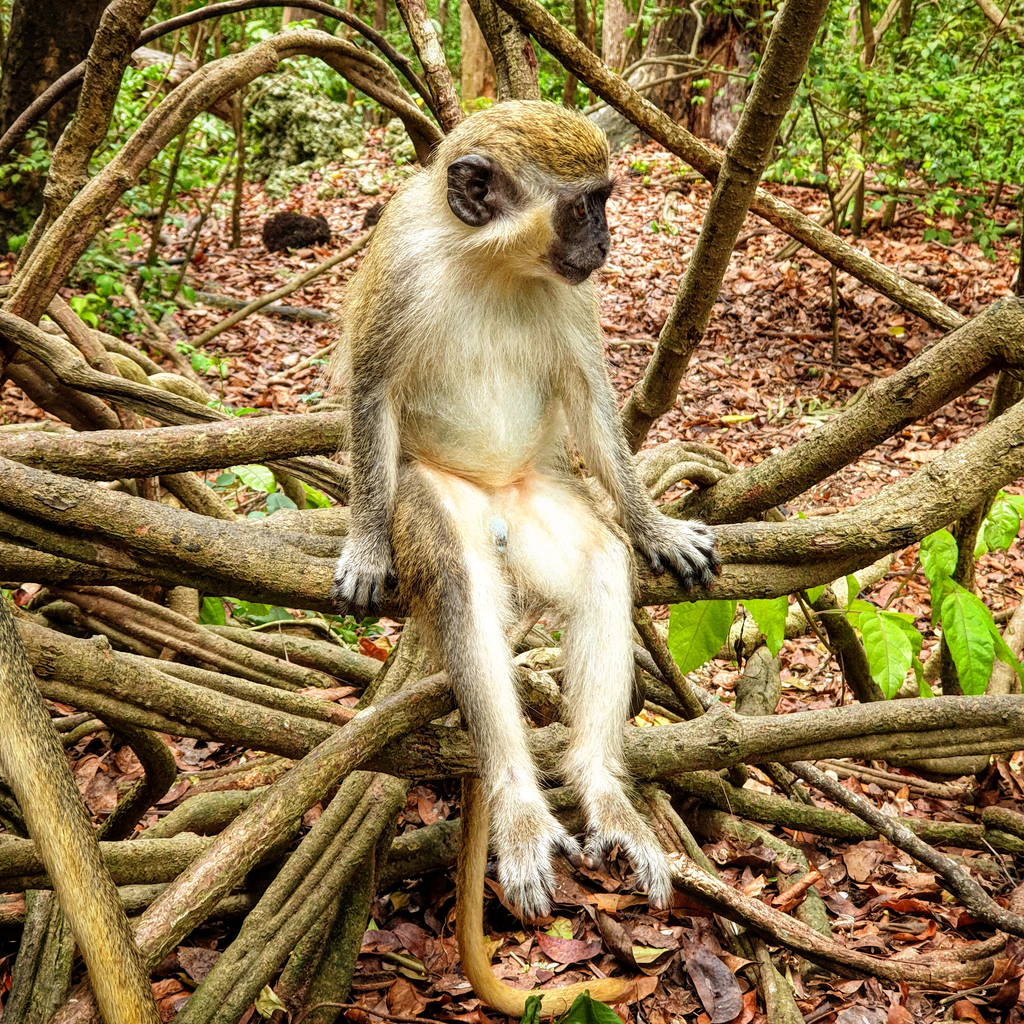
    Seward Alaska Cruise Port Guide: Top Things to Do for Cruise Travelers

    A turquoise glacial lake surrounded by forested hills and towering snow‑capped mountains under a clear blue sky.
    Glacial waters and rugged mountains create the dramatic scenery that makes Seward and Kenai Fjords unforgettable.

    Seward is one of Alaska’s most scenic and adventure‑packed cruise ports, known for its dramatic fjords, abundant wildlife, and easy access to Kenai Fjords National Park. This Seward Alaska Cruise Port Guide highlights why so many travelers consider it a must‑see destination, whether you’re exploring glaciers, taking a wildlife cruise, or enjoying the charming waterfront town. With mountains rising straight from the shoreline and endless opportunities for outdoor exploration, Seward delivers some of the most memorable moments of any Alaska itinerary.

    This Seward Alaska Cruise Port Guide highlights the top experiences that showcase the best of this stunning Alaska destination.

    Below, you’ll find the top experiences that showcase the best of Seward during a cruise‑port day.

    1. Take a Kenai Fjords National Park Wildlife & Glacier Cruise

    A tourist photographs whales swimming near the boat during a wildlife cruise in Kenai Fjords National Park in Seward, Alaska.
    A visitor captures the moment as whales surface near the tour boat, a classic highlight of wildlife cruises in Kenai Fjords National Park.

    A Kenai Fjords cruise is the signature experience in Seward. The scenery is dramatic, with steep cliffs, waterfalls, and narrow fjords that feel untouched. Wildlife sightings are common, and many tours see whales, sea otters, sea lions, puffins, and porpoises. The highlight is reaching a tidewater glacier. You may hear the ice crack and watch pieces fall into the water. The moment feels like a nature documentary happening right in front of you. Cruises vary in length, so it’s easy to choose one that fits your schedule. Even the shortest tours offer incredible views. If you want a memorable Alaska experience with guaranteed scenery and strong chances for wildlife, this is one of the best options in Seward.

    For tips, timing, and planning details, see my complete Kenai Fjords cruise guide.

    2. Visit the Alaska SeaLife Center

    A foggy, rainy day at the Alaska SeaLife Center on Railway Avenue in Seward, Alaska, a public aquarium and marine mammal rehabilitation facility on the shores of Resurrection Bay.
    Fog and rain settle over the Alaska SeaLife Center, Seward’s waterfront aquarium and marine mammal rehabilitation facility overlooking Resurrection Bay.

    The Alaska SeaLife Center is Seward’s top indoor attraction and a great way to learn about Alaska’s marine wildlife. The building sits right on the waterfront, so the views are beautiful before you even step inside. Exhibits feature puffins, harbor seals, sea lions, octopus, and many species of fish and invertebrates. The habitats are thoughtfully designed and easy to explore at your own pace. Visitors can watch feedings, explore touch pools, and learn how the center rescues and rehabilitates injured animals. The experience is educational, relaxed, and perfect for families or anyone who enjoys marine life. Its location makes it easy to pair with a harbor walk or a Kenai Fjords cruise.

    For tips, timing, and planning details, see my complete Alaska SeaLife Center guide.

    3. Explore the Seward Waterfront & Harbor Walk

    The working waterfront near Fisherman’s Wharf in Seward, Alaska, featuring harbor buildings and coastal views along Resurrection Bay.
    Fisherman’s Wharf sits along the Seward waterfront, adding classic harbor character to the scenic Seward Waterfront & Harbor Walk.

    The Seward waterfront is one of the most scenic areas in town. Mountains rise directly from the shoreline, and colorful boats line the harbor. The paved Waterfront Trail follows the edge of Resurrection Bay and is easy for all visitors to enjoy. You can walk as much or as little as you like. Sea otters, eagles, and seabirds are often spotted along the route. Interpretive signs share stories about local history and marine life, which adds depth to the walk. The area also has shops, cafés, and tour operators, so it’s simple to explore at your own pace. It’s a flexible, free activity that fits well into any cruise‑port schedule.

    For tips, timing, and planning details, see my complete Seward waterfront guide.

    4. Visit Exit Glacier & the Glacier View Trails

    Mountain goats grazing on a grassy hillside with Exit Glacier and the rugged peaks of Kenai Fjords National Park in the background.
    Mountain goats often roam the hillsides near Exit Glacier, adding a wildlife highlight to the scenic views in Kenai Fjords National Park.

    Exit Glacier is one of the easiest glaciers to visit in Alaska. The area offers clear views of blue ice, rugged terrain, and the dramatic landscape shaped by the glacier over time. Well‑marked trails lead to several viewpoints, and each one feels rewarding without requiring a long hike. Interpretive signs show how far the glacier has retreated, which adds an educational layer to the experience. Wildlife sightings are possible, especially mountain goats on the nearby cliffs. The trails range from flat, accessible paths to slightly steeper climbs, so visitors can choose what fits their comfort level. It’s a simple, flexible way to experience a glacier up close during a cruise‑port day.

    For tips, timing, and planning details, see my complete Exit Glacier guide.

    5. Explore the Seward Small Boat Harbor

    Boats docked in the Seward Small Boat Harbor with snowcapped mountains rising in the background along Resurrection Bay.
    Seward’s Small Boat Harbor sits beneath towering mountain peaks, offering one of the most scenic waterfront views in Alaska.

    The Seward Small Boat Harbor is the heart of the town’s waterfront activity, filled with fishing vessels, tour boats, and scenic mountain backdrops. It’s a great place for photography, people‑watching, and soaking in the maritime atmosphere. Visitors can browse local shops, enjoy seafood restaurants, or simply walk the docks to admire the boats and look for sea otters playing near the pilings. The harbor is also the departure point for many Kenai Fjords cruises, making it an easy stop before or after an excursion. For tips, timing, and planning details, see my complete Seward Harbor guide.

    6. Visit the Seward Community Library & Museum

    Close‑up of reading glasses resting on a small stack of books on a wooden table, creating a warm, library‑inspired scene.
    A simple stack of books and reading glasses evokes the quiet, welcoming atmosphere of the Seward Community Library & Museum.

    This small but well‑curated museum offers a thoughtful look at Seward’s history, from the 1964 earthquake to the town’s fishing heritage and early settlement. Exhibits include photographs, artifacts, and personal stories that help visitors understand how Seward developed into the vibrant coastal community it is today. The museum is located inside the modern Seward Community Library building, making it an easy and efficient stop for travelers who want cultural depth without taking up too much port time. For tips, timing, and planning details, see my complete Seward Museum guide.

    7. Ride the Scenic Seward Highway (If Arriving or Departing by Land)

    Snowcapped mountains rise above the landscape near Moose Pass on the Kenai Peninsula, a scenic stretch along the Seward Highway in south‑central Alaska.
    The Seward Highway passes through Moose Pass, where snowcapped peaks and rugged Kenai Peninsula scenery create one of Alaska’s most beautiful drives.

    If your cruise begins or ends in Seward, the Seward Highway is one of the most breathtaking drives in Alaska. The route winds between mountains, glaciers, and the waters of Turnagain Arm, offering endless photo opportunities and wildlife sightings along the way. Travelers often spot beluga whales, Dall sheep, and bald eagles, especially near the cliffs and shoreline pullouts. Whether you’re taking a shuttle, private transfer, or rental car, the journey feels like an excursion in itself. It’s a memorable way to start or end your Alaska cruise experience. For tips, timing, and planning details, see my complete Seward Highway guide.

    8. Visit Lowell Point & the Coastal Trail

    A foggy day along the rocky beach at Lowell Point in Seward, Alaska, with ocean treasures and natural debris washed ashore on Resurrection Bay.
    Fog drifts over the shoreline at Lowell Point, where each wave brings new ocean treasures onto the beach along Resurrection Bay.

    Just a short drive from downtown, Lowell Point offers quiet beaches, mountain views, and access to the scenic Tonsina Point Trail. This coastal path winds through forested areas and along rocky shoreline, with chances to spot sea otters, seabirds, and even the occasional harbor seal. The area feels peaceful and less crowded than the main harbor, making it a great option for travelers who want a nature escape without committing to a full‑day excursion. Even a short visit provides beautiful scenery and a refreshing break from the busier parts of town. For tips, timing, and planning details, see my complete Lowell Point guide.

    9. Explore the Seward Waterfront Park & Camping Area

    A glowing campfire on the rocky shoreline of Resurrection Bay in Seward, Alaska, with mountains rising across the water.
    A cozy campfire along Resurrection Bay captures the peaceful waterfront setting that makes camping in Seward so memorable.

    Seward’s waterfront park is a scenic, open area perfect for a relaxed walk, picnic, or photography session. RVs and tents line the shoreline during summer, creating a lively atmosphere with unbeatable views of Resurrection Bay. Visitors can watch fishing boats come and go, look for sea otters near the rocks, and enjoy the dramatic mountain backdrop. It’s an easy, flexible activity that fits well into any port schedule and pairs nicely with the nearby harbor, SeaLife Center, and waterfront trail. For tips, timing, and planning details, see my complete Seward Waterfront Park guide.

    10. Take a Dog Sledding or Kennel Tour

    Husky sled dogs at an Alaska kennel during a dogsledding experience, part of a popular adventure excursion in Seward.
    A dogsledding experience in Seward offers a close‑up look at hardworking huskies and the daily life of an Alaska kennel.

    Seward is home to several Iditarod‑connected kennels where visitors can learn about Alaska’s sled‑dog culture, meet the dogs, and watch training demonstrations. Some tours include a wheeled summer sled ride through forested trails, offering a fun and family‑friendly experience. Guides share stories about racing, training, and the bond between mushers and their dogs. It’s a unique way to experience an important part of Alaska’s heritage and a great option for travelers who want something different from the typical wildlife or glacier excursions. For tips, timing, and planning details, see my complete Seward dog‑sledding guide.

    Final Thoughts

    Seward is one of Alaska’s most unforgettable cruise ports, offering a rare combination of dramatic fjords, abundant wildlife, and easy access to glaciers and coastal trails. This Seward Alaska Cruise Port Guide gives you a strong foundation for planning your day, whether you’re taking a Kenai Fjords cruise, visiting the SeaLife Center, or exploring the scenic waterfront. With so many top‑tier experiences located close to town, it’s easy to shape your visit around your interests and timing. No matter how you spend your day, Seward delivers the kind of breathtaking Alaska moments that stay with you long after your cruise ends.

  • Sitka Alaska Cruise Port Guide: Top Things to Do for Cruise Travelers

    Sitka Alaska Cruise Port Guide: Top Things to Do for Cruise Travelers

    A forested Sitka coastline with houses along the shore, deep blue water, and snow‑capped mountains rising in the background under a clear sky.
    Sitka’s forested shoreline and snow‑capped mountains create one of the most beautiful coastal views in Southeast Alaska.

    Sitka is one of Alaska’s most culturally rich and naturally beautiful cruise ports, blending Indigenous Tlingit heritage, Russian history, and dramatic coastal scenery. This Sitka Alaska Cruise Port Guide highlights why so many travelers consider it a standout destination, with opportunities to explore wildlife, forests, museums, and historic sites all within easy reach of the port. Surrounded by mountains, islands, and the waters of Sitka Sound, the town offers a welcoming mix of culture, nature, and small‑town charm.

    This Sitka Alaska Cruise Port Guide highlights the top experiences that showcase the best of this unique Alaska destination.

    Below, you’ll find the top experiences that showcase the best of Sitka during a cruise‑port day.

    1. Explore Sitka National Historical Park

    Sitka National Historical Park on a summer day, offering coastal trails, guided tours, cultural demonstrations, and exhibits about Tlingit and Russian history in Sitka, Alaska.
    Sitka National Historical Park features coastal trails, guided programs, and cultural demonstrations that highlight both Tlingit and Russian heritage.

    Sitka National Historical Park is one of the most meaningful places to visit in the port, blending Tlingit culture, Russian history, and peaceful forest scenery. The park’s coastal trails wind through towering spruce and hemlock trees, with carved totem poles placed along the paths to honor Tlingit heritage. Inside the visitor center, exhibits and demonstrations highlight traditional carving, weaving, and storytelling. The park is easy to reach from downtown and offers a calm, reflective experience that contrasts beautifully with Alaska’s more rugged excursions. It’s an essential stop for travelers who want cultural depth and scenic beauty in one place. For tips, timing, and planning details, see my complete Sitka National Historical Park guide.

    2. Visit the Alaska Raptor Center

    A peregrine falcon with blue‑grey plumage and barred underparts at the Alaska Raptor Center in Sitka, Alaska, one of the wildlife highlights featured in our Alaska Raptor Center – Sitka, Alaska post.
    The Alaska Raptor Center in Sitka, Alaska, rehabilitates birds of prey like the peregrine falcon, a key feature of our Alaska Raptor Center – Sitka, Alaska guide.

    The Alaska Raptor Center is one of Sitka’s most popular wildlife experiences. It rehabilitates injured eagles, owls, and other birds of prey. Visitors can watch training sessions and see how the staff cares for each bird. The outdoor flight area lets eagles strengthen their wings before release. Exhibits explain how the center rescues, treats, and prepares birds to return to the wild. The setting is peaceful, with forest views and quiet walking paths. The visit is educational, inspiring, and easy to fit into a cruise‑port day. It’s a great stop for travelers who enjoy wildlife and want to support meaningful conservation work.

    For tips, timing, and planning details, see my complete Alaska Raptor Center guide.

    3. Explore the Sitka Sound Science Center & Aquarium

    Three colorful starfish resting in an aquarium tank with rocks and shells, similar to the touch‑tank exhibits at the Sitka Sound Science Center & Aquarium in Sitka, Alaska.
    Starfish are a favorite feature of the touch‑tank exhibits at the Sitka Sound Science Center & Aquarium, where visitors can explore Alaska’s coastal marine life up close.

    The Sitka Sound Science Center offers a close look at Alaska’s coastal marine life. It sits along the waterfront and is easy to reach from downtown. Inside, visitors can explore touch tanks, see local fish species, and learn about the ecosystems that shape Sitka Sound. The center also operates a working hatchery, which gives guests a behind‑the‑scenes look at salmon research and conservation. Exhibits are simple, hands‑on, and great for all ages. The location makes it easy to pair with a walk through Sitka National Historical Park. It’s a relaxed, educational stop that fits well into a cruise‑port day.

    For tips, timing, and planning details, see my complete Sitka Sound Science Center guide.

    4. Visit St. Michael’s Russian Orthodox Cathedral

    Saint Michael the Archangel Orthodox Cathedral in downtown Sitka, Alaska, shown from the exterior on a September day.
    Saint Michael the Archangel Orthodox Cathedral stands at the heart of downtown Sitka, one of the community’s most iconic Russian Orthodox landmarks.

    St. Michael’s Cathedral is one of Sitka’s most recognizable landmarks. Its green dome and traditional Russian Orthodox design stand out in the center of downtown. The building reflects Sitka’s long Russian‑American history and the cultural influences that shaped the community. Inside, visitors can view religious icons, historic artifacts, and beautifully crafted artwork. The space is small, so it’s easy to explore without taking much time. Its location makes it a convenient stop while browsing nearby shops and cafés. The cathedral offers a meaningful look at Sitka’s past and adds cultural depth to any visit.

    For tips, timing, and planning details, see my complete St. Michael’s Cathedral guide.

    5. Explore the Fortress of the Bear

    A grizzly bear at Fortress of the Bear in Sitka, Alaska, standing in its naturalistic enclosure at this brown‑bear rescue and rehabilitation center.
    A rescued grizzly bear at Fortress of the Bear, Sitka’s well‑known brown‑bear rehabilitation center and one of the community’s most popular wildlife experiences.

    Fortress of the Bear is one of Sitka’s most popular wildlife experiences. The center cares for rescued brown and black bears that cannot return to the wild. Visitors watch the bears from elevated platforms that offer clear, close‑up views. The habitats are large and naturalistic, giving the bears room to roam and play. Staff members share each bear’s rescue story and explain how the center supports long‑term care and conservation. The visit is educational, emotional, and easy to fit into a cruise‑port day. The facility is a short drive from downtown and pairs well with the Raptor Center or Sitka National Historical Park. It’s a great stop for travelers who enjoy wildlife and meaningful storytelling.

    For tips, timing, and planning details, see my complete Fortress of the Bear guide.

    6. Walk the Sitka Seawalk

    View of Sitka Sound from Sitka National Historical Park, with small forested islands, distant mountains, and coastal vegetation along the shoreline.
    View of Sitka Sound from Sitka National Historical Park, with small forested islands, distant mountains, and coastal vegetation along the shoreline.

    The Sitka Seawalk is a scenic, easy‑to‑navigate path that connects the cruise‑port area with downtown and several major attractions. Along the way, visitors enjoy views of Sitka Sound, nearby islands, and snow‑capped mountains. Benches, interpretive signs, and photo spots make the walk both relaxing and informative. The route passes by the Alaska Raptor Center trailhead, the Sitka Sound Science Center, and the entrance to Sitka National Historical Park, making it a perfect way to explore multiple highlights in one outing. It’s ideal for travelers who want a flexible, self‑guided activity close to the port. For tips, timing, and planning details, see my complete Sitka Seawalk guide.

    7. Take a Wildlife Cruise on Sitka Sound

    Harbor seals resting on a buoy in Sitka Sound, with calm water and coastal scenery surrounding this common wildlife sight in Sitka, Alaska.
    Harbor seals often haul out on buoys in Sitka Sound, offering wildlife cruise passengers an easy and memorable look at these curious marine mammals.

    Sitka Sound is one of the best places in Alaska for marine wildlife viewing, with opportunities to spot whales, sea otters, sea lions, puffins, and seabirds against a backdrop of volcanic islands and rugged coastline. Wildlife cruises range from short outings to longer explorations, making them easy to fit into a cruise‑port day. Many tours use smaller vessels, allowing for closer views and a more intimate experience with the scenery. The combination of calm waters, abundant wildlife, and dramatic landscapes makes this one of Sitka’s most memorable activities. For tips, timing, and planning details, see my complete Sitka wildlife cruise guide.

    8. Visit the Russian Bishop’s House

    The Russian Bishop’s House in Sitka National Historical Park, a two‑story yellow wooden building with white trim and red front steps, one of the best‑preserved examples of Russian colonial architecture in Alaska.
    The Russian Bishop’s House, with its yellow wood siding, white trim, and red steps, is one of Sitka’s most significant Russian‑era landmarks and a highlight within Sitka National Historical Park.

    The Russian Bishop’s House is one of the few surviving examples of Russian colonial architecture in North America. Restored by the National Park Service, the building offers a fascinating look at Sitka’s 19th‑century history through original rooms, artifacts, and exhibits. Visitors can learn about the Russian Orthodox Church’s influence in Alaska and the daily life of the people who lived and worked here. The house is located near downtown, making it an easy stop while exploring shops, cafés, and other historic sites. For tips, timing, and planning details, see my complete Russian Bishop’s House guide.

    9. Explore Downtown Sitka’s Shops, Cafés & Waterfront

    Historic Lincoln Street in downtown Sitka, Alaska, lined with shops and cafés in spring, with St. Michael’s Russian Orthodox Cathedral at the end of the street and mountains rising in the background.

    Sitka’s compact downtown is perfect for a relaxed stroll, offering locally owned shops, art galleries, and cafés with views of the harbor and surrounding mountains. Visitors can browse Tlingit artwork, sample local seafood, or simply enjoy the peaceful waterfront atmosphere. The area is walkable from the shuttle drop‑off point and connects easily to major attractions like St. Michael’s Cathedral and the Sitka Seawalk. It’s an ideal option for travelers who want a flexible, low‑key activity close to the port. For tips, timing, and planning details, see my complete Downtown Sitka guide.

    10. Visit Whale Park for Scenic Views

    A humpback whale diving off the coast of Sitka, Alaska, with its tail fluke lifting above the water in Sitka Sound.
    A humpback whale dives just off the coast of Sitka, a memorable sight for anyone scanning the waters from Whale Park.

    Whale Park is a small but scenic overlook located a short drive from downtown Sitka. Elevated platforms provide sweeping views of Sitka Sound, nearby islands, and snow‑capped mountains. It’s a peaceful spot for photography, wildlife watching, or simply enjoying the coastal scenery. Interpretive signs share information about local marine life, and visitors often spot sea otters or whales in the distance. The park’s quiet atmosphere makes it a refreshing break from busier port areas. For tips, timing, and planning details, see my complete Whale Park guide.

    Final Thoughts

    Sitka is one of Alaska’s most culturally rich and naturally stunning cruise ports, offering a rare blend of Tlingit heritage, Russian history, and breathtaking coastal scenery. This Sitka Alaska Cruise Port Guide gives you a strong foundation for planning your day, whether you’re exploring totem‑lined forest trails, visiting wildlife rehabilitation centers, or enjoying the peaceful waterfront. With so many top attractions located close to town, it’s easy to shape your visit around your interests and timing. No matter how you spend your day, Sitka delivers a memorable mix of culture, nature, and small‑town charm that stays with you long after your cruise ends.

  • Skagway Alaska Cruise Port Guide: Top Things to Do for Cruise Travelers

    Skagway Alaska Cruise Port Guide: Top Things to Do for Cruise Travelers

    A turquoise lake with a small boat, surrounded by forested hills and towering snow‑capped mountains under a bright blue sky.
    Skagway’s alpine lakes and snow‑capped peaks create some of the most dramatic scenery in Southeast Alaska.

    Skagway is one of Alaska’s most popular cruise ports, known for its dramatic mountain scenery, rich Gold Rush history, and easy access to unforgettable excursions. This Skagway Alaska Cruise Port Guide highlights why so many travelers consider it a must‑see stop, whether you’re riding the famous White Pass & Yukon Route Railway, exploring historic downtown, or heading into the Yukon for breathtaking views. With its walkable streets, preserved buildings, and stunning landscapes, Skagway offers a perfect blend of adventure and storytelling.

    This Skagway Alaska Cruise Port Guide highlights the top experiences that showcase the best of this historic Alaska destination.

    Below, you’ll find the top experiences that showcase the best of Skagway during a cruise‑port day.

    1. Ride the White Pass & Yukon Route Railway

    White Pass and Yukon Route Railway train traveling from Skagway, Alaska, toward Carcross in Canada’s Yukon Territory, passing through rugged mountains and historic Gold Rush scenery.
    The White Pass & Yukon Route Railway carries passengers from Skagway into Canada’s Yukon Territory, offering stunning mountain views and a journey through Gold Rush history.

    The White Pass & Yukon Route Railway is Skagway’s most iconic excursion, offering breathtaking views of mountains, waterfalls, glaciers, and historic Gold Rush routes. The vintage railcars climb nearly 3,000 feet to the White Pass summit, following the same path stampeders once took during the Klondike Gold Rush. Large windows and open platforms make it easy to capture photos of the rugged terrain, deep gorges, and scenic overlooks. The ride is smooth, comfortable, and ideal for all ages, making it one of the most popular activities for cruise visitors. For tips, timing, and planning details, see my complete White Pass Railway guide.

    2. Explore Historic Downtown Skagway

    Broadway Street in downtown Skagway, Alaska, with shoppers walking past restored Gold Rush–era false‑front buildings, wooden boardwalks, and local shops on a spring day.
    Broadway Street is the heart of historic Skagway, where restored false‑front buildings, wooden sidewalks, and lively shops create a classic Gold Rush–era atmosphere.

    Downtown Skagway feels like stepping back into the Gold Rush era, with preserved wooden boardwalks, colorful storefronts, and historic buildings maintained by the National Park Service. Visitors can explore museums, browse local shops, and learn about the town’s boom‑and‑bust past through ranger‑led programs and exhibits. The compact layout makes it easy to explore on foot, and the lively atmosphere adds to the charm. Whether you’re interested in history, photography, or simply enjoying a stroll, downtown Skagway offers a fun and flexible way to experience the town’s unique character. For tips, timing, and planning details, see my complete Downtown Skagway guide.

    3. Take a Scenic Drive into the Yukon

    Emerald Lake glowing bright green in the early morning sun along the Klondike Highway in the Yukon.
    Emerald Lake shines a vivid green in the early morning light, one of the most stunning viewpoints along the Klondike Highway.

    A drive into the Yukon is one of the most spectacular excursions from Skagway, offering sweeping views of alpine lakes, glacier‑carved valleys, and rugged mountain landscapes. Popular stops include Tutshi Lake, Bove Island, and the stunning Emerald Lake, each offering incredible photo opportunities. Many tours also include a visit to the small community of Carcross, where travelers can explore local shops and learn about Indigenous culture. The scenery changes dramatically as you cross the border, making the journey feel like a true adventure. For tips, timing, and planning details, see my complete Scenic Drive into the Yukon guide.

    4. Visit the Klondike Gold Rush National Historical Park

    Historic buildings in Klondike Gold Rush National Historical Park in Skagway, Alaska, with restored Gold Rush–era architecture alongside modern structures.
    Klondike Gold Rush National Historical Park preserves Skagway’s Gold Rush–era streetscape, where historic buildings stand alongside modern structures to tell the story of the town’s past.

    Klondike Gold Rush National Historical Park preserves Skagway’s Gold Rush–era streetscape. Historic buildings stand beside modern structures and help tell the story of the stampeders who arrived in 1897. Visitors can explore restored buildings, small exhibits, and ranger‑led programs that bring the era to life. The park’s visitor center sits inside the historic White Pass & Yukon Route depot, so it’s easy to combine with a train ride or a walk through downtown. The area is compact and simple to explore at your own pace. It’s an excellent stop for travelers who want context, storytelling, and a deeper look at Skagway’s past.

    For tips, timing, and planning details, see my complete Klondike Gold Rush Park guide.

    5. Hike the Lower Dewey Lake Trail

    Mushrooms growing on the forest floor along the Lower Dewey Lake Trail in Skagway, Alaska’s temperate rainforest.
    Mushrooms thrive in the lush temperate rainforest surrounding the Lower Dewey Lake Trail, one of Skagway’s most peaceful nature walks.

    The Lower Dewey Lake Trail is one of Skagway’s most accessible hikes. It offers a peaceful escape just minutes from the cruise port. The trail climbs steadily through the forest before opening to views of a calm, emerald‑green lake surrounded by mountains. Visitors can walk the shoreline, enjoy quiet photo spots, or relax by the water. The path is well‑maintained and easy to follow. It feels rewarding without requiring a full‑day commitment. This makes it a great option for active travelers who want a scenic adventure close to town. It’s simple, beautiful, and perfect if you want nature without going far.

    For tips, timing, and planning details, see my complete Lower Dewey Lake guide.

    6. Visit Jewell Gardens & Glassblowing Studio

    Molten glass glowing on the end of a rod during a glassblowing demonstration, shown in a close-up macro view.
    A close-up look at molten glass being shaped on the end of a rod — one of the highlights of the glassblowing demonstrations at Jewell Gardens in Skagway.

    Jewell Gardens is a colorful, peaceful attraction featuring vibrant flower beds, vegetable gardens, and a working glassblowing studio. Visitors can watch artisans create hand‑blown glass pieces inspired by Alaska’s landscapes or even participate in a hands‑on glassblowing experience. The gardens themselves are beautifully maintained, offering a relaxing break from Skagway’s busier historic areas. It’s a great stop for travelers who enjoy art, nature, and unique local experiences. For tips, timing, and planning details, see my complete Jewell Gardens guide.

    7. Visit the Red Onion Saloon & Brothel Museum

    The historic Red Onion Saloon in Skagway, Alaska, a former Gold Rush–era brothel now operating as a bar and museum popular with cruise visitors.
    The Red Onion Saloon is one of Skagway’s most iconic landmarks, blending its Gold Rush brothel history with a lively modern bar and museum experience.

    The Red Onion Saloon is one of Skagway’s most famous historic buildings, offering a lively mix of Gold Rush history and quirky storytelling. Downstairs, visitors can enjoy the saloon’s old‑time atmosphere, complete with vintage décor and costumed staff. Upstairs, guided tours of the former brothel share humorous and fascinating stories about the women who lived and worked there during the 1898 boom. It’s a lighthearted, entertaining stop that adds personality and color to any Skagway visit. For tips, timing, and planning details, see my complete Red Onion Saloon guide.

    8. Explore the Gold Rush Cemetery & Reid Falls

    Weathered wooden grave markers in Skagway’s historic Gold Rush Cemetery, the town’s oldest burial ground dating back to the late 1800s.
    The Gold Rush Cemetery is Skagway’s oldest burial ground, where many well‑known figures from the late‑1800s Gold Rush era are laid to rest beneath weathered wooden markers.

    Just a short walk or shuttle ride from downtown, the Gold Rush Cemetery offers a peaceful look at Skagway’s past. Visitors can see the graves of notable figures from the Klondike era, including Soapy Smith and Frank Reid, whose feud shaped local history. A short trail continues to Reid Falls, a beautiful cascading waterfall tucked into the forest. The combination of history and nature makes this a rewarding, low‑effort outing that fits easily into a cruise‑port schedule. For tips, timing, and planning details, see my complete Gold Rush Cemetery guide.

    9. Take a Dog Sledding or Musher Camp Tour

    Two sled dogs panting in the summer heat at a musher camp in Skagway, Alaska.
    Sled dogs relax and cool off in the summer heat at one of Skagway’s musher camps, where visitors learn about mushing and meet the hardworking huskies.

    Dog sledding tours in Skagway offer a fun way to experience Alaska’s sled‑dog culture, even in summer. Visitors can meet the dogs, learn about training and racing, and enjoy a wheeled sled ride through forested trails. Many tours include time to interact with puppies, which is always a highlight. Guides share stories about life as a musher and the challenges of long‑distance racing. It’s a family‑friendly excursion that blends adventure, education, and plenty of photo opportunities. For tips, timing, and planning details, see my complete Skagway dog‑sledding guide.

    10. Walk or Bike the Skagway River Trail

    The Skagway River flowing through the Tongass National Forest in Southeast Alaska, surrounded by forested valley walls.
    The Skagway River winds through the Tongass National Forest, creating a peaceful backdrop for walking or biking the Skagway River Trail.

    The Skagway River Trail is a scenic, easy‑to‑moderate path that follows the river through a valley surrounded by mountains. The trail offers peaceful views, rushing water, and opportunities to spot wildlife. It’s a great option for travelers who want a flexible, self‑guided outdoor activity close to town. Some visitors choose to rent bikes for a faster, more adventurous ride, while others enjoy a leisurely walk. The trail’s accessibility and beautiful scenery make it a perfect complement to Skagway’s historic attractions. For tips, timing, and planning details, see my complete Skagway River Trail guide.

    Final Thoughts

    Skagway is one of Alaska’s most exciting cruise ports, offering a dynamic mix of Gold Rush history, mountain scenery, and unforgettable excursions. This Skagway Alaska Cruise Port Guide gives you a strong foundation for planning your day, whether you’re riding the White Pass Railway, exploring historic downtown, or heading into the Yukon for sweeping alpine views. With so many top attractions located close to the port, it’s easy to shape your visit around your interests and timing. No matter how you spend your day, Skagway delivers a memorable blend of adventure, storytelling, and dramatic landscapes that stays with you long after your cruise ends.

  • Flightseeing Tour Over the Fjords – Ketchikan, Alaska

    Flightseeing Tour Over the Fjords – Ketchikan, Alaska

    Seaplane landing on calm water near forested shoreline and coastal homes in Ketchikan, Alaska.
    A floatplane lands along the forested shoreline of Ketchikan, a classic starting point for flightseeing tours over the fjords.

    A Flightseeing Tour Over the Fjords is one of the most dramatic and unforgettable experiences in Ketchikan, offering aerial views of towering granite cliffs, glacier‑carved valleys, and mist‑covered rainforest. A flightseeing tour over the fjords gives travelers a breathtaking perspective of Misty Fjords National Monument and the surrounding wilderness, with scenery that can only be fully appreciated from the air.

    Fun Facts

    • Most tours fly over Misty Fjords National Monument, a 2.3‑million‑acre protected wilderness.
    • Fjords here were carved by glaciers thousands of years ago, leaving sheer cliffs rising up to 3,000 feet.
    • Many flights land on a remote alpine lake or calm fjord for photos.
    • Floatplanes are a classic part of Southeast Alaska life — Ketchikan has one of the busiest seaplane bases in the world.
    • Wildlife sightings from the air may include mountain goats, whales, bears, and eagles.
    • The iconic New Eddystone Rock is often visible from flightseeing routes.
    • Mist and low clouds create the dramatic atmosphere that inspired the name “Misty Fjords.”
    • Pilots narrate geology, history, and local stories throughout the flight.

    What to Expect During Your Visit

    Your tour begins at the Ketchikan seaplane base, where you’ll board a small floatplane with large windows for viewing. As you lift off, you’ll glide over rainforest, islands, and finally the dramatic fjords — sheer cliffs, waterfalls, and deep blue water stretching for miles.

    Many tours include a water landing in a remote cove or lake, giving you time to step out onto the floats for photos and quiet moments surrounded by wilderness. The experience is peaceful, awe‑inspiring, and incredibly photogenic.

    Most tours last 1.5–2 hours.

    Why It’s Worth Visiting

    A Flightseeing Tour Over the Fjords is perfect for travelers who want a bucket‑list, high‑impact adventure with jaw‑dropping scenery. It’s one of the most memorable excursions in Ketchikan and a highlight for many Alaska cruise travelers.

    Where It’s Located

    Tours depart from the Ketchikan seaplane base, located near the cruise port along Tongass Narrows.

    How to Get There From the Cruise Port

    • Walk: Many operators are within a 5–10 minute walk.
    • Shuttle: Some tours include transportation.
    • Taxi: Useful if your operator is based farther north or south.
    • Bike: Possible, but walking is easier.

    Best Time to Visit

    • Morning flights often have the best visibility and calmest air.
    • Midday offers bright light for photography.
    • June–August provides the most reliable weather.
    • Rainy days create dramatic mist and waterfalls — perfect for atmosphere.

    Tips for Visiting

    • Wear layers — it can be cooler at altitude.
    • Bring a camera with a fast shutter speed for aerial shots.
    • Choose a window seat — most planes guarantee one for every passenger.
    • Be flexible — weather delays are common in Southeast Alaska.
    • Combine with Creek Street or Saxman Village for a balanced day.

    Common Complaints

    • Weather cancellations happen frequently.
    • Flights may feel short for the price.
    • Motion sensitivity can affect some travelers.
    • Limited time during water landings on shorter tours.

    Final Thoughts

    A Flightseeing Tour Over the Fjords is one of the most breathtaking and unforgettable experiences in Ketchikan. With soaring cliffs, misty valleys, and serene water landings, a flightseeing tour over the fjords is a must‑visit for cruise travelers who want a dramatic, once‑in‑a‑lifetime view of Alaska’s wilderness.

    For more ideas to plan your day, explore my full guide to the top things to do in Ketchikan.

error: Content is protected !!