Tag: Alaska excursions

  • Haines Alaska Cruise Port Guide: Top Things to Do for Cruise Travelers

    Haines Alaska Cruise Port Guide: Top Things to Do for Cruise Travelers

    A scenic view of a small Alaskan town along the waterfront, surrounded by dense evergreens and backed by towering snow‑covered mountains under a clear blue sky.
    A peaceful waterfront view of Haines, Alaska, framed by evergreen forests and dramatic snow‑capped peaks.

    Haines is one of Alaska’s most scenic and peaceful cruise ports, and this Haines Alaska Cruise Port Guide highlights why so many travelers fall in love with its dramatic mountain views, rich wildlife, and authentic small‑town charm. Nestled along the Lynn Canal, the port blends Tlingit heritage, outdoor adventure, and frontier character in a way that feels refreshingly uncrowded compared to nearby hubs. Whether you explore independently or join a guided tour, Haines offers easy access to nature, culture, and unforgettable Alaska scenery.

    This Haines Alaska Cruise Port Guide highlights the top experiences that showcase the best of Haines during a cruise‑port day.

    Below, you’ll find the top experiences that showcase the best of Haines during a cruise‑port day.

    1. Visit the Alaska Chilkat Bald Eagle Preserve

    Bald eagle flying low over the water with wings fully spread, captured head‑on in the Chilkat Bald Eagle Preserve near Haines, Alaska.
    Bald eagle flying low over the water with wings fully spread, captured head‑on in the Chilkat Bald Eagle Preserve near Haines, Alaska.

    The Alaska Chilkat Bald Eagle Preserve is one of the best places in the world to see bald eagles in the wild. The preserve covers more than 48,000 acres of protected land, with rivers, forests, and mountain views that create ideal habitat for wildlife. Eagles gather here year‑round, and peak numbers appear along the Chilkat River during salmon runs. Visitors can enjoy scenic pullouts, guided tours, or gentle float trips that offer close but respectful views of the birds. The area also supports bears, moose, and many other bird species, so every visit feels different. The landscape is peaceful and dramatic, making it a memorable stop for nature lovers. It’s an easy, rewarding experience during a cruise‑port day in Haines.

    For tips, timing, and planning details, see my complete Alaska Chilkat Bald Eagle Preserve guide.

    2. Explore the American Bald Eagle Foundation & Raptor Center

    Bald eagle standing at the edge of a rocky shoreline, partially in the water, with a fish head nearby.
    A bald eagle pauses along the rocky shoreline, a perfect symbol of the wildlife celebrated at the American Bald Eagle Foundation & Raptor Center in Haines, Alaska.

    The American Bald Eagle Foundation & Raptor Center is a great stop for visitors who want a closer look at Alaska’s birds of prey. The center features natural history exhibits, live raptor presentations, and knowledgeable staff who explain how injured birds are cared for. You’ll meet resident eagles, owls, and hawks that cannot return to the wild. Their stories add meaning to the experience and highlight the importance of conservation work in Southeast Alaska. The museum portion includes displays on local ecosystems, geology, and cultural history, which helps visitors understand the region more deeply. The center is located right in town, making it an easy and enriching activity to pair with other Haines attractions.

    For tips, timing, and planning details, see my complete American Bald Eagle Foundation & Raptor Center guide.

    3. Take a Scenic Drive Along the Haines Highway

    Scenic view of the Haines Highway stretching toward snow‑covered mountains in fall, showcasing the dramatic landscapes along the route from Haines, Alaska into British Columbia.
    The Haines Highway winds through towering mountains and fall landscapes as it crosses from Haines, Alaska into British Columbia — one of the most breathtaking drives in the region.

    The Haines Highway is one of the most beautiful drives in Alaska. The road follows wide valleys, glacier‑fed rivers, and towering mountains that rise sharply on both sides. Even a short drive offers dramatic scenery, so you don’t need to go far to enjoy it. Wildlife sightings are common, especially eagles, moose, and sometimes bears along the riverbanks. The road is smooth and well‑maintained, making it easy for rental cars or guided tours. Pullouts provide safe places to stop for photos or simply take in the views. The landscape feels open and wild, and every mile reveals something new. It’s a flexible, rewarding activity that fits well into a cruise‑port day.

    For tips, timing, and planning details, see my complete Haines Highway guide.

    4. Visit the Hammer Museum

    Exterior view of the Hammer Museum in Haines, Alaska, featuring the giant hammer sculpture and rustic building that mark this quirky local attraction.
    The Hammer Museum in Haines, Alaska stands out with its giant hammer sculpture and charming exterior — a fun and memorable stop for visitors exploring downtown.

    The Hammer Museum is one of the quirkiest and most memorable stops in Haines, dedicated entirely to the history and evolution of the hammer. With thousands of tools on display, this small museum blends humor, craftsmanship, and surprising historical depth. Exhibits range from ancient stone hammers to specialized tools used in trades around the world. The staff is friendly and passionate, making the experience both educational and unexpectedly fun. It’s a quick, easy stop located right in town, perfect for adding a unique twist to your day. For tips, timing, and planning details, see my complete Hammer Museum guide.

    5. Explore Fort William H. Seward

    Fort William H. Seward is a beautifully preserved historic district overlooking the waterfront, offering a blend of military history, art galleries, and scenic walking paths. Once a U.S. Army post, the fort now features restored buildings, interpretive signs, and local artisan studios housed in former barracks. Visitors can stroll the grounds, learn about the fort’s role in early Alaska, and enjoy panoramic views of the Lynn Canal. The area has a relaxed, open feel, making it ideal for photography or a quiet walk. It’s an easy, enriching stop just a short distance from the cruise port. For tips, timing, and planning details, see my complete Fort William H. Seward guide.

    Historic commemorative sign at the former site of Fort William H. Seward in Port Chilkoot, Haines, Alaska, honoring the WWII veterans and families who helped shape the community.
    A commemorative sign at the former Fort William H. Seward site in Port Chilkoot highlights the WWII veterans and families who purchased and preserved this historic landmark in Haines, Alaska.

    6. Take a Wildlife or Whale‑Watching Tour

    Humpback whale breaching in the waters near Haines, Alaska, showcasing the dramatic marine wildlife often seen on local whale‑watching tours.
    A humpback whale bursts from the water near Haines, Alaska — an unforgettable sight on a wildlife or whale‑watching tour along the Chilkat Inlet.

    Haines offers excellent opportunities for wildlife viewing, especially during the summer months when marine life is active. Whale‑watching tours depart from the harbor and explore the nutrient‑rich waters of the Lynn Canal, where humpback whales, sea lions, porpoises, and seals are commonly spotted. The scenery alone is worth the trip, with towering peaks and deep blue water creating a dramatic backdrop. Knowledgeable guides share insights into animal behavior and local ecology, making the experience both exciting and educational. It’s a peaceful, unforgettable way to connect with Alaska’s marine environment. For tips, timing, and planning details, see my complete Haines whale‑watching guide.

    7. Visit the Jilkaat Kwaan Heritage Center

    Exterior view of the Jilkaat Kwaan Heritage Center in Klukwan near Haines, Alaska, highlighting the cultural significance of Tlingit heritage in the Chilkat Valley.
    The Jilkaat Kwaan Heritage Center in Klukwan preserves and shares the deep Tlingit heritage of the Chilkat Valley, offering visitors a meaningful look into this historic Alaska community.

    Located in nearby Klukwan, the Jilkaat Kwaan Heritage Center offers a deep, meaningful look into Tlingit culture and history. The highlight is the Whale House Collection, featuring centuries‑old clan treasures, carved screens, and cultural artifacts that are rarely seen elsewhere. Guided tours provide context and storytelling that bring the traditions of the Chilkat people to life. The center also showcases weaving, carving, and local art, giving visitors a richer understanding of the region’s Indigenous heritage. It’s a powerful cultural experience that adds depth and authenticity to your Alaska cruise day. For tips, timing, and planning details, see my complete Jilkaat Kwaan Heritage Center guide.

    8. Hike the Battery Point Trail

    Stone cairn marking the entrance to the beach along the Battery Point Trail in Haines, Alaska, with views overlooking the Chilkat Inlet.
    A stone cairn marks the path down to the beach on the Battery Point Trail, offering hikers sweeping views across the Chilkat Inlet in Haines, Alaska.

    The Battery Point Trail is a scenic coastal hike that offers forested paths, ocean views, and a peaceful escape into nature. The trail is well‑maintained and relatively easy, making it suitable for most visitors. Along the way, you’ll pass through lush rainforest, cross wooden bridges, and eventually reach a rocky shoreline with sweeping views of the Lynn Canal. Wildlife sightings are possible, and the fresh coastal air adds to the experience. It’s a great option for travelers who want a manageable outdoor adventure close to town. For tips, timing, and planning details, see my complete Battery Point Trail guide.

    9. Visit Chilkoot Lake & Chilkoot River

    Chilkoot Lake in Haines, Alaska, with its calm turquoise water surrounded by forested mountains and the scenic shoreline of the Chilkat Valley.
    Chilkoot Lake in Haines, Alaska is known for its turquoise water, mountain scenery, and peaceful shoreline — a favorite spot for visitors exploring the Chilkoot River area.

    Chilkoot Lake and the surrounding river area are known for their stunning scenery and abundant wildlife. The turquoise lake is framed by steep mountains and dense forest, creating a postcard‑worthy setting. During salmon season, bears are often spotted along the river, making this a popular area for guided wildlife tours. Visitors can enjoy photography, short walks, or simply soaking in the peaceful atmosphere. It’s one of the most beautiful natural areas near Haines and a must‑see for nature lovers. For tips, timing, and planning details, see my complete Chilkoot Lake guide.

    10. Take a Kayaking Tour on the Lynn Canal

    Kayakers paddling along the Lynn Canal near Haines, Alaska, surrounded by calm water, coastal mountains, and summer clouds.
    Kayakers explore the calm waters of the Lynn Canal near Haines, Alaska, with coastal mountains and puffy summer clouds creating a classic Southeast Alaska backdrop.

    Kayaking on the Lynn Canal offers a serene and immersive way to experience Alaska’s coastal beauty. Guided tours take you along calm, protected waters where you can spot eagles, seals, and occasionally whales. The towering mountains and deep fjord scenery create a dramatic backdrop as you paddle. No experience is necessary — guides provide instruction and all equipment, making it accessible for beginners. It’s a peaceful, active adventure that lets you connect with the landscape in a more intimate way. For tips, timing, and planning details, see my complete Haines kayaking guide.

    Final Thoughts

    Haines delivers a quieter, more authentic Alaska experience, and this Haines Alaska Cruise Port Guide gives you a strong starting point for planning a memorable day ashore. Whether you spend your time spotting wildlife, exploring cultural sites, or simply soaking in the scenery, the port offers a refreshing blend of adventure and tranquility. With so many standout options just minutes from the dock, it’s easy to shape your visit around your travel style — relaxed, active, or somewhere in between. No matter what you choose, Haines offers the kind of Alaska moments that stay with you long after your cruise ends.

  • Icy Strait Point Alaska Cruise Port Guide: Top Things to Do for Cruise Travelers

    Icy Strait Point Alaska Cruise Port Guide: Top Things to Do for Cruise Travelers

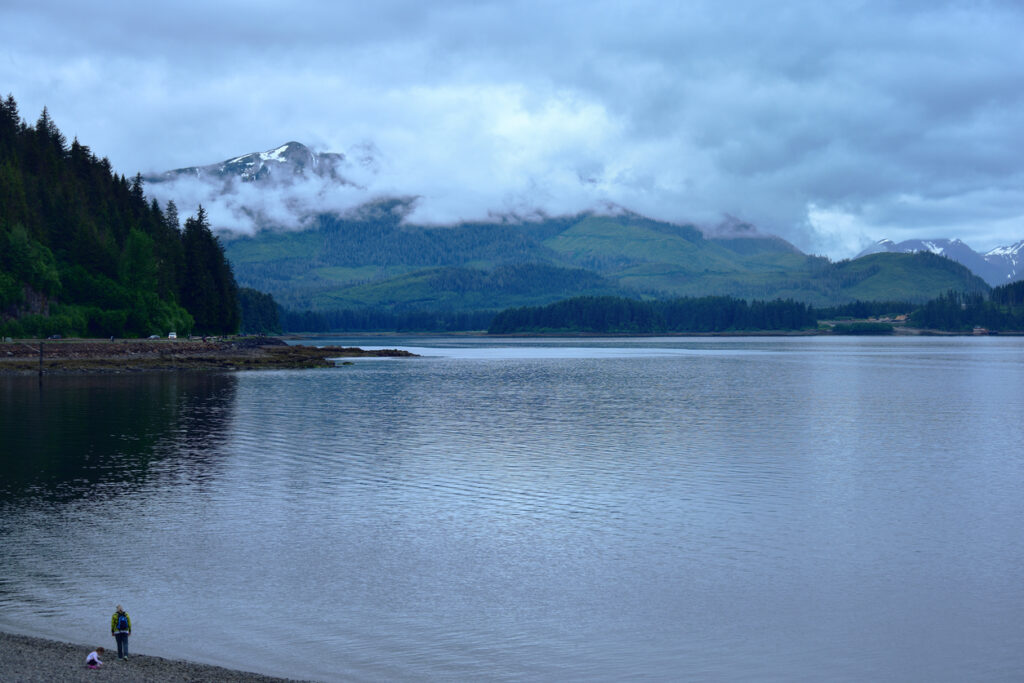
    A waterfront view of Icy Strait Point with forested hills, calm water, and distant mountains under a clear sky.
    A scenic look at Icy Strait Point, Alaska — a peaceful, culturally rich cruise port surrounded by forest and coastal beauty.

    Icy Strait Point is one of Alaska’s most authentic and culturally rich cruise ports, offering a rare blend of Indigenous heritage, wildlife encounters, and breathtaking coastal scenery. This Icy Strait Point Alaska Cruise Port Guide highlights why so many travelers consider it a standout stop on Inside Passage itineraries. Located near the Tlingit village of Hoonah, the port delivers a quieter, more immersive Alaska experience with locally owned excursions, forested trails, and incredible opportunities to see whales, bears, and eagles.

    This Icy Strait Point Alaska Cruise Port Guide highlights the top experiences that showcase the best of this unique Alaska destination.

    1. Ride the World’s Largest ZipRider

    Pastel houses in Hoonah, Alaska, set against forested mountain slopes that rise above the village near Icy Strait Point.
    Pastel homes sit below the forested mountains of Hoonah, offering a glimpse of the scenery surrounding the World’s Largest ZipRider at Icy Strait Point.

    The Icy Strait Point ZipRider is one of the most thrilling attractions in Alaska, sending riders soaring 300 feet above the treetops with sweeping views of the coastline and forest below. The ride begins at the top of Hoonah Mountain, where six side‑by‑side lines drop nearly 1,300 feet at speeds that can reach 60 mph. The experience is both exhilarating and scenic, offering a bird’s‑eye perspective of the island’s rugged landscape. Even the journey to the launch point is memorable, with a scenic bus ride through dense rainforest and mountain terrain. For tips, timing, and planning details, see my complete Icy Strait Point ZipRider guide.

    2. Go Whale Watching in Icy Strait

    Humpback whales bubble‑net feeding in Icy Strait near Hoonah, Alaska
    Humpback whales bubble‑net feeding in the waters of Icy Strait near Hoonah, Alaska.

    Icy Strait is one of the best whale‑watching locations in Alaska, known for its high concentration of humpback whales throughout the summer. Tours depart directly from the port and explore nutrient‑rich waters where whales feed, breach, and bubble‑net. Sightings are extremely common, and the calm, protected channels make for a smooth ride. In addition to humpbacks, visitors may spot orcas, sea lions, porpoises, and bald eagles. The dramatic mountain backdrop adds to the experience, making this one of the most unforgettable excursions in the region. For tips, timing, and planning details, see my complete Icy Strait Point whale‑watching guide.

    3. Explore the Native Heritage Center & Museum

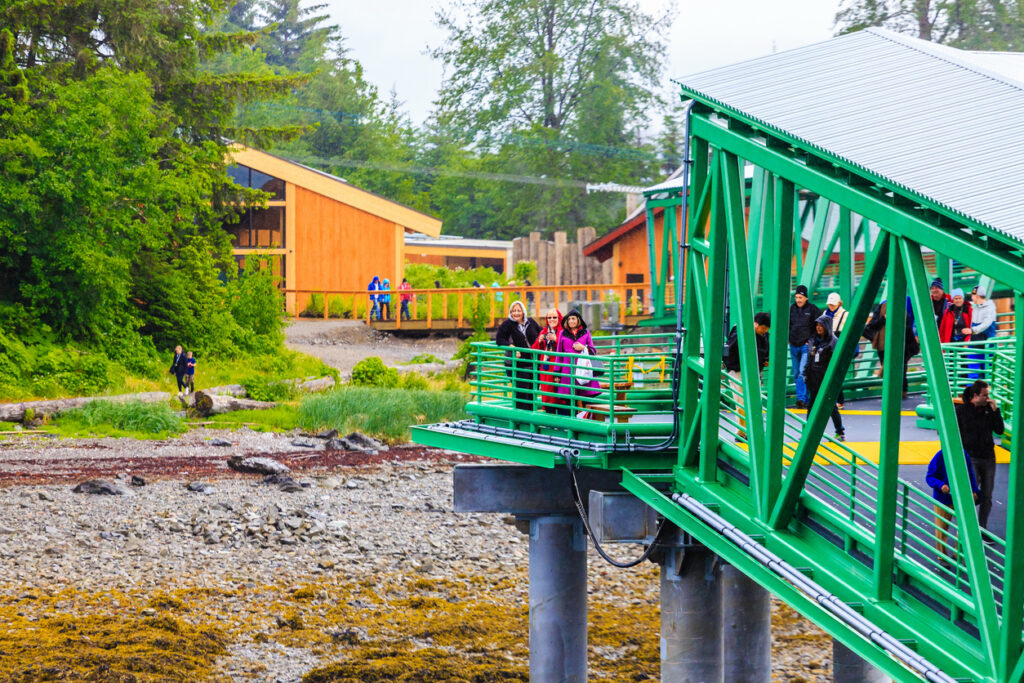
    ed Welcome Center building at Icy Strait Point, the entry point visitors pass through before exploring the Native Heritage Center & Museum
    Icy Strait Point, Alaska, United States – September 22, The red Welcome Center at Icy Strait Point is where most guests begin before heading to the Native Heritage Center & Museum.

    The Native Heritage Center offers a meaningful introduction to Tlingit culture, history, and traditions. Exhibits highlight local art, carving, weaving, and storytelling, while cultural demonstrations provide insight into the community’s deep connection to the land and sea. Visitors can learn about clan structures, traditional practices, and the history of Hoonah, one of the largest Tlingit villages in Alaska. The center is locally operated, ensuring that the stories shared are authentic and rooted in lived experience. It’s a powerful and enriching stop for anyone interested in Alaska Native culture. For tips, timing, and planning details, see my complete Icy Strait Point Native Heritage Center guide.

    4. Walk the Coastal Trail

    Forest‑covered shoreline and mountain views along the Icy Strait near Hoonah, Alaska, with distant coastal scenery beneath low clouds.
    The forested shoreline and mountain views along the Icy Strait create a peaceful backdrop for the Coastal Trail at Icy Strait Point.

    The Coastal Trail is a peaceful, scenic path that connects the cruise port to the village of Hoonah. The walk winds through lush rainforest, along rocky shorelines, and past quiet coves where eagles perch and whales can sometimes be spotted offshore. The trail is well‑maintained and easy to follow, making it a great option for visitors who want to explore independently. Along the way, interpretive signs share information about local wildlife and cultural history. It’s a relaxing way to experience the natural beauty of Icy Strait Point at your own pace. For tips, timing, and planning details, see my complete Icy Strait Point Coastal Trail guide.

    5. Visit the Cannery Museum

    Historic cannery buildings at Icy Strait Point in Hoonah, Alaska, including the restored warehouse structures along the waterfront.
    The historic warehouse and cannery buildings at Icy Strait Point showcase the area’s fishing‑industry past and anchor the waterfront of this restored Alaska cruise destination.

    The restored 1912 cannery is the heart of Icy Strait Point, offering a fascinating look at the region’s fishing history. Visitors can explore original equipment, historic photographs, and exhibits that explain how salmon were processed and shipped from this remote corner of Alaska. The cannery also houses local shops, artisan studios, and waterfront walkways with beautiful views of the harbor. It’s an easy, self‑guided experience that blends history, culture, and scenic charm. For tips, timing, and planning details, see my complete Icy Strait Point Cannery Museum guide.

    6. Take a Bear‑Viewing Tour

    Moss‑covered spruce branches in the Tongass National Forest near Icy Strait Point, showing the type of forested habitat where black bears are often found.
    The mossy spruce forests around Icy Strait Point create ideal habitat for black bears, making this region one of the best places in Southeast Alaska for guided bear‑viewing tours.

    Icy Strait Point is one of the best places in Alaska to see coastal brown bears in the wild. Guided tours travel to areas where bears frequently forage along streams and forest edges, especially during salmon season. Knowledgeable local guides share insights into bear behavior, habitat, and conservation, making the experience both exciting and educational. While sightings are never guaranteed, the region’s healthy bear population offers strong chances. The scenery alone — dense rainforest, moss‑covered trees, and quiet waterways — makes the excursion worthwhile. For tips, timing, and planning details, see my complete Icy Strait Point bear‑viewing guide.

    7. Explore Hoonah, the Nearby Tlingit Village

    Rocky shoreline at Icy Strait Point near Hoonah, Alaska, with smooth beach stones and coastal scenery along the water.
    The rocky shoreline near Hoonah offers peaceful views of the Icy Strait, where smooth beach stones line the coast of this small Southeast Alaska village.

    Just a short walk or shuttle ride from the port, Hoonah offers a warm, welcoming glimpse into everyday life in a Tlingit community. Visitors can explore local shops, enjoy seafood restaurants, and stroll along the waterfront boardwalk. Murals and totem‑inspired artwork highlight cultural stories, while friendly residents often share insights into village history. It’s a relaxed, authentic experience that complements the more excursion‑focused activities at the port. For tips, timing, and planning details, see my complete Hoonah village guide.

    8. Take a Wilderness ATV or Jeep Tour

    Close‑up of rugged off‑road tires designed for dirt and gravel trails, representing the wilderness ATV and Jeep tours available at Icy Strait Point in Alaska.
    Rugged off‑road tires are built for the dirt and gravel trails around Icy Strait Point, making them a great fit for wilderness ATV and Jeep adventures in Alaska.

    For travelers seeking adventure, ATV and Jeep tours offer a rugged way to explore the island’s backcountry. These guided excursions travel along forest roads, up mountain ridges, and through remote areas where wildlife sightings are common. The views from higher elevations are spectacular, with sweeping vistas of the coastline, islands, and snow‑capped peaks. Guides share local knowledge about the land, wildlife, and Tlingit heritage, making the experience both thrilling and informative. For tips, timing, and planning details, see my complete Icy Strait Point ATV tour guide.

    9. Go Kayaking in the Protected Waters

    Kayak on the calm, protected waters near Icy Strait Point in Hoonah, Alaska, with forested mountains and coastal scenery in the distance.
    Kayaking the protected waters around Icy Strait Point offers peaceful views of the coastline and surrounding mountains in Hoonah, Alaska.

    Kayaking at Icy Strait Point offers a peaceful, immersive way to experience Alaska’s coastal beauty. Guided tours take visitors through calm waters where seals, sea otters, and eagles are often spotted. The surrounding mountains and dense forest create a dramatic backdrop as you paddle along the shoreline. No experience is necessary — guides provide instruction and all equipment, making it accessible for beginners. It’s a serene, nature‑focused adventure perfect for travelers who want a quieter experience. For tips, timing, and planning details, see my complete Icy Strait Point kayaking guide.

    10. Ride the Gondola to the Mountain Top

    View of the dock and coastal scenery at Icy Strait Point, Alaska, with forested mountains rising above the shoreline near the base of the gondola.
    The dock at Icy Strait Point sits along the forested coastline of the Icy Strait, offering a scenic starting point for the gondola ride up to the mountaintop.

    The gondola at Icy Strait Point offers a scenic ride through the treetops to a mountaintop viewing area with panoramic vistas of the coastline and surrounding islands. The journey is smooth and relaxing, making it a great option for visitors of all ages. At the top, you’ll find walking paths, photo spots, and interpretive signs that highlight the region’s natural and cultural history. It’s an easy, beautiful way to experience the landscape from a new perspective. For tips, timing, and planning details, see my complete Icy Strait Point gondola guide.

    Final Thoughts

    Icy Strait Point offers one of the most authentic and culturally rich experiences in Alaska, and this Icy Strait Point Alaska Cruise Port Guide gives you a strong foundation for planning your day ashore. Whether you’re seeking wildlife encounters, cultural insights, outdoor adventure, or peaceful coastal scenery, the port delivers a refreshing blend of experiences that feel both immersive and welcoming. With so many standout options just steps from the dock, it’s easy to shape your visit around your travel style — relaxed, adventurous, or somewhere in between. No matter what you choose, Icy Strait Point offers the kind of Alaska moments you’ll remember long after your cruise ends.

  • Dog Sledding or Kennel Tour – Seward, Alaska

    Dog Sledding or Kennel Tour – Seward, Alaska

    Husky sled dogs at an Alaska kennel during a dogsledding experience, part of a popular adventure excursion in Seward.
    A dogsledding experience in Seward offers a close‑up look at hardworking huskies and the daily life of an Alaska kennel.

    Dog sledding and kennel tours are among the most memorable experiences you can have in Seward. These excursions offer a behind‑the‑scenes look at Alaska’s famous sled dogs, their training, and the mushers who race in events like the Iditarod. In summer, visitors can enjoy a wheeled sled ride through the forest, meet the dogs, and cuddle energetic puppies that are training for future races.

    For cruise travelers, a dog sledding or kennel tour is an easy, family‑friendly adventure that delivers classic Alaska charm. It’s a great way to learn about sled dog culture, see the dogs in action, and enjoy a fun, interactive experience close to town.

    Fun Facts

    • Many Seward kennels are run by Iditarod mushers, including past champions.
    • Summer tours use wheeled sleds, allowing visitors to experience the thrill of mushing without snow.
    • Sled dogs can run up to 100 miles per day during long‑distance races.
    • Puppies begin basic training at just a few months old.
    • Sled dogs are bred for endurance, speed, and cold‑weather performance.
    • Visitors often get to see the dogs’ training routines, including harnessing and team formation.
    • The Iditarod Trail historically passed through the Seward area.
    • Sled dogs can burn 10,000+ calories per day during peak racing season.

    What to Expect During Your Visit

    Most tours begin with a guided walk through the kennel, where mushers explain how the dogs are trained, cared for, and prepared for long‑distance races. You’ll meet the dogs up close, learn their personalities, and often get to hold or play with puppies.

    The highlight is the sled ride. In summer, teams pull a wheeled sled through forested trails, giving you a taste of the speed and teamwork behind dog mushing. The ride is smooth, exciting, and suitable for all ages.

    Most visits last 1.5–2 hours and include time for photos, questions, and meeting the dogs.

    Why It’s Worth Visiting

    A dog sledding or kennel tour is perfect for travelers who want a hands‑on, interactive Alaska experience. It’s educational, family‑friendly, and full of memorable moments — especially the puppy cuddles. It’s also one of the best ways to learn about Alaska’s sled dog culture and the incredible athleticism of these dogs.

    Where It’s Located

    Most kennels are located 10–20 minutes outside Seward, in forested areas ideal for training.

    How to Get There From the Cruise Port

    • Shuttle or excursion transport: Included with most tours.
    • Taxi: Quick and convenient if you’re visiting independently.
    • Car rental: Ideal if you want flexibility with timing.

    Best Time to Visit

    • Summer (June–August) offers the full experience with wheeled sled rides and puppy visits.
    • Morning tours often have cooler temperatures, which the dogs love.
    • Early season (May–June) may include younger puppies in training.
    • Fall (September) brings crisp air and beautiful forest colors.

    Tips for Visiting

    • Wear comfortable outdoor clothing — you’ll be around dogs, dirt, and forest trails.
    • Bring a camera for puppy photos and sled ride action shots.
    • Ask mushers about the Iditarod — they love sharing stories.
    • Be ready for dog energy — these athletes are excited and loud when they’re ready to run.
    • Book early; tours often sell out on cruise days.

    Common Complaints

    • Some visitors are surprised by how energetic and loud the dogs are before running.
    • Tours may feel short if you’re especially into dog mushing.
    • Weather can be rainy, but tours typically run regardless.
    • Some kennels are located on gravel roads, which can feel bumpy.

    Final Thoughts

    A dog sledding or kennel tour is one of the most iconic and joyful experiences in Seward. With energetic sled dogs, knowledgeable mushers, and unforgettable puppy time, it’s a must‑do for cruise travelers who want a hands‑on taste of Alaska’s culture and adventure.

    For more ideas to plan your day, explore my full guide to the top things to do in Seward.

  • Wildlife Cruise on Sitka Sound – Sitka, Alaska

    Wildlife Cruise on Sitka Sound – Sitka, Alaska

    Harbor seals resting on a buoy in Sitka Sound, with calm water and coastal scenery surrounding this common wildlife sight in Sitka, Alaska.
    Harbor seals often haul out on buoys in Sitka Sound, offering wildlife cruise passengers an easy and memorable look at these curious marine mammals.

    A wildlife cruise on Sitka Sound is one of the most unforgettable experiences you can have in Sitka. These small‑group boat tours explore the rich marine ecosystem surrounding the city, offering close‑up views of humpback whales, sea otters, harbor seals, sea lions, puffins, and bald eagles. With volcanic islands, rugged coastlines, and snow‑capped mountains as the backdrop, Sitka Sound is one of the most scenic and wildlife‑dense areas in Southeast Alaska.

    For cruise travelers, a wildlife cruise is an easy, high‑reward excursion that fits perfectly into a port‑day itinerary. The boats are comfortable, the guides are knowledgeable, and the wildlife encounters are often spectacular. Whether you’re a photographer, nature lover, or first‑time Alaska visitor, this is a must‑do experience.

    Fun Facts

    • Sitka Sound is home to one of the largest sea otter populations in Alaska.
    • Humpback whales migrate through the area to feed on herring and krill in summer.
    • Steller sea lions haul out on rocky islands throughout the sound.
    • The volcanic cone of Mt. Edgecumbe is visible from many wildlife cruise routes.
    • Sitka Sound’s nutrient‑rich waters support over 200 species of birds.
    • Many tours use small boats, allowing closer wildlife viewing than large‑ship excursions.
    • Puffins are commonly seen on St. Lazaria Island, a protected seabird sanctuary.
    • Sitka’s coastal waters are part of the Tongass National Forest, the largest temperate rainforest in the world.

    What to Expect During Your Visit

    Most wildlife cruises depart from Sitka’s harbor and head into the open waters of Sitka Sound. The boats are typically small (6–20 passengers), offering excellent visibility and a personal experience. Guides share information about local wildlife, geology, and Indigenous history while scanning for whales, otters, and seabirds.

    Common sightings include humpback whales breaching or bubble‑net feeding, rafts of playful sea otters, and bald eagles perched along the shoreline. Many tours also pass volcanic islands, kelp forests, and dramatic rock formations. The experience is relaxed, scenic, and full of photo opportunities. Most cruises last 2–3 hours.

    Why It’s Worth Visiting

    A wildlife cruise is perfect for travelers who want a high‑impact, low‑effort adventure with guaranteed scenery and excellent chances of wildlife encounters. It’s ideal for families, photographers, and anyone who wants to experience the beauty and biodiversity of Sitka Sound up close.

    Where It’s Located

    Wildlife cruises depart from Sitka’s small boat harbor, located just west of downtown and easily accessible from the cruise shuttle drop‑off.

    How to Get There From the Cruise Port

    • Free cruise shuttle: Drops passengers in downtown; from there it’s a 5–10 minute walk to the harbor.
    • Taxi: Quick and convenient if you prefer not to walk.
    • Excursion transport: Many tours include pickup from the shuttle area.
    • Walk: Easy and scenic along the waterfront.

    Best Time to Visit

    • June–August offers the most consistent whale and otter sightings.
    • May–June is excellent for birdwatching and early‑season whales.
    • Late summer brings peak sea otter activity.
    • Morning cruises often have calmer seas and softer light.

    Tips for Visiting

    • Bring a camera with zoom — wildlife can appear suddenly.
    • Dress in layers — it’s cooler on the water, even in summer.
    • Choose a small‑group tour for the best viewing angles.
    • Keep your eyes on the water — whale blows can be spotted from a distance.
    • Ask your guide about Mt. Edgecumbe and local geology.
    • Combine with the Sitka Seawalk or Science Center for a perfect waterfront day.

    Common Complaints

    • Weather can be windy or rainy — Sitka Sound is exposed.
    • Wildlife sightings vary, though otters and eagles are almost always seen.
    • Small boats may feel bumpy in choppy conditions.
    • Tours can sell out quickly on busy cruise days.

    Final Thoughts

    A wildlife cruise on Sitka Sound is one of the most rewarding and memorable experiences in Sitka, offering close‑up encounters with whales, otters, seabirds, and stunning coastal scenery. It’s a must‑do excursion for cruise travelers who want to experience the wild beauty of Alaska from the water. For more ideas to plan your day, explore my full guide to the top things to do in Sitka.

  • Scenic Drive into the Yukon – Skagway, Alaska

    Scenic Drive into the Yukon – Skagway, Alaska

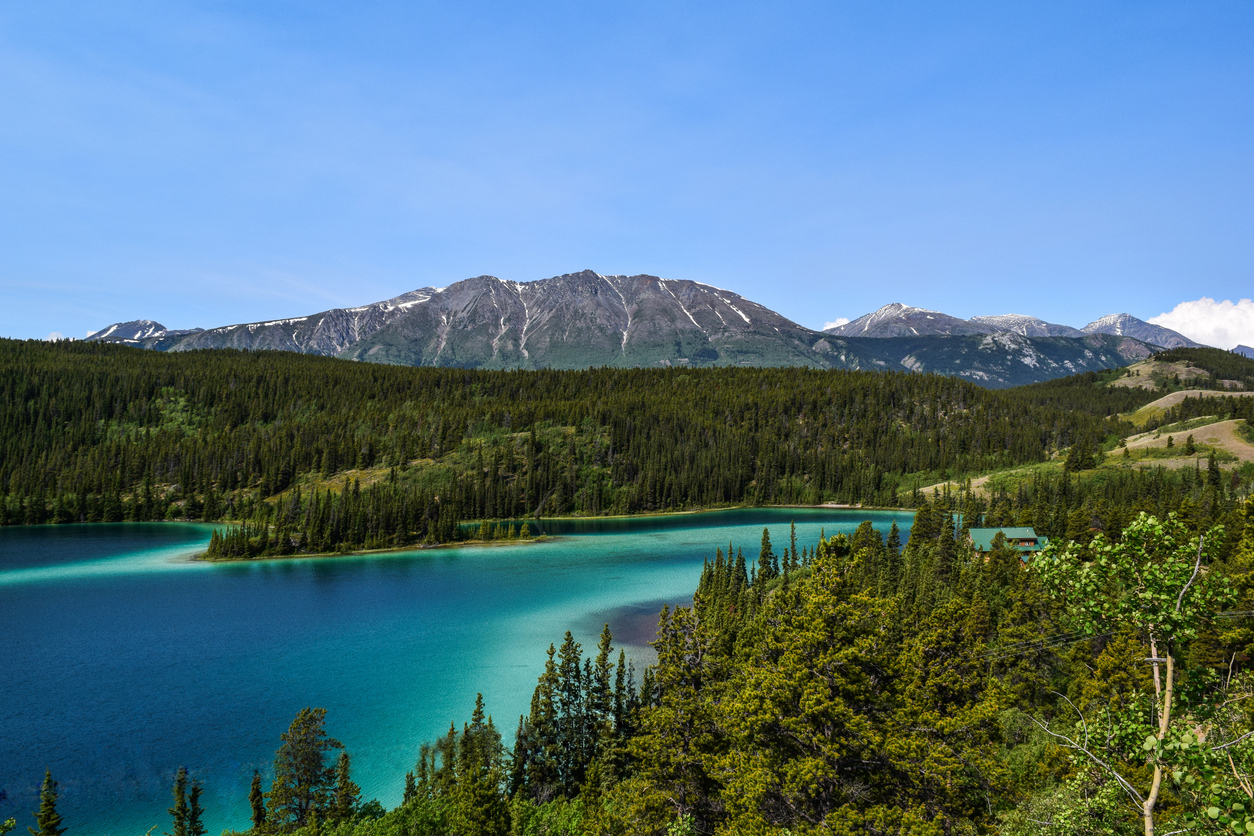
    Emerald Lake glowing bright green in the early morning sun along the Klondike Highway in the Yukon.
    Emerald Lake shines a vivid green in the early morning light, one of the most stunning viewpoints along the Klondike Highway.

    The Scenic Drive into the Yukon is one of the most breathtaking road trips in the region, taking you from Skagway’s coastal rainforest into a world of alpine lakes, glacier‑carved valleys, and sweeping tundra landscapes. This route follows the Klondike Highway, climbing past the White Pass summit and continuing into British Columbia and the Yukon Territory. The scenery changes dramatically every few miles, offering endless opportunities for photography and wildlife viewing.

    For cruise travelers, this drive is an easy, flexible way to experience the vast wilderness beyond Skagway. Whether you join a guided tour or rent a car, the journey can be tailored to your schedule, with stops at lakes, waterfalls, overlooks, and historic sites. It’s perfect for travelers who want big scenery without strenuous activity — and it pairs beautifully with a visit to Carcross or Emerald Lake.

    Fun Facts

    • The Klondike Highway follows the route used by stampeders during the 1898 Klondike Gold Rush.
    • The drive crosses three regions: Alaska, British Columbia, and the Yukon Territory.
    • The landscape shifts from coastal rainforest to subalpine terrain and finally to open Arctic tundra.
    • Emerald Lake, a popular stop, is known for its brilliant turquoise color caused by glacial silt and light‑reflecting marl deposits.
    • The highway passes through the Tormented Valley, a surreal landscape shaped by retreating glaciers.
    • Wildlife sightings may include bears, mountain goats, foxes, and porcupines.
    • Carcross, a small Yukon community, is home to the world’s smallest desert, the Carcross Desert.
    • The road is open seasonally and maintained for safe summer travel.

    What to Expect During Your Visit

    The drive begins in Skagway and quickly climbs into the mountains, offering dramatic views of waterfalls, cliffs, and glacier‑carved valleys. After crossing the White Pass summit, the scenery opens into a rugged, windswept landscape dotted with lakes and granite outcrops. As you continue into British Columbia and the Yukon, the terrain becomes more expansive, with wide valleys, turquoise lakes, and rolling tundra.

    Most travelers stop at key viewpoints such as the Welcome to Alaska sign, Bridal Veil Falls, the Tormented Valley, Summit Lake, Bove Island Lookout, Carcross, and Emerald Lake. Guided tours provide narration about Gold Rush history, geology, and wildlife, while self‑drivers enjoy the freedom to stop wherever the scenery inspires them. The full round‑trip experience typically takes 3–5 hours, depending on how far you go.

    Why It’s Worth Visiting

    The Scenic Drive into the Yukon is ideal for travelers who want a high‑reward adventure with minimal physical effort. The landscapes are incredibly diverse, the photo opportunities are endless, and the journey feels like stepping into another world. It’s perfect for families, photographers, nature lovers, and anyone who wants to experience the vast wilderness beyond Skagway.

    Where It’s Located

    The drive begins in Skagway and follows the Klondike Highway (Highway 98) north toward British Columbia and the Yukon Territory.

    How to Get There From the Cruise Port

    • Guided tour: The most popular option; pickup is typically at the cruise dock.
    • Rental car: Available in Skagway; allows maximum flexibility.
    • Taxi or private driver: Possible but must be arranged in advance.
    • Distance: The Yukon border is about 45 minutes from Skagway; Emerald Lake is about 1.5 hours each way.

    Best Time to Visit

    • Late spring through early fall (May–September) offers the best road conditions.
    • Morning departures provide softer light and fewer crowds at viewpoints.
    • Summer brings lush greenery and the best chance for wildlife sightings.
    • Fall (September) offers stunning golden tundra colors.

    Tips for Visiting

    • Bring a passport — you’ll cross the Canadian border.
    • Wear layers; temperatures vary dramatically with elevation.
    • Charge your camera or phone fully — the photo stops are constant.
    • If driving yourself, fuel up in Skagway; services are limited along the route.
    • Stop at Carcross for shops, snacks, and cultural exhibits.
    • Book guided tours early — this is one of Skagway’s most popular excursions.

    Common Complaints

    • Weather can be cloudy or foggy at higher elevations.
    • Border crossings may add a few minutes to the trip.
    • Some travelers wish for more time at Emerald Lake on guided tours.
    • The drive may feel long for those who prefer active excursions.

    Final Thoughts

    The Scenic Drive into the Yukon is one of the most unforgettable experiences you can have from Skagway, offering dramatic landscapes, wildlife viewing, and a fascinating look at Gold Rush history. It’s a flexible, high‑impact adventure that fits beautifully into a cruise‑day itinerary. For more ideas to plan your day, explore my full guide to the top things to do in Skagway.

  • White Pass & Yukon Route Railway – Skagway, Alaska

    White Pass & Yukon Route Railway – Skagway, Alaska

    White Pass and Yukon Route Railway train traveling from Skagway, Alaska, toward Carcross in Canada’s Yukon Territory, passing through rugged mountains and historic Gold Rush scenery.
    The White Pass & Yukon Route Railway carries passengers from Skagway into Canada’s Yukon Territory, offering stunning mountain views and a journey through Gold Rush history.

    The White Pass & Yukon Route Railway is Skagway’s most iconic experience, offering a breathtaking journey through glacier‑carved valleys, towering peaks, and historic Gold Rush terrain. Built in 1898 during the Klondike Gold Rush, this narrow‑gauge railroad climbs nearly 3,000 feet in just 20 miles, passing waterfalls, wooden trestles, and dramatic cliffside views along the way. It’s one of the most scenic and historically significant rail journeys in the world.

    For cruise travelers, the White Pass Railway fits seamlessly into a port‑day itinerary. Most excursions depart right beside the cruise dock, making it one of the easiest and most rewarding activities in Skagway. The ride is comfortable, narrated, and suitable for all ages—perfect for travelers who want big scenery without strenuous activity.

    Fun Facts

    • The railway was built in just 26 months during the Klondike Gold Rush.
    • It climbs from sea level to 2,865 feet at the White Pass summit.
    • The line is a narrow‑gauge railway, allowing tighter curves through steep terrain.
    • Construction required blasting through solid rock using hand drills and dynamite.
    • The route includes the famous Steel Bridge, once the tallest cantilever bridge in the world.
    • The train crosses into British Columbia on longer excursions.
    • The railway is designated an International Historic Civil Engineering Landmark, alongside the Eiffel Tower and Panama Canal.
    • Many of the vintage railcars date back to the early 1900s.

    What to Expect During Your Visit

    Most visitors board the train directly from the cruise dock or the nearby depot. The vintage railcars feature large windows, bench seating, and open platforms for photography. As the train climbs out of Skagway, you’ll pass waterfalls, deep gorges, historic trestles, and remnants of the original Gold Rush trail. The narration shares stories of stampeders, engineering feats, and the harsh realities of the Klondike era.

    The classic round‑trip White Pass Summit excursion lasts about 2.5 to 3 hours, making it ideal for cruise schedules. Longer tours extend into Canada, offering even more dramatic scenery. The ride is smooth, scenic, and accessible for all mobility levels.

    Why It’s Worth Visiting

    The White Pass Railway is perfect for travelers who want a high‑impact experience with minimal effort. The scenery is spectacular, the history is fascinating, and the ride is comfortable and relaxing. It’s ideal for families, photographers, history lovers, and anyone who wants to see the dramatic landscapes that made Skagway famous. If you only choose one excursion in Skagway, this is the one that delivers the most “wow” moments.

    Where It’s Located

    The railway depot is located in downtown Skagway, directly adjacent to the cruise docks and within easy walking distance of the main street.

    How to Get There From the Cruise Port

    • Walk: 1–5 minutes from most cruise berths
    • Excursion transport: Not needed; many trains board directly beside the ship
    • Independent travelers: Can check in at the depot on 2nd Avenue

    Best Time to Visit

    • Morning departures offer crisp light and fewer crowds.
    • Mid‑summer (June–August) provides the greenest scenery.
    • Early season (May–June) offers snow‑capped peaks and dramatic contrasts.
    • Fall (September) brings golden foliage along the mountainsides.

    Tips for Visiting

    • Bring a jacket—mountain air is cooler at the summit.
    • Step onto the open platforms for the best photos.
    • Sit on the left side going up for the most dramatic views (right side on the return).
    • Book early—this is Skagway’s most popular excursion.
    • If you want a longer adventure, choose a tour that continues into Canada.
    • Keep your camera ready—waterfalls and cliffside views appear quickly.

    Common Complaints

    • Windows can fog or glare depending on weather.
    • The ride may feel long for travelers who prefer active excursions.
    • Some visitors wish for more time outside the train.
    • Weather can be cloudy or rainy, limiting distant views.

    Final Thoughts

    The White Pass & Yukon Route Railway is the signature Skagway experience, offering breathtaking scenery and powerful Gold Rush history in a comfortable, easy‑to‑access excursion. It’s a perfect fit for cruise travelers who want a memorable, high‑impact adventure without strenuous activity. For more ideas to plan your day, explore my full guide to the top things to do in Skagway.

  • Cruise Prince William Sound – Valdez, Alaska

    Cruise Prince William Sound – Valdez, Alaska

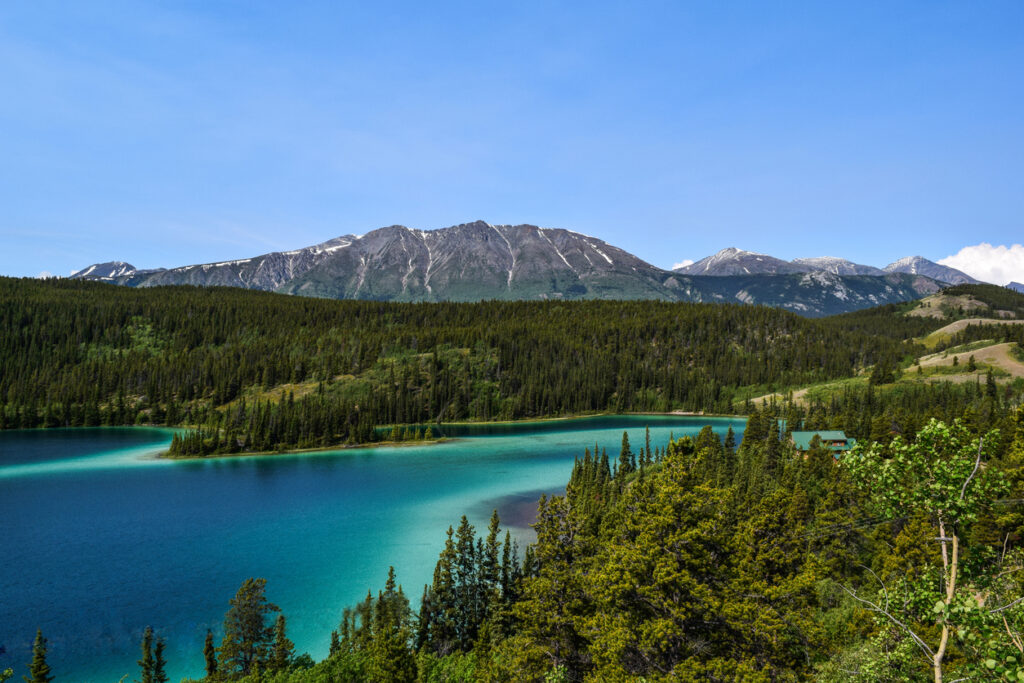
    A calm blue lake surrounded by evergreen forest and snow‑covered mountains under a clear sky in Alaska.
    Prince William Sound is known for its glacier‑fed lakes, rugged mountains, and peaceful coastal scenery.

    Prince William Sound is one of the most breathtaking places you can experience in Alaska, and cruising through its calm, glacier‑fed waters is the signature excursion for visitors arriving in Valdez. The sound is surrounded by towering mountains, cascading waterfalls, and some of the most accessible tidewater glaciers in the state. Whether you’re hoping to see wildlife, photograph blue ice, or simply enjoy the peaceful scenery, this cruise delivers an unforgettable look at Alaska’s coastal wilderness.

    For cruise travelers, a Prince William Sound tour fits beautifully into a port‑day itinerary. Most excursions last between four and six hours, making it easy to enjoy the experience without feeling rushed. The boats are comfortable, the views are nonstop, and the atmosphere is serene—perfect for travelers who want a high‑impact adventure that doesn’t require strenuous activity.

    Fun Facts

    • Prince William Sound is home to more than 150 glaciers, including several tidewater glaciers that actively calve.
    • The sound is surrounded by the Chugach Mountains, one of the snowiest mountain ranges in the world.
    • Wildlife sightings often include sea otters, seals, sea lions, puffins, bald eagles, and whales.
    • The water appears bright turquoise due to glacial silt, which reflects light differently than open ocean water.
    • The area is protected by the Chugach National Forest, the second‑largest national forest in the United States.
    • Many cruises visit Columbia Glacier, one of the fastest‑changing glaciers in North America.
    • The sound’s calm waters make it one of the smoothest glacier‑cruise experiences in Alaska.
    • Valdez is the only deepwater port in the sound, making it the ideal starting point for scenic cruises.

    What to Expect During Your Visit

    A Prince William Sound cruise typically begins at the Valdez Harbor, where you’ll board a comfortable sightseeing vessel with indoor seating, outdoor decks, and large viewing windows. As the boat leaves the harbor, you’ll glide past forested shorelines, steep mountain walls, and waterfalls that pour directly into the sea. The scenery becomes more dramatic as you approach the glaciers—massive walls of blue ice that crack, groan, and occasionally calve into the water.

    Along the way, naturalists share information about the region’s geology, wildlife, and glacial history. Wildlife sightings are common, and the captain often slows or stops the boat to give passengers time for photos. Most tours last four to six hours, depending on the route and glacier conditions. The experience is relaxed, scenic, and suitable for all mobility levels.

    Why It’s Worth Visiting

    A Prince William Sound cruise is one of the most rewarding ways to experience Alaska’s coastal wilderness without strenuous hiking or long travel times. It’s ideal for travelers who want dramatic glacier views, abundant wildlife, and peaceful scenery. The calm waters make it accessible for families, older travelers, and anyone prone to motion sickness. If you only choose one major excursion in Valdez, this is the one that delivers the most “wow” moments in a single outing.

    Where It’s Located

    Cruises depart from the Valdez Harbor, located in the heart of downtown Valdez and surrounded by mountain views.

    How to Get There From the Cruise Port

    Valdez does not have a traditional cruise terminal, but cruise passengers typically arrive via shuttle tender or small‑ship dock. From either location:

    • Walk: 5–10 minutes to the harbor
    • Taxi: rarely needed due to proximity
    • Excursion transportation: included with most tour operators

    Best Time to Visit

    • Morning departures often offer calmer water and better lighting for photography.
    • Summer (June–August) provides the best wildlife viewing and warmest temperatures.
    • Early season (May–June) can offer excellent glacier visibility.
    • Rain is common, but the scenery remains dramatic in all weather.

    Tips for Visiting

    • Bring a warm jacket, even on sunny days—glacier air is chilly.
    • Wear waterproof layers if rain is in the forecast.
    • Charge your camera or phone fully; photo opportunities are constant.
    • Sit inside for warmth but step outside for the best glacier views.
    • If you’re prone to motion sickness, take precautions, though waters are usually calm.
    • Book early—this is Valdez’s most popular excursion.

    Common Complaints

    • Weather can be rainy or foggy, which may limit visibility.
    • Glacier distances vary depending on ice conditions and safety regulations.
    • Tours can feel long for travelers who prefer fast‑paced activities.
    • Wildlife sightings are never guaranteed.

    Final Thoughts

    Cruising Prince William Sound is one of the most memorable experiences you can have in Valdez, offering a peaceful blend of glaciers, wildlife, and dramatic mountain scenery. It’s an easy, high‑impact excursion that fits perfectly into a cruise‑day itinerary and appeals to travelers of all ages. For more ideas to plan your day, explore my full guide to the top things to do in Valdez.

error: Content is protected !!