Tag: Alaska attractions

  • Red Onion Saloon & Brothel Museum – Skagway, Alaska

    Red Onion Saloon & Brothel Museum – Skagway, Alaska

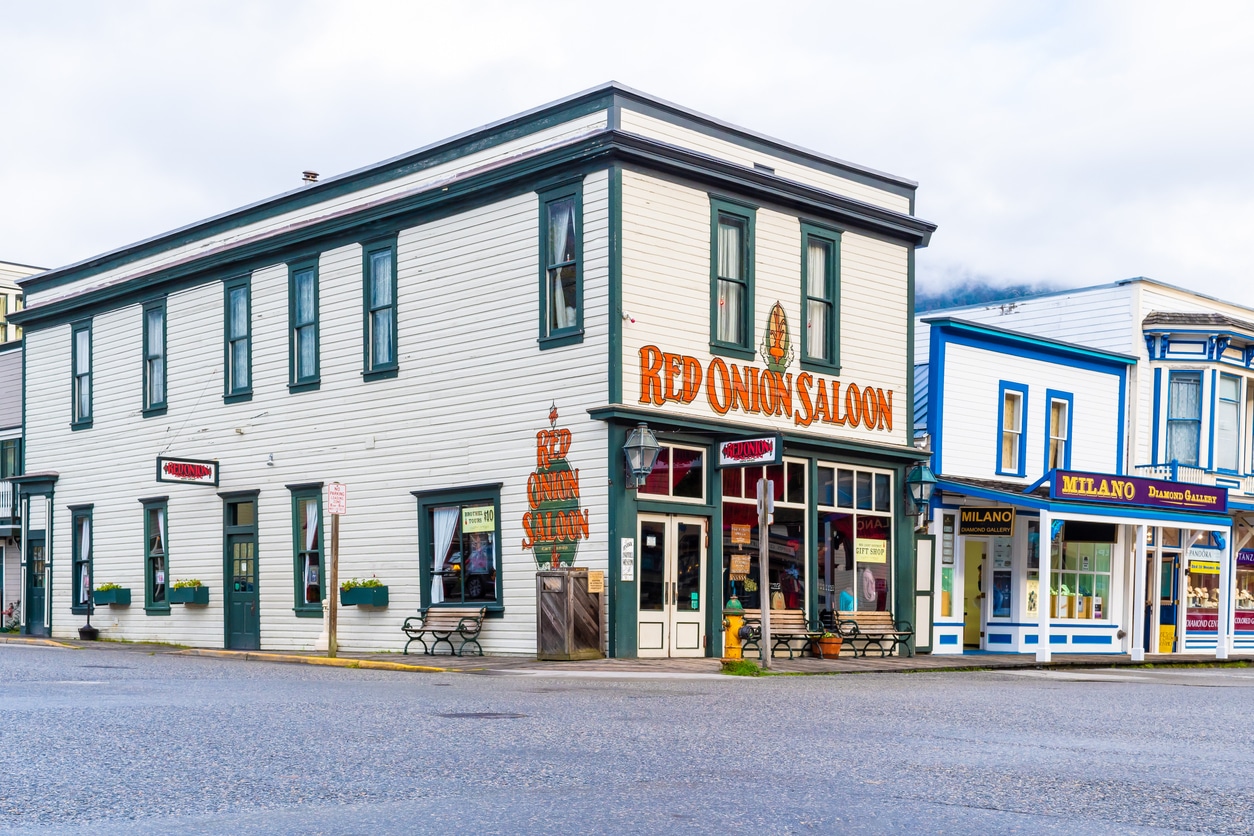
    The historic Red Onion Saloon in Skagway, Alaska, a former Gold Rush–era brothel now operating as a bar and museum popular with cruise visitors.
    The Red Onion Saloon is one of Skagway’s most iconic landmarks, blending its Gold Rush brothel history with a lively modern bar and museum experience.

    The Red Onion Saloon & Brothel Museum is one of Skagway’s most colorful and entertaining historic attractions. Once a bustling Gold Rush saloon and upstairs brothel, the building now serves as a lively restaurant, bar, and museum that celebrates the town’s wilder side. With costumed guides, preserved rooms, and humorous storytelling, the Red Onion offers a fun, lighthearted look at life during the Klondike era.

    For cruise travelers, this is an easy, walkable stop right in the heart of downtown. Whether you’re grabbing lunch, enjoying a drink, or joining the brothel tour, the Red Onion delivers a memorable mix of history and entertainment — perfect for travelers who enjoy quirky, character‑driven experiences.

    Fun Facts

    • The Red Onion opened in 1898 during the height of the Klondike Gold Rush.
    • The upstairs brothel once employed ten “working girls,” each represented by a doll placed in the bar to show availability.
    • The building is one of the best‑preserved Gold Rush saloons in Skagway.
    • Costumed guides lead tours as “madams,” sharing humorous and historically grounded stories.
    • The brothel rooms upstairs remain authentically furnished, offering a glimpse into frontier life.
    • The saloon’s bar is original and was shipped around Cape Horn to reach Alaska.
    • The Red Onion is rumored to have ghostly activity, adding to its local lore.
    • Today, it’s both a museum and a popular spot for food, drinks, and lively atmosphere.

    What to Expect During Your Visit

    Visitors can enjoy the bustling downstairs saloon, which serves food, drinks, and local brews in a lively Gold Rush–themed setting. The real highlight, however, is the guided brothel tour upstairs. Costumed “madams” lead guests through the preserved rooms, sharing stories about the women who worked there, the realities of frontier brothels, and the colorful characters who passed through Skagway.

    The tour is humorous, engaging, and historically informative — never graphic, always playful. Most visitors spend 30–60 minutes here, depending on whether they dine, drink, or take the tour.

    Why It’s Worth Visiting

    The Red Onion Saloon & Brothel Museum is perfect for travelers who enjoy history with personality. It’s fun, memorable, and offers a unique perspective on Skagway’s Gold Rush past. The combination of preserved rooms, costumed guides, and lively saloon atmosphere makes this one of the most entertaining stops in town.

    Where It’s Located

    The Red Onion is located on Broadway Street in downtown Skagway, just a short walk from the cruise docks.

    How to Get There From the Cruise Port

    • Walk: 3–7 minutes from most cruise berths
    • Taxi: Not necessary
    • Excursion transport: Some city tours include a stop, but most visitors walk independently

    Best Time to Visit

    • Mid‑morning to afternoon offers the most tour availability.
    • Lunch hours can be busy when multiple ships are in port.
    • Late afternoon is great for drinks and a lively atmosphere.
    • Summer provides the full schedule of tours and performances.

    Tips for Visiting

    • Book the brothel tour early on busy cruise days.
    • Bring a camera — the upstairs rooms are full of quirky details.
    • Expect humor — the tour is playful but historically grounded.
    • Enjoy a drink or meal downstairs for the full experience.
    • Combine with Historic Downtown Skagway for an easy walking itinerary.
    • Check hours in advance — schedules vary by season.

    Common Complaints

    • Tours can sell out quickly on busy days.
    • The saloon can feel crowded during lunch or peak cruise times.
    • Some visitors expect a larger museum; the upstairs area is compact.
    • The humor may feel theatrical to travelers seeking a purely serious history experience.

    Final Thoughts

    The Red Onion Saloon & Brothel Museum is one of Skagway’s most entertaining and memorable attractions, blending Gold Rush history with humor, personality, and preserved frontier charm. It’s an easy, walkable stop that adds fun and flavor to any Skagway itinerary. For more ideas to plan your day, explore my full guide to the top things to do in Skagway.

  • Jewell Gardens & Glassblowing Studio – Skagway, Alaska

    Jewell Gardens & Glassblowing Studio – Skagway, Alaska

    Molten glass glowing on the end of a rod during a glassblowing demonstration, shown in a close-up macro view.
    A close-up look at molten glass being shaped on the end of a rod — one of the highlights of the glassblowing demonstrations at Jewell Gardens in Skagway.

    Jewell Gardens & Glassblowing Studio is one of Skagway’s most delightful hidden gems, offering a peaceful escape filled with vibrant flowers, organic vegetable gardens, whimsical glass art, and hands‑on creative experiences. Set along the banks of the Skagway River, this garden oasis feels worlds away from the busy cruise docks, yet it’s just a short ride from downtown. Visitors can stroll through beautifully maintained gardens, watch live glassblowing demonstrations, or even create their own glass souvenir.

    For cruise travelers, Jewell Gardens is a relaxing, low‑effort attraction that pairs perfectly with a morning excursion or a leisurely afternoon. It’s ideal for travelers who enjoy gardens, art, photography, or simply a quiet break surrounded by color and creativity.

    Fun Facts

    • Jewell Gardens sits on land once used by Skagway’s early vegetable farmers during the Gold Rush.
    • The gardens are certified organic, with vegetables grown for local restaurants and their own tea service.
    • The on‑site glass studio is inspired by Louis Comfort Tiffany and features vibrant, hand‑blown pieces.
    • Visitors can participate in a hands‑on glassblowing experience, creating ornaments or small glass art.
    • The gardens include whimsical glass sculptures tucked among the flowers.
    • The site is home to one of the northernmost glass studios in North America.
    • Many of the flowers are chosen specifically to thrive in Skagway’s long summer daylight.
    • The gardens overlook the Skagway River, adding a peaceful natural backdrop.

    What to Expect During Your Visit

    Visitors can wander through colorful flower beds, vegetable plots, and greenhouse spaces, all arranged in a charming, walkable layout. Interpretive signs explain the history of the gardens and the plants grown there. The glassblowing studio is a highlight — you can watch artists at work or join a guided session to create your own piece.

    The atmosphere is calm and welcoming, with plenty of benches, photo spots, and shaded areas. Many visitors enjoy browsing the gift shop, which features locally made glass art and garden‑inspired souvenirs. The entire experience typically takes 45–90 minutes, depending on whether you participate in a glassblowing session.

    Why It’s Worth Visiting

    Jewell Gardens is perfect for travelers who want a peaceful, creative break from Skagway’s busier attractions. The gardens are beautiful, the glass art is fascinating, and the hands‑on experience is a memorable way to bring home a unique souvenir. It’s ideal for families, couples, photographers, and anyone who enjoys art and nature.

    Where It’s Located

    Jewell Gardens is located just north of downtown Skagway, along the Skagway River.

    How to Get There From the Cruise Port

    • Shuttle or tour bus: Many excursions include transportation.
    • Taxi: A quick 5‑minute ride.
    • Walk: Possible but long (about 25–30 minutes).
    • Bike: A scenic and easy option via the paved path.

    Best Time to Visit

    • Mid‑summer (June–August) offers peak blooms and the most vibrant colors.
    • Morning visits provide soft light for photography.
    • Early season (May–June) features fresh spring growth.
    • Fall (September) brings cooler temperatures and late‑season flowers.

    Tips for Visiting

    • Bring a camera — the gardens are full of color and detail.
    • Book the glassblowing experience early; spots can fill quickly.
    • Wear comfortable shoes for walking the garden paths.
    • Visit the gift shop for unique, locally made glass art.
    • Combine with a stroll along the Skagway River for extra scenery.
    • Check hours in advance — the gardens are seasonal.

    Common Complaints

    • The attraction may feel small to visitors expecting a large botanical garden.
    • Glassblowing sessions can sell out on busy cruise days.
    • Weather can be chilly or rainy, though much of the garden remains enjoyable.
    • Some visitors wish for more indoor exhibits.

    Final Thoughts

    Jewell Gardens & Glassblowing Studio is one of Skagway’s most charming and peaceful attractions, offering a colorful blend of gardens, art, and hands‑on creativity. It’s a relaxing, memorable stop that adds variety and beauty to any Skagway itinerary. For more ideas to plan your day, explore my full guide to the top things to do in Skagway.

  • Klondike Gold Rush National Historical Park – Skagway, Alaska

    Klondike Gold Rush National Historical Park – Skagway, Alaska

    Historic buildings in Klondike Gold Rush National Historical Park in Skagway, Alaska, with restored Gold Rush–era architecture alongside modern structures.
    Klondike Gold Rush National Historical Park preserves Skagway’s Gold Rush–era streetscape, where historic buildings stand alongside modern structures to tell the story of the town’s past.

    Klondike Gold Rush National Historical Park preserves the stories, buildings, and landscapes that defined one of the most dramatic events in North American history. When gold was discovered in the Yukon in 1896, tens of thousands of stampeders poured into Skagway, transforming it from a quiet valley into a booming frontier town almost overnight. Today, the National Park Service protects key historic buildings, trails, and artifacts that help visitors understand the hardships, hopes, and chaos of the Gold Rush era.

    For cruise travelers, this park is one of the easiest and most enriching attractions in Skagway. The visitor center, museums, and historic buildings are all located right in the downtown district, making it simple to explore before or after excursions. Whether you join a ranger‑led tour, browse the exhibits, or walk the historic streets, the park offers a meaningful look at the people and events that shaped Skagway’s past.

    Fun Facts

    • The park preserves over 20 historic buildings in downtown Skagway.
    • It is paired with a sister site in Seattle, where many stampeders began their journey north.
    • The Gold Rush brought more than 100,000 stampeders through Skagway between 1897 and 1899.
    • The park includes the Chilkoot Trail, the famous route used by stampeders heading to the Yukon.
    • The Arctic Brotherhood Hall, one of the most photographed buildings in Alaska, is part of the park’s collection.
    • Rangers offer free walking tours throughout the summer.
    • Many exhibits feature original artifacts donated by families of stampeders.
    • The park’s visitor center is housed in the historic White Pass & Yukon Route Depot.

    What to Expect During Your Visit

    Visitors can explore a series of restored buildings, museums, and interpretive exhibits located throughout downtown Skagway. The National Park Service Visitor Center offers maps, exhibits, and ranger programs that introduce the history of the Klondike Gold Rush. Nearby, the Mascot Saloon Museum, Jeff. Smiths Parlor Museum, and other historic buildings provide a deeper look at daily life, crime, and commerce during the boom years.

    Ranger‑led walking tours are a highlight, guiding visitors through the historic district while sharing stories of stampeders, con artists, and the challenges of frontier life. Most travelers spend 45–90 minutes exploring the park’s exhibits, though history lovers may spend much longer.

    Why It’s Worth Visiting

    Klondike Gold Rush National Historical Park is perfect for travelers who want to understand the real stories behind Skagway’s Gold Rush past. It’s educational, atmospheric, and incredibly easy to explore. The park adds depth to everything else you’ll see in Skagway — from the White Pass Railway to the historic downtown district — making it a must‑visit for anyone interested in history or culture.

    Where It’s Located

    The park’s main visitor center and historic buildings are located along Broadway Street in downtown Skagway, just steps from the cruise docks.

    How to Get There From the Cruise Port

    • Walk: 1–5 minutes from most cruise berths
    • Taxi: Not necessary
    • Excursion transport: Often passes through the district

    Best Time to Visit

    • Summer (May–September) offers the most ranger programs and open buildings.
    • Morning visits are quieter and offer better photography light.
    • Rainy days are perfect for indoor exhibits.
    • Late afternoon brings softer light on the historic buildings.

    Tips for Visiting

    • Stop at the NPS Visitor Center first for maps and tour times.
    • Join a free ranger‑led walking tour — they’re excellent.
    • Wear comfortable shoes for walking on boardwalks and uneven surfaces.
    • Visit the Mascot Saloon Museum for a look at frontier life.
    • Combine with Historic Downtown Skagway for a seamless experience.
    • Bring a light jacket — Skagway’s weather changes quickly.

    Common Complaints

    • Some buildings have limited hours outside peak season.
    • Ranger tours can fill quickly on busy cruise days.
    • The district can feel crowded when multiple ships are in port.
    • Visitors expecting a large museum may be surprised by the distributed layout.

    Final Thoughts

    Klondike Gold Rush National Historical Park is the heart of Skagway’s history, offering beautifully preserved buildings, engaging exhibits, and powerful stories from the Gold Rush era. It’s an easy, enriching stop that fits perfectly into any cruise‑day itinerary. For more ideas to plan your day, explore my full guide to the top things to do in Skagway.

  • Historic Downtown Skagway – Skagway, Alaska

    Historic Downtown Skagway – Skagway, Alaska

    Colorful Gold Rush–era buildings in historic downtown Skagway, Alaska, with false‑front architecture set against the surrounding mountains.
    Skagway’s historic downtown is lined with colorful Gold Rush–era buildings, a reminder of its Klondike past and a charming stop for today’s cruise visitors.

    Historic Downtown Skagway is the heart of this Gold Rush town, where wooden boardwalks, restored 1890s buildings, and dramatic mountain views create an atmosphere that feels frozen in time. As the gateway to the Klondike Gold Rush, Skagway once bustled with stampeders seeking fortune, and today its historic district preserves that energy with museums, shops, saloons, and interpretive sites that bring the era to life. It’s one of the most walkable and immersive historic districts in Alaska.

    For cruise travelers, Historic Downtown Skagway is the easiest and most flexible way to explore the town. The district begins right at the cruise docks, making it perfect for a relaxed stroll, a self‑guided history walk, or a stop between excursions. Whether you’re interested in Gold Rush stories, architecture, shopping, or photography, this area offers something for everyone.

    Fun Facts

    • Skagway boomed in 1897–1898 when tens of thousands of stampeders arrived seeking gold in the Yukon.
    • The downtown area is part of the Klondike Gold Rush National Historical Park.
    • Many buildings are restored to their 1898 appearance, including saloons, hotels, and storefronts.
    • The famous con man Soapy Smith once ruled Skagway’s underworld from these very streets.
    • Broadway Street is lined with false‑front buildings, a classic Gold Rush architectural style.
    • The historic district includes the Arctic Brotherhood Hall, known for its façade covered in driftwood.
    • Skagway once had a population of over 10,000, making it one of the largest cities in Alaska at the time.
    • The White Pass Trail, used by stampeders, begins just outside town and is still visible from the valley.
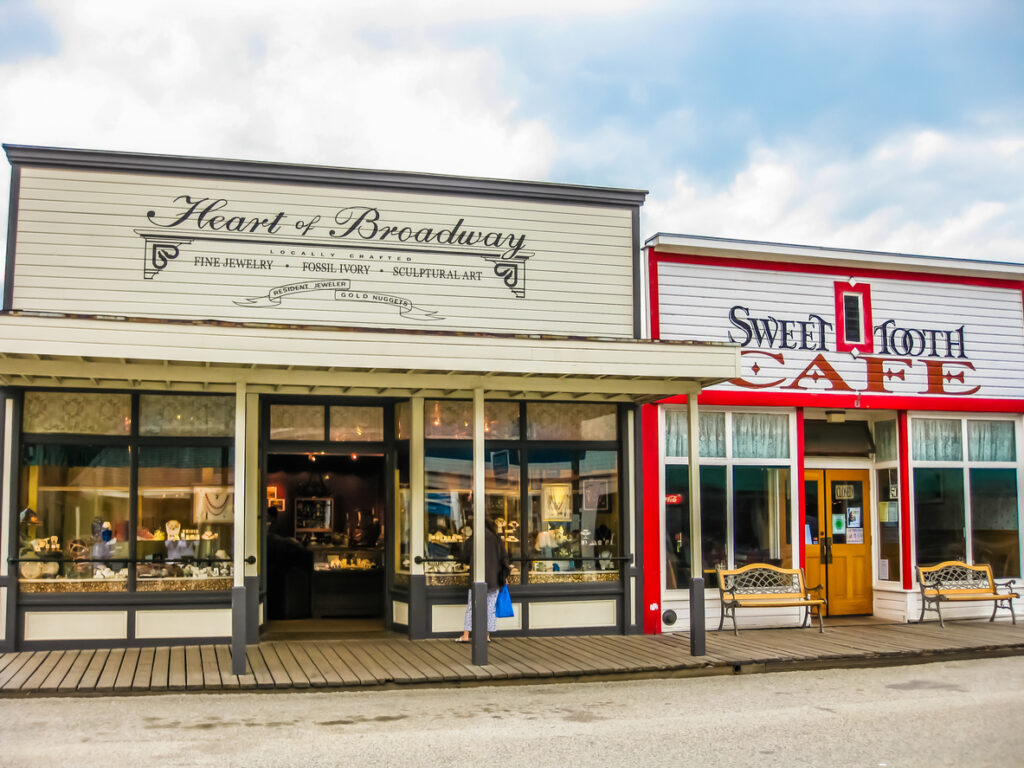
    Broadway Street in downtown Skagway, Alaska, with shoppers walking past restored Gold Rush–era false‑front buildings, wooden boardwalks, and local shops on a spring day.
    Broadway Street is the heart of historic Skagway, where restored false‑front buildings, wooden sidewalks, and lively shops create a classic Gold Rush–era atmosphere.

    What to Expect During Your Visit

    Visitors can stroll along wooden boardwalks, browse historic storefronts, and explore interpretive exhibits that tell the story of the Klondike Gold Rush. The main street, Broadway, is lined with shops, cafés, museums, and restored buildings maintained by the National Park Service. Rangers often lead free walking tours that highlight key sites and share stories of the stampeders, con artists, and adventurers who shaped Skagway’s history.

    The district is compact and easy to navigate, with mountain views framing the town in every direction. Popular stops include the Red Onion Saloon, the Mascot Saloon Museum, the Arctic Brotherhood Hall, and the National Park Service Visitor Center. Most visitors spend 1–2 hours exploring, though history lovers may stay longer.

    Why It’s Worth Visiting

    Historic Downtown Skagway is perfect for travelers who want a flexible, low‑effort way to experience the town’s Gold Rush heritage. It’s ideal for families, history enthusiasts, photographers, and anyone who enjoys walkable, atmospheric destinations. Because it’s so close to the cruise docks, it’s easy to explore before or after excursions like the White Pass Railway.

    Where It’s Located

    The historic district begins at the Skagway waterfront and extends along Broadway Street through the center of town.

    How to Get There From the Cruise Port

    • Walk: 1–5 minutes from most cruise berths
    • Taxi: Not necessary
    • Excursion transport: Often passes through the district

    Best Time to Visit

    • Morning offers softer light and fewer crowds.
    • Mid‑day is busiest, especially when multiple ships are in port.
    • Late afternoon brings beautiful golden‑hour light on the mountains.
    • Summer offers the most open shops and ranger programs.

    Tips for Visiting

    • Wear comfortable shoes—you’ll be walking on boardwalks and uneven surfaces.
    • Stop by the NPS Visitor Center for maps and free walking tours.
    • Visit the Arctic Brotherhood Hall for one of the most photographed façades in Alaska.
    • Explore side streets for quieter views and historic homes.
    • Bring a light jacket—Skagway’s coastal weather can change quickly.
    • Combine with the White Pass Railway for a full Gold Rush‑themed day.

    Common Complaints

    • Crowds can be heavy when multiple ships are in port.
    • Some shops feel tourist‑oriented rather than historic.
    • Weather can be windy or chilly, even in summer.
    • The district is compact—some visitors expect a larger area.

    Final Thoughts

    Historic Downtown Skagway is the perfect place to step back into the Klondike Gold Rush era, with restored buildings, dramatic scenery, and easy walkability that make it ideal for cruise travelers. Whether you’re exploring museums, browsing shops, or simply soaking in the atmosphere, this district is a must‑see part of any Skagway itinerary. For more ideas to plan your day, explore my full guide to the top things to do in Skagway.

  • Valdez Harbor & Waterfront – Valdez, Alaska

    Valdez Harbor & Waterfront – Valdez, Alaska

    A rare sunny day at the Valdez Harbor in Alaska, with fishing boats and mountains reflected in the calm water.
    Sunny days are rare in Valdez, making the harbor even more stunning when the mountains, boats, and calm water light up under clear blue skies.

    The Valdez Harbor & Waterfront is the heart of the community and one of the most scenic places to explore during a visit to Valdez. Surrounded by towering mountains, calm glacier‑fed water, and colorful fishing boats, the harbor offers a peaceful, walkable experience with nonstop views. It’s the perfect place to soak in the atmosphere, watch wildlife, and enjoy the charm of this small coastal town.

    For cruise travelers, the waterfront is an easy, no‑stress stop that fits beautifully into any port‑day itinerary. It’s close to everything, requires no transportation, and offers plenty of opportunities for photos, shopping, and casual dining. Whether you’re strolling the boardwalk, watching fishing boats come and go, or simply enjoying the mountain backdrop, the Valdez Harbor is a must‑see.

    Fun Facts

    • Valdez Harbor is one of the deepest natural ports in Alaska.
    • The harbor is home to both commercial fishing vessels and small‑boat charters.
    • Sea otters are frequently spotted floating near the docks.
    • The harbor sits at the base of the Chugach Mountains, creating dramatic scenery in every direction.
    • Valdez is the southern terminus of the Trans‑Alaska Pipeline, which ends just across the bay.
    • The waterfront area includes a scenic bike path that connects to other parts of town.
    • The harbor was rebuilt after the 1964 earthquake, which destroyed the original townsite.
    • Many wildlife and glacier cruises depart directly from the harbor.

    What to Expect During Your Visit

    Visitors can stroll along the waterfront boardwalk, explore the marina, and enjoy panoramic views of the surrounding mountains and water. The harbor area includes benches, viewing platforms, and interpretive signs that explain local history and wildlife. Fishing boats, charter vessels, and tour boats create a lively but relaxed atmosphere.

    Shops, cafés, and food trucks are located nearby, making it easy to grab a snack or browse for souvenirs. Sea otters are often seen floating on their backs, and bald eagles frequently perch on nearby pilings. Most visitors spend 30–60 minutes exploring, though photographers and wildlife lovers may linger longer.

    Why It’s Worth Visiting

    The Valdez Harbor & Waterfront is ideal for travelers who want a scenic, low‑effort experience that captures the essence of coastal Alaska. It’s perfect for families, photographers, and anyone who enjoys peaceful water views. Because it’s so close to the cruise drop‑off point, it’s one of the easiest and most rewarding stops in Valdez.

    Where It’s Located

    The harbor and waterfront are located in downtown Valdez, directly adjacent to shops, restaurants, and the small‑boat marina.

    How to Get There From the Cruise Port

    Cruise passengers typically arrive via tender or small‑ship dock, both located right along the waterfront.

    • Walk: 1–5 minutes
    • Taxi: Not needed
    • Excursion transport: Often passes through the harbor area

    Best Time to Visit

    • Morning light is excellent for photography.
    • Afternoons offer more activity as boats return to the harbor.
    • Summer provides the best wildlife viewing and warmest temperatures.
    • Rainy days still offer beautiful, moody mountain views.

    Tips for Visiting

    • Bring a camera—the harbor is extremely photogenic.
    • Watch for sea otters near the docks.
    • Wear layers, as coastal breezes can feel cool.
    • Explore nearby shops and cafés for a relaxed break.
    • Combine with a Prince William Sound cruise for a full waterfront experience.
    • Walk the bike path for additional viewpoints.

    Common Complaints

    • Weather can be rainy or foggy, limiting mountain views.
    • Parking can be limited during peak summer days.
    • Some shops have seasonal hours.
    • Wildlife sightings are common but never guaranteed.

    Final Thoughts

    The Valdez Harbor & Waterfront is one of the most scenic and relaxing places to explore in Valdez, offering beautiful views, easy wildlife watching, and a peaceful atmosphere right in the heart of town. It’s a perfect addition to any cruise‑day itinerary and an excellent way to experience the charm of coastal Alaska. For more ideas to plan your day, explore my full guide to the top things to do in Valdez.

  • Valdez Museum & Historical Archive – Valdez, Alaska

    Valdez Museum & Historical Archive – Valdez, Alaska

    An antique forklift sitting beside the bay in Valdez, Alaska, at the former Old Town site that was destroyed in the 1964 earthquake.
    This antique forklift sits along the bay in Old Valdez, a quiet reminder of the town that was destroyed in the 1964 Good Friday Earthquake and later relocated to its current site.

    The Valdez Museum & Historical Archive is one of the best places to understand the rich, complex history of this small but resilient Alaska community. The museum blends cultural exhibits, Gold Rush stories, Native Alaskan heritage, and powerful accounts of the 1964 earthquake and the Exxon Valdez oil spill. It’s a thoughtful, well‑curated space that helps visitors connect the dots between Valdez’s past and the landscape they’re exploring today.

    For cruise travelers, the museum is an easy, low‑effort stop that fits beautifully into a port‑day itinerary. It’s located right in town, takes about an hour to explore, and offers a meaningful break between outdoor adventures. If you want to understand Valdez beyond its scenery, this is the place to start.

    Fun Facts

    • The museum preserves the story of Old Valdez, the original townsite destroyed by the 1964 earthquake.
    • Exhibits include artifacts from the Gold Rush era, including tools, clothing, and early settlement items.
    • The museum houses a detailed exhibit on the Exxon Valdez oil spill, one of the most significant environmental events in U.S. history.
    • You’ll find displays on Native Alaskan culture, including Athabascan and Alutiiq traditions.
    • The museum maintains a large historical photo archive documenting Valdez from the early 1900s to today.
    • A full‑size historic fire engine is one of the museum’s most popular artifacts.
    • The museum also manages the Remembering Old Valdez exhibit at a separate location during summer.
    • Many exhibits highlight Valdez’s role as the terminus of the Trans‑Alaska Pipeline.

    What to Expect During Your Visit

    The museum is compact but thoughtfully organized, with exhibits arranged in a way that makes Valdez’s history easy to follow. Visitors can explore displays on early settlement, Native Alaskan culture, the Gold Rush, and the dramatic events that shaped the town’s identity. The 1964 earthquake exhibit is particularly powerful, featuring photos, survivor accounts, and artifacts from the destroyed townsite.

    You’ll also find exhibits on the Exxon Valdez oil spill, local wildlife, and the Trans‑Alaska Pipeline. The museum includes interactive elements, short videos, and well‑written interpretive panels. Most visitors spend 45–60 minutes exploring, though history lovers may linger longer. Staff members are friendly and knowledgeable, often sharing additional stories or context.

    Why It’s Worth Visiting

    This museum is ideal for travelers who want to understand Valdez beyond its scenery. It adds depth to everything you’ll see in the area—glaciers, the harbor, the pipeline terminal, and even the surrounding mountains. It’s also a great option for families, history enthusiasts, and anyone looking for an indoor activity on a rainy day. If you want a richer, more meaningful connection to Valdez, this museum delivers.

    Where It’s Located

    The Valdez Museum & Historical Archive is located in downtown Valdez, just a short walk from the harbor and central shops.

    How to Get There From the Cruise Port

    Valdez cruise passengers typically arrive via tender or small‑ship dock. From there:

    • Walk: 5–10 minutes to the museum
    • Taxi: Not necessary due to proximity
    • Excursion transport: Occasionally included in city tours

    Best Time to Visit

    • Anytime during the day—the museum is indoors and weather‑proof.
    • Morning visits pair well with afternoon outdoor excursions.
    • Rainy days make this an especially good choice.
    • Summer offers extended hours and seasonal exhibits.

    Tips for Visiting

    • Plan for 45–60 minutes to explore comfortably.
    • Bring a light layer—indoor temperatures can feel cool.
    • Don’t skip the 1964 earthquake exhibit; it’s one of the highlights.
    • Ask staff questions—they often share stories not found on the panels.
    • Combine with a walk around downtown for a relaxed half‑day outing.
    • Check hours in advance; they vary seasonally.

    Common Complaints

    • Some visitors wish the museum were larger.
    • A few exhibits feel text‑heavy for younger children.
    • Seasonal hours can be limited outside summer.
    • The second museum location (Old Valdez) isn’t always open.

    Final Thoughts

    The Valdez Museum & Historical Archive is a meaningful, easy addition to any Valdez itinerary, offering context and stories that bring the town’s history to life. It’s a perfect stop for cruise travelers who want to understand the people, events, and resilience that shaped this remarkable community. For more ideas to plan your day, explore my full guide to the top things to do in Valdez.

  • Worthington Glacier – Valdez, Alaska

    Worthington Glacier – Valdez, Alaska

    A blue‑tinted glacier beside a rocky cliff with a powerful waterfall cascading into white rapids under a bright sky.
    Worthington Glacier offers dramatic views of blue ice, rugged rock, and meltwater waterfalls just off the Richardson Highway.

    Worthington Glacier is one of the most accessible glaciers in Alaska, offering visitors the rare chance to see blue ice up close without a long hike or guided tour. Located along the Richardson Highway, this valley glacier is surrounded by rugged mountains, cascading meltwater streams, and sweeping views that make the entire area feel like a postcard. It’s a perfect stop for travelers who want a dramatic glacier experience without the time commitment of a boat tour.

    For cruise visitors arriving in Valdez, Worthington Glacier fits easily into a half‑day itinerary and pairs well with other scenic stops along the highway. Whether you’re exploring on your own or joining a guided excursion, the glacier’s viewpoints, short trails, and interpretive signs make it an easy, rewarding outing for all ages and mobility levels.

    Fun Facts

    • Worthington Glacier is one of the few roadside glaciers in Alaska that visitors can view up close.
    • It is part of the Chugach National Forest, the second‑largest national forest in the U.S.
    • The glacier has been retreating for decades, but still remains impressively large and photogenic.
    • Its striking blue color comes from dense, compacted ice that absorbs all colors except blue.
    • The area receives heavy snowfall, helping the glacier maintain its mass despite warming trends.
    • The site includes a designated recreation area with restrooms, trails, and interpretive displays.
    • Meltwater from the glacier feeds into local streams that support salmon and other wildlife.
    • The glacier is located near Thompson Pass, one of the snowiest places in Alaska.

    What to Expect During Your Visit

    Visitors arrive at a well‑maintained recreation area with parking, restrooms, and informational signs. From there, a short, mostly flat trail leads to several viewpoints overlooking the glacier and its meltwater streams. The walk is easy and suitable for most mobility levels, though surfaces can be uneven or muddy depending on the season. The glacier itself sits dramatically between steep mountain walls, with visible crevasses, blue ice, and flowing water.

    Most visitors spend 30–60 minutes exploring the area, taking photos, and enjoying the scenery. While you can’t walk directly onto the glacier without a guide, the viewpoints offer excellent visibility and a safe, accessible way to appreciate the scale of the ice. Weather can change quickly, so expect cooler temperatures and wind near the glacier.

    Why It’s Worth Visiting

    Worthington Glacier is ideal for travelers who want a glacier experience without committing to a long hike or boat tour. It’s easy, scenic, and incredibly photogenic, making it a great option for families, older travelers, and anyone with limited time. The accessibility of the site—combined with the dramatic mountain backdrop—makes it one of the most rewarding quick stops in the Valdez area.

    Where It’s Located

    Worthington Glacier is located along the Richardson Highway, about 28 miles northeast of Valdez, near Thompson Pass.

    How to Get There From the Cruise Port

    • Rental car: The easiest and most flexible option; about a 40‑minute drive.
    • Guided tour: Many local operators include Worthington Glacier as part of a scenic highway excursion.
    • Taxi: Possible but expensive due to distance; not recommended unless pre‑arranged.

    Best Time to Visit

    • Late morning to afternoon offers the best lighting for photography.
    • Summer (June–August) provides the easiest access and clearest trails.
    • Early season (May–June) may have snow patches but offers dramatic scenery.
    • Weather changes quickly, especially near Thompson Pass—bring layers.

    Tips for Visiting

    • Wear sturdy shoes; trails can be wet or uneven.
    • Bring a jacket, as glacier air is noticeably cooler.
    • Stay on marked paths—glacial terrain can be unstable.
    • Visit on a clear day if possible for the best views.
    • Combine with other Richardson Highway stops for a scenic half‑day outing.
    • Bring a camera or phone with plenty of battery—this area is extremely photogenic.

    Common Complaints

    • Weather can be cloudy or rainy, limiting visibility.
    • Trails may be muddy or snow‑covered early in the season.
    • You cannot walk directly onto the glacier without a guide.
    • Wind near the glacier can make the area feel colder than expected.

    Final Thoughts

    Worthington Glacier is one of the easiest and most rewarding glacier stops in Alaska, offering dramatic views and a peaceful setting just a short drive from Valdez. It’s a perfect addition to any cruise‑day itinerary, especially for travelers who want a quick, high‑impact nature experience. For more ideas to plan your day, explore my full guide to the top things to do in Valdez.

error: Content is protected !!