Category: Port Adventures

Discover the best ways to explore each destination beyond the ship with our port adventures! From thrilling shore excursions to hidden local gems, this section covers everything you need to make the most of your time in port. Whether you’re booking guided tours or venturing out on your own, find expert tips and inspiration for unforgettable adventures ashore.

  • Sorrento’s Scenic Viewpoints – Sorrento, Italy

    Sorrento’s Scenic Viewpoints – Sorrento, Italy

    Panoramic terrace in Sorrento overlooking the Bay of Naples and Mount Vesuvius
    One of Sorrento’s scenic viewpoints offering sweeping views of the Bay of Naples and the dramatic coastline.

    Sorrento is filled with breathtaking viewpoints, each offering a different angle of the Bay of Naples, Mount Vesuvius, and the dramatic cliffs that define the coastline. These panoramic spots are some of the easiest and most rewarding places to visit during a cruise‑day trip from Naples—no tickets, no long lines, just unforgettable scenery. Whether you’re capturing photos, enjoying a quiet moment overlooking the sea, or taking in the colors of sunset, Sorrento’s viewpoints deliver some of the most iconic images of the Amalfi Coast region.

    Most viewpoints are clustered around the upper terraces of the historic center, making them simple to reach on foot from Piazza Tasso or Corso Italia. From the sweeping terraces of Villa Comunale to the cliffside overlooks above Marina Piccola, each viewpoint offers its own mood and perspective. These stops are perfect for cruisers who want high‑impact beauty with minimal effort.

    Fun Facts

    • Sorrento’s cliffs rise dramatically above the sea, creating natural terraces perfect for panoramic views
    • Many viewpoints overlook Mount Vesuvius, creating postcard‑worthy photos
    • The town’s volcanic tuff cliffs give the coastline its distinctive golden color
    • Villa Comunale is one of the most photographed terraces in southern Italy
    • Several viewpoints sit above Marina Piccola, where ferries arrive from Naples

    What to Expect During Your Visit

    Expect wide terraces, scenic railings, and sweeping views of the coastline. Many viewpoints have benches, cafés, or shaded areas where you can relax. The atmosphere is peaceful in the morning, lively in the afternoon, and magical at sunset. Most visitors spend 10–20 minutes at each viewpoint, longer if they stop for photos or a drink.

    Why It’s Worth Visiting

    Sorrento’s viewpoints are ideal for cruisers who want:

    • Stunning coastal scenery without long walks or tours
    • Easy, free attractions that fit any schedule
    • Iconic photos of the Bay of Naples and Vesuvius
    • A relaxing break between shopping, dining, and exploring

    These terraces offer some of the most memorable moments of any Sorrento visit.

    Where They’re Located

    Most viewpoints are located along the cliffs near Villa Comunale, the public gardens, and the upper paths above Marina Piccola.

    How to Get There From the Naples Cruise Port

    • Train: Naples → Sorrento, then walk toward Villa Comunale
    • Ferry: Naples Beverello → Sorrento Marina Piccola, then take the elevator or walk up to the historic center
    • Private transfer: Drops you near Piazza Tasso, a short walk from the main terraces

    Best Time to Visit

    Sunset is the most beautiful time, but mornings offer soft light and fewer crowds. Midday provides the clearest views of Vesuvius.

    Tips for Visiting

    • Bring your camera—this is where you’ll get your best Sorrento photos
    • Visit Villa Comunale for the most iconic terrace views
    • Stop at a cliffside café for a drink with a view
    • Expect crowds during sunset in peak season

    Common Complaints

    • Popular viewpoints can get crowded
    • Some terraces have limited shade
    • Elevator fees apply if coming up from Marina Piccola

    Final Thoughts

    Sorrento’s scenic viewpoints offer some of the most breathtaking and accessible coastal views in Italy. Whether you’re stopping for a quick photo or lingering to watch the sunset, these terraces deliver unforgettable moments with minimal effort—perfect for a cruise‑day itinerary.

    To help plan your day in Sorrento, you can explore my full list of the best things to do in Sorrento.

  • Corso Italia – Sorrento, Italy

    Corso Italia – Sorrento, Italy

    Pedestrian street lined with shops, cafés, and colorful buildings along Corso Italia in Sorrento
    .Corso Italia, Sorrento’s vibrant main street known for its boutiques, cafés, and evening passeggiata atmosphere.

    Corso Italia is Sorrento’s main boulevard and one of the most enjoyable streets to explore during a cruise‑day visit. Stretching from Piazza Tasso through the heart of town, this lively avenue blends elegant boutiques, cafés, gelaterias, artisan shops, and everyday local life. It’s the perfect place to stroll, shop, and soak in Sorrento’s atmosphere at your own pace. For cruisers arriving from Naples, Corso Italia offers an easy, walkable experience that feels both polished and authentically Italian.

    The street is lined with pastel buildings, stylish storefronts, and inviting outdoor seating. In the evenings, Corso Italia becomes even more charming as it transforms into a pedestrian‑only zone, filled with families, couples, and visitors enjoying the classic Italian passeggiata. Whether you’re browsing for souvenirs, tasting limoncello, or simply enjoying the ambiance, Corso Italia delivers a quintessential Sorrento experience.

    Fun Facts

    • Corso Italia is Sorrento’s main shopping street, running directly through the historic center
    • The street becomes pedestrian‑only in the evenings during peak season
    • Home to some of Sorrento’s best gelato shops and limoncello boutiques
    • Connects Piazza Tasso to the Cathedral of Sorrento, one of the town’s most important landmarks
    • A favorite spot for the traditional Italian passeggiata
    • Offers a mix of local shops, high‑end boutiques, and family‑run businesses

    What to Expect During Your Visit

    Corso Italia is lively throughout the day, with a steady flow of shoppers, café‑goers, and visitors exploring the town. Expect a mix of fashion stores, leather goods, ceramics, jewelry, and specialty food shops. The street is flat and easy to walk, making it ideal for a relaxed stroll. In the evenings, the atmosphere becomes even more vibrant as locals and tourists fill the pedestrian‑only stretch for dining, shopping, and people‑watching.

    Why It’s Worth Visiting

    Corso Italia is perfect for cruisers who want:

    • A relaxed, walkable introduction to Sorrento
    • Easy access to shops, cafés, and gelato
    • A scenic, lively street that captures the town’s charm
    • A great place to buy souvenirs or enjoy a leisurely break
    • A low‑effort activity that fits any itinerary

    It’s one of the best places to experience Sorrento’s everyday rhythm and coastal elegance.

    Where It’s Located

    Corso Italia runs directly through central Sorrento, beginning at Piazza Tasso and extending west toward the residential district.

    How to Get There From the Naples Cruise Port

    • Train: Naples → Sorrento, then walk straight into town toward Piazza Tasso
    • Ferry: Naples Beverello → Sorrento Marina Piccola, then take the elevator or walk up to the historic center
    • Private transfer: Drops you near Piazza Tasso, steps from Corso Italia

    Best Time to Visit

    Late afternoon and evening offer the best atmosphere, especially when the street becomes pedestrian‑only. Morning visits are quieter and ideal for shopping.

    Tips for Visiting

    • Try a gelato from one of the artisan shops along the street
    • Visit the Cathedral of Sorrento, located directly on Corso Italia
    • Browse local boutiques for ceramics, leather goods, and limoncello
    • Enjoy the evening passeggiata for a true local experience

    Common Complaints

    • Can feel crowded during peak season
    • Some shops cater heavily to tourists
    • Prices may be higher than in smaller side streets

    Final Thoughts

    Corso Italia is the stylish, energetic backbone of Sorrento and a must‑visit for cruisers exploring the town. Whether you’re shopping, strolling, or simply enjoying the atmosphere, it offers a beautiful and effortless way to experience Sorrento’s charm.

    To help plan your day in Sorrento, you can explore my full list of the best things to do in Sorrento.

  • Marina Grande – Sorrento, Italy

    Marina Grande – Sorrento, Italy

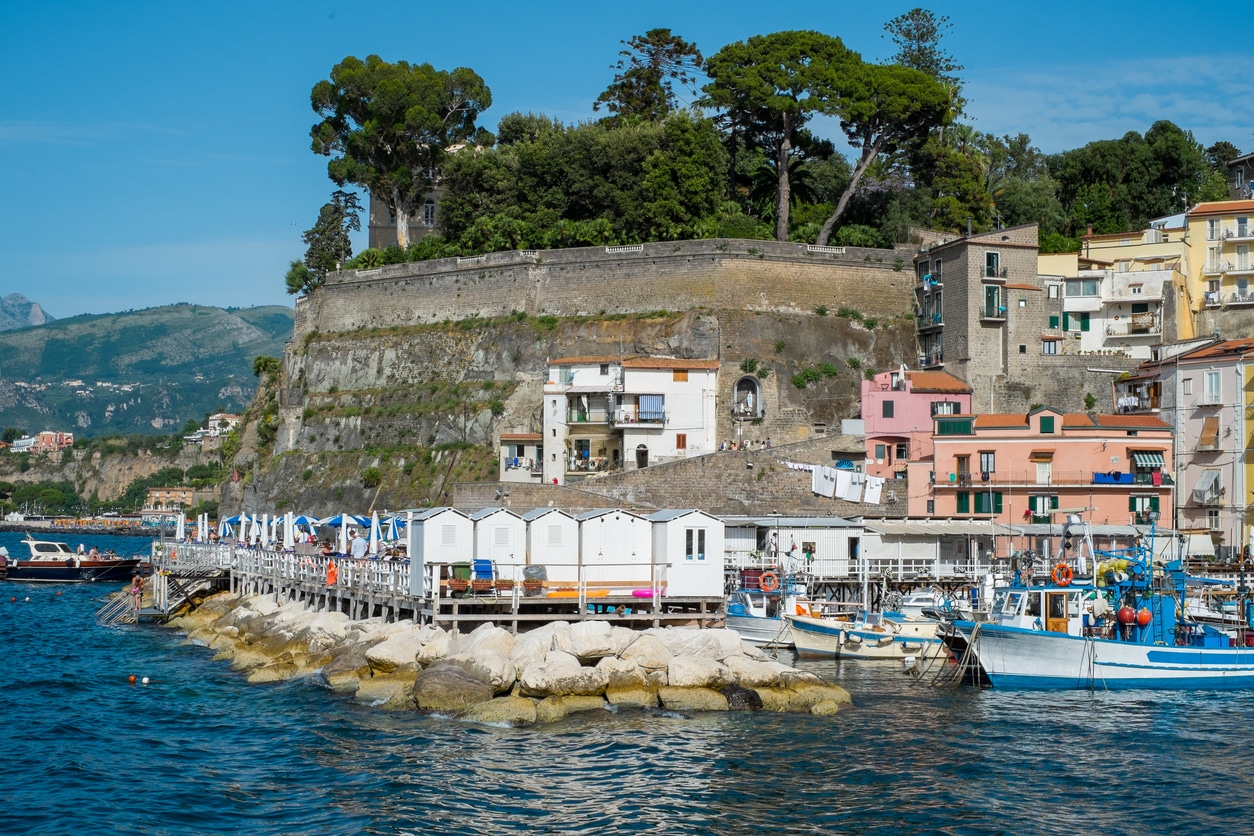
    Colorful waterfront houses and fishing boats along Marina Grande in Sorrento
    Marina Grande, Sorrento’s charming fishing village known for its colorful waterfront and relaxed coastal atmosphere.

    Marina Grande is one of Sorrento’s most charming and atmospheric spots—a colorful fishing village tucked below the cliffs with waterfront restaurants, bobbing boats, and a relaxed, old‑world feel that contrasts beautifully with the busier town center above. This is where you’ll find pastel houses lining the shore, fishermen repairing their nets, and some of the best seafood in Sorrento served right at the water’s edge. For cruisers visiting from Naples, it’s an easy and rewarding stop that delivers postcard‑worthy views and a true taste of local life.

    The marina has retained its traditional character despite Sorrento’s popularity. Narrow lanes lead down to the waterfront, where you can stroll along the pier, enjoy a long lunch overlooking the bay, or simply sit and watch the boats drift in and out. It’s also one of the best places in Sorrento for photography—especially in the late afternoon when the light warms the pastel buildings and the water glows.

    Fun Facts

    • Marina Grande is one of Sorrento’s oldest settlements, dating back to Greek and Roman times
    • Still home to an active fishing community
    • Known for its colorful houses and traditional wooden boats
    • Featured in several films, including scenes from “Pane, Amore e…” starring Sophia Loren
    • A popular spot for fresh seafood, especially spaghetti alle vongole
    • Offers beautiful views of the Bay of Naples and Mount Vesuvius

    What to Expect During Your Visit

    Expect a relaxed, coastal atmosphere with waterfront restaurants, small shops, and scenic views. The marina is compact and easy to explore, making it ideal for a short visit or a leisurely meal. You can walk along the pier, watch fishermen at work, or enjoy a drink with your feet practically touching the water. The vibe is slower and more authentic than the main town, giving you a glimpse of Sorrento’s traditional roots.

    Why It’s Worth Visiting

    Marina Grande is perfect for cruisers who want:

    • A scenic, peaceful break from the busier town center
    • Authentic local charm and traditional fishing‑village atmosphere
    • A memorable waterfront meal
    • Beautiful photography spots
    • Easy access from Piazza Tasso and the old town

    It’s one of the most picturesque corners of Sorrento and a must‑see for anyone who loves coastal views and local culture.

    Where It’s Located

    Marina Grande sits below Sorrento’s cliffs on the western side of town, accessible by footpaths and stairways from the historic center.

    How to Get There From the Naples Cruise Port

    • Train: Naples → Sorrento, then walk or take a local bus/taxi down to the marina
    • Ferry: Naples Beverello → Sorrento Marina Piccola, then a short taxi or bus ride
    • Private transfer: Direct to Sorrento, then walk down to the marina

    Best Time to Visit

    Late morning and late afternoon offer the best light and most pleasant atmosphere. Evenings are especially beautiful when the waterfront restaurants glow with warm lights.

    Tips for Visiting

    • Wear comfortable shoes—the walk down involves stairs and slopes
    • Plan for a meal here; the seafood is excellent and the views are unbeatable
    • Bring your camera—this is one of Sorrento’s most photogenic spots
    • Expect crowds during peak season, especially around lunch and dinner

    Common Complaints

    • The walk back up to town can be steep
    • Restaurants can be pricier due to the waterfront location
    • Can feel crowded during summer evenings

    Final Thoughts

    Marina Grande is one of Sorrento’s most charming and memorable areas, offering a peaceful waterfront escape with colorful scenery and authentic local flavor. Whether you’re stopping for photos, enjoying a seafood lunch, or simply soaking in the coastal atmosphere, it’s a highlight of any Sorrento visit.

    To help plan your day in Sorrento, you can explore my full list of the best things to do in Sorrento.

  • Piazza Tasso – Sorrento, Italy

    Piazza Tasso – Sorrento, Italy

    Colorful buildings and outdoor cafés surrounding Piazza Tasso in Sorrento
    Piazza Tasso, the lively central square of Sorrento and the perfect starting point for exploring the town.

    Piazza Tasso is the lively, sun‑drenched heart of Sorrento and the place where the town’s energy gathers from morning to night. Surrounded by pastel buildings, historic cafés, and the constant hum of scooters and conversation, this square is the perfect introduction to Sorrento’s warm, coastal charm. For cruisers arriving from Naples, it’s the natural starting point for exploring the town—an easy landmark to navigate, a hub for transportation, and a beautiful place to pause before wandering deeper into the old town.

    The square sits dramatically above a deep gorge that once divided Sorrento, giving it a layered sense of history beneath the modern bustle. Today, Piazza Tasso blends tradition and tourism seamlessly: locals sip espresso at Bar Fauno, visitors browse lemon‑themed shops, and the square glows beautifully at night when lights reflect off the colorful facades. Whether you’re stopping for a spritz, people‑watching, or using it as your launch point for the rest of Sorrento, Piazza Tasso captures everything that makes this town so beloved—vibrant, welcoming, and full of life.

    Fun Facts

    • Named after Torquato Tasso, a celebrated 16th‑century poet born in Sorrento
    • Built above a dramatic gorge that once split the town in two
    • Home to Bar Fauno, a Sorrento institution since the 1950s
    • A major transportation hub for buses heading to Positano, Amalfi, and the Sorrento Coast
    • The square transforms at night with glowing lights and bustling outdoor seating
    • One of the best places to sample Sorrento’s famous limoncello

    What to Expect During Your Visit

    Piazza Tasso is lively at all hours. Expect outdoor cafés, colorful buildings, and a constant flow of people. It’s the perfect place to grab a pastry, enjoy a spritz, or simply take in the atmosphere before exploring the narrow lanes of the old town. Most visitors spend 15–30 minutes here, but it’s easy to linger longer if you sit down for a drink or meal.

    Why It’s Worth Visiting

    Piazza Tasso is the emotional and geographic center of Sorrento—vibrant, photogenic, and full of local flavor. It’s ideal for cruisers who want:

    • A central, easy starting point
    • Quick access to shops, cafés, and transportation
    • A lively atmosphere that captures Sorrento’s personality
    • A scenic, low‑effort stop that fits any itinerary

    It’s also the best place to orient yourself before exploring Marina Grande, Corso Italia, or the scenic overlooks.

    Where It’s Located

    Piazza Tasso sits in the center of Sorrento, steps from Corso Italia and the old town’s pedestrian lanes.

    How to Get There From the Naples Cruise Port

    • Train: Naples → Sorrento via Circumvesuviana or Campania Express
    • Ferry: Naples Beverello → Sorrento Marina Piccola, then a short bus or uphill walk
    • Private transfer: The fastest and most comfortable option

    Best Time to Visit

    Late morning and early evening offer the best atmosphere. Evenings are especially beautiful when the square lights up and outdoor cafés fill with locals and visitors.

    Tips for Visiting

    • Stop at Bar Fauno or Bar Ercolano for a classic Sorrento moment
    • Walk to Villa Comunale afterward for panoramic sea views
    • Explore the lanes behind the square for limoncello tastings and artisan shops
    • Expect crowds during peak season and weekends

    Common Complaints

    • Can feel busy and touristy
    • Traffic passes through the square, adding noise
    • Prices at cafés are higher due to the central location

    Final Thoughts

    Piazza Tasso is the beating heart of Sorrento and an essential stop for cruisers exploring the town. Whether you’re grabbing a drink, soaking in the atmosphere, or using it as your base for the rest of your visit, it delivers the warmth, color, and coastal charm that make Sorrento unforgettable.

    To help plan your day in Sorrento, you can explore my full list of the best things to do in Sorrento.

  • Underground Naples (Napoli Sotterranea) – Naples, Italy

    Underground Naples (Napoli Sotterranea) – Naples, Italy

    Entrance to Napoli Sotterranea with stone archway, carved face above the doorway, and visitors walking into the underground tour
    The entrance to Underground Naples (Napoli Sotterranea), where guided tours lead visitors into the city’s ancient network of tunnels and chambers.

    Underground Naples, or Napoli Sotterranea, is one of the most surprising and unforgettable experiences you can have during a cruise stop. Beneath the lively streets of the historic center lies a vast network of ancient tunnels, cisterns, passageways, and hidden chambers that reveal more than 2,400 years of Naples’ history. This is not just a tour—it’s a journey into the layers of the city itself, from Greek foundations to Roman engineering to World War II survival stories.

    For cruisers, it’s an ideal attraction: immersive, guided, educational, and perfectly timed to fit into a half‑day itinerary. It’s also one of the few experiences in Naples that feels genuinely “hidden,” offering a dramatic contrast to the bustling piazzas and sunlit streets above.

    Fun Facts

    • The underground network began with the ancient Greeks, who quarried tuff stone to build the earliest city walls.
    • The Romans expanded the system into a sophisticated aqueduct that supplied water to the entire city for centuries.
    • During World War II, thousands of Neapolitans sheltered here during bombings, leaving behind beds, drawings, and personal items still visible today.
    • The tunnels maintain a naturally cool temperature year‑round, making them a refreshing escape in summer.
    • Archaeologists continue to discover new chambers and artifacts, revealing how deeply layered Naples truly is.
    • Some passageways are famously narrow—just wide enough for a single person to pass—adding a sense of adventure.
    • The tour includes access to an underground Roman theater, hidden beneath modern homes and shops.
    • The entire system lies beneath Naples’ UNESCO‑listed historic center.
    Underground stone chamber with large carved tuff blocks, metal tools, and a suspended platform used for historic stone‑cutting inside Napoli Sotterranea
    A stone‑cutting chamber inside Underground Naples (Napoli Sotterranea), where ancient quarrying techniques shaped the tunnels that still run beneath the city today.

    What to Expect During Your Visit

    A typical visit lasts about 90 minutes and is led by knowledgeable guides who bring the underground world to life with vivid storytelling. You’ll descend a long staircase into dimly lit tunnels carved from volcanic stone, walk through ancient cisterns, and explore chambers used as wartime shelters. The lighting is atmospheric but sufficient, and the pathways are well maintained.

    Expect tight spaces, uneven floors, and a few low ceilings—nothing extreme, but enough to make the experience feel authentic and adventurous. The tour moves at a comfortable pace, with plenty of stops for explanations and photos where allowed.

    Why It’s Worth Visiting

    Underground Naples is one of the most unique attractions in the city, offering a rare look at the layers of history beneath your feet. It’s perfect for cruisers who want:

    • A memorable, immersive experience
    • A guided tour that fits easily into a cruise schedule
    • A deeper understanding of Naples’ ancient origins
    • A dramatic contrast to the lively streets above
    • A story to take home that most visitors never experience

    It’s consistently one of the most talked‑about activities in Naples—and for good reason.

    Where It’s Located

    The main entrance to Napoli Sotterranea is in Piazza San Gaetano, right along Via dei Tribunali in the heart of the historic center. It’s approximately 1 mile from the cruise port.

    How to Get There From the Cruise Port

    • Walking: 18–22 minutes through the historic center
    • Taxi: 5–8 minutes
    • Metro: Municipio → Dante (Line 1), then a 7–10 minute walk

    Best Time to Visit

    Late morning and early afternoon tours work best for cruisers. Tours run frequently, but advance reservations are recommended—especially on days when multiple ships are in port.

    Tips for Visiting

    • Wear comfortable shoes; surfaces can be uneven and occasionally slippery
    • Bring a light jacket—the underground stays cool
    • Book tickets ahead to secure your preferred time
    • Not ideal for visitors with mobility limitations
    • Expect narrow passages and stairs
    • Pair with Spaccanapoli, Sansevero Chapel, or Naples Cathedral for an easy walking route

    Common Complaints

    • Some areas feel tight for visitors sensitive to enclosed spaces
    • Tours can sell out during peak season
    • Photography is restricted in certain sections
    • Walkways may be damp after rain

    Final Thoughts

    Underground Naples is one of the city’s most captivating and unexpected attractions. It offers a rare, immersive look into the ancient foundations of Naples and provides an unforgettable experience that fits perfectly into a cruise day itinerary. If you’re looking for something atmospheric, educational, and truly unique, this is a must‑see stop.

    Want help planning for full day in Naples, check out my full Naples guide here.

  • Naples Cathedral (Duomo di San Gennaro) – Naples, Italy

    Naples Cathedral (Duomo di San Gennaro) – Naples, Italy

    Richly decorated dome inside Naples Cathedral, featuring detailed frescoes, gold accents, and natural light illuminating the central artwork
    The ornate dome of Naples Cathedral (Cattedrale di San Gennaro), showcasing the vibrant frescoes and intricate artistry that define this historic landmark.

    Naples Cathedral, known locally as the Duomo di San Gennaro, is one of the city’s most important religious, cultural, and historical landmarks. It’s a place where Naples’ deep spirituality, dramatic history, and artistic heritage all converge under one roof. For cruisers exploring the historic center, the Duomo offers a powerful, meaningful stop that requires little time but leaves a lasting impression.

    The cathedral honors San Gennaro, the patron saint who Neapolitans believe protects the city from disaster. His presence is felt everywhere—from the ornate Baroque chapel dedicated to him, to the relics preserved beneath the altar, to the centuries‑old miracle that still draws crowds today. Stepping inside the Duomo feels like stepping into the heart of Naples itself.

    Fun Facts

    • Construction began in the 13th century, blending Gothic foundations with later Baroque and Neo‑Gothic additions
    • The Chapel of the Treasure of San Gennaro is considered one of the richest Baroque chapels in Italy
    • The cathedral houses vials of San Gennaro’s blood, central to the Miracle of the Blood, which locals believe protects the city
    • The façade was rebuilt in the late 1800s, giving the cathedral its current Neo‑Gothic look
    • The site sits atop layers of ancient Greek and Roman ruins
    • The Feast of San Gennaro (three times a year) draws thousands hoping to witness the liquefaction miracle
    • The crypt contains relics, frescoes, and artifacts tied to Naples’ patron saint
    • The cathedral is part of Naples’ UNESCO‑listed historic center

    What to Expect During Your Visit

    The interior of the Duomo is grand, atmospheric, and richly decorated. Tall Gothic arches frame the central nave, while marble floors, frescoed ceilings, and gilded chapels line the sides. The highlight is the Chapel of San Gennaro, a dazzling Baroque masterpiece filled with silver, gold, and intricate sculptures that reflect the city’s devotion to its patron saint.

    Visitors typically spend 20–30 minutes exploring the main nave, side chapels, and crypt. The cathedral is free to enter, making it one of the most accessible and rewarding stops in the historic center.

    Exterior of Naples Cathedral with its Neo‑Gothic façade, pointed arches, and ornate stone detailing along Via Duomo
    The Neo‑Gothic façade of Naples Cathedral (Duomo di San Gennaro), a historic landmark anchoring the heart of the city’s old town.

    Why It’s Worth Visiting

    The Duomo is a must‑see for cruisers who want a deeper connection to Naples beyond food and scenery. It offers:

    • A meaningful look at the city’s spiritual identity
    • A stunning interior that photographs beautifully
    • A quick, high‑impact stop close to other major attractions
    • A chance to experience a site beloved by locals

    Its blend of art, architecture, and living tradition makes it one of the most memorable stops in the historic center.

    Where It’s Located

    The cathedral sits along Via Duomo, just north of Spaccanapoli and Via dei Tribunali. It’s approximately 1 mile from the cruise port and easy to pair with nearby attractions like the Sansevero Chapel, Naples Underground, or the historic streets of the old town.

    How to Get There From the Cruise Port

    • Walking: 18–22 minutes through the historic center
    • Taxi: 5–8 minutes
    • Metro: Municipio → Duomo (Line 1), then a short walk

    Best Time to Visit

    Late morning and early afternoon offer the best natural light inside. The cathedral rarely feels overcrowded, but religious holidays—especially the Feast of San Gennaro—can draw large crowds.

    Tips for Visiting

    • Dress respectfully; shoulders covered is recommended
    • Don’t miss the Chapel of San Gennaro
    • Photography is allowed in most areas, but avoid flash
    • Combine with Spaccanapoli or Via dei Tribunali for an easy walking route
    • Check service times if visiting on a Sunday or holiday

    Common Complaints

    • Some areas may be closed during services
    • The exterior is simpler than the ornate interior
    • Crowds increase during religious events

    Final Thoughts

    Naples Cathedral is one of the city’s most important cultural and spiritual landmarks, offering a beautiful and meaningful stop for cruisers exploring the historic center. Its rich history, stunning chapels, and central location make it an essential addition to any Naples itinerary.

    Explore the top things to do in Naples guide to continue planning your trip to Naples.

  • Galleria Umberto I – Naples, Italy

    Galleria Umberto I – Naples, Italy

    Interior of Galleria Umberto I in Naples with its glass dome and patterned marble floor
    The elegant Galleria Umberto I, a light‑filled architectural masterpiece just a short walk from the Naples cruise port.

    Galleria Umberto I is one of Naples’ most striking architectural landmarks, a soaring 19th‑century shopping arcade filled with light, elegance, and old‑world grandeur. Its sweeping glass dome, intricate ironwork, and geometric marble floors create a space that feels both historic and cinematic—an easy, high‑impact stop for cruisers who want something beautiful and memorable without committing much time. Because it sits just minutes from the port and directly across from Teatro San Carlo, it fits seamlessly into any Naples itinerary, whether you’re exploring on foot, grabbing a coffee, or pairing it with nearby attractions.

    The Galleria was built during a period of urban renewal meant to modernize Naples and restore civic pride. Today, it remains one of the city’s most photographed interiors, offering a calm, airy contrast to the lively streets outside. Even a quick walk through the central atrium gives you a sense of the city’s artistic heritage and architectural ambition.

    Fun Facts

    • Constructed between 1887–1890 as part of Naples’ post‑cholera revitalization
    • The central dome rises 184 feet, made of glass and iron in a cross‑shaped layout
    • Inspired by Milan’s Galleria Vittorio Emanuele II, but with a distinctly Neapolitan flair
    • The patterned marble floor features zodiac symbols and geometric designs
    • Once housed luxury shops and cultural salons; today it blends cafés, boutiques, and artisan stores
    • Serves as a covered passageway connecting Via Toledo with Piazza Trieste e Trento
    • A popular meeting point for locals due to its central location and open, airy design
    • The structure was intended to symbolize optimism and progress during a challenging era in Naples’ history

    What to Expect During Your Visit

    The moment you step inside, the atmosphere shifts from the bustle of Naples’ streets to a bright, cathedral‑like space filled with natural light. The glass dome filters sunlight across the marble floor, creating reflections and patterns that make the Galleria feel almost theatrical. You’ll find small cafés, gelato stands, and a handful of shops, but the real draw is the architecture itself.

    Most cruisers spend 10–20 minutes here—long enough to admire the dome, take photos, and enjoy the cool, shaded interior. Because it’s centrally located and easy to navigate, it’s one of the most effortless stops you can add to your day.

    Why It’s Worth Visiting

    Galleria Umberto I offers a quick, beautiful, and low‑effort experience that delivers big visual impact. It’s ideal for travelers who want:

    • A photogenic landmark close to the port
    • A break from the heat or crowds
    • An easy pairing with nearby attractions
    • A taste of Naples’ architectural heritage

    Its convenience and beauty make it one of the most rewarding “quick wins” in the city.

    Where It’s Located

    The Galleria sits between Via Toledo and Piazza Trieste e Trento, directly across from Teatro San Carlo and just steps from Piazza del Plebiscito. It’s approximately 0.5 miles from the cruise port.

    How to Get There From the Cruise Port

    • Walking: 10–12 minutes along a straightforward, mostly flat route
    • Taxi: 3–5 minutes
    • Metro: Municipio → Toledo (Line 1), then a short walk

    Best Time to Visit

    Late morning and early afternoon offer the best natural light for photos. Evenings are warm and atmospheric, with soft lighting under the dome. The Galleria rarely feels overcrowded, making it a pleasant stop at almost any time of day.

    Tips for Visiting

    • Stand in the center and look up for the best view of the dome
    • Photograph the marble floor from above if you can find a vantage point
    • Pair with Teatro San Carlo, Piazza del Plebiscito, or Via Toledo
    • Stop for a quick espresso or gelato to enjoy the ambiance
    • Visit earlier in the day for the cleanest, brightest light

    Common Complaints

    • Some shops rotate or close unexpectedly
    • Not a major shopping destination—more about architecture than retail
    • Can feel touristy during peak hours, especially in summer

    Final Thoughts

    Galleria Umberto I is one of Naples’ most elegant and accessible attractions, offering a refreshing blend of history, architecture, and atmosphere. Its central location and quick visit time make it an ideal addition to any cruise day itinerary, especially if you’re exploring the city on foot. It’s a simple stop that adds beauty and depth to your Naples experience. highly photogenic stop that fits perfectly into any cruise day itinerary. It adds architectural wow‑factor without requiring extra time or planning.

    For more ideas to plan your day, explore my full guide to the top things to do in Naples.

  • Eat Authentic Neapolitan Pizza – Naples Cruise Port

    Eat Authentic Neapolitan Pizza – Naples Cruise Port

    Traditional Neapolitan Margherita pizza with blistered crust and fresh basil
    Authentic Neapolitan pizza, a must‑try culinary experience just minutes from the Naples cruise port.

    Eating authentic Neapolitan pizza in Naples is more than a meal—it’s a cultural experience and a rite of passage for anyone visiting the city. Naples is the birthplace of pizza, and its traditional methods are protected by strict standards that ensure every pie is soft, blistered, fragrant, and unforgettable. For cruisers, this is one of the easiest and most rewarding things to do near the port, whether you sit down at a historic pizzeria or grab a quick, delicious slice on the go.

    This experience is perfect for food lovers, families, and anyone who wants a true taste of Naples without needing a long excursion. It fits seamlessly into any cruise day itinerary—pair it with a walk through the historic center, a visit to Spaccanapoli, or a stop at Castel Nuovo. Even a short pizza break delivers an authentic connection to the city’s culinary heritage.

    Fun Facts

    • Neapolitan pizza is protected by the Associazione Verace Pizza Napoletana (AVPN)
    • The classic Margherita was created in 1889 to honor Queen Margherita of Savoy
    • True Neapolitan dough must rise for at least 8–24 hours
    • Pizzas cook in 60–90 seconds in a 900°F wood‑fired oven
    • Only a few ingredients are allowed: San Marzano tomatoes, mozzarella di bufala or fior di latte, fresh basil, and extra‑virgin olive oil
    • The crust is soft and foldable—never crispy
    • Naples has more historic pizzerias than any other city in the world
    • Locals often eat pizza portafoglio‑style, folded like a wallet

    What to Expect During Your Visit

    Expect a simple menu, fast service, and incredibly fresh ingredients. Most pizzerias offer just a few classic options, and the focus is entirely on quality. Seating can be tight in popular spots, and lines may form during peak hours, but turnover is quick. A typical visit lasts 30–45 minutes. Many places also offer pizza “to go,” perfect for enjoying while exploring the nearby streets.

    Why It’s Worth Visiting

    Eating pizza in Naples is one of the most iconic food experiences in the world. It’s perfect for cruisers who want something delicious, affordable, and authentically local. The flavors are unmatched, the tradition is centuries old, and the experience is both casual and memorable. It’s a must‑do for any first‑time visitor.

    Where It’s Located

    Authentic pizzerias are found throughout the historic center, especially around Via dei Tribunali, Spaccanapoli, and the surrounding neighborhoods. Many top spots are 0.7–1 mile from the cruise port.

    How to Get There From the Cruise Port

    • Walking: 15–20 minutes to the historic center
    • Taxi: 5–10 minutes depending on traffic
    • Metro: Municipio → Dante (Line 1), then walk to nearby pizzerias
    • Guided Food Tour: A great option for cruisers wanting multiple tastings

    Best Time to Visit

    Late morning and early afternoon offer shorter lines. Evenings are lively but busier. Weekends can be crowded, especially at famous pizzerias, but the atmosphere is fun and energetic.

    Tips for Visiting

    • Expect a soft, foldable crust—this is the authentic style
    • Bring cash; some smaller pizzerias don’t accept cards
    • Try a classic Margherita or Marinara for the most traditional experience
    • Arrive early to avoid long lines at popular spots
    • Order pizza “portafoglio” if you want a quick, handheld option
    • Don’t expect elaborate toppings—simplicity is key

    Common Complaints

    • Lines can be long at famous pizzerias
    • The soft crust may surprise visitors expecting crispy pizza
    • Some places offer limited seating or no reservations
    • Menus are often small, focusing on just a few traditional options

    Final Thoughts

    Eating authentic Neapolitan pizza is one of the most essential and enjoyable experiences you can have during a cruise stop in Naples. It’s quick, delicious, and deeply tied to the city’s culture. For more ideas to plan your day, explore my full guide to the top things to do in Naples.

  • Spaccanapoli – Naples, Italy

    Spaccanapoli – Naples, Italy

    Statue of San Gaetano in Piazza San Gaetano along Spaccanapoli, surrounded by historic Naples buildings with weathered facades
    The San Gaetano statue in Piazza San Gaetano, one of the most iconic stops along Spaccanapoli in Naples’ historic center.

    Spaccanapoli is the long, narrow street that cuts straight through the heart of Naples’ historic center, offering one of the most immersive ways to experience the city’s culture, energy, and everyday life. Lined with churches, artisan workshops, cafés, and centuries‑old palaces, it feels like an open‑air museum where ancient history and modern Naples blend seamlessly. The name literally means “Naples splitter,” because from above, the street appears to divide the city in two.

    This is an ideal stop for cruisers who want an authentic, walkable experience without needing a tour or a strict schedule. It fits beautifully into a half‑day itinerary—pair it with the Naples Cathedral, Sansevero Chapel, or a pizza stop. Spaccanapoli is vibrant, atmospheric, and full of character, making it one of the most memorable ways to explore Naples on foot.

    Fun Facts

    • The street traces the path of an ancient Greek road from the city’s earliest settlement
    • Its name means “Naples splitter” because it visually divides the historic center
    • Home to major landmarks like Gesù Nuovo and Santa Chiara
    • Many artisan shops still use traditional techniques passed down for generations
    • Street musicians and performers are common, adding to the lively atmosphere
    • The route is part of Naples’ UNESCO‑listed historic center
    • Spaccanapoli is actually a series of connected streets, not one single road
    • The area is known for some of the best street food in Naples

    What to Expect During Your Visit

    Expect a lively, narrow street filled with shops, churches, cafés, and locals going about their day. The atmosphere is energetic but welcoming, with plenty of places to stop for photos, snacks, or quick visits inside historic buildings. Most cruisers spend 45–90 minutes walking the route, depending on how many stops they make. The street is mostly flat but can be crowded, especially near major landmarks.

    Why It’s Worth Visiting

    Spaccanapoli offers one of the most authentic experiences in Naples. It’s perfect for travelers who want to feel the city’s rhythm, explore at their own pace, and enjoy a mix of culture, history, and everyday life. Because it’s close to many top attractions, it’s an easy and rewarding addition to any cruise day itinerary.

    Where It’s Located

    Spaccanapoli runs through the historic center (Centro Storico) of Naples, stretching from Piazza Gesù Nuovo toward the Forcella district. It’s about 1 mile from the cruise port.

    How to Get There From the Cruise Port

    • Walking: 15–20 minutes to Piazza Gesù Nuovo, the most popular starting point
    • Taxi: 5–10 minutes depending on traffic
    • Metro: Municipio → Dante (Line 1), then a short walk
    • Guided Tour: Often included in historic center walking tours

    Best Time to Visit

    Late morning and early afternoon offer the liveliest atmosphere. Evenings are pleasant for strolling, though some shops may close earlier. Weekends can be busier but also more vibrant.

    Tips for Visiting

    • Wear comfortable shoes—streets are narrow and paved with stone
    • Bring small cash for street food or artisan shops
    • Step inside Gesù Nuovo and Santa Chiara if time allows
    • Keep valuables secure in crowded areas
    • Try local snacks like sfogliatella or fried pizza
    • Take your time—this street is best enjoyed slowly

    Common Complaints

    • Can feel crowded during peak hours
    • Some areas are noisy due to scooters and foot traffic
    • Uneven pavement may be challenging for some visitors
    • Shops may close midday or early evening depending on the day

    Final Thoughts

    Spaccanapoli is one of the most atmospheric and culturally rich streets in Naples, offering an easy, immersive way to experience the city’s historic center. It’s a perfect addition to any cruise day itinerary, especially if you want to explore Naples like a local. For more ideas to plan your day, explore my full guide to the top things to do in Naples.

  • Pompeii – Naples, Italy

    Pompeii – Naples, Italy

    Ancient ruins and stone streets of Pompeii
    The ancient ruins of Pompeii, one of the most powerful and memorable excursions from the Naples cruise port.

    Pompeii is one of the most extraordinary archaeological sites in the world, offering a vivid, immersive look at daily life in ancient Rome. Buried under volcanic ash during the eruption of Mount Vesuvius in 79 AD, the city was preserved in remarkable detail—homes, streets, frescoes, mosaics, and even everyday objects remain frozen in time. For cruisers, Pompeii is one of the most impactful excursions you can take from Naples, delivering history, culture, and unforgettable storytelling in just a few hours.

    This site is ideal for travelers who love archaeology, ancient history, or meaningful cultural experiences. It fits beautifully into a cruise day itinerary, whether you explore independently, join a guided tour, or pair it with a visit to Mount Vesuvius or the Naples Archaeological Museum. Even a short visit offers a powerful sense of connection to the ancient world.

    Fun Facts

    • Buried by Mount Vesuvius in 79 AD and rediscovered in the 1700s
    • Covers over 160 acres, making it one of the largest archaeological sites in the world
    • Many artifacts were preserved by volcanic ash, including frescoes and mosaics
    • The famous plaster casts were created by filling voids left by decomposed bodies
    • Pompeii had running water, bakeries, bathhouses, and a complex street system
    • The House of the Faun contained the original Alexander Mosaic
    • Graffiti found on walls reveals jokes, political messages, and personal notes
    • Excavations are still ongoing, with new discoveries made regularly

    What to Expect During Your Visit

    A visit to Pompeii is immersive and expansive. You’ll walk through ancient streets, explore homes and temples, and see frescoes, mosaics, and public buildings that reveal what life was like nearly 2,000 years ago. Expect uneven stone paths, open-air ruins, and large distances between major sites. Most cruisers spend 2–3 hours here, which is enough to see highlights like the Forum, the Baths, the Theater, and several well-preserved houses. Guided tours add valuable context, but self-guided visits are also rewarding.

    Why It’s Worth Visiting

    Pompeii is one of the most powerful historical experiences in the world. It’s perfect for travelers who want a deeper understanding of Roman life, dramatic storytelling, and unforgettable visuals. The scale, preservation, and emotional impact make it a standout excursion from Naples—and one that stays with you long after your cruise ends.

    Where It’s Located

    Pompeii sits southeast of Naples near the modern town of Pompei, about 15 miles from the cruise port.

    How to Get There From the Cruise Port

    • Train: Walk or taxi to Napoli Porta Nolana or Garibaldi → Circumvesuviana train to “Pompei Scavi – Villa dei Misteri” (35–40 minutes)
    • Taxi/Private Driver: 25–35 minutes depending on traffic
    • Guided Tour: The most convenient option for cruisers, often including transportation and a licensed guide
    • Cruise Line Excursion: Easiest for timing and logistics

    Best Time to Visit

    Early morning or late afternoon offers cooler temperatures and fewer crowds. Summer can be very hot with limited shade. Spring and fall provide the most comfortable weather.

    Tips for Visiting

    • Wear sturdy shoes—paths are uneven and often slippery
    • Bring water, sunscreen, and a hat
    • Download a map or use the official app to navigate
    • Book tickets or tours in advance to avoid lines
    • Focus on key areas if you’re short on time
    • Consider pairing with the Naples Archaeological Museum to see original artifacts

    Common Complaints

    • Very little shade, especially in summer
    • Uneven terrain can be challenging for some visitors
    • The site is large and can feel overwhelming without a plan
    • Some houses rotate openings and may be closed during your visit

    Final Thoughts

    Pompeii is one of the most compelling and unforgettable experiences you can have from the Naples cruise port. Its scale, preservation, and emotional impact make it a must‑see for history lovers and curious travelers alike. For more ideas to plan your day, explore my full guide to the top things to do in Naples.

  • Piazza del Plebiscito & Royal Palace – Naples, Italy

    Piazza del Plebiscito & Royal Palace – Naples, Italy

    Basilica of San Francesco di Paola in Piazza del Plebiscito, showing its grand neoclassical portico, large central dome, and sweeping semicircular colonnade in Naples, Italy
    The Basilica of San Francesco di Paola overlooking Piazza del Plebiscito, one of Naples’ most iconic and photogenic landmarks.

    Piazza del Plebiscito is Naples’ grand ceremonial square, a sweeping open space framed by monumental architecture and centuries of history. Its elegant symmetry, wide stone plaza, and iconic colonnade make it one of the city’s most photographed locations. On one side stands the Royal Palace, once home to Bourbon kings and filled with lavish rooms, artwork, and royal collections that showcase Naples’ aristocratic past.

    This area is perfect for cruisers who want an easy, high‑impact stop close to the port. The square is fully pedestrian, making it ideal for photos, a relaxed stroll, or pairing with nearby attractions like Via Toledo, Galleria Umberto I, and the waterfront. It fits seamlessly into a half‑day itinerary and offers a beautiful introduction to Naples’ cultural heart.

    Fun Facts

    • The square spans over 23,000 square meters, making it one of Italy’s largest piazzas
    • The curved colonnade was inspired by St. Peter’s Square in Rome
    • The Royal Palace once housed four different dynasties, including the Bourbons and Habsburgs
    • Statues of Naples’ kings line the palace façade
    • The palace’s Teatro di Corte was once used for private royal performances
    • Piazza del Plebiscito was used as a military parade ground during the 19th century
    • The name commemorates the 1860 plebiscite that unified Naples with the Kingdom of Italy
    • Locals love the “blindfold challenge”—walking from one statue to another in a straight line (surprisingly difficult!)

    What to Expect During Your Visit

    Expect a wide, open square with plenty of room to explore, take photos, and enjoy the surrounding architecture. The Royal Palace offers a self‑guided or guided visit through ornate halls, grand staircases, and historic rooms. Most visitors spend 20–30 minutes in the piazza itself and 45–60 minutes inside the palace. The area is flat, accessible, and easy to navigate, with cafés and shops nearby. Street performers and musicians often add to the lively atmosphere.

    Why It’s Worth Visiting

    Piazza del Plebiscito is one of Naples’ most iconic spaces—beautiful, historic, and incredibly easy to reach from the cruise port. It’s perfect for travelers who enjoy architecture, photography, and relaxed sightseeing. The Royal Palace adds cultural depth without requiring a long visit, making this duo an excellent choice for a flexible cruise‑day itinerary.

    Where It’s Located

    The piazza and Royal Palace sit in the San Ferdinando district, between the historic center and the waterfront. They’re about 0.7 miles from the cruise port.

    How to Get There From the Cruise Port

    • Walking: 10–15 minutes along a flat, straightforward route
    • Taxi: 5 minutes
    • Hop‑on Hop‑off Bus: Stops nearby depending on the route
    • Guided Tour: Commonly included in city walking tours

    Best Time to Visit

    Morning offers soft light and fewer crowds. Late afternoon is also beautiful, especially for photos of the colonnade. The square is lively year‑round, but weekends and holidays can be busier.

    Tips for Visiting

    • Wear comfortable shoes—the piazza is large and paved with stone
    • Bring a camera for wide‑angle shots of the colonnade and palace façade
    • Visit the Royal Palace early if you want to avoid lines
    • Combine with Galleria Umberto I or Via Toledo for an easy walking route
    • Check for special events—concerts and festivals sometimes take over the square
    • Shade is limited, so bring water and sun protection in summer

    Common Complaints

    • The square can feel very open and hot on sunny days
    • Occasional scaffolding or restoration work may affect photos
    • The Royal Palace has some stair-heavy areas
    • Crowds gather during events or when multiple cruise ships are in port

    Final Thoughts

    Piazza del Plebiscito and the Royal Palace offer a perfect blend of beauty, history, and convenience—an easy, rewarding stop just minutes from the cruise port. Whether you’re snapping photos, exploring royal rooms, or simply soaking in the atmosphere, this area delivers a memorable taste of Naples. For more ideas to plan your day, explore my full guide to the top things to do in Naples.

  • Castel Nuovo (Maschio Angioino) – Naples, Italy

    Castel Nuovo (Maschio Angioino) – Naples, Italy

    Exterior view of Castel Nuovo (Maschio Angioino) with its medieval towers and marble triumphal arch

    Castel Nuovo, also known as Maschio Angioino, is one of Naples’ most recognizable landmarks and the first major sight many cruisers see as they arrive in port. Its towering medieval walls and dramatic marble triumphal arch make it a striking symbol of the city’s royal past. Built in the 13th century and expanded by later dynasties, the castle has served as a royal residence, fortress, and cultural center.

    This attraction is perfect for travelers who enjoy history, architecture, and easy sightseeing close to the cruise terminal. It fits seamlessly into a cruise day itinerary—pair it with Piazza del Plebiscito, the waterfront, or a walk through the historic center. Because it’s so close to the port, it’s one of the simplest high‑impact stops you can make in Naples.

    Fun Facts

    • Built in 1279 by Charles I of Anjou as a royal residence
    • The iconic marble triumphal arch was added by Alfonso of Aragon in the 1400s
    • Served as the seat of multiple ruling dynasties, including the Angevins and Aragonese
    • Houses the Palatine Chapel, one of the oldest surviving parts of the castle
    • The castle’s name means “New Castle” to distinguish it from older fortresses
    • Once hosted famous figures like Petrarch and Boccaccio
    • The castle’s towers were designed for defense against both land and sea attacks
    • Its location beside the port made it a strategic stronghold for centuries

    What to Expect During Your Visit

    A visit to Castel Nuovo includes exploring courtyards, climbing stone stairways, and viewing historic halls and artwork. The Palatine Chapel is the architectural highlight, featuring Gothic details and centuries‑old frescoes. Exhibits vary, but you’ll typically find displays on the castle’s history and Naples’ royal past. Expect 45–60 minutes for a relaxed visit. The exterior is especially photogenic, so many visitors spend extra time capturing the castle from the waterfront.

    Why It’s Worth Visiting

    Castel Nuovo is one of the easiest and most iconic attractions to visit from the cruise port. It’s ideal for travelers who want a meaningful cultural stop without committing to a long tour. The architecture is impressive, the history is rich, and the location couldn’t be more convenient. It’s a great choice for families, history lovers, and anyone exploring Naples on foot.

    Where It’s Located

    The castle sits in Piazza Municipio, directly beside the Naples cruise port and close to Via Toledo and Piazza del Plebiscito.

    How to Get There From the Cruise Port

    • Walking: 5 minutes from the terminal—extremely easy
    • Taxi: Not necessary unless continuing to another attraction
    • Hop‑on Hop‑off Bus: Stops directly in front of the castle
    • Guided Tour: Often included in city walking or panoramic tours

    Best Time to Visit

    Late morning or early afternoon works well for cruisers. The castle is busiest when multiple ships are in port, but lines move quickly. Early morning offers the best light for photos of the façade.

    Tips for Visiting

    • Wear comfortable shoes—stairs and stone surfaces can be uneven
    • Bring a camera for photos of the triumphal arch and towers
    • Check hours in advance; occasional closures occur for events
    • Combine with Piazza del Plebiscito or Via Toledo for an easy walking route
    • Expect a mix of indoor and outdoor areas
    • The Palatine Chapel is the highlight—don’t miss it

    Common Complaints

    • Some interior areas may be closed for restoration
    • Exhibits can feel limited compared to larger museums
    • Signage varies in quality, and some rooms lack detailed explanations
    • Crowds gather at the entrance when multiple cruise ships arrive

    Final Thoughts

    Castel Nuovo is one of Naples’ most convenient and visually striking attractions, offering a quick but memorable look at the city’s royal and military history. Its location beside the cruise port makes it an effortless addition to any itinerary, especially when paired with nearby landmarks. For more ideas to plan your day, explore my full guide to the top things to do in Naples.

error: Content is protected !!