The onboard experiences you need to know about while onboard the ship while cruising! From insider tips to onboard activities, this section covers entertainment, Wi-Fi tips, must-know cruise hacks, and everything in between. Whether you’re a first-time cruiser or a seasoned traveler, discover how to make the most of your time at sea.
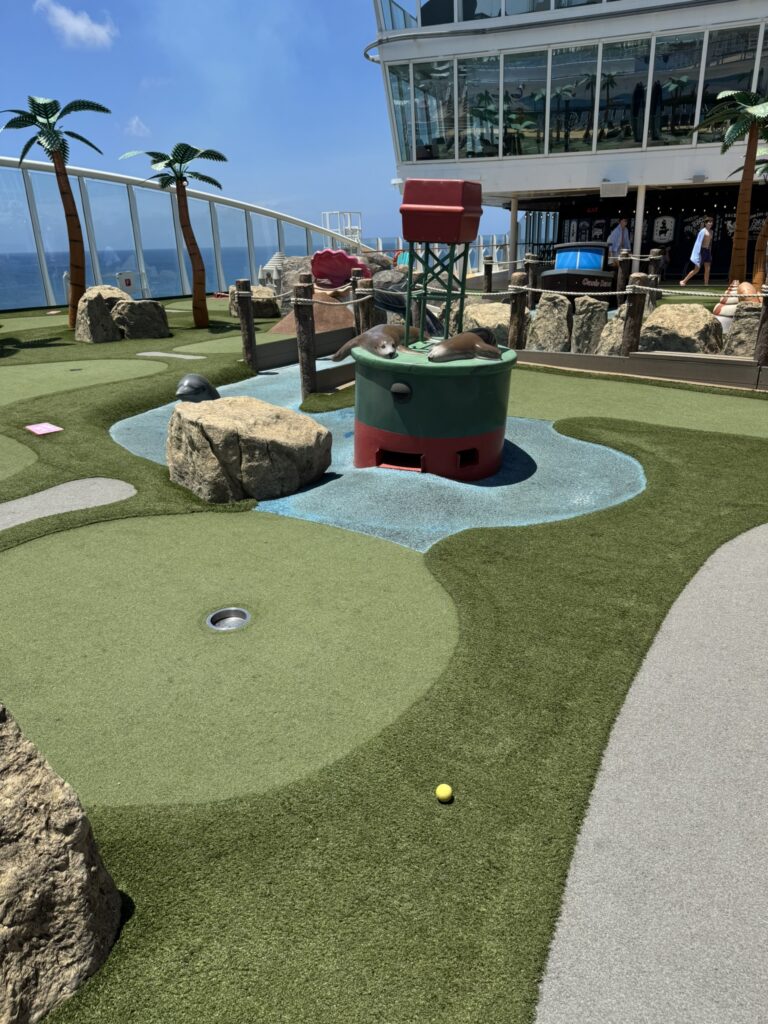
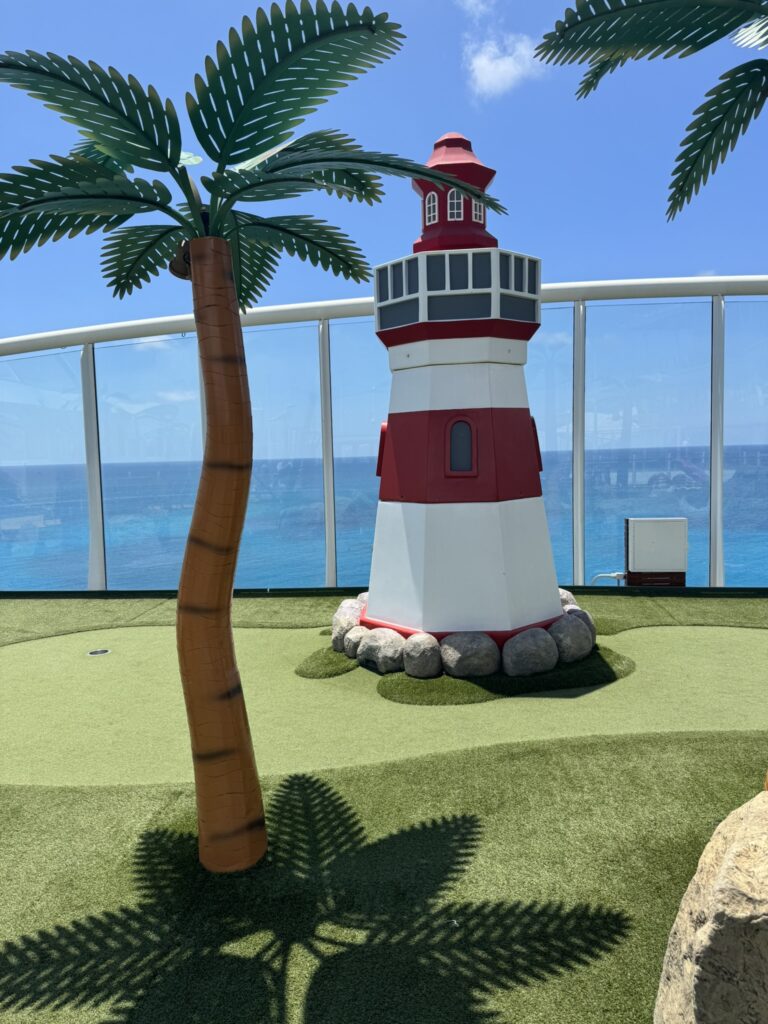
A bright and breezy moment of mini golf at sea, complete with ocean views and playful course details.
Mini golf at sea is one of those classic cruise activities that blends fresh air, ocean views, and lighthearted fun in a way you can’t recreate on land. It’s completely free, open throughout the day, and easy to enjoy whether you’re traveling with kids, friends, a partner, or simply wandering the ship on your own.
Why Mini Golf at Sea Is Such a Fun Cruise Activity
Mini golf on a cruise ship feels playful and relaxing all at once. Families love it because it’s simple and kid‑friendly. Couples enjoy it as a fun break between meals and evening entertainment. Groups turn it into a friendly competition. And solo travelers can enjoy a peaceful round with nothing but the ocean breeze around them.
The setting is what makes it special. Most courses sit high on the upper decks, giving you wide‑open views of the sea and sky. You can feel the breeze, hear the water, and watch the horizon stretch out in every direction. The gentle motion of the ship adds a quirky twist—your ball may roll a little differently than it does on land, which becomes part of the charm.
Mini golf also fits perfectly into those in‑between moments of a cruise day. If you’re waiting for lunch, killing time before a show, or just want something fun to do after the pool, you can wander up for a quick round. There’s no schedule, no reservation, and no pressure—just grab a putter and start playing.
A fun themed element from the mini golf at sea course, featuring the retro “Oasis Dunes” surf van against bright ocean views.
What to Expect on Cruise Ship Mini Golf Courses
Cruise ship mini golf courses are designed to be colorful, whimsical, and approachable for all ages. You’ll usually find bright turf, themed obstacles, and playful décor—everything from tropical elements to nautical shapes to cartoon‑style features that make the course feel fun and inviting. Some ships keep things simple with straightforward putt‑putt holes, while others build more elaborate layouts with curves, ramps, and creative challenges.
Equipment is always provided. Putters and balls are available right at the course, and you can help yourself anytime. Most courses are open from early morning until late evening, so you can play in the sunshine, at sunset, or even under the glow of deck lights at night.
Crowds vary throughout the day. Sea days tend to be busiest, especially mid‑morning and early afternoon. If you prefer a quieter round, early mornings and late afternoons are usually the best times. Even when it’s busy, the atmosphere stays relaxed—everyone is there to have fun.
Many mini golf areas sit near other outdoor attractions like sports courts, ping‑pong tables, rock‑climbing walls, or observation decks. It’s easy to turn a simple game into a full afternoon of deck‑side exploring.
A whimsical section of the mini golf at sea course, complete with nautical décor and playful themed elements overlooking the ocean.
Tips for Enjoying Mini Golf on Your Cruise
A few simple tips can make your mini golf experience even better. If you’re sailing somewhere breezy, try playing earlier or later in the day when the wind is calmer. Bring sunglasses and sunscreen, especially on sea days when the sun reflects off the water. If you’re playing with kids, let them take the lead—mini golf is one of the easiest ways to create fun family memories without any planning.
If you’re traveling with adults, turn it into a friendly competition. Keep score, create mini challenges, or plan a rematch later in the cruise. Mini golf is also a great pre‑dinner activity—play a quick round before heading to the main dining room or your evening show.
And don’t forget to look around. The views from the upper decks are often incredible, especially when the ship is sailing between islands or approaching port. Mini golf becomes more than a game—it becomes a moment to slow down, laugh, and enjoy where you are.
Mini golf at sea has so many fun little details and themed touches scattered throughout the course, and each ship adds its own personality. These extra moments really bring the experience to life, so here’s a closer look at more of the playful scenes and creative elements you’ll spot as you make your way around the course.
Cruise ships are packed with activities, entertainment, and experiences—and many of the best ones don’t cost anything extra. Whether you’re sailing with family, friends, or on your own, there are dozens of included options that make sea days fun, relaxing, and memorable. This guide highlights the top free things to do on a cruise so you can enjoy every moment without spending beyond your fare.
Enjoy the Pool Deck
Relaxing by the pool is one of the best free things to do on a cruise—perfect for soaking up the sun and enjoying the sea breeze.
The pool deck is the heartbeat of most cruise ships. It’s one of the best free spaces onboard because it offers something for everyone. You can relax, play, people‑watch, or enjoy the sunshine without spending anything extra. Most ships feature several pools, hot tubs, and shaded loungers, so it’s easy to find a comfortable spot.
Families often gather at the main pool because it feels lively and fun. Music, splash zones, and open swim areas keep the energy high. Adults usually prefer quieter corners or upper decks with tucked‑away loungers. Newer ships may offer themed pools, tiered sun decks, or shallow areas where you can dip your feet and unwind.
The pool deck also hosts many free daily activities. You might see a dance class, a poolside game, a DJ set, or a sail‑away party. These events add personality to the day and create a fun, social atmosphere. You can join the action or relax nearby and enjoy the vibe.
Timing shapes the experience. Early mornings feel calm and peaceful. Midday brings the most activity and sunshine. Late afternoons offer cooler air and a quieter mood. Many cruisers love this time for a swim or a soak in the hot tub.
No matter when you visit, the pool deck delivers a full day of free fun. It’s one of the most iconic included experiences on any cruise and a place you’ll return to again and again.
Join Trivia, Games, and Daily Activities
The vibrant Spotlight Karaoke sign sets the stage for one of the best free things to do on a cruise.
Daily activities add fun and variety to every sea day. They’re free, easy to join, and designed for all ages. The entertainment team fills the schedule with trivia, games, dance classes, and quick interactive events. You can drop in anytime and enjoy something new without planning ahead.
Trivia is one of the most popular options. Rounds cover music, movies, destinations, decades, and general knowledge. The questions move quickly and create a friendly, upbeat mood. It’s a great way to bond with your group or meet new people. Winning feels fun, but the laughs matter more.
Game‑show events bring even more energy. You might see “Name That Tune,” “Majority Rules,” or other fast group challenges. These sessions often draw big crowds and create a lively atmosphere. Many guests enjoy watching even if they don’t want to participate.
Dance classes add movement to the day. You can learn salsa, line dancing, or simple routines taught by the entertainment team. The steps are easy, and the mood stays light and encouraging. It’s a fun way to stay active without feeling like you’re working out.
The best part is the flexibility. You can join one activity or try several in a row. There’s no pressure and no cost. Everything is designed to keep your day fun, social, and relaxed.
Watch Live Music
Live music is one of the easiest free ways to enjoy your evenings on a cruise. Most ships offer several performances each night, and each venue has its own style and atmosphere. You can wander from lounge to lounge and enjoy a full night of entertainment without spending anything extra.
Many ships feature solo guitarists, pianists, duos, or small bands. These performers play familiar songs that keep the mood light and fun. Some lounges focus on classic hits, while others lean toward country, pop, or soft rock. The variety makes it easy to find a style you enjoy.
The atrium often hosts lively sets that draw big crowds. The energy feels bright and social, and people often stop to listen as they pass through. Smaller lounges offer a more relaxed vibe with softer music and cozy seating. These spots are perfect for a quiet drink or a calm break from the busy decks.
Outdoor venues add another layer of charm. You might hear Caribbean rhythms, steel drums, or island‑inspired sets near the pool. The ocean breeze and open sky create a warm, vacation‑ready atmosphere. Many guests love these performances because they feel casual and effortless.
Live music also fits easily into any schedule. You can stay for one song or enjoy a full set. You can sit close to the stage or listen from a distance while exploring the ship. There’s no pressure and no planning required.
These performances add rhythm and personality to your cruise. They create memorable moments and help each evening feel special without costing anything at all.
Attend Big‑Production Shows
High‑energy dancers light up the AquaTheater, showcasing one of the best free things to do on a cruise.
Big production shows are one of the most impressive free experiences on a cruise. These performances feel polished, energetic, and full of talent. Most ships offer several large shows during each sailing, and every one is included in your fare. You can enjoy Broadway‑style numbers, themed musical revues, dance showcases, or acrobatic performances without spending anything extra.
The main theater sets the tone the moment you walk in. The lights, staging, and sound create a true show atmosphere. Cast members deliver strong vocals, sharp choreography, and high‑energy routines that keep the audience engaged. Many shows feature familiar songs, so the experience feels fun and easy to enjoy.
Cruise lines often design their own original productions. These shows blend music, dance, and visual effects to create something unique to the ship. Some include aerial work, special lighting, or creative costumes that add even more excitement. The variety keeps each night fresh and entertaining.
The best part is the convenience. You don’t need tickets on most ships, and you can choose the showtime that fits your evening. You can arrive early for a great seat or slip in closer to the start. The theater is comfortable, and the atmosphere feels welcoming for all ages.
These shows are a highlight for many cruisers. They offer a full night of entertainment without planning or extra cost. They also create memorable moments that feel special and celebratory. It’s an easy way to enjoy a polished performance while relaxing at sea.
Explore the Promenade or Waterfront
The vibrant promenade offers one of the best free things to do on a cruise—perfect for strolling, people‑watching, and soaking in the ship’s atmosphere.
The promenade or waterfront walkway is one of the calmest free spaces on a cruise ship. It offers fresh air, wide ocean views, and a quiet break from the busy upper decks. Many ships feature long outdoor walkways that wrap around part of the vessel, creating a peaceful place to stroll or sit.
This area feels slower and more relaxed than the pool deck. The noise drops, the breeze feels stronger, and the ocean sits close beside you. Some guests use the walkway for morning steps or gentle exercise. Others pause often to watch the waves or enjoy the shifting light on the water.
Many ships add comfortable seating along the promenade. You may find rocking chairs, loungers, or shaded benches that invite long, quiet moments. These spots are perfect for reading, journaling, or enjoying a peaceful break during a busy day.
Newer ships often design their waterfront areas like small boardwalks. You may see cozy nooks, open‑air bars, or tucked‑away corners that feel intimate and calm. These spaces stay relaxing even when the ship feels full.
The promenade is also a great escape during peak times. If the pool deck feels crowded or loud, this walkway offers a soothing retreat. Sunrise and sunset are especially beautiful here, with soft light and gentle ocean views.
This simple space helps you slow down and connect with the sea in a deeper, more peaceful way.
Visit the Fitness Center
The fitness center is one of the easiest free ways to stay active on a cruise. Most ships offer bright, modern gyms with ocean views, so the space feels open and energizing. You can walk in anytime and use the equipment without paying extra.
The cardio machines are popular because they face the windows. Treadmills, bikes, and ellipticals let you exercise while watching the water. Strength machines and free weights give you plenty of options for a full workout. Many ships also include stretching areas with mats and open space.
Group classes add even more variety. Some sessions are free, like stretching, basic aerobics, or morning movement classes. They’re simple, beginner‑friendly, and easy to join. You can follow along at your own pace and enjoy the upbeat atmosphere.
The gym is also a great place to reset during a busy cruise. Early mornings feel calm and quiet. Midday brings more activity but still offers plenty of space. Even short visits help you feel refreshed and balanced.
You don’t need a long workout to enjoy the benefits. A quick walk on the treadmill or a short stretch session can feel great after a big meal or a long day in port. Many cruisers stop by for just ten or fifteen minutes.
The fitness center gives you a healthy, free option that fits easily into any schedule. It’s a simple way to stay active while still enjoying a relaxing vacation.
Relax in Adults‑Only Spaces
The serene adults‑only solarium offers a peaceful escape—one of the best free things to do on a cruise when you want quiet, sun, and calm.
Adults‑only areas are some of the quietest free retreats on a cruise ship. These spaces offer soft music, comfortable seating, and a calm break from the busy decks. They’re open to guests above a set age and included in your fare.
Most ships feature cushioned loungers, shaded spots, and wide ocean views. Many also include their own pools or hot tubs. These areas feel peaceful because they stay separate from the noise and activity of the main pool. The atmosphere is calm, warm, and easy to enjoy.
These spaces are perfect for reading, napping, or enjoying a slow morning coffee. They work well for afternoon downtime too, especially when the ship feels crowded. Even on sea days, the mood stays relaxed and comfortable.
Some ships offer partially enclosed retreats with glass walls or retractable roofs. These designs help block wind and create a cozy, spa‑like feel. Others keep the space fully open to the sun and sea breeze. Both styles offer a quiet escape that feels refreshing and restful.
Adults‑only areas also help balance your day. You can enjoy the energy of the main decks, then slip away for a peaceful reset. Many cruisers return to these spaces again and again because they feel calm and restorative.
Explore the Ship
Exploring hidden corners like this open‑air courtyard is one of the best free things to do on a cruise, offering peaceful views and beautiful ship design.
Exploring the ship is one of the easiest free ways to enjoy your cruise. Modern ships are large, detailed, and full of interesting spaces, so wandering around can feel like its own adventure. You can discover new lounges, quiet corners, artwork, and open decks without following a schedule or spending anything extra.
Each area has its own personality. Some decks feel lively and social, while others stay calm and peaceful. Walking through different zones helps you understand the layout and find spots you’ll want to return to later. Many guests enjoy doing this on the first day, but it’s fun at any point in the cruise.
Ships often feature themed hallways, unique décor, and small surprises tucked into different corners. You might find a hidden seating area, a quiet overlook, or a hallway filled with interesting artwork. These little discoveries make the ship feel more personal and memorable.
Exploring also helps you learn where everything is located. You’ll spot restaurants, lounges, shops, and activity spaces as you walk. This makes the rest of your trip feel smoother because you know exactly where to go. It also helps you find less crowded areas during busy times.
Outdoor decks add even more variety. Some offer wide ocean views, while others feel tucked away and peaceful. These spaces are great for photos, fresh air, or a quiet moment with the sea.
A simple walk around the ship can turn into a relaxing break or a fun mini‑adventure. It’s an easy, free way to enjoy your day and connect with the unique personality of your floating home.
Enjoy Movies and Outdoor Screens
Watching a movie on deck is one of the most relaxing free activities on a cruise. Many ships show films on a large outdoor screen, creating a cozy, open‑air theater. You can settle into a lounger, enjoy the breeze, and watch a favorite movie without spending anything extra.
The atmosphere feels warm and casual. Guests often bring towels or light blankets to stay comfortable in the evening air. The sound is clear, and the screen is easy to see from most seats. It’s a simple way to unwind after a busy day in port or a full afternoon on the pool deck.
Movies vary throughout the cruise. You might see family favorites, recent releases, or themed picks that match the itinerary. Some ships also show concerts or special event screenings. The variety keeps the experience fresh and fun.
Snacks make the moment even better. You can grab soft‑serve, cookies, or a quick bite from nearby venues. Everything feels easy and low‑pressure, which adds to the charm.
This experience works for all ages. Families enjoy the relaxed setting, couples love the quiet atmosphere, and solo travelers appreciate the peaceful break. It’s a simple, free way to enjoy the evening and soak in the vacation mood.
Take Part in Sail‑Away and Deck Parties
The sail‑away party is one of the most exciting free moments on a cruise. It marks the official start of your vacation and sets the tone for the days ahead. The energy feels high as the ship pulls away from the port and the music starts.
Most ships host the party on the pool deck. The entertainment team leads dancing, cheering, and simple group moves that anyone can join. The atmosphere feels upbeat and welcoming, and many guests gather to celebrate together. You can join the fun or watch from a comfortable spot nearby.
The views make the moment even better. You’ll see the shoreline fade, the water open up, and the ship settle into its route. The breeze feels refreshing, and the light often looks beautiful in the late afternoon. Many cruisers take photos or videos because the scene feels so memorable.
The party also helps you shift into vacation mode. You’ve unpacked, explored the ship, and now you’re watching the journey begin. It’s a simple moment, but it creates a strong sense of excitement and possibility.
You can stay for the full celebration or enjoy a quieter view from another deck. Both options feel special in their own way. No matter where you stand, sail‑away is a free highlight that starts your cruise with joy and energy.
Play Outdoor Games and Deck Activities
A quiet outdoor chess table offers a relaxing way to enjoy one of the best free things to do on a cruise.
Outdoor games add a fun, easygoing way to enjoy your sea days, and they’re completely free. Most ships offer several classic options that work for all ages and activity levels. You can drop in anytime, play a quick round, or enjoy a longer match with friends or family.
Table tennis is one of the most popular choices. The pace is fast, the energy is light, and the games move quickly. Many ships place the tables in shaded areas, so you can play comfortably throughout the day.
Shuffleboard offers a slower, more relaxed style of play. It’s easy to learn and fun for groups, which makes it a great pick for families. The long courts and smooth discs create a simple, satisfying game that fits perfectly with a laid‑back sea day.
Giant chess adds a playful twist to a classic game. The oversized pieces make the experience feel fun and interactive, and the open deck setting adds a scenic backdrop. It’s a great option for anyone who enjoys strategy at a slower pace.
You may also find other casual games like foosball, ring toss, or cornhole. These activities are quick to join and easy to enjoy, even if you only have a few minutes between events.
These deck games create a fun, social atmosphere and give you another free way to enjoy the ship. They’re simple, low‑pressure, and perfect for filling small pockets of time throughout your day.
Visit the Library or Game Room
The library or game room offers a quiet, comfortable break from the busy decks. These spaces are free to use and open throughout the day, so you can stop in whenever you want a calm moment. The atmosphere feels relaxed, with soft lighting, cozy seating, and plenty of room to unwind.
Most libraries include shelves of books you can borrow during the cruise. You’ll find travel guides, novels, and light reads that pair well with sea days. Many guests enjoy stopping by for a chapter or two before heading to their next activity. It’s an easy way to slow down and enjoy a peaceful pause.
Game rooms add a fun, social option. You can play board games, card games, or simple group favorites without bringing anything from home. These spaces work well for families, couples, or friends who want a low‑key activity. The mood stays friendly and casual, and it’s easy to join in.
Both spaces offer a nice change of pace. They’re great for quiet mornings, breezy afternoons, or evenings when you want something calm. You can stay for a few minutes or settle in for a longer break.
These rooms give you a relaxing, free way to enjoy downtime and recharge during your cruise.
Enjoy Included Dining
A cozy evening in the main dining room—one of the best free things to do on a cruise, complete with great food and good company.
Included dining is one of the best free perks on any cruise. You can enjoy a wide range of meals without paying extra, and the variety makes it easy to find something you love. The main dining room offers a sit‑down experience with full service and a rotating menu. The atmosphere feels relaxed, and the meals often feel special without feeling formal.
The buffet gives you even more flexibility. You can try different dishes, mix flavors, or grab a quick bite between activities. It works well for families, picky eaters, and anyone who wants a casual meal with plenty of choices. Many ships also offer outdoor seating, which adds a nice view to your meal.
Some ships include additional venues at no extra cost. You might find pizza counters, delis, cafés, or grab‑and‑go spots with sandwiches and snacks. These options help you stay fueled throughout the day without planning around set meal times.
Breakfast and lunch offer just as much variety. You can enjoy eggs, fruit, pastries, salads, soups, or simple comfort foods. Everything feels easy and convenient, which helps you relax and enjoy your day.
Included dining also gives you freedom. You can dress casually, eat when you want, and try new dishes without worrying about the bill. It’s a simple way to enjoy great food and make the most of your cruise.
Final Thoughts
Cruise ships are designed to offer incredible value, and many of the best experiences onboard are completely free. From live entertainment and daily activities to quiet spaces and scenic strolls, these included options help you enjoy a full, memorable vacation without stretching your budget. Exploring the best free things to do on a cruise ensures you get the most out of your sailing while keeping your days fun, relaxed, and full of variety.
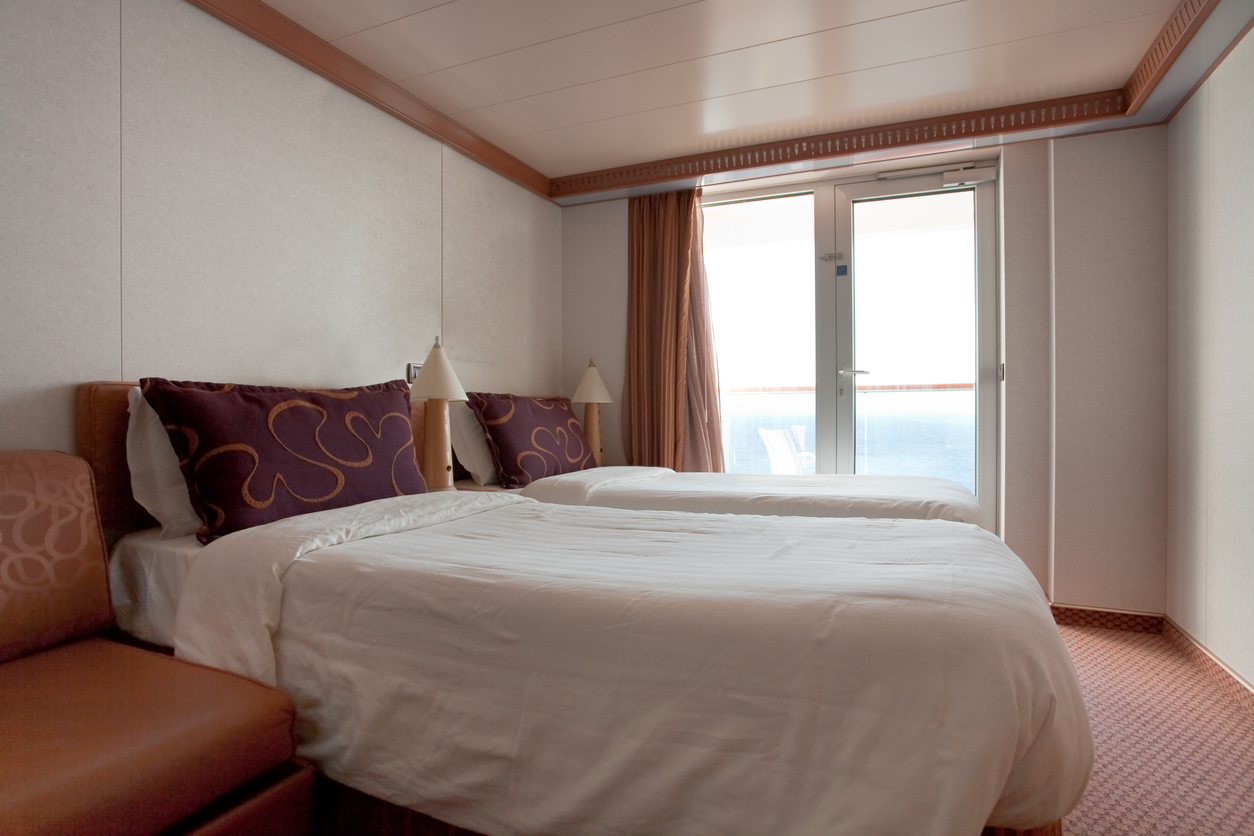
Balcony staterooms line the ship’s exterior, giving you a clear look at how different cabin layouts offer fresh air, views, and extra space during your cruise.
Families cruise differently than couples or solo travelers, and the right cabin setup can completely change the way your vacation feels. Understanding connecting rooms and family cabin setups before you book helps you choose a layout that supports sleep, storage, privacy, and day‑to‑day flow. Cruise ships offer several family‑friendly stateroom configurations, and choosing the right one can make your cabin feel like a functional home base—not a cramped space you’re trying to escape.
Why Connecting Rooms Matter
Connecting rooms are two separate cabins joined by an interior door, and they’re one of the most flexible, family‑friendly options at sea. You get the privacy of two rooms with the convenience of shared space whenever you want it. Parents can unwind in one room while kids sleep in the other, teens get independence without being too far away, and multigenerational families can stay close without crowding into a single cabin. This setup also gives you double the square footage, which dramatically improves comfort on longer sailings.
In our own family, connecting rooms have become our go‑to setup when we cruise with our two young adult kids. We keep the doors closed at night, but during the day it’s the perfect way to stay connected while everyone gets ready for dinner or a port day. We’re always passing things back and forth—sunscreen, medicine, chargers—and sometimes the kids wander in just to sit on our couch and chat. Those little moments are some of my favorites.
The Advantage of Two Bathrooms
One of the biggest perks of connecting rooms is having two full bathrooms. Morning and evening routines become smoother—no waiting for showers, no juggling toiletries, and no squeezing everyone into one small space. On port‑intensive itineraries, this can be the difference between a calm start to the day and a chaotic one. For families with teens or multiple adults, two bathrooms often feel essential rather than luxurious.
Privacy and Sleep Quality
Sleep quality can make or break a family cruise. Connecting rooms allow adults to stay up later, enjoy room‑service snacks, or watch a movie without disturbing sleeping kids. Teens can sleep in while parents get ready early, and everyone has space to decompress after busy days. This separation also helps with different bedtime routines, nap schedules, or early‑morning excursions. Families often say connecting rooms feel like a suite at a fraction of the price.
Storage and Organization
Cruise cabins are compact, and families bring more gear—clothes, shoes, sunscreen, beach bags, strollers, toys, and electronics. Connecting rooms double your storage space, giving you two closets, two vanities, and more drawers. This extra room makes it easier to stay organized and prevents the “everyone’s living on top of each other” feeling that can happen in a single cabin. It also gives you more floor space for strollers or travel cribs.
Family Suites and Larger Layouts
Some ships offer dedicated family suites with bunk beds, curtain dividers, or alcoves designed specifically for kids. These rooms often include extra storage, larger bathrooms, or split layouts that give families more breathing room. They’re ideal for families who want to stay in one space but still need separation between sleeping areas. Some suites even include living rooms or extended balconies, which can make sea days more relaxing.
Pullman Beds, Sofa Beds, and Bunk Configurations
If you prefer a single cabin, many staterooms include pullman beds that fold down from the ceiling or wall, as well as sofa beds that convert at night. These setups work well for younger kids but can feel tight for teens or larger families. It’s important to check the maximum occupancy and bed configuration before booking so you know exactly how the room will function at night. Some cabins sleep four comfortably; others feel crowded once the beds are down.
Balcony Sharing for Families
Connecting balcony cabins are especially popular because the divider between balconies can often be opened by the crew. This creates a shared outdoor space where families can relax together while still enjoying the privacy of separate rooms. It’s perfect for morning coffee, sail‑away views, or quiet time during naps.
Noise and Location Considerations
Families benefit from choosing cabins in quieter zones away from late‑night venues. Midship locations offer the smoothest ride, which is helpful for kids prone to motion sensitivity. Being near elevators can be convenient for strollers, but being too close may increase hallway noise. Many connecting rooms are grouped in family‑friendly areas, which can make the environment calmer and more predictable.
When to Choose Connecting Rooms vs. One Larger Cabin
Connecting rooms are usually the best choice when you want:
Two bathrooms
More total space
Privacy between adults and kids
Better sleep quality
Flexibility for different routines
A single larger cabin works well when you want:
Everyone together in one space
A suite‑style layout with upgraded amenities
Final Thoughts
Choosing the right stateroom layout becomes much easier when you understand how connecting rooms and family cabin setups support the way your family actually travels. The right configuration improves sleep, privacy, storage, and overall comfort, turning your cabin into a relaxing retreat instead of a tight squeeze. When you match your cabin choice to your family’s routines and needs, the entire cruise feels smoother from morning to night.
Your muster station is a key part of choosing the right stateroom and planning a smooth embarkation day.
Understanding your muster station is one of those small but meaningful details that can make your cruise feel more organized and less stressful. Every stateroom is assigned a specific muster station—the location where you complete your mandatory safety check‑in before the ship leaves port. You’ll see this assignment printed on your keycard and displayed on the map on the back of your cabin door. While it’s easy to overlook, knowing how your muster station works can help you choose a stateroom that fits your comfort and convenience needs.
What a Muster Station Is
A muster station is your designated safety location on the ship. Instead of the old‑style group drills, today’s process is simple: you watch the safety video in the app or on your cabin TV, then walk to your assigned muster station to check in with the crew. It only takes a few minutes, but the location of your station can influence how easy or comfortable that check‑in feels—especially on embarkation day when everyone is exploring the ship.
Indoor vs. Outdoor Stations
Muster stations are located all over the ship, and depending on your cabin, you may be assigned to one that’s indoors or outdoors. Some stations are inside lounges, theaters, or dining venues, while others are out on the open deck near the lifeboats. There’s no “better” or “worse” option anymore since the drill itself is so quick, but some cruisers do prefer one type over the other.
If you like the idea of being in an air‑conditioned space, an indoor station might feel more comfortable. If you prefer open air or want to avoid crowds gathering in enclosed areas, an outdoor station may be more your style. Since you can usually see the muster letter on deck plans before booking, it’s easy to choose a stateroom that lines up with the type of station you prefer.
How Your Cabin Location Affects Your Muster Station
Your muster station is assigned based on your cabin’s location. Cabins in the same zone of the ship typically report to the same station. This means:
Some cabins are just steps away from their muster station
Others require a longer walk or a few flights of stairs
Forward cabins usually report to forward stations
Aft cabins typically report to aft stations
Midship cabins often have the most direct routes
If you’re traveling with young kids, have mobility considerations, or simply prefer convenience, choosing a cabin closer to your muster station can make embarkation day easier.
Why It Matters for Families
Even though today’s muster drill takes less than a minute, your assigned muster station can still matter for families. If you’re traveling with kids, older adults, or anyone who prefers easy access, it can be helpful to know whether your station is indoors or outdoors and how far it is from your stateroom. Families booking multiple cabins may also appreciate choosing rooms that share the same muster letter so everyone reports to the same place in an emergency. It’s a small detail, but for some families, it adds peace of mind and keeps things simple.
How to Use This When Choosing a Cabin
Look at the deck plan and note the muster station letters near your preferred cabin area
Choose midship if you want the most direct routes to multiple muster zones
Pick cabins near indoor stations if comfort is a priority
Avoid cabins that require long stair climbs if mobility is a concern
Consider proximity if you’re traveling with kids or older adults
Final Thoughts
Choosing a stateroom is full of little details, and your muster station is just one of them. While today’s drill is quick and easy, knowing where your station is located—and whether it’s indoors or outdoors—can give you extra peace of mind, especially if you’re traveling with kids or multiple cabins. A few seconds of checking the deck plans can help you pick a room that feels convenient and comfortable for your family.
A quiet cruise hallway gives you a clear sense of how to choose your stateroom for comfort and convenience.
Choosing the right stateroom can make your entire cruise feel smoother, quieter, and more comfortable. If you’re wondering how to choose your stateroom, the decision really comes down to a few simple factors: movement, noise, convenience, and what kind of experience you want during your sailing.
Deck Level
The level of the deck you choose can make a big difference in how your cruise feels. Each deck has its own mix of staterooms, venues, and foot traffic, so it’s worth thinking about what kind of environment you want around your cabin. A little awareness of what’s above and below you can go a long way toward picking a room that feels comfortable and convenient.
Mid‑Level Decks
These decks offer the most balanced experience on the ship. You’ll feel noticeably less movement here because mid‑level decks sit closer to the ship’s center of gravity. They’re also ideal for convenience—close enough to dining, entertainment, and lounges without being directly under high‑traffic areas. For most travelers, this is the “safe choice” that delivers comfort without compromise.
Higher Decks
Higher decks put you closer to the pool, sun decks, buffet, and outdoor spaces, which is perfect if you love sea days or want quick access to the action. The trade‑off is increased motion, especially in rough seas or windy conditions. These decks also tend to be busier and louder, particularly early in the morning and late at night when people are moving between venues.
Lower Decks
Lower decks offer the most stability and the quietest environment. Because they sit deeper in the ship, you’ll feel the least movement—ideal for anyone prone to seasickness. These decks are also close to the gangway on port days, making them convenient for early excursions. The only downside is more stair or elevator time to reach outdoor areas and upper‑deck activities.
Forward, Midship, or Aft
The location of your stateroom on each deck can also shape your experience. Even on the same level, cabins feel different depending on whether they’re in the forward (front), midship (middle), or aft (back) sections of the ship. Each area has its own advantages, so it’s worth thinking about which one fits the way you like to cruise.
Midship
This is the sweet spot for the smoothest ride. If you’re sensitive to motion or want the most stable experience, midship is the way to go.
Forward
You’ll feel more movement here, especially when the ship is sailing into waves. Forward cabins are great for early‑morning port arrivals and dramatic views, but they’re not ideal for motion‑sensitive travelers.
Aft
Aft cabins offer beautiful wake views and a peaceful atmosphere. You may feel some vibration from the engines, especially on older ships, but many cruisers love the relaxing sound and scenery.
Noise Considerations
Noise is another factor that can shape your stateroom experience, and it varies more than people expect. Depending on what’s above, below, or around your cabin, you may hear foot traffic, music, or general ship activity. It’s worth taking a moment to think about what kind of noise level you’re comfortable with before choosing your room.
Avoid High‑Traffic Decks
Cabins directly under the pool deck are some of the noisiest on the ship. You may hear early‑morning chair setup, scraping loungers, running kids, and deck‑washing equipment long before you’re ready to wake up. Cabins above or below theaters, nightclubs, sports courts, or dining rooms can pick up music, bass vibrations, late‑night shows, or kitchen prep. If you’re a light sleeper, these areas are worth avoiding.
Look for “Stateroom Sandwiches”
These are cabins with other staterooms above, below, and beside you. They’re consistently the quietest spots on the ship because you’re insulated from public‑area noise. If peace and quiet are a priority, this is the safest choice.
Hallway Traffic
Cabins near elevators and stairwells are convenient, but they come with steady foot traffic—families heading to breakfast, crowds returning from shows, and people chatting while they wait for the elevator. If you prefer a quieter environment, choose a cabin farther down the hallway. The walk is longer, but the noise drops dramatically.
Ship‑Specific Sounds
Every ship has its own quirks. Aft cabins may feel engine vibration, forward cabins may hear anchor operations on port mornings, and some midship areas pick up noise from crew corridors. These sounds aren’t constant, but they’re worth keeping in mind if you’re sensitive to unexpected noises.
Convenience and Proximity
Convenience is one of the biggest factors that can shape how easy your cruise feels day to day. Even on the same deck, some cabins are simply better positioned for quick access to the places you use most. Whether you prefer being steps from the elevators, close to the stairs, near the port‑day exit, or right by your favorite venues, a little thought about proximity can make your stateroom feel perfectly placed.
Near Elevators
Being close to the elevators is one of the most convenient locations on the ship. You’ll reach dining rooms, lounges, and entertainment venues quickly, and it’s especially helpful if you have mobility needs or prefer minimal walking. The trade‑off is steady foot traffic—families heading to breakfast, crowds returning from shows, and people chatting while they wait for the elevator.
Near Stairs
Stair‑adjacent cabins are ideal for active cruisers who want fast access without relying on elevators. You can move between decks quickly, especially during busy times when elevators fill up. Noise is generally lower than elevator areas, but you may still hear occasional bursts of traffic during peak dining and show times.
Near the Port/Excursion Exit
Lower decks and midship areas are closest to the gangway, making them perfect if you have early excursions, want to be among the first off the ship, or prefer a smooth, quick exit on port days. You’ll avoid long elevator waits and crowded stairwells. The only downside is that these decks can feel busier on mornings when the ship is cleared for disembarkation.
Near Key Venues
Some cruisers prefer to stay close to the spaces they use most—like the spa, gym, kids’ club, casino, or buffet. This can save time and steps throughout the week. Just keep in mind that proximity often means more noise and more hallway traffic, especially near popular venues.
Seasickness Considerations
Midship + lower deck = least movement
Forward + high deck = most movement
A balcony can help some travelers feel better because of fresh air and a visible horizon
Avoid forward cabins if you’re sensitive to motion
Special Room Types to Consider
Connecting Rooms
These are ideal for families, multigenerational groups, or anyone who wants shared space without crowding into a single cabin. You get two bathrooms, double the storage, and the ability to open the interior door for a suite‑like feel.
Accessible Rooms
These cabins are designed for guests with mobility needs and often offer some of the most spacious layouts on the ship. Wider doorways, roll‑in showers, open floor plans, and strategically placed grab bars make moving around easier.
Obstructed View Cabins
These rooms give you natural light at a lower price point. The view may be partially blocked by lifeboats or equipment, but you still get daylight and a sense of openness.
Unique or Oversized Layouts
Some ships have hidden gems—corner balconies, angled rooms, extra‑deep interiors, or cabins with unusually large verandas. These aren’t always labeled differently on the deck plan, but they can offer significantly more space for the same price.
Aft‑Facing and Forward‑Facing Rooms
Aft‑facing balconies offer sweeping wake views and a peaceful, private feel. Forward‑facing rooms often have dramatic ocean views and a sense of adventure, especially during sail‑ins. Both come with trade‑offs, but they deliver some of the most memorable views onboard.
Final Thoughts
Understanding how to choose your stateroom makes your cruise feel more comfortable from the moment you board. Once you know whether movement, noise, convenience, or views matter most, you’ll feel confident selecting the perfect cabin. With a little planning and a clear sense of how to choose your stateroom, you’ll enjoy a smoother, quieter, and more relaxing vacation. And as you compare options across the ship, keeping how to choose your stateroom in mind helps you narrow down the location that fits your travel style best.
Your stateroom attendant keeps your room fresh and comfortable throughout your cruise.
Cruise ship staterooms stay surprisingly tidy throughout your sailing, thanks to the incredible work of your stateroom attendant. They’re the quiet heroes of your cruise—refreshing your room, keeping things organized, and making sure you always return to a clean, comfortable space. If you’ve never cruised before, the cruise room cleaning schedule can feel a little different from a hotel, so knowing what to expect helps you settle in quickly.
How Often Your Room Is Cleaned
Most cruise lines clean your room once or twice a day, depending on the ship and your preferences. Understanding the basics of cruise room cleaning helps you choose the routine that fits your day.
Daily Service: Every stateroom receives at least one full cleaning per day.
Twice‑Daily Service (where offered): Morning cleaning plus an evening turndown with fresh towels and trash removal.
A helpful example is Royal Caribbean, which currently provides once‑per‑day cleaning for standard staterooms. Your attendant will stop by each day to refresh the room, replace towels, empty trash, and tidy the bathroom. Suites may receive additional service depending on the ship and category.
Things to Consider When Choosing Your Cleaning Time
Your attendant will ask whether you prefer morning, afternoon, or flexible service. A few small considerations can help you pick the time that fits your routine:
Morning service works best if you’re an early riser and plan to leave the room for breakfast, excursions, or pool time. You’ll come back to a fully refreshed space before lunch.
Afternoon service is ideal if you like slow mornings, enjoy coffee on the balcony, or need extra time to get ready. Your room will be cleaned while you’re out exploring the ship.
Excursion days may shift your preference. If you have early port mornings, afternoon cleaning keeps things simple.
Families often prefer afternoon service so little ones can nap or take their time getting ready without interruptions.
Suite guests with expanded service may want to coordinate cleaning around concierge lounge hours, dining times, or show schedules.
Remote workers or mid‑day resters should choose a time when they know they’ll be out of the room for at least 30 minutes.
Choosing a time that matches your daily rhythm makes the whole cruise feel smoother—and it helps your attendant plan their day efficiently.
Changing Your Cleaning Time Mid‑Cruise
If your routine shifts during the sailing, you can adjust your cleaning time at any point. Just let your stateroom attendant know, and they’ll update their schedule for the rest of the cruise. This is especially helpful if your excursion times change, you start sleeping in later, or you find yourself out of the room at different times than you expected.
What Your Stateroom Attendant Does During Service
A typical cleaning includes:
Making the beds
Replacing towels
Emptying trash and recycling
Wiping counters and bathroom surfaces
Restocking toiletries
Tidying the bathroom
Refreshing ice (if you request it)
Straightening items left on counters
Delivering daily schedules or notices
Evening turndown (if offered) may include:
Pulling down the bed
Closing curtains
Soft lighting
Fresh towels
A quick tidy of the bathroom
Removing room‑service dishes if placed outside
What They Don’t Do
Cruise housekeeping is thorough, but there are a few things they don’t handle:
Washing personal laundry (you can request paid laundry service)
Organizing inside drawers or closets
Handling valuables
Moving large amounts of clutter
Cleaning up spills involving food or drinks left for long periods
They’ll respect your personal space and won’t open closed bags, drawers, or suitcases.
How You Can Make Cleaning Easier (and Faster)
You don’t need to deep‑clean your room—your attendant handles that. But a few small habits make their job smoother and help them clean more efficiently.
Pick items up off the floor so they can vacuum quickly
Keep counters loosely organized so they can wipe surfaces
Hang wet swimsuits instead of leaving them on furniture
Place trash in bins rather than leaving it scattered
Use the “Room Ready” sign when you’re heading out
Step out during service so they can clean without working around you
These small things go a long way, especially since attendants care for many rooms each day.
How to Communicate Preferences
Your stateroom attendant wants your cruise to feel comfortable, so don’t hesitate to ask for what you need. Common requests include:
Extra towels
Extra pillows
Ice daily
Blanket instead of a duvet
No evening turndown
Specific cleaning times
Removal of the coffee table or sofa bed setup
Robe (these are often available upon request)
Mattress topper
They’re incredibly accommodating—just let them know early in the sailing.
Tipping Your Stateroom Attendant
Most cruise lines automatically add daily gratuities to your onboard account, and a portion of that goes directly to your stateroom attendant. Some guests choose to leave an additional cash tip, and the timing varies based on personal preference.
Tipping at the beginning sets a warm tone and shows appreciation right away.
Tipping at the end is the most common approach and often reflects the service received.
Not tipping extra is also normal since automatic gratuities are already included.
A simple envelope with a short thank‑you note is always appreciated.
Final Thoughts
Your stateroom attendant plays a huge role in making your cruise feel relaxing and effortless. Understanding the cruise room cleaning schedule, knowing what’s included, and keeping communication open ensures your room stays fresh, comfortable, and ready for every part of your vacation. With a little courtesy and awareness of how cruise room cleaning works behind the scenes, you’ll enjoy a smoother, more enjoyable stay onboard.
This cozy planning moment reflects how many travelers research the best time to book a cruise to lock in the lowest prices.
Booking a cruise at the right time can make a huge difference in what you pay — and in the perks you get. Cruise fares don’t move in a straight line; they rise and fall based on demand, inventory, seasonality, and how quickly a ship is filling. The good news is that there are predictable windows when prices drop, promotions stack, and you can lock in real value without sacrificing itinerary or cabin choice.
Understanding these booking patterns is the key to getting the lowest fares. Whether you’re planning a family vacation, eyeing a balcony on a new ship, or trying to stretch your travel budget further, timing your booking can save hundreds of dollars and unlock extras like onboard credit, upgrades, or reduced deposits.
This guide breaks down the best times of year to book — including Wave Season, Shoulder Season, and last‑minute opportunities — so you can book with confidence and get the strongest deal for your next cruise.
Wave Season: January–March
Wave Season is the cruise industry’s biggest annual sale period — essentially the “Black Friday” of cruising, but stretched across the first three months of the year. This is when cruise lines roll out their most aggressive promotions to jump‑start bookings for the year ahead. Because every major line participates, the competition creates some of the lowest fares and richest perks you’ll see all year.
During Wave Season, you’ll often find:
lower fares on popular itineraries
reduced deposits
onboard credit offers
free cabin upgrades
kids‑sail‑free promotions
bundled perks like Wi‑Fi or drink packages
These deals are especially strong for:
Caribbean cruises
Alaska sailings
Europe summer itineraries
newer or recently refurbished ships
If you’re planning a big family trip, want a balcony on a high‑demand sailing, or prefer sailing on the newest ships, Wave Season is one of the safest and most strategic times to book. You get early access to inventory and the benefit of the year’s most competitive pricing.
Book Early for the Best Cabin Selection
If you care about:
cabin location
connecting rooms
aft balconies
suites
accessible cabins
…booking early is essential.
Cruise lines release their lowest prices when itineraries first open — often 18–24 months in advance. Prices tend to rise as the ship fills, especially for premium cabin categories.
Early booking is ideal for:
Alaska
Europe
holiday sailings
new ship launches
If you want a specific cabin type, early beats cheap last‑minute deals every time.
Shoulder Season = Lower Prices
Shoulder Season is the sweet spot between peak travel months and slower off‑season sailings — and it’s one of the most reliable times to score lower cruise fares without sacrificing weather or itinerary options. These months sit just outside the busiest periods, so ships are still sailing full schedules, but demand is softer and pricing becomes far more flexible.
During Shoulder Season, you’ll often see:
noticeably lower fares on popular routes
better availability for balconies and suites
fewer crowds onboard and in port
more room to choose ideal cabin locations
occasional perks or add‑ons as cruise lines work to fill remaining inventory
Shoulder Season is especially strong for:
Caribbean cruises in late April–May and September–early November
Alaska in early May and late September
Mediterranean itineraries in April, May, September, and October
For travelers who want great weather, lower prices, and a more relaxed onboard experience, Shoulder Season is one of the smartest times to book. It’s ideal for couples, flexible families, and anyone who wants value without giving up the best parts of the itinerary.
Last‑Minute Deals (Great for Flexible Travelers)
Last‑minute deals can offer some of the lowest cruise fares of the entire year, especially when a ship still has unsold cabins close to departure. Cruise lines would rather sail full — even at a discount — which creates opportunities for flexible travelers who don’t need a specific ship, itinerary, or cabin type.
These deals typically appear 30–60 days before the cruise, once final payments are due and the cruise line knows exactly how many cabins remain. Prices can drop fast, and you’ll often see:
deeply discounted inside and oceanview cabins
occasional balcony markdowns on less‑popular sailings
lower solo‑traveler supplements
short‑notice promotions on older ships or shoulder‑season itineraries
Last‑minute deals work best for travelers who:
live near a cruise port or can book airfare quickly
don’t need a specific cabin location
are open to a range of destinations
can travel with only a few weeks’ notice
The trade‑off is limited choice — the best cabins and most popular itineraries are usually long gone. But if you’re flexible, last‑minute deals can be one of the most budget‑friendly ways to cruise.
Holiday and School‑Break Sailings: Book Early
Sailings that fall during major holidays and school breaks almost never get cheaper. These are the highest‑demand weeks of the entire year, and cruise lines know families plan far in advance — which means cabins fill quickly and prices rise steadily as availability disappears.
Peak‑demand sailings include:
Spring Break
Thanksgiving week
Christmas & New Year’s
Summer peak (June–August)
Because these dates align with school calendars, sports schedules, and family vacation windows, ships often sell out months — sometimes years — ahead of time. Instead of dropping prices, cruise lines typically increase fares as the ship fills, and the most desirable cabins (balconies, connecting rooms, suites) are the first to go.
If you’re traveling during any of these windows, the smartest strategy is to book as soon as itineraries open. Early booking gives you the best selection, the lowest starting price, and the chance to reprice later if your cruise line allows adjustments before final payment.
Repositioning Cruises: The Best Value at Any Time
Repositioning cruises are one‑way sailings that happen when a ship moves from one region to another for a new season. Because these routes are less about port‑intensive sightseeing and more about the journey itself, they often deliver some of the best per‑night pricing in the entire cruise industry.
These sailings are typically:
longer and more relaxed
significantly cheaper per night
less crowded than peak itineraries
packed with sea days, onboard activities, and time to unwind
Common repositioning routes include:
Transatlantic crossings
Panama Canal transitions
Pacific crossings between Asia, Alaska, and the West Coast
Repositioning cruises are ideal for travelers who love sea days, want a quieter ship, or are looking for a budget‑friendly way to experience a new region. The trade‑off is fewer ports and a one‑way itinerary, but the value — especially for balcony cabins — is often unbeatable.
Watch for Price Drops After You Book
Many cruise lines let you adjust your fare if the price drops before final payment, and this is one of the easiest ways to save money after you’ve already booked. The key is staying aware of fare changes so you can act quickly.
Price alerts, deal‑tracking tools, and cruise‑line apps help you monitor your sailing in real time. If you spot a lower fare, reach out to the cruise line or your travel agent right away — they can reprice your booking or apply the new promotion as long as you’re still before the final‑payment deadline. This simple habit can save you hundreds without changing anything about your trip.
When Cruise Lines Run Their Best Sales
Cruise lines anchor their strongest promotions to major retail holidays and key booking periods. These events don’t always guarantee the absolute lowest fare, but they do offer some of the richest incentives, making them great times to lock in added value.
You’ll see the most competitive promotions during:
Black Friday & Cyber Monday
Memorial Day
Labor Day
Wave Season (January–March)
Late‑summer “Back‑to‑Cruise” sales
During these windows, cruise lines often stack perks like reduced deposits, onboard credit, free upgrades, kids‑sail‑free offers, or bundled add‑ons such as Wi‑Fi and drink packages. Even if the base fare isn’t at its lowest, the overall value can be significantly higher thanks to these extras.
These sales are especially useful for travelers who want flexibility — you can book early, secure perks, and still monitor pricing for drops before final payment.
Final Thoughts
Timing your cruise booking is one of the most powerful ways to stretch your travel budget without sacrificing the ship, itinerary, or cabin you want. Cruise prices move in predictable patterns, and once you understand those rhythms — Wave Season for big promotions, Shoulder Season for value and flexibility, last‑minute deals for the spontaneous, and early booking for holidays and school breaks — you can plan with confidence.
There’s no single “best” time that works for every traveler, but there is a best strategy for your situation. Whether you’re chasing the lowest fare, hoping for added perks, or trying to secure a peak‑season sailing before prices climb, knowing when to book puts you in control. With a little planning and the right timing, you can lock in a great deal and look forward to an incredible cruise at a price that feels just as good as the vacation itself.
Scenes like this show why it helps to understand how to save money on cruise wifi so you can stay connected without overspending.
Cruise Wi‑Fi can be surprisingly expensive, which is why understanding how to save money on cruise wifi before you sail makes such a big difference. With a little planning and a few smart strategies, you can stay connected without paying full price — and without buying a package that’s bigger than you actually need. Whether you’re checking in with family, posting photos, or working remotely, there are plenty of ways to cut costs while still getting the connection you want.
This guide walks you through the most effective ways to reduce your Wi‑Fi spend and avoid unnecessary upgrades.
Buy Your Wi‑Fi Package Before You Sail
Cruise lines almost always offer the lowest prices when you purchase Wi‑Fi in advance. Pre‑cruise discounts typically range from 10% to 30% off, depending on the line and the sailing.
Buying early helps you:
lock in the lowest rate
avoid onboard price increases
choose the right package without pressure
If you know you’ll need Wi‑Fi, this is the easiest way to save.
Choose the Right Package for Your Needs
Cruise lines often offer multiple tiers, and it’s easy to overpay if you don’t know the difference.
Basic Browsing Packages
Great for:
email
messaging
social media
light browsing
Not ideal for:
video calls
streaming
large uploads
Streaming or “Full” Packages
Designed for:
video calls
Netflix, YouTube, or Disney+
cloud‑based apps
remote work
If you don’t need these features, skip the upgrade — the price difference can be significant.
Share a Package When Possible
Some cruise lines allow you to share a single Wi‑Fi plan across multiple devices — just not at the same time. This means you can log out, let someone else log in, and avoid buying multiple packages.
This works well for:
couples
families
anyone who only needs occasional access
If your cruise line allows device swapping, it’s one of the easiest ways to cut your Wi‑Fi cost in half.
Use Loyalty Status Perks
If you sail frequently, your loyalty program may offer:
free Wi‑Fi minutes
discounted packages
complimentary streaming plans at higher tiers
These perks vary by cruise line, but they can save you a surprising amount — especially on longer sailings.
Take Advantage of Port Days
Wi‑Fi is often strongest (and cheapest) on land. If you only need internet occasionally, consider skipping the full‑cruise package and using:
free port Wi‑Fi
cafés with reliable connections
cell service if your plan includes international roaming
This strategy works especially well on port‑heavy itineraries.
Download Everything Before You Sail
One of the best ways to save money is to reduce how much Wi‑Fi you actually need.
Before boarding, download:
movies and shows
playlists
books
maps
travel documents
kids’ entertainment
The more you prep ahead of time, the smaller the package you’ll need onboard.
Turn Off Background Data
Automatic updates and cloud backups can burn through bandwidth quickly. Before connecting to the ship’s Wi‑Fi, switch your device to:
Airplane Mode
Wi‑Fi On
Background App Refresh Off
Cloud Backups Off
This keeps your usage low and helps you avoid needing a higher‑tier plan.
Skip Wi‑Fi Entirely on Sea Days (If You Can)
Sea days are when Wi‑Fi is slowest and most expensive. If you can disconnect for a day, you may be able to choose a smaller package or rely on port days instead.
This is especially helpful for:
Caribbean itineraries
Mediterranean cruises
Alaska sailings with frequent ports
A Mid‑Post Reminder: Small Habits Save Big Money
Even simple habits — like logging out when you’re not using your device or downloading content ahead of time — play a huge role in how to save money on cruise wifi. These small adjustments help you stretch your package further and avoid paying for a higher tier than you actually need.
Final Thoughts
Learning how to save money on cruise wifi helps you stay connected without overspending, and most of the savings come from planning ahead. By buying early, choosing the right package, sharing when possible, and prepping before you sail, you can enjoy reliable internet at sea while keeping your vacation budget on track.
Scenes like this highlight how cruise wifi works when you need to stay connected or get work done during your sailing.
Cruise Wi‑Fi has improved dramatically in recent years, and understanding how cruise wifi works helps you set realistic expectations before you sail. With the introduction of Starlink on many major cruise lines, speeds are faster, connections are more stable, and staying connected at sea is easier than ever. But even with better technology, cruise Wi‑Fi still works differently than what you’re used to at home — and knowing the basics makes a big difference in your experience.
This guide breaks down how cruise Wi‑Fi actually works, why speeds vary, and what you can expect whether you’re checking email, messaging family, or trying to stream your favorite show.
Why Cruise Wi‑Fi Is Different From Home Internet
At home, your device connects to a router that’s wired into a land‑based network. On a cruise ship, your connection has to travel from your device → to the ship’s antennas → up to satellites → back down to land‑based stations → and then out to the internet.
That extra distance creates:
higher latency
occasional slowdowns
more variability during sea days
Even with modern systems, the ocean is still a challenging environment for connectivity.
How Cruise Wi‑Fi Works: The Basics
Cruise ships rely on a combination of technologies to keep guests connected:
1. Satellite Internet (Traditional Systems)
Before Starlink, most cruise lines used geostationary satellites. These sit high above the Earth and provide wide coverage but slower speeds.
Traditional satellite Wi‑Fi often meant:
delays when loading pages
difficulty streaming
slower speeds during peak times
more drop‑offs on sea days
Some ships still use this system, especially older or smaller vessels.
2. Starlink (Newer, Faster Technology)
Starlink uses low‑Earth‑orbit satellites that sit much closer to the planet. This reduces latency and increases speed dramatically.
With Starlink, guests typically experience:
faster browsing
smoother video calls
better reliability
improved performance on sea days
Not every ship has Starlink yet, but the rollout is expanding quickly.
3. Onboard Network Infrastructure
Even with great satellite service, the ship’s internal network matters. This includes:
antennas placed around the ship
routers and access points
bandwidth management systems
Newer ships have stronger internal networks, which helps maintain stable connections in cabins, lounges, and public spaces.
Why Wi‑Fi Speeds Vary During Your Cruise
Even with modern systems, you may notice changes in performance. Common factors include:
Ship location — remote areas or deep ocean crossings can reduce signal strength.
Weather conditions — heavy storms can interfere with satellite connections.
Peak usage times — evenings and sea days are the busiest.
Ship capacity — more guests online means more bandwidth competition.
Your cabin location — interior cabins may have weaker signal than open‑air spaces.
Understanding these factors helps set realistic expectations.
These digital light trails help visualize how cruise wifi works, especially when explaining speed, bandwidth, and the flow of data at sea.
What You Can Expect With Cruise Wi‑Fi
Here’s a general idea of what works well — and what may struggle — depending on the ship and package.
Typically Reliable
messaging apps (iMessage, WhatsApp, Messenger)
email
browsing
social media
uploading photos
Usually Possible on Starlink Ships
video calls
streaming in standard definition
cloud‑based apps
remote work tasks
Still Hit‑or‑Miss
HD or 4K streaming
large file uploads
gaming
VPN connections (some cruise lines block them)
How Cruise Lines Manage Bandwidth
Cruise ships carry thousands of guests, all sharing the same satellite connection. To keep the network stable and usable for everyone, cruise lines use several behind‑the‑scenes tools to balance demand. Understanding these systems helps explain why speeds sometimes dip — and why certain activities are limited.
Speed Caps to Keep the Network Stable
Cruise lines often set maximum speeds for each Wi‑Fi package. This prevents a handful of guests from consuming all available bandwidth and ensures the connection stays usable for basic tasks like messaging, email, and browsing. Speed caps also help smooth out peak times, like evenings and sea days, when most guests are online at once.
Device Limits to Reduce Congestion
Most packages allow one device at a time unless you pay for additional connections. This isn’t just a pricing strategy — it’s a way to reduce the number of active devices pulling data simultaneously. When fewer devices are connected, the network performs better for everyone onboard.
Content Filtering to Prioritize Essential Traffic
Some cruise lines block or limit high‑bandwidth activities such as large file uploads, gaming, or certain streaming platforms. This helps preserve bandwidth for essential ship operations and keeps everyday tasks like messaging and browsing running smoothly. Filtering also reduces strain during busy periods when the network is under the most pressure.
Prioritization for Ship Operations
Before guest Wi‑Fi gets any bandwidth, the ship’s operational systems are prioritized. This includes navigation data, safety systems, crew communication, and internal ship functions. Only after those needs are met is the remaining bandwidth allocated to guest internet packages — which is why speeds can fluctuate depending on what the ship is doing and where it’s sailing.
Tips for Getting the Best Connection at Sea
A few simple habits can improve your experience:
Connect early in the morning or late at night for faster speeds.
Use airplane mode + Wi‑Fi to prevent roaming charges.
Download movies, playlists, and documents before you sail.
Sit in open areas if your cabin signal is weak.
Turn off automatic cloud backups.
Log out when you’re not using your device to free bandwidth.
These small adjustments make a noticeable difference.
Final Thoughts
Understanding how cruise wifi works helps you choose the right package, set realistic expectations, and avoid frustration once you’re onboard. With Starlink and modern satellite systems, staying connected at sea is easier than ever — and with a little preparation, you can enjoy a smoother, more reliable experience throughout your cruise.
Onboard shopping events are a big part of the cruise experience. The lights are bright, the displays sparkle, and the daily promotions feel exciting and fast‑paced. Whether you’re browsing for fun or hoping to score a deal, understanding how these events work helps you shop with confidence — and avoid the pressure that sometimes comes with them.
This guide walks you through the types of events you’ll see, how the promotions actually work, and which ones are worth your time.
Why Cruise Lines Host Shopping Events
Cruise lines partner with well‑known brands and retailers to create a fun, high‑energy shopping environment. These events are designed to:
highlight featured brands
introduce limited‑time promotions
encourage guests to browse throughout the sailing
create a sense of excitement around onboard retail
It’s entertainment mixed with shopping — and when you know what to expect, it can be genuinely enjoyable.
Guests enjoying an onboard shopping event at the ship’s jewelry store, a fun highlight of the onboard shopping events on a cruise.
Types of Onboard Shopping Events
You’ll see a rotating schedule of themed events throughout your cruise. Some are daily staples, while others are one‑day‑only promotions.
Jewelry & Gemstone Events
These are some of the most popular. Expect:
gemstone showcases
Effy or Le Vian trunk shows
“sparkle events” with featured collections
cruise‑exclusive pieces
Watch Sales
Scenes like this are common during onboard shopping events on a cruise, where brand promotions and limited‑time deals draw plenty of interest.
Often tied to well‑known brands, these events may include:
manufacturer promotions
limited‑edition pieces
discounts on older models
extended warranties
Designer Trunk Shows
These pop‑up style events highlight:
handbags
accessories
fashion jewelry
seasonal or cruise‑exclusive collections
Daily Flash Sales
These are the “today only” tables you’ll see in the promenade or main shopping area. They typically feature:
fashion jewelry
scarves
sunglasses
small accessories
logo items
Logo & Souvenir Promotions
Expect themed sales on:
ship‑branded apparel
tumblers and mugs
magnets and ornaments
destination‑themed items
Duty‑Free Alcohol & Fragrance Events
These are usually held near the end of the cruise and may include:
bundle deals
multi‑bottle discounts
fragrance gift sets
limited‑time pricing
Another lively moment from the onboard shopping events on a cruise, where guests explore deals, learn shopping tips, and enjoy fun giveaways.
How the Promotions Actually Work
Cruise shopping events are fun, but it helps to understand the marketing behind them.
The urgency is intentional. “One day only” or “last chance” language is designed to create excitement.
The sale price is often the everyday price. Many items are always discounted compared to land‑based retail.
Duty‑free doesn’t always mean cheapest. It simply means taxes aren’t added — not that the base price is lower.
Lighting and displays are curated. Everything is designed to look its best, especially gemstones.
Inventory rotates. You may see new pieces appear mid‑cruise, especially during trunk shows.
Knowing this helps you enjoy the experience without feeling rushed.
What’s Worth Checking Out
Some events genuinely offer good value or unique experiences:
Branded jewelry events with certification and manufacturer warranties
Watch promotions from reputable brands with global service centers
Cruise‑exclusive collections you won’t find at home
Fragrance and alcohol bundles that can be cheaper than retail
Logo sales if you want a ship‑specific souvenir
These events tend to be consistent, transparent, and fun to browse.
What to Skip or Approach Carefully
A few events are more about excitement than value:
High‑pressure gemstone events with “today only” pricing
Deeply discounted fashion jewelry that may not last long
Mystery deals where quality isn’t clear
Unbranded stones without certification
Anything you feel rushed into
If something feels unclear or overly urgent, it’s okay to walk away.
Tips for Making the Most of Onboard Sales
A little strategy helps you shop smarter:
Browse early in the cruise so you know what’s available.
Take photos of pieces you’re considering.
Compare similar items across multiple days.
Ask about certification, warranties, and return policies.
Set a budget before attending high‑energy events.
Revisit items — if you still love it the next day, that’s a good sign.
Shopping should feel fun, not stressful.
Final Thoughts
Onboard shopping events add energy and excitement to your cruise, and they can be a great way to find something special — especially when you know how the promotions work. With a little awareness and a relaxed mindset, you can enjoy the experience, explore the deals, and walk away with something you truly love.
Regalia Fine Jewellery is one of the key onboard shops you’ll explore when browsing for cruise‑exclusive jewelry deals.
Shopping for jewelry on a cruise can be exciting — the displays sparkle, the sales feel urgent, and the promise of “duty‑free deals” is everywhere. But while there are real opportunities to find something special, it helps to know how cruise shopping works so you can make confident, informed choices. This guide walks you through what’s worth buying, what to skip, and how to avoid the most common mistakes travelers make.
Why Jewelry Shopping Is So Popular on Cruises
Cruise ships create a fun, vacation‑ready environment that makes browsing feel effortless. You’ll find:
well‑lit showcases
friendly sales associates
daily promotions
branded events
duty‑free pricing
It’s easy to get swept up in the excitement — which is why a little strategy goes a long way.
What’s Worth Buying Onboard
Some categories consistently offer better value, clearer quality, and stronger buyer protections. These are the pieces most guests feel good about purchasing:
Recognizable branded jewelry — Lines like Effy, Le Vian, and other well‑known designers offer consistent quality, transparent pricing, and certification that makes comparison easier.
Watches from reputable manufacturers — Brands with established warranties and global service centers give you peace of mind long after the cruise ends.
Gemstone pieces you can evaluate in person — Seeing color, clarity, and cut side‑by‑side under good lighting helps you choose a stone you truly love.
Cruise‑exclusive collections — Limited‑edition pieces designed specifically for cruise retail can be a fun, meaningful souvenir you won’t find at home.
Items with strong documentation — Anything that comes with certification, grading reports, or manufacturer guarantees is generally a safer, more transparent purchase.
These categories tend to offer the clearest value and the least risk, especially for travelers who want a memorable piece without the stress of guessing quality.ricing.
What to Skip
Some pieces look tempting in the moment but don’t offer the clarity, value, or long‑term confidence you want from a jewelry purchase. These are the items most travelers regret buying:
Unbranded diamonds with vague or missing grading — If the stone doesn’t come with clear documentation (GIA, IGI, or equivalent), you have no reliable way to verify quality once you’re home.
High‑pressure “today only” pieces — Urgency is a sales tactic. If a piece is truly special, it will still be available tomorrow, and you deserve time to compare.
Jewelry without certification or a transparent return policy — If you can’t return it or verify what you bought, the risk outweighs the reward.
Overly large or tourist‑style gemstone pieces — These often look impressive under cruise‑ship lighting but may not fit your everyday style or hold long‑term value.
Deeply discounted “mystery deals” — If the price seems too good to be true, it usually means the materials or craftsmanship aren’t what they appear to be.
How to Compare Quality
A few focused checks can help you separate a truly well‑made piece from something that only looks impressive under cruise‑ship lighting. These steps give you clarity and confidence:
Take photos and notes — Documenting the pieces you’re considering helps you compare them later without relying on memory or sales pressure.
Evaluate color, clarity, and cut side‑by‑side — Good lighting onboard makes it easy to compare stones directly. Look for brightness, symmetry, and how evenly the stone reflects light.
Ask for third‑party certification — GIA and IGI reports provide objective grading. Manufacturer certificates are helpful too, but independent grading is the gold standard.
Check the metal quality and weight — Confirm whether the piece is 14k, 18k, or platinum, and pay attention to how substantial the setting feels in your hand. Lightweight or hollow settings are more prone to damage.
Inspect the craftsmanship up close — Look for secure prongs, smooth edges, even polishing, and a setting that holds the stone firmly without gaps.
Compare similar pieces across multiple days — Cruise shops often rotate inventory, giving you a chance to see variations in color, clarity, and price before committing.
Ask about warranty and service options — A strong warranty, repair coverage, or manufacturer support adds long‑term value and peace of mind.
Understanding Cruise Sales and Promotions
Cruise ships love themed events like:
“Diamond and gemstone blowouts”
“Effy trunk shows”
“One‑day watch sales”
“Tax‑ and duty‑free savings”
These events can be fun, but remember:
The “sale” price is often the everyday price.
The urgency is part of the marketing.
You should still compare quality and value.
If you love the piece and the price feels fair, that’s what matters most.
Shopping in Port vs. Onboard
Onboard Advantages
Shopping onboard is all about consistency, convenience, and peace of mind. Guests appreciate that:
Quality is more predictable, with curated brands, certified stones, and merchandise vetted by the cruise line.
Return and warranty policies are clearer, giving you stronger protection if something needs to be exchanged or repaired once you’re home.
Lighting and displays are designed for comparison, making it easier to evaluate stones, metals, and craftsmanship side‑by‑side.
You can revisit pieces over multiple days, which helps you make a confident decision without the pressure of a single quick stop.
Manufacturer‑backed warranties on watches and branded jewelry offer long‑term support you can rely on.
The environment feels relaxed and safe, especially for travelers who prefer a controlled, predictable shopping experience.
In‑Port Advantages
Shopping in port can be exciting and rewarding when you know what to look for. Travelers love that:
You can match the piece to the destination, creating a more personal, story‑driven purchase that feels tied to your trip.
You’ll find a wider variety of styles, including local artisans, unique gemstone cuts, and pieces you won’t see onboard.
Prices can be more flexible, especially in markets or stores where negotiation is expected and welcomed.
You can compare multiple shops in one stop, giving you a broader sense of value and quality before committing.
Local craftsmanship offers meaningful souvenirs, especially in ports known for specific stones or metals.
Some ports offer genuine duty‑free savings, particularly on luxury watches, gold, and gemstones when purchased from reputable retailers.
Common Mistakes to Avoid
A few pitfalls can turn an exciting purchase into regret:
buying without comparing pieces
skipping certification
assuming “duty‑free” means “best price”
letting sales pressure rush your decision
not checking the return policy
Take your time — you’re on vacation.
Tips for Making a Smart Purchase
A little preparation goes a long way:
Set a budget before you browse.
Take photos of pieces you’re considering.
Compare similar items across multiple days.
Ask for written details on stone quality.
Keep all receipts and certification paperwork.
You’ll feel more confident and enjoy the experience more.
Final Thoughts
Shopping for jewelry on a cruise can be a fun and memorable part of your vacation — especially when you know what to look for. With a little strategy, you can find a beautiful piece that reminds you of your trip for years to come, without falling into the common traps of cruise‑ship shopping.
Royal Caribbean priority boarding helps you start your vacation sooner, giving you early access and a calmer, more relaxed embarkation experience.
Royal Caribbean priority boarding helps you start your vacation sooner, giving you early access and a calmer, more relaxed embarkation experience. It’s one of those small perks that immediately sets the tone for your cruise, making the very beginning of your trip feel smooth and stress‑free. Whether you’re staying in a suite, purchased The Key, or reached a higher Crown & Anchor tier, you may qualify for early access to the ship.
Who Gets Priority Boarding
Royal Caribbean offers priority boarding to several groups. Depending on your sailing and terminal, you may qualify if you are:
Sky Class or Star Class suite guests
The Key program holders
Diamond, Diamond Plus, or Pinnacle Club members
Guests needing accessibility accommodations
Your SeaPass card and terminal signage will guide you to the correct check‑in line.
How Priority Boarding Works
The process is simple and designed to move you through the terminal quickly.
1. Arrive at Your Assigned Check‑In Time
Even with priority boarding, Royal Caribbean still uses assigned arrival times to manage crowds. Choose an earlier time in the app if you want to board sooner.
2. Use the Priority Line at Security
Suite guests, The Key holders, and eligible loyalty members will see a clearly marked priority entrance. This line is typically shorter and moves faster.
3. Priority Check‑In Desk
A dedicated agent will verify your documents, take your photo if needed, and finalize your boarding.
4. Early Access to the Ship
Once boarding begins, priority guests are among the first invited onboard. This means:
quieter hallways
easier access to elevators
less crowded public spaces
more time to explore before the ship fills up
It’s a small perk that makes a big difference in your first hour onboard.
What Priority Boarding Includes
Depending on your status, you may receive additional perks once onboard:
Suite guests: direct access to the Suite Lounge team, Coastal Kitchen check‑in, and early access to your stateroom area
The Key: a dedicated welcome lunch in the Main Dining Room with select menu items from Chops Grille
Loyalty members: early access to public spaces and a smoother start to the day
These perks vary slightly by ship and sailing, but the overall experience is consistently smoother than standard boarding.
Why Priority Boarding Matters
Priority boarding isn’t just about skipping lines — it sets the tone for a smoother, more relaxed start to your vacation. Guests love it because it:
Reduces wait times at security and check‑in, helping you avoid the busiest parts of the terminal.
Creates a calmer, more organized embarkation, especially helpful for families juggling bags and excited kids.
Gives you first access to the ship, so you can explore before the crowds arrive.
Makes lunch easier, with quieter dining rooms and more seating available.
Lets dining package holders make reservations early, giving you the best chance at ideal times and popular restaurants before they fill up.
Helps you settle in sooner, whether that means dropping off bags, grabbing a drink, or heading straight to a favorite spot onboard.
It’s a small perk that delivers a noticeably more relaxed, VIP‑feeling start to your cruise.
Tips for Making the Most of Priority Boarding
A few simple strategies can elevate your experience:
Complete all check‑in steps in the app early to unlock the best arrival times.
Arrive 10–15 minutes before your assigned time for the smoothest flow.
Keep documents handy so you move quickly through security.
Head straight to lunch or a quiet lounge once onboard to enjoy the calm before the crowds.
If you’re in a suite, stop by the Suite Lounge or Coastal Kitchen to confirm reservations.
Priority boarding sets the tone for a relaxed, organized start to your cruise.
Final Thoughts
Priority boarding on Royal Caribbean is a simple perk that makes a noticeable difference. Whether you earn it through your suite, loyalty status, or The Key, the smoother check‑in process and early access to the ship help you start your vacation with ease.