Blog

  • Icy Strait Point Alaska Cruise Port Guide: Top Things to Do for Cruise Travelers

    Icy Strait Point Alaska Cruise Port Guide: Top Things to Do for Cruise Travelers

    A waterfront view of Icy Strait Point with forested hills, calm water, and distant mountains under a clear sky.
    A scenic look at Icy Strait Point, Alaska — a peaceful, culturally rich cruise port surrounded by forest and coastal beauty.

    Icy Strait Point is one of Alaska’s most authentic and culturally rich cruise ports, offering a rare blend of Indigenous heritage, wildlife encounters, and breathtaking coastal scenery. This Icy Strait Point Alaska Cruise Port Guide highlights why so many travelers consider it a standout stop on Inside Passage itineraries. Located near the Tlingit village of Hoonah, the port delivers a quieter, more immersive Alaska experience with locally owned excursions, forested trails, and incredible opportunities to see whales, bears, and eagles.

    This Icy Strait Point Alaska Cruise Port Guide highlights the top experiences that showcase the best of this unique Alaska destination.

    1. Ride the World’s Largest ZipRider

    Pastel houses in Hoonah, Alaska, set against forested mountain slopes that rise above the village near Icy Strait Point.
    Pastel homes sit below the forested mountains of Hoonah, offering a glimpse of the scenery surrounding the World’s Largest ZipRider at Icy Strait Point.

    The Icy Strait Point ZipRider is one of the most thrilling attractions in Alaska, sending riders soaring 300 feet above the treetops with sweeping views of the coastline and forest below. The ride begins at the top of Hoonah Mountain, where six side‑by‑side lines drop nearly 1,300 feet at speeds that can reach 60 mph. The experience is both exhilarating and scenic, offering a bird’s‑eye perspective of the island’s rugged landscape. Even the journey to the launch point is memorable, with a scenic bus ride through dense rainforest and mountain terrain. For tips, timing, and planning details, see my complete Icy Strait Point ZipRider guide.

    2. Go Whale Watching in Icy Strait

    Humpback whales bubble‑net feeding in Icy Strait near Hoonah, Alaska
    Humpback whales bubble‑net feeding in the waters of Icy Strait near Hoonah, Alaska.

    Icy Strait is one of the best whale‑watching locations in Alaska, known for its high concentration of humpback whales throughout the summer. Tours depart directly from the port and explore nutrient‑rich waters where whales feed, breach, and bubble‑net. Sightings are extremely common, and the calm, protected channels make for a smooth ride. In addition to humpbacks, visitors may spot orcas, sea lions, porpoises, and bald eagles. The dramatic mountain backdrop adds to the experience, making this one of the most unforgettable excursions in the region. For tips, timing, and planning details, see my complete Icy Strait Point whale‑watching guide.

    3. Explore the Native Heritage Center & Museum

    ed Welcome Center building at Icy Strait Point, the entry point visitors pass through before exploring the Native Heritage Center & Museum
    Icy Strait Point, Alaska, United States – September 22, The red Welcome Center at Icy Strait Point is where most guests begin before heading to the Native Heritage Center & Museum.

    The Native Heritage Center offers a meaningful introduction to Tlingit culture, history, and traditions. Exhibits highlight local art, carving, weaving, and storytelling, while cultural demonstrations provide insight into the community’s deep connection to the land and sea. Visitors can learn about clan structures, traditional practices, and the history of Hoonah, one of the largest Tlingit villages in Alaska. The center is locally operated, ensuring that the stories shared are authentic and rooted in lived experience. It’s a powerful and enriching stop for anyone interested in Alaska Native culture. For tips, timing, and planning details, see my complete Icy Strait Point Native Heritage Center guide.

    4. Walk the Coastal Trail

    Forest‑covered shoreline and mountain views along the Icy Strait near Hoonah, Alaska, with distant coastal scenery beneath low clouds.
    The forested shoreline and mountain views along the Icy Strait create a peaceful backdrop for the Coastal Trail at Icy Strait Point.

    The Coastal Trail is a peaceful, scenic path that connects the cruise port to the village of Hoonah. The walk winds through lush rainforest, along rocky shorelines, and past quiet coves where eagles perch and whales can sometimes be spotted offshore. The trail is well‑maintained and easy to follow, making it a great option for visitors who want to explore independently. Along the way, interpretive signs share information about local wildlife and cultural history. It’s a relaxing way to experience the natural beauty of Icy Strait Point at your own pace. For tips, timing, and planning details, see my complete Icy Strait Point Coastal Trail guide.

    5. Visit the Cannery Museum

    Historic cannery buildings at Icy Strait Point in Hoonah, Alaska, including the restored warehouse structures along the waterfront.
    The historic warehouse and cannery buildings at Icy Strait Point showcase the area’s fishing‑industry past and anchor the waterfront of this restored Alaska cruise destination.

    The restored 1912 cannery is the heart of Icy Strait Point, offering a fascinating look at the region’s fishing history. Visitors can explore original equipment, historic photographs, and exhibits that explain how salmon were processed and shipped from this remote corner of Alaska. The cannery also houses local shops, artisan studios, and waterfront walkways with beautiful views of the harbor. It’s an easy, self‑guided experience that blends history, culture, and scenic charm. For tips, timing, and planning details, see my complete Icy Strait Point Cannery Museum guide.

    6. Take a Bear‑Viewing Tour

    Moss‑covered spruce branches in the Tongass National Forest near Icy Strait Point, showing the type of forested habitat where black bears are often found.
    The mossy spruce forests around Icy Strait Point create ideal habitat for black bears, making this region one of the best places in Southeast Alaska for guided bear‑viewing tours.

    Icy Strait Point is one of the best places in Alaska to see coastal brown bears in the wild. Guided tours travel to areas where bears frequently forage along streams and forest edges, especially during salmon season. Knowledgeable local guides share insights into bear behavior, habitat, and conservation, making the experience both exciting and educational. While sightings are never guaranteed, the region’s healthy bear population offers strong chances. The scenery alone — dense rainforest, moss‑covered trees, and quiet waterways — makes the excursion worthwhile. For tips, timing, and planning details, see my complete Icy Strait Point bear‑viewing guide.

    7. Explore Hoonah, the Nearby Tlingit Village

    Rocky shoreline at Icy Strait Point near Hoonah, Alaska, with smooth beach stones and coastal scenery along the water.
    The rocky shoreline near Hoonah offers peaceful views of the Icy Strait, where smooth beach stones line the coast of this small Southeast Alaska village.

    Just a short walk or shuttle ride from the port, Hoonah offers a warm, welcoming glimpse into everyday life in a Tlingit community. Visitors can explore local shops, enjoy seafood restaurants, and stroll along the waterfront boardwalk. Murals and totem‑inspired artwork highlight cultural stories, while friendly residents often share insights into village history. It’s a relaxed, authentic experience that complements the more excursion‑focused activities at the port. For tips, timing, and planning details, see my complete Hoonah village guide.

    8. Take a Wilderness ATV or Jeep Tour

    Close‑up of rugged off‑road tires designed for dirt and gravel trails, representing the wilderness ATV and Jeep tours available at Icy Strait Point in Alaska.
    Rugged off‑road tires are built for the dirt and gravel trails around Icy Strait Point, making them a great fit for wilderness ATV and Jeep adventures in Alaska.

    For travelers seeking adventure, ATV and Jeep tours offer a rugged way to explore the island’s backcountry. These guided excursions travel along forest roads, up mountain ridges, and through remote areas where wildlife sightings are common. The views from higher elevations are spectacular, with sweeping vistas of the coastline, islands, and snow‑capped peaks. Guides share local knowledge about the land, wildlife, and Tlingit heritage, making the experience both thrilling and informative. For tips, timing, and planning details, see my complete Icy Strait Point ATV tour guide.

    9. Go Kayaking in the Protected Waters

    Kayak on the calm, protected waters near Icy Strait Point in Hoonah, Alaska, with forested mountains and coastal scenery in the distance.
    Kayaking the protected waters around Icy Strait Point offers peaceful views of the coastline and surrounding mountains in Hoonah, Alaska.

    Kayaking at Icy Strait Point offers a peaceful, immersive way to experience Alaska’s coastal beauty. Guided tours take visitors through calm waters where seals, sea otters, and eagles are often spotted. The surrounding mountains and dense forest create a dramatic backdrop as you paddle along the shoreline. No experience is necessary — guides provide instruction and all equipment, making it accessible for beginners. It’s a serene, nature‑focused adventure perfect for travelers who want a quieter experience. For tips, timing, and planning details, see my complete Icy Strait Point kayaking guide.

    10. Ride the Gondola to the Mountain Top
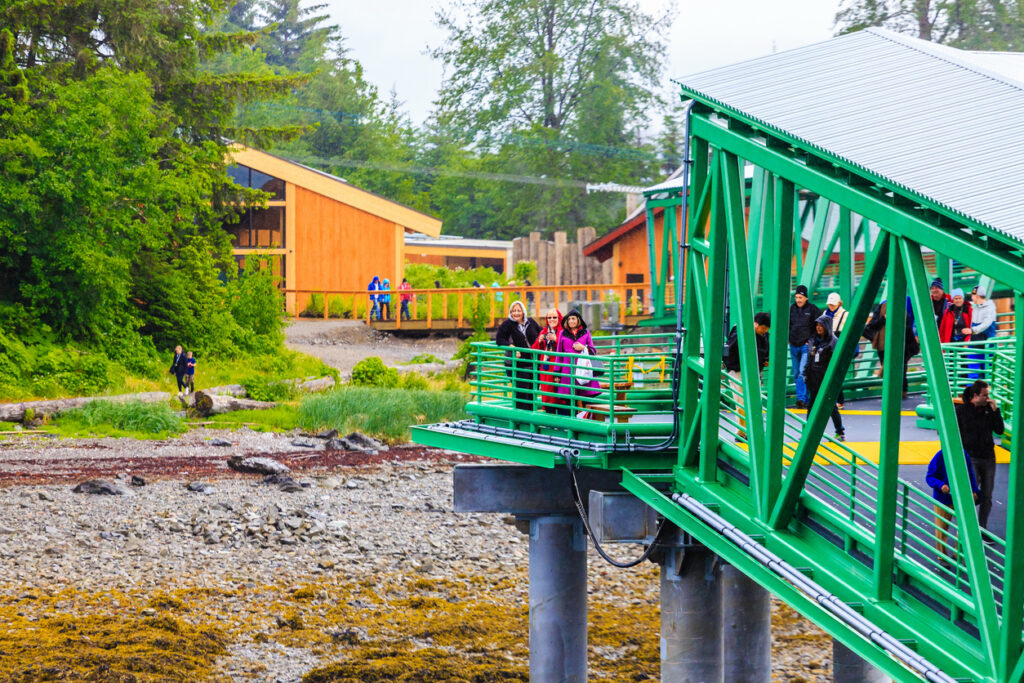
    View of the dock and coastal scenery at Icy Strait Point, Alaska, with forested mountains rising above the shoreline near the base of the gondola.
    The dock at Icy Strait Point sits along the forested coastline of the Icy Strait, offering a scenic starting point for the gondola ride up to the mountaintop.

    The gondola at Icy Strait Point offers a scenic ride through the treetops to a mountaintop viewing area with panoramic vistas of the coastline and surrounding islands. The journey is smooth and relaxing, making it a great option for visitors of all ages. At the top, you’ll find walking paths, photo spots, and interpretive signs that highlight the region’s natural and cultural history. It’s an easy, beautiful way to experience the landscape from a new perspective. For tips, timing, and planning details, see my complete Icy Strait Point gondola guide.

    Final Thoughts

    Icy Strait Point offers one of the most authentic and culturally rich experiences in Alaska, and this Icy Strait Point Alaska Cruise Port Guide gives you a strong foundation for planning your day ashore. Whether you’re seeking wildlife encounters, cultural insights, outdoor adventure, or peaceful coastal scenery, the port delivers a refreshing blend of experiences that feel both immersive and welcoming. With so many standout options just steps from the dock, it’s easy to shape your visit around your travel style — relaxed, adventurous, or somewhere in between. No matter what you choose, Icy Strait Point offers the kind of Alaska moments you’ll remember long after your cruise ends.

  • Seward Alaska Cruise Port Guide: Top Things to Do for Cruise Travelers

    Seward Alaska Cruise Port Guide: Top Things to Do for Cruise Travelers

    A turquoise glacial lake surrounded by forested hills and towering snow‑capped mountains under a clear blue sky.
    Glacial waters and rugged mountains create the dramatic scenery that makes Seward and Kenai Fjords unforgettable.

    Seward is one of Alaska’s most scenic and adventure‑packed cruise ports, known for its dramatic fjords, abundant wildlife, and easy access to Kenai Fjords National Park. This Seward Alaska Cruise Port Guide highlights why so many travelers consider it a must‑see destination, whether you’re exploring glaciers, taking a wildlife cruise, or enjoying the charming waterfront town. With mountains rising straight from the shoreline and endless opportunities for outdoor exploration, Seward delivers some of the most memorable moments of any Alaska itinerary.

    This Seward Alaska Cruise Port Guide highlights the top experiences that showcase the best of this stunning Alaska destination.

    Below, you’ll find the top experiences that showcase the best of Seward during a cruise‑port day.

    1. Take a Kenai Fjords National Park Wildlife & Glacier Cruise

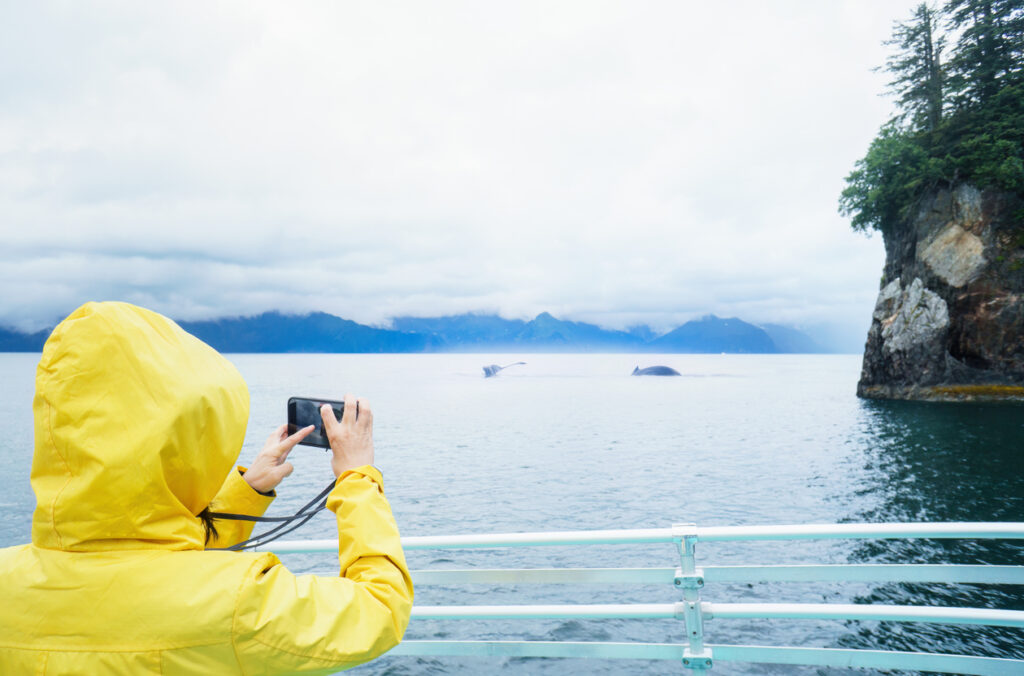
    A tourist photographs whales swimming near the boat during a wildlife cruise in Kenai Fjords National Park in Seward, Alaska.
    A visitor captures the moment as whales surface near the tour boat, a classic highlight of wildlife cruises in Kenai Fjords National Park.

    A Kenai Fjords cruise is the signature experience in Seward. The scenery is dramatic, with steep cliffs, waterfalls, and narrow fjords that feel untouched. Wildlife sightings are common, and many tours see whales, sea otters, sea lions, puffins, and porpoises. The highlight is reaching a tidewater glacier. You may hear the ice crack and watch pieces fall into the water. The moment feels like a nature documentary happening right in front of you. Cruises vary in length, so it’s easy to choose one that fits your schedule. Even the shortest tours offer incredible views. If you want a memorable Alaska experience with guaranteed scenery and strong chances for wildlife, this is one of the best options in Seward.

    For tips, timing, and planning details, see my complete Kenai Fjords cruise guide.

    2. Visit the Alaska SeaLife Center

    A foggy, rainy day at the Alaska SeaLife Center on Railway Avenue in Seward, Alaska, a public aquarium and marine mammal rehabilitation facility on the shores of Resurrection Bay.
    Fog and rain settle over the Alaska SeaLife Center, Seward’s waterfront aquarium and marine mammal rehabilitation facility overlooking Resurrection Bay.

    The Alaska SeaLife Center is Seward’s top indoor attraction and a great way to learn about Alaska’s marine wildlife. The building sits right on the waterfront, so the views are beautiful before you even step inside. Exhibits feature puffins, harbor seals, sea lions, octopus, and many species of fish and invertebrates. The habitats are thoughtfully designed and easy to explore at your own pace. Visitors can watch feedings, explore touch pools, and learn how the center rescues and rehabilitates injured animals. The experience is educational, relaxed, and perfect for families or anyone who enjoys marine life. Its location makes it easy to pair with a harbor walk or a Kenai Fjords cruise.

    For tips, timing, and planning details, see my complete Alaska SeaLife Center guide.

    3. Explore the Seward Waterfront & Harbor Walk

    The working waterfront near Fisherman’s Wharf in Seward, Alaska, featuring harbor buildings and coastal views along Resurrection Bay.
    Fisherman’s Wharf sits along the Seward waterfront, adding classic harbor character to the scenic Seward Waterfront & Harbor Walk.

    The Seward waterfront is one of the most scenic areas in town. Mountains rise directly from the shoreline, and colorful boats line the harbor. The paved Waterfront Trail follows the edge of Resurrection Bay and is easy for all visitors to enjoy. You can walk as much or as little as you like. Sea otters, eagles, and seabirds are often spotted along the route. Interpretive signs share stories about local history and marine life, which adds depth to the walk. The area also has shops, cafés, and tour operators, so it’s simple to explore at your own pace. It’s a flexible, free activity that fits well into any cruise‑port schedule.

    For tips, timing, and planning details, see my complete Seward waterfront guide.

    4. Visit Exit Glacier & the Glacier View Trails

    Mountain goats grazing on a grassy hillside with Exit Glacier and the rugged peaks of Kenai Fjords National Park in the background.
    Mountain goats often roam the hillsides near Exit Glacier, adding a wildlife highlight to the scenic views in Kenai Fjords National Park.

    Exit Glacier is one of the easiest glaciers to visit in Alaska. The area offers clear views of blue ice, rugged terrain, and the dramatic landscape shaped by the glacier over time. Well‑marked trails lead to several viewpoints, and each one feels rewarding without requiring a long hike. Interpretive signs show how far the glacier has retreated, which adds an educational layer to the experience. Wildlife sightings are possible, especially mountain goats on the nearby cliffs. The trails range from flat, accessible paths to slightly steeper climbs, so visitors can choose what fits their comfort level. It’s a simple, flexible way to experience a glacier up close during a cruise‑port day.

    For tips, timing, and planning details, see my complete Exit Glacier guide.

    5. Explore the Seward Small Boat Harbor

    Boats docked in the Seward Small Boat Harbor with snowcapped mountains rising in the background along Resurrection Bay.
    Seward’s Small Boat Harbor sits beneath towering mountain peaks, offering one of the most scenic waterfront views in Alaska.

    The Seward Small Boat Harbor is the heart of the town’s waterfront activity, filled with fishing vessels, tour boats, and scenic mountain backdrops. It’s a great place for photography, people‑watching, and soaking in the maritime atmosphere. Visitors can browse local shops, enjoy seafood restaurants, or simply walk the docks to admire the boats and look for sea otters playing near the pilings. The harbor is also the departure point for many Kenai Fjords cruises, making it an easy stop before or after an excursion. For tips, timing, and planning details, see my complete Seward Harbor guide.

    6. Visit the Seward Community Library & Museum

    Close‑up of reading glasses resting on a small stack of books on a wooden table, creating a warm, library‑inspired scene.
    A simple stack of books and reading glasses evokes the quiet, welcoming atmosphere of the Seward Community Library & Museum.

    This small but well‑curated museum offers a thoughtful look at Seward’s history, from the 1964 earthquake to the town’s fishing heritage and early settlement. Exhibits include photographs, artifacts, and personal stories that help visitors understand how Seward developed into the vibrant coastal community it is today. The museum is located inside the modern Seward Community Library building, making it an easy and efficient stop for travelers who want cultural depth without taking up too much port time. For tips, timing, and planning details, see my complete Seward Museum guide.

    7. Ride the Scenic Seward Highway (If Arriving or Departing by Land)

    Snowcapped mountains rise above the landscape near Moose Pass on the Kenai Peninsula, a scenic stretch along the Seward Highway in south‑central Alaska.
    The Seward Highway passes through Moose Pass, where snowcapped peaks and rugged Kenai Peninsula scenery create one of Alaska’s most beautiful drives.

    If your cruise begins or ends in Seward, the Seward Highway is one of the most breathtaking drives in Alaska. The route winds between mountains, glaciers, and the waters of Turnagain Arm, offering endless photo opportunities and wildlife sightings along the way. Travelers often spot beluga whales, Dall sheep, and bald eagles, especially near the cliffs and shoreline pullouts. Whether you’re taking a shuttle, private transfer, or rental car, the journey feels like an excursion in itself. It’s a memorable way to start or end your Alaska cruise experience. For tips, timing, and planning details, see my complete Seward Highway guide.

    8. Visit Lowell Point & the Coastal Trail

    A foggy day along the rocky beach at Lowell Point in Seward, Alaska, with ocean treasures and natural debris washed ashore on Resurrection Bay.
    Fog drifts over the shoreline at Lowell Point, where each wave brings new ocean treasures onto the beach along Resurrection Bay.

    Just a short drive from downtown, Lowell Point offers quiet beaches, mountain views, and access to the scenic Tonsina Point Trail. This coastal path winds through forested areas and along rocky shoreline, with chances to spot sea otters, seabirds, and even the occasional harbor seal. The area feels peaceful and less crowded than the main harbor, making it a great option for travelers who want a nature escape without committing to a full‑day excursion. Even a short visit provides beautiful scenery and a refreshing break from the busier parts of town. For tips, timing, and planning details, see my complete Lowell Point guide.

    9. Explore the Seward Waterfront Park & Camping Area

    A glowing campfire on the rocky shoreline of Resurrection Bay in Seward, Alaska, with mountains rising across the water.
    A cozy campfire along Resurrection Bay captures the peaceful waterfront setting that makes camping in Seward so memorable.

    Seward’s waterfront park is a scenic, open area perfect for a relaxed walk, picnic, or photography session. RVs and tents line the shoreline during summer, creating a lively atmosphere with unbeatable views of Resurrection Bay. Visitors can watch fishing boats come and go, look for sea otters near the rocks, and enjoy the dramatic mountain backdrop. It’s an easy, flexible activity that fits well into any port schedule and pairs nicely with the nearby harbor, SeaLife Center, and waterfront trail. For tips, timing, and planning details, see my complete Seward Waterfront Park guide.

    10. Take a Dog Sledding or Kennel Tour

    Husky sled dogs at an Alaska kennel during a dogsledding experience, part of a popular adventure excursion in Seward.
    A dogsledding experience in Seward offers a close‑up look at hardworking huskies and the daily life of an Alaska kennel.

    Seward is home to several Iditarod‑connected kennels where visitors can learn about Alaska’s sled‑dog culture, meet the dogs, and watch training demonstrations. Some tours include a wheeled summer sled ride through forested trails, offering a fun and family‑friendly experience. Guides share stories about racing, training, and the bond between mushers and their dogs. It’s a unique way to experience an important part of Alaska’s heritage and a great option for travelers who want something different from the typical wildlife or glacier excursions. For tips, timing, and planning details, see my complete Seward dog‑sledding guide.

    Final Thoughts

    Seward is one of Alaska’s most unforgettable cruise ports, offering a rare combination of dramatic fjords, abundant wildlife, and easy access to glaciers and coastal trails. This Seward Alaska Cruise Port Guide gives you a strong foundation for planning your day, whether you’re taking a Kenai Fjords cruise, visiting the SeaLife Center, or exploring the scenic waterfront. With so many top‑tier experiences located close to town, it’s easy to shape your visit around your interests and timing. No matter how you spend your day, Seward delivers the kind of breathtaking Alaska moments that stay with you long after your cruise ends.

  • Kodiak Alaska Cruise Port Guide: Top Things to Do for Cruise Travelers

    Kodiak Alaska Cruise Port Guide: Top Things to Do for Cruise Travelers

    A busy Kodiak harbor filled with fishing boats, with forested hills and a mountain peak rising in the background under a partly cloudy sky.
    Fishing boats line Kodiak’s working harbor, backed by forested hills and rugged mountain scenery.

    Kodiak is one of Alaska’s most rugged and wildlife‑rich cruise ports, offering a blend of coastal scenery, WWII history, and deep Indigenous heritage. This Kodiak Alaska Cruise Port Guide highlights why the island is known for its dramatic landscapes, thriving brown bear population, and welcoming small‑town atmosphere. From historic sites and museums to forest trails and marine wildlife, Kodiak delivers a quieter, more authentic Alaska experience that feels both remote and deeply connected to nature.

    This Kodiak Alaska Cruise Port Guide highlights the top experiences that showcase the best of this unique Alaska destination.

    Below, you’ll find the top experiences that showcase the best of Kodiak during a cruise‑port day.

    1. Visit the Kodiak National Wildlife Refuge Visitor Center

    Large bear paw print pressed into a muddy trail surface
    A fresh bear track in the mud hints at the incredible wildlife that roams the Kodiak National Wildlife Refuge.

    The Kodiak National Wildlife Refuge Visitor Center is the best place to begin your day on the island. The exhibits offer a clear look at the wildlife, landscapes, and cultural history that define Kodiak. Visitors can learn about the famous Kodiak brown bear, local marine life, and the rugged terrain that shapes the refuge. Interactive displays and short films explain how the refuge protects nearly two million acres of wilderness. The building is beautifully designed and easy to explore at your own pace. Its downtown location makes it simple to visit before heading out on excursions. The center gives helpful context and sets the tone for the rest of your day in Kodiak.

    For tips, timing, and planning details, see my completeKodiak Wildlife Refuge Visitor Center guide.

    2. Explore Fort Abercrombie State Historical Park

    Scenic view of Fort Abercrombie State Historical Park on Kodiak Island, featuring coastal forest and rugged Alaska Peninsula landscape.
    Fort Abercrombie State Historical Park blends Kodiak’s rugged coastal scenery with rich World War II history, making it one of the island’s most scenic places to explore.

    Fort Abercrombie State Historical Park blends rugged coastal scenery with important World War II history. The park sits on dramatic cliffs that overlook the ocean, and the views are beautiful in any weather. Forested trails lead to quiet coves, rocky shorelines, and lookout points where you may spot whales or sea lions offshore. Remnants of WWII bunkers and gun emplacements line the paths, and interpretive signs explain Alaska’s role in the Pacific theater. The trails range from easy to moderate, so visitors can choose a route that fits their comfort level. The mix of history, scenery, and wildlife makes this one of the most memorable places to explore during a cruise‑port day.

    For tips, timing, and planning details, see my complete Fort Abercrombie guide.

    3. Visit the Kodiak History Museum

    Close‑up of weathered brown‑gray wooden boards with rustic grain and natural texture.
    Weathered wood textures echo the historic character of Kodiak’s past and the heritage preserved at the Kodiak History Museum.

    The Kodiak History Museum offers a clear, engaging look at the island’s layered past. It’s located in the historic Russian‑American Magazin building, one of the oldest structures in Alaska. Inside, exhibits highlight Indigenous Alutiiq heritage, Russian settlement, the WWII era, and Kodiak’s modern fishing culture. Artifacts, photographs, and personal stories help visitors understand how each chapter shaped the community. The museum is compact, so it’s easy to explore without taking much time. Its central location makes it simple to pair with nearby shops, cafés, and waterfront walks. It’s an excellent stop for travelers who want cultural depth and a stronger sense of Kodiak’s identity during a cruise‑port day.

    For tips, timing, and planning details, see my complete Kodiak History Museum guide.

    4. Explore the Alutiiq Museum & Archaeological Repository

    Moss‑covered forest floor on Kodiak Island with a mix of sunlit and shaded areas.
    The mossy forest floor reflects the natural landscapes that have shaped Alutiiq culture and history across Kodiak Island.

    The Alutiiq Museum is one of the most meaningful cultural stops in Kodiak, offering a deep look into the history, traditions, and artistry of the Alutiiq/Sugpiaq people. Exhibits highlight ancestral tools, ceremonial objects, clothing, and archaeological discoveries that reveal more than 7,500 years of coastal heritage. Visitors can explore rotating galleries, watch short films, and learn how the community continues to preserve language and cultural practices today. The museum is compact, beautifully curated, and easy to explore within a cruise‑port schedule. It’s an essential stop for travelers who want a richer understanding of Kodiak’s Indigenous roots. For tips, timing, and planning details, see my complete Alutiiq Museum guide.

    5. Visit the Kodiak Fisheries Research Center Aquarium & Touch Tank

    Hand gently holding a kelp crab at an educational marine touch tank in Kodiak, Alaska.
    A kelp crab offers a close look at the unique marine life found in Kodiak’s coastal waters during a visit to the aquarium’s touch tank.

    This small but engaging aquarium offers an up‑close look at the marine life that thrives in Kodiak’s cold, nutrient‑rich waters. Visitors can see starfish, crabs, anemones, and other coastal species in well‑designed tanks, and the touch‑tank area is especially popular with families. Exhibits explain how local fisheries operate, how species are monitored, and why Kodiak is one of the most important fishing ports in the United States. The center is easy to reach from downtown and makes a great short stop before or after other excursions. For tips, timing, and planning details, see my complete Kodiak Fisheries Research Center guide.

    6. Walk the Downtown Waterfront & St. Paul Harbor

    Wide view of St. Paul Harbor in Kodiak, Alaska, with fishing boats and waterfront buildings along the downtown shoreline.
    St. Paul Harbor showcases Kodiak’s busy fishing fleet and the scenic waterfront that lines the downtown area.

    Kodiak’s waterfront is one of the most scenic and accessible areas to explore independently. St. Paul Harbor is lined with colorful fishing boats, mountain views, and boardwalk paths that make for a relaxing stroll. Visitors can browse local shops, enjoy seafood restaurants, and watch for eagles perched on nearby pilings. Interpretive signs share insights into Kodiak’s fishing industry and maritime history, adding depth to the walk. It’s an easy, flexible activity that fits perfectly into any cruise‑port schedule, whether you have an hour or an entire afternoon. For tips, timing, and planning details, see my complete Kodiak waterfront guide.

    7. Take a Wildlife or Bear‑Viewing Tour

    River and forest habitat on Kodiak Island, the type of natural environment where bears are often seen on guided viewing tours.
    Kodiak Island’s rivers and forests create ideal habitat for bears, making the region one of Alaska’s top destinations for guided bear‑viewing experiences.

    Kodiak Island is famous for its massive brown bears, and guided wildlife tours offer a safe, responsible way to see them in their natural habitat. These excursions travel to remote areas where bears forage along rivers, meadows, and tidal flats, especially during salmon season. Knowledgeable guides share insights into bear behavior, conservation, and the island’s unique ecosystem. Even if bears aren’t active, the scenery alone — rugged coastlines, dense forest, and sweeping mountain views — makes the experience unforgettable. Tours vary in length and intensity, making it easy to choose an option that fits your cruise schedule. For tips, timing, and planning details, see my complete Kodiak bear‑viewing guide.

    8. Visit the Holy Resurrection Russian Orthodox Cathedral

    Exterior view of the Holy Resurrection Russian Orthodox Cathedral in Kodiak, Alaska, featuring its traditional domes and coastal setting.
    The Holy Resurrection Russian Orthodox Cathedral stands as one of Kodiak’s most historic landmarks, reflecting the island’s deep Russian Orthodox heritage.

    This historic cathedral is one of Kodiak’s most photographed landmarks, known for its distinctive architecture and deep cultural significance. The church reflects the island’s long Russian‑American history and remains an active place of worship for the local Orthodox community. Visitors can admire the traditional onion‑domed design, explore the grounds, and learn about the role of Orthodoxy in Kodiak’s past and present. The cathedral is located near the waterfront, making it an easy stop during a downtown walking tour. For tips, timing, and planning details, see my complete Kodiak Russian Orthodox Cathedral guide.

    9. Explore the Kodiak Maritime Museum & Thelma C Fishing Vessel

    Close‑up of weathered nautical rope, reflecting the maritime heritage of Kodiak’s working waterfront.
    Weathered nautical rope captures the rugged maritime character of Kodiak’s fishing community and the history preserved at the Kodiak Maritime Museum.

    This small outdoor museum highlights Kodiak’s fishing heritage through interpretive signs and the restored Thelma C fishing vessel. Visitors can learn about the challenges and traditions of commercial fishing, one of the island’s most important industries. The exhibit is self‑guided and located right along the waterfront, making it an easy and meaningful stop during a stroll through downtown. It’s a great way to connect with the maritime culture that shapes daily life in Kodiak. For tips, timing, and planning details, see my complete Kodiak Maritime Museum guide.

    10. Hike Near Monashka Bay

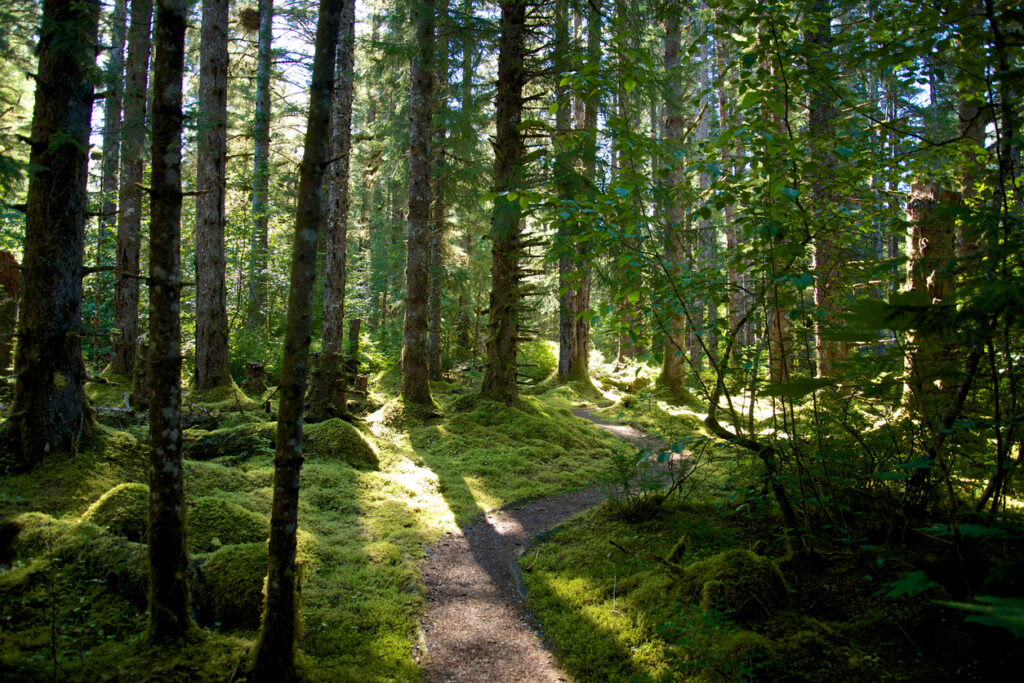
    Mossy forest trail surrounded by spruce trees near Monashka Bay on Kodiak Island, showing the quiet coastal rainforest scenery.
    A peaceful forest trail near Monashka Bay highlights the lush coastal rainforest that makes hiking on Kodiak Island so scenic.

    Monashka Bay offers some of the most beautiful coastal scenery on Kodiak Island, with rugged shorelines, forested hills, and sweeping views of the Pacific. Several trails in the area range from easy walks to more challenging hikes, giving visitors flexibility based on time and fitness level. Wildlife sightings are common, and the dramatic landscape makes this a favorite spot for photography. Even a short visit provides a refreshing escape into nature and a deeper appreciation for Kodiak’s wild, remote character. For tips, timing, and planning details, see my complete Monashka Bay hiking guide.

    Final Thoughts

    Kodiak offers a rare blend of rugged wilderness, rich cultural history, and welcoming small‑town charm, making it one of the most distinctive cruise ports in Alaska. This Kodiak Alaska Cruise Port Guide gives you a strong foundation for planning your day ashore, whether you’re drawn to wildlife encounters, WWII history, Indigenous heritage, or scenic coastal trails. With so many meaningful experiences located close to the port, it’s easy to shape your visit around your interests and pace. No matter how you spend your time, Kodiak delivers the kind of authentic Alaska moments that stay with you long after your cruise ends.

  • Sitka Alaska Cruise Port Guide: Top Things to Do for Cruise Travelers

    Sitka Alaska Cruise Port Guide: Top Things to Do for Cruise Travelers

    A forested Sitka coastline with houses along the shore, deep blue water, and snow‑capped mountains rising in the background under a clear sky.
    Sitka’s forested shoreline and snow‑capped mountains create one of the most beautiful coastal views in Southeast Alaska.

    Sitka is one of Alaska’s most culturally rich and naturally beautiful cruise ports, blending Indigenous Tlingit heritage, Russian history, and dramatic coastal scenery. This Sitka Alaska Cruise Port Guide highlights why so many travelers consider it a standout destination, with opportunities to explore wildlife, forests, museums, and historic sites all within easy reach of the port. Surrounded by mountains, islands, and the waters of Sitka Sound, the town offers a welcoming mix of culture, nature, and small‑town charm.

    This Sitka Alaska Cruise Port Guide highlights the top experiences that showcase the best of this unique Alaska destination.

    Below, you’ll find the top experiences that showcase the best of Sitka during a cruise‑port day.

    1. Explore Sitka National Historical Park

    Sitka National Historical Park on a summer day, offering coastal trails, guided tours, cultural demonstrations, and exhibits about Tlingit and Russian history in Sitka, Alaska.
    Sitka National Historical Park features coastal trails, guided programs, and cultural demonstrations that highlight both Tlingit and Russian heritage.

    Sitka National Historical Park is one of the most meaningful places to visit in the port, blending Tlingit culture, Russian history, and peaceful forest scenery. The park’s coastal trails wind through towering spruce and hemlock trees, with carved totem poles placed along the paths to honor Tlingit heritage. Inside the visitor center, exhibits and demonstrations highlight traditional carving, weaving, and storytelling. The park is easy to reach from downtown and offers a calm, reflective experience that contrasts beautifully with Alaska’s more rugged excursions. It’s an essential stop for travelers who want cultural depth and scenic beauty in one place. For tips, timing, and planning details, see my complete Sitka National Historical Park guide.

    2. Visit the Alaska Raptor Center

    A peregrine falcon with blue‑grey plumage and barred underparts at the Alaska Raptor Center in Sitka, Alaska, one of the wildlife highlights featured in our Alaska Raptor Center – Sitka, Alaska post.
    The Alaska Raptor Center in Sitka, Alaska, rehabilitates birds of prey like the peregrine falcon, a key feature of our Alaska Raptor Center – Sitka, Alaska guide.

    The Alaska Raptor Center is one of Sitka’s most popular wildlife experiences. It rehabilitates injured eagles, owls, and other birds of prey. Visitors can watch training sessions and see how the staff cares for each bird. The outdoor flight area lets eagles strengthen their wings before release. Exhibits explain how the center rescues, treats, and prepares birds to return to the wild. The setting is peaceful, with forest views and quiet walking paths. The visit is educational, inspiring, and easy to fit into a cruise‑port day. It’s a great stop for travelers who enjoy wildlife and want to support meaningful conservation work.

    For tips, timing, and planning details, see my complete Alaska Raptor Center guide.

    3. Explore the Sitka Sound Science Center & Aquarium

    Three colorful starfish resting in an aquarium tank with rocks and shells, similar to the touch‑tank exhibits at the Sitka Sound Science Center & Aquarium in Sitka, Alaska.
    Starfish are a favorite feature of the touch‑tank exhibits at the Sitka Sound Science Center & Aquarium, where visitors can explore Alaska’s coastal marine life up close.

    The Sitka Sound Science Center offers a close look at Alaska’s coastal marine life. It sits along the waterfront and is easy to reach from downtown. Inside, visitors can explore touch tanks, see local fish species, and learn about the ecosystems that shape Sitka Sound. The center also operates a working hatchery, which gives guests a behind‑the‑scenes look at salmon research and conservation. Exhibits are simple, hands‑on, and great for all ages. The location makes it easy to pair with a walk through Sitka National Historical Park. It’s a relaxed, educational stop that fits well into a cruise‑port day.

    For tips, timing, and planning details, see my complete Sitka Sound Science Center guide.

    4. Visit St. Michael’s Russian Orthodox Cathedral

    Saint Michael the Archangel Orthodox Cathedral in downtown Sitka, Alaska, shown from the exterior on a September day.
    Saint Michael the Archangel Orthodox Cathedral stands at the heart of downtown Sitka, one of the community’s most iconic Russian Orthodox landmarks.

    St. Michael’s Cathedral is one of Sitka’s most recognizable landmarks. Its green dome and traditional Russian Orthodox design stand out in the center of downtown. The building reflects Sitka’s long Russian‑American history and the cultural influences that shaped the community. Inside, visitors can view religious icons, historic artifacts, and beautifully crafted artwork. The space is small, so it’s easy to explore without taking much time. Its location makes it a convenient stop while browsing nearby shops and cafés. The cathedral offers a meaningful look at Sitka’s past and adds cultural depth to any visit.

    For tips, timing, and planning details, see my complete St. Michael’s Cathedral guide.

    5. Explore the Fortress of the Bear

    A grizzly bear at Fortress of the Bear in Sitka, Alaska, standing in its naturalistic enclosure at this brown‑bear rescue and rehabilitation center.
    A rescued grizzly bear at Fortress of the Bear, Sitka’s well‑known brown‑bear rehabilitation center and one of the community’s most popular wildlife experiences.

    Fortress of the Bear is one of Sitka’s most popular wildlife experiences. The center cares for rescued brown and black bears that cannot return to the wild. Visitors watch the bears from elevated platforms that offer clear, close‑up views. The habitats are large and naturalistic, giving the bears room to roam and play. Staff members share each bear’s rescue story and explain how the center supports long‑term care and conservation. The visit is educational, emotional, and easy to fit into a cruise‑port day. The facility is a short drive from downtown and pairs well with the Raptor Center or Sitka National Historical Park. It’s a great stop for travelers who enjoy wildlife and meaningful storytelling.

    For tips, timing, and planning details, see my complete Fortress of the Bear guide.

    6. Walk the Sitka Seawalk

    View of Sitka Sound from Sitka National Historical Park, with small forested islands, distant mountains, and coastal vegetation along the shoreline.
    View of Sitka Sound from Sitka National Historical Park, with small forested islands, distant mountains, and coastal vegetation along the shoreline.

    The Sitka Seawalk is a scenic, easy‑to‑navigate path that connects the cruise‑port area with downtown and several major attractions. Along the way, visitors enjoy views of Sitka Sound, nearby islands, and snow‑capped mountains. Benches, interpretive signs, and photo spots make the walk both relaxing and informative. The route passes by the Alaska Raptor Center trailhead, the Sitka Sound Science Center, and the entrance to Sitka National Historical Park, making it a perfect way to explore multiple highlights in one outing. It’s ideal for travelers who want a flexible, self‑guided activity close to the port. For tips, timing, and planning details, see my complete Sitka Seawalk guide.

    7. Take a Wildlife Cruise on Sitka Sound

    Harbor seals resting on a buoy in Sitka Sound, with calm water and coastal scenery surrounding this common wildlife sight in Sitka, Alaska.
    Harbor seals often haul out on buoys in Sitka Sound, offering wildlife cruise passengers an easy and memorable look at these curious marine mammals.

    Sitka Sound is one of the best places in Alaska for marine wildlife viewing, with opportunities to spot whales, sea otters, sea lions, puffins, and seabirds against a backdrop of volcanic islands and rugged coastline. Wildlife cruises range from short outings to longer explorations, making them easy to fit into a cruise‑port day. Many tours use smaller vessels, allowing for closer views and a more intimate experience with the scenery. The combination of calm waters, abundant wildlife, and dramatic landscapes makes this one of Sitka’s most memorable activities. For tips, timing, and planning details, see my complete Sitka wildlife cruise guide.

    8. Visit the Russian Bishop’s House

    The Russian Bishop’s House in Sitka National Historical Park, a two‑story yellow wooden building with white trim and red front steps, one of the best‑preserved examples of Russian colonial architecture in Alaska.
    The Russian Bishop’s House, with its yellow wood siding, white trim, and red steps, is one of Sitka’s most significant Russian‑era landmarks and a highlight within Sitka National Historical Park.

    The Russian Bishop’s House is one of the few surviving examples of Russian colonial architecture in North America. Restored by the National Park Service, the building offers a fascinating look at Sitka’s 19th‑century history through original rooms, artifacts, and exhibits. Visitors can learn about the Russian Orthodox Church’s influence in Alaska and the daily life of the people who lived and worked here. The house is located near downtown, making it an easy stop while exploring shops, cafés, and other historic sites. For tips, timing, and planning details, see my complete Russian Bishop’s House guide.

    9. Explore Downtown Sitka’s Shops, Cafés & Waterfront

    Historic Lincoln Street in downtown Sitka, Alaska, lined with shops and cafés in spring, with St. Michael’s Russian Orthodox Cathedral at the end of the street and mountains rising in the background.

    Sitka’s compact downtown is perfect for a relaxed stroll, offering locally owned shops, art galleries, and cafés with views of the harbor and surrounding mountains. Visitors can browse Tlingit artwork, sample local seafood, or simply enjoy the peaceful waterfront atmosphere. The area is walkable from the shuttle drop‑off point and connects easily to major attractions like St. Michael’s Cathedral and the Sitka Seawalk. It’s an ideal option for travelers who want a flexible, low‑key activity close to the port. For tips, timing, and planning details, see my complete Downtown Sitka guide.

    10. Visit Whale Park for Scenic Views

    A humpback whale diving off the coast of Sitka, Alaska, with its tail fluke lifting above the water in Sitka Sound.
    A humpback whale dives just off the coast of Sitka, a memorable sight for anyone scanning the waters from Whale Park.

    Whale Park is a small but scenic overlook located a short drive from downtown Sitka. Elevated platforms provide sweeping views of Sitka Sound, nearby islands, and snow‑capped mountains. It’s a peaceful spot for photography, wildlife watching, or simply enjoying the coastal scenery. Interpretive signs share information about local marine life, and visitors often spot sea otters or whales in the distance. The park’s quiet atmosphere makes it a refreshing break from busier port areas. For tips, timing, and planning details, see my complete Whale Park guide.

    Final Thoughts

    Sitka is one of Alaska’s most culturally rich and naturally stunning cruise ports, offering a rare blend of Tlingit heritage, Russian history, and breathtaking coastal scenery. This Sitka Alaska Cruise Port Guide gives you a strong foundation for planning your day, whether you’re exploring totem‑lined forest trails, visiting wildlife rehabilitation centers, or enjoying the peaceful waterfront. With so many top attractions located close to town, it’s easy to shape your visit around your interests and timing. No matter how you spend your day, Sitka delivers a memorable mix of culture, nature, and small‑town charm that stays with you long after your cruise ends.

  • Skagway Alaska Cruise Port Guide: Top Things to Do for Cruise Travelers

    Skagway Alaska Cruise Port Guide: Top Things to Do for Cruise Travelers

    A turquoise lake with a small boat, surrounded by forested hills and towering snow‑capped mountains under a bright blue sky.
    Skagway’s alpine lakes and snow‑capped peaks create some of the most dramatic scenery in Southeast Alaska.

    Skagway is one of Alaska’s most popular cruise ports, known for its dramatic mountain scenery, rich Gold Rush history, and easy access to unforgettable excursions. This Skagway Alaska Cruise Port Guide highlights why so many travelers consider it a must‑see stop, whether you’re riding the famous White Pass & Yukon Route Railway, exploring historic downtown, or heading into the Yukon for breathtaking views. With its walkable streets, preserved buildings, and stunning landscapes, Skagway offers a perfect blend of adventure and storytelling.

    This Skagway Alaska Cruise Port Guide highlights the top experiences that showcase the best of this historic Alaska destination.

    Below, you’ll find the top experiences that showcase the best of Skagway during a cruise‑port day.

    1. Ride the White Pass & Yukon Route Railway

    White Pass and Yukon Route Railway train traveling from Skagway, Alaska, toward Carcross in Canada’s Yukon Territory, passing through rugged mountains and historic Gold Rush scenery.
    The White Pass & Yukon Route Railway carries passengers from Skagway into Canada’s Yukon Territory, offering stunning mountain views and a journey through Gold Rush history.

    The White Pass & Yukon Route Railway is Skagway’s most iconic excursion, offering breathtaking views of mountains, waterfalls, glaciers, and historic Gold Rush routes. The vintage railcars climb nearly 3,000 feet to the White Pass summit, following the same path stampeders once took during the Klondike Gold Rush. Large windows and open platforms make it easy to capture photos of the rugged terrain, deep gorges, and scenic overlooks. The ride is smooth, comfortable, and ideal for all ages, making it one of the most popular activities for cruise visitors. For tips, timing, and planning details, see my complete White Pass Railway guide.

    2. Explore Historic Downtown Skagway

    Broadway Street in downtown Skagway, Alaska, with shoppers walking past restored Gold Rush–era false‑front buildings, wooden boardwalks, and local shops on a spring day.
    Broadway Street is the heart of historic Skagway, where restored false‑front buildings, wooden sidewalks, and lively shops create a classic Gold Rush–era atmosphere.

    Downtown Skagway feels like stepping back into the Gold Rush era, with preserved wooden boardwalks, colorful storefronts, and historic buildings maintained by the National Park Service. Visitors can explore museums, browse local shops, and learn about the town’s boom‑and‑bust past through ranger‑led programs and exhibits. The compact layout makes it easy to explore on foot, and the lively atmosphere adds to the charm. Whether you’re interested in history, photography, or simply enjoying a stroll, downtown Skagway offers a fun and flexible way to experience the town’s unique character. For tips, timing, and planning details, see my complete Downtown Skagway guide.

    3. Take a Scenic Drive into the Yukon

    Emerald Lake glowing bright green in the early morning sun along the Klondike Highway in the Yukon.
    Emerald Lake shines a vivid green in the early morning light, one of the most stunning viewpoints along the Klondike Highway.

    A drive into the Yukon is one of the most spectacular excursions from Skagway, offering sweeping views of alpine lakes, glacier‑carved valleys, and rugged mountain landscapes. Popular stops include Tutshi Lake, Bove Island, and the stunning Emerald Lake, each offering incredible photo opportunities. Many tours also include a visit to the small community of Carcross, where travelers can explore local shops and learn about Indigenous culture. The scenery changes dramatically as you cross the border, making the journey feel like a true adventure. For tips, timing, and planning details, see my complete Scenic Drive into the Yukon guide.

    4. Visit the Klondike Gold Rush National Historical Park

    Historic buildings in Klondike Gold Rush National Historical Park in Skagway, Alaska, with restored Gold Rush–era architecture alongside modern structures.
    Klondike Gold Rush National Historical Park preserves Skagway’s Gold Rush–era streetscape, where historic buildings stand alongside modern structures to tell the story of the town’s past.

    Klondike Gold Rush National Historical Park preserves Skagway’s Gold Rush–era streetscape. Historic buildings stand beside modern structures and help tell the story of the stampeders who arrived in 1897. Visitors can explore restored buildings, small exhibits, and ranger‑led programs that bring the era to life. The park’s visitor center sits inside the historic White Pass & Yukon Route depot, so it’s easy to combine with a train ride or a walk through downtown. The area is compact and simple to explore at your own pace. It’s an excellent stop for travelers who want context, storytelling, and a deeper look at Skagway’s past.

    For tips, timing, and planning details, see my complete Klondike Gold Rush Park guide.

    5. Hike the Lower Dewey Lake Trail

    Mushrooms growing on the forest floor along the Lower Dewey Lake Trail in Skagway, Alaska’s temperate rainforest.
    Mushrooms thrive in the lush temperate rainforest surrounding the Lower Dewey Lake Trail, one of Skagway’s most peaceful nature walks.

    The Lower Dewey Lake Trail is one of Skagway’s most accessible hikes. It offers a peaceful escape just minutes from the cruise port. The trail climbs steadily through the forest before opening to views of a calm, emerald‑green lake surrounded by mountains. Visitors can walk the shoreline, enjoy quiet photo spots, or relax by the water. The path is well‑maintained and easy to follow. It feels rewarding without requiring a full‑day commitment. This makes it a great option for active travelers who want a scenic adventure close to town. It’s simple, beautiful, and perfect if you want nature without going far.

    For tips, timing, and planning details, see my complete Lower Dewey Lake guide.

    6. Visit Jewell Gardens & Glassblowing Studio

    Molten glass glowing on the end of a rod during a glassblowing demonstration, shown in a close-up macro view.
    A close-up look at molten glass being shaped on the end of a rod — one of the highlights of the glassblowing demonstrations at Jewell Gardens in Skagway.

    Jewell Gardens is a colorful, peaceful attraction featuring vibrant flower beds, vegetable gardens, and a working glassblowing studio. Visitors can watch artisans create hand‑blown glass pieces inspired by Alaska’s landscapes or even participate in a hands‑on glassblowing experience. The gardens themselves are beautifully maintained, offering a relaxing break from Skagway’s busier historic areas. It’s a great stop for travelers who enjoy art, nature, and unique local experiences. For tips, timing, and planning details, see my complete Jewell Gardens guide.

    7. Visit the Red Onion Saloon & Brothel Museum

    The historic Red Onion Saloon in Skagway, Alaska, a former Gold Rush–era brothel now operating as a bar and museum popular with cruise visitors.
    The Red Onion Saloon is one of Skagway’s most iconic landmarks, blending its Gold Rush brothel history with a lively modern bar and museum experience.

    The Red Onion Saloon is one of Skagway’s most famous historic buildings, offering a lively mix of Gold Rush history and quirky storytelling. Downstairs, visitors can enjoy the saloon’s old‑time atmosphere, complete with vintage décor and costumed staff. Upstairs, guided tours of the former brothel share humorous and fascinating stories about the women who lived and worked there during the 1898 boom. It’s a lighthearted, entertaining stop that adds personality and color to any Skagway visit. For tips, timing, and planning details, see my complete Red Onion Saloon guide.

    8. Explore the Gold Rush Cemetery & Reid Falls

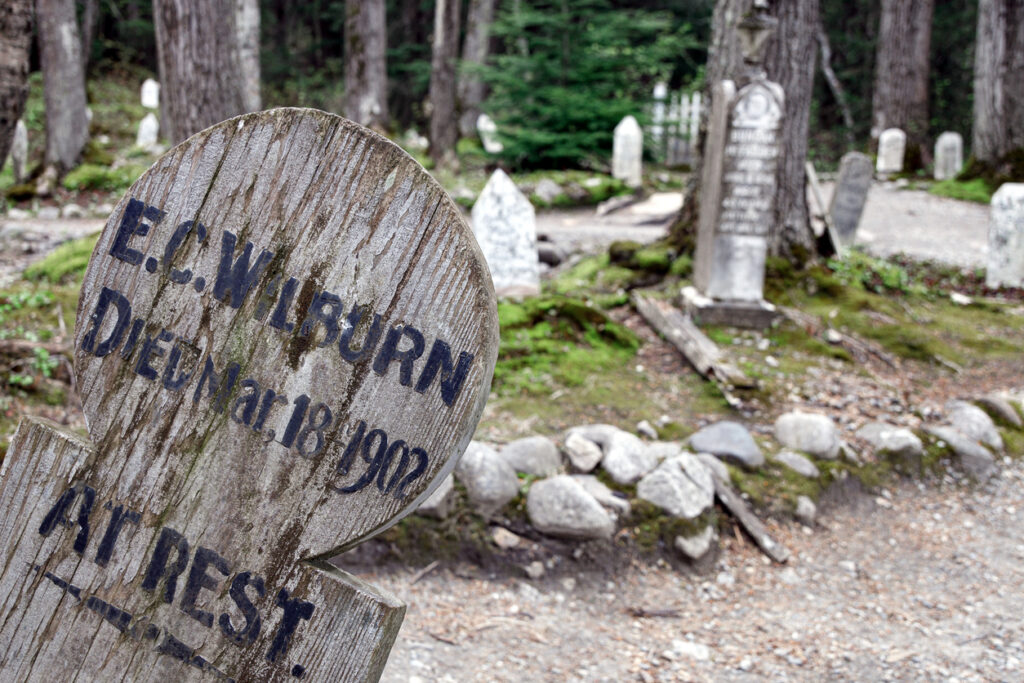
    Weathered wooden grave markers in Skagway’s historic Gold Rush Cemetery, the town’s oldest burial ground dating back to the late 1800s.
    The Gold Rush Cemetery is Skagway’s oldest burial ground, where many well‑known figures from the late‑1800s Gold Rush era are laid to rest beneath weathered wooden markers.

    Just a short walk or shuttle ride from downtown, the Gold Rush Cemetery offers a peaceful look at Skagway’s past. Visitors can see the graves of notable figures from the Klondike era, including Soapy Smith and Frank Reid, whose feud shaped local history. A short trail continues to Reid Falls, a beautiful cascading waterfall tucked into the forest. The combination of history and nature makes this a rewarding, low‑effort outing that fits easily into a cruise‑port schedule. For tips, timing, and planning details, see my complete Gold Rush Cemetery guide.

    9. Take a Dog Sledding or Musher Camp Tour

    Two sled dogs panting in the summer heat at a musher camp in Skagway, Alaska.
    Sled dogs relax and cool off in the summer heat at one of Skagway’s musher camps, where visitors learn about mushing and meet the hardworking huskies.

    Dog sledding tours in Skagway offer a fun way to experience Alaska’s sled‑dog culture, even in summer. Visitors can meet the dogs, learn about training and racing, and enjoy a wheeled sled ride through forested trails. Many tours include time to interact with puppies, which is always a highlight. Guides share stories about life as a musher and the challenges of long‑distance racing. It’s a family‑friendly excursion that blends adventure, education, and plenty of photo opportunities. For tips, timing, and planning details, see my complete Skagway dog‑sledding guide.

    10. Walk or Bike the Skagway River Trail

    The Skagway River flowing through the Tongass National Forest in Southeast Alaska, surrounded by forested valley walls.
    The Skagway River winds through the Tongass National Forest, creating a peaceful backdrop for walking or biking the Skagway River Trail.

    The Skagway River Trail is a scenic, easy‑to‑moderate path that follows the river through a valley surrounded by mountains. The trail offers peaceful views, rushing water, and opportunities to spot wildlife. It’s a great option for travelers who want a flexible, self‑guided outdoor activity close to town. Some visitors choose to rent bikes for a faster, more adventurous ride, while others enjoy a leisurely walk. The trail’s accessibility and beautiful scenery make it a perfect complement to Skagway’s historic attractions. For tips, timing, and planning details, see my complete Skagway River Trail guide.

    Final Thoughts

    Skagway is one of Alaska’s most exciting cruise ports, offering a dynamic mix of Gold Rush history, mountain scenery, and unforgettable excursions. This Skagway Alaska Cruise Port Guide gives you a strong foundation for planning your day, whether you’re riding the White Pass Railway, exploring historic downtown, or heading into the Yukon for sweeping alpine views. With so many top attractions located close to the port, it’s easy to shape your visit around your interests and timing. No matter how you spend your day, Skagway delivers a memorable blend of adventure, storytelling, and dramatic landscapes that stays with you long after your cruise ends.

  • Cruise Entertainment & Activities: What to Expect from Shows, Trivia Nights & Themed Parties

    Cruise Entertainment & Activities: What to Expect from Shows, Trivia Nights & Themed Parties

    Performers dance and splash across a water stage during a high‑energy nighttime show onboard, showcasing the scale and excitement of cruise entertainment and activities.
    Big, high‑energy productions like this are what make cruise entertainment and activities so unforgettable—live music, water effects, and a full crowd soaking it all in.

    Big, high‑energy productions like this are what make cruise entertainment and activities so unforgettable—live music, water effects, and a full crowd soaking it all in. Cruise ships offer a wide variety of entertainment and activities, ensuring guests stay engaged, relaxed, and entertained throughout their voyage. Whether you’re watching Broadway‑style performances, competing in trivia nights, dancing at themed parties, or enjoying live music, knowing what to expect from cruise entertainment and activities ensures you make the most of your time onboard.

    Before diving into each type of entertainment, here’s how these experiences fit into the rhythm of a typical cruise and what you can expect from the overall lineup.

    Cruise Shows & Live Performances

    Cruise ships feature world‑class entertainment, including Broadway‑style productions, comedy acts, and live music. These shows often set the tone for your evenings onboard and are a highlight for many travelers.

    Theatrical Productions

    Performers dancing in the AquaTheater on Oasis of the Seas during a nighttime water show with bright blue and purple stage lighting
    • Broadway‑style musicals – Some cruise lines offer full‑length productions.
    • Dance and acrobatic shows – High‑energy performances with stunning choreography.
    • Magic and illusion acts – Mind‑bending tricks that captivate audiences.

    Comedy & Stand‑Up Shows

    • Improv comedy nights – Interactive performances with audience participation.
    • Stand‑up comedy – Professional comedians deliver hilarious routines.

    Live Music & Concerts

    Music Hall on Oasis of the Seas with its stage set for a live performance, showing instruments, seating areas, and guests gathering in the venue.
    • Jazz lounges & piano bars – Relaxing venues with talented musicians.
    • Rock and pop concerts – High‑energy performances for music lovers.

    Don’t Miss

    • The headliner production show—usually the biggest performance of the sailing.
    • Late‑night live music, especially in smaller lounges.
    • Adults‑only comedy, which is often the funniest set of the night.

    Pro Tips

    • Arrive 15–20 minutes early for the best seats.
    • Check the app daily—some shows repeat on multiple nights.
    • If reservations are available, book them on Day 1.

    As your evenings fill with shows and performances, you’ll also find plenty of lighter, social activities happening throughout the day and night—starting with trivia.

    Cruise Trivia Nights & Game Shows

    A group of people sit together in the Spotlight Karaoke lounge, playing a trivia game in a cozy seating area with the entertainment schedule glowing on the screen behind them.

    Trivia nights bring guests together for fun and friendly competition. These events are casual, social, and easy to join, making them a great way to break up sea days or fill time before dinner.

    Popular Trivia Themes

    • General knowledge trivia – Covers history, pop culture, and science.
    • Music trivia – Guess songs, artists, and lyrics.
    • Movie & TV trivia – Test your knowledge of famous films and shows.

    Cruise Game Shows

    • Live audience participation – Guests compete in interactive games.
    • Classic game‑show adaptations – Inspired by favorites like Jeopardy and Family Feud.

    Don’t Miss

    • Music‑based trivia, which always draws a lively crowd.
    • The ship’s signature game show, often a highlight of the week.
    • Any audience‑participation event, even if you’re just watching.

    Pro Tips

    • Trivia fills up quickly—arrive early for a table.
    • Bring a pen; supplies sometimes run out.
    • Keep it lighthearted—teams get competitive, but it’s all in fun.

    Once you’ve had your fill of trivia and games, the ship’s energy shifts again as the sun goes down and the themed parties begin.

    Themed Parties & Nightlife on a Cruise

    Family dressed in all white on a cruise ship, celebrating together during a white theme night on a cruise.
    A stylish family moment in all white—perfectly capturing the fun of white theme night on a cruise.

    Cruise ships host exciting themed parties, allowing guests to dress up, dance, and enjoy the nightlife. These events bring a festive atmosphere to the ship and are often some of the most memorable moments of the cruise.

    Popular Cruise Theme Nights

    • Tropical & Hawaiian Night – Leis, floral prints, and beach vibes.
    • White Party – Guests wear all‑white outfits for an elegant evening.
    • 80s Throwback Night – Neon colors, retro music, and classic dance moves.

    Nightlife & Dance Clubs

    nightlife on Oasis of the Seas
    Late‑night energy at Boleros—guests gathered around the bar enjoying music, cocktails, and the vibrant nightlife scene on Oasis of the Seas.
    • DJ‑led dance parties – High‑energy music keeps the party going.
    • Silent disco nights – Guests wear headphones and dance to different music channels.

    Don’t Miss

    • The White Party, usually the biggest event of the cruise.
    • Silent disco, especially if you’ve never tried it.
    • Any pool‑deck party, where the atmosphere is unbeatable.

    Pro Tips

    • Pack one or two theme‑friendly outfits for better photos and more fun.
    • Stop by early if you’re not a night owl—the vibe is great before the crowd builds.
    • Silent disco headphones go fast—arrive early.

    Beyond the nightlife, cruise ships also offer plenty of daytime and family‑friendly activities to round out your experience.

    Fun Onboard Activities for All Ages

    Cruise ships offer a variety of activities, ensuring everyone finds something enjoyable. These options help fill sea days with fun, relaxation, and new experiences.

    Daytime Activities

    • Poolside games & contests – Fun challenges hosted by cruise staff.
    • Cooking & mixology classes – Learn new recipes and cocktail techniques.

    Family‑Friendly Entertainment

    • Movies under the stars – Outdoor screenings on the pool deck.
    • Interactive workshops – Arts, crafts, and dance lessons for all ages.

    Don’t Miss

    • Movies under the stars on warm nights.
    • Mixology classes, which are social and often include tastings.
    • Poolside contests, especially on sea days.

    Pro Tips

    Colorful Adventure Ocean wall display with playful signs and arrows pointing toward different kids activities on Royal Caribbean
    This bright Adventure Ocean wall display sets the tone for the fun, kid‑friendly spaces inside Royal Caribbean’s onboard youth program.
    • Activities often overlap—scan the daily schedule each morning.
    • Some classes may have a fee—check before you go.
    • If traveling with kids, note kids’ club hours to plan adult activities.

    Final Thoughts

    Knowing what to expect from cruise entertainment and activities ensures travelers make the most of onboard shows, trivia nights, themed parties, and other fun experiences. By exploring live performances, engaging games, and exciting nightlife, cruisers can enjoy a memorable and entertaining voyage. Before your next cruise, review this guide, plan your activities, and embrace the fun—ensuring an unforgettable vacation at sea.

  • Cruise Dining for Picky Eaters

    Cruise Dining for Picky Eaters

    Plate with cheese, grapes, and a few simple veggies, representing an easy appetizer option for picky eaters on a cruise.
    A simple plate of cheese, grapes, and veggies—an easy win for picky eaters on a cruise who prefer familiar snacks.

    A cruise dining for picky eaters experience is easier than most parents expect, because cruise ships are built to handle every type of eater. Kids can stick to simple, familiar foods, and parents can still enjoy more adventurous meals without stress. The wide variety on board helps kids feel comfortable, and the flexibility makes mealtimes smooth for families who want predictable options that still fit into a fun vacation routine.

    Why Cruises Work Well for Picky Eaters

    Cruises offer consistency and choice. Kids can stick to familiar foods, and parents can still enjoy more adventurous meals. Every venue has options that feel safe and predictable. This helps kids relax and enjoy the experience. It also gives parents confidence that mealtimes won’t derail the day.

    Many kids also enjoy the independence of choosing their own food. They can see what looks good, try small portions, and return for seconds if they find a new favorite. This freedom often encourages kids to explore more than they would at home.

    Main Dining Room Options

    The Main Dining Room is one of the best places for picky eaters. The kids’ menu is available every night and includes favorites like chicken tenders, pasta, burgers, fruit, and simple desserts. These items stay consistent throughout the cruise, which helps kids who prefer routine.

    If your child likes plain food, the kitchen can usually prepare it. Plain pasta, grilled chicken, steamed vegetables, or simple sides are easy requests. Servers get to know your family quickly. They often remember what your kids like and bring it out without you asking. This makes dinner feel smooth and predictable.

    The Main Dining Room also works well for families who want a calmer environment. The service is slower, the atmosphere is quieter, and the structure helps kids settle into a routine.

    Buffet Flexibility

    The buffet is ideal for kids who like to see their food before choosing. They can pick small portions, try something new, or stick to familiar items. Breakfast is especially easy with pancakes, cereal, fruit, and pastries. Lunch and dinner offer pizza, pasta, fries, sandwiches, and salad—simple choices that work for most kids.

    The buffet also helps families with different tastes. Parents can grab something flavorful or international while kids stick to basics. Everyone leaves happy, and no one has to compromise.

    Specialty Dining with Kids

    Many specialty restaurants welcome kids and offer simplified menus. Steakhouses often have chicken or pasta options. Italian restaurants usually have pizza or buttered noodles. Teppanyaki venues can be fun for kids who enjoy the show, even if they prefer basic foods.

    If you have a dining package, kids can often join you for a small fee or order from the kids’ menu at no extra cost. This varies by cruise line, but it usually makes specialty dining more affordable for families.

    Specialty restaurants also offer a change of scenery. Kids enjoy the novelty, and parents get a more elevated meal without worrying about whether the menu will work for everyone.

    Snacks and Quick Bites

    Pool‑deck spots and grab‑and‑go counters are lifesavers. Pizza windows, soft‑serve machines, delis, and taco stands keep kids happy between meals. These venues are casual and fast, which helps when kids get hungry at unpredictable times.

    Many ships also offer late‑night snacks. This is helpful after shows, movies, or long days in port. Kids can grab something simple before heading to bed.

    Room Service for Simple Meals

    Room service is great for early mornings, late nights, or quiet breaks. Many ships offer free continental breakfast, which works well for kids who like cereal, fruit, or pastries. During the day, room service menus often include sandwiches, fries, and cookies—easy wins for picky eaters.

    Room service also helps on port days. If your child wakes up hungry or tired, you can feed them in the cabin without rushing to a restaurant.

    Tips for Stress‑Free Dining with Kids

    • Stick to familiar foods early in the cruise, then introduce new items once they feel comfortable
    • Ask servers for plain versions of dishes if needed
    • Visit the buffet before dinner so kids can grab a small snack if they’re hungry
    • Bring a few favorite snacks from home for port days
    • Choose earlier dining times to avoid overtired meltdowns
    • Let kids explore menus at their own pace

    Why Parents Love Cruise Dining

    Cruises make mealtimes simple for families because there is always something familiar, flexible, and easy to order. Kids can stick to the foods they love, and parents can still enjoy a full dining experience without stress. With so many venues and options available, cruise dining for picky eaters becomes one of the easiest parts of the trip, giving your family more time to relax, explore, and enjoy the vacation together.

  • Cruise Ship Drink Package Guide: What’s Included, How It Works, and Whether It’s Worth It

    Cruise Ship Drink Package Guide: What’s Included, How It Works, and Whether It’s Worth It

    Two people relaxing on pool deck lounge chairs with drinks, enjoying their cruise ship drink package without worrying about the bar tab.
    Poolside drinks are even better with a cruise ship drink package, letting you relax on the loungers without thinking about the cost.

    A cruise ship drink package can make your vacation feel easier and more relaxed. It gives you the freedom to order cocktails, mocktails, specialty coffee, soda, and bottled water without tracking every charge. The value depends on your drinking habits, your itinerary, and how you like to spend your time on board. A clear breakdown helps you decide if the upgrade fits your style.

    What the Drink Packages Include

    Cruise lines offer several tiers. The top tier usually includes cocktails, beer, wine, premium coffee, soda, bottled water, and fresh juices. Mid‑tier packages focus on non‑alcoholic drinks like smoothies, mocktails, and barista coffee. The lowest tier often covers soda only. The biggest benefit is freedom. You can order throughout the day without thinking about the price of each drink. You can also try new cocktails or coffees you might skip if paying à la carte.

    How Pricing Works

    Drink packages are sold per person, per day. You must buy the package for the full length of the cruise. Alcohol packages cost the most because cocktails and wine have higher individual prices. Non‑alcoholic packages cost less but still offer strong value if you enjoy specialty coffee or smoothies. Prices change often. Many cruise lines offer pre‑cruise discounts. Buying early usually gives you the best rate.

    Where You Can Use the Package

    Most packages work at bars, lounges, restaurants, and cafés across the ship. Many cruise lines also accept the package on their private islands. This adds major value because island drinks are usually expensive. There are exceptions. Royal Caribbean accepts the package at Perfect Day at CocoCay. It does not accept the package at the Royal Beach Club in Nassau. Checking your itinerary helps you understand where the package will stretch the farthest.

    What’s Not Included

    A cruise ship drink package covers most drinks, but not everything. Premium cocktails, top‑shelf spirits, and some specialty coffees may cost extra. Bottles of wine, souvenir drinks, and minibar items are usually excluded. Some bars or experiences may also charge a small surcharge. These details help you avoid surprises on your onboard account.

    Family enjoying drinks on the Rising Tide Bar with a cruise ship drink package, relaxing without worrying about the bar tab.
    Sipping cocktails on the Rising Tide Bar is even better with a cruise ship drink package, since you can enjoy the moment without thinking about the bill.

    How to Maximize Value

    Using the package throughout the day is the easiest way to get value. A fresh juice in the morning, a specialty coffee mid‑day, and a cocktail or mocktail in the afternoon help you reach the daily value without trying. Signature cocktails offer the best return. They use fresh ingredients and higher‑quality spirits. Smoothies, fresh juices, and barista drinks also add up fast. Bottled water and sparkling water help you stay hydrated and make the package feel even more useful. If your ship has a private island that accepts the package, plan to enjoy a few drinks there as well.

    Sea Day vs. Port Day Strategy

    Sea days are the best days to use your package. You are on the ship longer, and you have more chances to order drinks. Pool days, lounge days, and lazy afternoons make the package feel valuable. Port days are different. You may be off the ship for most of the day. If your itinerary has many long port days, you may not use the package enough to break even. If your private island accepts the package, the value increases. Island cocktails are expensive when purchased individually.

    Hand holding a cocktail with the Bionic Bar in the background, highlighting the ease of using a cruise ship drink package.
    A close‑up of a cocktail at the Bionic Bar — a fun reminder that your cruise ship drink package keeps every sip simple.

    When the Drink Package Is Worth It

    A drink package is a strong value if you enjoy cocktails, specialty coffee, or mocktails. It works well on warm‑weather itineraries and sea‑day‑heavy cruises. It also shines on ships with many bars and lounges. If you want the freedom to order without thinking about cost, the package adds peace of mind. It also helps if you like trying new drinks or visiting themed bars.

    When It Might Not Be Worth It

    The package may not be the best choice if you drink lightly or prefer water and tea. Port‑intensive itineraries reduce the value because you spend less time on the ship. Couples or groups with different drinking habits may find that one person gets value while another does not. In those cases, buying drinks à la carte can be cheaper.

    Drink packages offer convenience and predictability. They remove the mental math from your vacation and let you explore the ship’s bars and cafés freely. Many cruisers enjoy the sense of indulgence and the chance to try drinks they might skip if paying individually. Used well, a cruise ship drink package can elevate your entire cruise and make each day feel more relaxed.

  • Cruise Ship Dining Package Guide: What’s Included, How It Works, and When It’s Worth It

    Cruise Ship Dining Package Guide: What’s Included, How It Works, and When It’s Worth It

    Giovannis Table Italian Restaurant Royal Caribbean

    Dining packages give you access to specialty restaurants for a set price, letting you enjoy upgraded meals without paying full à la carte rates each time. They’re popular with cruisers who want more variety, more flexibility, and a chance to try the ship’s premium venues without worrying about the bill at the end of the week. Understanding how these packages work helps you decide whether they fit your style of cruising and how to get the most value from them.

    What a Dining Package Includes

    Most dining packages cover a certain number of specialty restaurant meals during your sailing. Depending on the cruise line, this might include steakhouses, Italian restaurants, sushi bars, teppanyaki, seafood venues, or chef‑driven concepts. Some packages allow you to dine at the same restaurant more than once, while others encourage you to explore different venues. The value comes from the fact that a single specialty dinner can cost as much as half the price of the entire package, so even two or three meals can make the package worthwhile.

    How Reservations Work

    Reservation rules for a cruise ship dining package depend entirely on the cruise line, and the differences matter. Some lines let you book specialty dining before you ever step on board, giving planners the advantage of locking in prime times weeks in advance. Others only allow reservations once you’re physically on the ship. Royal Caribbean is a good example: even if you purchase a dining package early, you cannot make your specialty dining reservations until embarkation day. This means the first afternoon on board becomes the key moment to secure the restaurants and times you want.

    Because policies vary, it’s worth checking your cruise line’s specific rules so you know whether to book ahead or plan to make your reservations as soon as you board.

    What’s Not Included

    Some specialty venues carry an extra fee even when you have a cruise ship dining package, and this varies by cruise line. Most restaurants are fully covered, but certain high‑demand or high‑cost experiences charge a supplemental fee on top of your package. Royal Caribbean’s teppanyaki restaurant is a good example—your dining package gives you access, but you still pay an additional per‑person surcharge to dine there. Premium coffees, select desserts, and à la carte upgrades may also fall outside the package. Checking each venue’s details helps you understand exactly what’s included before you book.

    Sea Day vs. Port Day Strategy

    Your dining schedule affects how much value you get from the package. Sea days are the most popular for specialty dining because guests are already on the ship and looking for something special. Port days can be quieter, especially if you return later in the afternoon. Booking a specialty dinner on a port day often gives you a more relaxed experience with easier reservation times. Some cruisers even choose a specialty lunch on a sea day to enjoy the same venue for a lower price, stretching the value of the package even further.

    When a Dining Package Is Worth It

    A dining package is a great value if you enjoy slower, more elevated meals or want a break from the main dining room and buffet. It’s ideal for food‑focused travelers who love trying new restaurants or want to celebrate a special occasion. If you’re sailing on a ship with many specialty venues, the package lets you sample more without paying full price each time. On the other hand, if you prefer casual dining or plan to spend most evenings at shows, lounges, or port‑day dinners, you may not use the package enough to justify the cost.

    Tips for Getting the Most Value

    Booking early often gives you the lowest price, as packages can increase closer to sailing. Look for pre‑cruise discounts in your online planner. Spread your specialty meals across the week so you don’t feel rushed or overly full. Try lunch at a specialty venue—many ships offer the same experience for a lower price, and it still counts as part of your package. If you’re traveling with a group, coordinate reservations early so everyone can dine together. And if you’re unsure where to start, ask the crew for recommendations; they know which venues shine on each ship.

    Dining packages offer variety, convenience, and a sense of indulgence. They turn meals into experiences and give you access to restaurants that feel special, whether you’re celebrating or simply want a quieter evening. For many cruisers, the package becomes a highlight of the trip and a way to enjoy the ship’s best culinary offerings without worrying about the cost each night. When used strategically, a dining package can elevate your entire cruise and make each evening feel like a night out.

  • Cruise Ship Buffet Guide: What to Expect, Best Times to Go, and How to Make the Most of It

    Cruise Ship Buffet Guide: What to Expect, Best Times to Go, and How to Make the Most of It

    Breakfast options displayed at a cruise ship buffet, including scrambled eggs, corned beef hash, sausages, and small plated dishes.
    A look at the variety you’ll find at the cruise ship buffet, with hot breakfast favorites ready to start your day at sea.

    The cruise ship buffet is one of the most flexible, reliable, and easygoing dining options on board. It’s open for multiple meals, it’s casual, and it gives you the freedom to try a little bit of everything without committing to a full sit‑down experience. Whether you’re grabbing a quick breakfast before an excursion or easing into a relaxed sea‑day lunch, the buffet becomes a familiar stop throughout your sailing. Understanding how it works helps you enjoy it more and avoid the busiest times.

    What the Buffet Offers

    Cruise ship buffets are built around variety. You’ll find stations for eggs, omelets, pastries, fruit, and breakfast classics in the morning. Lunch and dinner usually include carving stations, pasta bars, salads, international dishes, comfort foods, and desserts. Many ships rotate menus daily, so even if you visit often, you’ll see new dishes appear throughout the week. The layout encourages you to mix and match, making it easy for families and picky eaters to find something they enjoy.

    What’s Included vs. Extra

    The buffet is included in your cruise fare, which makes it one of the most budget‑friendly dining options on board. Drinks like water, tea, lemonade, and basic coffee are also included. Some ships offer specialty items—such as premium coffees, fresh‑squeezed juices, or upgraded desserts—for an additional charge. These extras are always optional, and the included selection is more than enough for a full meal.

    resh fruit options at a cruise ship buffet, including pineapple, watermelon, peaches, and cantaloupe in self‑serve trays.
    Colorful fruit trays at the cruise ship buffet offer a refreshing way to start your morning at sea.

    Best Times to Visit

    Timing makes a big difference in how enjoyable the cruise ship buffet feels. Early mornings before 8 a.m. are the calmest, with shorter lines and plenty of open seating. Mid‑morning gets busier as more guests wake up, especially on sea days. Lunch peaks between 11:30 a.m. and 1 p.m., when the cruise ship buffet becomes one of the most popular spots on board. Arriving after 2 p.m. gives you a quieter, more relaxed experience with easier seating. Dinner crowds vary by ship, but showing up right when the buffet opens usually gives you the best selection and the smoothest flow. Port days are noticeably calmer overall, making them ideal if you prefer a peaceful meal without the midday rush.

    Layout and Flow

    Most buffets are arranged in stations rather than one long line. This helps reduce bottlenecks and lets you move freely between sections. Walking the entire space before choosing your food helps you spot hidden gems, themed stations, or fresh items just coming out. If you’re traveling with a group, it’s helpful to choose a meeting point so everyone can explore without losing track of each other.

    Seating Tips

    Seating fills quickly during peak times, but there are always quieter pockets. Walking toward the back of the venue often reveals open tables that others overlook. Outdoor seating is available on many ships and offers a breezier, more relaxed option. If you’re traveling with a group, sending one person to find a table while others grab food keeps things smooth and avoids wandering with full plates.

    Dietary Needs and Flexibility

    Cruise lines are used to accommodating dietary preferences. Buffets typically label common allergens and offer vegetarian, gluten‑free, and dairy‑free options. Many ships keep gluten‑free bread or desserts behind the counter, and crew members are happy to help if you ask. If you need something specific, the staff can often point you to the right station or prepare something fresh.

    Sea Day vs. Port Day Differences

    Sea days bring the biggest crowds, especially during breakfast and lunch. Expect more families, more movement, and a lively atmosphere. Port days are the opposite—calmer, quieter, and easier to navigate. If you prefer a peaceful meal, port‑day lunches are some of the best times to visit the buffet.

    Hidden Gems and Underrated Items

    Every buffet has a few surprises. Freshly baked bread, rotating international dishes, made‑to‑order omelets, and small dessert bites are often guest favorites. Some ships offer themed nights—like Italian, Caribbean, or Asian—where the buffet becomes a fun way to sample flavors from around the world.

    How to Make the Most of the Buffet

    Small strategies make the experience better. Walk the entire buffet before choosing your food so you don’t miss something great. Try a mix of familiar favorites and new dishes. Use the hand‑washing stations at the entrance. If you’re grabbing breakfast before an excursion, arrive early to avoid the rush. And if you want a quieter meal, choose off‑peak times whenever possible.

    Why the Buffet Is Worth Visiting

    The buffet gives you freedom, variety, and convenience. It’s perfect for families, picky eaters, or anyone who wants a quick meal without a reservation. With rotating menus, themed nights, and plenty of choices, it becomes a reliable part of your cruise routine and a great way to enjoy casual dining at sea.

  • Cruise Ship Escape Room Experience: What It’s Really Like

    Cruise Ship Escape Room Experience: What It’s Really Like

    Entrance sign for the cruise ship escape room, featuring illuminated lettering and nautical‑themed design elements.
    The entrance to the cruise ship escape room sets the tone for an immersive, puzzle‑filled adventure at sea.

    The escape room on a cruise ship feels more immersive than the ones on land. The setting is themed, the groups are small, and the puzzles often tie into nautical stories or shipboard mysteries. It’s a fun, fast, and social activity that works for families, teens, and adults who want something a little more brain‑powered than the pool deck. Even if you’ve never tried an escape room before, the cruise version is designed to be welcoming, energetic, and full of clever surprises.

    What an Escape Room Is

    An escape room is a themed puzzle adventure where your group works together to solve clues, unlock combinations, and complete a mission before time runs out. Cruise ships build these rooms with impressive detail. You step into a space that feels like a lab, a lost temple, or a captain’s quarters. The story unfolds as you solve each puzzle, and every clue pushes you deeper into the mission.

    Types of Themes You Might See

    Cruise escape rooms use themes that fit the spirit of adventure. Some rooms feel like detective mysteries with hidden compartments and coded messages. Others lean into exploration with ancient ruins, artifacts, and map‑based puzzles. Science‑themed rooms might include glowing vials, lab notes, and time‑based challenges. A few ships even create storylines tied to the vessel itself, which makes the experience feel unique to your sailing.

    What You Can Expect on Board

    Most cruise ship escape rooms include a fully themed space, a clear storyline, and a game host who guides the experience. Sessions usually last 45–60 minutes. Group sizes stay small, often between 6–12 players. The puzzles range from logic and pattern‑matching to physical clues hidden around the room. Everything is designed to be solved through teamwork rather than individual skill.

    How the Experience Feels at Sea

    The movement of the ship adds a subtle layer of atmosphere. You’re indoors, but you still feel the gentle sway as you search for clues. It makes the room feel more alive. The enclosed space gives you a break from the sun and noise, and the focus shifts to teamwork and problem‑solving. The social energy is strong because you’re working with people who may be strangers at the start but teammates by the end. It’s a different kind of cruise memory.

    Difficulty Level

    Cruise escape rooms are designed to be accessible. They’re challenging enough to feel exciting but not so hard that beginners get stuck. Hints are available, and the game host keeps the experience moving. The goal is fun, not frustration.

    Who It’s Best For

    Escape rooms are great for families with older kids or teens, groups of friends, couples who enjoy puzzles, and solo travelers who want a social activity. It’s also a perfect option on sea days when you want something indoors and different from the usual pool deck routine.

    Who Should Skip It

    Very young kids may struggle with the puzzles. Guests who dislike enclosed spaces may prefer open‑air activities. People who want fast physical action might enjoy the sports court more. The escape room is best for guests who enjoy thinking, searching, and solving.

    Cost and Value

    Most cruise escape rooms charge a small fee. Prices vary by ship, but the experience usually lasts close to an hour. Sessions often sell out, especially on sea days. The value comes from the immersive setting, the teamwork, and the shared memory. It feels like a special activity rather than something you could do anywhere.

    Tips for a Great Experience

    Arrive a few minutes early so your group can start on time. Spread out and search the room thoroughly. Communicate every clue you find. Divide tasks so everyone stays involved. Ask for hints when you need them. Celebrate the small wins because they keep the momentum going.

    Why It’s Worth Trying

    The escape room adds a unique layer of adventure to your cruise. It’s immersive, interactive, and full of moments that bring your group together. Whether you solve the final puzzle or not, the experience feels memorable and different from anything else on board. It’s a smart way to mix up your sea days and create a shared story you’ll talk about long after the cruise ends.

  • Cruise Ship Sports Court: Ultimate Guide

    Cruise Ship Sports Court: Ultimate Guide

    Guests playing volleyball on the cruise ship sports court, with a netted enclosure and bright court markings.
    Volleyball games on the cruise ship sports court bring energy and friendly competition to your sea days, with plenty of space to play and join the fun.

    The cruise ship sports court is one of the most active and social places on board, and it brings a different kind of energy to your sea days. The open deck, ocean breeze, and steady movement of the ship make every game feel fun and a little unpredictable. Families, teens, and adults all drift here throughout the day to shoot hoops, try pickleball, or join a quick soccer match. Even if you’re not usually into sports, the atmosphere is inviting and easy to join. It’s a space where you can move, laugh, meet new people, and enjoy a break from the pool deck without needing any special skills.

    What You’ll Find on the Sports Court

    Most ships feature a full‑size court designed for multiple sports. The setup varies slightly by ship class, but you’ll typically see:

    • Basketball hoops for full‑court or half‑court play
    • Pickleball lines and nets for open sessions or scheduled tournaments
    • Soccer goals for small‑sided games
    • Volleyball setups on select ships
    • Spectator seating or railings for watching the action

    The court is enclosed with netting to keep balls from flying overboard, and the surface is designed for traction even when the deck gets breezy.

    Basketball at Sea

    Basketball is the most popular sport on board. You’ll find casual pickup games throughout the day, especially on sea days. Mornings tend to be quieter, while afternoons draw bigger groups. The court can get lively, but the vibe stays friendly and welcoming. Teens especially love this space because it gives them independence and a chance to meet new friends.

    Pickleball Sessions

    Pickleball has exploded in popularity, and cruise ships have embraced it. Many ships now offer dedicated pickleball times, complete with nets, paddles, and balls. Sessions may be split between beginners and experienced players, making it easy to join in no matter your skill level. The ocean breeze adds a fun challenge, and the social aspect makes it a standout activity.

    Soccer and Multi‑Sport Games

    Small‑sided soccer games and multi‑sport challenges are often hosted by the entertainment team on the cruise ship sports court, and they’re perfect for families or groups who want something active but still lighthearted. The enclosed court keeps the pace fast, the energy high, and the games easy to join, even if you’re new to the sport. These sessions add variety to your sea days and make the cruise ship sports court feel like a lively hub where everyone can jump in and play.

    Best Times to Visit

    Early mornings are ideal if you want space to yourself. Midday tends to be the busiest, especially on sea days when everyone is looking for something active to do. Evenings are surprisingly fun—the court lights come on, the air cools down, and the atmosphere becomes more relaxed.

    What to Bring

    Comfortable athletic shoes are essential. The court surface can be slick with sea spray, so grip matters. Bring a water bottle, sunscreen, and a hat if you’re playing during peak sun hours. If you prefer quieter sessions, check the daily schedule for open‑play times.

    Why the Sports Court Is Worth a Visit

    The cruise ship sports court adds a burst of energy to your sea days and gives you an easy way to stay active while having fun. It’s a place where you can shoot hoops, try pickleball, join a quick soccer match, or simply enjoy the atmosphere with family and friends. The open deck, ocean breeze, and steady movement of the ship make every game feel memorable. Whether you’re playing, watching, or just stopping by to soak in the vibe, the cruise ship sports court becomes one of those small but standout spaces that make your time at sea feel lively, social, and full of possibility.

error: Content is protected !!