Author: Tanya

  • Antigua Rainforest Zipline – St. John’s, Antigua

    Antigua Rainforest Zipline – St. John’s, Antigua

    A Fun, High‑Energy Adventure Through Antigua’s Lush Interior

    The Antigua Rainforest Zipline is one of the island’s most popular adventure experiences, offering a thrilling way to explore the island’s green, mountainous interior. Set deep within the rainforest, this attraction features multiple ziplines, suspension bridges, and canopy platforms that give you a bird’s‑eye view of Antigua’s natural beauty. It’s a fun, active excursion that adds excitement and variety to any St. John’s itinerary.

    What Is the Antigua Rainforest Zipline?

    This adventure park is a guided zipline course built into Antigua’s rainforest region. Depending on the package you choose, you can experience:

    • Multiple ziplines of varying lengths
    • Suspension bridges
    • Canopy platforms
    • A challenge course (on select packages)
    • A scenic walk through the forest

    The experience is designed for beginners and families as well as adventure‑seekers, with trained guides who handle all safety gear and instruction.

    Where the Zipline Is Located

    The Antigua Rainforest Zipline is located near the village of John Hughes, about 25–30 minutes from the St. John’s cruise port. Most cruise passengers visit through a pre‑booked excursion or a taxi ride arranged at the port.

    Why the Antigua Rainforest Zipline Stands Out

    This attraction offers:

    • A fun, active break from beach days
    • Beautiful rainforest scenery
    • Safe, guided adventure suitable for most ages
    • A unique way to see Antigua’s interior
    • A memorable experience for families, couples, and groups

    It’s one of the island’s top non‑beach activities.

    What to Expect During Your Visit

    Your visit begins with a safety briefing and gear fitting. Once you’re clipped in, guides lead you through the course, which may include:

    • Short and long ziplines
    • Elevated platforms
    • Rope bridges
    • Forest trails

    Expect a mix of excitement and scenic views. Most visitors spend 1.5–2 hours on the full experience.

    Amenities and Services

    The adventure park offers:

    • Restrooms
    • Lockers
    • Safety gear
    • Guided instruction
    • Small gift shop
    • Photo packages (varies by day)

    Closed‑toe shoes are required.

    Activities and Things to Do

    Beyond the main zipline course, you can:

    • Explore the rainforest trails
    • Enjoy scenic viewpoints
    • Add challenge elements depending on your package
    • Combine the experience with Fig Tree Drive or a nearby beach

    It’s a great way to add variety to your day.

    How to Get to the Antigua Rainforest Zipline

    From the St. John’s cruise port:

    • Taxi: 25–30 minutes
    • Cruise excursion: Often includes transportation
    • Rental car: Straightforward drive with clear signage

    Because the experience is guided and timed, arriving early is recommended.

    Best Time to Visit

    Morning and early afternoon are ideal for cooler temperatures and softer light filtering through the trees. The rainforest stays green year‑round, so it’s a great option in any season.

    Tips for Visiting the Antigua Rainforest Zipline

    A few helpful tips:

    • Wear closed‑toe shoes
    • Bring water
    • Avoid loose items (or store them in lockers)
    • Wear comfortable, active clothing
    • Book ahead on busy cruise days

    Final Thoughts

    The Antigua Rainforest Zipline is a fun, high‑energy way to experience the island’s lush interior, with guided ziplines, canopy platforms, and beautiful forest scenery. It’s a refreshing change from the beach and a great adventure for travelers looking to add excitement to their St. John’s itinerary.

    You can explore more top things to do in St. John’s, Antigua in my full island guide.

  • Devil’s Bridge – St. John’s, Antigua

    Devil’s Bridge – St. John’s, Antigua

    Watching the waves at Devil's Bridge in Antigua
    Watching the waves at Devil’s Bridge in Antigua

    A Dramatic Natural Arch Carved by the Atlantic Ocean

    Devil’s Bridge is one of Antigua’s most striking natural landmarks — a rugged limestone arch shaped over centuries by powerful Atlantic waves. Located on the island’s wild east coast, this dramatic formation showcases the raw, untamed side of Antigua that contrasts beautifully with its calm Caribbean beaches. It’s a quick, memorable stop that offers incredible views, crashing surf, and a glimpse into the island’s geological history.

    What Is Devil’s Bridge?

    Devil’s Bridge is a naturally formed limestone arch created by constant wave erosion along Antigua’s Atlantic shoreline. The area is known for its blowholes, sea spray, and dramatic wave action, especially on windy days. The bridge itself is not meant for walking — the rocks can be slippery and the waves unpredictable — but the surrounding viewpoints offer safe, stunning vantage points.

    Visitors often describe the site as powerful, beautiful, and unlike anything else on the island. The combination of rugged cliffs, foaming surf, and open ocean makes it a favorite for photographers and nature lovers.

    Where Devil’s Bridge Is Located

    Devil’s Bridge sits on Antigua’s eastern coast near the village of Willikies, about 30 minutes from the St. John’s cruise port. It’s easily reached by taxi or as part of an island tour that often includes Betty’s Hope Plantation or the nearby national park area.

    Why Devil’s Bridge Stands Out

    This natural landmark offers:

    • A dramatic limestone arch shaped by the Atlantic
    • Powerful waves and blowholes that create spectacular spray
    • A rugged, scenic coastline perfect for photos
    • A quick, easy stop on an east‑coast itinerary
    • A unique contrast to Antigua’s calm Caribbean beaches

    It’s one of the island’s most iconic natural features.

    What to Expect During Your Visit

    The area around Devil’s Bridge is open and rocky, with clear paths leading to safe viewing points. Expect:

    • Strong ocean breezes
    • Crashing waves and sea spray
    • Rugged limestone formations
    • Wide‑open ocean views
    • A short, easy walk from the parking area

    Most visitors spend 15–30 minutes exploring and taking photos.

    Amenities and Services

    Devil’s Bridge is a natural site with minimal development. You’ll find:

    • Parking area
    • Local vendors selling crafts or drinks (varies by day)
    • Nearby restrooms at adjacent attractions or tour stops

    There are no formal facilities directly at the arch.

    Activities and Things to Do

    While the landmark itself is the highlight, you can also:

    • Take photos of the arch and coastline
    • Watch the blowholes during high surf
    • Explore the surrounding rocky terrain
    • Combine your visit with Betty’s Hope Plantation or Half Moon Bay
    • Enjoy the scenic drive along the east coast

    It’s a great addition to a half‑day cultural or nature‑focused outing.

    How to Get to Devil’s Bridge

    From the St. John’s cruise port:

    • Taxi: 25–30 minutes
    • Guided tour: Often paired with Betty’s Hope or other east‑coast stops
    • Rental car: Easy to reach with clear signage

    Because the terrain is rocky, comfortable shoes are recommended.

    Best Time to Visit Devil’s Bridge

    Morning and late afternoon offer the best lighting for photos. The waves are often strongest on windy days, which makes the blowholes more dramatic.

    Tips for Visiting Devil’s Bridge

    A few helpful tips:

    • Stay on dry, stable rock — wet areas can be slippery
    • Keep a safe distance from the edge
    • Expect strong winds and sea spray
    • Wear sturdy shoes
    • Bring your camera — the coastline is stunning

    Final Thoughts

    Devil’s Bridge is one of Antigua’s most dramatic natural attractions, with a rugged limestone arch, powerful Atlantic waves, and sweeping ocean views. It’s a quick but unforgettable stop that adds a dose of natural drama to any St. John’s itinerary.

    You can explore more top things to do in St. John’s, Antigua in my full island guide.

  • Fig Tree Drive – St. John’s, Antigua

    Fig Tree Drive – St. John’s, Antigua

    Fig Tree Drive, Antigua
    A road called Fig Tree Drive in the centre of Antigua, a bit ironically because it features mostly coconut palm trees.

    A Scenic Drive Through Antigua’s Lush Rainforest Interior

    Fig Tree Drive is one of Antigua’s most scenic routes, winding through the island’s green, mountainous interior. Despite the name, the “fig trees” here are actually banana trees, and they line the road alongside coconut palms, breadfruit trees, and dense tropical vegetation. The drive feels peaceful, lush, and completely different from the coastal landscapes most visitors associate with Antigua. It’s a great way to experience the island’s natural beauty beyond the beaches.

    What Is Fig Tree Drive?

    Fig Tree Drive is a narrow, winding road that cuts through Antigua’s rainforest region on the southern side of the island. The route is known for its greenery, small local farms, fruit stands, and occasional roadside vendors selling fresh produce or handmade crafts. It’s a slow, scenic drive that gives you a glimpse of everyday island life and the natural landscape that makes Antigua so unique.

    The road is surrounded by tall trees, rolling hills, and pockets of rainforest that create a cool, shaded atmosphere. It’s a favorite for photographers, nature lovers, and travelers who enjoy exploring beyond the main tourist areas.

    Where Fig Tree Drive Is Located

    Fig Tree Drive runs between the villages of Liberta and Old Road, about 25–30 minutes from the St. John’s cruise port. Most visitors experience it as part of a guided island tour, though you can also hire a taxi or rent a car to explore it independently.

    Why Fig Tree Drive Stands Out

    This scenic route offers:

    • A lush, green landscape unlike the rest of the island
    • Banana trees, coconut palms, and rainforest vegetation
    • Local fruit stands with fresh bananas, mangoes, and pineapple
    • A peaceful, slow‑paced drive
    • A chance to see Antigua’s countryside and local communities

    It’s a refreshing contrast to the beaches and coastal attractions.

    What to Expect During Your Visit

    The drive itself is the main attraction. You’ll pass:

    • Tall banana trees (the “fig trees”)
    • Rolling hills and rainforest pockets
    • Local homes and small farms
    • Occasional roadside vendors
    • Scenic overlooks

    The road is narrow and winding, so expect a slow, relaxed pace. Many visitors stop for photos or to buy fresh fruit along the way.

    Amenities and Services

    Fig Tree Drive is a rural route, so amenities are limited. You may find:

    • Fruit stands
    • Local craft vendors
    • Scenic pull‑offs
    • Nearby restaurants in Old Road or Liberta

    There are no formal facilities along the drive itself.

    Activities and Things to Do

    While the drive is the highlight, you can also:

    • Stop for photos at scenic viewpoints
    • Buy fresh fruit from local vendors
    • Combine the drive with a visit to Turner’s Beach, Valley Church Beach, or Nelson’s Dockyard
    • Join a guided island tour that includes commentary and stops

    It’s a great addition to a half‑day island exploration.

    How to Get to Fig Tree Drive

    From the St. John’s cruise port:

    • Taxi or tour: 25–30 minutes
    • Rental car: Easy to reach with clear signage
    • Guided tours: Often paired with beaches or historical sites

    Because the road is narrow and winding, many visitors prefer to experience it with a local driver.

    Best Time to Visit Fig Tree Drive

    Morning and early afternoon offer the best light for photos and the coolest temperatures. The drive is enjoyable year‑round, and the rainforest stays green even during the dry season.

    Tips for Visiting Fig Tree Drive

    A few helpful tips:

    • Bring your camera — the greenery is gorgeous
    • Carry small cash for fruit stands
    • Expect a slow, winding drive
    • Combine it with a beach stop for a perfect half‑day outing
    • Wear comfortable shoes if you plan to explore any pull‑off areas

    Final Thoughts

    Fig Tree Drive is a beautiful way to experience Antigua’s lush interior, with banana trees, rainforest scenery, and a peaceful, local feel. It’s a refreshing contrast to the island’s beaches and a great addition to any St. John’s itinerary.

    You can explore more top things to do in St. John’s, Antigua in my full island guide.

  • Betty’s Hope Plantation – St. John’s, Antigua

    Betty’s Hope Plantation – St. John’s, Antigua

    Betty’s Hope is no longer operational as a plantation on Antigua

    A Historic Look Into Antigua’s Sugar Plantation Past

    Betty’s Hope Plantation is one of Antigua’s most important historical sites, offering a thoughtful look into the island’s sugar‑producing past. Founded in the 1600s, it became one of the island’s largest and most productive sugar plantations. Today, the restored windmills, museum exhibits, and open grounds help visitors understand the history, culture, and people connected to this era. It’s a meaningful stop for travelers who want to explore more than beaches and discover Antigua’s deeper story.

    What Is Betty’s Hope Plantation?

    Betty’s Hope was established by the Codrington family in 1650 and operated for centuries as a major sugar estate. The site now serves as an open‑air historical attraction, with two restored windmills, interpretive signs, and a small visitor center that shares the history of sugar production and the lives of the enslaved Africans who worked the plantation.

    The grounds are peaceful and quiet, with wide open fields, stone ruins, and scenic views that make it easy to imagine what the estate once looked like. It’s a reflective and educational experience that adds depth to any Antigua itinerary.

    Where Betty’s Hope Is Located

    Betty’s Hope is located on Antigua’s eastern side, about 25–30 minutes from the St. John’s cruise port. Most visitors arrive by taxi or as part of a guided island tour that includes other nearby attractions like Devil’s Bridge or the Antigua Donkey Sanctuary.

    Why Betty’s Hope Stands Out

    This site offers a unique combination of:

    • Historical significance
    • Restored windmills that make for striking photos
    • Educational exhibits about sugar production
    • A quiet, reflective atmosphere
    • A deeper cultural understanding of Antigua

    It’s a meaningful stop for travelers who want to learn about the island’s heritage beyond its beaches.

    What to Expect During Your Visit

    Your visit begins at the small visitor center, where you’ll find displays, artifacts, and information panels explaining the plantation’s history. Outside, you can walk the grounds at your own pace, explore the stone ruins, and see the restored windmills up close.

    The site is open and breezy, with plenty of space to wander. Most visitors spend 30–45 minutes here, depending on how much time they spend reading the exhibits and exploring the grounds.

    Amenities and Services

    Betty’s Hope is a simple, low‑key historical site with:

    • A small visitor center
    • Interpretive signs throughout the grounds
    • Restrooms (basic)
    • Parking area
    • Guided tours available through some operators

    There are no restaurants or shops on‑site, so plan accordingly.

    Activities and Things to Do

    While the site is primarily historical, you can:

    • Walk the grounds and explore the ruins
    • Photograph the restored windmills
    • Learn about Antigua’s sugar industry
    • Combine your visit with nearby attractions
    • Enjoy the peaceful countryside setting

    It’s a great stop for history lovers, photographers, and travelers who enjoy cultural experiences.

    How to Get to Betty’s Hope

    From the St. John’s cruise port:

    • Taxi: 25–30 minutes
    • Guided tour: Often paired with Devil’s Bridge or other east‑coast attractions
    • Rental car: Easy to reach with clear signage

    Because it’s inland, it’s best visited as part of a multi‑stop day.

    Best Time to Visit Betty’s Hope

    Morning or early afternoon offers the best light for photos and cooler temperatures. The site rarely feels crowded, so you can enjoy a quiet, unhurried visit.

    Tips for Visiting Betty’s Hope

    A few helpful tips:

    • Bring water — the grounds are open and sunny
    • Wear comfortable shoes for walking
    • Expect a simple, rustic experience
    • Combine it with Devil’s Bridge for a great half‑day outing
    • Bring cash if you plan to make a donation

    Final Thoughts

    Betty’s Hope Plantation offers a meaningful look into Antigua’s history, with restored windmills, open grounds, and educational exhibits that help tell the story of the island’s sugar‑producing past. It’s a peaceful and reflective stop that adds cultural depth to any visit to St. John’s.

    You can explore more top things to do in St. John’s, Antigua in my full island guide.

  • Runaway Bay (Runaway Beach) – St. John’s, Antigua

    Runaway Bay (Runaway Beach) – St. John’s, Antigua

    Runaway Bay Beach in St. John Antigua
    Out to sea with a view of Runaway Bay Beach

    A Quiet, Relaxed Beach Just Minutes from the Cruise Port

    Runaway Bay—often called Runaway Beach—is a peaceful stretch of soft sand located just north of St. John’s. It’s one of the closest beaches to the cruise port, making it an easy option for travelers who want a simple, low‑stress beach day without a long drive. The water is calm, the sand is soft, and the atmosphere is noticeably quieter than nearby Dickenson Bay. If you’re looking for a laid‑back beach experience with fewer crowds, this is a great choice.

    What Is Runaway Bay?

    Runaway Bay is a long, scenic beach that sits along a sheltered bay on Antigua’s northwest coast. The area has a mix of small beach cafés, local vendors, and a few rustic facilities. While it’s not as built‑up as Antigua’s more famous beaches, that’s part of its charm—visitors come here for the calm water, relaxed vibe, and easy access from the port.

    Reviews consistently mention the soft sand, gentle waves, and quiet atmosphere, making it a favorite for couples and travelers who prefer a slower pace. Some visitors also enjoy horseback riding along the shoreline, which is occasionally offered in the mornings .

    Where Runaway Bay Is Located

    Runaway Bay is located about 10–15 minutes from the St. John’s cruise port, depending on traffic. Taxis are easy to find at the port, and most drivers know the beach well. Because it’s so close, it’s one of the most convenient beach options for cruise passengers who want to maximize their time in the sun.

    Why Runaway Bay Stands Out

    Runaway Bay is ideal for travelers who want:

    • A quiet, uncrowded beach
    • Calm, swimmable water
    • A beach day close to the port
    • A more local, authentic feel
    • A simple, no‑frills experience

    Visitors often describe it as peaceful and scenic, with beautiful water and a relaxed atmosphere. Some reviews note that the beach feels more rustic than others on the island, but many travelers appreciate that simplicity .

    What to Expect When You Visit

    Runaway Bay offers a classic Caribbean beach experience with:

    • Soft white sand
    • Clear, calm water
    • A mix of sun and natural shade
    • A few beach bars or cafés (opening times vary)
    • Occasional local vendors selling crafts

    Facilities can be basic, and some reviews mention that certain areas feel a bit worn or rustic. However, the beach itself is consistently praised for its beauty, tranquility, and gentle waves .

    Amenities and Services

    Amenities vary depending on the day and season, but you can typically expect:

    • Beach chairs and umbrellas for rent
    • Small beach cafés offering drinks and simple meals
    • Restrooms (quality varies)
    • Wi‑Fi at some beach bars
    • Local craft vendors

    Some travelers note that the facilities are not as polished as those at Dickenson Bay, but the beach remains a comfortable and enjoyable place to spend a few hours .

    Activities and Things to Do

    While Runaway Bay is primarily a place to relax, you can also:

    • Swim in calm, shallow water
    • Float or lounge in the sea
    • Walk the long shoreline
    • Enjoy horseback riding (occasionally offered)
    • Snorkel near the rocky points at the ends of the beach
    • Visit nearby restaurants like Casa Roots or Anna’s On the Beach, just a short walk away

    How to Get to Runaway Bay

    From the St. John’s cruise port:

    • Taxi: 10–15 minutes
    • Cost: Typically around $5–$10 per person each way when shared
    • Return pickup: Most drivers will arrange a pickup time

    Because the beach is close, it’s easy to visit for just a couple of hours or stay for a full beach day.

    Best Time to Visit Runaway Bay

    Morning and early afternoon offer the calmest water and the best light for photos. The beach rarely feels crowded, even on busy cruise days. If you prefer a quieter experience, arriving earlier in the day is ideal.

    Tips for Visiting Runaway Bay

    A few helpful tips to make your visit smooth:

    • Bring cash for chairs, drinks, or vendors
    • Don’t rely on early‑morning bar openings—some open after midday
    • Facilities can be rustic, so plan accordingly
    • Bring a towel or beach blanket if you prefer your own setup
    • Water shoes are optional but helpful near the rocky ends of the beach

    Final Thoughts

    Runaway Bay offers a peaceful, easygoing beach experience just minutes from the St. John’s cruise port. With calm water, soft sand, and a relaxed atmosphere, it’s a great choice for travelers who want a simple, quiet beach day without the crowds. Whether you’re looking to swim, sunbathe, or just unwind by the water, Runaway Bay is a lovely addition to your Antigua itinerary.

    You can explore more top things to do in St. John’s, Antigua in my full island guide.

  • Stingray City – St. John’s, Antigua

    Stingray City – St. John’s, Antigua

    A Memorable Encounter with Friendly Southern Stingrays

    Stingray City Antigua is one of the island’s most popular wildlife experiences. Visitors travel by boat to a shallow sandbar where friendly southern stingrays glide through clear, turquoise water. The experience feels calm, safe, and surprisingly peaceful, making it a great choice for travelers who want something different from a typical beach day. It’s one of the most memorable excursions you can take from the St. John’s cruise port.

    What Is Stingray City Antigua?

    Stingray City is a guided wildlife attraction located on the eastern side of Antigua. The experience begins at the Stingray City base, where guests check in, receive safety instructions, and board a short boat ride to the offshore sandbar. The area is naturally shallow, with warm water that usually reaches your waist or lower, depending on the tide.

    The stingrays here are wild but accustomed to human interaction. They glide gently around the sandbar, and guides help visitors feed, touch, and learn about them in a safe and respectful way. The setting feels natural, and the water clarity makes it easy to see the rays as they move around you.

    Where Stingray City Is Located

    Stingray City sits on Antigua’s eastern coastline, about 25–30 minutes from the St. John’s cruise port. Most cruise passengers visit through a pre‑arranged tour, which includes round‑trip transportation from the port. The drive is smooth and scenic, and the location is well‑organized for groups.

    Why Stingray City Stands Out

    This attraction offers a rare chance to interact with stingrays in a calm, shallow environment. The water is crystal clear, and the sandbar creates a natural gathering place for the rays. The guides are knowledgeable and friendly, and they help visitors feel comfortable throughout the experience.

    Many travelers say Stingray City is one of the highlights of their trip because it feels both exciting and peaceful at the same time.

    What to Expect During Your Visit

    Your visit begins at the Stingray City base, where you’ll check in, receive a safety briefing, and get fitted for snorkel gear if you want it. After that, a short boat ride takes you to the sandbar.

    Once you arrive, you’ll step into shallow water where the stingrays swim freely. Guides show you how to safely interact with them, and you’ll have time to touch, feed, and take photos. The rays glide gently around your legs, and the experience feels surprisingly relaxing.

    After your time in the water, the boat returns to the base, where you can rinse off, browse the small gift shop, or enjoy a drink before heading back to the port.

    Amenities and Services

    Stingray City offers several helpful amenities that make the experience smooth and comfortable.

    • Restrooms and changing areas
    • Snorkel gear and life vests
    • Gift shop with souvenirs
    • Photo packages
    • Round‑trip transportation for cruise passengers

    Everything is organized to keep the visit simple and enjoyable.

    Activities and Things to Do

    The main activity is interacting with the stingrays, but you can also:

    • Snorkel around the sandbar
    • Watch the rays glide through the water
    • Take photos with the guides
    • Learn about the stingrays’ behavior and habitat
    • Browse the small shop for local crafts and souvenirs

    The experience feels relaxed and family‑friendly.

    How to Get to Stingray City

    Most cruise passengers visit through an organized excursion, either booked through the cruise line or directly with Stingray City Antigua. Transportation is included, and the drive from the St. John’s cruise port takes about 25–30 minutes.

    If you’re visiting independently, taxis can take you to the base, but booking ahead is recommended to ensure availability.

    Best Time to Visit Stingray City

    Morning tours often offer the calmest water and cooler temperatures. Afternoon tours are also enjoyable, especially if you prefer a slower start to your day. The experience runs year‑round, and the shallow sandbar stays comfortable in most weather conditions.

    Tips for Visiting Stingray City

    A few simple tips can help you enjoy your visit even more.

    • Wear water shoes or sandals you can get wet.
    • Bring a waterproof camera or phone case.
    • Apply reef‑safe sunscreen before arriving.
    • Follow the guides’ instructions for safe interactions.
    • Bring a dry bag for your belongings.

    These small steps help you make the most of your time on the sandbar.

    Final Thoughts

    Stingray City Antigua offers a unique and memorable wildlife experience just a short ride from the St. John’s cruise port. The shallow water, friendly stingrays, and helpful guides create a peaceful and exciting adventure for visitors of all ages. If you’re looking for something different during your day in Antigua, this attraction deserves a spot on your itinerary.

    You can explore more top things to do in St. John’s, Antigua in my full island guide.

  • Heritage Quay Shopping – St. John’s, Antigua

    Heritage Quay Shopping – St. John’s, Antigua

    Panoramic aerial view of St. Johns, capital city of Antigua and Barbuda island, Caribbean Sea, with Redcliffe and Heritage Quay

    A Convenient Shopping District Steps from the Cruise Port

    Heritage Quay is one of the main shopping areas in St. John’s, Antigua. It sits directly across from the cruise pier, which makes it one of the easiest places for visitors to explore as soon as they step off the ship. The area feels clean, organized, and welcoming, with colorful storefronts, open walkways, and plenty of places to browse. It’s a great stop for travelers who want souvenirs, duty‑free items, or a quick taste of local shopping without going far from the port.

    What Is Heritage Quay?

    Heritage Quay is a dedicated shopping and entertainment district built specifically for cruise passengers and visitors. The area includes two levels of shops, small plazas, and shaded walkways that make it easy to explore. You’ll find a mix of local boutiques, international brands, jewelry stores, and souvenir shops. Because it sits right at the edge of the harbor, the atmosphere feels lively and convenient.

    The district is part of the larger St. John’s waterfront area, which includes the cruise terminal, nearby restaurants, and additional shopping streets. Most travelers visit Heritage Quay first because it’s the closest and most organized shopping zone near the port.

    Why Heritage Quay Stands Out

    Heritage Quay offers a simple, stress‑free shopping experience. The area is compact, so you can walk through it quickly, but it still offers a wide variety of stores. Many visitors appreciate the duty‑free options, especially for jewelry, watches, fragrances, and liquor. The open layout and easy access make it a comfortable stop before or after exploring other parts of the island.

    What to Expect When You Visit

    The shopping district feels clean and easy to navigate. You’ll find wide walkways, colorful storefronts, and a mix of indoor and outdoor shops. Many stores offer souvenirs, T‑shirts, magnets, spices, and local crafts. You’ll also see higher‑end shops that sell jewelry, watches, and designer items.

    The area stays busy when multiple ships are in port, but it rarely feels overwhelming. Most visitors spend anywhere from 30 minutes to an hour browsing before moving on to other attractions.

    Amenities and Services

    Heritage Quay offers several helpful amenities that make your visit smooth and convenient.

    • Duty‑free shops
    • Souvenir and craft stores
    • Jewelry and watch retailers
    • Cafés and small restaurants
    • Restrooms near the cruise terminal
    • ATM and currency exchange

    These services help you enjoy the area without needing to travel far.

    Activities and Things to Do

    Shopping is the main activity at Heritage Quay, but there’s more to enjoy. You can browse local crafts, sample Caribbean spices, or pick up small gifts to bring home. Some visitors stop for a drink or snack at one of the cafés before heading to their next attraction. The area also makes a great starting point for exploring downtown St. John’s, since the main streets sit just beyond the shopping district.

    How to Get to Heritage Quay

    Reaching Heritage Quay couldn’t be easier. The shopping district sits directly across from the St. John’s cruise port, and you can walk there in just a few steps. Signs point toward the shops as soon as you exit the terminal. Because everything is close together, you don’t need transportation unless you’re heading to another part of the island.

    The area is flat and easy to navigate, which makes it accessible for most visitors.

    Best Time to Visit Heritage Quay

    The best time to visit Heritage Quay is earlier in the day, especially if multiple ships are in port. The shops open in the morning and stay active throughout the afternoon. If you prefer a quieter experience, visiting shortly after your ship docks gives you more space to browse.

    The district stays open year‑round, and weather rarely affects your visit since many shops offer shade or indoor browsing.

    Tips for Visiting Heritage Quay

    A few simple tips can help you enjoy your time at the shopping district.

    • Compare prices before buying jewelry or watches.
    • Bring small bills for local craft vendors.
    • Visit early on busy cruise days.
    • Explore the nearby streets for additional shops.
    • Keep your purchases organized if you plan to shop duty‑free.

    These small steps help you make the most of your visit.

    Final Thoughts

    Heritage Quay offers a convenient and enjoyable shopping experience right next to the St. John’s cruise port. The mix of duty‑free stores, local boutiques, and easy access makes it a great stop for souvenirs or quick browsing. Whether you’re looking for gifts, jewelry, or a simple stroll through the waterfront district, Heritage Quay fits perfectly into your Antigua itinerary.

    You can explore more top things to do in St. John’s, Antigua in my full island guide.

  • Shirley Heights Lookout – St. John’s, Antigua

    Shirley Heights Lookout – St. John’s, Antigua

    Shirley Heights Lookout in St. John's Antigua

    A Stunning Viewpoint with Iconic Caribbean Scenery

    Shirley Heights Lookout is one of the most famous viewpoints in Antigua. The sweeping views stretch across English Harbour, the coastline, and the rolling green hills that surround the area. The lookout sits high above the water, so the scenery feels dramatic and unforgettable. It’s a must‑see stop for travelers who love beautiful landscapes and memorable photo spots.

    What Is Shirley Heights?

    Shirley Heights is a historic military complex that sits on the ridge above English Harbour. The area once served as a strategic lookout point for the British Navy, and many of the old fortifications still remain. You’ll find stone ruins, old guard posts, and walking paths that connect different parts of the site.

    The Lookout is the most popular section of Shirley Heights. It’s the main viewpoint, the gathering spot for sunset, and the home of the famous Sunday party. While Shirley Heights covers a larger area, most visitors come specifically for the Lookout because of its incredible views and easy access.

    Why Shirley Heights Lookout Stands Out

    The Lookout offers some of the most breathtaking scenery in the Caribbean. The views change throughout the day, and the lighting becomes especially beautiful in the late afternoon. The combination of historic charm and natural beauty creates a setting that feels peaceful and inspiring. Many travelers say it’s one of the most memorable stops on the island.

    What to Expect at the Lookout

    The lookout area is simple to explore. You’ll find open terraces, stone pathways, and several viewing platforms where you can take in the panoramic scenery. The atmosphere stays relaxed during the day, and the wide‑open views make it easy to capture great photos.

    If you visit near sunset, the colors become even more vibrant. The sky often turns shades of orange, pink, and gold, and the harbor below glows in the warm light. It’s a popular time for photos, so arriving a little early helps you find a quiet spot.

    Amenities and Services

    Shirley Heights Lookout offers a few helpful amenities that make your visit comfortable.

    • Restrooms
    • Bar and food options
    • Terraces and seating areas
    • Photo spots and viewing platforms
    • Taxi access and parking

    These features help you enjoy the viewpoint without rushing.

    Activities and Things to Do

    Most visitors come for the views, but there’s more to enjoy. You can walk through the nearby ruins, explore the terraces, or relax with a drink while taking in the scenery. The Lookout also hosts the famous Sunday sunset party, which features live steel drum music, food, and a lively atmosphere. Even on quiet days, the viewpoint still feels special.

    How to Get to Shirley Heights Lookout

    Reaching the Lookout is simple. The viewpoint sits about 30 minutes from the St. John’s cruise port, depending on traffic. Most travelers take a taxi from the port, and the ride stays smooth and scenic. Drivers know the area well and drop you off near the main entrance. You can also arrange a return pickup time before you leave the port, which helps you avoid waiting later.

    The entrance area is easy to navigate, and signs point toward the terraces and viewing platforms. Because the site is well‑organized, you can explore at your own pace and enjoy a relaxed visit.

    Best Time to Visit Shirley Heights Lookout

    The best time to visit is in the late afternoon, when the lighting becomes warm and the views feel even more dramatic. Sunset is especially beautiful, and many visitors plan their trip around this time. If you prefer a quieter experience, visiting earlier in the day offers peaceful views and fewer crowds.

    The dry season from December through April brings the clearest skies. May and June offer great weather with a calmer atmosphere. Summer months bring warmer temperatures and a higher chance of brief showers, but the viewpoint still feels enjoyable. Checking the forecast helps you plan a smooth visit.

    Tips for Visiting Shirley Heights Lookout

    A few simple tips can help you enjoy your time at the lookout.

    • Bring water, especially on warm days.
    • Wear comfortable shoes for walking.
    • Arrive early for sunset views.
    • Explore the nearby ruins.
    • Plan extra time for photos.

    These small steps help you make the most of your visit.

    Final Thoughts

    Shirley Heights Lookout offers some of the most beautiful views in Antigua. The sweeping scenery, historic charm, and peaceful atmosphere create a memorable experience for every visitor. Whether you love photography, history, or simply stunning landscapes, this viewpoint deserves a spot on your Antigua itinerary. You can explore more top things to do in St. John’s, Antigua in my full island guide.

    For more ideas and highlights, take a look at my complete guide to the best things to do in St. John’s, Antigua.

  • Nelson’s Dockyard – St. John’s, Antigua

    Nelson’s Dockyard – St. John’s, Antigua

    Nelson's Dockyard in St. John's Antigua
    Nelsons Dockyard on English Harbor, Antigua and Barbuda, Caribbean

    A Beautiful Blend of History and Island Charm

    Nelson’s Dockyard is one of Antigua’s most iconic historic sites. The restored Georgian buildings, calm marina views, and peaceful atmosphere create a setting that feels both elegant and inviting. You can walk along the stone pathways, explore the old naval structures, and enjoy the scenic harbor that still welcomes sailboats from around the world. It’s a great stop for travelers who want a mix of history, culture, and natural beauty.

    Why Nelson’s Dockyard Stands Out

    This historic site offers more than a quick photo stop. It gives you a chance to step into Antigua’s past while enjoying a relaxing and scenic environment. The restored buildings now house shops, cafés, and small museums, which makes the area easy to explore at your own pace. The harbor views add a calm, coastal feel that pairs well with the site’s rich history.

    What to Expect at Nelson’s Dockyard

    You’ll find a collection of stone buildings, open courtyards, and waterfront walkways. The area feels clean, organized, and easy to navigate. Many visitors enjoy walking through the museum, browsing the small shops, or grabbing a drink at one of the cafés. The marina stays active throughout the day, so you can watch boats come and go while you explore.

    Amenities and Services

    Nelson’s Dockyard offers several helpful amenities that make your visit smooth and comfortable.

    • Restrooms and visitor facilities
    • Shops and small boutiques
    • Cafés and restaurants
    • Museum and historic displays
    • Taxi access and parking

    These services help you enjoy the site without rushing.

    Activities and Things to Do

    There’s plenty to see and do during your visit. You can tour the museum, walk along the waterfront, or explore the restored buildings. Many travelers enjoy taking photos of the marina or relaxing with a drink while watching the boats. You can also combine your visit with nearby viewpoints, which offer beautiful views of English Harbour.

    How to Get to Nelson’s Dockyard

    Reaching Nelson’s Dockyard is simple. The site sits about 30 minutes from the St. John’s cruise port, depending on traffic. Most visitors take a taxi from the port, and the ride stays smooth and direct. Drivers know the area well and drop you off near the main entrance. You can also arrange a return pickup time before you leave the port, which helps you avoid waiting later.

    The entrance area is easy to navigate, and signs point toward the museum, marina, and historic buildings. Because the site is well‑organized, you can explore at your own pace and enjoy a relaxed visit.

    Best Time to Visit Nelson’s Dockyard

    The best time to visit Nelson’s Dockyard is during the dry season from December through April. The weather stays warm and clear, which makes walking through the site comfortable. These months also bring more activity to the marina, so you’ll see plenty of boats.

    If you prefer fewer crowds, May and June offer great weather with a quieter atmosphere. The summer months bring warmer temperatures and a higher chance of brief showers, but the site still feels enjoyable. Hurricane season runs from June through November, so checking the forecast helps you plan a smooth visit.

    Tips for Visiting Nelson’s Dockyard

    A few simple tips can help you enjoy your time at the site.

    • Wear comfortable shoes for walking.
    • Bring cash for small shops and cafés.
    • Visit early if you want quieter pathways.
    • Combine your visit with nearby viewpoints.
    • Plan extra time to explore the marina.

    These small steps help you make the most of your visit.

    Final Thoughts

    Nelson’s Dockyard offers a unique blend of history, scenery, and island charm. The restored buildings, calm harbor views, and easy layout create a relaxing and memorable experience. Whether you love history or simply enjoy beautiful coastal settings, this site deserves a spot on your Antigua itinerary.

    You can explore more top things to do in St. John’s, Antigua in my full island guide.

  • Dickenson Bay Beach – St. John’s, Antigua

    Dickenson Bay Beach – St. John’s, Antigua

    Dickenson Bay Beach St. John Antigua
    Traditional English red telephone booth on a the beach of Dickenson Bay on Antigua Island.

    A Stunning Slice of Caribbean Paradise

    Dickenson Bay Beach delivers the classic Caribbean beach day that travelers dream about. The sand feels soft and warm under your feet, and the water glows in shades of turquoise that look almost unreal. The bay stays calm throughout the day, which makes it perfect for swimming, relaxing, and enjoying the sunshine. It’s an easy choice for cruise visitors who want a beautiful beach without a long drive.

    Why Dickenson Bay Beach Stands Out

    Dickenson Bay is one of the most accessible beaches near the cruise port. It offers a great mix of scenery, comfort, and convenience. You can stretch out on the sand, enjoy a drink at a beachfront bar, or take a quick dip in the calm water. The beach feels lively but never overwhelming, and it works well for couples, families, and solo travelers.

    What to Expect at Dickenson Bay Beach

    You’ll find a long, wide shoreline with plenty of space to spread out. The water stays shallow near the shore, which makes it easy for swimmers of all ages. Beach chairs and umbrellas are available for rent, and several restaurants sit right along the sand. You can enjoy a quiet spot or choose a more active area near the resorts.

    Amenities and Services

    Dickenson Bay offers everything you need for a comfortable beach day.

    • Beach chairs and umbrellas
    • Restrooms and changing areas
    • Restaurants and beach bars
    • Water sports rentals
    • Taxi access

    These amenities make the beach easy to enjoy, even if you’re visiting for only a few hours.

    Water Activities

    If you want more than a relaxing swim, you’ll find plenty of options. Jet skis, paddleboards, and small sailboats are available for rent. The calm water makes these activities fun and approachable, even for beginners. You can also take a short walk along the shoreline to enjoy the views.

    How to Get to Dickenson Bay Beach

    Getting to Dickenson Bay Beach is simple and quick. The beach sits only a short drive from the St. John’s cruise port, which makes it one of the easiest spots to reach on the island. Most visitors take a taxi from the port, and the ride usually takes about 10–15 minutes. The route stays smooth and direct, so you can get to the beach without any stress.

    Taxis wait near the cruise terminal throughout the day. Drivers know the beach well, and they drop you off close to the main entrance. You can also arrange a return pickup time before you leave the port. This option helps you avoid waiting for a ride later. If you prefer more flexibility, you can walk to the taxi area when you are ready to return to the ship.

    The beach sits near several resorts, so the area stays active and easy to navigate. Signs point toward the shoreline, and the walk from the drop‑off point takes only a few steps. Because the beach is so close to town, you can enjoy a full beach day and still return to the ship with plenty of time.

    Tips for Visiting Dickenson Bay Beach

    A few simple tips can help you make the most of your visit.

    • Arrive early for the best chair locations.
    • Bring cash for rentals and drinks.
    • Wear water shoes if you prefer extra comfort near the shoreline.
    • Stay aware of your time if you’re visiting on a cruise day.
    • Walk the beach to find your perfect spot.

    These small steps help you enjoy a smooth and relaxing beach day.

    Best Time to Visit Dickenson Bay Beach

    The best time to visit Dickenson Bay Beach is during the dry season, which runs from December through April. The weather stays warm, the skies stay clear, and the water feels calm and inviting. These months offer the most reliable beach days, and the conditions work well for swimming and water sports.

    Crowds increase during the winter months, especially on cruise days. Arriving early helps you find a quiet spot on the sand. If you prefer a slower pace, May and June offer great weather with fewer visitors. The summer months bring warmer temperatures and a higher chance of brief showers, but the beach still feels enjoyable.

    Hurricane season runs from June through November. Storms are not guaranteed, but the weather can shift quickly. Checking the forecast before your visit helps you plan a smooth and relaxing beach day.

    Final Thoughts

    Dickenson Bay Beach offers everything you want in a Caribbean escape. The sand feels soft, the water stays calm, and the atmosphere feels warm and welcoming. Whether you want a quiet day in the sun or a beach with plenty of amenities, this spot delivers a memorable experience.

    For more ideas and highlights, check out my complete guide to the best things to do in St. John’s, Antigua.

  • Visit Costa Brava Spain: A Scenic Coastal Escape from Barcelona

    Visit Costa Brava Spain: A Scenic Coastal Escape from Barcelona

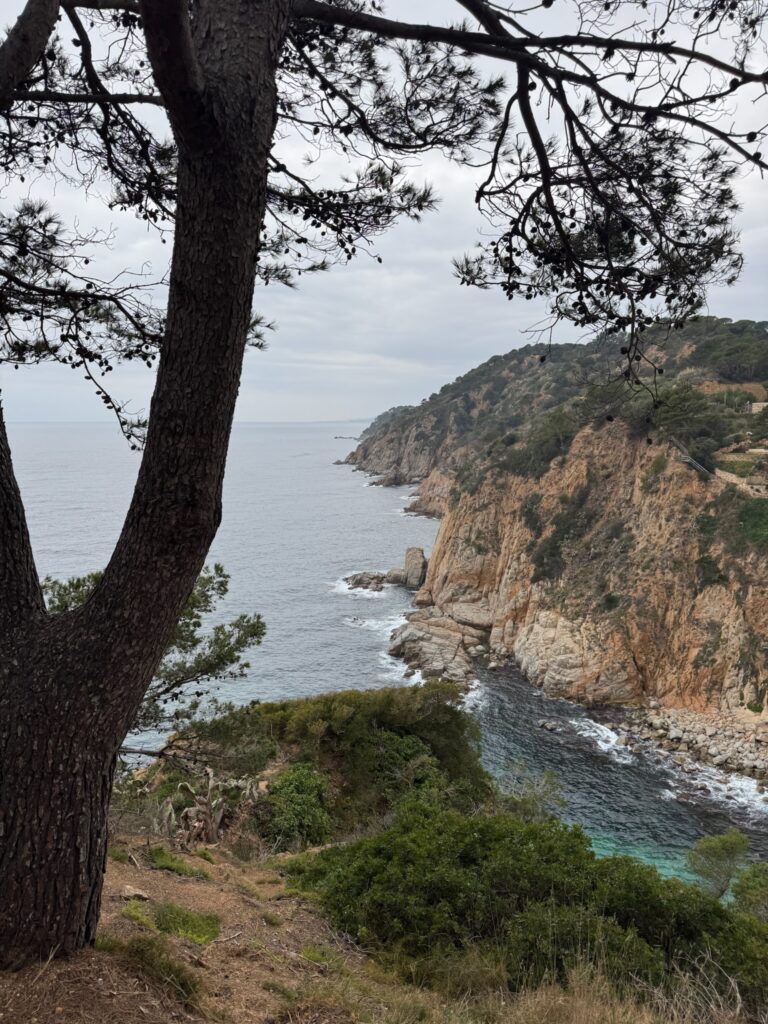
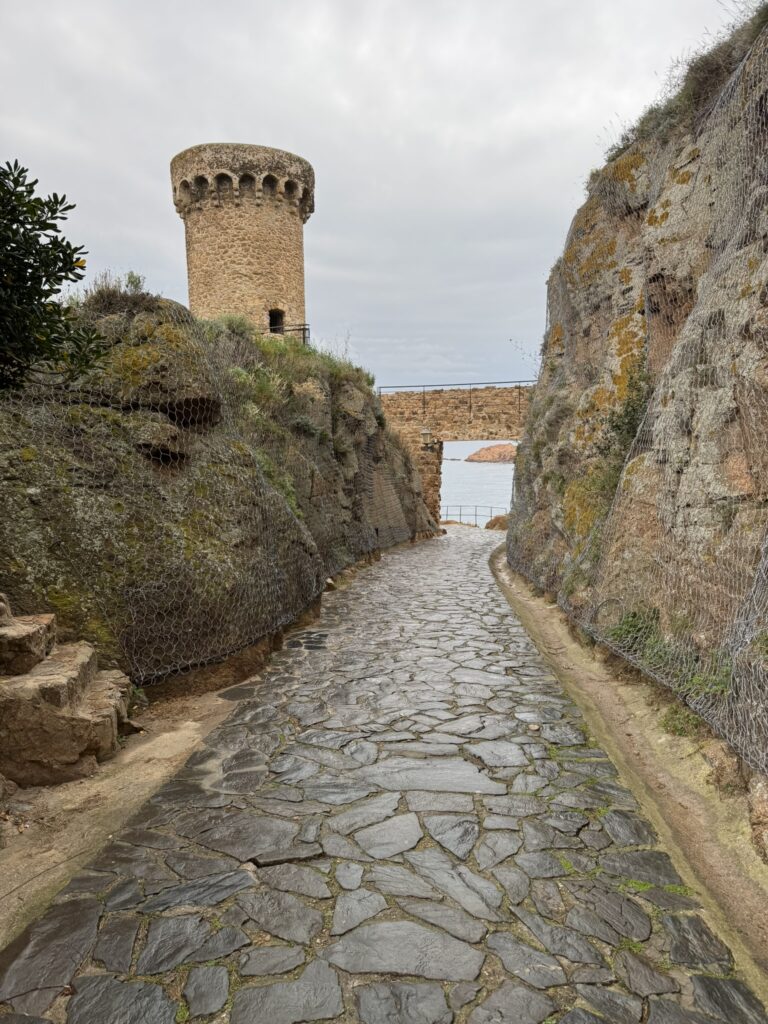
    Costa Brava is one of the most beautiful coastal regions in Spain, offering rugged cliffs, turquoise water, and peaceful seaside towns that feel worlds away from the energy of Barcelona. If you’re spending extra time in the city before or after your cruise, a day trip to Costa Brava is a refreshing way to experience a quieter, more natural side of Catalonia. The coastline stretches for miles, with hidden coves, dramatic viewpoints, and charming villages that invite you to slow down, breathe, and enjoy the scenery.

    The region’s atmosphere is what makes it so memorable. The air feels fresh and salty, the water shifts between deep blue and crystal‑clear green, and the rocky cliffs create a sense of privacy and calm. Whether you’re walking along a coastal path, relaxing on a sheltered beach, or exploring a small town with narrow streets and waterfront cafés, Costa Brava offers a peaceful escape that contrasts beautifully with Barcelona’s urban pace.

    What Makes Costa Brava Special

    Costa Brava stands out for its dramatic coastline and natural beauty. Many beaches are tucked between rocky cliffs, creating quiet, sheltered spaces that feel intimate and scenic. The water is incredibly clear, especially in the smaller coves where the sea stays calm and protected.

    The region also has several coastal towns that add charm and character to the experience. These towns often feature narrow streets, local shops, and waterfront restaurants where you can enjoy a relaxed meal with ocean views. The combination of rugged nature and small‑town charm makes Costa Brava a favorite for travelers who enjoy peaceful seaside settings and authentic local culture.

    Exploring the Coastal Paths

    One of the best ways to experience Costa Brava is by walking along the Camins de Ronda, a network of coastal paths that connect beaches and coves. These trails offer steady views of the sea and give you a chance to explore the coastline at your own pace.

    The paths vary in difficulty, so you can choose a short, easy walk or a longer, more adventurous route. Along the way, you’ll pass rocky cliffs, hidden coves, and scenic viewpoints that make the journey just as rewarding as the destination. It’s a great option for travelers who enjoy nature, photography, or simply being outdoors.

    Relaxing on the Beaches

    Costa Brava has a wide range of beaches, from small rocky coves to larger sandy stretches. Many of the smaller coves feel peaceful and sheltered, making them ideal for swimming, sunbathing, or simply enjoying the quiet atmosphere.

    The water is clear and calm in many areas, and the surrounding cliffs create a dramatic backdrop that adds to the beauty of the experience. Whether you prefer a lively beach with amenities or a quiet cove tucked between rocks, Costa Brava offers plenty of options for a relaxing day by the sea.

    Visiting the Seaside Towns

    The towns along Costa Brava each have their own personality. Some offer quiet streets and local shops, while others have lively waterfront areas with restaurants and cafés. These towns are easy to explore on foot and give you a chance to enjoy the region’s culture at a relaxed pace.

    You might wander through narrow alleys, browse small boutiques, or enjoy a meal overlooking the water. The slower rhythm of these towns makes them perfect for travelers who want to unwind and experience a more authentic side of Catalonia.

    Is Costa Brava Worth Visiting?

    Costa Brava is absolutely worth adding to your Barcelona itinerary if you enjoy coastal scenery, quiet beaches, and charming seaside towns. It’s close enough for a simple day trip yet far enough to feel like a true escape.

    The region offers a refreshing balance of nature, relaxation, and local culture — a perfect complement to the energy of Barcelona. Whether you’re exploring coastal paths, relaxing on the beach, or visiting a seaside town, Costa Brava delivers a peaceful, scenic experience that feels both restorative and memorable.

    For more ideas to help you plan your time in the region, you can explore my full Barcelona roundup post. If you’d prefer to visit Costa Brava along with Girona and Montserrat on a guided day trip, I also have a post covering that combined itinerary.

    For more ideas to help you plan your time in the region, you can explore my full Barcelona roundup post.

    Or, if you’d prefer to visit Costa Brava, along with Girona and Monserrat at the same time on a day trip, check out my post here.

  • Barcelona Day Trips: Montserrat, Girona, and Costa Brava

    Barcelona Day Trips: Montserrat, Girona, and Costa Brava

    Costa Brava Spain

    If you’re spending extra time in Barcelona before or after your cruise, taking a day trip outside the city is one of the most rewarding ways to experience more of Catalonia. The region is filled with dramatic mountains, medieval towns, and rugged coastline — landscapes that feel completely different from Barcelona’s urban energy. Each destination is easy to reach, offers its own personality, and adds a refreshing change of pace to your trip.

    Montserrat, Girona, and Costa Brava are three of the most popular choices, and each one highlights a different side of Catalonia. Montserrat brings soaring peaks and spiritual history. Girona offers quiet medieval charm and beautifully preserved architecture. Costa Brava delivers turquoise water, rocky cliffs, and postcard‑worthy seaside towns. Whether you’re drawn to nature, culture, or coastal scenery, these day trips offer something meaningful for every type of traveler.

    Montserrat

    Montserrat is known for its dramatic mountain peaks, peaceful monastery, and sweeping views. The serrated rock formations look almost sculpted, rising sharply above the valley and creating one of the most recognizable landscapes in Catalonia. The atmosphere feels calm and contemplative — a welcome contrast to Barcelona’s busy streets.

    Visitors often explore the basilica, admire the Black Madonna, or take the funicular even higher for panoramic views. The combination of nature and culture makes Montserrat a standout choice for travelers who want a day trip that feels both scenic and meaningful. It’s easy to spend a few hours wandering the grounds, taking photos, and enjoying the fresh mountain air before heading back to the city.

    Girona

    Girona is a historic city with medieval streets, colorful riverfront views, and well‑preserved landmarks that make it feel timeless. The cathedral, ancient walls, and Jewish Quarter create a setting that invites slow exploration — the kind of place where you can wander without rushing and discover something beautiful around every corner.

    The city is compact and easy to navigate, which makes it ideal for a relaxed day trip. Many visitors enjoy walking along the old city walls, exploring the narrow stone alleys, or taking in the pastel‑colored houses along the Onyar River. Girona is a strong option for travelers who appreciate architecture, history, and charming old‑world streets.

    Costa Brava

    Costa Brava offers some of the most scenic coastline in Catalonia, with clear water, rugged cliffs, and small seaside towns that feel peaceful and inviting. The region is known for its coastal walking paths, quiet coves, and dramatic viewpoints — perfect for travelers who want a slower, nature‑focused day.

    Many visitors spend their time relaxing on the beach, exploring waterfront promenades, or hiking along the coastal trails that connect one cove to the next. The scenery feels wild and untouched in places, yet welcoming and easy to enjoy. Costa Brava is a great choice if you want a day surrounded by natural beauty and Mediterranean charm.

    Which Day Trip Should You Choose?

    Each destination offers a different experience, and the best choice depends on what you want from your day:

    • Montserrat is ideal for mountain views, spiritual sites, and dramatic landscapes
    • Girona is perfect for history, architecture, and quiet medieval streets
    • Costa Brava is best for coastal scenery, coves, and relaxed seaside towns

    The good news is that you don’t have to choose just one. Several guided tours combine Montserrat, Girona, and Costa Brava into a single day, making it easy to experience all three without planning each stop on your own. That’s exactly what we did, and it gave us a smooth, well‑paced way to see the highlights of each destination in one itinerary.

    For more ideas to help you plan your stay in Barcelona, you can explore my full Barcelona roundup post.

error: Content is protected !!